
Reviewed · UNESCO HERITAGE TOURS
Private Gyeongju Tour – Explore Gyeongju UNESCO Sites
Gyeongju feels like a time machine. In one long day, you get to see UNESCO temples, Silla royal leftovers, and the ancient science of Cheomseongdae with a private guide.
I love the pickup and drop-off convenience, plus an air-conditioned vehicle that makes the drive part actually pleasant. I also love how the English-speaking guides turn each stop into a story you can follow, with a lunch stop at Hongsi Hanjeongsik (often picked for a good, traditional Korean meal).
One thing to watch: not every entrance is covered, and meals are listed as not included even though lunch is part of the day. Expect extra costs at the Daereungwon Tomb Complex and Donggung Palace & Wolji Pond.
In This Review
- Key things that make this Gyeongju private tour work
- Private, full-day Gyeongju: what you’re paying for
- Your day map: time, pacing, and what to expect on the road
- Bulguksa Temple: Silla Buddhism made visible in stone
- Seokguram: the cave temple that makes people slow down
- Lunch at Hongsi Hanjeongsik: where the day gets real
- Daereungwon Tomb Complex: royal Silla scale, with an add-on fee
- Cheomseongdae: the world’s oldest surviving astronomical observatory
- Donggung Palace & Wolji Pond (Anapji): Silla royalty by the water
- Gyeongju National Museum: the fast way to make the sites click
- How the English-speaking guide shapes the whole experience
- Booking value: what’s included, what’s not, and how to budget
- Should you book this UNESCO Gyeongju private tour?
- FAQ
- How long is the Gyeongju UNESCO private tour?
- Are pickup and drop-off included?
- Is lunch included?
- Which sites have entrance fees not included?
- What’s the maximum group size for this private tour?
- Can I cancel for a full refund?
Key things that make this Gyeongju private tour work
- A real private guide for 1 to 7 people (and a small-group option up to 15), so you can move at your group’s speed.
- English guidance that helps you connect architecture, temples, and royal sites without guessing.
- Big UNESCO hits in a single day, starting at Bulguksa Temple and ending at the Gyeongju National Museum.
- Planned comfort, including pickup and drop-off in select places and an air-conditioned vehicle.
- Flexible route handling during crowded periods, with guides who adjust timing and logistics.
- Clear add-on fees at Daereungwon Tomb Complex and Donggung Palace & Wolji Pond, so you can budget early.
Private, full-day Gyeongju: what you’re paying for
This private tour is priced at $186.50 per person for a day around 8 to 9 hours. When a day is this packed with major sites, the value is less about saving money and more about saving brain cells. A guide handles the timing, routing, and explanations, so you spend your energy looking, not figuring.
You’ll ride in an air-conditioned vehicle with pickup and drop-off in select locations. That matters in Gyeongju, where you can lose time to driving and parking if you’re trying to DIY it. The tour also uses a mobile ticket, which is a small but real convenience when you’re hopping between several venues.
One more practical point: the group is kept small. It’s set up for a single group of 1 to 7 guests for the small private experience, and there’s a mid-sized private option for 8 to 15. In plain terms, you get the benefits of private guidance without turning it into a chaotic bus day.
More UNESCO Heritage Tours in Gyeongju
- Gyeongju UNESCO sites Private tour with licensed tour guide
★ 5.0 · 275 reviews - Gyeongju: UNESCO Highlights Tour with Guide and Ticket
★ 4.9 · 166 reviews - Gyeongju UNESCO World Heritage Sites and History Full-Day Tour with Lunch
★ 5.0 · 104 reviews
Your day map: time, pacing, and what to expect on the road
This is a long sightseeing day with multiple sites, each with about an hour. That pacing usually works best when you want a “greatest hits” day and you’re fine with moderate walking at temples, historical grounds, and museum stops.
Transportation is included, including fuel surcharge, parking fees, and toll fees. That takes away the annoying part where you’d otherwise tally up random costs during the day. Still, it’s not a stress-free fantasy version. Expect real-world driving time, and if you come during a holiday weekend, you’ll want a guide who can keep things moving.
The vibe from the guides who get mentioned often is practical and flexible. For example, Jason is called out for early pickup and smart route choices. Arthur is noted for timing and efficient navigation during crowded holiday periods. Joy is highlighted for adapting the plan during heavy traffic and crowds. You’ll feel that difference when the day gets complicated.
Bulguksa Temple: Silla Buddhism made visible in stone
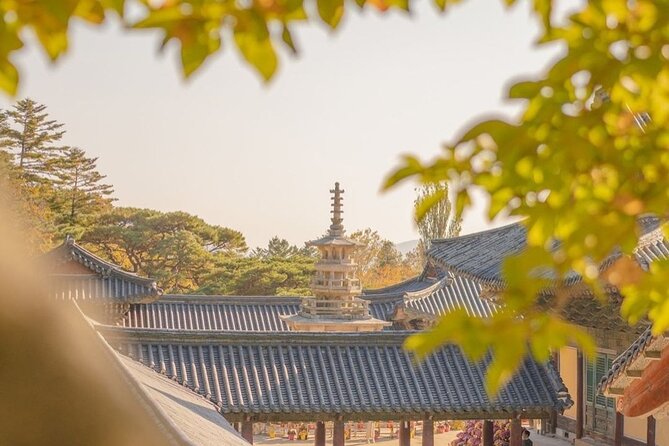
Bulguksa Temple is your first major stop, and it’s a UNESCO World Heritage site. You’ll have about an hour here, and the goal is not just to look at buildings, but to understand why they were built the way they were. Silla Buddhism isn’t just art on display, it’s a worldview expressed through layout, craftsmanship, and devotional space.
Because the entrance ticket is listed as free for this stop, you’re not starting the day with extra paperwork. That helps your budget and keeps the morning smoother.
What I’d do if I were planning your timing: wear shoes you can walk in comfortably. Temples are usually a mix of stone paths, slopes, and stairs. If you like taking photos, Bulguksa is one of those places where the best shots are often close to details, not just sweeping views. With a guide, you’ll usually get pointed to the “why that matters” parts instead of only the pretty angles.
Seokguram: the cave temple that makes people slow down
Next comes Seokguram, also a UNESCO site, and this is the stop that tends to make people pause. It’s a temple built inside a cave, so the experience is about contrast: bright stone outside, then quiet and atmosphere once you’re in.
You get about an hour here, and again the admission ticket is listed as free. That gives you a nice rhythm for the day: a major site, included entry, and time to absorb it rather than rushing in and out.
A cave temple also means you should watch your footing and take your time. Even if the walking is short, the surfaces can feel uneven or slippery depending on conditions. If your group includes someone older or someone with mobility limits, tell your guide early. Good guides often adjust how fast they move between photo points and viewpoints.
Same trip, a different corner of the country:
- Gyeongju: UNESCO Heritage Tour Including Bulguksa Temple
★ 4.8 · 104 reviews - Gyeongju: Private Car Tour with a Licensed Tour Guide
★ 5.0 · 85 reviews - Full day Private Gyeongju UNESCO Heritage Tour : a glimpse into Silla
★ 5.0 · 60 reviews - Guided Car Tour in Geyongju with a Local Guide
★ 5.0 · 38 reviews
Lunch at Hongsi Hanjeongsik: where the day gets real
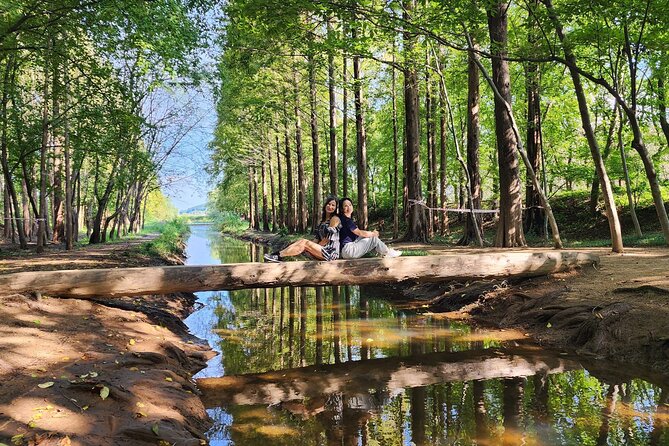
After the temples, you’ll stop for lunch at a traditional restaurant called Hongsi (홍시한정식) in the Gyeongju area. The time is about an hour.
Here’s the practical money question: the tour highlights say lunch is included, but the tour details list meals as not included, and the lunch stop explicitly says admission ticket is not included for this meal. Translation: don’t assume lunch is free. Plan for a paid meal at the restaurant.
Still, this is a smart inclusion in a private tour. A guide can steer you toward a place that’s genuinely local rather than a tourist trap. One guide moment that comes up often is the restaurant recommendation feeling spot-on for the group, not just picked at random. If you have allergies or you’re a picky eater, mention it at pickup, and don’t be shy about asking what dishes are typical.
Daereungwon Tomb Complex: royal Silla scale, with an add-on fee
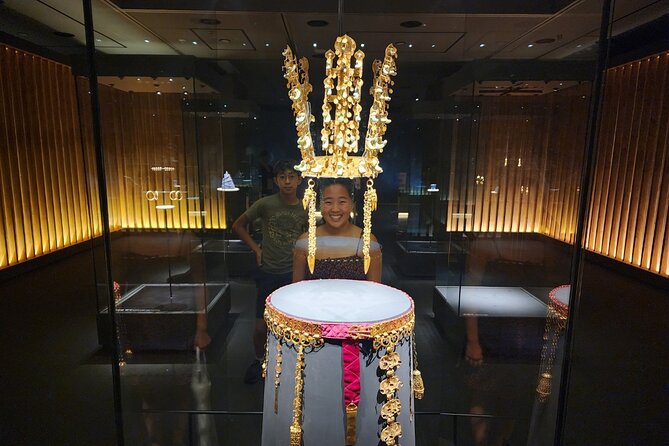
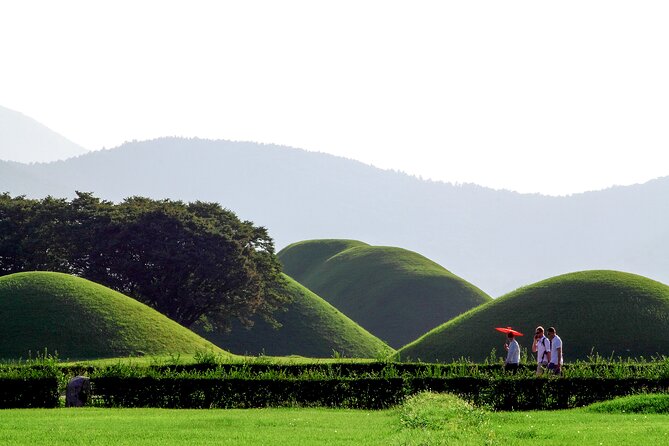
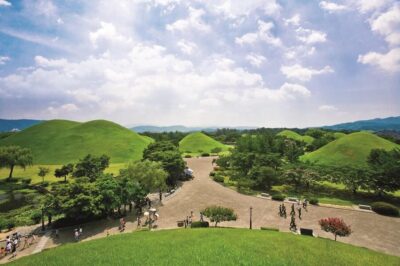
Daereungwon Tomb Complex is a Silla-era burial site, and it’s one of the big history anchors on this route. You’ll get about an hour, and the entrance fee is listed as ₩3,000 per person and is not included.
This is the stop where the day shifts from “beautiful places” to “power and organization.” Large burial mounds are visual politics. They show what kinds of leaders were honored, and how the society structured authority. With a guide, you’re less likely to treat the site like a set of random mounds and more like a map of royal status.
If you’re budgeting, this is one of two ticket add-ons you should plan for today. Even if you don’t buy anything else, having that fee in mind avoids the moment of surprise at the entrance.
Cheomseongdae: the world’s oldest surviving astronomical observatory
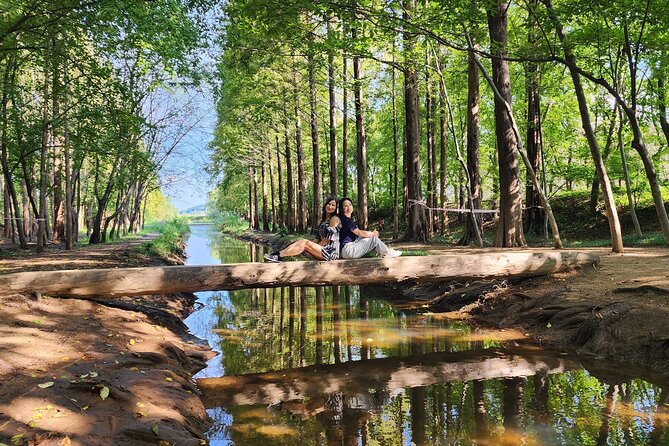
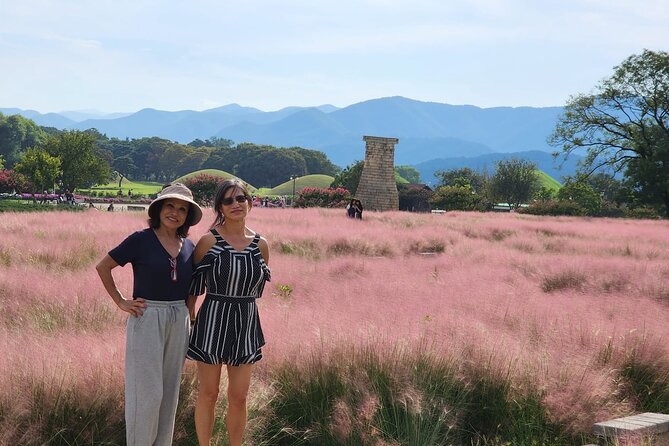
Cheomseongdae is next, and it’s one of those rare places where history includes science. You’ll spend about an hour here, and the entrance ticket is listed as free.
This is described as the world’s oldest extant astronomical observatory. The fun detail is that it was built with 362 stones, symbolizing the days. That’s exactly the kind of specificity that makes a quick stop feel meaningful, not skippable.
If you like “how they thought” rather than only “what they built,” this is a great hour. The structure is visually striking even without deep technical knowledge, but your guide can connect the astronomy symbolism to how people lived in an era where the sky shaped schedules and planning.
Also, because this stop is included with free admission, it’s a good checkpoint where you can keep your energy for the final stretch.
Donggung Palace & Wolji Pond (Anapji): Silla royalty by the water
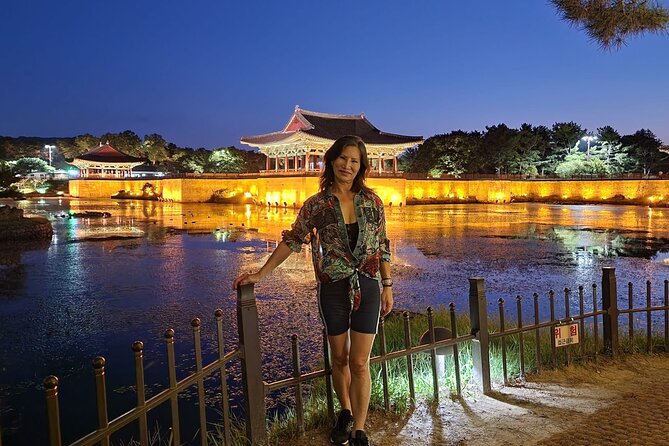
You’ll finish with Donggung Palace & Wolji Pond, previously known as Anapji. You get about an hour, and the entrance ticket is ₩3,000 per person, not included.
The pond is described as an artificial water feature in Gyeongju National Park, constructed in 674 by order of King Munmu of Silla. If you like atmosphere, this is usually the stop where the setting helps the stories land. Water reflects light, and that changes how the palace and pond feel throughout the day.
One reason guides earn their keep here is timing. A guide who knows how lighting and crowds affect the visit can help you experience the site better rather than just hitting it like a box. Lily is specifically noted for taking people to see the palace lit up, and that kind of moment is why timing matters on a full-day route.
Plan for the budget. Plan for uneven ground around the pond area. And do yourself a favor by wearing something comfortable, because photos at a pond can turn into 30 extra minutes fast.
Gyeongju National Museum: the fast way to make the sites click
After the outdoor sites, you’ll go to the Gyeongju National Museum. The visit is about an hour, and the entrance ticket is listed as free.
This is where your day often transforms from “I saw a lot” into “I understood what I saw.” The museum holds artifacts and exhibits related to the ancient Silla kings and culture, which gives you context for the temples, tombs, and royal structures you just walked through.
If you like souvenirs, you might find exhibits that make strong photo references for later. If you’re more of a “just tell me what matters” person, a guide can point you to the items that connect most directly to your earlier stops. Either way, the museum stop is valuable because it turns your route into a coherent story.
It’s also a good break point. After caves, tomb grounds, and ponds, an indoor hour helps reset your legs.
How the English-speaking guide shapes the whole experience
The biggest difference between this tour and DIY sightseeing is the guide’s role in your understanding and your pacing. English-speaking guides help you move through confusing details quickly, so you don’t waste time translating or guessing.
From the guide feedback that stands out, there are a few repeat patterns:
- Efficiency and timing so you don’t lose large chunks of the day to queues or traffic.
- Adaptability when crowds spike, like during major Korean holidays.
- Clear explanations that connect architecture and artifacts to Silla culture, Buddhism, and even how modern Korea fits into the bigger historical arc.
- Practical help, including driving routes and smooth photo moments.
Some people also mention small personal touches. Jason is noted for being flexible with the route and even detouring to show Busan when requested. Others mention guides taking photos for families, which can be a real quality-of-day boost when you want images without running around chasing your own camera.
One balanced note: pace can depend on group needs. If your party includes kids, older relatives, or anyone who needs extra bathroom stops, tell the guide early. That’s the easiest way to avoid frustration. Good guides can often handle adjustments, but you have to give them the information.
Booking value: what’s included, what’s not, and how to budget
Here’s the money reality based on what’s stated:
- Included: professionally qualified guide, pickup and drop-off, air-conditioned vehicle, fuel surcharge, parking fees, and toll fees.
- Not included: entrance fees for Daereungwon Tomb Complex (₩3,000) and Donggung Palace & Wolji Pond (₩3,000), and meals.
- Site admissions listed as free: Bulguksa Temple, Seokguram, Cheomseongdae Observatory, and Gyeongju National Museum.
So your extra spend is mostly those two entrances plus your lunch. If you want to keep the day smooth, carry a little cash for tickets, and have your lunch budget ready.
At $186.50 per person, this makes the most sense when you value guided context. If you’re the type who likes reading every plaque and wandering solo, you might DIY. But if you want to compress the learning curve and keep the day moving, private guidance is the trade you’re making for convenience and understanding.
Also, free cancellation is offered up to 24 hours in advance for a full refund. That’s useful if your schedule depends on train times, ferry connections, or weather.
Should you book this UNESCO Gyeongju private tour?
Book it if you want a single, high-impact day that covers major UNESCO sites, royal tombs, an astronomical landmark, and a museum stop that ties it all together. This is especially good for history-focused travelers, first-time visitors to Gyeongju, and families who want someone else to handle the logistics.
Skip it or reconsider if you don’t like long full days, or if you’re mainly looking to relax rather than see a lot. Also, if lunch and the two entrance fees feel like a hassle, make sure you’re comfortable with the added cost before you commit.
If you do book, send the guide a quick message about your group needs. Ask about timing for the pond area, since that’s often where the experience can feel most atmospheric. And wear comfortable shoes, because Silla sightseeing is beautiful, but it’s still a lot of walking for one day.
FAQ
How long is the Gyeongju UNESCO private tour?
It runs about 8 to 9 hours.
Are pickup and drop-off included?
Yes. Pickup and drop-off are included, but only in select locations.
Is lunch included?
A lunch stop at Hongsi Hanjeongsik is included in the tour experience, but meals are listed as not included. Plan to pay for the meal.
Which sites have entrance fees not included?
Daereungwon Tomb Complex has an entrance fee of ₩3,000 per person, and Donggung Palace & Wolji Pond also has an entrance fee of ₩3,000 per person.
What’s the maximum group size for this private tour?
The small private experience is for 1 to 7 guests. There is also a mid-sized private option for 8 to 15 guests.
Can I cancel for a full refund?
Yes. Free cancellation is available up to 24 hours before the experience start time for a full refund. If you cancel within 24 hours, the amount paid is not refunded.
Recently reviewed in Gyeongju
- Gyeongju UNESCO sites Private tour with licensed tour guide★ 5.0 · 275 reviews
- Guided Car Tour in Geyongju with a Local Guide★ 5.0 · 38 reviews
- Korail Day Trip to Gyeongju’s Unesco World Heritage Sites from Seoul★ 4.5 · 3 reviews
- Gyeongju: Private Car Charter Taxi Tour★ 5.0 · 37 reviews
- From Daegu: Gyeongju UNESCO Tour 7 Highlights with Bulguksa★ 4.6 · 5 reviews
- Busan: Gyeongju UNESCO Legacy Tour with National Museum★ 5.0 · 17 reviews
- From Busan: Gyeongju Small Group Photo Tour & Hotel Pick-up★ 5.0 · 3 reviews
- Busan + Gyeongju One Day Tour from Busan★ 5.0 · 3 reviews
UNESCO Heritage Tours, compared.
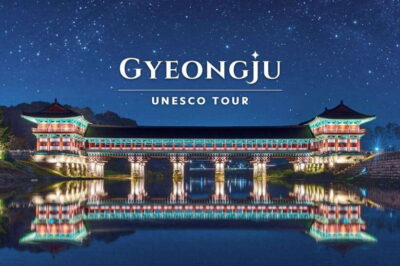
Gyeongju UNESCO World Heritage Guided Day Tour
Read our review →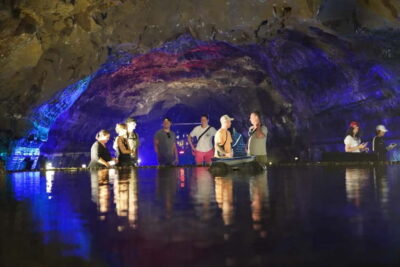

East Jeju Essentials – Seongsan Ilchulbong (UNESCO) & Haenyeo
Read our review →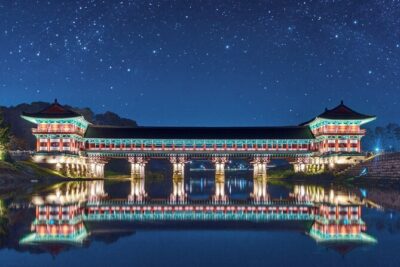
Gyeongju UNESCO World Heritage Guided Day Tour from Busan
Read our review →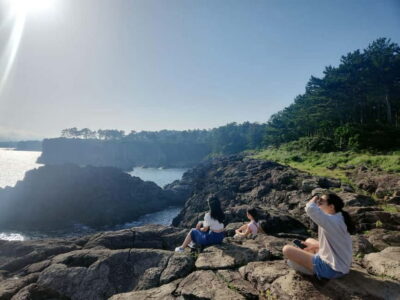
Gyeongju UNESCO sites Private tour with licensed tour guide
Read our review →
Browse the lists this tour appears in