
Reviewed · COOKING CLASSES
Korean cooking class in Haeundae, Busan
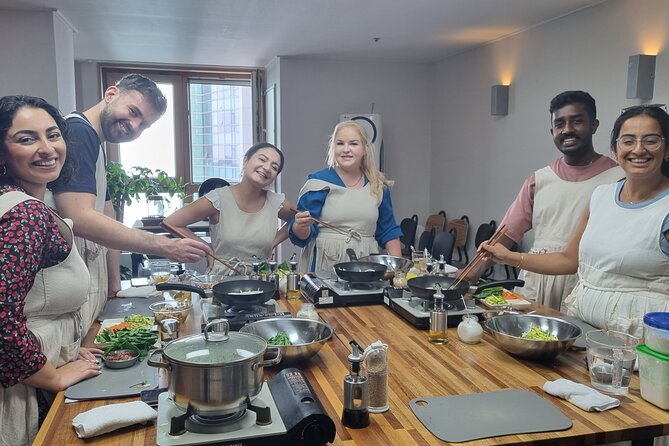
Korean food hits different when you cook it yourself. In Haeundae, you get hands-on lessons at a personal station, plus a little scenic coastal context around Busan. The class is small-group, so you’re not stuck watching from the sidelines.
I really like two things about this experience. First, the food instruction is practical and clear, with one-on-one help so you can actually finish what you start. Second, you’re not just tasting, you’re learning the Joseon dynasty roots behind the dishes and sauces, then eating the results at a traditional floor table style setup.
One consideration: the class menu can vary by date, so if you have your heart set on a very specific dish, confirm what you’ll cook when you book.
In This Review
- Key things you’ll notice right away
- Small-group Korean cooking with Min in Haeundae
- Joseon apron traditions and your own cooking station
- What you’ll cook: bibimbap, seaweed soup, and Korean pancakes
- From sauce tasting to the meal you made
- Dongbaekseom: a quick start that puts you in Busan mode
- Haeundae Beach and the value of small breaks
- Bay 101 Yacht Club: coastal views, calmer pace
- Nurimaru APAC House: adding context without exhausting you
- Price and value: is $100 per person fair?
- Who should book this class, and who might prefer something else
- Practical tips so you get the most out of the session
- Should you book this Korean cooking class in Haeundae?
- FAQ
- What dishes do you cook in the Haeundae Korean cooking class?
- Do I need previous cooking experience?
- Is the class group small?
- What is the bapsang meal like, and do I have to sit on the floor?
- Is there a certificate at the end?
- Is there tea and dessert included?
- Are there special dish dates or vegan temple-food options?
- How long is the class?
- How does the weather affect the experience?
- What should I know about accessibility and arriving?
Key things you’ll notice right away

- Personal cooking station so you’re not sharing a hot plate for three hours
- Joseon-era cooking stories woven into the steps, not tacked on at the end
- Maximum small group size for more attention and faster feedback
- Traditional bapsang dining with a chair option if sitting on the floor is tough
- Taste the main Korean sauces before you cook, so flavors make sense
- Certificate of participation plus extra take-home touches, depending on the session
Small-group Korean cooking with Min in Haeundae
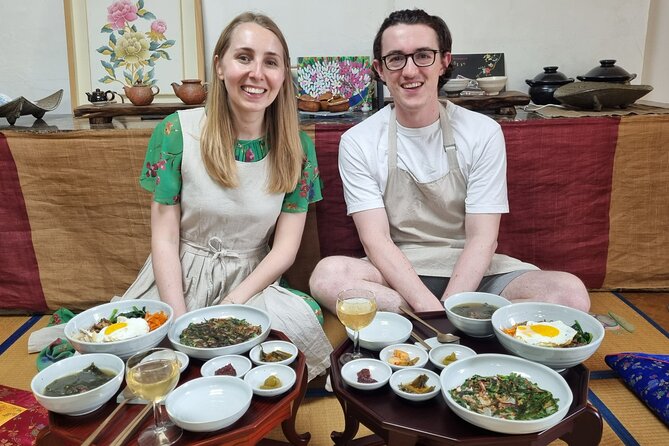
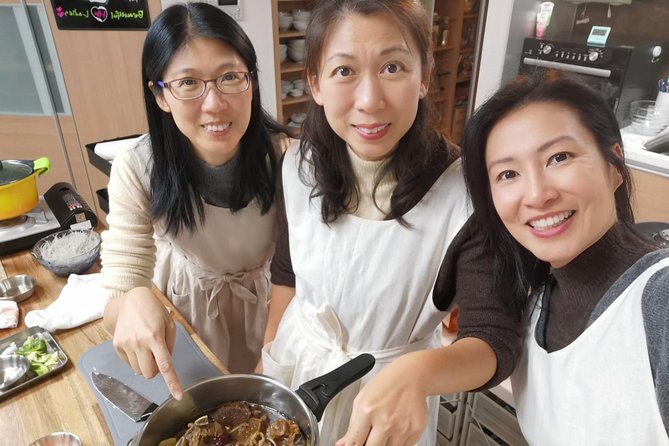
This is a morning-style Korean cooking class built around interaction. You’ll be working in a small group, capped at around eight people, which means the instructor can watch your hands, not just your questions. The vibe is hands-on and friendly, and many people walk away saying it felt like the best class they took in Busan because the pacing doesn’t leave anyone behind.
A big part of the value is the instructor approach. The class is led by Min, and she’s described as engaging and thoughtful, with clear guidance and cultural context. If you’re traveling solo, with a friend, or even with teens, you should feel comfortable here because the instruction adapts to different cooking levels. I’d also note that the class aims to make you confident enough to cook these dishes again later, not just survive the session.
And because the experience starts and ends back near the meeting point in Haeundae, it’s easy to fit into a short stay without eating up your whole day with transfers.
More Cooking Classes in Busan:
- Busan Tailored Korean cooking class (Vegan OK)with market tour
★ 5.0 · 66 reviews - Busan: Small-Group Traditional Korean Food Cooking Class
★ 4.9 · 58 reviews - Busan Local Food Cooking Class with Market Tour
★ 5.0 · 53 reviews
Joseon apron traditions and your own cooking station
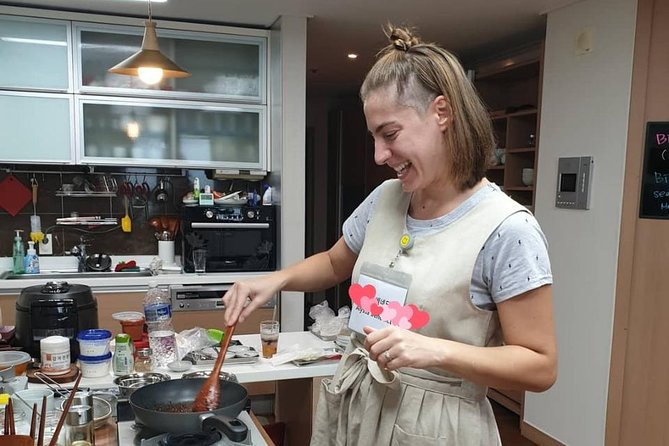
Before you start cooking, you’ll put on a Korean traditional apron. It’s tied to the idea of palace cooking traditions from history, which gives the session a fun, grounded theme. This matters because it turns the class from a random cooking demo into a real cultural experience, where the food comes with meaning.
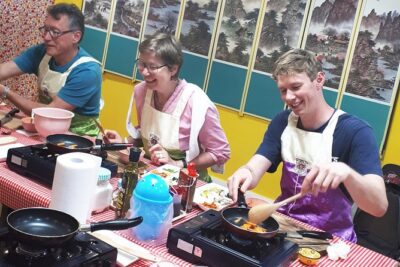
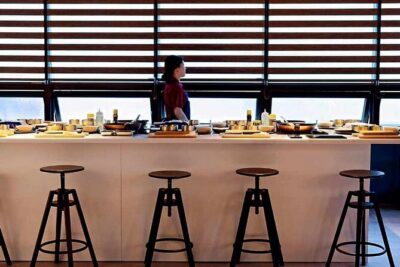
Then you settle into your own station. That setup is one of the practical advantages of this class. You’re not waiting your turn to chop, mix, or assemble. You can follow the steps, adjust as you go, and get direct help when something doesn’t look right.
You’ll also be served a welcome drink, and you’ll get a chance to taste the Korean main sauces. That tasting part is small, but it’s smart. If you understand the sauces early, your final bibimbap and pancakes taste like something more than just a list of ingredients.
What you’ll cook: bibimbap, seaweed soup, and Korean pancakes
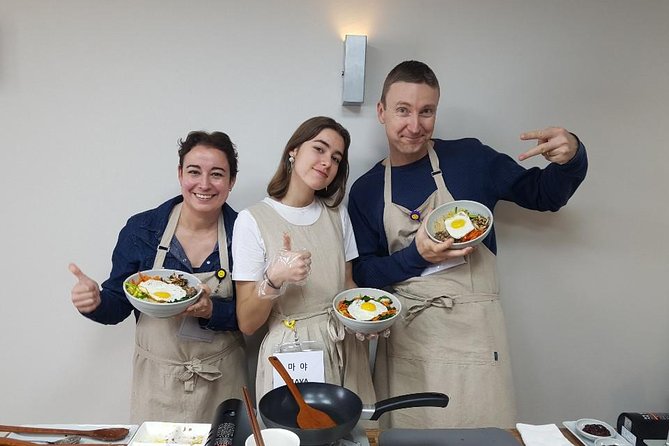
The core menu centers on classic Korean dishes. Depending on the date, you can expect a combination of these staples:
- Bibimbap
- Seaweed soup
- Korean pancake (often described as chive pancakes in past sessions)
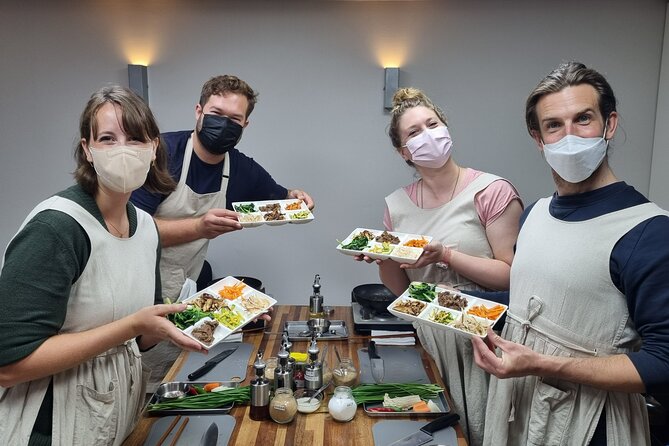
Even if you’ve never cooked much, the class is structured so you can finish the full plate you’re aiming for. You start with the sauces and flavor base, then move into hands-on prep. The instruction is designed to keep the pace manageable, and multiple people mention that the directions are clear enough that they didn’t end up stuck or panicked in the kitchen.
A special bonus here is the cultural framing. You’re not just learning how to make food, you’re learning why certain flavors are paired and how Korean sauce thinking works. The instructor also brings in Joseon dynasty cooking traditions, which helps explain the logic behind dishes instead of leaving you with memorized steps.
From sauce tasting to the meal you made
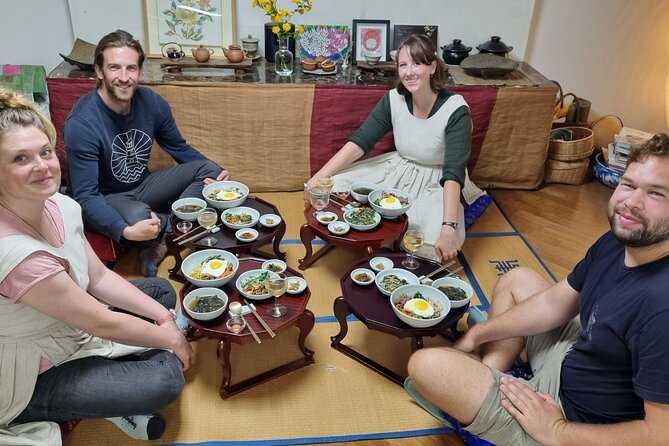
Once your dishes are ready, you eat what you cooked. This is where the class earns its keep.
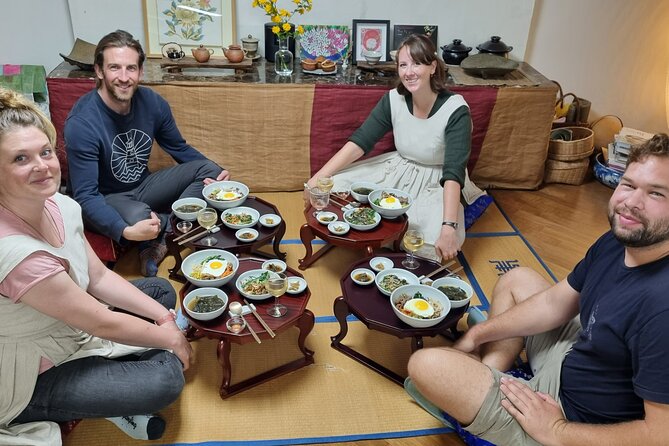
You’ll eat at a traditional bapsang table style setup, where the meal is served on a floor dining table. That’s a memorable experience, especially if you want something more immersive than a restaurant meal. The good news, though, is that the class explicitly notes a chair option if sitting on the floor is hard for you. So you can still enjoy the tradition without forcing your knees to negotiate with gravity.
The meal itself is built around what you made during the session. You’ll also have tea with a simple Korean dessert afterward. That sweet, paired ending makes the whole experience feel complete, like a full cultural course rather than a quick snack plus cooking.
One more thoughtful touch: after the class, you receive a certificate of participation. It’s a small paper souvenir, but it reinforces the idea that you completed a real skill-building experience.
A few more Busan days worth comparing
- Busan: Gyeongju Guided Day Trip to Three Kingdoms Capital
★ 4.8 · 1,925 reviews - Small Group Full Day Busan Tour (Max 6 Pax)
★ 5.0 · 1,464 reviews - From Busan: Gyeongju UNESCO World Heritage Guided Day Tour
★ 4.8 · 1,250 reviews - Busan Private Tour with licensed tour guide + private vehicle
★ 5.0 · 1,143 reviews
Dongbaekseom: a quick start that puts you in Busan mode
The itinerary includes sightseeing stops around Haeundae and the Busan coast. You’ll start from the Marine City area in Haeundae, and then you’ll head to Dongbaekseom as one of the first stops.
Dongbaekseom is a coastal area that helps set the tone for the day. It’s not the kind of stop where you need to rush to tick off a museum list. Instead, it’s a calm orientation to Busan’s seaside environment, and it gives you a moment to reset before you get back into cooking.
The upside for most people is that it breaks up the morning flow. You don’t just arrive, cook, and leave. You ease into the day with a bit of sea air and coastal views, which can make the whole class feel less like a chore and more like a travel memory.
Haeundae Beach and the value of small breaks
Next up is Haeundae Beach. This is a classic, and it works for a practical reason: it gives you a clear sense of where you are in Busan. It’s also a great spot to take quick photos, stretch your legs, and get your bearings for the rest of the day.
In a class experience that lasts about three hours, these small pauses matter. They help you arrive hungry but not frazzled, and they make the cooking feel like the centerpiece instead of the only thing you do.
A drawback to keep in mind is that beachfront areas can be weather-dependent. The experience notes that it requires good weather, and if the weather is poor it may be rescheduled or refunded. So if you’re booking during a season where rain is common, check forecasts and have a flexible mindset.
Bay 101 Yacht Club: coastal views, calmer pace
The Bay 101 Yacht Club stop adds a different feel than the beach itself. It’s more about the setting and the coastal framing of Busan than it is about shopping or a long walking loop.
Why I like this kind of stop for a cooking class day: it provides perspective. You start near the waterfront, then you cook traditional Korean food, then you sit down and eat it at the end. The connection between place and food is stronger when you’ve been given a few meaningful visual anchors along the way.
This part is also useful if you’re trying to balance a “do” activity (cooking) with “see” moments (coastline views). It’s a good mix when your schedule is tight.
Nurimaru APAC House: adding context without exhausting you
Nurimaru APAC House is included as another stop, and it continues the theme of Busan’s waterfront identity. It’s not a heavy, all-day sight plan. Instead, it functions like a guided context stop, helping you understand the local setting while keeping your energy for the cooking portion.
One reason this matters for value is timing. With a class duration around three hours, you don’t want a day that feels like nonstop walking. These stops are short and purposeful, so you can still enjoy the cooking station experience and the meal afterward.
Price and value: is $100 per person fair?
At $100 per person for about three hours, this isn’t the cheapest option. But for cooking classes, what matters is what’s included and how much attention you get.
Here, you’re paying for:
- Hands-on cooking at a personal station
- Ingredient work that ends in a full meal you eat afterward
- Tasting Korean main sauces
- A traditional dining setup with tea and dessert
- Cultural instruction tied to Joseon dynasty cooking traditions
- A certificate of participation
- Small group size, with direct instructor help (Min is the name you’ll see most often)
If you compare this to the cost of a private cooking session, it starts to feel more reasonable. And if you compare it to a regular food tour plus a separate meal, you’re getting both instruction and a sit-down outcome from what you make.
In plain terms: the class earns its price by making you the cook, not just the observer.
Who should book this class, and who might prefer something else
This class is a great fit if you want Korean food you can repeat at home. You’ll learn the structure behind bibimbap and pancake building, and you’ll taste the sauces early enough to understand the flavor logic.
It’s also a strong choice for:
- Families with teens, since instruction can be friendly and adapted
- People who don’t cook at all, because previous experience isn’t required
- Anyone who likes cultural context paired with practical steps
If you’re someone who hates sitting on the floor, don’t assume the class will be difficult. There is an explicit chair option if bapsang seating is hard. Still, if you know you strongly prefer restaurant-style dining only, you might feel more comfortable choosing a class that’s entirely table-based.
Practical tips so you get the most out of the session
A few things I’d do before you go:
- Wear comfortable clothing you can move in while you cook. You’ll be at a personal station and doing hands-on work.
- Plan for a morning start and aim to arrive a bit early, so you can settle in before the welcome drink and apron moment.
- Come with a couple of dietary needs if you have them. The class has accommodated gluten-free and vegetarian needs in past sessions, so it’s worth stating your requirements clearly.
- Ask about what sauce flavors you’re tasting. That tasting step is the shortcut to understanding why your final dishes taste right.
Also, since the class includes “counselling” recommendations near the area, treat it like a mini local guidance session. If you want help choosing what to do after cooking, that’s a good time to ask.
Should you book this Korean cooking class in Haeundae?
If you want a Busan experience that mixes food, culture, and a hands-on result you can bring home, I think this is an easy yes. The small group setup, personal station format, and the fact that you eat what you cook make it feel worth your time, not just fun for the moment.
Book it if:
- You like practical cooking instruction with cultural context
- You want small-group attention from Min
- You’re excited by bibimbap, seaweed soup, and Korean pancakes
- You’d enjoy bapsang-style dining, with the option of a chair if needed
Skip it or re-check the menu if:
- You’re very date-specific about exactly which dishes you want
- You’re booking during a period where weather is often bad and you can’t be flexible
Overall, this is the kind of class that turns a meal into a skill, with just enough sightseeing around Haeundae to make the morning feel like a real day in Busan, not just a kitchen stop.
FAQ
What dishes do you cook in the Haeundae Korean cooking class?
The class focuses on classic Korean dishes such as bibimbap, seaweed soup, and Korean pancake. The exact menu may vary by date, so it is smart to confirm your specific dishes when you book.
Do I need previous cooking experience?
No previous cooking experience is necessary. You’ll get clear, hands-on instruction and enough guidance to finish the meal you cook.
Is the class group small?
Yes. It’s designed for a small group, with a maximum of about eight travelers, and highlights describe a class size of up to seven people.
What is the bapsang meal like, and do I have to sit on the floor?
You’ll eat your meal on a bapsang, which is a traditional Korean floor dining setup. If it is hard to sit down on the floor, the class provides the meal with a chair option.
Is there a certificate at the end?
Yes. You receive a certificate of participation after the class.
Is there tea and dessert included?
Yes. After the meal you cooked, you’ll enjoy tea with a simple Korean dessert.
Are there special dish dates or vegan temple-food options?
For 2025, there are no special cooking dates scheduled and no temple food cooking dates scheduled based on the provided information. If you book for those themed sessions, you would need dates that are actually scheduled.
How long is the class?
The class duration is approximately 3 hours.
How does the weather affect the experience?
The experience requires good weather. If it’s canceled due to poor weather, you’ll be offered a different date or a full refund.
What should I know about accessibility and arriving?
Service animals are allowed, and it is near public transportation. The meeting point is at 37 Marine city 3-ro, Haeundae, Busan, and the activity ends back at the meeting point.
Recently reviewed in Busan
- West Busan Small Group Photo Tour (Max 7)★ 5.0 · 11 reviews
- Real Busan Walking Experience★ 5.0 · 27 reviews
- Visit Busan night market and enjoy the night view of Busan harbor★ 5.0 · 6 reviews
- Busan Highlights Shore Tour – Cruise Return Assured★ 4.5 · 34 reviews
- Suncheon one day tour from Seoul, Busan or Suncheon★ 5.0 · 3 reviews
- 1 Day Private Busan Guided Tour★ 4.5 · 3 reviews
- Busan Beomeosa Temple & Hongbeopsa Temple with temple lunch★ 5.0 · 11 reviews
- Private Custom Tour With a Local Guide in Busan★ 4.5 · 12 reviews
Cooking Classes, compared.
Local Home Korean Cooking Class & Market Adventure in Seoul
Read our review →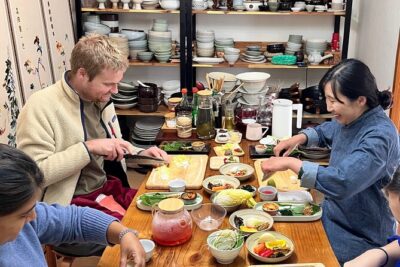
Master Korean traditional cooking with a Kimchi chef
Read our review →
Korean Cooking Class at a Local Home and Market Tour
Read our review →
Experience Korean Cooking in Modern Hanok Kitchen
Read our review →
Korean Cooking Class with Grocery Shopping at Seoul Local Market
Read our review →
Taste of Korea, Authentic home style Cooking class
Read our review →Browse the lists this tour appears in