
Reviewed · COOKING CLASSES
Busan: Small-Group Traditional Korean Food Cooking Class
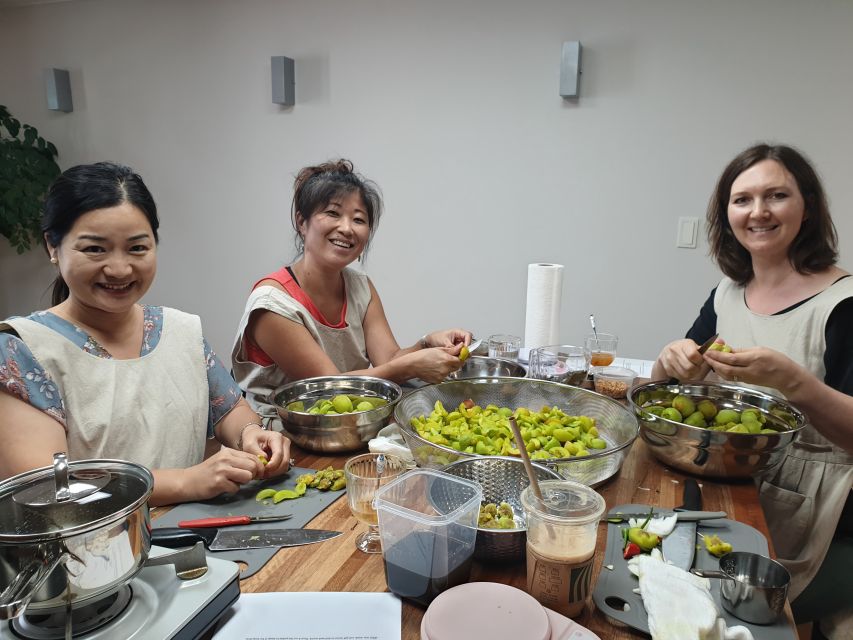
Korean cooking classes feel like dinner with a teacher. This one is a small-group setup near Haeundae beach, where you cook, taste sauces, and finish with Korean tea and dessert in about 3 hours.
I love that you get hands-on instruction while making something central to Korean food: Bibimbap. I also like the format, with cooking and then eating at a Bapsang (a traditional personal dining table), not just sitting and watching.
One thing to consider: this is not a hotel pickup. You’ll need to handle your own way to the meeting address, so plan a little extra time to find Flat #2406.
In This Review
- Key takeaways before you book
- Near Haeundae, in a real local kitchen setup
- Finding Flat #2406 around Dongbaek and Haeundae
- Welcome drink and sauce tasting: your flavor map
- Cooking your Bibimbap the Korean way
- Vegan and dietary notes you should actually plan for
- Cooking with fresh ingredients, not generic prep
- The Bapsang experience: eating is part of the lesson
- Tea and Korean dessert: the final course matters
- What you take home: recipes, certificate, and a surprise gift
- Price and value: why $98 can be fair here
- Who this class fits best in your Busan plan
- Tips to make the most of it
- Final call: should you book this Bibimbap class?
Key takeaways before you book
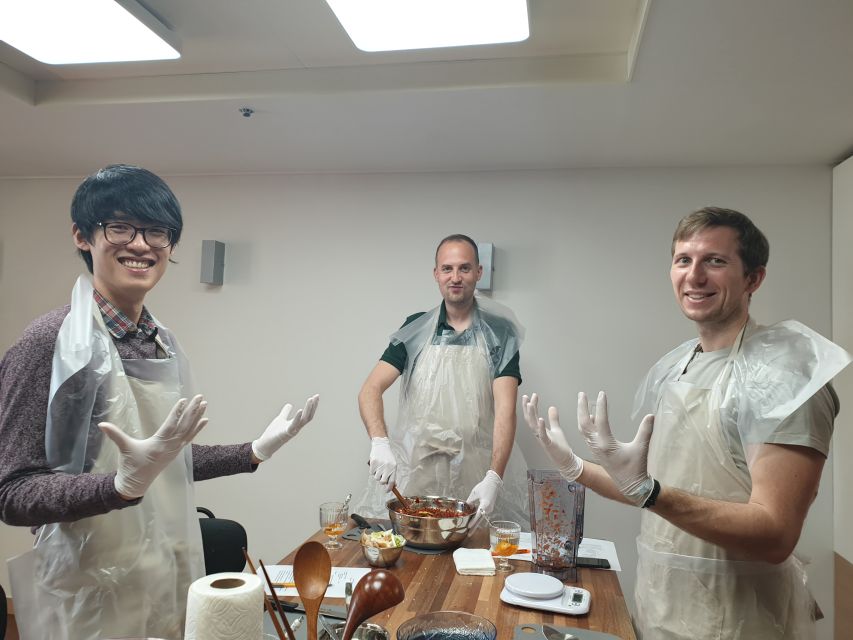
- Small-group size (max around 10) means more time with the instructor and less crowd pressure.
- Bibimbap cooking focus gives you a real skill you can repeat later, not just a food tasting.
- Sauce tasting early helps you understand flavors before you start assembling your bowl.
- Bapsang dining makes the meal feel personal and very Korean in style.
- Tea and dessert included, so the experience ends like a full course meal.
- Take-home recipes, plus a certificate and surprise gift help you remember it after the class.
Near Haeundae, in a real local kitchen setup
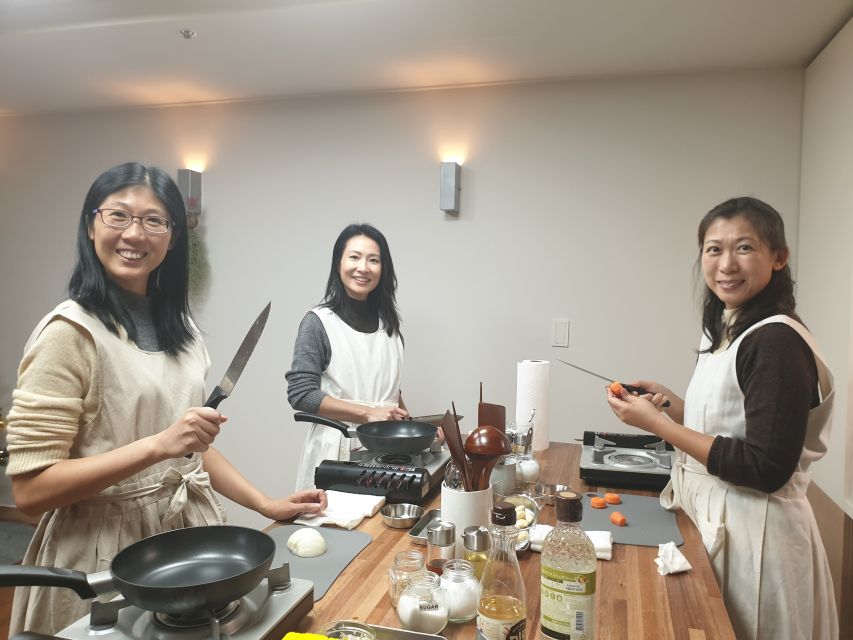
Busan’s Haeundae area is all about sea air, street life, and good food nearby. Doing a cooking class here makes sense because you can turn this 3-hour block into a focused food activity, then still enjoy the beach area afterward.
What makes this class particularly workable is the size and pacing. With up to 9 or 10 participants, you are not squeezed into a big demo. You get step-by-step guidance in English or Korean, with the chance to ask questions as you cook.
Also, the class is designed for you to leave with more than one meal’s worth of knowledge. You get recipes to take home, and the instructor provides context on what you are making, including the history and food culture behind the dishes. That matters because it turns your cooking from copying steps into understanding flavor.
More Food Tours in Busan
- 4-Hours Hiking and Tasting Rice Wine in the Mountain of Busan
★ 5.0 · 79 reviews - Busan: Hiking and Tasting Rice Wine in the Hidden Village
★ 4.9 · 74 reviews - Busan history and market food tour with local chef
★ 5.0 · 58 reviews
Finding Flat #2406 around Dongbaek and Haeundae
You meet at Flat #2406, Hoabin Busan Haeundae, 37 Marine city 3-ro, U 1(il)-dong, Haeundae, Busan. There is no pickup or drop-off, so you will want to navigate on your own and arrive a few minutes early.
Here are the most direct ways to get there from the information provided:
- Subway: Dongbaek Station (Line 2, Green), Exit No1, about a 10-minute walk.
- Bus: Daewoo Marina APT Stop, about 7 minutes on foot, with several bus routes stopping there.
- Bus: Dongbaek Stop, about 15 minutes on foot, with multiple routes listed.
Practical tip: since it’s an apartment flat meeting point, bring a screenshot of the address and plan to do one slow circuit around the building number range. It’s not hard, but it saves stress.
Welcome drink and sauce tasting: your flavor map
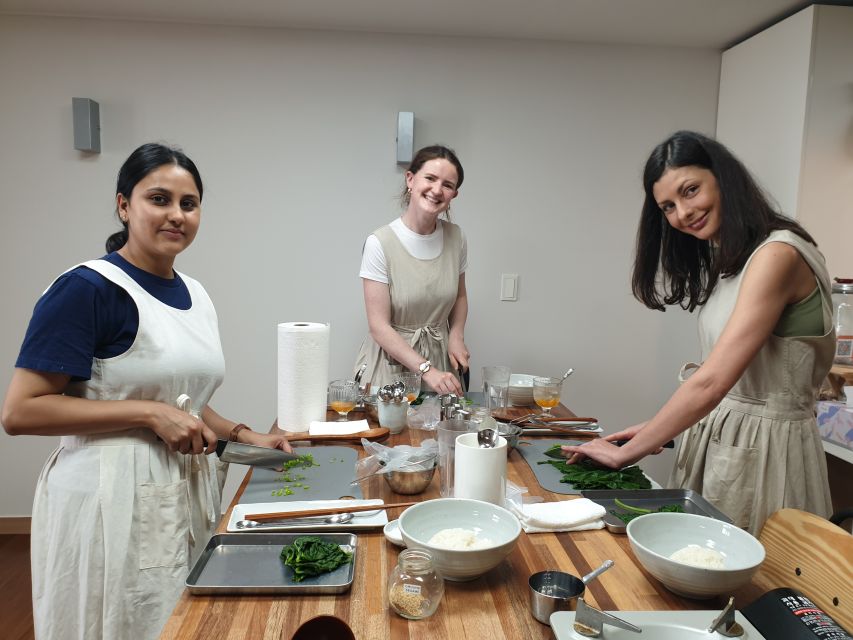
The class starts with a welcome drink, then the chef gets you ready for cooking. The instructor explains the ingredients and lets you taste Korean sauces before you start assembling.
That sauce-tasting stage is a big deal. Korean dishes often taste complex because sauces combine sweetness, salt, acidity, and heat. When you taste first, you learn what each element does, so you can follow instructions without feeling lost.
From there, the class moves into hands-on cooking. You’ll work in a step-by-step flow with easy instructions, which is ideal if you have limited cooking experience. The goal is for you to finish confidently, not just collect photos.
Cooking your Bibimbap the Korean way
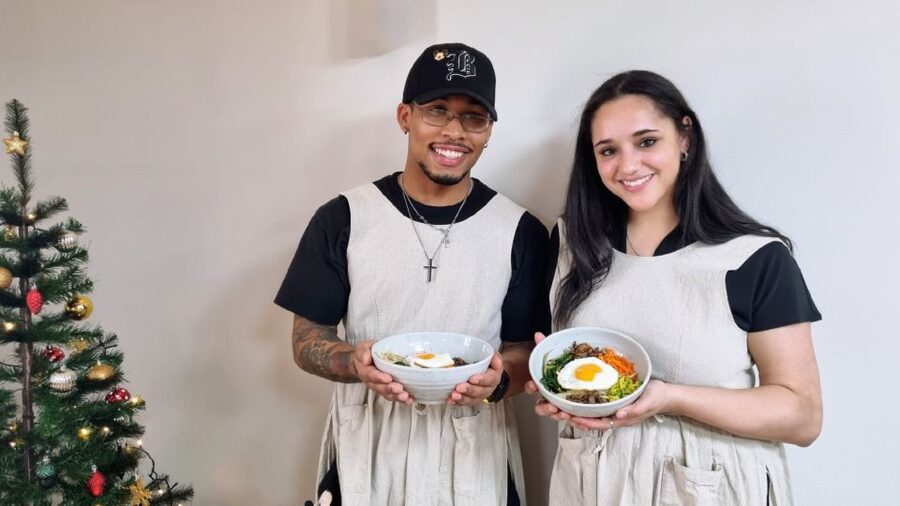
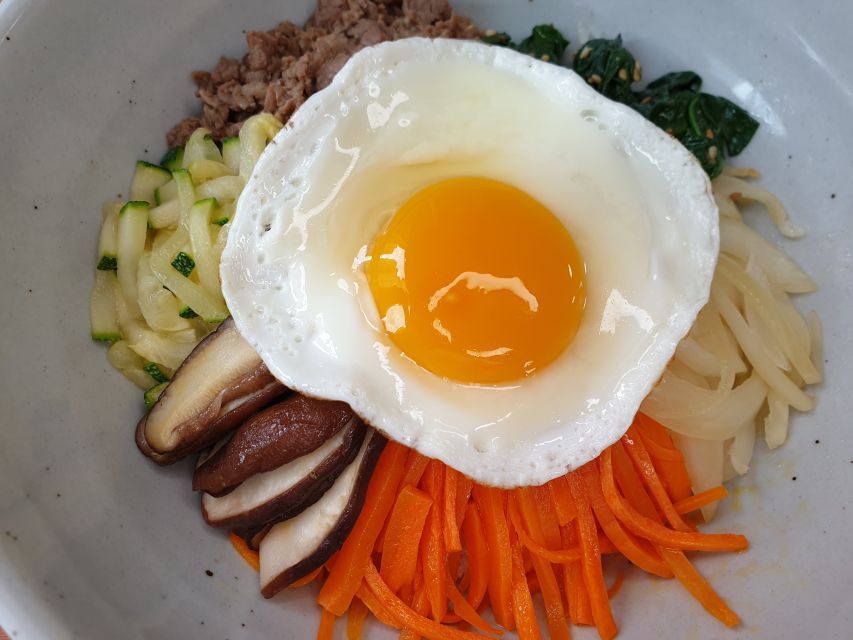
Bibimbap is the star: a rice dish built with assorted vegetables and meat, then finished with the right mix of toppings and sauce. In this class, you actually cook your own bibimbap, not just eat it.
What you can expect in practice:
- You prepare components with guidance, so you understand what each part is.
- You follow instructions that are described as easy to follow, which helps you keep momentum.
- You assemble your bowl with the flavors you tasted at the beginning of class.
Why this dish is such good value for a cooking class: it is a skill you can reuse. Once you learn how to think in “rice plus toppings plus sauce,” you can adapt for what you find at markets later. Bibimbap is also flexible for different diets, which brings us to the vegan note.
More Cooking Classes in Busan:
- Korean cooking class in Haeundae, Busan
★ 5.0 · 92 reviews - Busan Tailored Korean cooking class (Vegan OK)with market tour
★ 5.0 · 66 reviews - Busan Local Food Cooking Class with Market Tour
★ 5.0 · 53 reviews - Local Home Korean Cooking Class & Market Adventure in Seoul
★ 5.0 · 1,024 reviews
Vegan and dietary notes you should actually plan for
If you are vegan, you need to notify in advance so the class can prepare proper ingredients. The instructions say to request this at booking or contact them at least 24 hours ahead.
That’s worth planning early because a lot of Korean cooking uses animal-based components in stocks and sauces. When the kitchen prepares intentionally, you’ll have a better experience and less frustration during cooking.
If you have other dietary needs beyond vegan, the data does not spell out specific accommodations. Your best move is to reach out with your details so they can confirm what they can do.
Cooking with fresh ingredients, not generic prep
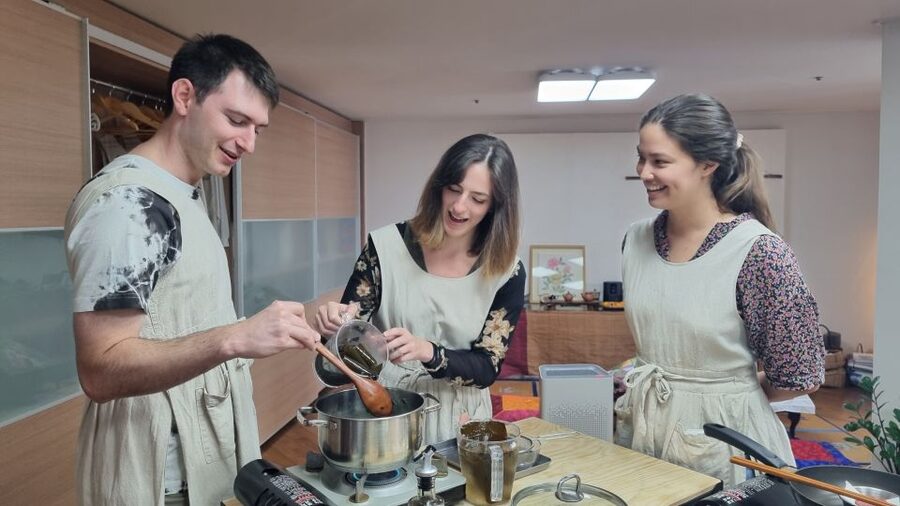
A good class is not just recipe recitation. This one leans on the idea of using fresh, seasonal ingredients and traditional local methods, so what you make feels grounded in real Korean cooking.
You also cook using class-provided essentials:
- ingredients
- utensils and an apron to use during the class
- water
That removes the typical “why did I buy supplies for a class” headache. You can show up ready, cook with what’s provided, and focus on technique and taste.
The Bapsang experience: eating is part of the lesson
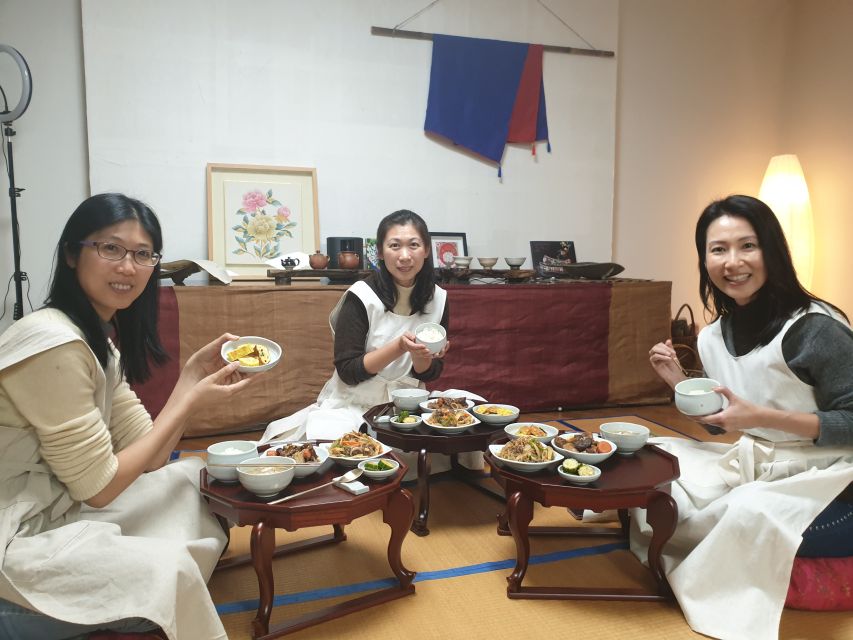
After cooking, you eat your meal on Bapsang, a traditional personal dining table. This is not a throwaway detail. The Bapsang setup changes the feel of the meal, because it is closer to how Korean food is often served at home for individual portions.
I like this approach because it keeps the learning loop tight. You cook, you taste, then you eat from the same format. It’s easier to notice texture differences, balance, and how sauces cling to rice and toppings.
It also makes the meal feel special. You are not waiting for someone else’s plated food. Your hands made it, your bowl looks the way you assembled it, and you get to judge the result.
Tea and Korean dessert: the final course matters
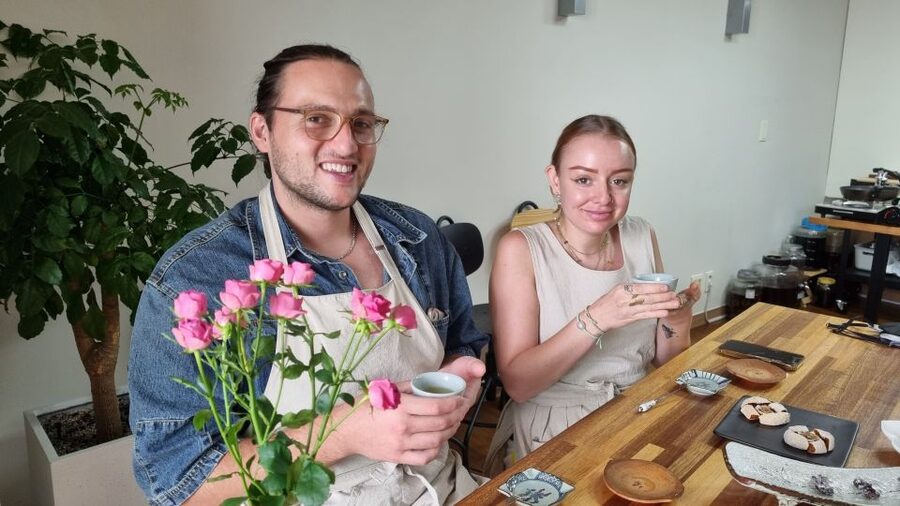
The class doesn’t end at dinner-bowl satisfaction. After you finish eating, you get Korean tea and dessert tasting.
That dessert and tea stage adds two useful things:
- You get a sense of how Korean meals close, not just how they start.
- You get more flavors to recognize later when you order in restaurants.
In some past sessions, the cooking menu has gone beyond bibimbap, with additional dishes included like soup and a vegetable fritter. If your class includes extra items, the format stays the same: guided prep, then you eat what you cooked, followed by tea and dessert.
What you take home: recipes, certificate, and a surprise gift
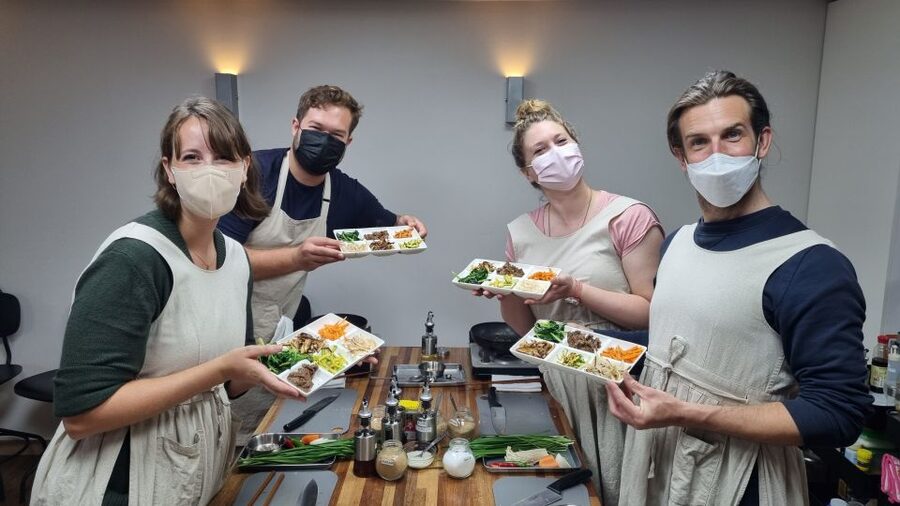
This class is designed to leave you with reminders that go beyond a memory card.
You receive:
- recipes to take home
- a certificate
- a surprise gift
That certificate and gift may sound small, but they matter if you want to make this more than a one-time bite. The recipes are the real payoff because they let you recreate the flavors after your Busan days fade.
Price and value: why $98 can be fair here
At $98 per person for 3 hours, the cost can sound high until you look at what you get.
You are not paying only for instruction. The price covers:
- ingredients
- utensils and an apron
- your meal, including dessert
- water
- recipes you can take home
- plus a certificate and gift
In other words, you are paying for a meal and a skill lesson in one package. If you treat it as a cooking workshop that also includes a full food experience, the value becomes more reasonable. The small group size also supports the price, because you are not competing for attention in a crowded kitchen.
Who this class fits best in your Busan plan
This is a strong match if you want a hands-on activity that doesn’t require market hunting or heavy prep. It also works well if you care about food culture, because the instructor explains what you are cooking and why it matters.
Based on the teaching style described in the class record, it is especially good if:
- you like step-by-step guidance
- you want to try authentic Korean flavors rather than generic versions
- you want an activity that’s fun for a range of ages
A parent story shared in the class feedback included a 12-year-old, which suggests the pacing and instructions can work for families when everyone is curious.
Tips to make the most of it
Here’s how to get the best experience, with zero guesswork:
- Arrive a bit early so you can settle before the welcome drink and sauce tasting.
- Bring questions about flavor, not just technique. Sauce tasting is a shortcut to better cooking later.
- If you are vegan, plan ahead and request it early so the menu can be adjusted.
- Wear comfortable clothes. Even with an apron, cooking kitchens get warm and active.
Finally, treat this as a learning meal. You’ll enjoy it more if you pay attention during the build, not only at the end.
Final call: should you book this Bibimbap class?
If you want a small-group cooking class near Haeundae that teaches you something you can repeat later, this is a very solid choice. The combination of Bibimbap cooking, sauce tasting, Bapsang dining, and included tea and dessert makes it more complete than a quick tasting session.
Book it if you value hands-on instruction and you want recipes to take home. Skip it only if you strongly prefer a hands-off food tour style or you do not want to manage your own way to Flat #2406.
Recently reviewed in Busan
- West Busan Small Group Photo Tour (Max 7)★ 5.0 · 11 reviews
- Real Busan Walking Experience★ 5.0 · 27 reviews
- Visit Busan night market and enjoy the night view of Busan harbor★ 5.0 · 6 reviews
- Busan Highlights Shore Tour – Cruise Return Assured★ 4.5 · 34 reviews
- Suncheon one day tour from Seoul, Busan or Suncheon★ 5.0 · 3 reviews
- Busan Beomeosa Temple & Hongbeopsa Temple with temple lunch★ 5.0 · 11 reviews
- 1 Day Private Busan Guided Tour★ 4.5 · 3 reviews
- Private Custom Tour With a Local Guide in Busan★ 4.5 · 12 reviews
Cooking Classes, compared.
Local Home Korean Cooking Class & Market Adventure in Seoul
Read our review →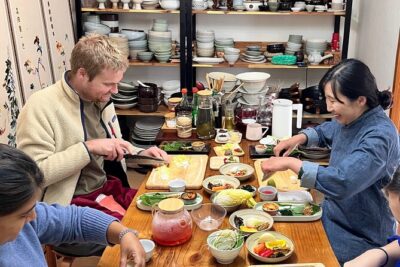
Master Korean traditional cooking with a Kimchi chef
Read our review →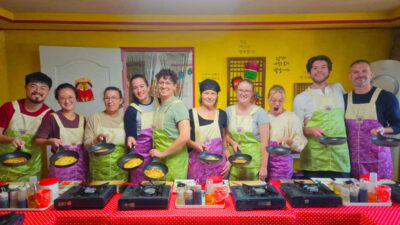
Korean Cooking Class at a Local Home and Market Tour
Read our review →
Experience Korean Cooking in Modern Hanok Kitchen
Read our review →
Korean Cooking Class with Grocery Shopping at Seoul Local Market
Read our review →
Taste of Korea, Authentic home style Cooking class
Read our review →Browse the lists this tour appears in