
Reviewed · COOKING CLASSES
Busan Tailored Korean cooking class (Vegan OK)with market tour
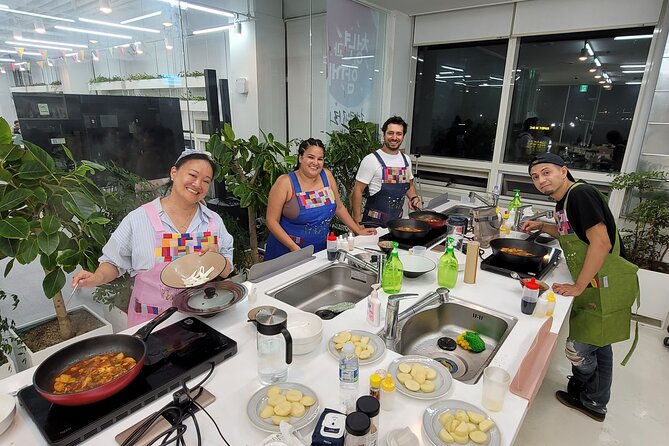
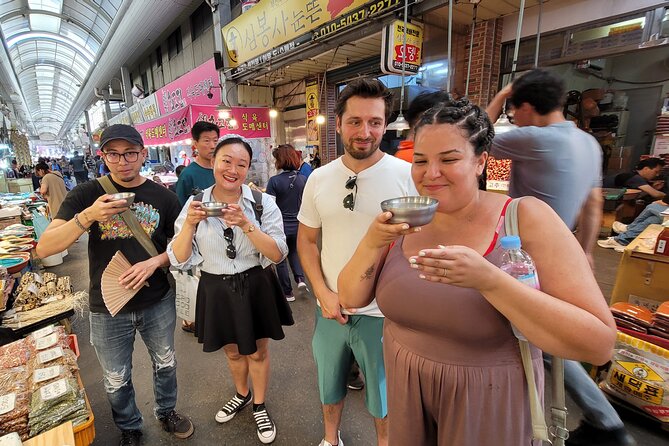
Your dinner starts at a busy market. I love how this class begins in Bujeon Market, where your host guides you through ingredients and you pick up groceries like a local, not a spectator. Then you move to the kitchen and cook what you bought, with personal attention from Suyang Chang throughout.
What I especially like is the menu flexibility. You choose 3 dishes from a clear list, including 2 banchan (side dishes) plus 1 stew or soup, and the host tailors the plan to your tastes, including vegetarian options.
One thing to think about: the exact combo you select can affect what you end up making. In at least one case, a specific option meant no side dishes were provided, so confirm your dish set before you lock in your choices.
In This Review
- Key things to know before you go
- Bujeon Market Shopping: Fresh Ingredients and Real Busan Energy
- Picking Your 3-Dish Plan: 2 Banchan Plus a Stew or Soup
- In the Kitchen with Suyang Chang: Hands-On Cooking That Builds Confidence
- Banchan Lessons That Travel Well: Side Dishes You Can Actually Repeat
- Stew and Soup Choices: Comfort Bowls with Clear Flavor Logic
- Vegan OK Without Feeling Like a Compromise
- What’s Included, and Why the Price Feels Fair
- Ending with Recipes, Not Just a Full Stomach
- Is the Busan Tailored Korean Cooking Class Worth Booking?
- FAQ
- How long is the Busan cooking class with market tour?
- Where does the tour start?
- Is the class vegan or vegetarian friendly?
- How many dishes can I choose?
- What kinds of dishes are offered?
- What happens after the market tour?
- What is included in the price?
- What is not included?
- How big is the group?
- Can I change or cancel after booking?
Key things to know before you go
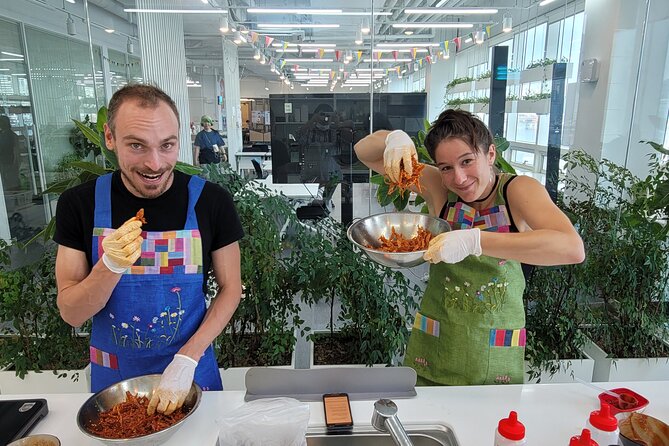
- Bujeon Market shopping first so your cooking starts with fresh ingredients you actually picked
- Choose 3 dishes: 2 banchan and 1 stew or soup, with customization for your preferences
- Vegan OK, vegetarian menus available and tofu or soybean-based dishes can fit in
- Small group size (up to 15) for more hands-on help
- Suyang Chang teaches step-by-step and has shared recipes afterward so you can repeat the dishes at home
- Included drinks like barley tea or corn tea, plus instant coffee, to keep you fueled during cooking
Bujeon Market Shopping: Fresh Ingredients and Real Busan Energy
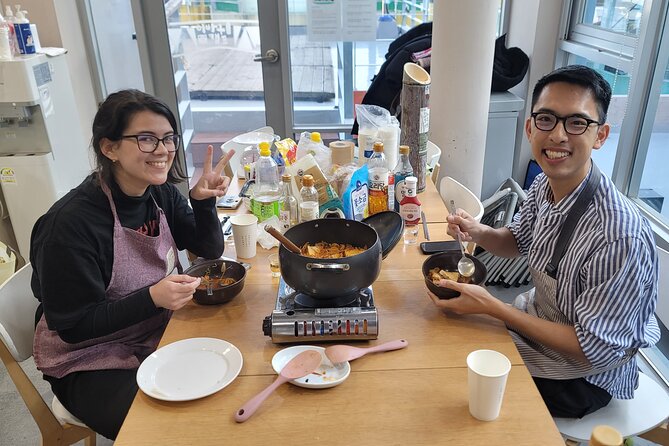
This experience treats the market as the first classroom. You start at the KB Kookmin Bank Seomyeon Joongang2 Saessak-ro meeting point, then head to Bujeon Market with your host. Once you’re there, you’re not just looking around. You’re learning what goes into Korean cooking, then buying the groceries you’ll use later.
Bujeon Market is described as Busan’s largest food market, and the vibe matches that reputation: lots of stalls, lots of movement, and plenty to see. One big win is that your host can explain ingredients in plain terms, including how different vegetables and seafood get used in Korean dishes. If you’ve only seen Korean food from the tourist angle, this is the fast track to understanding what actually drives flavor.
There’s also a practical payoff. Market ingredients often taste different from what you’ll find at home, and you’ll learn what to look for, not just what to buy. That helps you recreate meals later without guessing.
If you’re hungry during the market phase, don’t worry too much. The class includes lunch foods made by you, and your host has been known to plan a quick snack stop in the market area for some groups, like tteokbokki or fried fish cakes, depending on timing.
More Market Tours in Busan
- Busan Seafood Tour : Jagalchi market Seafood Tour & Dinner
★ 5.0 · 74 reviews - Busan history and market food tour with local chef
★ 5.0 · 58 reviews - Busan Local Food Cooking Class with Market Tour
★ 5.0 · 53 reviews
Picking Your 3-Dish Plan: 2 Banchan Plus a Stew or Soup
The menu setup is simple, which is rare for cooking classes. You choose 3 menus from the list:
- 2 banchan (side dishes)
- 1 stew or soup
That structure matters because it balances variety. Two banchan means you get multiple textures and seasoning styles. One stew or soup gives you the comforting, deeper-flavor bowl that makes the meal feel complete.
Here are examples of banchan options you might pick:
- Stir fried anchovies
- Seasoned dried pollack with spicy sauce
- Seasoned black bean with soy sauce
- Seasoned egg with soy sauce
- Kimchi pancake or seafood pancake
- Beef pancake
- Bracken salad (namul)
- Bean sprout soup and salad (namul)
- Braised radish
- Braised tofu with spicy sauce
- Steamed tofu and egg
- Pickled radish and perilla leaves
- Cucumber kimchi
- Seasoned eggplant
- Pan-fried shrimp and seaweed
And for stew or soup, options include:
- Kimchi stew with pork
- Bean paste stew
- Seaweed soup with clam or dried pollack
- Alaska pollack soup
- Stir fried chicken with spicy sauce or soy sauce
- Braised pollack
- Braised flat fish
A few extra notes to keep expectations aligned:
- More menu choices may be provided after reservation, so don’t assume you’ve seen everything in advance.
- If multiple groups join the class, the first group of reservations gets the right to choose the menu. If there’s a dish you truly want, booking earlier is smart.
For vegans or vegetarians, the host states that vegetarian menus are provided. In practice, that can mean soybean paste soup, braised tofu stews, and other tofu or bean-based dishes.
In the Kitchen with Suyang Chang: Hands-On Cooking That Builds Confidence
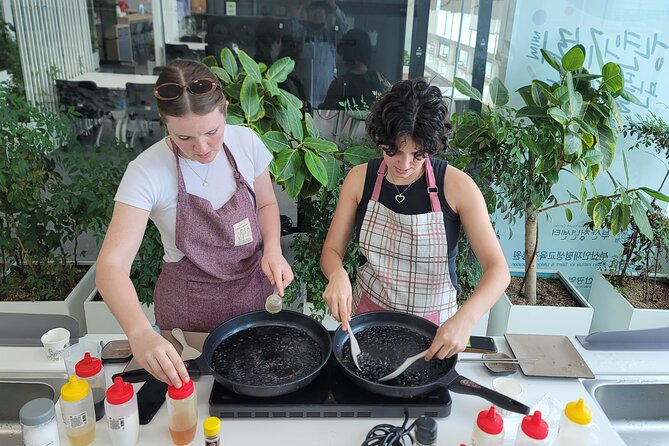
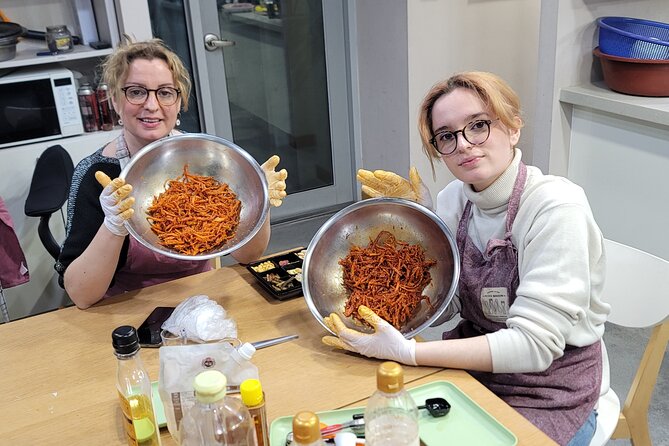
Once shopping wraps, you head to the kitchen and cook Korean food together. The class is designed to be hands-on, not a “stand back and watch” deal. You’ll work through recipes step-by-step, which is where the learning actually sticks.
Suyang Chang has a reputation for being friendly and patient, especially with people who don’t cook much. One of the recurring themes is that he guides you through the key parts of each recipe, not just the final outcome. That matters because Korean cooking can look intimidating when you see it online, but it becomes much more manageable when you understand the logic behind each step.
In at least one experience shared, the group felt the teaching was more satisfying than a course where ingredients are pre-prepped and you just assemble. Here, you’re making the food, and you get to taste your way through the results.
Your class time is about 5 hours total, and since the menu is only three dishes, the pace usually feels focused. You’re not juggling ten recipes at once. You can learn technique, apply it, and still eat a real meal at the end.
Group size stays reasonable, with a maximum of 15. That’s big enough for a lively group vibe, but small enough that you can still get attention while you cook.
One more consideration: some menu options may be structured differently. For example, a specific choice (braised beef short rib) was described as not including side dishes, while a more basic cooking option could include three dishes. So when you choose your menu, pay close attention to what’s included in that specific option, not just the dish name.
Banchan Lessons That Travel Well: Side Dishes You Can Actually Repeat
Korean meals often shine through banchan, those side dishes that keep showing up at the table. This class uses banchan to teach you seasoning patterns and textures, not just to fill plates.
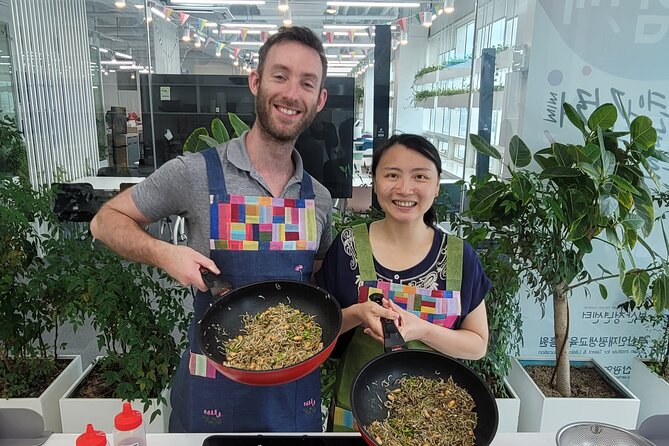
You might cook things like seasoned black beans with soy sauce, stir-fried anchovies, or an egg side dish. Or you could do namul-style dishes like bracken salad (namul) or bean sprout salad. If you pick pancakes, you’ll learn how Korean batter and pan heat create that crisp edge and tender center.
One useful insight from the teaching style is that banchan aren’t only about taste. They’re also about practicality. Some of the side dishes described by the host are known for being easy to make and easier to store for later, which is exactly what you want if you’re trying to cook Korean food at home without daily stress.
To get the most out of your banchan choices, I’d pick at least one “savory bowl” style side (beans, egg, tofu, namul) and one “crunch or pan” style side (pancakes, stir-fries). That mix gives you a broader toolkit for future meals.
More Shopping Tours in Busan
- Busan: Food Market Tour. Smash Seafoods and Street foods
★ 4.9 · 49 reviews - Busan Night Food Market with Night View points
★ 5.0 · 12 reviews - Busan: Food Crawl with Fish Market, Soju Tents & Local Snacks
★ 5.0 · 8 reviews - Busan: Jagalchi Market & Gamcheon village Walking Tour
★ 5.0 · 7 reviews
Stew and Soup Choices: Comfort Bowls with Clear Flavor Logic
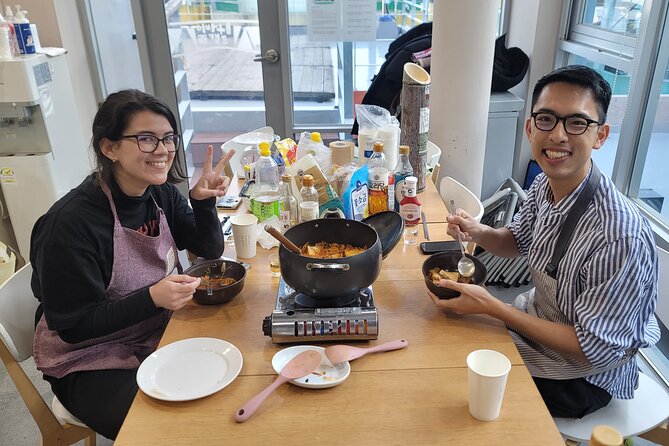
Your third dish is your stew or soup. This is where Korean cooking often feels most satisfying, because it brings together seasoning, broth depth, and heat control.
Your menu choices can range from:
- Kimchi stew with pork, for spicy tang and comfort
- Bean paste stew, for a deeper, savory backbone
- Seaweed soup with clam or dried pollack, for a mineral, briny warmth
- Alaska pollack soup, for a clean seafood comfort
- Stir fried chicken with spicy sauce or soy sauce, if you want a hot, saucy approach
- Braised pollack or braised flat fish, for a slower-cooked flavor profile
If you’re choosing based on mood, a simple rule works well. Want bold and spicy? Go kimchi stew or the spicy chicken option. Want something lighter and broth-forward? Pick a seaweed soup or pollack soup. Want meal-in-one comfort that pairs with banchan? Braised fish and tofu options can do that job.
For vegans and vegetarians, the stew or soup option can be tofu or soybean paste-based. In one shared vegan accommodation, the class included a spinach soybean paste soup using gluten-free soybean paste, plus braised black bean and braised tofu stew with spicy sauce. Even if your exact picks differ, it’s a good sign that soybean and tofu dishes can anchor a satisfying meal.
Vegan OK Without Feeling Like a Compromise
This class doesn’t treat vegetarian food as an afterthought. The host explicitly says vegetarian menus are provided, and the vegan guidance shows up in the way recipes get adapted.
In one example, the host offered a vegan class and also adjusted for gluten-free needs by providing gluten-free soybean paste. The cooked dishes included spinach soybean paste soup, braised black bean, and braised tofu stew with spicy sauce. Another shared experience mentioned that Suyang adapted the class to vegan needs and even recommended braised tofu with spicy sauce.
What to do with that information as you book? Be clear about your dietary needs during reservation so your menu can be tailored. And if you have a specific allergy or ingredient restriction, mention it early, since at least one participant’s request for gluten-free soybean paste was supported.
Also, don’t assume vegan means only mild flavors. Korean vegan-friendly dishes can still be spicy, savory, and satisfying. The focus tends to be on soy, tofu, seaweed, vegetables, and fermentation flavors like kimchi and soybean paste when applicable.
What’s Included, and Why the Price Feels Fair
The price is $95 per person for about 5 hours. That’s not a cheap impulse buy, but it can be good value for what you’re getting.
You’re paying for:
- A guided market tour in Bujeon Market
- Grocery shopping with your host
- Cooking instruction in a kitchen setting
- Lunch foods made by you
- Bottled water
- Coffee and/or tea, including barley tea or corn tea (plus instant coffee)
Not included are alcoholic beverages, private expenses, and travel insurance.
Here’s how I’d judge the value. If you had to do this on your own, you’d still need to shop, figure out recipes, track down ingredients, and manage the time spent learning technique. This class compresses all of that into one afternoon, and it ends with you eating what you made.
It also includes group discounts and uses a mobile ticket. Small details like included drinks matter more than you’d think when you’re shopping, cooking, and standing near heat for a while.
Also, the class runs with up to 15 people. Small group size helps because you’re more likely to get hands-on attention, especially when you run into a technique question.
Ending with Recipes, Not Just a Full Stomach
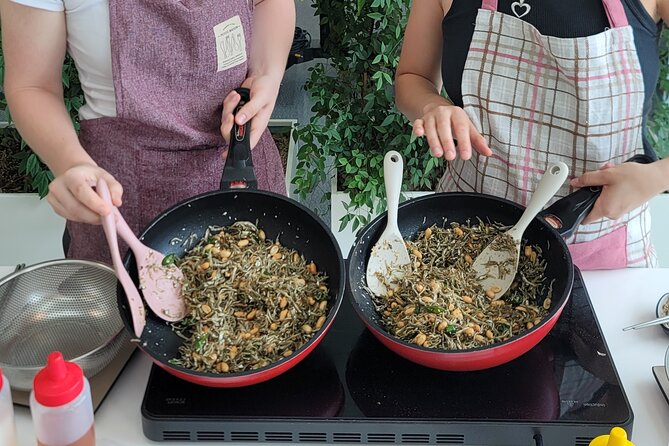
A great souvenir is food you can recreate. Some shared experiences mention that Suyang provided recipes so you could cook the dishes again at home. There’s also a pattern of the host being willing to share restaurant recommendations and Busan ideas outside the class itself.
You’ll also get to sit down and eat lunch foods made by the guest, meaning you’re not cooking and then leaving hungry. The activity ends back at the meeting point, which is a small but real convenience if you’re tight on schedule.
If you’re planning the rest of your day, you’ll want to leave yourself buffer time. The overall experience is about 5 hours, and you’ll be on your feet during the market portion and while cooking. Wear shoes you can walk in, and plan for your hands to be busy.
Is the Busan Tailored Korean Cooking Class Worth Booking?
I’d book this if you want Korean cooking that goes beyond the usual tourist hits. The market first approach, the hands-on style, and the ability to choose 2 banchan plus 1 stew or soup make this a practical learning experience, not just a meal.
It’s a strong fit for:
- People who like food markets and want to learn what to buy
- Vegans or vegetarians who want tailored options
- Anyone who wants recipes they can use at home, especially for banchan and soup/stew
I’d think twice if:
- You only want one fixed set menu and dislike choosing from a list
- You’re unclear on how specific options might change what’s included, like side dishes not being provided in one option
One final reality check: it’s non-refundable and cannot be changed for any reason. If your schedule is shaky, build in enough certainty before you book.
If you can commit, this is the kind of class that gives you both a memorable Busan evening and real cooking skills you can use later.
FAQ
How long is the Busan cooking class with market tour?
It’s about 5 hours.
Where does the tour start?
The meeting point is KB Kookmin Bank Seomyeon Joongang2 Saessak-ro, Busanjin District, Busan.
Is the class vegan or vegetarian friendly?
Yes. Vegan and vegetarian menus are provided, and the host tailors the menu to your tastes, including vegetarian recipes.
How many dishes can I choose?
You can choose 3 menus total: 2 banchan (side dishes) and 1 stew or soup.
What kinds of dishes are offered?
The menu list includes options like kimchi pancake, seafood pancake, seasoned egg or black bean sides, namul dishes like bracken salad, and stews or soups like kimchi stew, bean paste stew, and pollack or seaweed soups.
What happens after the market tour?
After seeing the market and buying groceries, you move to the kitchen and cook the dishes together.
What is included in the price?
Included items are lunch foods made by the guest, bottled water, and coffee and/or tea (barley tea or corn tea, plus instant coffee).
What is not included?
Alcoholic beverages, private expenses, and travel insurance are not included.
How big is the group?
The maximum group size is 15 travelers.
Can I change or cancel after booking?
No. The experience is non-refundable and cannot be changed for any reason.
More Cooking Classes in Busan
- Korean cooking class in Haeundae, Busan
★ 5.0 · 92 reviews - Busan: Small-Group Traditional Korean Food Cooking Class
★ 4.9 · 58 reviews - Local Home Korean Cooking Class & Market Adventure in Seoul
★ 5.0 · 1,024 reviews - Master Korean traditional cooking with a Kimchi chef
★ 5.0 · 385 reviews
Recently reviewed in Busan
- West Busan Small Group Photo Tour (Max 7)★ 5.0 · 11 reviews
- Real Busan Walking Experience★ 5.0 · 27 reviews
- Visit Busan night market and enjoy the night view of Busan harbor★ 5.0 · 6 reviews
- Busan Highlights Shore Tour – Cruise Return Assured★ 4.5 · 34 reviews
- Suncheon one day tour from Seoul, Busan or Suncheon★ 5.0 · 3 reviews
- Busan Beomeosa Temple & Hongbeopsa Temple with temple lunch★ 5.0 · 11 reviews
- 1 Day Private Busan Guided Tour★ 4.5 · 3 reviews
- Private Custom Tour With a Local Guide in Busan★ 4.5 · 12 reviews
Cooking Classes, compared.
Local Home Korean Cooking Class & Market Adventure in Seoul
Read our review →
Master Korean traditional cooking with a Kimchi chef
Read our review →
Korean Cooking Class at a Local Home and Market Tour
Read our review →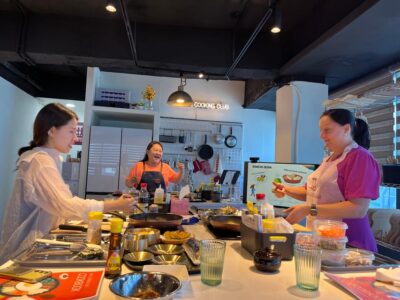
Experience Korean Cooking in Modern Hanok Kitchen
Read our review →
Korean Cooking Class with Grocery Shopping at Seoul Local Market
Read our review →
Taste of Korea, Authentic home style Cooking class
Read our review →Browse the lists this tour appears in