
Reviewed · COOKING CLASSES
Seoul: Taste of Korea, Authentic home style Cooking class
Korean home cooking starts in a tiny studio. I like how this class pairs step-by-step teaching in English with real Korean techniques, so you are not just watching, you are cooking. I also love the full-course meal at the end, complete with seasonal side dishes plus Korean drinks and dessert. One thing to plan for: take-home food is provided in bags, so if you are worried about soup or sauce spills, bring a plan for how you will transport it.
The star is hands-on Korean home style food, with a chef-led pace that makes big flavors feel manageable. Under instructor Jennifer’s guidance, you’ll make classics like haemul pajeon and budae jjigae, plus gimbap and tteokbokki depending on the session flow. Reviews also point out that the class is friendly for solo travelers, and it can work for families, including students as young as 11.
In This Review
- Key Highlights You’ll Actually Care About
- Hansik Cooking Class: Why It Feels Like Korean Home Cooking
- Meeting at Gyeongbokgung: Easy to Find If You Arrive Early
- What You’ll Cook in the Seoul Session: gimbap, tteokbokki, haemul pajeon, budae jjigae
- Gimbap: the rice roll you can make at home
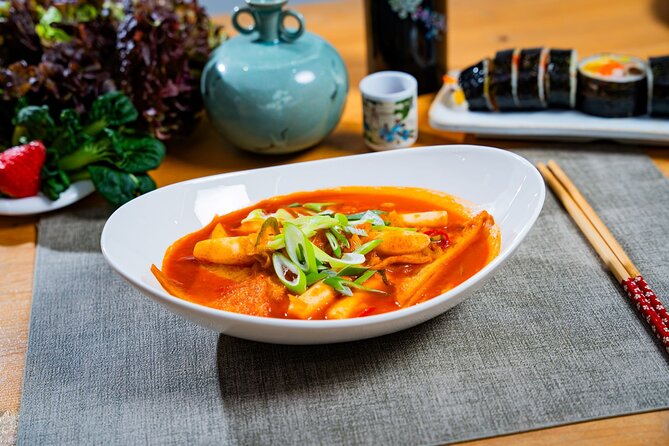
- Tteokbokki: chewy rice cakes with gochujang punch
- Haemul pajeon: seafood scallion pancake skills
- Budae jjigae: the stew that brings everything together
- The Class Flow: Welcome drinks, hands-on stations, and lots of guidance
- Eating What You Cook: banchan, dessert, and pairing Korean drinks
- Cultural Context Without the Lecture Overload
- Small Group Advantage: Why max 10 people matters
- Price and Value at about $94 per person
- Who This Cooking Class Is Best For (and who should consider alternatives)
- Practical Tips Before You Go
- Should You Book This Seoul Taste of Korea Cooking Class?
- FAQ
- Where is the meeting point for this cooking class?
- How long is the class?
- How much does it cost?
- Is the class taught in English?
- What dishes will we make?
- What drinks and food are included?
- Do I get recipes after the class?
- Is it a small group?
- Can vegetarians participate?
- Where does the class end?
Key Highlights You’ll Actually Care About
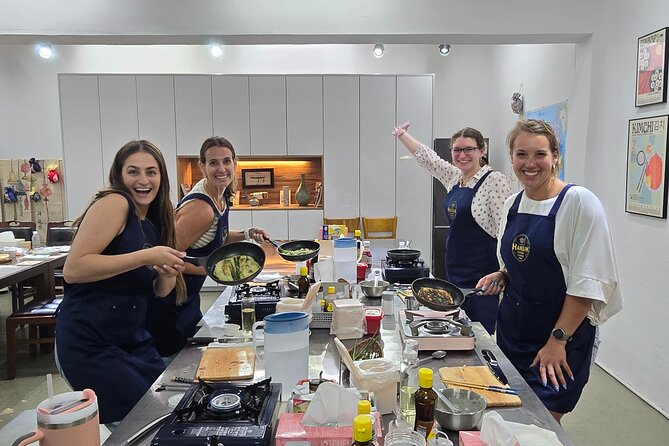
- Small group, max 10 people means you get real attention while you cook.
- Jennifer teaches in clear English with supportive, step-by-step directions.
- You cook 4 dishes in about 3 hours, including budae jjigae and haemul pajeon.
- Korean drinks and snacks are part of the experience, including sikhye and makgeolli.
- Full meal with banchan and dessert so you eat what you just made, not just taste.
- Recipes emailed after class helps you recreate dishes at home.
Hansik Cooking Class: Why It Feels Like Korean Home Cooking
Hansik just means Korean food, but in this class the meaning is practical. You are not doing a show kitchen. You are doing the kind of meal that would end up on a family table, built around rice, shared side dishes, and a main stew or savory pancake.
The best part is the teaching style. Jennifer and her team keep the process clear and doable, even if you have never cooked Korean food before. Reviews repeatedly mention how encouraging and precise the instructions are, and you can feel the difference between a cooking demo and an actual hands-on workshop.
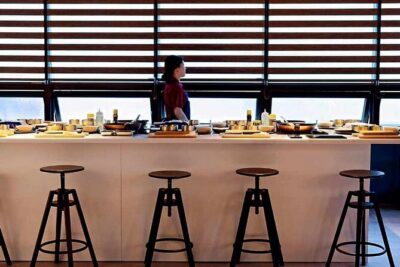
Another quiet win: the class is set up with dedicated cooking stations and a clean, organized environment. That matters more than it sounds. When your ingredients, tools, and workflow are laid out, you spend your energy cooking, not hunting for equipment.
More Cooking Classes in Seoul:
- Local Home Korean Cooking Class & Market Adventure in Seoul
★ 5.0 · 1,024 reviews - Master Korean traditional cooking with a Kimchi chef
★ 5.0 · 385 reviews - Seoul: Korean Cooking Class at a Local Home and Market Tour
★ 5.0 · 348 reviews
Meeting at Gyeongbokgung: Easy to Find If You Arrive Early
You meet at Gyeongbokgung Subway Station, Orange Line 3rd line, exit 2. From there it is a straight 5-minute walk to Woori Bank. The studio is in a small alley between the bank and just before the K-Pop Store.
This is the part I would not rush. That alley detail is specific, and it is easy to miss if you arrive late or distracted. If you are navigating on your phone, I suggest you check your map before you leave the station so the final walk is smooth.
The class ends back at the meeting point, so you do not have to plan a second transfer or worry about getting lost afterward.
What You’ll Cook in the Seoul Session: gimbap, tteokbokki, haemul pajeon, budae jjigae
This is a four-dish class in the real sense, not a “taste three things” situation. The menu centers on comforting Korean staples with different cooking skills, so you come away with more than one technique.
Here’s what you should expect to learn:
Gimbap: the rice roll you can make at home
Gimbap is a Korean rice roll that shows up everywhere, from quick meals to packed lunches. It is also a great “starter dish” for beginners because once you understand the rolling and filling basics, the rest is repetition and small adjustments.
In class, you learn how the ingredients come together and how to handle rice so it behaves well. The chef guidance matters here, because rice texture and seasoning are the whole game.
A few more Seoul days worth comparing
- Best DMZ Tour Korea from Seoul (Red Suspension Bridge Optional)
★ 5.0 · 41,422 reviews - DMZ Tour: 3rd Tunnel, Option(Suspension Bridge, Boat) from Seoul
★ 5.0 · 21,373 reviews - DMZ tour south Korea from Seoul (NK experience hall, defector)
★ 5.0 · 20,599 reviews - Seoul: The Best DMZ Tour with Optional Suspension Bridge
★ 4.7 · 4,978 reviews
Tteokbokki: chewy rice cakes with gochujang punch
Tteokbokki can sound intimidating because people associate it with spice intensity. In practice, the skill is timing and sauce balance. You will work with gochujang, and you’ll get a sense of how Korean chili paste turns simple ingredients into something deeply satisfying.
You are not just making a sauce. You’re learning how Korean home cooks think about it: build flavor, then let it come together at the right simmer.
Haemul pajeon: seafood scallion pancake skills
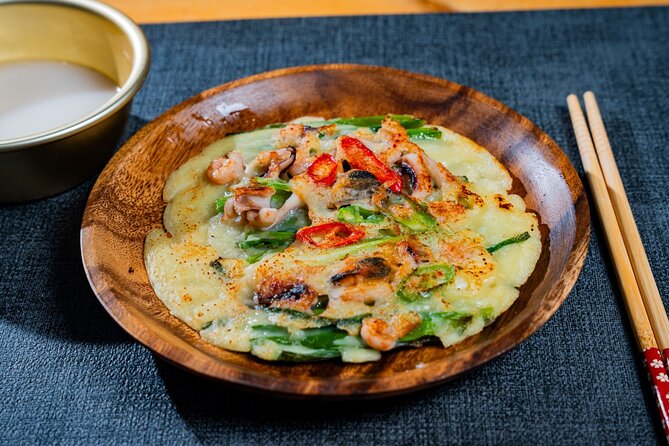
Haemul pajeon is the dish that teaches you surface area and heat. A pancake like this depends on batter thickness, pan heat, and how you distribute toppings.
Reviews emphasize the instructor’s clear directions, and this is exactly where that helps. When you understand what you are aiming for visually, you can reproduce the result later.
Budae jjigae: the stew that brings everything together
Budae jjigae, often called military stew, is comfort food built for sharing. In a cooking class, it is also a useful “main dish” because it pulls together flavors that feel different from rice rolls or pancakes.
You’ll learn how to construct the stew and how the stew style works on the stove: ingredients go in, flavors develop, and the final taste is the goal. Since it is a stew, it also tends to fill you up fast. So yes, you’ll understand why you should arrive hungry.
The Class Flow: Welcome drinks, hands-on stations, and lots of guidance
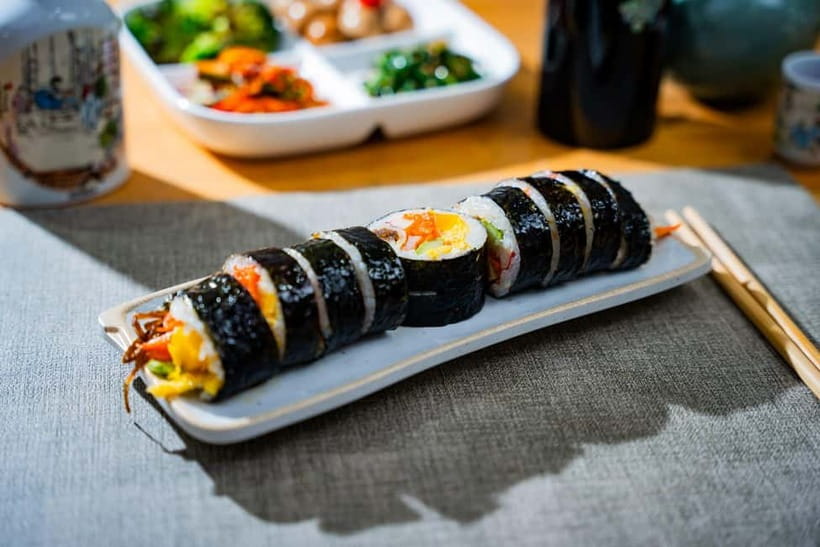
Plan for an active 3-hour block. The structure is straightforward: you get welcomed with snacks and drinks, then you rotate through cooking tasks while the chef watches and coaches.
Before you start major cooking, you get Korean traditional drinks such as:
- Sikhye (Korean punch)
- Makgeolli (Korean rice wine)
Tea and coffee are included too, plus traditional Korean snacks. After that, you spend your time working at your station with the ingredients and equipment already provided.
This matters if you are thinking about value. When everything is included, the class is not a shopping trip. You are paying for instruction, prep-to-plate cooking, and a meal.
Also, the pace is designed for real learning. Multiple reviews mention that Jennifer is patient and keeps instructions very clear, so even if you are nervous about cooking, the experience is not “sink or swim.”
Eating What You Cook: banchan, dessert, and pairing Korean drinks
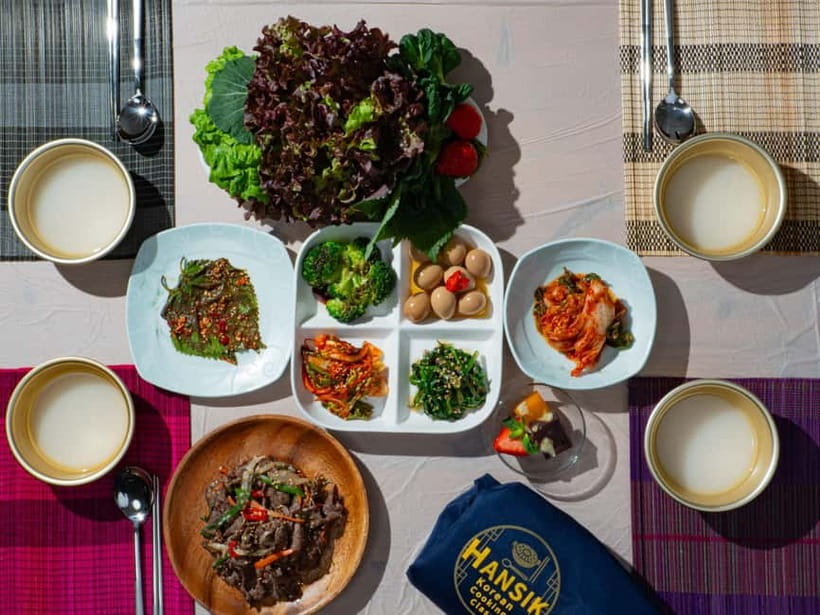
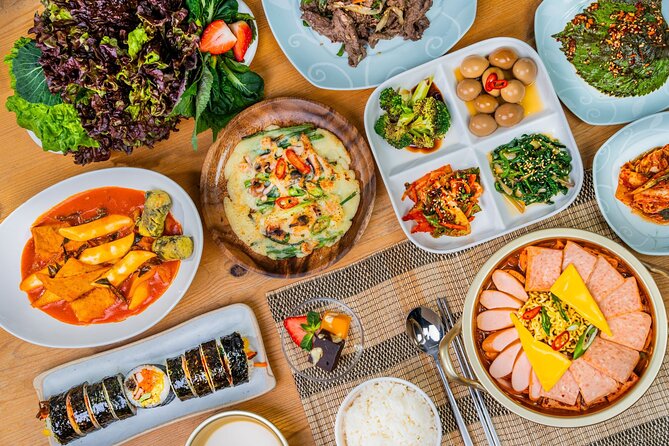
The meal at the end is a big part of the payoff. This is not a class where you make food and then stand around. You sit down and enjoy a full-course meal that includes Korean seasonal banchan (side dishes) along with what you cooked.
You’ll also get Korean desserts, and that sweet finish feels like part of the cultural rhythm of a home meal. Reviews often call out that the food tastes amazing, and honestly, that is exactly what you want from a cooking class: learning plus a satisfying result.
One practical note from reviews: take-home portions are provided in bags. That is helpful for leftovers, but it is not the neatest solution for soup-style dishes. If you plan to carry anything home, I’d pack something sturdy in your bag, like a container you already trust.
Cultural Context Without the Lecture Overload
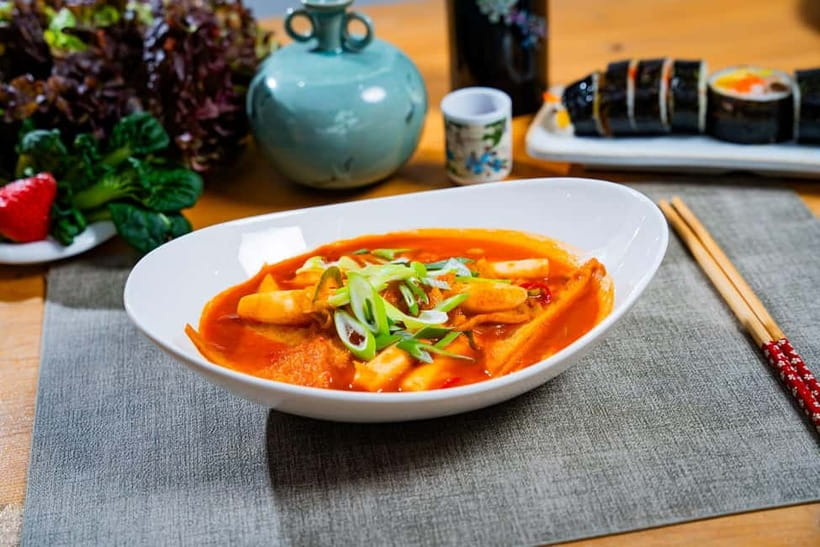
Korean cooking is not just ingredients. It has stories: why certain flavors show up, how dishes fit into everyday life, and what makes home cooking different from restaurant versions.
The class includes explanations about Korean cooking culture and tradition, and several reviews mention history and background tied to the dishes you prepare. That approach helps you remember what you cooked, not just how it tasted.
It also makes the experience better for people traveling solo or on a short trip. You leave with a mental map of how Korean cuisine works, which makes your next meal in Seoul more meaningful.
Small Group Advantage: Why max 10 people matters
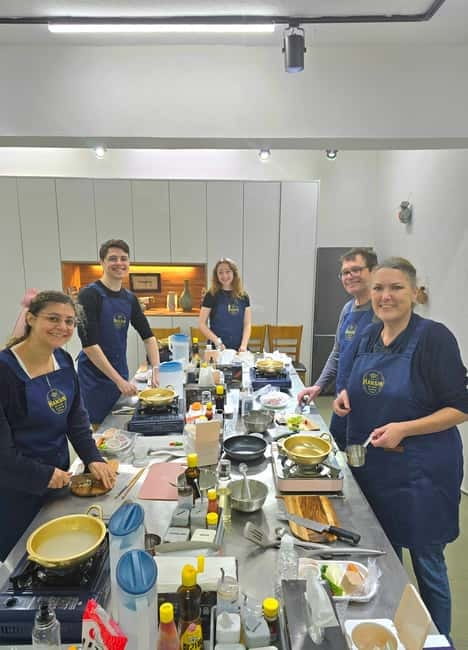
At up to 10 participants, you get enough attention to correct small mistakes without feeling rushed. That matters in cooking. A pancake batter, a stew simmer, and a rice roll all benefit from quick adjustments.
Reviews also highlight that even couples and small family groups had a great time, sometimes with very small class sizes. Smaller groups can mean more hands-on time and faster feedback when you need it.
If you are the type of traveler who likes activities where you actively do something, not just watch, this format is a strong match.
Price and Value at about $94 per person
At $94, you are paying for more than “a fun cooking activity.” You are getting:
- A 3-hour hands-on workshop
- Instruction in English
- Ingredients and cooking equipment included
- Multiple dishes you cook during the session
- A full-course meal with banchan
- Korean drinks (including sikhye and makgeolli)
- Tea and coffee
- Korean desserts
- Recipes emailed after the class
When you add that up, the price starts to look reasonable, especially if you want the “cook and eat” combo. Cooking classes that only feed you a small bite can cost similarly, but here you are set up for a real meal plus drinks.
For most people, the best “value” angle is this: you can recreate the core dishes later using the recipes you receive by email. That turns the class from a one-time memory into a skill.
Who This Cooking Class Is Best For (and who should consider alternatives)
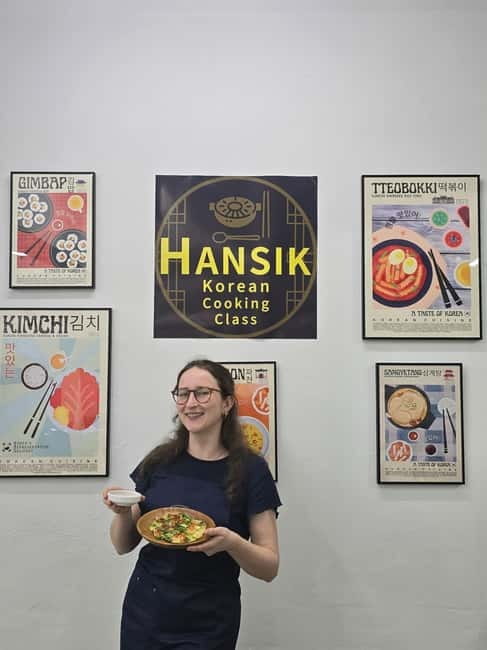
This is a smart fit if you:
- Want hands-on Korean cooking, not a demo
- Like the idea of cooking comfort dishes like budae jjigae and savory pancakes
- Travel solo and want an easy social setup in a small group
- Are visiting Seoul for a few days and want a cultural activity you can actually take home
It can also work well for kids and teens. Reviews mention participants aged 11 and 13 cooking along with the group, so it does not feel like a purely adult activity. If you are bringing younger kids, I’d still check that they can comfortably follow instructions and stand at their station, but the class is described as friendly and approachable.
If you have strict dietary needs, you should reach out ahead of time. One review mentions vegetarian substitutes were provided, which is encouraging. Still, for anything beyond vegetarian, don’t assume.
Practical Tips Before You Go
- Go hungry. The class ends with a full meal, plus snacks and drinks.
- Wear comfortable clothes for standing at a station. You will be moving and cooking.
- Bring a plan for leftovers. Bags help, but soup transport can get messy.
- If you care about alcohol or just prefer fewer sips, it is fine to pace yourself. Tea and coffee are available too.
- If you want to cook at home later, take notes while you cook. Then use the emailed recipes to fill in gaps.
Should You Book This Seoul Taste of Korea Cooking Class?
Book it if you want a real Seoul cooking experience centered on home-style Hansik and hands-on instruction in English. The biggest reasons to choose it are simple: you cook multiple classic dishes, you eat a proper meal with banchan and desserts, and you get guidance that makes learning feel achievable.
I would pause before booking only if you strongly dislike messy take-home options, or if you want a quiet, sit-down-only cultural activity with minimal food. Otherwise, this is the kind of class that makes Seoul feel personal, because your hands are in the food from start to finish.
FAQ
Where is the meeting point for this cooking class?
You meet at Gyeongbokgung Subway Station (Orange 3rd line, exit 2). From there, it is about a 5-minute straight walk to Woori Bank, in a small alley between the bank and just before the K-Pop Store.
How long is the class?
The class duration is 3 hours.
How much does it cost?
The price is $94 per person.
Is the class taught in English?
Yes. The instructor is listed as English.
What dishes will we make?
The class description lists gimbap, tteokbokki, haemul pajeon, and budae jjigae. The exact set and flow can vary by session, but these dishes are part of the experience.
What drinks and food are included?
Included items list sikhye and makgeolli, plus tea and coffee, Korean traditional snacks, Korean desserts, and a full-course meal with seasonal banchan. A bottle of water is also included.
Do I get recipes after the class?
Yes. You receive recipes via email.
Is it a small group?
Yes. It is limited to 10 participants.
Can vegetarians participate?
One review specifically mentions that vegetarian substitutes were provided. If you are vegetarian or have dietary needs, it’s smart to ask in advance.
Where does the class end?
The activity ends back at the meeting point.
Recently reviewed in Seoul
- You’re Invited to Our Home in Seoul: The Only Cooking Class!★ 5.0 · 8 reviews
- Your Personal Seoul Photographer!★ 4.1 · 15 reviews
- From Seoul: Yongpyong Ski Day Tour with Transportation★ 4.9 · 40 reviews
- Seoul: Korean & English Language Exchange Global Party★ 5.0 · 28 reviews
- Watching sports match & local food experience in Seoul★ 5.0 · 11 reviews
- WKT Combat Taekwondo & Self-defense One Day Class in Seoul★ 5.0 · 5 reviews
- Unique Native Experience : Han River Picnic, Board game, BBQ★ 5.0 · 3 reviews
- Seoul: Gangneung BTS K-Pop & K-Drama Filming Locations Tour★ 4.6 · 14 reviews
Cooking Classes, compared.
Local Home Korean Cooking Class & Market Adventure in Seoul
Read our review →
Master Korean traditional cooking with a Kimchi chef
Read our review →
Korean Cooking Class at a Local Home and Market Tour
Read our review →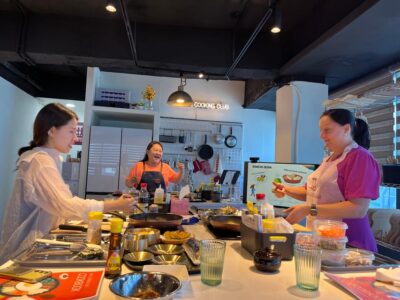
Experience Korean Cooking in Modern Hanok Kitchen
Read our review →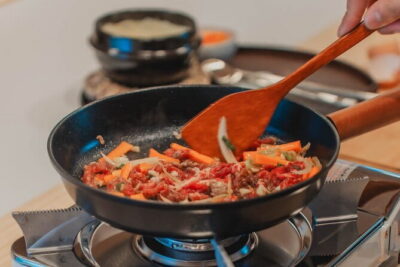
Korean Cooking Class with Grocery Shopping at Seoul Local Market
Read our review →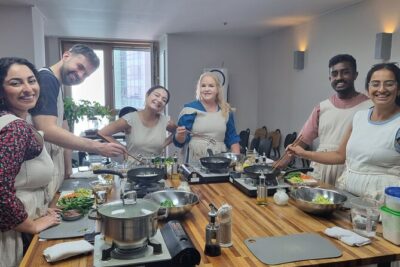
Browse the lists this tour appears in