
Reviewed · UNESCO HERITAGE TOURS
Korean UNESCO World Heritage Tour including Gyeongju, Andong and Daegu(2N3D)
Three UNESCO sights, one smooth ride. This private 3-day loop is built for people who want the big Korean World Heritage moments without wrestling buses, schedules, or a language puzzle, since you get daily hotel pickup and a dedicated driver-guide. I like that it also includes on-board Wi-Fi so travel time does not feel wasted.
What really appeals to me is how the stops connect across Korean dynasties, letting you see Shilla and Goryeo masterpieces in a logical flow. You also get the practical benefit of undivided attention from your professional guide, which makes the history easier to follow instead of just reading signs in silence.
The main drawback to keep in mind is that the day feels full, and lunch is not included, so you will want a plan for meals between sites.
In This Review
- Key highlights worth caring about
- How the private format saves your energy (and your patience)
- Seokguram and Bulguksa: the Shilla site combo with sea views
- Cheonmachong Tomb and Gyeongju National Museum: relics you can actually place
- Andong and Hahoe Folk Village: traditional homes with a real clan story
- Haeinsa Temple on Gaya Mountain: where the Tripitaka story becomes tangible
- Daegu herbal medicine and Seomun Market: heritage meets daily life
- Price and logistics: is $988.49 worth it?
- Timing, comfort, and food planning (so the day does not feel rushed)
- Who should book this UNESCO loop, and who might skip it
- Should you book this tour?
- FAQ
- What time does the tour start?
- Is hotel pickup and drop-off included?
- Are admission tickets included for the UNESCO sites?
- Is lunch included in the tour price?
- Can I request a vegetarian option?
- Is accommodation included in Daegu?
Key highlights worth caring about
- Door-to-door pickup and drop-off makes the day feel calm, not chaotic.
- Shilla Kingdom storytelling happens through Seokguram, Bulguksa, and key Gyeongju relics.
- Haeinsa is a heavy hitter for anyone who wants the Goryeo Tripitaka story in one visit.
- Andong adds lived-in culture, with Hahoe Folk Village and a soju-making experience.
- Daegu balances heritage with everyday life, from herbal medicine to a lively traditional market.
- Your guide matters, and past guests highlighted a smooth experience with guide Peter.
How the private format saves your energy (and your patience)
This is a private tour, so it is only your group. That sounds like a small detail until you picture what it means: no waiting for strangers, no splitting up, and no guessing which stop is the right one when signage gets confusing.
The tour includes hotel pickup and drop-off and uses an air-conditioned minivan, which matters in Korea because you may be moving between coastal areas, forested temple zones, and city centers. You also get bottled water and Wi-Fi on board, which helps if you are timing photos, sending messages, or just staying comfortable during transfers.
One more practical note: the starting point is Busan, with a start time of 8:00 am. If your lodging or schedule makes more sense elsewhere, it is possible to start from Gyeongju or another city near Busan, since the operator notes flexible start options. That can save you time and reduce early-morning logistics.
Value check: at $988.49 per person, this is not a bargain-basement option. But private transport plus a professional guide plus included admissions is where the money goes. If you are traveling with family or a small group and you would otherwise pay for multiple taxis and tickets, this starts to look less expensive than it first appears.
More Historical Tours in Busan
- From Busan: Gyeongju UNESCO World Heritage Guided Day Tour
★ 4.8 · 1,250 reviews - Gyeongju UNESCO World Heritage Guided Day Tour from Busan
★ 5.0 · 660 reviews - Old Korea Thousand History Tour of Gyeongju from Busan
★ 5.0 · 518 reviews
Seokguram and Bulguksa: the Shilla site combo with sea views
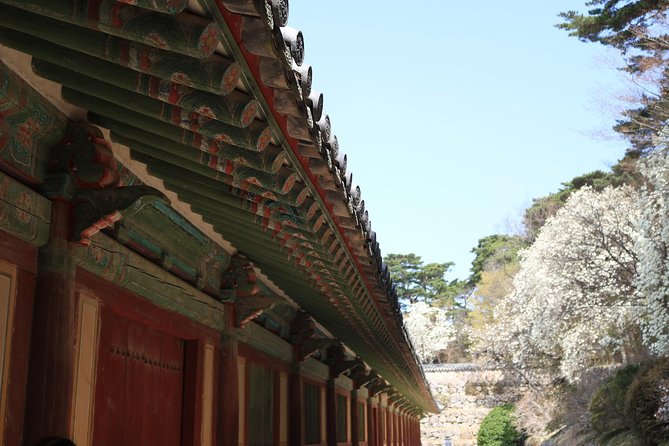
Your day begins with Seokguram, a Buddhist hermitage connected to Bulguksa. The big hook here is the setting: the hermitage overlooks the East Sea, so even before you get into details, the location itself gives the place a special mood. You are looking at a UNESCO-linked complex where the sculptures are a major draw.
The timing is also friendly: plan for about an hour here, and the admission ticket is included. If you like temple architecture or fine Buddhist carving, Seokguram is the kind of stop where you will want a bit of slow looking time rather than just a quick photo.
Next comes Bulguksa Temple, often called the most famous Buddhist temple in Korea, with relics tied to the Shilla Kingdom. This is where you see why Bulguksa is repeatedly highlighted as a cornerstone of Korean Buddhist art. The temple grounds include key stone pagodas, specifically Dabotap and Seokgatap. These names matter because they are not just random landmarks, they are part of the site’s identity.
You get roughly another hour and 10 minutes, and again admissions are included. If you are thinking about what makes this tour feel “guided,” Bulguksa is a great example. With a guide, you spend less energy figuring out what you are looking at, and more energy actually noticing details.
Cheonmachong Tomb and Gyeongju National Museum: relics you can actually place
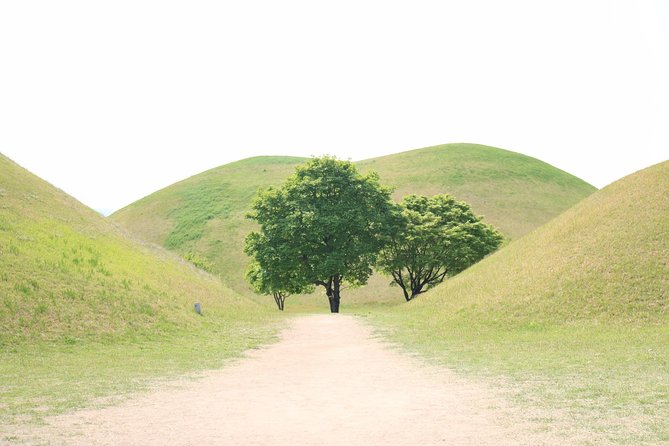
After the temples, the tour shifts into Gyeongju’s archaeological side with Cheonmachong Tomb. The name points to a heavenly horse, based on a painting discovered during excavations in 1973. That little fact gives you a handle on what to look for, even if you are not an archaeology expert. The tomb is associated with an unknown king from the Shilla period, which adds that quiet mystery factor.
Expect about an hour and 10 minutes for this stop, with admission included. For many visitors, this is the kind of site that works well because it is not overwhelming in scale, but it is meaningful. It also helps connect the artistic temple world to the political world of Shilla rulers.
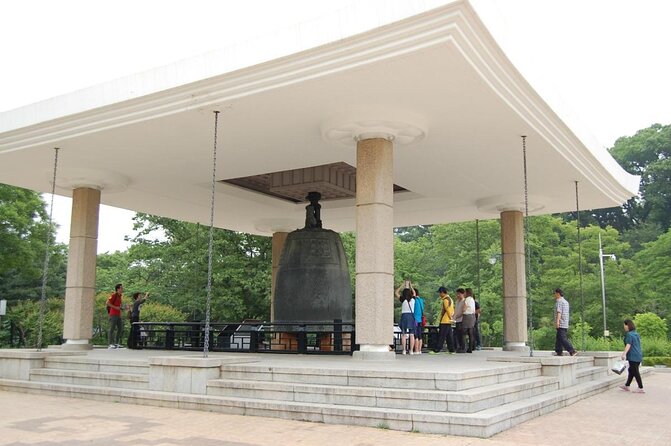
Then you move to Gyeongju National Museum for about an hour and 20 minutes. This is where the tour’s organization shows. The museum holds around 3,000 relics from the Shilla dynasty, including King Seongdeok’s Bell, also known as the Emille Bell, which is a National Treasure. There are other treasures too, and the time you have is long enough to pick up the major highlights without turning into a rushed museum marathon.
If you have ever left a museum feeling like you saw everything but remembered nothing, this museum stop is where a guide helps you “file” what you saw. You walk away with names you can reuse later when you keep exploring Korea on your own.
Andong and Hahoe Folk Village: traditional homes with a real clan story
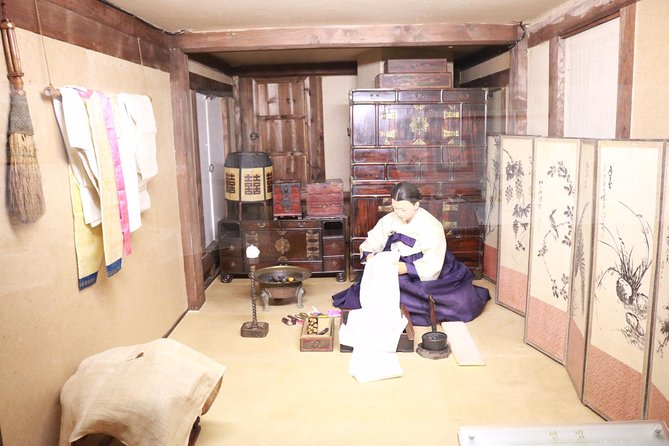
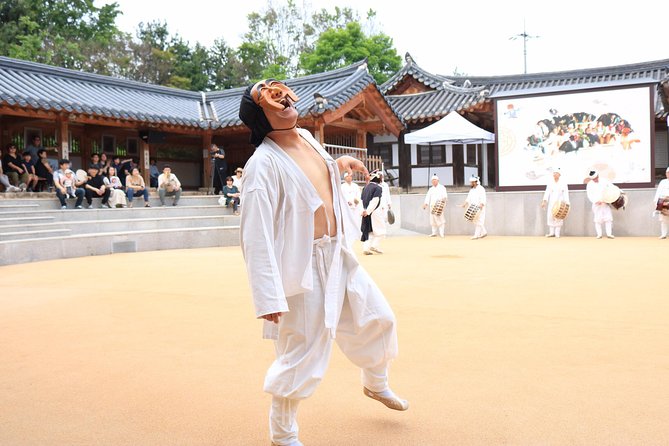
Day two starts with Andong Hahoe Folk Village, a UNESCO World Heritage site and one of the most well-known cultural stops in Korea. The big reason it matters is how it is preserved. You are not just seeing restored buildings that feel like a theme set. You are seeing a village connected to living heritage, including the descendants of the Pungsan Ryu clan.
You are given around three hours here, with admission included. That longer time helps because Hahoe Folk Village is a place where the details are the point: house shapes, village layout, and the sense of how daily life used to work. With a private guide, you can ask what symbols mean and why certain traditions stayed intact.
The tour continues with the Andong Folk Museum for about an hour. Andong is associated with Confucian culture, and the museum focuses on past lifestyles and cultural ceremonies. For people who want history that feels human, this is a good shift after temple and royal relics.
Then comes something fun and practical: the Andong Soju Museum. You get about 30 minutes, with admission included. This stop is built around how traditional soju is made, and you also get to sample Andong soju along the way, plus learn about local foods connected to the experience. It is not just a drink stop, it is a culture stop, and it breaks up the day so you do not feel like you are only absorbing lectures.
More UNESCO Heritage Tours in Busan
- UNESCO Tongdosa Temple + Gourmet Eonyang Style Bulgogi Lunch
★ 5.0 · 7 reviews - Full Day Private car tour to UNESCO Gyeongju&Yangdong village
★ 5.0 · 5 reviews - One Day Private tour to World Heritage GyeongJu from Busan
★ 4.5 · 3 reviews
Haeinsa Temple on Gaya Mountain: where the Tripitaka story becomes tangible
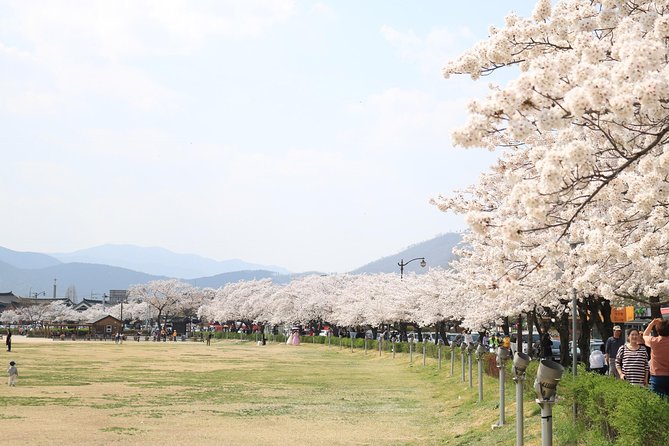
On the third day, you head to Haeinsa Temple, located in Gaya Mountain area. Haeinsa is one of the Three Jewel Temples of Korea, and it is specifically famous for housing the Goryeo Daejanggyeong, often explained as the Koreana Tripitaka. Translation tip for planning your mindset: this is not only about a beautiful temple. It is about a monumental project tied to Buddhist texts and preservation.
You get about one hour and 30 minutes, and admission is included. This stop is a standout because it is both quiet and important. If you care about why temples matter beyond architecture, Haeinsa gives that context in a concrete way.
The mist-factor is real in this kind of setting, and past guests have especially loved Haeinsa on a misty morning. Even if your weather is different, you can still expect a slower, more reflective atmosphere here. With a guide, you spend less time trying to figure out what matters most, and more time understanding how the temple’s role shaped Korean religious heritage.
Daegu herbal medicine and Seomun Market: heritage meets daily life
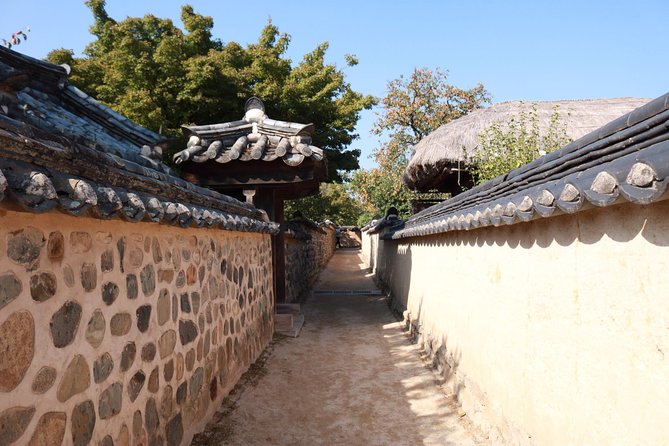
After Haeinsa, you move into Daegu, starting at Yangnyeongsi Herbal Medicine Festival area. The tour includes about 40 minutes here, with admission included. This is an opportunity to see traditional medical culture in a way that feels less like a museum display and more like a walk through a living topic. You can learn about traditional medical care, and you will likely see herbs around the area as you explore.
Then you finish with Seomun Market, about 50 minutes, and this one is free to enter. Seomun is described as one of the biggest and liveliest markets in Korea, and it is where your cultural day turns into real-world browsing. You can snack on local foods and also find clothing and fashion items that reflect local style.
This market stop is valuable even if you do not shop much. It is one of the few places on the itinerary where you get that Korea feel of bargaining, choosing, and tasting something new at your own pace. Just be aware it is a quick finish, so eat smart and decide early what you want from the market.
Price and logistics: is $988.49 worth it?
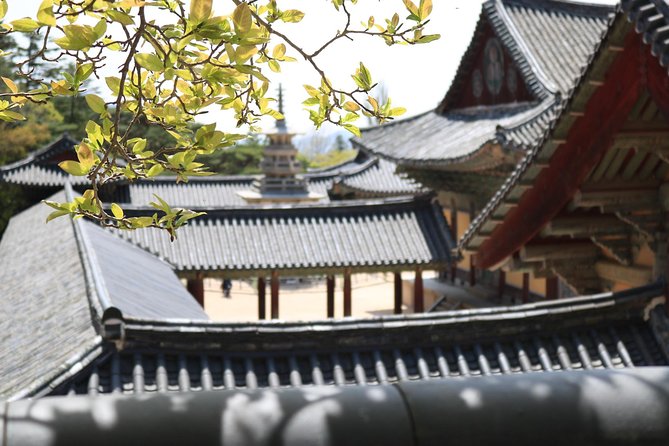
At $988.49 per person, this tour is priced for convenience and guided depth, not for budget travelers. The cost makes sense if you value three things you normally have to “pay extra” for separately:
- Private transport in an air-conditioned vehicle
- Professional guidance that helps you understand what you are seeing
- Reduced planning stress, thanks to hotel pickup/drop-off and included admissions
Also, most of your key attractions are covered with admission tickets included. That prevents the annoying add-on costs that can happen on self-planned UNESCO days.
Where the budget watch-outs show up is at meals and lodging. Lunch is not included, so you will need to budget time and cash for food near each stop. And Daegu accommodation for 2 nights is not included, so you will plan your hotel stay separately. The operator notes they can provide lodging recommendations, which helps if you are not sure where to base yourself.
My take: this is good value if you want to see a lot in a short time without dealing with transport friction. If you already know how to navigate buses and trains comfortably, you could probably do some portions on your own. But most people booking this type of UNESCO route are booking for the calm factor, and this is designed to deliver it.
Timing, comfort, and food planning (so the day does not feel rushed)
Because you are covering multiple sites across different areas, the schedule naturally feels busy. The tour gives you set blocks for each stop, so you are moving more often than on an easy half-day outing.
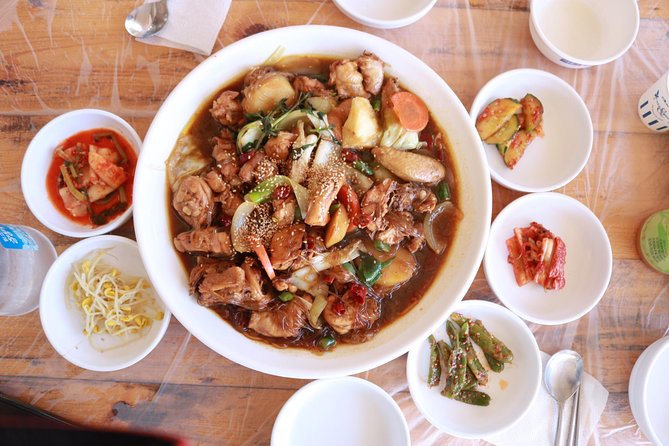
A smart approach is to treat lunch as your only planned “flex spot.” Since lunch is not included, you should decide whether you want a sit-down meal or something quick near a site. If you like to snack as you go, having small backup snacks can save you if a meal timing window is tight.
Vegetarian travelers have an option: the tour notes a vegetarian option is available if you advise at booking. If you have any other dietary restrictions, that is the moment to ask questions and avoid last-minute changes.
One more comfort tip: wear shoes that handle temple grounds and museum walking. You will appreciate having good grip if the weather turns damp around mountain or temple areas.
Who should book this UNESCO loop, and who might skip it
This tour is a great fit for:
- First-time Korea visitors who want UNESCO highlights without planning every transfer
- People who prefer private, calm logistics over group shuffling
- Travelers who like history when it is explained clearly, not guessed from signs
- Families, since the stops mix major monuments with approachable museum and market time
You might want a different style of travel if:
- You hate a structured day with limited free time at each stop
- You want to spend lots of hours in one place and move slowly
- You are comfortable handling all intercity logistics on your own and you want maximum independence
Should you book this tour?
If your goal is to hit major Korean UNESCO World Heritage sites in a short span with minimal hassle, I would seriously consider booking this. The big win is the combination of private transport, hotel pickup/drop-off, and a guide who can connect what you are seeing. You also get included admissions at most stops, plus Wi-Fi and bottled water, which makes the travel portion less annoying.
Book it if you want a guided, efficient route and you are fine with planning meals separately and arranging your own Daegu stay. If that sounds like your pace, this tour is built for you.
FAQ
What time does the tour start?
The tour start time is 8:00 am.
Is hotel pickup and drop-off included?
Yes. The tour includes hotel pickup and drop-off as part of the service.
Are admission tickets included for the UNESCO sites?
Admission tickets are included for the listed stops, and Seomun Market is listed as free.
Is lunch included in the tour price?
No. Lunch is not included.
Can I request a vegetarian option?
Yes. A vegetarian option is available if you advise at the time of booking.
Is accommodation included in Daegu?
No. Accommodation in Daegu for 2 nights is not included, and the operator can share stay recommendations.
Recently reviewed in Busan
- West Busan Small Group Photo Tour (Max 7)★ 5.0 · 11 reviews
- Real Busan Walking Experience★ 5.0 · 27 reviews
- Visit Busan night market and enjoy the night view of Busan harbor★ 5.0 · 6 reviews
- Busan Highlights Shore Tour – Cruise Return Assured★ 4.5 · 34 reviews
- Suncheon one day tour from Seoul, Busan or Suncheon★ 5.0 · 3 reviews
- Busan Beomeosa Temple & Hongbeopsa Temple with temple lunch★ 5.0 · 11 reviews
- 1 Day Private Busan Guided Tour★ 4.5 · 3 reviews
- Busan Seafood Tour : Oyster village Tour with Oyster cuisines★ 5.0 · 3 reviews
UNESCO Heritage Tours, compared.
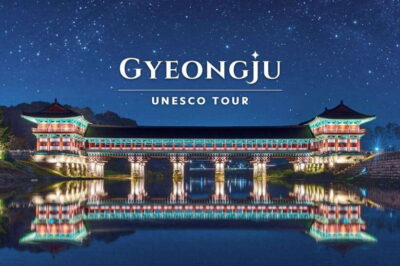
Gyeongju UNESCO World Heritage Guided Day Tour
Read our review →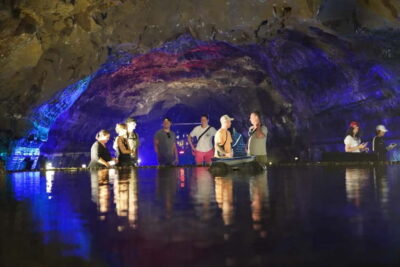

East Jeju Essentials – Seongsan Ilchulbong (UNESCO) & Haenyeo
Read our review →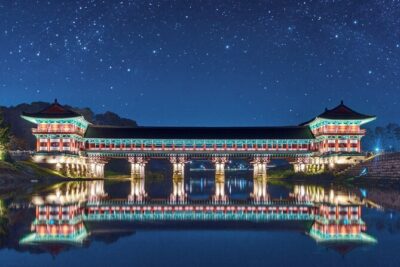
Gyeongju UNESCO World Heritage Guided Day Tour from Busan
Read our review →
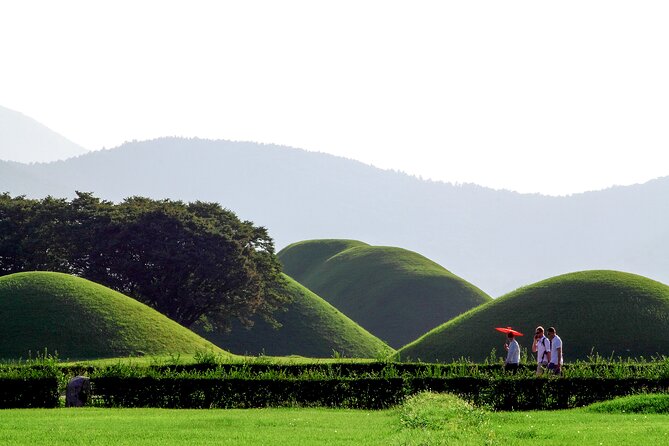
Gyeongju UNESCO sites Private tour with licensed tour guide
Read our review →
Private Gyeongju Tour – Explore Gyeongju UNESCO Sites
Read our review →
Browse the lists this tour appears in