
Reviewed · UNESCO HERITAGE TOURS
Full Day Private car tour to UNESCO Gyeongju&Yangdong village
UNESCO day trips hit different in Gyeongju. This fully-private car tour is built around your choices, with Silla-era sights and Yangdong Folk Village in a tight 9-hour rhythm. I love the freedom to pick your own highlights, from Bulguksa Temple to Cheomseongdae and Yangdong, without swapping seats with strangers. I also love that you get a driver who can act like a real guide, and guides I’ve seen referenced include Kei, Ted, and Mr. Park Jin Hyouck, with Joy coordinating smoothly on WhatsApp or Line. The main drawback to plan for is simple: you’ll still pay admission fees and lunch on your own.
If you’re using Gyeongju as a one-day story, this works well. You’ll get a mix of major monuments, traditional villages, and an easy break for food on a hanok-style street like Hwangnidan-gil. The day is long enough that comfortable shoes matter, and the schedule is packed enough that you’ll want to decide what you truly care about before you go.
In This Review
- Key Highlights That Make This Tour Feel Worth Your Time
- Gyeongju and Yangdong in One 9-Hour Chapter
- Private Car Setup, Group Size, and Real Value at $430
- What the Day Feels Like: Timing, Flow, and Where to Be Flexible
- Bulguksa Temple, the Silla Buddhist Centerpiece
- Cheomseongdae Observatory and Getting the Silla Tech Story
- Donggung and Wolji Pond, a Royal Calm Break
- Woljeonggyo Bridge, a Wooden Comeback Story
- Gyochon Traditional Village for Joseon-Era Everyday Life
- Daereungwon Tomb Complex and the Gold Crown Story
- Cheonmachong Tomb, a Short but Memorable Public Access Stop
- Hwangnidan-gil Street Break, Snacks and Newtro Hanok Energy
- Yangdong Folk Village, Joseon Scale With a Mountain View
- Who This Tour Fits Best (And Who Might Want to Rethink It)
- Should You Book This Private Gyeongju and Yangdong Tour?
- FAQ
- Is pickup included for this private tour?
- How long does the tour last?
- How many people can join the group?
- Is the vehicle air-conditioned?
- What costs are included in the price?
- Are attraction entrance fees included?
- Are meals included?
- What kinds of places does the tour cover?
- Does the tour include a mobile ticket?
- What is the cancellation rule for a full refund?
Key Highlights That Make This Tour Feel Worth Your Time
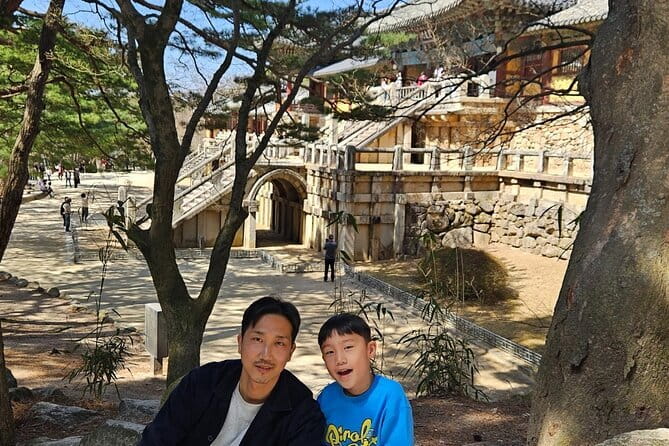
- A private, air-conditioned car for up to 8 people, so your group moves at its pace.
- Customizable UNESCO-focused route, with flexibility to emphasize the sites you care about most.
- Silla power points in one day, including Bulguksa, Cheomseongdae, Donggung and Wolji, and the Daereungwon tomb area.
- Real traditional village time, with both Gyochon and Yangdong folk village on the same outing.
- Driver-as-guide energy, with communication and coordination associated with Joy and friendly guidance from drivers like Kei or Ted.
- Meal break built into the plan, often around Hwangnidan-gil, so you’re not eating on the run.
Gyeongju and Yangdong in One 9-Hour Chapter
Gyeongju is the kind of place where one stop can feel like a whole era. In a day, you can go from Buddhist temple culture to ancient royal observatories, then switch gears to Joseon-era village life in Yangdong. This tour is designed for that “one-day storyline” feeling, without making you cram alone on public transport.
What I like most is the built-in practicality. You get to choose which highlights you treat as must-sees, and the rest becomes supporting cast. That’s a big deal because Gyeongju’s UNESCO sites can be time-consuming if you’re trying to manage buses and walking distances on your own.
More UNESCO Heritage Tours in Busan
- From Busan: Gyeongju UNESCO World Heritage Guided Day Tour
★ 4.8 · 1,250 reviews - Gyeongju UNESCO World Heritage Guided Day Tour from Busan
★ 5.0 · 660 reviews - UNESCO Tongdosa Temple + Gourmet Eonyang Style Bulgogi Lunch
★ 5.0 · 7 reviews
Private Car Setup, Group Size, and Real Value at $430
The price is $430 per group, up to 8 people. That can be a steal if you’re traveling as a family or small group, because you’re essentially paying for a full day of private transport and guidance rather than per person. If you fill the car, you’re effectively paying about $54 per person, which is often hard to beat for a day trip of this length and flexibility.
If you’re only 2 or 3 people, it shifts from “cheap” to “worth it,” depending on your priorities. Private tours stop being about saving money and start being about saving energy and time, especially when you’re pairing multiple villages and major heritage sites in one day. You’re also not stuck with the pace of strangers, which matters a lot at places where you’ll want photos and slower viewing.
The “what’s included” list is also clear and helpful. Fuel, parking, and tolls are covered, along with the licensed driving guide support. All fees and taxes tied to the tour service are included too. The part you should budget for is admissions and lunch, since those are not bundled across everything.
What the Day Feels Like: Timing, Flow, and Where to Be Flexible
This is listed as a 9-hour outing, with stop times that are approximate and that do not include driving time. That’s your hint to treat the schedule as a guide, not a countdown. The advantage of a private car is that you can stretch or shorten parts of the day based on your group’s energy.
Most stops are set around an hour, with shorter blocks for viewpoints or quick heritage viewing. For example, you might get about 30 minutes for a landmark like Cheomseongdae or for Hwangnidan-gil street time. Those shorter stops are actually useful, because they keep the day from turning into “sit in traffic, then sprint once.”
If you’re traveling with two elderly folks and kids, this kind of pacing tends to work better than a fast group tour. You can slow down for temple courtyards or skip extra walking without derailing the whole day. On the flip side, if you love wandering with no structure, you’ll need to be intentional about choosing your top priorities first.
Bulguksa Temple, the Silla Buddhist Centerpiece
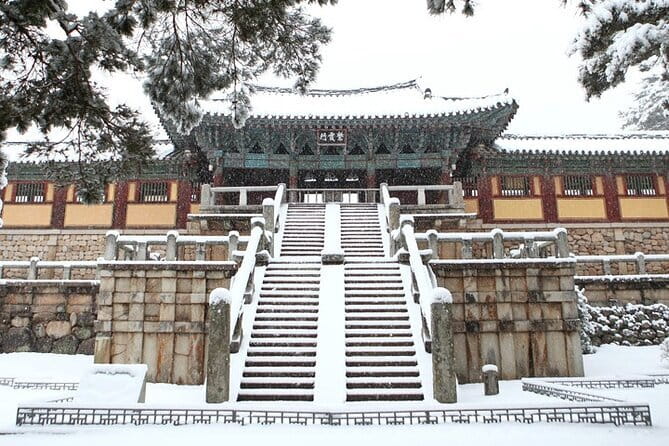
Bulguksa is one of those places where the setting alone tells you this is a legacy site. It’s described as a representative Buddhist relic of the Silla kingdom, built during the reign of King Beopheung (514-540) and later restored over time. Today it’s tied to national treasures and important heritage works, and UNESCO recognized it along with the nearby Seokguram Grotto.
You’re scheduled for about an hour here, which is enough to see the core temple atmosphere without feeling rushed. It’s also specifically noted as a good option for maple leaves, which can matter if you’re visiting in autumn and want scenery that matches the season.
A practical point: temples usually mean more walking, uneven surfaces, and quiet areas where you might want to pause for photos. I’d plan on comfortable shoes and simple layers, because temple mornings and afternoons can feel cooler than the surrounding city streets.
Same trip, a different corner of the country:
- Busan: Gyeongju Guided Day Trip to Three Kingdoms Capital
★ 4.8 · 1,925 reviews - Small Group Full Day Busan Tour (Max 6 Pax)
★ 5.0 · 1,464 reviews - Busan Private Tour with licensed tour guide + private vehicle
★ 5.0 · 1,143 reviews - Busan: Coastal Treasures Beach Train, Culture Village & More
★ 4.7 · 832 reviews
Cheomseongdae Observatory and Getting the Silla Tech Story
Next, you have Cheomseongdae Observatory, thought to have been built during Queen Seondeok’s reign (632-647) for observing the movements of heavenly bodies. It’s widely regarded as one of Asia’s oldest astronomical observatories, which makes it a great “wait, they could do that?” moment in the middle of the day.
Time here is about 30 minutes, and that’s a good length for this kind of stop. You’ll likely want a calm walk around for angles and photos, then you can move on once you’ve gotten your bearings.
This observatory works especially well if your group likes cultural facts that feel tangible. Instead of only seeing buildings, you’re also picking up a sense of how scientific knowledge shaped elite life during the Silla era.
Donggung and Wolji Pond, a Royal Calm Break
Donggung Palace and Wolji Pond are described as secondary palace sites, used as an eastern palace where the prince lived and hosted banquets during auspicious events or when welcoming important guests. This is where the day gets a softer rhythm.
You get about an hour here, and the admission is indicated as included for this stop. So it’s one less thing to track in your budget compared to sites that require separate tickets.
What I like about placing this after a heavier heritage stop is mental reset. A pond and garden space naturally invites slower strolling and breaks in your attention span. If your group tends to get tired after temples, this is a great place to exhale before hopping into villages.
Woljeonggyo Bridge, a Wooden Comeback Story
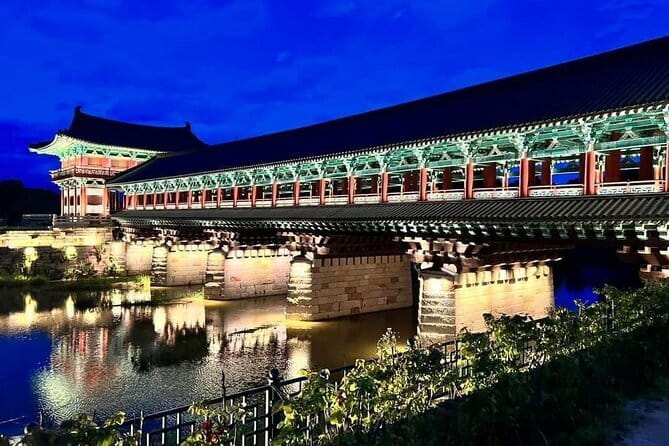
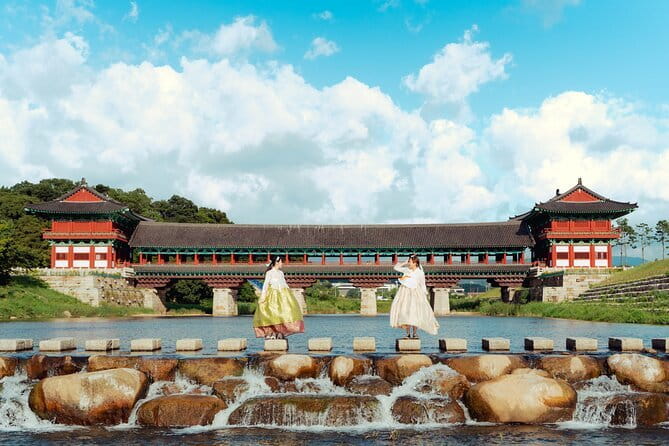
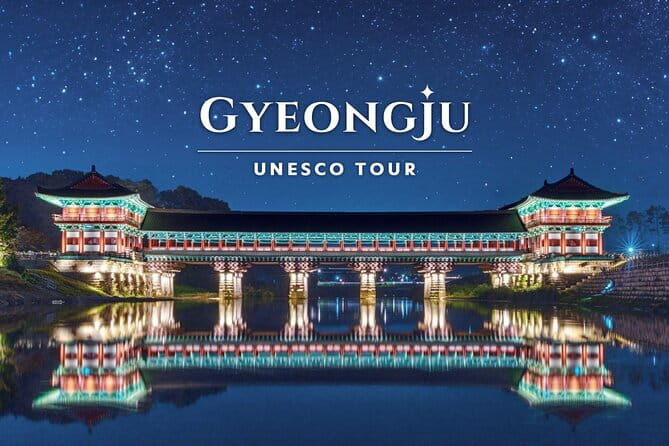
Woljeonggyo Bridge is tied to the Unified Silla period (676-935), later burned down during the Joseon dynasty, and then rebuilt in April 2018. It’s noted as the largest wooden bridge in Korea, so it’s not just a background photo stop.
Even with about 20 minutes on the schedule, it’s a useful stop because it connects history to something you can see right now. The bridge is also a quick win for families, because it’s easy to understand visually and doesn’t demand a long hike.
If the weather is bad, this is still a workable breather since the time is short. Just be ready for wind around bridges, especially if you’re visiting in shoulder seasons.
Gyochon Traditional Village for Joseon-Era Everyday Life
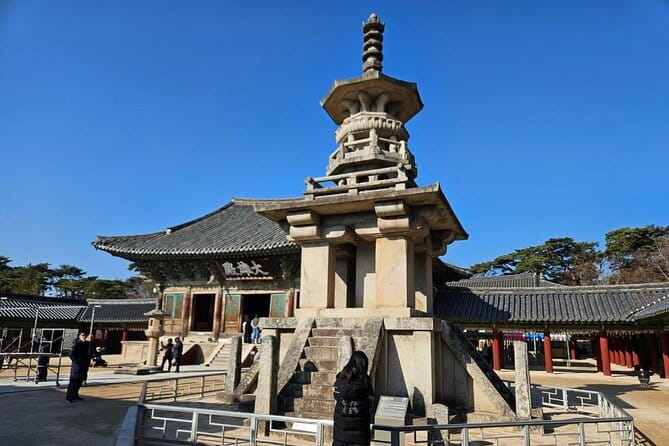
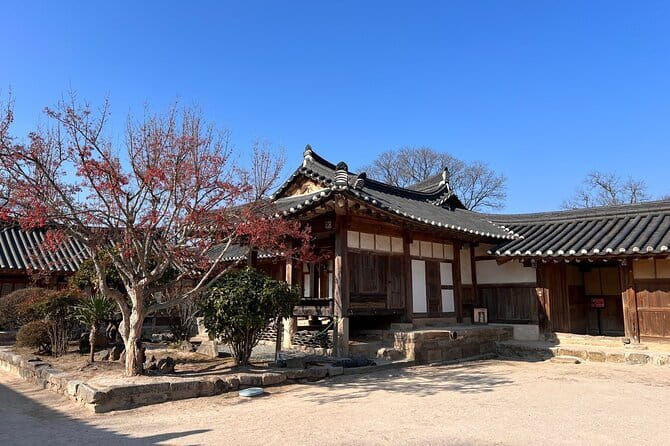
Gyochon Traditional Village is one of those stops where the appeal is how ordinary life becomes educational. It’s presented as a Joseon period traditional village with old hanok houses, similar in spirit to Yangdong.
The famous point here is Gyeongju Hyanggyo, a Confucian academy and shrine where Korea’s first state-operated educational institute, Gukhak, was established in 682. That detail matters because it gives you a reason beyond the architecture to pay attention.
You’re scheduled for about an hour, and the admission is listed as free. That combination is ideal if you want culture without extra ticket admin. For practical value, this is also a good place to let kids burn a little energy while you still get meaningful context.
Daereungwon Tomb Complex and the Gold Crown Story
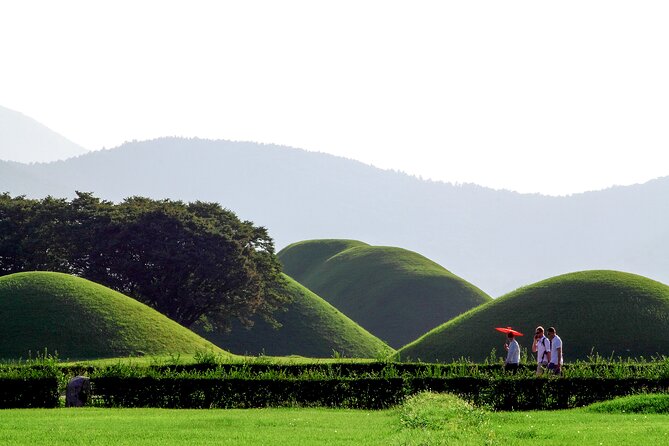
Daereungwon Tomb Complex is centered on a timeline from the late 5th century into the early 6th century. The artifacts are the real hook: items like a gold crown, gold cap, gold waist belt, gold diadem, and gilt-bronze shoes.
The gold crown is singled out as the largest and most elaborate of all gold crowns unearthed in Korea. That kind of specificity is rare on a heritage day trip, and it’s why this stop can make the history feel real rather than abstract.
You’re allotted about an hour, and admissions for this area are listed as free. That’s a strong value point because you get a high-impact story beat without extra cost. The main tradeoff is that tomb complexes can feel emotionally heavy for some people, so it helps to go in with the mindset of learning rather than just sightseeing.
Cheonmachong Tomb, a Short but Memorable Public Access Stop
Cheonmachong Tomb is excavated in 1973 and described with a height of 12.7 meters and diameter of 50 meters. The famous Gold Crown from this tomb is tied to the name Cheonmado, explained as a mudguard saddle flap with a painting of a heavenly horse.
Time here is about 30 minutes, and admission is listed as included. That makes it easy to treat as a focused stop rather than an open-ended one.
Because this is one of the Daereungwon Ancient Tombs open to the public, it’s a great “taste” of what’s inside the larger tomb story. If your group has limited energy, this is the kind of short block that still feels complete.
Hwangnidan-gil Street Break, Snacks and Newtro Hanok Energy
Hwangnidan-gil is a street of restaurants, cafes, photo studios, and shops, housed in traditional hanok buildings. It’s noted as popular among younger generations and described as having a newtro aesthetic due to worn buildings from the 1960s and the 1970s.
The schedule gives about 30 minutes here, and admission is free. That makes it a flexible window for quick shopping, a drink, or simply a change of scene. Since meals are not included in the tour price, this is the practical place where your guide can point you toward food options.
This is also where the “private guide” advantage shows up. A driver who understands what your group likes can steer you toward a comfortable, family-friendly stop rather than forcing everyone to follow a fixed group restaurant. If your group includes kids or elderly travelers, that convenience is huge.
Yangdong Folk Village, Joseon Scale With a Mountain View
Yangdong Folk Village is the highlight many people plan around. It’s described as Korea’s largest traditional village, showcasing Joseon dynasty culture plus natural surroundings. The village sits in a valley with Seolchangsan Mountain and its four spines of mountains visible in the background.
This stop is scheduled for about an hour, and the admission is listed as not included. So this is where you should expect to pay tickets separately.
What makes Yangdong compelling is the sheer scale of historic homes. The description mentions about 160 old houses and 500-year-old thatched-roof cottages. Fifty-four of the homes are over 200 years old, and they’re described as preserved in their original state, which gives you a more direct sense of how people lived.
There’s also a fun historical footnote: it’s mentioned that King Charles III visited the village in 1993. That kind of detail helps the village feel connected to the wider world, even though you’re still looking at homes and village life.
Practical tip: since Yangdong is a village, not a museum hallway, you’ll likely do a moderate amount of walking and moving between houses. If your group has mobility concerns, keep an eye on how much you want to see and don’t force a full “all alleys” loop in the one-hour window.
Who This Tour Fits Best (And Who Might Want to Rethink It)
This tour fits best if you want multiple heritage stops but you don’t want to stress over transport. It’s also a strong match for mixed-age groups, because you can adjust walking time at each stop instead of being trapped in a rigid group itinerary.
It’s especially good if you care about both UNESCO-class monuments and everyday cultural settings. You get Bulguksa and Cheomseongdae, but you also get village life through Gyochon and Yangdong. That blend is rare on short day trips.
If you’re the type who likes long museum reading time, you might find the day feels fast. The schedule is built around getting to about 6 site visits plus meal breaks, so you’ll want to choose what matters most rather than trying to absorb everything equally.
Should You Book This Private Gyeongju and Yangdong Tour?
I’d book it if your goal is a one-day hit list with flexibility, comfort, and fewer logistics headaches. The private car setup plus the ability to emphasize Yangdong, Bulguksa, tomb sites, or observatory time makes this feel like it’s tailored to your group rather than a fixed parade route.
I’d hesitate if your top priority is a slow, deep museum day or if you want everything fully covered with no extra tickets. Since admissions and lunch are not included, you’ll need a bit of budget planning. Also, the day is long, so plan for energy management and comfortable footwear.
If you want Gyeongju to feel like a story with a beginning, middle, and ending, this tour is one of the easier ways to make it happen.
FAQ
Is pickup included for this private tour?
Yes. The tour includes pick up and drop off to your preferred places, and it can depart from either Busan or Gyeongju. You can choose a round-trip or one-way style.
How long does the tour last?
The duration is about 9 hours.
How many people can join the group?
It’s priced per group, up to 8 people.
Is the vehicle air-conditioned?
Yes, the tour uses an air-conditioned vehicle.
What costs are included in the price?
Fuel, parking, toll fees, and license driving guide support are included, along with all fees and taxes tied to the tour service.
Are attraction entrance fees included?
Not all entrance fees are included. The overall guidance is that you’ll pay admission fees yourself, and the day also lists which stops are free versus ticketed.
Are meals included?
No. Meals are not included, and you’ll have free time for food, with options around places like Hwangnidan-gil.
What kinds of places does the tour cover?
The day focuses on Gyeongju and includes UNESCO-related heritage stops and traditional village areas such as Bulguksa Temple, Donggung and Wolji, Cheomseongdae, Gyochon Traditional Village, Daereungwon Tomb Complex, Cheonmachong Tomb, Hwangnidan-gil, and Yangdong Folk Village.
Does the tour include a mobile ticket?
Yes, mobile ticket is listed as a feature.
What is the cancellation rule for a full refund?
Free cancellation is offered. You can cancel up to 24 hours in advance for a full refund. If you cancel less than 24 hours before the start time, you won’t receive a refund.
Recently reviewed in Busan
- West Busan Small Group Photo Tour (Max 7)★ 5.0 · 11 reviews
- Real Busan Walking Experience★ 5.0 · 27 reviews
- Visit Busan night market and enjoy the night view of Busan harbor★ 5.0 · 6 reviews
- Busan Highlights Shore Tour – Cruise Return Assured★ 4.5 · 34 reviews
- Suncheon one day tour from Seoul, Busan or Suncheon★ 5.0 · 3 reviews
- Busan Beomeosa Temple & Hongbeopsa Temple with temple lunch★ 5.0 · 11 reviews
- 1 Day Private Busan Guided Tour★ 4.5 · 3 reviews
- Private Custom Tour With a Local Guide in Busan★ 4.5 · 12 reviews
UNESCO Heritage Tours, compared.
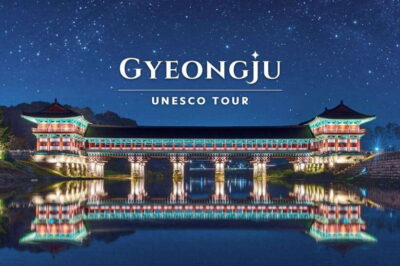
Gyeongju UNESCO World Heritage Guided Day Tour
Read our review →

East Jeju Essentials – Seongsan Ilchulbong (UNESCO) & Haenyeo
Read our review →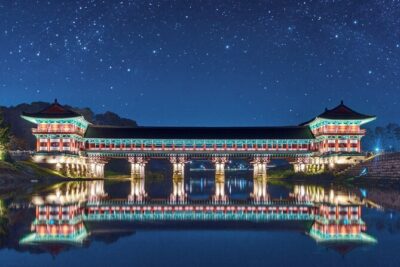
Gyeongju UNESCO World Heritage Guided Day Tour from Busan
Read our review →
Gyeongju UNESCO sites Private tour with licensed tour guide
Read our review →
Private Gyeongju Tour – Explore Gyeongju UNESCO Sites
Read our review →
Browse the lists this tour appears in