
Reviewed · HISTORICAL TOURS
Blood & Tears: Korea Dark History Guided Walking Tour
History here hurts, in the best way. This guided walk traces Korea’s fight for independence under Japanese rule and later the road to democracy, with an English guide and small group pacing that keeps it personal. I love how the stops connect into a clear storyline, so you leave with more than names and dates.
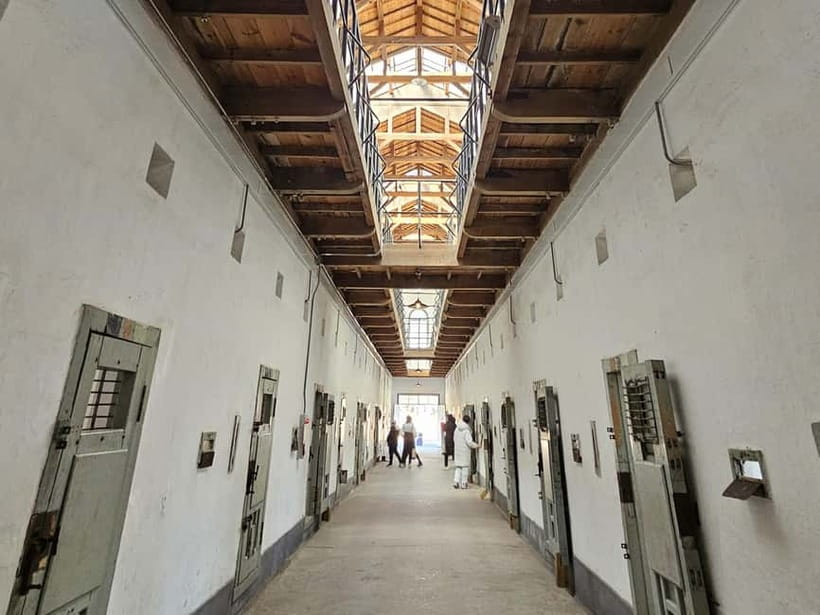
I also like that the tour focuses on places where power and violence were real, not abstract. In package 1, Seodaemun Prison History Hall puts you face to face with the space where prisoners were imprisoned, tortured, and executed, and in package 2 you end at the Korea Democracy Foundation, where surveillance and oppression are turned into public memory.
One thing to consider: you’ll rely on public transportation and walking between sites, and conditions can shift with traffic and weather. If you’re sensitive to intense topics, plan your day with breaks and a little extra mental space.
In This Review
- Key things to know before you go
- Two routes for two eras: Independence or Democracy
- Seodaemun Prison History Hall and Dongnimmun Arch: the cost of resisting
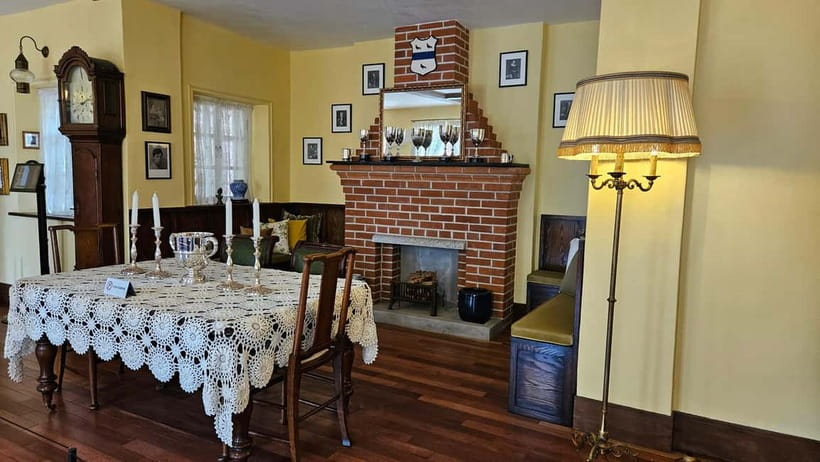
- Dilkusha, Albert W. Taylor, and Tapgol Park’s 1919 spark
- National Museum context: post-war reconstruction and citizen resistance
- Tongin Market lunch, Blue House power, and the feel of decisions made behind gates
- Namsan KCIA headquarters to Korea Democracy Foundation: surveillance to memory
- Price and what you actually get for $29
- How to prepare: shoe rules, walking comfort, and topic sensitivity
- Who this tour suits best
- FAQ
- Where does the tour start for package 1?
- Where does the tour start for package 2?
- How long is the tour?
- What is included in the price?
- Are meals included?
- Is there anything to know about shoes at Dilkusha?
- Should you book Blood & Tears: Korea Dark History Guided Walking Tour?
Key things to know before you go
- Two different routes: choose Independence (package 1) or Democracy (package 2), or do both for the full arc
- Small group size: limited to 10 participants, which helps with questions and slower explanations
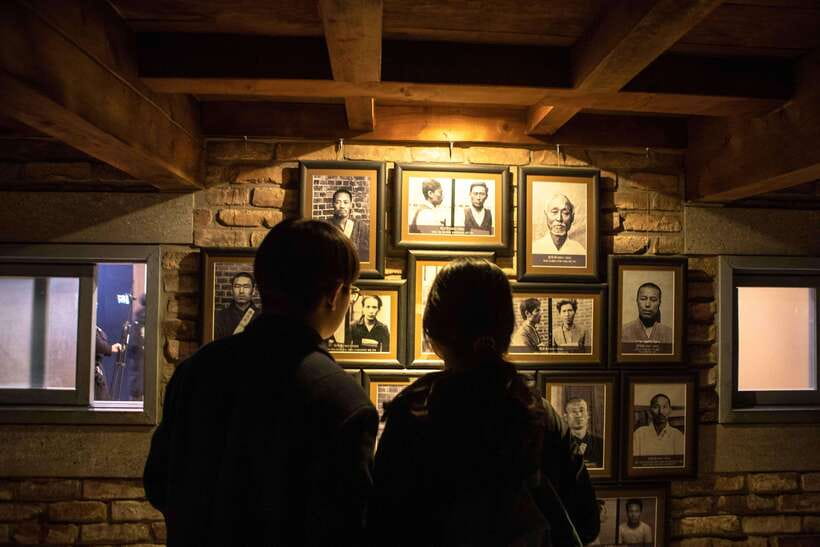
- Real sites, not just plaques: cells, torture spaces, and former power centers, explained in plain English
- Shoe rule at Dilkusha: you may need to remove shoes, with slippers provided on-site
- Includes transit and admissions: $29 covers public transport fees plus entry tickets
Two routes for two eras: Independence or Democracy
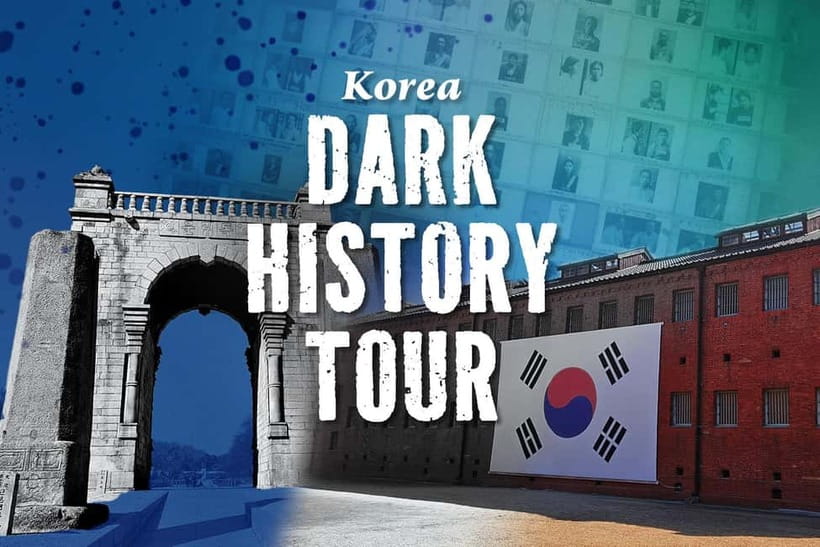
This tour is built around Korea’s fight against domination, in two time periods. You can pick package 1 for Japanese colonial rule and the independence movement, or package 2 for post-war dictatorship and the road to democracy.
Package 1 starts at 9:30 AM at Dongnimmun Station Exit 5, then walks through Seodaemun Prison History Hall, Dongnimmun Arch, and Dilkusha, finishing at Tapgol Park around 1:00 PM. Package 2 starts at 9:50 AM at Gwanghwamun Station Exit 7, then goes from the National Museum of Korean Contemporary History to Tongin Market, Blue House, Namsan KCIA headquarters, and ends at the Korea Democracy Foundation at 4:00 PM.
If you want maximum context, package 2 tends to give you the post-war background first, before you hit the darker sites. If you want the independence thread from the start, package 1 is the cleaner emotional route, beginning with the prison and moving toward the 1919 uprising.
More Historical Tours in Seoul
- Seoul: Evening Dark History, Folklore & Ghost Story Walking Tour
★ 5.0 · 593 reviews - Hanbok Photoshoot and History Tour at Gyeongbokgung Palace
★ 5.0 · 276 reviews - From Seoul: Dae Jang Geum Park Historic K-Drama Set Tour
★ 4.9 · 143 reviews
Seodaemun Prison History Hall and Dongnimmun Arch: the cost of resisting
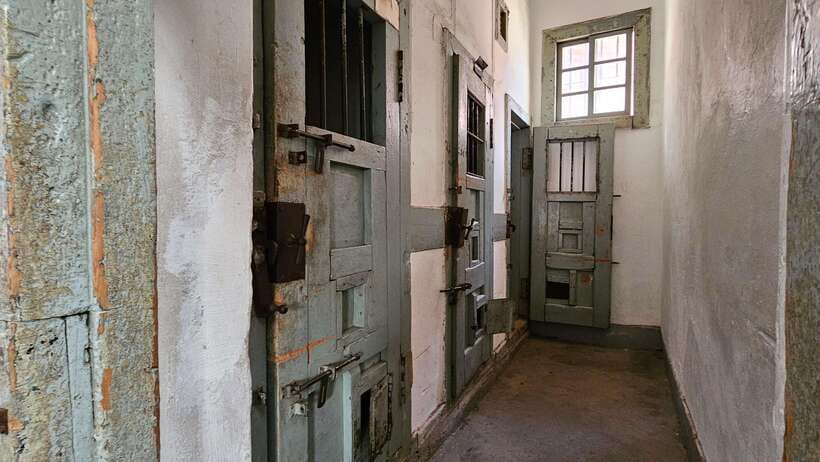
If you choose package 1, the day begins with a visit to Seodaemun Prison History Hall, a place tied to Korean independence fighters who resisted Japanese rule. Expect a heavy, quiet kind of learning here. The cells and torture-related spaces are dim and cold in feel, and the way it’s presented is meant to make you understand suffering as something people endured, not something from a distant textbook.
What makes this stop valuable is the physical sense of confinement. You’re not just hearing that prisoners were harmed, you’re walking through the environments where that happened. That’s the difference between information and understanding, especially if you care about the human side of history.
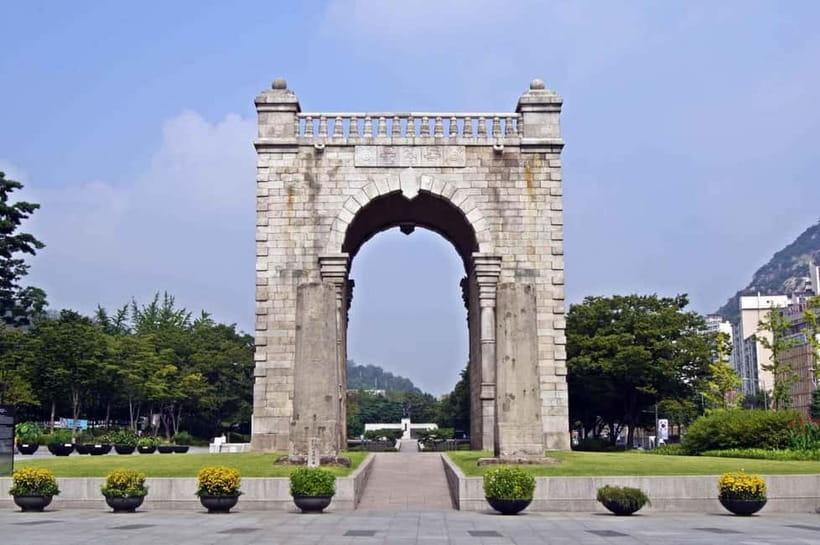
After that, the walk includes Dongnimmun Arch. The key idea is that a structure built to celebrate national independence later became a witness to the harsh reality of colonization. It’s a quick shift in mood, and it helps you see how political power can change the meaning of even well-known landmarks.
A practical note: you’ll be on foot for stretches between sites, so wear shoes that work for walking. The tour is wheelchair accessible, but the format relies on public transportation, and that can be less smooth if you bring a stroller or wheelchair.
Dilkusha, Albert W. Taylor, and Tapgol Park’s 1919 spark
Next comes Dilkusha, described as the former residence of Albert W. Taylor, an American journalist who helped expose Japan’s brutal rule to the world. This stop adds an international angle, and it helps explain why outside attention mattered. When you learn that information traveled, you start to understand that resistance was not only local, it was also connected to global awareness.
One detail you should plan for: you may need to remove your shoes when visiting Dilkusha. Slippers are provided on-site, but you’ll feel more comfortable if your socks are ready for that.
Then you finish at Tapgol Park, around 1:00 PM. This is tied to the first cries for independence in 1919, when the movement spread through the streets and helped spark a nationwide uprising. Even if you know the year already, seeing how the tour connects that moment to the earlier stops makes it land differently.
Tapgol Park works as a kind of emotional landing spot. After prisons and repression, you’re meant to leave with the sense of momentum, that courage eventually turned into collective action.
National Museum context: post-war reconstruction and citizen resistance
Package 2 begins by grounding you first, not by throwing you immediately into the darkest rooms. You start at the National Museum of Korean Contemporary History, where you get the context for what happened after the war: reconstruction, military regimes, and citizen resistance.
This is where you build the framework that makes the later stops make sense. Without it, places like KCIA-linked sites can feel like separate scary chapters. With it, you can see how authoritarian control took shape and how ordinary people pushed back.
If you like understanding the why behind the what, this museum timing is a big win. You’re not just collecting facts, you’re building a timeline in your head before you visit locations associated with surveillance and oppression.
Plan for a bit of walking inside museum spaces too, and keep your energy for the second half of the day. The tour later gets darker, so you’ll appreciate having this earlier grounding.
Same trip, a different corner of the country:
- Best DMZ Tour Korea from Seoul (Red Suspension Bridge Optional)
★ 5.0 · 41,422 reviews - DMZ Tour: 3rd Tunnel, Option(Suspension Bridge, Boat) from Seoul
★ 5.0 · 21,373 reviews - DMZ tour south Korea from Seoul (NK experience hall, defector)
★ 5.0 · 20,599 reviews - Seoul: The Best DMZ Tour with Optional Suspension Bridge
★ 4.7 · 4,978 reviews
Tongin Market lunch, Blue House power, and the feel of decisions made behind gates
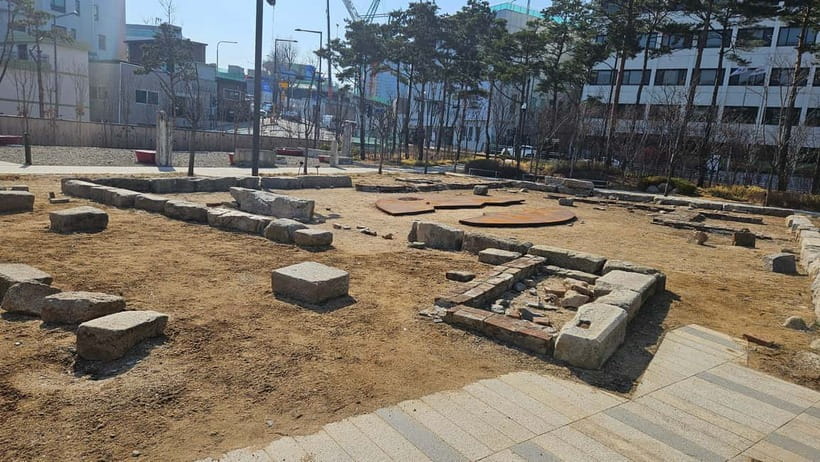
After the museum, package 2 moves into everyday city life with a stop at Tongin Market. The tour includes time for a traditional lunch there. Since meals are listed as not included, you should treat lunch as something you’ll pay for yourself during the visit.
Tongin Market is useful here because it interrupts the heavy tone. You get a real Seoul experience, and it makes the political story feel connected to daily life, not sealed away in memorial sites.
Next is Blue House, the former presidential office. Even before you reach the most intense historical sites, Blue House signals how power works when it’s centralized. The tour frames it as a symbol of rule and the controversial decisions made behind closed gates.
This stop can feel unsettling for a different reason than prison sites. It’s about the machinery of power, how authority is managed, and how that affects people who disagree.
Namsan KCIA headquarters to Korea Democracy Foundation: surveillance to memory
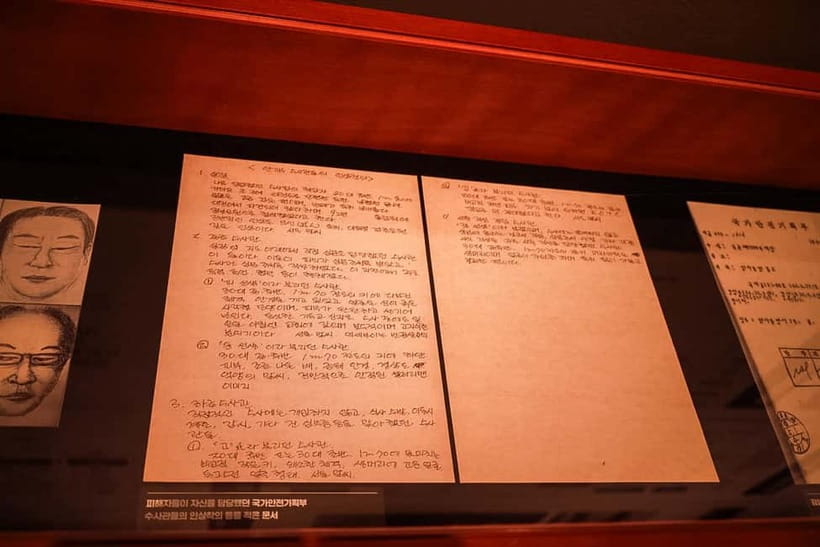
Later in package 2, the tour turns into a direct look at repression. You’ll descend into Korea’s darker corners with a visit to Namsan KCIA headquarters. KCIA is presented in the context of surveillance and political oppression, and the implication is clear: dissent had consequences, and control was organized.
The final stop is the Korea Democracy Foundation at 4:00 PM. This is described as former sites of surveillance, political oppression, and torture, now used as stark reminders of how hard-won democracy is.
What I find meaningful about ending here is the transformation. The tour doesn’t just point out harm, it also points to what replaced it, public memory and the idea that power should answer to the people. You finish the day with a sense of why democratic culture matters, not only that democracy exists.
If you’re doing both packages, this ending helps you connect the independence fight and the later democracy struggle as one long story of pressure, resistance, and change.
Price and what you actually get for $29
The tour price is $29 per person, and it’s not just for a guide. It includes English-speaking guidance, admission fees, and public transportation fees during the tour.
That mix matters. Many tours cost less on paper but add entry tickets and transit later. Here, you can plan around one total cost and focus on the learning, not the bookkeeping.
Duration runs 3.5 to 6 hours, depending on which option you book and how the day unfolds. Since the itinerary is subject to traffic and weather, you should expect the end time to shift slightly even though the standard finish times are listed for each package.
The small group size, limited to 10 participants, also adds value. You’re less likely to be stuck listening from the back of a crowd, and it’s easier for the guide to answer questions as they come up.
How to prepare: shoe rules, walking comfort, and topic sensitivity
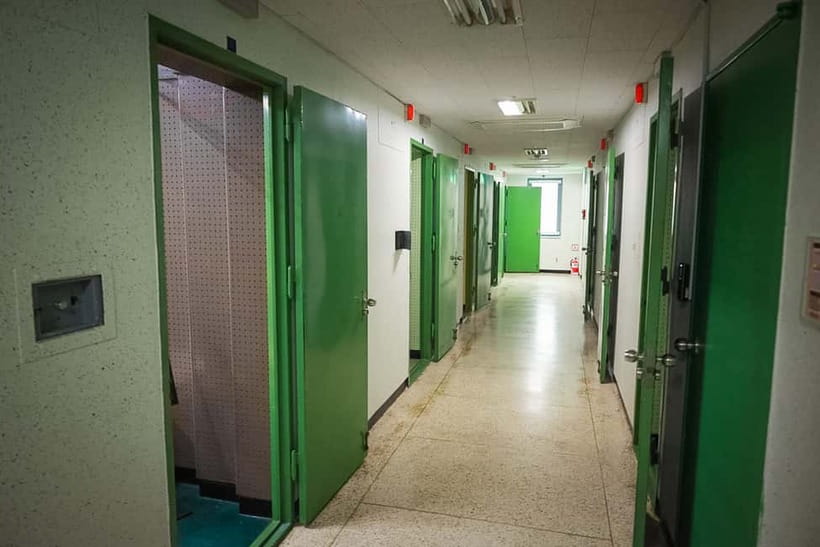
This is a history tour, but it’s also an emotional one. You’re walking through sites tied to imprisonment, torture, execution, surveillance, and dictatorship. If you want a smooth day, I’d treat it like a serious museum visit, not a casual stroll.
For comfort, wear sturdy walking shoes and plan for some time on public transportation. The tour is wheelchair accessible, but the information also notes that traveling by public transportation may be inconvenient for strollers or wheelchairs, so think ahead.
At Dilkusha, you might need to remove your shoes, with slippers provided on-site. Bring socks you feel good in, and consider how that affects your walking afterward.
For the human side, I recommend a simple strategy: pause when you feel yourself rushing. If you keep reading signs while your mind is trying to process heavy material, you miss the point. Take a breath, then keep going.
Who this tour suits best
Pick this tour if you want history tied to real places in Seoul that shaped Korea’s modern identity. Package 1 suits you if you’re focused on the independence movement and want to start with the sites of imprisonment and resistance.
Pick package 2 if you want the story organized around post-war control and democracy, with museum context before you reach KCIA and democracy-focused memorial spaces.
This is also a good fit if you like English explanations and smaller group pacing. You’ll get an English guide and a schedule that moves through major landmarks without dragging you into a huge bus tour.
If you prefer purely cheerful sightseeing, this is not that kind of day. If you want to understand Korea’s past honestly, with respect for what happened and why it still matters, it’s a strong match.
FAQ
Where does the tour start for package 1?
Package 1 starts at 9:30 AM at Dongnimmun Station Exit 5.
Where does the tour start for package 2?
Package 2 starts at 9:50 AM at Gwanghwamun Station Exit 7.
How long is the tour?
The duration is 3.5 to 6 hours, depending on which option you book and the day’s conditions.
What is included in the price?
The price includes public transportation fees during the tour, an English speaking guide, and admission fees.
Are meals included?
Meals are not included. You will have time for a traditional lunch during package 2, but meals are listed as not included.
Is there anything to know about shoes at Dilkusha?
You may need to remove your shoes when visiting Dilkusha. Slippers are provided on-site.
Should you book Blood & Tears: Korea Dark History Guided Walking Tour?
Yes, if you want Korea’s modern story told through the actual places where oppression happened, and how people resisted it. The $29 price is easier to justify because transit costs and admissions are included, and the group stays small.
Book package 1 if you’re drawn to independence under Japanese rule, especially the emotional weight of Seodaemun Prison and the move toward the 1919 uprising at Tapgol Park. Book package 2 if you want the post-war setup from the museum, then the arc from Blue House to KCIA-linked history and the Korea Democracy Foundation.
If you’re coming in expecting a light, casual walking tour, pick something else. If you’re ready for a serious, respectful day of learning, this one is worth your time.
More Walking Tours in Seoul
- Seoul moonlight walking tour with local historian
★ 5.0 · 940 reviews - Seoul: Nighttime Hidden Gems Walking Tour
★ 5.0 · 775 reviews - Seoul: Dark Side of the City and Ghost Stories Walking Tour
★ 4.8 · 484 reviews - Gangnam Walking Tour on Youth and Society in Seoul Korea
★ 5.0 · 401 reviews
Recently reviewed in Seoul
- You’re Invited to Our Home in Seoul: The Only Cooking Class!★ 5.0 · 8 reviews
- Your Personal Seoul Photographer!★ 4.1 · 15 reviews
- From Seoul: Yongpyong Ski Day Tour with Transportation★ 4.9 · 40 reviews
- Seoul: Korean & English Language Exchange Global Party★ 5.0 · 28 reviews
- Watching sports match & local food experience in Seoul★ 5.0 · 11 reviews
- WKT Combat Taekwondo & Self-defense One Day Class in Seoul★ 5.0 · 5 reviews
- Unique Native Experience : Han River Picnic, Board game, BBQ★ 5.0 · 3 reviews
- Seoul: Gangneung BTS K-Pop & K-Drama Filming Locations Tour★ 4.6 · 14 reviews
Historical Tours, compared.
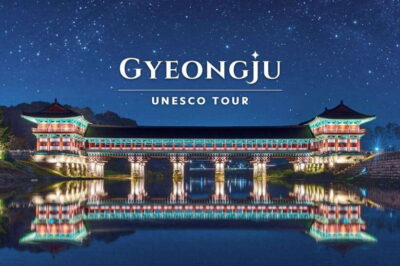
Gyeongju UNESCO World Heritage Guided Day Tour
Read our review →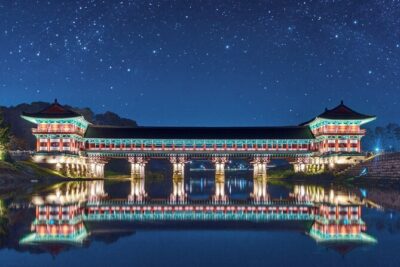
Gyeongju UNESCO World Heritage Guided Day Tour from Busan
Read our review →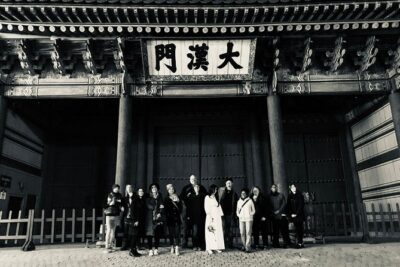
Evening Dark History, Folklore & Ghost Story Walking Tour
Read our review →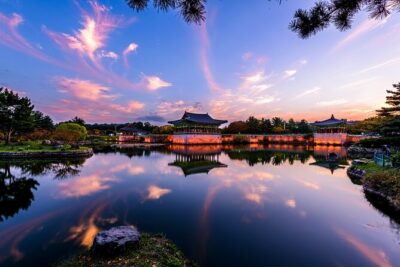
Old Korea Thousand History Tour of Gyeongju from Busan
Read our review →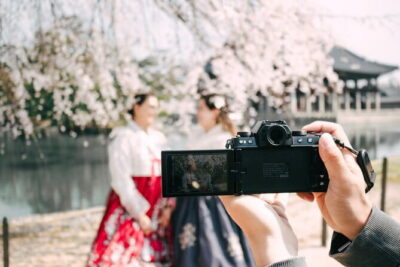
Hanbok Photoshoot and History Tour at Gyeongbokgung Palace
Read our review →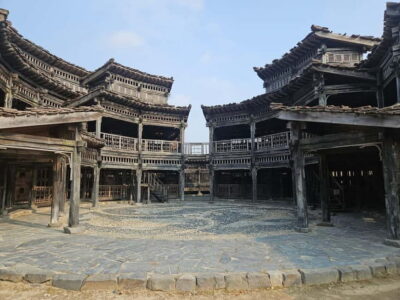
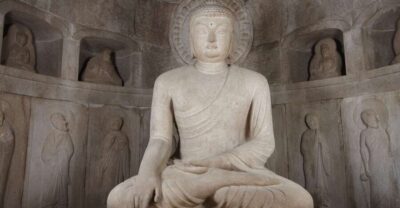
UNESCO Heritage Tour Including Bulguksa Temple
Read our review →
Gyeongju UNESCO World Heritage Sites and History Full-Day Tour with Lunch
Read our review →Browse the lists this tour appears in