
Reviewed · HISTORICAL TOURS
Korean History & Heritage Tour
Seven stops, one story of Seoul. This private Gangbuk day strings together palace drama, Buddhist calm, and everyday street life so the Joseon era feels real, not textbook. I especially like the Changing of the Guard at Gyeongbokgung Palace and the chance to end at Kwangjang Market for classic Korean street food flavors. One thing to consider: the palace admission isn’t included, and you should expect several short walks and transitions across neighborhoods.
You start at 9:00 am with free hotel pickup and drop-off anywhere in Seoul, so you spend your energy looking, not figuring out transport. You also get a mobile ticket and an air-conditioned vehicle for the in-between legs. Doable for most people, as long as you’re comfortable with a full 7-hour day and keeping your energy up without lunch included.
In This Review
- Key points before you go
- A Gangbuk day that feels like real Seoul, not a checklist
- What you pay (and why it can be good value for a private day)
- Getting around smoothly with a car (and where the day still involves walking)
- Gyeongbokgung Palace and the Changing of the Guard
- National Folk Museum of Korea: life stages, not just artifacts
- Bukchon Hanok Village: traditional houses, with real people living there
- Insadong’s craft streets: from old royal workshops to shopping alleys
- Jogyesa Temple: Buddhist practice in the city center
- Cheonggyecheon Stream walk: a breather between history and food
- Kwangjang Market: the 600-year-old street-food ending
- How the guide can make or break the day
- Who this tour suits best
- Should you book this Seoul Korean History & Heritage Tour?
- FAQ
- What time does the tour start?
- How long is the tour?
- How much does the tour cost and who can be in the group?
- Does the price include hotel pickup and drop-off?
- Is lunch included?
- Are entrance fees included?
- Is this tour private?
- Can I cancel for a full refund?
Key points before you go
- Private group time (up to 6) with hotel pickup and drop-off, so the day runs on your schedule
- Gyeongbokgung Palace plus the Changing of the Guard, a must-see Seoul moment in a historical setting
- National Folk Museum of Korea with a life-cycle theme that ties personal history to national culture
- Old neighborhood stops across Bukchon Hanok Village, Insadong, and Jogyesa Temple, keeping you in traditional Seoul
- Cheonggyecheon Stream for a calmer break before you hit the food scene at Kwangjang Market
A Gangbuk day that feels like real Seoul, not a checklist
Gangbuk is one of those Seoul areas where old and everyday life overlap. You’re not only chasing monuments. You’re moving through spaces that reflect how people actually lived, worshiped, worked, and shopped over centuries.
This tour’s big strength is how it builds that sense of place in a logical flow: you begin with royal power, move into how ordinary people lived (museum), then shift into living traditions (hanok village, temple, craft streets), and finish with modern Seoul’s street-food energy. That rhythm matters. It keeps the day from turning into separate stops with no connection.
More Historical Tours in Seoul
- Seoul: Evening Dark History, Folklore & Ghost Story Walking Tour
★ 5.0 · 593 reviews - Hanbok Photoshoot and History Tour at Gyeongbokgung Palace
★ 5.0 · 276 reviews - From Seoul: Dae Jang Geum Park Historic K-Drama Set Tour
★ 4.9 · 143 reviews
What you pay (and why it can be good value for a private day)
The price is $475 per group, up to 6 people, for about 7 hours. That sounds high if you’re thinking per person on a budget. But private tours in Seoul can add up fast once you factor in guide time, a vehicle, and convenience.
Here’s what you’re getting for that money, based on the tour details:
- A private experience with only your group
- Air-conditioned vehicle for travel between locations
- Free hotel pickup and drop-off anywhere in Seoul
- Mobile ticket
Then there are the costs you should plan for:
- Lunch is not included.
- Gyeongbokgung Palace admission isn’t included (other listed stops are free).
If you’re a small group of friends or a couple traveling with family, this can work out well because the cost stays fixed while your shared convenience stays high. If you’re a solo traveler, it’s still worth comparing, but you’ll likely feel the per-person cost more.
Getting around smoothly with a car (and where the day still involves walking)
The tour includes an air-conditioned vehicle, plus pickup and drop-off from anywhere in Seoul. That’s a big deal in a city where neighborhoods can be close on a map but not so close on foot, especially during peak traffic.
Still, don’t confuse car time with full zero-walk time. The day includes multiple short stops and strolls. The easiest way to set yourself up for success is to wear comfortable shoes and keep water handy. Also, since Gyeongbokgung involves a palace complex setting, give yourself a little extra time for moving through open areas before and after the ceremony timing.
One practical note: private tours depend heavily on your guide’s management of the day. A couple of reports highlighted issues where a guide didn’t keep the car close after the first stop. You can reduce the odds of that kind of mismatch by confirming at the very start how the vehicle will be used during transfers and meeting points.
Gyeongbokgung Palace and the Changing of the Guard
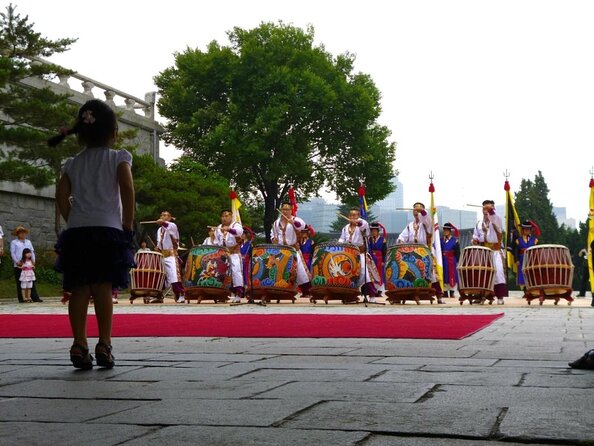
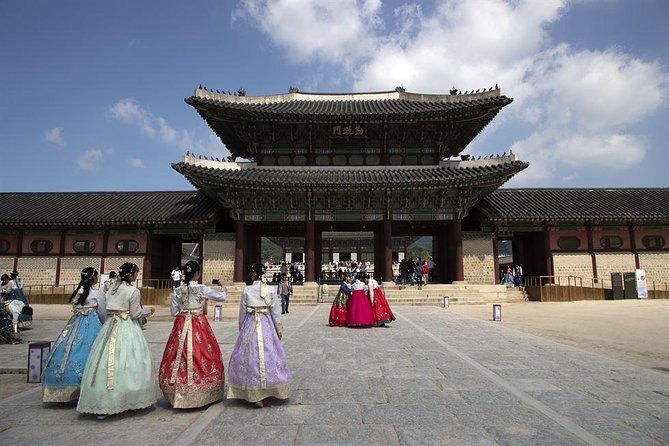
Start with Gyeongbokgung Palace and the Changing of the Guard ceremony. This is the Seoul stop that usually makes first-time visitors understand why people get emotional about royal history. You’re not just looking at buildings. You’re watching a ritual designed to project authority, order, and tradition.
The time on this stop is about 45 minutes, and palace admission is not included. That matters because you should plan to pay the entry cost separately if you want to see everything inside the grounds within the allotted window.
What makes this stop special on this particular tour is that it’s not treated like a quick photo stop. The focus is on getting you into the palace area to appreciate the architecture and what royal life would have been like. If you like details, this is a good place to ask your guide questions about how the layout connected to the power structure of Joseon.
Same trip, a different corner of the country:
- Best DMZ Tour Korea from Seoul (Red Suspension Bridge Optional)
★ 5.0 · 41,422 reviews - DMZ Tour: 3rd Tunnel, Option(Suspension Bridge, Boat) from Seoul
★ 5.0 · 21,373 reviews - DMZ tour south Korea from Seoul (NK experience hall, defector)
★ 5.0 · 20,599 reviews - Seoul: The Best DMZ Tour with Optional Suspension Bridge
★ 4.7 · 4,978 reviews
National Folk Museum of Korea: life stages, not just artifacts
Next comes the National Folk Museum of Korea, where the theme is how a Korean life unfolds from birth, through daily living, to death. The tour mentions even viewing the afterlife angle, which tells you the museum is more story-driven than object-driven.
Your time here is about 30 minutes, and admission is free. In that short window, you won’t see everything. So the museum works best if you treat it like a guided map: follow your guide’s narrative and pick up the big ideas, not try to read every label.
Why I like this stop in a tour like this: it balances the palace section. One day can easily over-focus on elites. This museum reminds you that history is also domestic and personal.
Bukchon Hanok Village: traditional houses, with real people living there
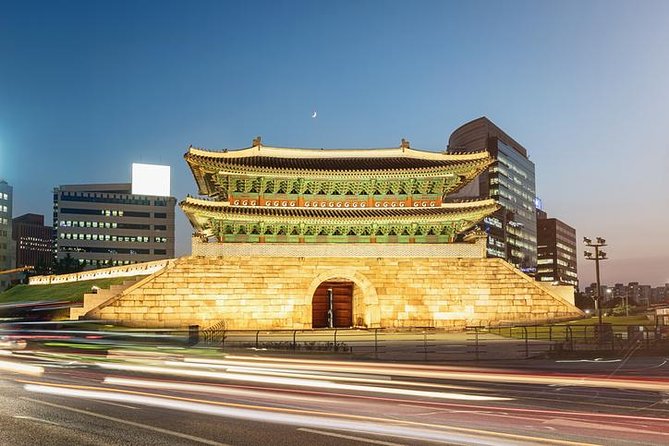
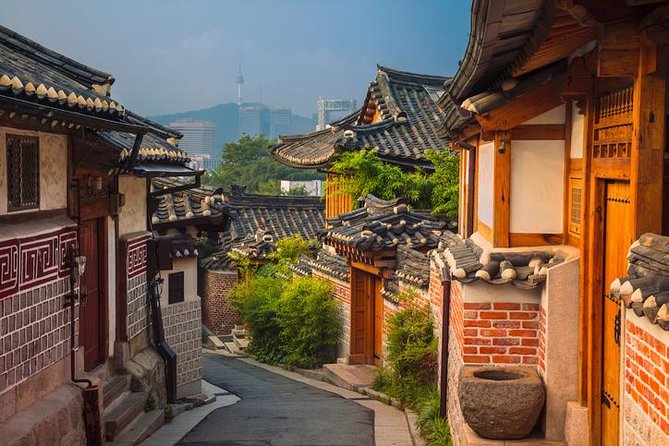
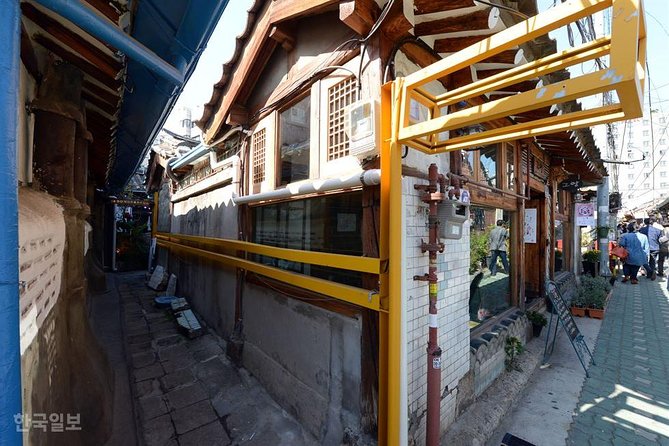
Then you head to Bukchon Hanok Village, around 40 minutes. This is one of the most recognizable “traditional neighborhood” scenes in Seoul, with hanok homes and narrow lanes.
What makes it more meaningful than many staged cultural districts is that people still live in the area. That turns your experience from pure sightseeing into a quiet lesson about continuity. You can see traditional architecture while realizing it’s not frozen in time.
Admission is free here, so it’s a low-cost way to understand why the Gangbuk area matters. Still, expect crowds in popular times. Keep your pace steady and respectful, and follow your guide’s instructions on where to walk.
Insadong’s craft streets: from old royal workshops to shopping alleys
After Bukchon, you move into Insadong, about 45 minutes. This stop centers on the idea that the royal court once commissioned artists and designers from the area, shaping crafts for high-status tastes. Today, that legacy shows up as antique alleys and souvenir shopping.
Admission is free. That makes Insadong a flexible stop for your interests. If you love small Korean crafts, it’s a good moment to slow down. If you just want a few gifts and a snack break, you can use your time efficiently by focusing on a couple lanes instead of trying to browse everything.
A helpful approach: ask your guide what kinds of items are best to buy here versus what’s better bought elsewhere in Seoul. Since you’re on a fixed schedule, that kind of advice saves time and helps you avoid impulse buys.
Jogyesa Temple: Buddhist practice in the city center
Next is Jogyesa Temple, about 20 minutes, with admission free. The tour frames it as a place connected to Buddhism, which was once the national religion in Korea. Even if you’re not a temple person, this stop gives you a change of pace.
The value here is not only the architecture, but the context of belief and public life. Temples in Seoul are not tucked away in remote countryside. They exist inside the rhythm of the city, so you get a more realistic view of how religion can still shape culture and community.
Time is short, so the best strategy is to focus on one or two things your guide points out: a main hall detail, a symbolic element, or how the temple grounds are laid out.
Cheonggyecheon Stream walk: a breather between history and food
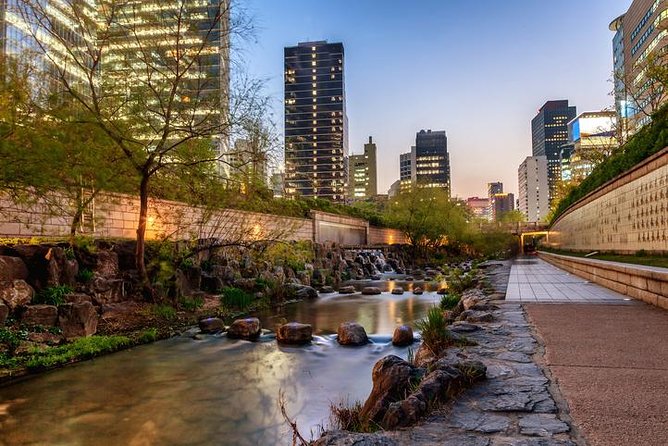
After temple time, you get a walk through Cheonggyecheon Stream for about 30 minutes. This is your visual palate cleanser. The stream walk also helps break up the day so it doesn’t feel like you’re bouncing from indoor museum to palace to craft street without recovery.
Admission is free. That makes it ideal to use as a reset point. If you’ve been standing a lot, this is when you can stretch, take photos, and just watch people moving through the space.
Your guide’s role here is mainly storytelling: the tour notes that you’ll talk about stories behind the stream. Listen for the big ideas rather than trying to memorize every detail, because the day moves on quickly.
Kwangjang Market: the 600-year-old street-food ending
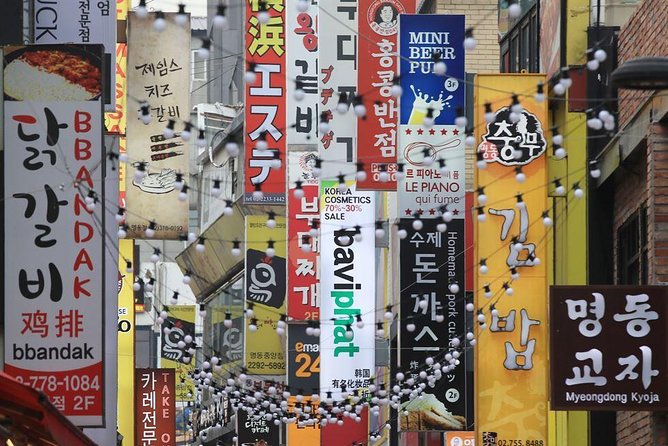
Finally, you end at Kwangjang Market, around 30 minutes. This is described as a traditional market that’s been around for about 600 years, once tied to selling linens for special occasions, and now known for comfort street food.
If you like eating with context, this is a smart finish. A market stop at the end gives you a satisfying payoff after the cultural stops. It also means you can choose what you want in that moment, rather than feeling locked into one included meal.
A positive theme from guide experiences: Michael, for example, is mentioned as taking people to a favorite restaurant for ginseng black chicken. Even if you don’t order that particular dish, it’s a reminder that a good guide often knows where to go for the foods that match the day’s stories, not just the most touristy options.
If you have dietary needs, this is the time to check quickly what’s possible, because the day is mostly structured but food decisions are personal.
How the guide can make or break the day
This tour is private, so the guide becomes a bigger part of your experience than on a larger group bus tour. Positive experiences emphasize guides who are friendly, patient, and good at connecting history to daily life. Judy is specifically noted as knowledgeable, super friendly, and patient, which matters if you move slowly or want time to ask questions.
There’s also a cautionary note. One report named a guide, YT Kim, as unprofessional, describing a situation where the car was parked far away after the first stop and the day felt more like walking than driving. I can’t generalize that to every guide, but it does highlight what you should do on Day 1: keep track of where the car is during transfers, and don’t be afraid to ask where it will be for the next leg. If something feels off, address it early.
Who this tour suits best
This is a strong match if you:
- Want a single-day route through Gangbuk that connects palaces, people, and places
- Like a guided story more than doing everything on your own
- Prefer hotel pickup and car comfort, especially if you’re tired of navigating metros between neighborhoods
- Travel as a couple or small group where the $475 per group price spreads out
It might be less ideal if you:
- Expect long time at each major site
- Need lunch included in the package
- Are sensitive to schedule changes if you get stuck waiting at a popular stop
Should you book this Seoul Korean History & Heritage Tour?
Yes, I’d seriously consider booking it if you want a guided day that makes Seoul’s history feel connected, from royal ceremony to living neighborhoods to market life. The structure is practical: you start at a top palace moment, learn through the museum’s life-cycle approach, then transition into traditional Seoul spaces, and end with street food where you can choose your own favorites.
The biggest “yes” reasons are convenience and flow: free pickup anywhere in Seoul, air-conditioned travel, and a focused route that doesn’t waste your time. The main “pause” reason is schedule compression. It’s 7 hours with multiple stops, so you need to be comfortable with walking and with admissions and lunch handled on your own.
If you book, do two smart things:
- Plan a separate budget for Gyeongbokgung admission and lunch.
- At the first pickup moment, quickly clarify how you’ll be transported between stops, so the day stays as comfortable as advertised.
FAQ
What time does the tour start?
The tour start time is 9:00 am.
How long is the tour?
The duration is about 7 hours.
How much does the tour cost and who can be in the group?
It costs $475.00 per group, up to 6 people.
Does the price include hotel pickup and drop-off?
Yes, hotel pickup and drop-off are provided free of charge from anywhere in Seoul.
Is lunch included?
No, lunch is not included.
Are entrance fees included?
Gyeongbokgung Palace admission is not included, while the other listed stops are free (National Folk Museum of Korea, Bukchon Hanok Village, Insadong, Jogyesa Temple, Cheonggyecheon Stream, and Kwangjang Market).
Is this tour private?
Yes. It’s a private tour/activity, and only your group will participate.
Can I cancel for a full refund?
Yes. You can cancel up to 24 hours in advance for a full refund. If you cancel less than 24 hours before the start time, the amount you paid will not be refunded.
Recently reviewed in Seoul
- You’re Invited to Our Home in Seoul: The Only Cooking Class!★ 5.0 · 8 reviews
- Your Personal Seoul Photographer!★ 4.1 · 15 reviews
- From Seoul: Yongpyong Ski Day Tour with Transportation★ 4.9 · 40 reviews
- Seoul: Korean & English Language Exchange Global Party★ 5.0 · 28 reviews
- Watching sports match & local food experience in Seoul★ 5.0 · 11 reviews
- WKT Combat Taekwondo & Self-defense One Day Class in Seoul★ 5.0 · 5 reviews
- Unique Native Experience : Han River Picnic, Board game, BBQ★ 5.0 · 3 reviews
- Seoul: Gangneung BTS K-Pop & K-Drama Filming Locations Tour★ 4.6 · 14 reviews
Historical Tours, compared.
Gyeongju UNESCO World Heritage Guided Day Tour
Read our review →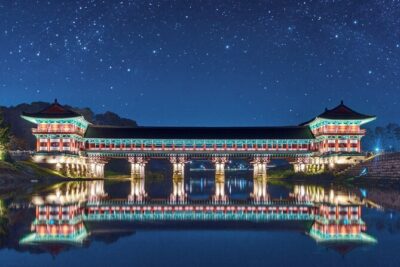
Gyeongju UNESCO World Heritage Guided Day Tour from Busan
Read our review →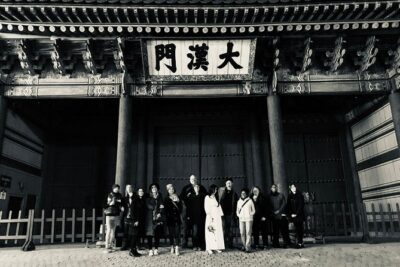
Evening Dark History, Folklore & Ghost Story Walking Tour
Read our review →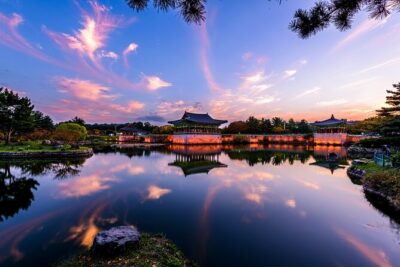
Old Korea Thousand History Tour of Gyeongju from Busan
Read our review →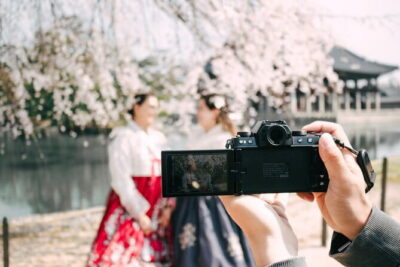
Hanbok Photoshoot and History Tour at Gyeongbokgung Palace
Read our review →
UNESCO Heritage Tour Including Bulguksa Temple
Read our review →
Gyeongju UNESCO World Heritage Sites and History Full-Day Tour with Lunch
Read our review →Browse the lists this tour appears in