
Reviewed · HISTORICAL TOURS
Incheon Port History Tour by 19th Century Electric Car, KTourTOP10
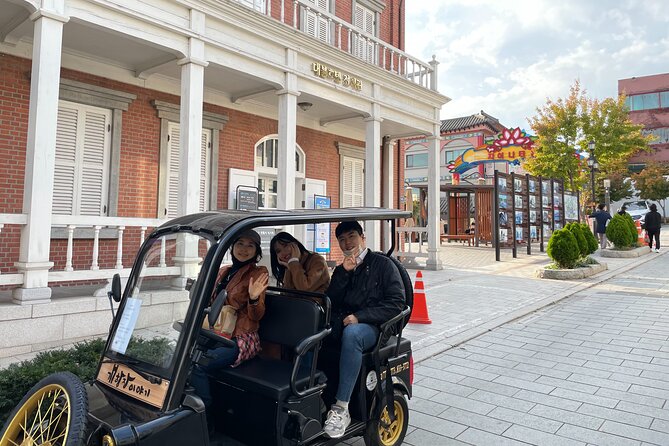
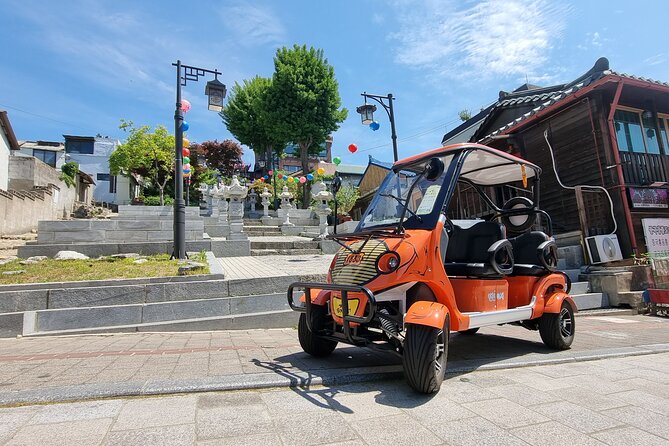
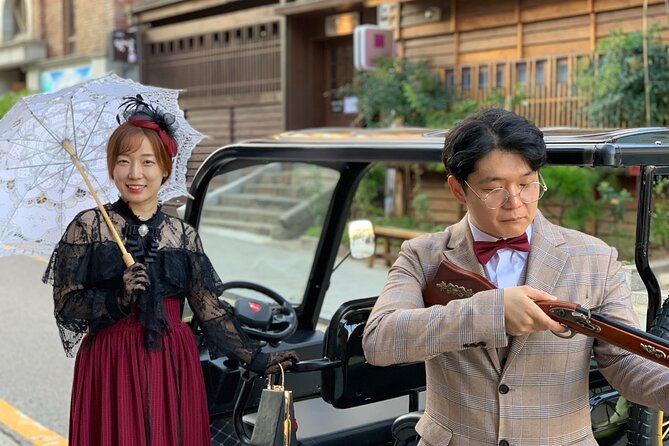
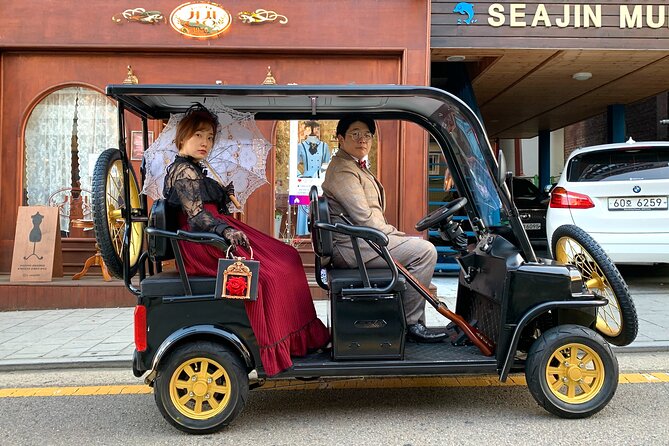
A ride through Incheon’s port area beats a museum day. You get to see how Incheon Open Port Street shaped daily life after the port opened in 1883, and you do it from a 19th-century-style electric vehicle that makes the whole route feel like a moving time capsule. I also like the practical setup: a small group and a guide who can slow down for questions when you get the right language match.
One thing to keep in mind is that the narration may not be fully live for English speakers. Some commentary is pre-recorded, and the guide’s English can be limited, so if you want deep back-and-forth questions, plan to rely more on the stops themselves (and your own curiosity) than on an extended lecture.
In This Review
- Key points before you go
- Entering the Open Port zone by 19th-century-style electric car
- Meeting point, tickets, and how to avoid stress
- Incheon Art Platform: red bricks and the open-port starting line
- Jogye area stairs and Jayu Park views: how foreigners fit into the map
- Haean Catholic Church: a quieter historical thread
- Jjajangmyeon Museum and Gonghwachun: when food becomes history
- Chinatown side streets: Euiseon-dang shrine and the story behind it
- Chohanji and Three Kingdoms mural streets: novel history on walls
- Donghwa Village, Songwol-dong, and how neighborhoods change
- Jemulpo Club: a building with rooms, tennis, and shifting use
- Price and value: $45 per group up to 3
- The language factor: fun ride, mixed depth
- Who should book this tour
- Should you book the Incheon Port History Tour by 19th-century electric car?
- FAQ
- How long is the Incheon Port History Tour by 19th-Century Electric Car?
- What does the tour cost and how many people can be in a group?
- Where is the meeting point for the tour?
- Is a mobile ticket used?
- What is included in the price?
- Do I need to bring food or snacks?
- Is the tour dependent on weather?
Key points before you go
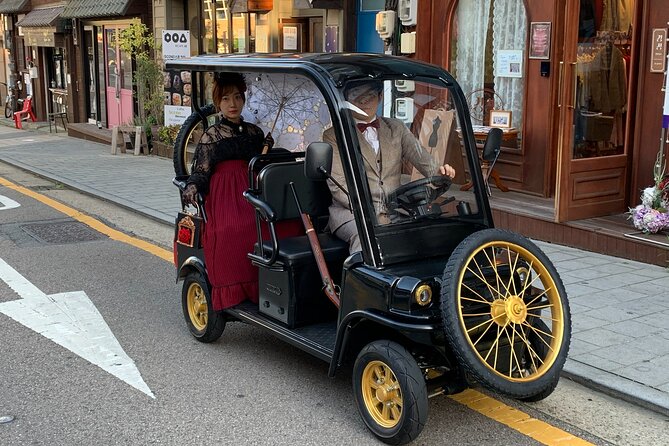
- Old-style electric car route: You’ll travel through the Open Port area without the stress of constant walking.
- Small-group feel: Up to 20 total on the tour, with a group size that generally allows more attention.
- A stop-based mix of culture and food: Chinatown shrines, murals tied to Chinese novels, and the Jjajangmyeon Museum.
- Strong landmark lineup: Red-brick Incheon Art Platform, Haean Catholic Church, and Jemulpo Club.
- Language flexibility matters: Some tours lean on pre-recorded commentary, so bring a plan for how you’ll learn.
Entering the Open Port zone by 19th-century-style electric car
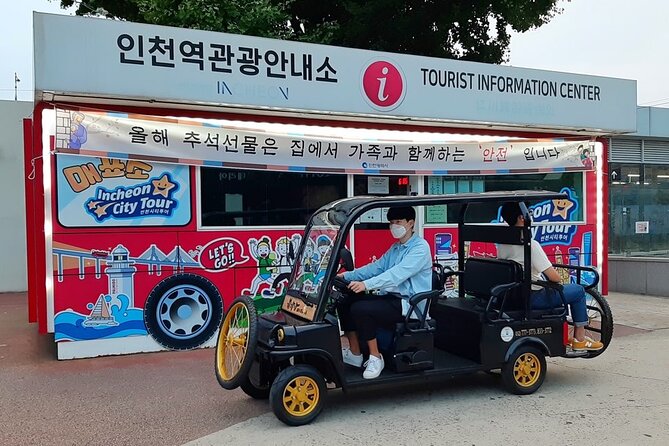
Incheon Port’s story is not just about ships and maps. It’s about people moving in, living nearby, trading, worshipping, eating, and leaving their marks on streets. This tour packages that idea into one easy format: you ride in an old-fashioned electric car style vehicle and cover several key spots along the port area without turning it into a long hike.
The timing is also friendly. About 50 minutes is enough to get your bearings, spot the major landmarks, and understand why Incheon is remembered as an important port city in Korean history. If you’re on a tight schedule, this kind of short guided loop helps you use your time well, especially if you’re juggling transit or waiting around before another plan.
The main “value” here is the combination. A guided drive plus multiple stops means you get context, not just photos. You’ll also see a lot of street-level culture that’s hard to piece together alone, because the tour connects the landmarks into one story.
More Historical Tours in Incheon:
- From Busan: Gyeongju UNESCO World Heritage Guided Day Tour
★ 4.8 · 1,250 reviews - Gyeongju UNESCO World Heritage Guided Day Tour from Busan
★ 5.0 · 660 reviews - Seoul: Evening Dark History, Folklore & Ghost Story Walking Tour
★ 5.0 · 593 reviews
Meeting point, tickets, and how to avoid stress
The tour meets at 266 Jemullyang-ro, Jung-gu, Incheon and ends back at the same point. You use a mobile ticket, and it runs on a schedule with several departure times, which is great when you’re trying to match other parts of your day.
One practical tip from real-world experience: if you have a layover or a tight connection, confirm your exact start time before you show up. In one case, the tour did not start as expected, and communication was the problem. That’s rare, but it’s smart travel to verify timing whenever you’re relying on a short, hour-ish plan.
Incheon Art Platform: red bricks and the open-port starting line
Your first major stop is the Incheon Art Platform, a red-brick building that acts like a doorway into the open port era. The key idea is that it houses information about the port’s history and also hosts exhibitions and performances across genres like art, music, literature, and movies.
What makes this a good early stop is orientation. Before you move into the more specific street scenes like Chinatown or mural alleys, you need a general frame. The Art Platform does that job, and it also gives you a break from the “only outside” feeling. If you like places where culture and history share the same walls, this is a nice way to start.
Possible drawback: because the tour is short overall, you should expect you won’t linger everywhere. If the Art Platform’s exhibits are a big priority for you, you might want to plan extra self-guided time outside the tour window.
Jogye area stairs and Jayu Park views: how foreigners fit into the map
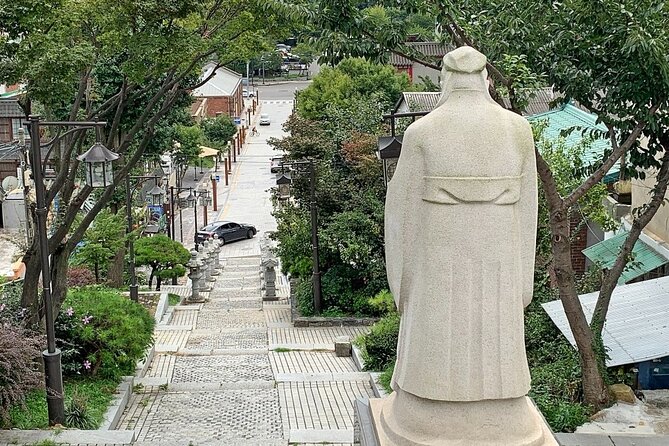
Next you’ll move toward the area with Chinese and Japanese buildings around the stairs. This section is tied to the term 조계 (Jogye), which refers to a designated zone for foreign residents or trade. It’s also connected to Jayu Park, and you can see the Incheon Sea from here.
This stop matters because it turns an abstract idea, foreign trade zones, into something physical you can walk around and picture. Even if you don’t know every historical detail, you can see how the terrain and the layout supported different communities. It’s the kind of place where a guide’s explanation helps, but the setting still tells a lot on its own.
If you’re the type who likes to read a city like a puzzle, you’ll probably enjoy the stairs and the building edges as clues. If you’re mostly in “quick photos and move on” mode, focus on getting a clean view from the sea-facing side.
A few more Incheon days worth comparing
- Private Airport Transfer: Incheon Airport to Seoul City (1-5 pax)
★ 5.0 · 92 reviews - Private Layover Tour from Incheon Airport to Seoul
★ 5.0 · 78 reviews - (P/Transfer) Incheon Airport ↔ Seoul (Up to 5 Pax)
★ 5.0 · 61 reviews - Private Arrival Transfer: Incheon International Airport to Hotel
★ 4.5 · 42 reviews
Haean Catholic Church: a quieter historical thread
Haean Catholic Church is next, and it has religious and historical significance tied to overseas Chinese Catholics. The church was created in the 1960s for devoted Catholics among the overseas Chinese community.
This is one of those stops that doesn’t scream for attention, but it adds an important dimension to the tour. Open ports aren’t only about commerce. They also bring faith communities, neighborhood structures, and cultural continuity. The church gives the story a more human scale.
Time note: in a short driving tour format, you may get only a brief look. If you want to linger for photos or to study the setting, keep an eye on how much time you have when you arrive.
Jjajangmyeon Museum and Gonghwachun: when food becomes history
Then you reach the Jjajangmyeon Museum, located at the site where the very first original Jjajangmyeon restaurant, Gonghwachun, used to be. The museum displays relics related to Jjajangmyeon and Gonghwachun, and it connects a popular Korean-Chinese food story to the port neighborhood.
This stop is a smart move for two reasons. First, it uses everyday culture, not just monuments. Second, it helps you understand that Incheon’s port era wasn’t only old paperwork and street walls. It shaped recipes, daily routines, and the foods people came to love.
If you’re already a jjamppong and jjajangmyeon person, you’ll likely enjoy how the tour frames what you eat through where it started. Even if you’re not, the concept of tracing a dish back to a specific original location is a fun, memorable anchor.
Chinatown side streets: Euiseon-dang shrine and the story behind it
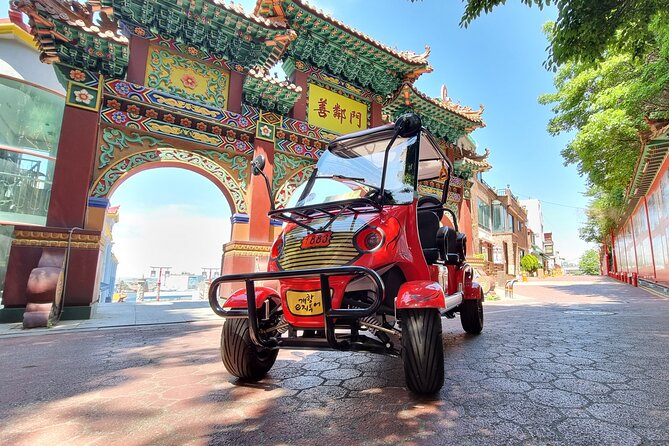
Inside Chinatown, you’ll see Euiseon-dang, a Chinese-style shrine built by Chinese immigrants who left their homeland. The shrine is said to connect to the loneliness and difficulties of immigration, giving the area an emotional backstory you might miss if you only scan for storefronts.
This is where the tour shifts from “landmark checklist” into “why did people build this here?” The shrine is small compared to big museum attractions, but it carries meaning. It’s also a good match for the electric car format, because you’re not stuck only in traffic or only walking through crowds. The guide ties the cultural stop to the wider open port story.
If you’re sensitive to religious sites, keep it respectful and quiet. Short guided stops are usually not the time for long studying, but a calm look can still make the moment land.
Chohanji and Three Kingdoms mural streets: novel history on walls
You’ll also visit the Chohanji Mural Street and the Three Kingdoms Mural Street. These streets feature murals tied to representative Chinese historical novels, including Chohanji and The Three Kingdoms.
This is one of the fun, slightly quirky parts of the tour, and it’s also a reminder that this area’s cultural influence shows up in art, storytelling, and public decoration. If you like street art, it’s worth taking a few minutes to walk slowly enough to follow the mural sequence, not just snap one quick picture.
The potential downside is time again. If you’re stuck rushing, you might miss the narrative flow of the murals. Try to slow down for a couple of photos and then let the tour pace take over.
Donghwa Village, Songwol-dong, and how neighborhoods change
Another stop looks at how the port opened in 1883 and how foreigners lived in Songwol-dong, forming rich villages. Over time, only seniors remained after younger people moved out decades ago, and the town was reborn as Donghwa Village.
This part helps you see history as a living process, not a single moment. It also makes the streets you’re seeing feel less like a theme park and more like a neighborhood shaped by real population shifts.
If you prefer your history to feel grounded, this stop can be satisfying. If you want more dates and names, you may find yourself wanting extra explanation, especially if English narration is limited.
Jemulpo Club: a building with rooms, tennis, and shifting use
Finally, you reach the Jemulpo Club. It was operated in 1981 as a social club for foreigners living in Incheon. Inside you can see a social room, a billiard room, and a reading room, and there’s a tennis court outside. The information also notes the building’s later use during the Japanese colonial period.
This stop is often the most “oh wow” moment because it turns the idea of foreign community into a tangible place with leisure rooms you can picture right away. It’s not only about trade. It’s about daily life, recreation, and meeting spaces.
Admission is listed as free for this stop, which is a small but real value boost. If you’re the type who likes to visualize how people spent their afternoons, this is a great final landmark before you return to the meeting point.
Price and value: $45 per group up to 3
The price is $45 per group, up to 3 people. For many readers, the big question is whether that’s fair for an about-50-minute experience with a fixed set of stops.
Here’s how I think about value:
- If you travel with one friend or family member, the per-group pricing can feel like a bargain compared to per-person guided tours.
- If you’re short on time, 50 minutes can be an efficient way to cover the open port highlights in a single session.
- If you love detail, you might wish the tour went longer or had more live explanation, especially if the narration you hear is pre-recorded.
Also remember what is and isn’t included. There’s no meal or snack in the tour, so plan a light plan around it if you’re hungry. If you’re doing this as part of a port-and-food day, you’re in good shape, because the route already hits the jjajangmyeon story.
The language factor: fun ride, mixed depth
From the experience details and feedback, the electric car ride itself tends to be a win. The cars feel charming and the guide service is often described as pleasant and enthusiastic. Some guides have accommodated changes in timing if you request a later slot.
The tricky part is communication. One common theme is that the driver may speak little or no English and relies on pre-recorded commentary. When that happens, you might feel more like you’re following the script than engaging in a dialogue.
So here’s the practical move: treat this as a scenic, stop-focused history route. If you want deeper Q and A, come with a few questions ready, and if English support seems limited, let your curiosity do the work by reading on-site signage and using the museum stops as your deeper learning points.
Who should book this tour
This tour is a strong fit for:
- People who want a time-efficient way to see multiple Incheon port-area landmarks.
- Travelers who enjoy “story streets,” including Chinatown and mural-lined corners tied to Chinese novels.
- Small groups who can take advantage of the per-group pricing.
It may be less ideal if:
- You want a long, lecture-style history experience with lots of free-form Q and A.
- You get frustrated when narration is not interactive.
If you’re traveling with kids, this is also a great style choice because the car ride breaks things up, and mural streets can feel like a playful stop. Just keep an eye on timing since the overall tour is short.
Should you book the Incheon Port History Tour by 19th-century electric car?
I’d book it if you want a simple way to connect Incheon’s open port landmarks into one coherent route, without wearing yourself out walking. The combination of electric car travel plus stops like Incheon Art Platform, Haean Catholic Church, Jjajangmyeon Museum, Chinatown shrine and mural streets, and the Jemulpo Club is a well-matched set of “see it, feel it, remember it” moments.
I would pause and choose a different plan if you specifically need lots of English conversation or you’re expecting a longer sightseeing session. At about 50 minutes, it’s meant for getting oriented, not for exhausting every historical detail.
If you do book, do one smart thing: confirm the departure time right before you go, especially if you’re on a tight schedule. Then show up ready to enjoy the streets, read the clues, and let the route tell its story one stop at a time.
FAQ
How long is the Incheon Port History Tour by 19th-Century Electric Car?
It runs for about 50 minutes.
What does the tour cost and how many people can be in a group?
It costs $45 per group, and the group size is up to 3 people.
Where is the meeting point for the tour?
The meeting point is 266 Jemullyang-ro, Jung-gu, Incheon, South Korea, and the tour ends back at the same location.
Is a mobile ticket used?
Yes, you use a mobile ticket.
What is included in the price?
The old-style electric car tour (about 50 minutes) and the tour guide fee are included.
Do I need to bring food or snacks?
Meal and snack are not included.
Is the tour dependent on weather?
Yes. It requires good weather, and if it is canceled due to poor weather you will be offered a different date or a full refund. Service animals are allowed.
Recently reviewed in Incheon
- Seoul Layover Private Incheon Cultural Odyssey from Airport★ 5.0 · 33 reviews
- Incheon Airport Transfer Service private transport to/from Seoul★ 5.0 · 40 reviews
- Layover & Stopover in Seoul/private Tour★ 4.5 · 20 reviews
- Private Airport Transfer Incheon Airport to/from Seoul(1~7pax)★ 4.0 · 4 reviews
- Private DMZSPYTOUR from Incheon Airport★ 5.0 · 14 reviews
- 24/7 Private Airport Transfer: Incheon/Gimpo ↔ Seoul (Up To 10)★ 5.0 · 3 reviews
- Layover Tour from Incheon Airport to Seoul with a Tour Specialist★ 5.0 · 5 reviews
- Layover Tour for essential Seoul City & Gourmet tour(Incl. Lunch)★ 5.0 · 8 reviews
Historical Tours, compared.
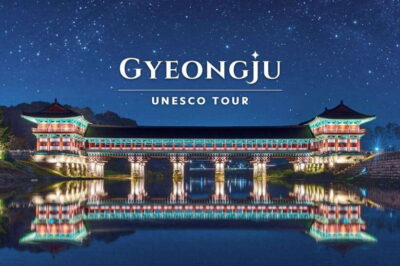
Gyeongju UNESCO World Heritage Guided Day Tour
Read our review →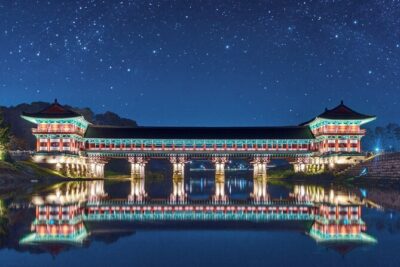
Gyeongju UNESCO World Heritage Guided Day Tour from Busan
Read our review →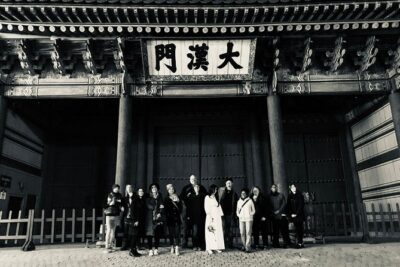
Evening Dark History, Folklore & Ghost Story Walking Tour
Read our review →
Old Korea Thousand History Tour of Gyeongju from Busan
Read our review →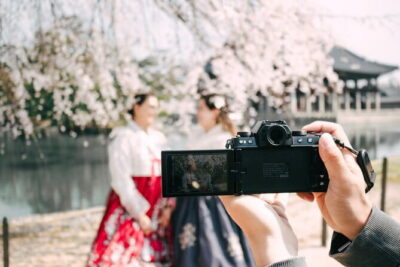
Hanbok Photoshoot and History Tour at Gyeongbokgung Palace
Read our review →
UNESCO Heritage Tour Including Bulguksa Temple
Read our review →
Gyeongju UNESCO World Heritage Sites and History Full-Day Tour with Lunch
Read our review →Browse the lists this tour appears in