
Reviewed · TEMPLE TOURS
Seoul: Temple Vegan Cooking Class & Oriental Medicine Tour
Seoul can feel oddly peaceful at a temple table. This half-day experience pairs a monk-led temple vegan cooking class with Korean medicine sites, markets, and snack breaks, all guided in English by a licensed guide. You also get a front-row view of how people connect everyday food, herbs, and wellness in South Korea.
I especially like two parts: the hands-on cooking at the temple food center, and the market-to-museum flow that makes the medicine theme feel practical, not abstract. The herb market visit and the K-Medi Center stop give you context, then the fruit and street-food tastings bring it back to what people actually eat and buy.
One consideration: it is not a sit-and-stare tour. You will do a fair amount of moving between areas, and Seoul’s subway can feel tricky on a busy weekend day. If you rely on directions, do not wait until the last minute.
In This Review
- Key Highlights You’ll Care About
- What This 4-Hour Temple Food and Medicine Tour Feels Like
- Temple Vegan Cooking Class at the Korean Temple Food Center
- Seoul Yangnyeongsi Herb Market, Then K-Medi Center for Real Context
- Gyeongdong Market Stops: Starbucks Gyeongdong 1960 and Gold Star Radio LG
- Underground City Footsteps and Market Bites You Can Actually Taste
- Cheongnyangni Fruit and Vegetable Market for Seasonal Taste
- Price and Value: What Your $77 Covers in Seoul
- Practical Tips for Getting the Most Out of It
- Who Should Book, and Who Might Skip It
- Should You Book This Tour?
- FAQ
- How long is the Seoul Temple Vegan Cooking Class and Oriental Medicine tour?
- Where does the tour start and end?
- Is hotel pickup or drop-off included?
- What’s included in the tour price?
- Do I need to speak Korean?
- What do you do at the K-Medi Center?
- What food and drinks are included during market stops?
- Can I cancel for a full refund?
Key Highlights You’ll Care About
- Monk-led temple cooking with an English interpreter, where Buddhist-inspired plant-based dishes are the focus
- K-Medi Center experiences including a museum visit, traditional massage therapy, and a included tea or beverage
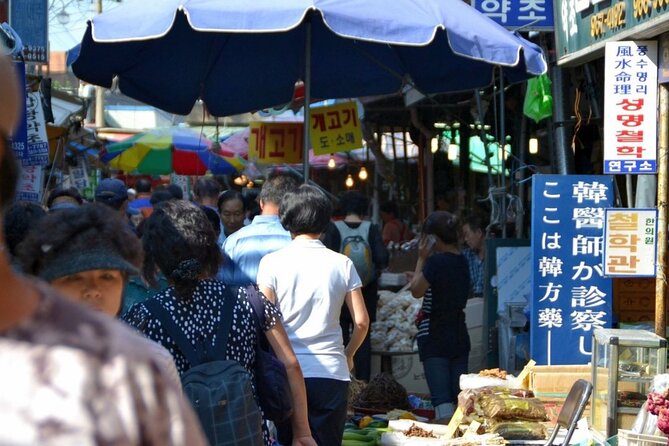
- Seoul Yangnyeongsi medicinal herb market as a strong, hands-on introduction to Korean traditional remedies
- Gyeongdong Market mix of old and new, including Starbucks Gyeongdong 1960 and vintage LG electronics
- Market food you can actually snack on, including simple items and drinks like omija
- Small group size up to 20, which helps the guide keep things moving in a tight schedule
What This 4-Hour Temple Food and Medicine Tour Feels Like
This is a classic “wellness meets food” Seoul outing, built like a storyboard. You start in the calm of a temple food center, then you shift to the real-world world of herbal markets and a Korean medicine facility, and you end with produce shopping and casual market bites.
The schedule is tight, so it is more active than a museum day. That is also why it feels good: you do not just learn, you taste, you look at ingredients, and you try one wellness experience at the K-Medi Center.
At $77 per person for about 4 hours, the value comes from what you get bundled in: a licensed English guide, the temple cooking experience, market snacks and drinks, admissions for the oriental medicine museum, and transportation. You do not have to plan these stops yourself, and that matters in a city where getting from neighborhood to neighborhood can eat time.
More Temple Tours in Seoul
- Seoul: Palace, Temple and Market Guided Foodie Tour at Night
★ 4.9 · 750 reviews - Seoul: Mt Seorak + Naksansa Temple or Nami Island Group Tour
★ 4.7 · 422 reviews - Best Things to Do – Half Day Seoul Trip (Seoul Palace & Temple)
★ 5.0 · 190 reviews
Temple Vegan Cooking Class at the Korean Temple Food Center
Stop 1 is the heart of the day if you pick the class option, and it is a meaningful way to start. You will learn traditional Buddhist cuisine secrets with a real monk at the Korean Temple Food Center, supported by an English interpreter.
What makes this part worth your time is that you are not watching food theory in a lecture hall. You are actively cooking, which means you get a better grasp of flavors and techniques, not just words. Buddhist-inspired plant-based cooking often pushes you to pay attention to texture and balance, and that translates well to what you will see later at markets.
Timing is also generous here. You get about 2 hours, and that is usually enough time to feel like more than a quick demo. You should still treat it like a cooking session, meaning comfy clothes and shoes you can move in.
One practical note from real-world experience: one group reported that the massage experience later included a mechanical component. That does not affect cooking, but it is a reminder that some parts of the wellness program can be more structured than expected. For the cooking class though, the monk-led format is the clear anchor.
Seoul Yangnyeongsi Herb Market, Then K-Medi Center for Real Context
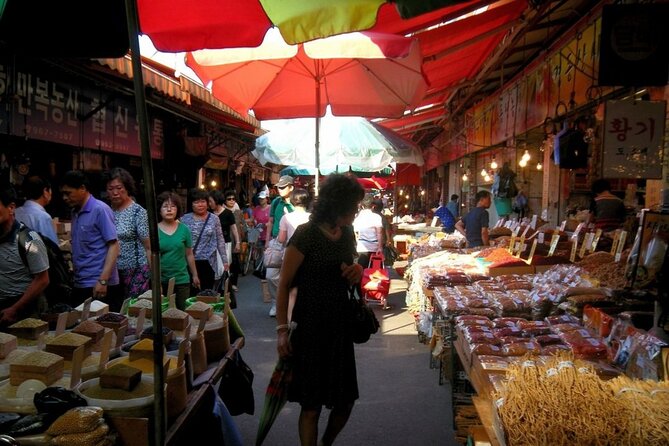
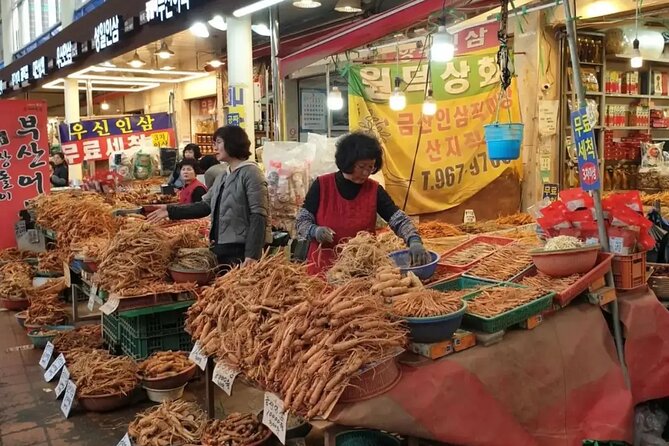
After the temple meal, the day turns outward. Seoul Yangnyeongsi is one of Seoul’s oldest and best-known medicinal herb markets, and it is there to ground the whole wellness theme in ingredients. You spend about 15 minutes here, and admissions are free.
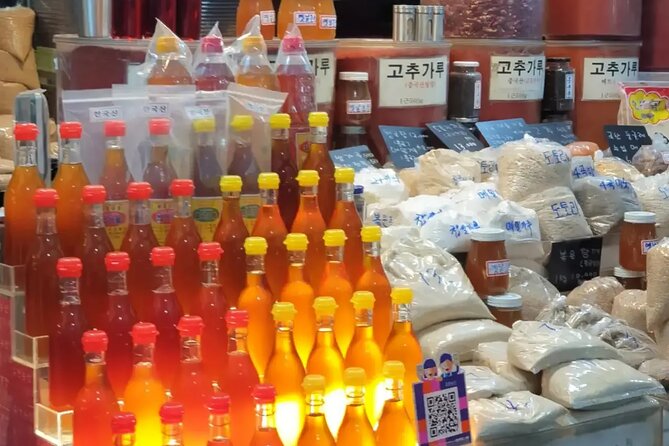
In a short visit like this, you do not try to learn everything. You focus on patterns: dried roots, herbs, and ginseng-related goods, plus the idea that healing ingredients are part of everyday Korean life. If you have ever wondered why Korean traditional medicine looks ingredient-led rather than symptom-led, this stop helps you understand that logic fast.
Then you head to the K-Medi Center for about 40 minutes, where the theme becomes hands-on. You get three experiences: a museum on Korean medicine history, a traditional Korean massage therapy experience where you try massaging areas like your waist, eyes, hands, and feet, and a stop at the Korean Medicine Cafe for one included tea or beverage.
This is the part of the itinerary that can vary in how it feels to different people. The official description is traditional massage therapy, but one past participant noted that the massage was done with a machine and did not feel very effective for them. That means I suggest you go in with flexible expectations: it is still an experience you get to try, but it might not be a customized, fully manual treatment.
Gyeongdong Market Stops: Starbucks Gyeongdong 1960 and Gold Star Radio LG
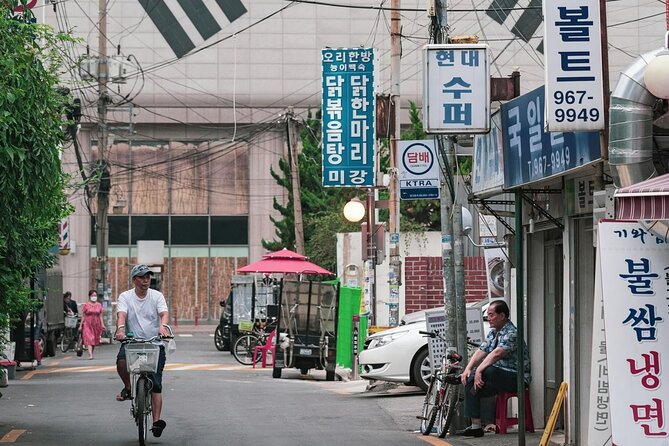
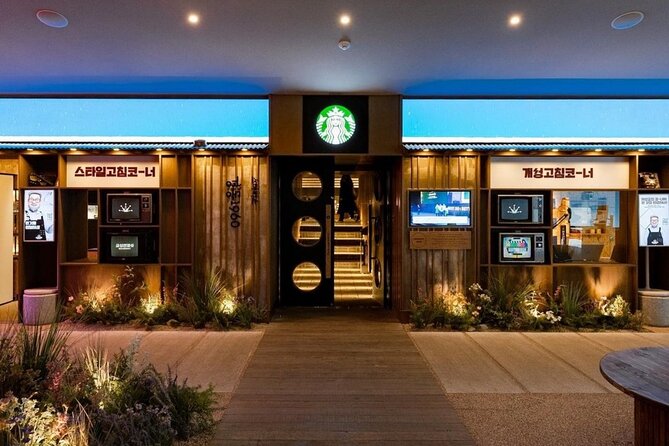
The middle of the tour shifts to Seoul’s cultural leftovers and modern interpretations. At Gyeongdong Market, you get quick, targeted visits that add flavor to the day without taking over your schedule.
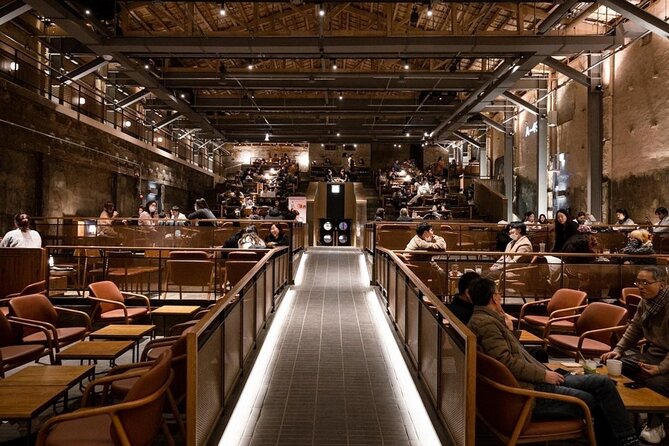
First is Starbucks Gyeongdong 1960, reconstructed from an old theater. The value here is not the coffee. It is the story of Seoul repurposing older spaces, keeping the memory of a place while turning it into something new.
Next you have Gold Star Radio LG, featuring vintage LG home electronics. This stop gives you a snapshot of Korea’s tech growth through everyday objects, not just big branding. It is short, but it helps the day feel less like a single-topic workshop and more like a tour through Seoul identity.
You only spend about 10 minutes at each of these places. That makes them perfect for travelers who want character without demanding you wait in lines or wander for ages.
Same trip, a different corner of the country:
- Best DMZ Tour Korea from Seoul (Red Suspension Bridge Optional)
★ 5.0 · 41,422 reviews - DMZ Tour: 3rd Tunnel, Option(Suspension Bridge, Boat) from Seoul
★ 5.0 · 21,373 reviews - DMZ tour south Korea from Seoul (NK experience hall, defector)
★ 5.0 · 20,599 reviews - Seoul: The Best DMZ Tour with Optional Suspension Bridge
★ 4.7 · 4,978 reviews
Underground City Footsteps and Market Bites You Can Actually Taste
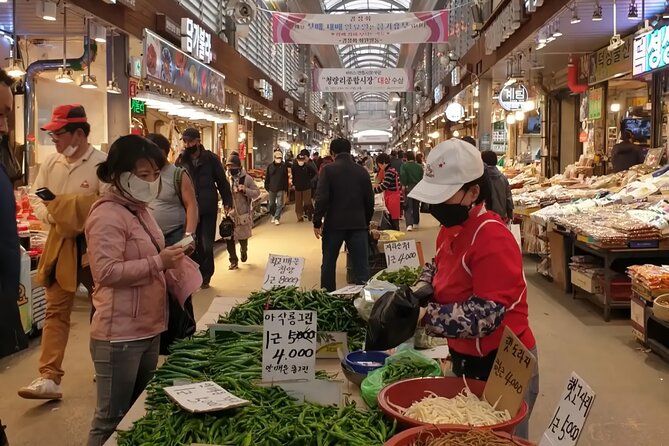
Gyeongdong Market Underground City is another quick shift, about 10 minutes. It is a subterranean shopping complex with a preserved 1980s market feel, so it gives your day a time-machine effect.
Then you get one of the easiest parts to enjoy: a snack stop for local market food. The itinerary includes simple items like fruits and vegetables, plus healthy drinks such as omija, and other simple market food.
This is where the medicine theme comes back to your senses. Omija, for example, is a Korean drink made from five-flavor berry, and it tends to show up in traditional wellness contexts. Even if you do not know the full science, tasting it is the quickest way to understand why these flavors are part of daily life for many people.
If you are hungry, treat this as your practical food win. The temple cooking class might spoil you a bit, so having market snacks later helps you keep the day enjoyable instead of rushed.
Cheongnyangni Fruit and Vegetable Market for Seasonal Taste
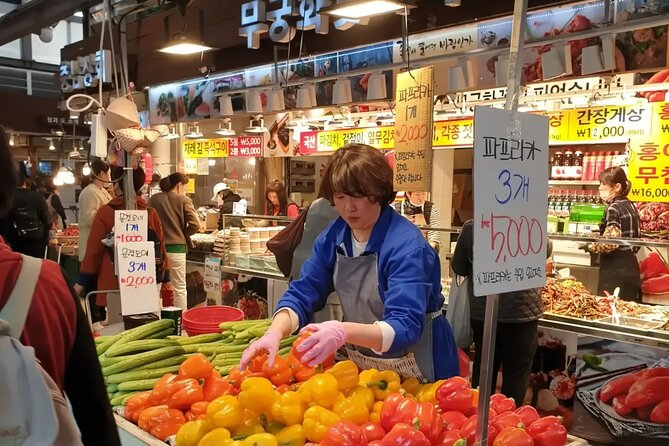
The last major stop is Cheongnyangni Fruit and Vegetable Market, about 20 minutes. This is where you get a more everyday, food-first angle on health.
The market is known for Korean produce, and the plan is not just sightseeing. You get the chance to taste seasonal fruits and look for exclusive fruit varieties unique to Korea. It is a good finishing move because you leave with flavors you can remember, not just herbs you saw in bags.
Since the visit is free admission, this is also a low-cost way to add “actual shopping-and-tasting energy” to the tour. It helps balance the more structured parts earlier in the day.
If you like markets, you might also be tempted to keep exploring after the tour ends in Jegi-dong. But do not overpack your schedule. Cheongnyangni is best enjoyed with a little time, even if this guided chunk is short.
Price and Value: What Your $77 Covers in Seoul
At $77 per person, you are paying for a package that includes more than one entry ticket and more than one guided stop. Here is what you should consider when judging value:
- A licensed English guide plus an interpreter during the temple class
- Temple food cooking experience led by a monk
- Admission fee for the oriental medicine museum
- One drink at the Korean Medicine Cafe
- Transportation fee included
- Snacks, fruits, healthy beverages, and simple market foods
In Seoul, the cost of doing multiple paid sites plus guided interpretation can add up quickly. This tour tries to keep things efficient by bundling the guide time, admissions, and some food into one price.
The main “value catch” is that you are trading depth for variety. You only get about 4 hours total, so each stop is purposeful. If you want long museum-style pacing or unhurried wandering, you might end up wanting more time in one place. Still, as a sampler of temple food and Korean medicine culture, it is priced like a practical half-day.
Practical Tips for Getting the Most Out of It
Here are the details that make a difference on a day like this.
- Use the WhatsApp message: one day before the tour, you get detailed information and the guide’s contact via WhatsApp if you provide a phone number available on it. If you do not use WhatsApp, the details come by email, so check inbox and spam folders. This matters because the meeting point is specific, and subway navigation can be confusing on busy days.
- Plan for walking and transfers: there is no hotel pickup or drop-off. You start at Artist Bakery in Anguk-dong (Jongno District) and end in Jegi-dong (Dongdaemun District). I recommend wearing shoes that handle stairs and underground sections.
- Arrive a bit early: the tour starts at a fixed meeting point, and the early temple cooking segment is where timing matters most.
- Go in with flexible expectations about massage: the K-Medi Center includes a traditional massage therapy experience, but at least one group reported a machine-based massage. If you expect deep, human hands-on work, you may feel differently than you hoped.
- Small group helps: the tour caps at 20 travelers, which is usually better for questions and pacing than big groups.
Who Should Book, and Who Might Skip It
This works best for you if you want a food-and-wellness day that still feels grounded in real Seoul neighborhoods. It is a strong fit if you like:
- hands-on cooking
- Korean medicine as a topic, especially through herbs, markets, and a museum
- tasting local food without committing to a full foodie day
It might be less satisfying if you mainly want one thing, like deep medical science, long stays in museums, or a slow, wandering style of sightseeing. The itinerary is designed to move, not to linger.
If you prefer a quiet, meditative day with minimal crowds, you should still consider it, but I would time your expectations for markets and underground shopping areas, especially on weekends.
Should You Book This Tour?
Yes, I think you should book it if you want one organized half-day that connects temple vegan cooking, Korean traditional medicine, and Seoul street-level food culture. The monk-led cooking start is special, and the day’s structure keeps the medicine theme from feeling like abstract wellness talk.
Skip it only if you know you hate time-boxed stops, or if you expect a fully hands-on massage with no equipment involved. Otherwise, this is a solid value way to get a lot of sensory Seoul in one morning-to-afternoon window.
FAQ
How long is the Seoul Temple Vegan Cooking Class and Oriental Medicine tour?
It runs for about 4 hours.
Where does the tour start and end?
The tour starts at Artist Bakery, 167 Anguk-dong, Jongno District, Seoul, South Korea. It ends in Jegi-dong, Dongdaemun District, Seoul, South Korea.
Is hotel pickup or drop-off included?
No. Hotel pickup and drop-off are not included.
What’s included in the tour price?
Included items are a professional licensed English guide, snacks and fruits plus healthy beverages and simple market foods, admission for the Oriental Medicine Museum, one drink at an Oriental Medicine Cafe, the temple food cooking experience, and a transportation fee.
Do I need to speak Korean?
No. The tour includes a professional licensed English guide, and an English interpreter is mentioned for the temple cooking experience.
What do you do at the K-Medi Center?
You visit a museum about Korean medicine history, try a traditional Korean massage therapy experience, and enjoy one cup of Korean traditional tea or another beverage at the Korean Medicine Cafe.
What food and drinks are included during market stops?
You get snacks, fruits, healthy beverages, and simple market foods. The plan also specifically mentions market food such as omija, plus fruits and vegetables.
Can I cancel for a full refund?
Yes. You can cancel up to 24 hours in advance for a full refund. If you cancel less than 24 hours before the start time, the amount paid is not refunded.
More Cooking Classes in Seoul
- Local Home Korean Cooking Class & Market Adventure in Seoul
★ 5.0 · 1,024 reviews - Master Korean traditional cooking with a Kimchi chef
★ 5.0 · 385 reviews - Seoul: Korean Cooking Class at a Local Home and Market Tour
★ 5.0 · 348 reviews - Seoul: Korean Cooking at Seoul Cooking Club!
★ 5.0 · 311 reviews
Recently reviewed in Seoul
- You’re Invited to Our Home in Seoul: The Only Cooking Class!★ 5.0 · 8 reviews
- Your Personal Seoul Photographer!★ 4.1 · 15 reviews
- From Seoul: Yongpyong Ski Day Tour with Transportation★ 4.9 · 40 reviews
- Seoul: Korean & English Language Exchange Global Party★ 5.0 · 28 reviews
- Watching sports match & local food experience in Seoul★ 5.0 · 11 reviews
- WKT Combat Taekwondo & Self-defense One Day Class in Seoul★ 5.0 · 5 reviews
- Unique Native Experience : Han River Picnic, Board game, BBQ★ 5.0 · 3 reviews
- Seoul: Gangneung BTS K-Pop & K-Drama Filming Locations Tour★ 4.6 · 14 reviews
Temple Tours, compared.
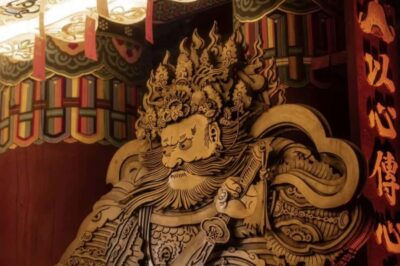
Palace, Temple and Market Guided Foodie Tour at Night
Read our review →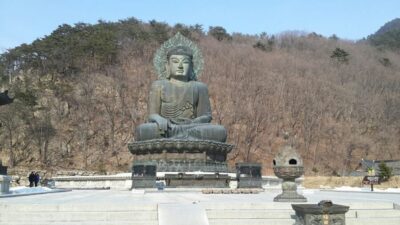
Mt Seorak + Naksansa Temple or Nami Island Group Tour
Read our review →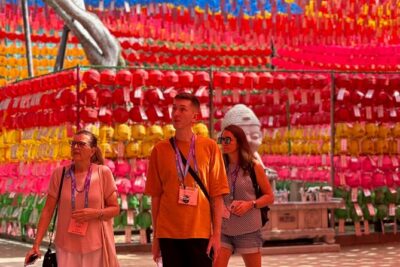
Best Things to Do – Half Day Seoul Trip (Seoul Palace & Temple)
Read our review →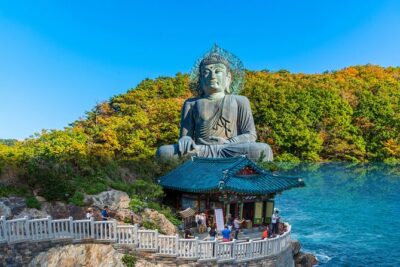
Mount Seorak and Naksansa Temple One Day Tour from Seoul
Read our review →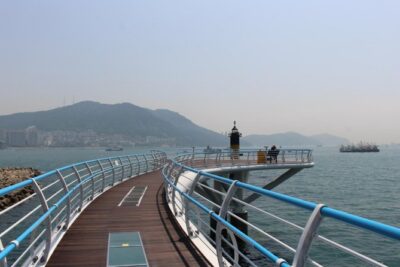
Busan Tour: Gamcheon Village & Haedong Yonggungsa Temple + Lunch
Read our review →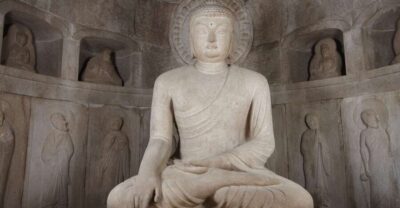
UNESCO Heritage Tour Including Bulguksa Temple
Read our review →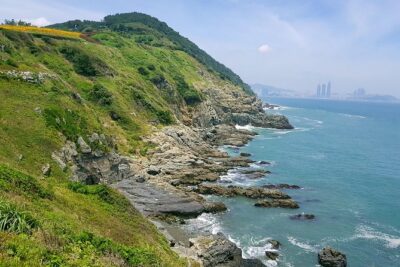
Full Day Busan Tour Including Haedong Yonggungsa Temple
Read our review →
Private Busan tour with gamcheon culture village and the temple (Customizable)
Read our review →Browse the lists this tour appears in