
Reviewed · COOKING CLASSES
Seoul: Premium Korean Feast Cooking Class
A Korean feast can feel fancy, but this class keeps it friendly. You get a premium cooking studio vibe, a tea-and-snack start, and hands-on help in a group of just 8. I especially like the focus on fresh local ingredients and traditional dining details, not just food that gets you from Point A to Point B. With English guidance from Yena, it also feels easy to ask questions and learn at your pace.
Two things I really like: first, the space. The dining area is described as beautifully authentic, and you start there before you ever reach the stove. Second, the format. Small group means you can cook without feeling rushed, and you still get a proper meal at the end, with paired traditional Korean drinks.
One possible drawback to plan for: there is no hotel pickup. If you are relying on someone else for transportation, you will want to figure out how to get to the studio on your own.
In This Review
- Key points to know before you go
- Entering Zanchi cooking Studio, where the dining experience begins
- Tea time, sweets, and the first culture lesson
- Cooking in a small group, with English guidance
- What you cook: royal-feast inspired dishes and seasonal ingredients
- Traditional tableware, etiquette, and a shared dining moment
- Photo and video service plus a take-home recipe book
- Price and value: is $128 worth it?
- Who this class is best for, and who might want to reconsider
- Small comforts that make the experience easier
- Should you book Zanchi’s Premium Korean Feast Cooking Class?
- FAQ
- How long is the Seoul Premium Korean Feast Cooking Class?
- Is the instructor fluent in English?
- What is included in the class price?
- Do I get hotel pickup or drop-off?
- Is the class wheelchair accessible?
- What do I need to bring?
Key points to know before you go
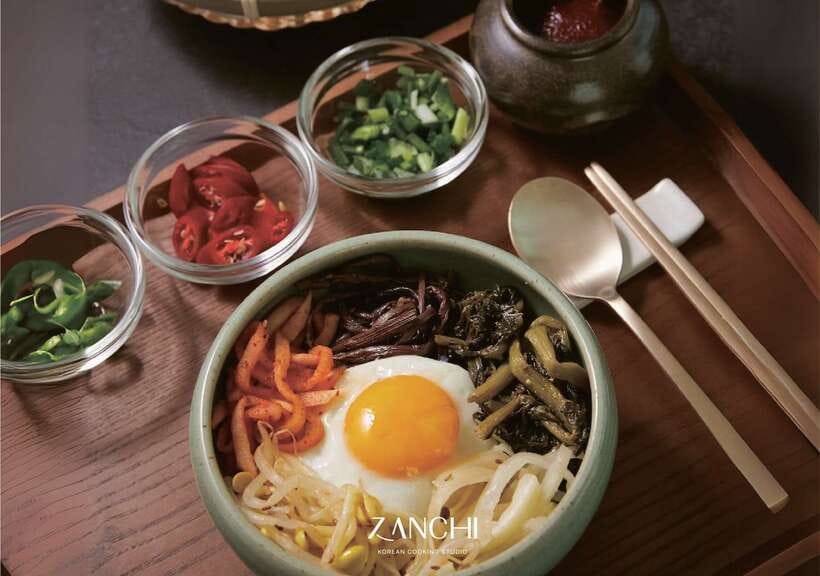
- Tea time and Korean sweets kick things off, before you cook.
- Small group size (up to 8) keeps the cooking hands-on and paced well.
- Royal-feast inspired dishes taught with traditional techniques and stories.
- Dining etiquette plus cultural context happens in the dining room first.
- Paired traditional Korean drinks make the meal feel like an occasion.
- Recipe book and photo/video service help you remember what you made.
Entering Zanchi cooking Studio, where the dining experience begins
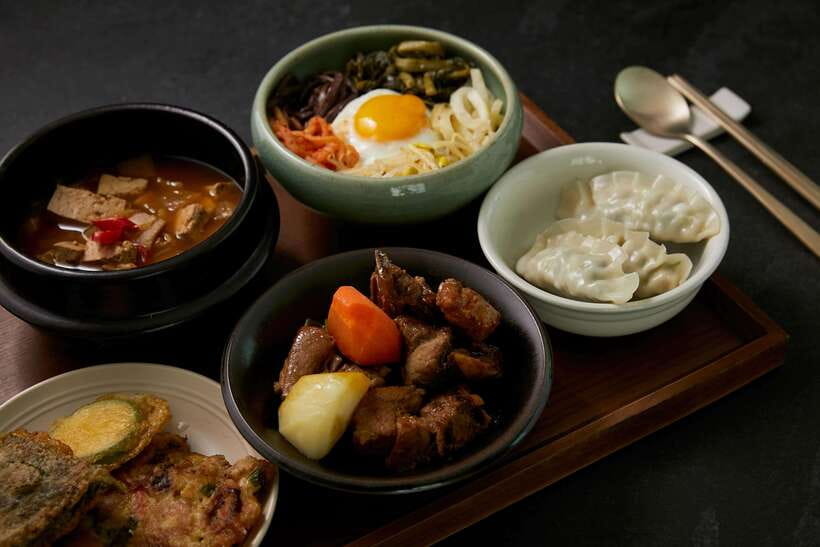
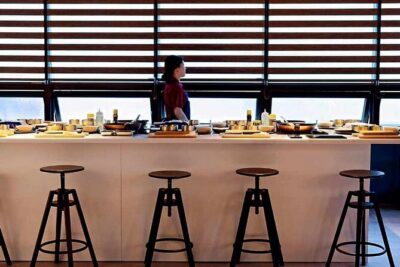
This cooking class is built like a proper Korean meal, not like a cooking demo. You do not start with aprons and chaos. You start seated, with a welcome tea and snack, in a space that is designed to feel true to Korean dining.
That matters, because it sets expectations. When the room already feels respectful and intentional, you lean into the food the right way. The studio is newly opened as of November, and the “new” energy comes through in how everything feels polished and organized, from the welcome area to the kitchen workflow.
The class also leans hard into materials and presentation. You are told to expect elegant traditional tableware, fresh seasonal ingredients, and minimal use of plastic. That is not just marketing. When you plate food in a more traditional setup, you notice textures and colors more, and the meal reads like a feast instead of a classwork project.
More Cooking Classes in Seoul:
- Local Home Korean Cooking Class & Market Adventure in Seoul
★ 5.0 · 1,024 reviews - Master Korean traditional cooking with a Kimchi chef
★ 5.0 · 385 reviews - Seoul: Korean Cooking Class at a Local Home and Market Tour
★ 5.0 · 348 reviews
Tea time, sweets, and the first culture lesson
Before the cooking part, you get a traditional tea time with Korean sweets. This is a short pause that actually helps. It gives your senses a warm-up and also signals the tone: slow down, taste carefully, and learn the background behind what you are making.
Then you move into a dining-room style intro where you hear about Korean dining etiquette and the context behind the meal experience. From what I see in the class structure, this is not trivia. It is the kind of grounding that helps you understand why certain dishes get served with certain sides, and why the order and the table manners matter.
A big plus here is pacing. You are not thrown into the kitchen immediately. You get a mental map first, so when you start cooking, you know what you are building toward.
Cooking in a small group, with English guidance
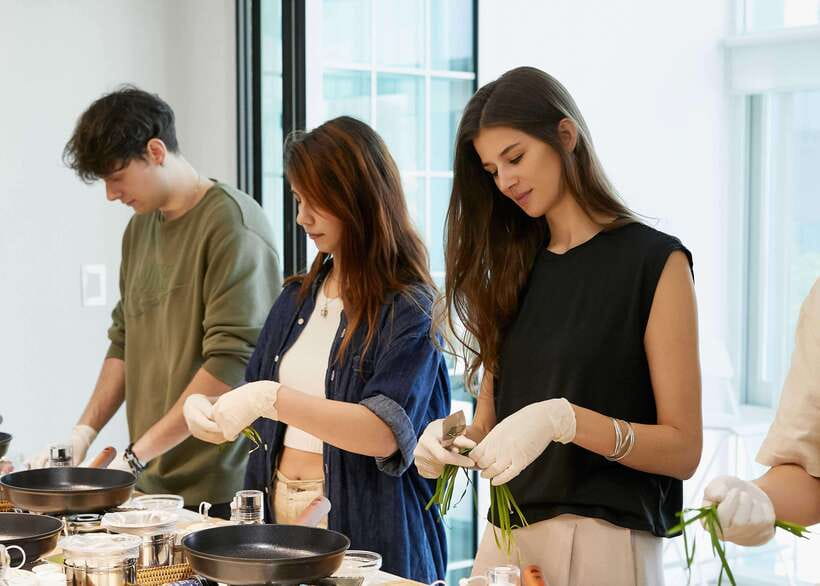
The class runs about 2.5 hours, and the group limit is 8 participants. That small size is one of the biggest reasons this type of class can feel genuinely fun instead of stressful.
In a larger class, you often spend half your time watching and hoping you get a clear shot at the ingredients. Here, the support feels closer. You can follow along at your own pace, ask questions, and adjust as you go. Since the instructor teaches in English, you are not stuck translating cooking steps in your head.
The cooking is led by a professional chef, with all ingredients and equipment provided. That is a big practical convenience if you are traveling. You do not have to hunt for cookware or worry about what you can pack. You just show up, learn the techniques, and take the recipe book home.
What you cook: royal-feast inspired dishes and seasonal ingredients
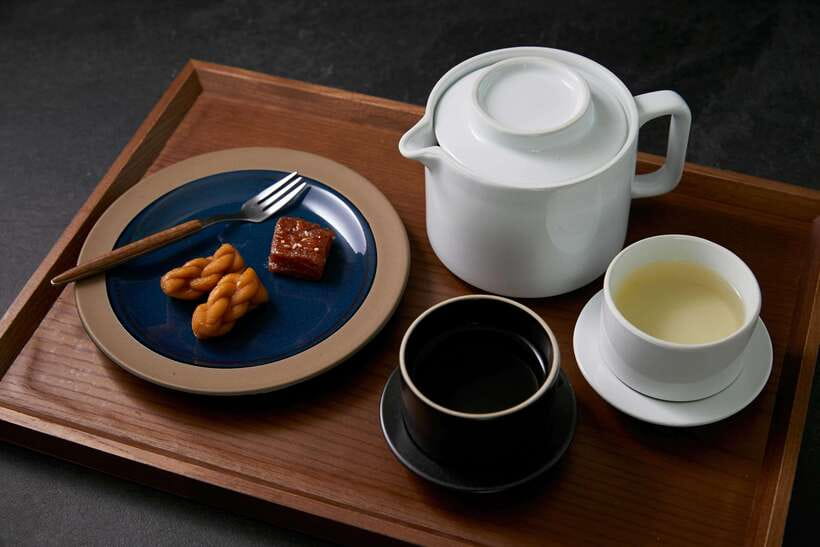
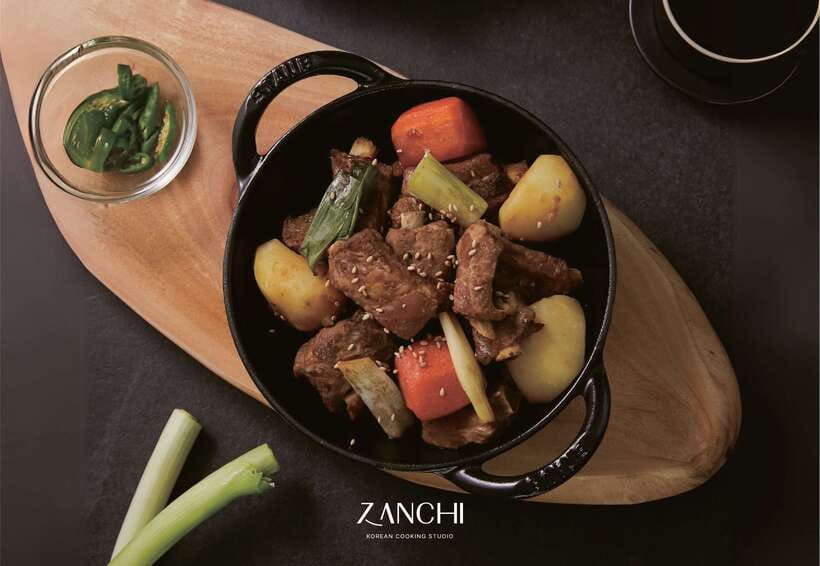
You can think of this class as a royal-feast style meal experience translated into a cooking lesson format. The focus is on Korean feast dishes, and you learn techniques that connect to the way feast food is traditionally prepared and served.
The studio emphasizes fresh local and seasonal ingredients. That does two useful things for you:
- Your meal tastes more alive, not overly standardized.
- You understand what “seasonal” means in practice, not just as a vague menu word.
The class also includes a meal with traditional side dishes. Even if you come in expecting the main dishes to steal the show, the side dishes are where you get balance, variety, and the real “feast” feeling. In Korean meals, sides are not just filler. They shape the flavors from bite to bite, and this class treats them as part of the teaching, not an afterthought.
The menu style is inspired by royal cuisine, but the experience is hands-on. You are not just learning stories. You are making the dishes under guidance, so you leave with both taste memory and technique memory.
A few more Seoul days worth comparing
- Best DMZ Tour Korea from Seoul (Red Suspension Bridge Optional)
★ 5.0 · 41,422 reviews - DMZ Tour: 3rd Tunnel, Option(Suspension Bridge, Boat) from Seoul
★ 5.0 · 21,373 reviews - DMZ tour south Korea from Seoul (NK experience hall, defector)
★ 5.0 · 20,599 reviews - Seoul: The Best DMZ Tour with Optional Suspension Bridge
★ 4.7 · 4,978 reviews
Traditional tableware, etiquette, and a shared dining moment
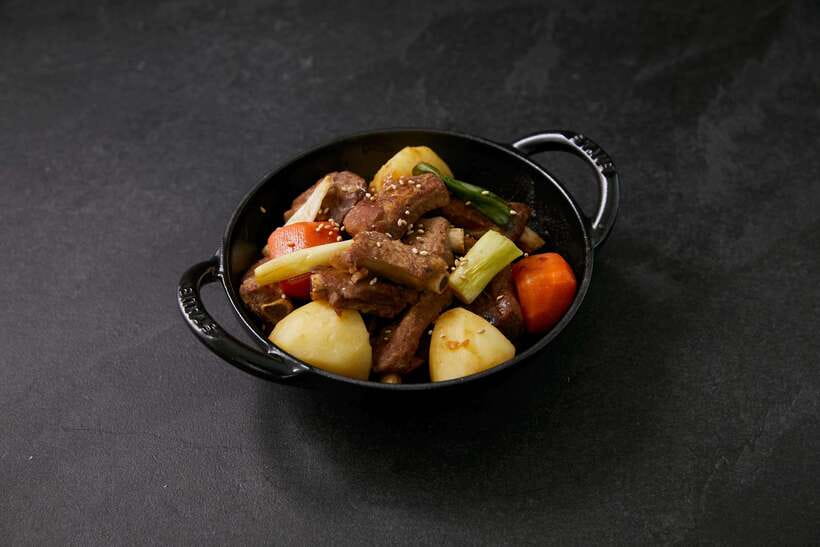
After cooking, the experience shifts from kitchen mode to dining mode. This is where the class feels most like a Korean feast rather than a cooking workshop.
You eat what you made in a dining area designed for the experience. You get cultural conversation time too, which is valuable if you like learning from other people’s questions. Because the group stays small, the vibe stays relaxed, not like a rigid lecture.
One of the standout features is that your meal is paired with a traditional Korean drink. That pairing is part of the lesson mood, and it helps you think about how flavors interact, not just whether each dish is good on its own.
And yes, the class starts with etiquette guidance, so the dining portion likely feels more intentional. When you know the basics of how to approach the meal, you spend less time figuring out what’s expected and more time enjoying what’s in front of you.
Photo and video service plus a take-home recipe book
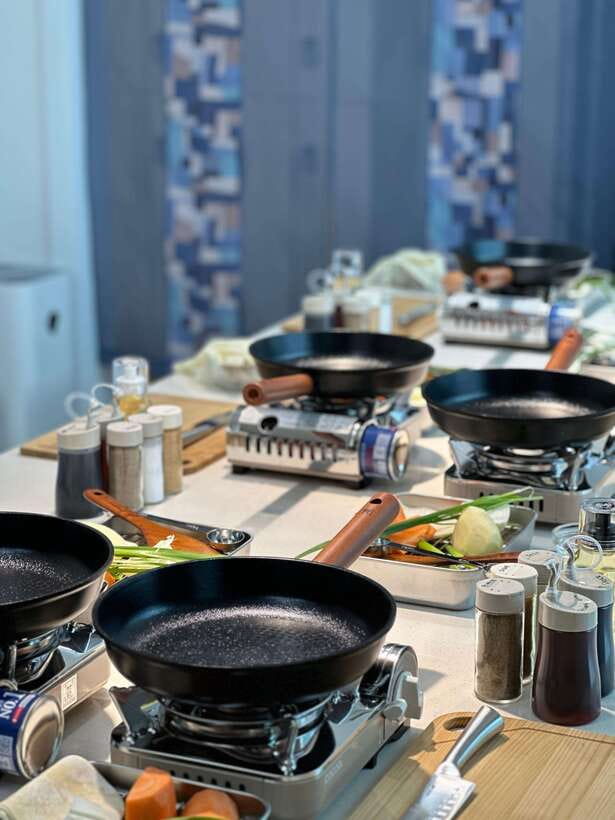
If you have ever made a dish in a class and then tried to recreate it later, you know the problem: your memory holds the taste, but it forgets the steps.
This is where the class gives you real value. You receive a recipe book to take home, plus photo and video service during the experience. That means you can review how the dishes looked, what order you worked in, and what the final plating vibe was supposed to be.
For me, that combination is practical. The recipe book helps you cook again. The photos and video help you remember the flow, and also make it easier to talk about your experience after you return home.
Price and value: is $128 worth it?
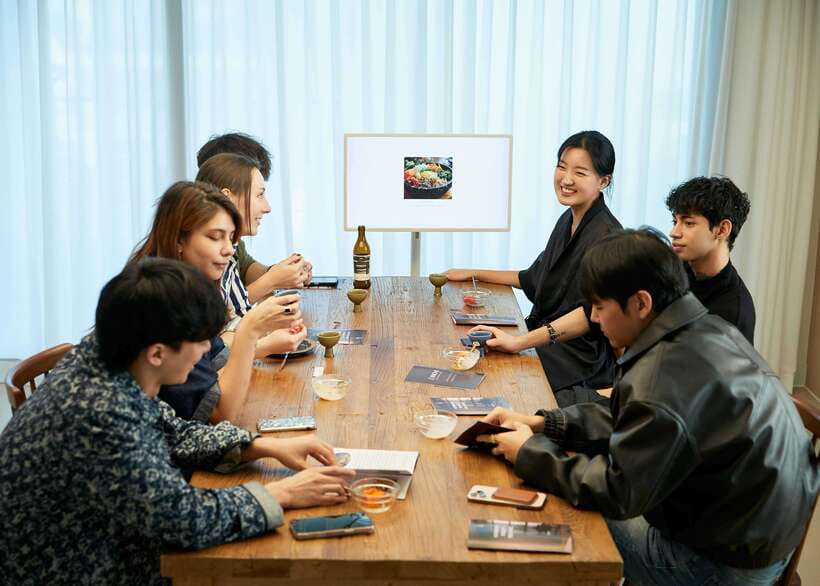
At $128 per person for about 2.5 hours, you are paying for more than instruction. The class includes:
- Cooking class with a professional chef
- All ingredients and cooking equipment provided
- Seasonal ingredient focus
- Welcome tea and snacks
- The meal, including traditional side dishes
- A traditional Korean drink
- Water
- Photo and video service
- Recipe book included
When I evaluate value for classes like this, I look for three things: how much you actually do, how much you eat, and what you take home. Here, you cook alongside the chef in a small group, you eat the full meal with sides, and you get a recipe book plus visual documentation.
The “no hotel pickup” note matters too. If you are already comfortable navigating to a set location, that is a non-issue. If you are not, you will need to plan transportation in advance. That is really the main logistical tradeoff for the price.
Overall, the cost feels more justified because the experience includes both hands-on cooking and a plated feast moment, not just a short tasting.
Who this class is best for, and who might want to reconsider
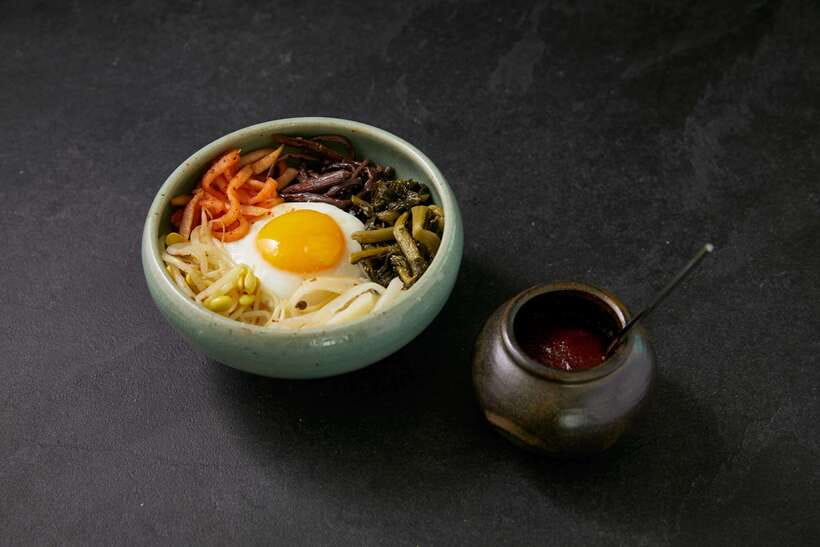
This cooking class fits best if you want Korean food to feel cultural, not just edible. You will probably enjoy it if you:
- Like learning through doing, with guidance in English
- Want a small group class where you can keep up
- Care about dining etiquette and presentation
- Enjoy pairing food with traditional drinks
- Want a recipe book you can actually use later
It might be less ideal if you are the kind of traveler who wants total independence, or if you rely on hotel pickup for every activity. Since pickup and drop-off are not included, you should be confident in getting yourself to the studio.
Small comforts that make the experience easier
A few details make a difference in day-to-day comfort.
You should arrive about 5 minutes early so the experience can start on time. That helps the group stay on pace, especially since cooking steps need continuity.
The studio states that the class is wheelchair accessible. You should still check the exact setup when you book, but the accessibility note is a positive sign.
And because the studio provides equipment, you can travel lighter. No cookware packing guilt, no wondering if the tools you brought are the wrong ones.
Should you book Zanchi’s Premium Korean Feast Cooking Class?
If you want Korean cooking with a proper meal atmosphere, I think this is a strong choice. The small group size, English instruction, and “cook together then dine together” format are the core reasons it works. Add in the tea-and-sweets start, etiquette intro in the dining room, liquor pairing at the table, and a take-home recipe book, and you end up with something that feels complete.
Book it if you enjoy traditional food culture and you want hands-on learning without rushing. Consider passing if you need pickup and drop-off, or if you prefer very casual, no-structure cooking experiences.
FAQ
How long is the Seoul Premium Korean Feast Cooking Class?
The class duration is about 2.5 hours. Starting times vary, so you should check availability when you book.
Is the instructor fluent in English?
Yes. The instructor is listed as English-speaking.
What is included in the class price?
It includes a cooking class with a professional chef, all ingredients and cooking equipment, seasonal ingredients, welcome tea and snacks, the meal with traditional side dishes, a Korean traditional drink, water, photo and video service, and a recipe book.
Do I get hotel pickup or drop-off?
No. Hotel pickup and drop-off are not included.
Is the class wheelchair accessible?
Yes, the activity is listed as wheelchair accessible.
What do I need to bring?
Nothing special is required for cooking. All cooking equipment will be provided, and the class includes the ingredients. You should plan to arrive about 5 minutes early.
Recently reviewed in Seoul
- You’re Invited to Our Home in Seoul: The Only Cooking Class!★ 5.0 · 8 reviews
- Your Personal Seoul Photographer!★ 4.1 · 15 reviews
- From Seoul: Yongpyong Ski Day Tour with Transportation★ 4.9 · 40 reviews
- Seoul: Korean & English Language Exchange Global Party★ 5.0 · 28 reviews
- Watching sports match & local food experience in Seoul★ 5.0 · 11 reviews
- WKT Combat Taekwondo & Self-defense One Day Class in Seoul★ 5.0 · 5 reviews
- Unique Native Experience : Han River Picnic, Board game, BBQ★ 5.0 · 3 reviews
- Seoul: Gangneung BTS K-Pop & K-Drama Filming Locations Tour★ 4.6 · 14 reviews
Cooking Classes, compared.
Local Home Korean Cooking Class & Market Adventure in Seoul
Read our review →
Master Korean traditional cooking with a Kimchi chef
Read our review →
Korean Cooking Class at a Local Home and Market Tour
Read our review →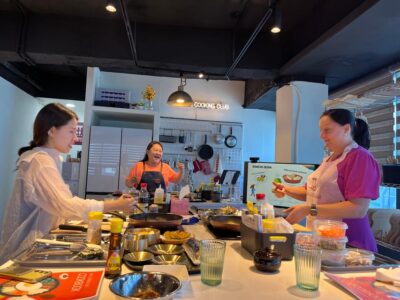
Experience Korean Cooking in Modern Hanok Kitchen
Read our review →
Korean Cooking Class with Grocery Shopping at Seoul Local Market
Read our review →
Taste of Korea, Authentic home style Cooking class
Read our review →Browse the lists this tour appears in