
Reviewed · COOKING CLASSES
(Seoul) Korean Cooking Class with a Professional Chef
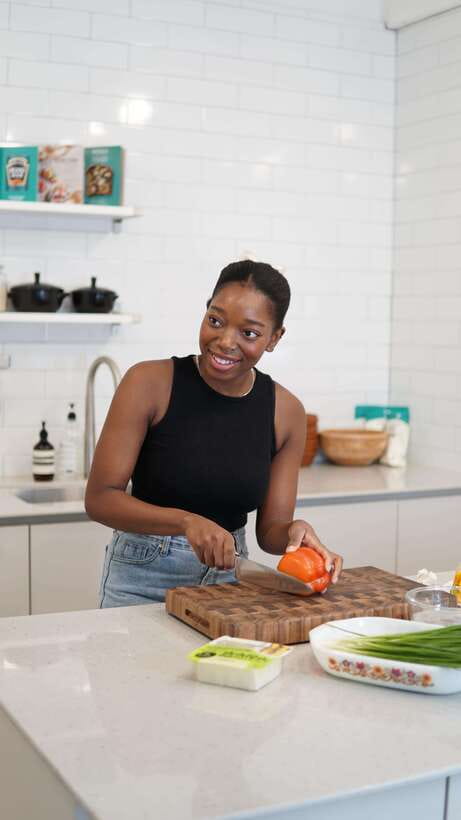
Korean cooking gets real at your own station. This 2.5-hour class led by Da-ye keeps things small (max 3 people) and hands-on with a professional chef, so you’re cooking, not watching. I like that you leave with more than a meal, you also get recipes and photos to recreate your dishes later.
One possible drawback: the studio does not allow spectators, so you need to be ready to actively cook and eat during class.
In This Review
- Key things I think you will love
- Meeting Da-ye, the Chef Behind Ricely Cooking Studio
- Small Group Cooking in Gyeonggi, Not a Factory Line
- Pick Your Day: The Menu Changes Based on What You Want to Cook
- Monday and Tuesday, Korean home-cooked meal day
- Wednesday, Korean street food day (bunsik)
- Thursday, another home-cooked set with Korean fermented flavors
- Friday, vegan Korean home-cooked meal day
- The 2.5-Hour Flow, From Welcome Drink to Eating Your Work
- What You Learn That Actually Transfers to Your Kitchen
- Recipes, Photos, and Videos You Can Use Later
- Price and Value: Is $105 a Fair Deal in Seoul Area?
- Who This Cooking Class Is Perfect For
- Who Might Want to Skip It
- Should You Book This Korean Cooking Class With Ricely Cooking Studio?
- FAQ
- How long is the cooking class?
- How many people are in the class?
- Is the class taught in English?
- What dishes do you cook?
- What is included in the experience?
- Do I get recipes and photos after the class?
- Is the class suitable for children?
- What if my plans change?
Key things I think you will love
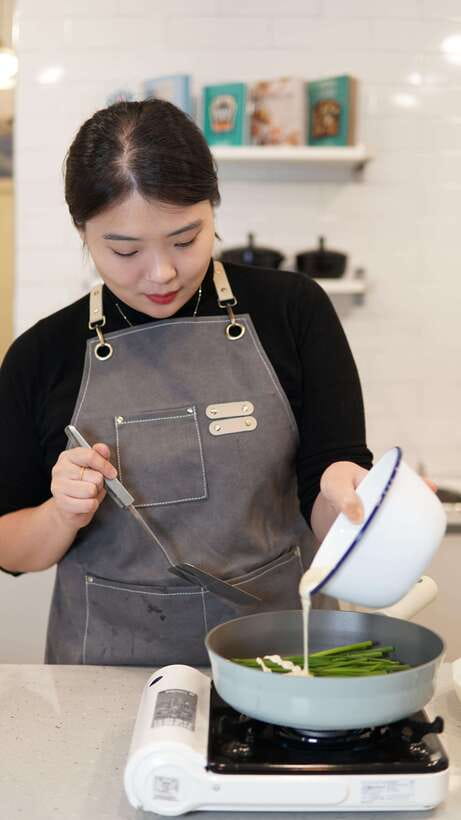
- Max 3 people, so you get real attention while you cook
- English instruction with step-by-step guidance at your station
- Day-specific menus, from Korean home classics to vegan Korean comfort food
- Rice and kimchi on the table, plus complimentary drinks with your meal
- Receipes, photos, and videos after class, so you can cook again at home
Meeting Da-ye, the Chef Behind Ricely Cooking Studio
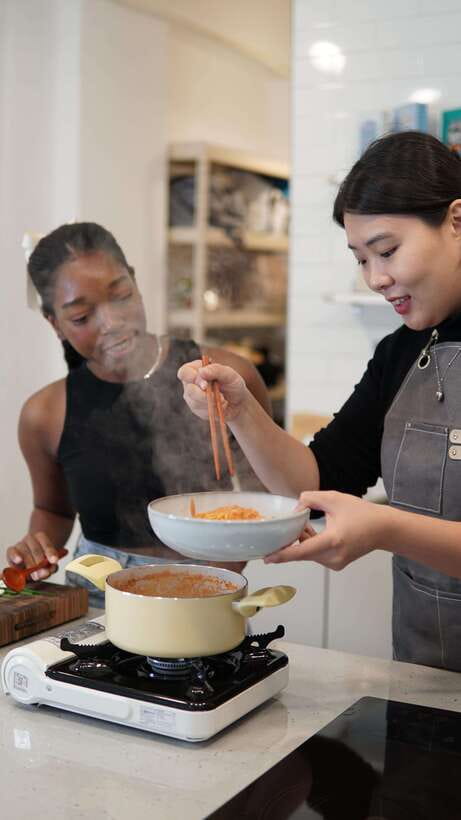
If you care about food, this class starts with the kind of teacher you want. Da-ye is the owner of Nosh, a British brunch cafe in Seoul, and she also runs Ricely Cooking Studio where she teaches cooking classes and creates food content. She originally majored in hotel culinary arts in South Korea before moving to the UK in her 20s, and she has done menu consulting for restaurants interested in Korean food and vegan or vegetarian recipes.
What matters for you is not her résumé alone, it is how it shows up in the lesson. In a format limited to three participants, you are not fighting for attention, and you get explanations that match how home cooks actually work. The class is in English, which makes a big difference because Korean cooking has small technique details that are easier to grasp when you can ask questions and follow along in your language.
There is also a practical friendliness here. The vibe is relaxed. You learn, you cook, then you eat what you made. And yes, you will likely leave feeling full enough to question your dinner plans.
More Cooking Classes in Seoul:
- Local Home Korean Cooking Class & Market Adventure in Seoul
★ 5.0 · 1,024 reviews - Master Korean traditional cooking with a Kimchi chef
★ 5.0 · 385 reviews - Seoul: Korean Cooking Class at a Local Home and Market Tour
★ 5.0 · 348 reviews
Small Group Cooking in Gyeonggi, Not a Factory Line
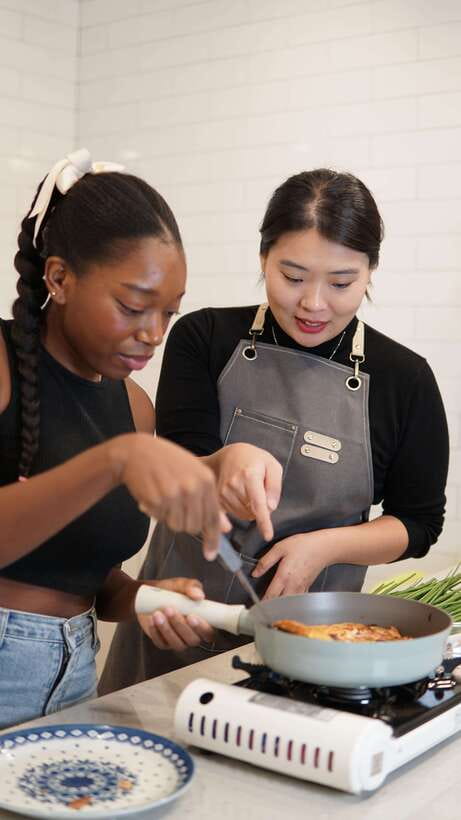
This is a Korean cooking class in Gyeonggi Province, so think of it as a short trip outside central Seoul rather than something tucked deep into a far-off day trip. The setup is designed so you cook at your own station. That one detail changes the whole experience. You are learning by doing, not by hovering.
Because the class is limited to max 3 people at a time, the chef can correct small issues while they are happening. That can mean anything from pacing a stir so it does not scorch, to adjusting seasoning so the flavor lands right for Korean home style cooking.
Also, pay attention to one important rule: only paid guests who are actively taking part in the cookery lesson are permitted inside while classes are in progress. The studio does not provide a waiting area for friends or family. So if you are traveling with someone who wants to browse nearby, this is not a “drop-off and relax” experience.
Pick Your Day: The Menu Changes Based on What You Want to Cook
One of the best parts of this class is that it is not locked to one dish. The menu changes by day, so you can match your cravings and your comfort level.
Here is the day-by-day lineup:
Monday and Tuesday, Korean home-cooked meal day
You cook a Korean home-cooked meal with three main dishes:
- Beef bulgogi
- Seafood pa-jeon (seafood spring onion pancake)
- Pork kimchi jjigae
This is a great choice if you want a mix of sweet-savory grilled meat, a crisp pancake you can slice and share, and a stew that tastes like comfort food. If you have never cooked kimchi jjigae before, this is the kind of lesson that makes you feel confident immediately, because stew cooking teaches timing and seasoning.
A few more Seoul days worth comparing
- Best DMZ Tour Korea from Seoul (Red Suspension Bridge Optional)
★ 5.0 · 41,422 reviews - DMZ Tour: 3rd Tunnel, Option(Suspension Bridge, Boat) from Seoul
★ 5.0 · 21,373 reviews - DMZ tour south Korea from Seoul (NK experience hall, defector)
★ 5.0 · 20,599 reviews - Seoul: The Best DMZ Tour with Optional Suspension Bridge
★ 4.7 · 4,978 reviews
Wednesday, Korean street food day (bunsik)
On Wednesdays you focus on Korean street food:
- Tteok-bokki
- Korean fried chicken (dakgangjeong)
- Mini kimbap
If you like snacks and finger food, this is your day. It also gives you a fun variety of textures, chewy rice cakes, sticky and sweet fried chicken, and bite-size rolls.
Thursday, another home-cooked set with Korean fermented flavors
Thursday’s menu leans into deeper pantry flavors:
- Dakgalbi
- Kimchi jeon
- Doenjang (soy bean paste) jjigae
This is a strong choice for anyone who wants to learn how Korean fermentation shows up in real cooking. Doenjang jjigae teaches you how soybean paste changes the flavor profile in a stew, and kimchi jeon is a great lesson if you want to make something crispy that still tastes like Korean comfort.
Friday, vegan Korean home-cooked meal day
On Fridays you cook a vegan-friendly set with three main dishes:
- Bibimbap
- Japchae
- Doenjang jjigae
This is one of the cleanest ways to experience Korean comfort food without meat. You still get the same “main dish” feeling and the same fermented depth from doenjang, just in a plant-based way.
The 2.5-Hour Flow, From Welcome Drink to Eating Your Work
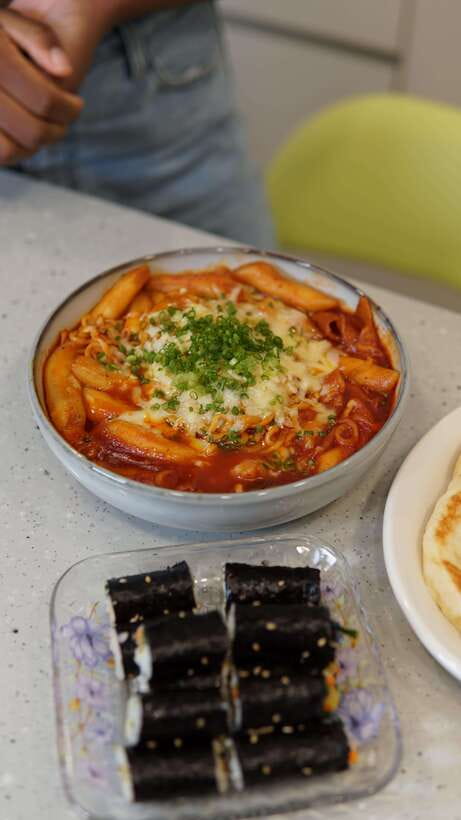
Plan around the full time slot. The duration includes both teaching and the time to enjoy your meal. So you are not just in the kitchen for a quick demo. You cook, then you eat.
The class starts with a welcome drink. Then you move into cooking, with guidance from the professional chef. You stay at your station, meaning your hands are busy, your questions are easier to answer, and you can follow the steps in the order that makes sense.
During the eating portion, you get complimentary drinks along with rice and kimchi. That is a smart touch because kimchi and rice are part of how Koreans actually balance flavors at home. It also makes your dishes feel complete, not like separate projects you rushed through.
The class ends with you taking home more than memories. You receive recipe cards after the class, plus photos and videos. Those matter for real-world cooking, because your memory of measurements and technique fades fast after a trip.
What You Learn That Actually Transfers to Your Kitchen
A cooking class can be fun but still leave you stuck when you try to cook again. The value here is that the instruction focuses on Korean home-cooking methods and the little technique tricks that Koreans use.
Because the groups are tiny, the chef can slow down for your questions. That is where you learn the “why” behind the step, not just the step itself. With Korean dishes, the difference between a good attempt and a great attempt is often in:
- how you prep ingredients for even cooking
- when you add seasoning so flavors build instead of flatten
- how you balance salty, savory, and fermented notes in sauces and stews
- how you time frying or pan cooking so the texture stays right
You will also learn how these dishes are meant to be eaten together. Kimchi and rice are not side notes, they are part of the Korean flavor system. Once you have that in your head, you will adjust your cooking with more confidence.
And based on how students describe the experience, the class tends to leave you with enough food to bring back to your hotel. That is not guaranteed, but it fits the overall format, you cook what you eat and you get a full meal, not a tiny tasting.
Recipes, Photos, and Videos You Can Use Later
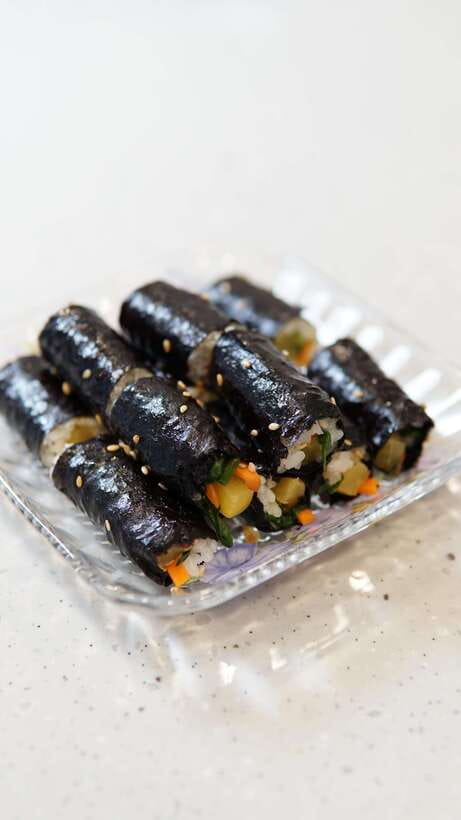
I like classes where the takeaway is practical. Here, you get recipe cards after the class, plus photos and videos. That means you can refresh yourself without trying to remember what the dish looked like at each stage.
Photos and videos are especially helpful with Korean cooking because a lot of technique is visual. For example, you may learn how a sauce should look when it thickens, or how a pancake should set before flipping. Having that documentation turns the class into a repeatable skill, not just a one-time meal.
Price and Value: Is $105 a Fair Deal in Seoul Area?

At $105 per person for a 2.5-hour small group class, you are paying for three things:
- A professional chef teaching hands-on
- Small group size with real attention
- Practical take-home materials like recipe cards and photos/videos
If you compare this to what you would spend on a normal meal plus a cooking workshop where you only watch, the value here feels more solid. You are getting a full cooking session, a full meal with rice, kimchi, and drinks, and learning that you can reuse.
Also, the menus are chosen to cover different Korean styles across the week. Home-cooked stews and savory grilled dishes on some days. Street-food favorites on others. Vegan Korean comfort food on Friday. That makes the class feel like a “menu sampler with skills,” not just a single recipe workshop.
The main thing that could affect your sense of value is your interest level. If you already feel very confident cooking Korean at home, you might not need the instruction. But if you want a guided path into Korean home cooking, especially with seasoning and technique, the cost starts to feel reasonable.
Who This Cooking Class Is Perfect For

This class fits best if you want a real Korean meal experience without the intimidation of cooking in a foreign kitchen.
You’ll likely enjoy it if you:
- want a small-group cooking class where you can ask questions
- are curious about Korean home-cooked food and Korean fermented flavors like doenjang
- want to cook dishes you can recognize from Korean culture, like bulgogi, jjigae, and tteok-bokki
- prefer instruction in English
It is also a good choice for food lovers who want to take something tangible back to their hotel, because the class is designed for you to eat what you cooked and often leaves you with leftovers.
Who Might Want to Skip It
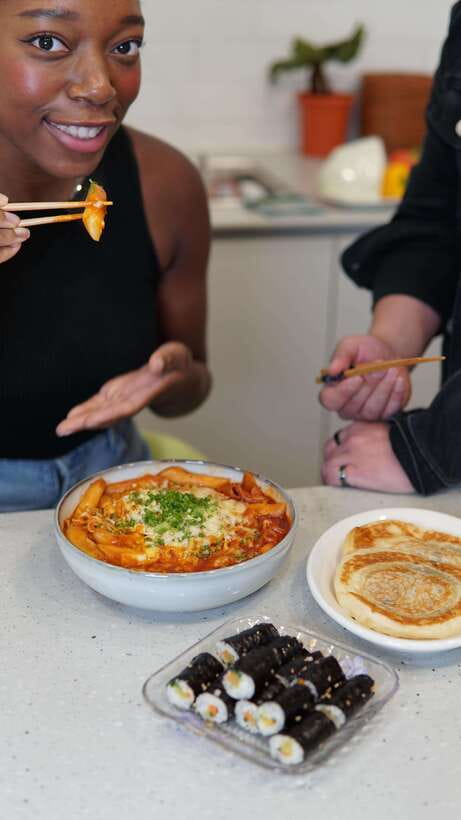
There are two big reasons someone might decide this is not the right fit.
First, it is not suitable for children under 18 years. If you are traveling as a family with younger kids, you will need a different option.
Second, the studio does not accommodate spectators. If your main goal is to watch while someone else cooks, this will not work for you. The class is for active participants only.
Should You Book This Korean Cooking Class With Ricely Cooking Studio?
I think you should book it if you want hands-on Korean cooking in a small group, taught in English by Da-ye, and backed by take-home recipe cards plus photos and videos. The day-specific menus help you pick the style you actually want, whether that is home-cooked comfort like kimchi jjigae or street-food fun like tteok-bokki and dakgangjeong.
Book it especially if you care about learning techniques you can repeat at home, not just eating a great meal. The combination of a pro chef, your own station, rice and kimchi with your meal, and practical follow-up materials makes this one of the more useful “do-and-learn” experiences in the Seoul area.
FAQ
How long is the cooking class?
The class duration is 2.5 hours, and that time includes both teaching and the time to enjoy the meal you cooked.
How many people are in the class?
It is a small group format with a maximum of 3 participants at a time.
Is the class taught in English?
Yes, the instruction is in English.
What dishes do you cook?
The dishes depend on the day. Options include Korean home-cooked sets (such as beef bulgogi, seafood pa-jeon, and pork kimchi jjigae), Korean street food (such as tteok-bokki, dakgangjeong, and mini kimbap), a set with dakgalbi and doenjang jjigae, and a vegan set with bibimbap, japchae, and vegan doenjang jjigae.
What is included in the experience?
Included items are a welcome coffee or drink, the cooking class with a pro chef, complimentary drinks, rice and kimchi during your meal, and recipe cards after the class. Photos and videos are also provided.
Do I get recipes and photos after the class?
Yes. You receive recipe cards after the class, and you also get photos and videos.
Is the class suitable for children?
No. It is not suitable for children under 18 years.
What if my plans change?
You can cancel up to 24 hours in advance for a full refund. You can also reserve now and pay later to keep plans flexible.
Recently reviewed in Seoul
- You’re Invited to Our Home in Seoul: The Only Cooking Class!★ 5.0 · 8 reviews
- Your Personal Seoul Photographer!★ 4.1 · 15 reviews
- From Seoul: Yongpyong Ski Day Tour with Transportation★ 4.9 · 40 reviews
- Seoul: Korean & English Language Exchange Global Party★ 5.0 · 28 reviews
- Watching sports match & local food experience in Seoul★ 5.0 · 11 reviews
- WKT Combat Taekwondo & Self-defense One Day Class in Seoul★ 5.0 · 5 reviews
- Unique Native Experience : Han River Picnic, Board game, BBQ★ 5.0 · 3 reviews
- Seoul: Gangneung BTS K-Pop & K-Drama Filming Locations Tour★ 4.6 · 14 reviews
Cooking Classes, compared.
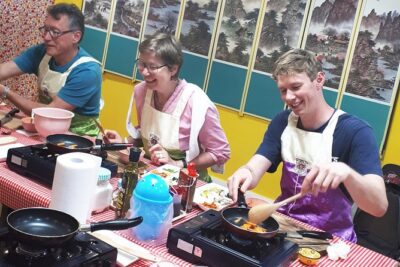
Local Home Korean Cooking Class & Market Adventure in Seoul
Read our review →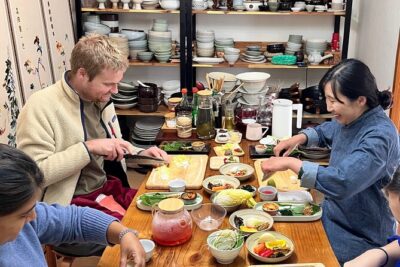
Master Korean traditional cooking with a Kimchi chef
Read our review →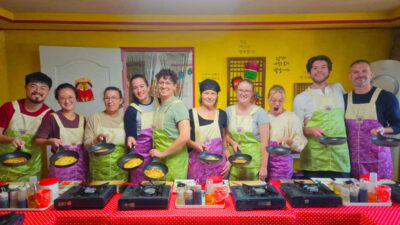
Korean Cooking Class at a Local Home and Market Tour
Read our review →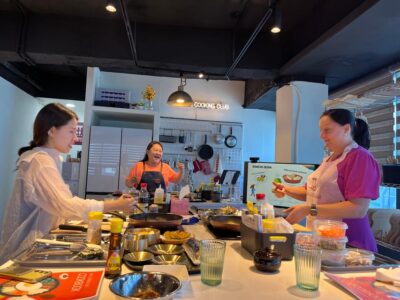
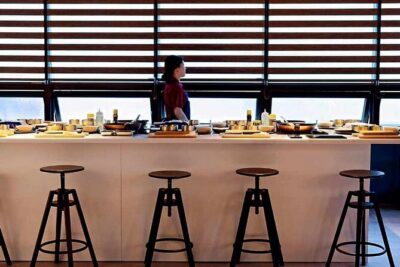
Experience Korean Cooking in Modern Hanok Kitchen
Read our review →
Korean Cooking Class with Grocery Shopping at Seoul Local Market
Read our review →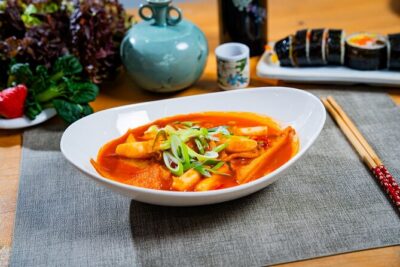
Taste of Korea, Authentic home style Cooking class
Read our review →Browse the lists this tour appears in