
Reviewed · HANOK VILLAGE TOURS
Korean Premium & Original Cooking Class Experience in Hanok
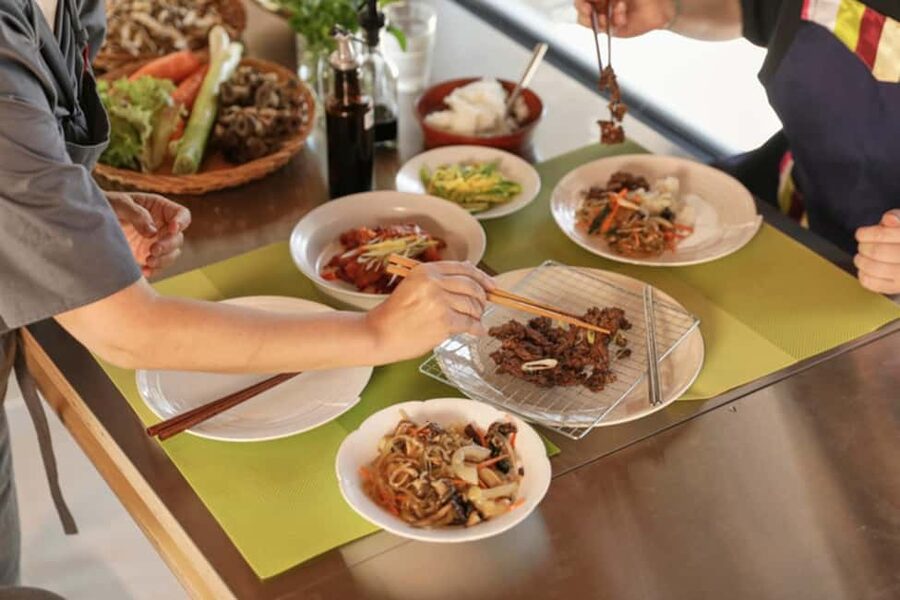
Cooking in a Hanok beats watching from the sidelines. In Bukchon, this two-hour, English-led Korean cooking class lets you work hands-on with a professional chef in a renovated modern hanok studio, then eat what you make. I love that each person cooks their own Bibimbap bowl, and I especially liked chef Jia and the way she taught with clear steps plus helpful food stories.
One thing to consider: the class makes only two dishes, so skim the details before you arrive. Also, in one review the room was cold at first, so come dressed for a bit of chill even if the cooking ramps up fast.
In This Review
- Key Reasons This Hanok Class Works
- A Modern Hanok Kitchen Where You Actually Cook
- Start at O’ngo Food Communications, Then Get Seated for Hands-On Cooking
- Bibimbap Workshop: Build a Bowl With Real Korean Balance
- The Second Dish Choice: Jeyuk-bokkeum, Japchae, or Bulgogi
- Jeyuk-bokkeum (spicy pork barbecue style)
- Japchae (glass noodles plus vegetables, non-spicy)
- Bulgogi (sweet-savory beef with soy, sesame, and garlic)
- What the Chef Teaches Beyond the Recipe
- Cooking Your Own Dishes, Tasting Your Results
- Diet Options and Allergies: How to Keep It Stress-Free
- Price and Value: $84 for 2 Hours of Real Cooking
- Small Group Energy Without the Big Tour Chaos
- Best Fit: Who Will Enjoy This Class Most
- Should You Book This Korean Premium Hanok Cooking Class?
- FAQ
- How long is the cooking class?
- Where do I meet for the class?
- What dishes will I cook?
- Is the class taught in English?
- Do I cook my own food or watch?
- Can the class accommodate dietary restrictions or allergies?
- Are recipes provided after the class?
- Is there a way to book flexibly and cancel if needed?
Key Reasons This Hanok Class Works
- Renovated modern hanok studio in Bukchon, so the setting feels Korean, not generic.
- Bibimbap is guaranteed, including the sunny-side-up egg and seasonal veggie topping style.
- You cook your own dishes with provided ingredients, not just observe.
- The class covers Korean food culture, with practical advice on how home meals get built.
- Chef-led English instruction with clear timing and background on seasoning.
- Recipes sent after class, so you can recreate your bowls at home.
A Modern Hanok Kitchen Where You Actually Cook
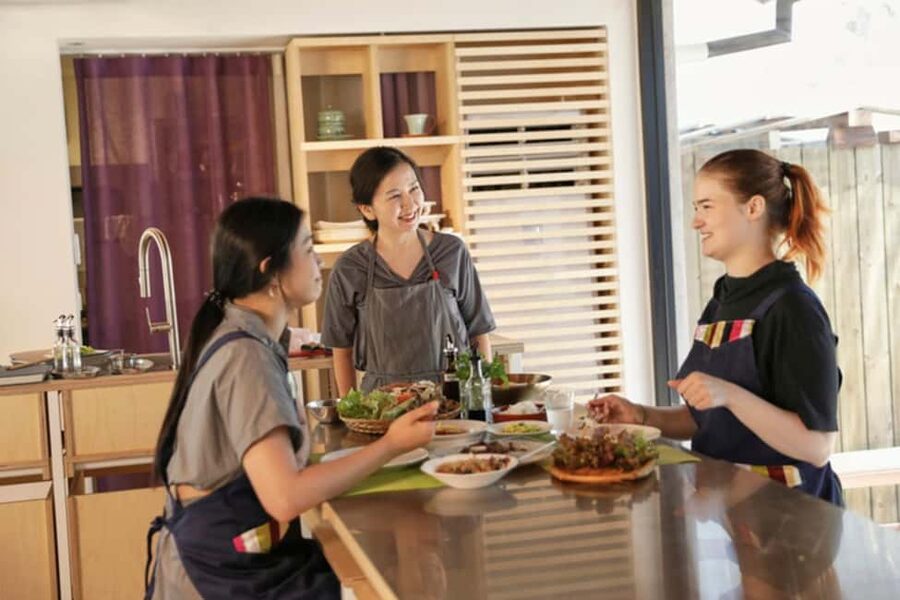
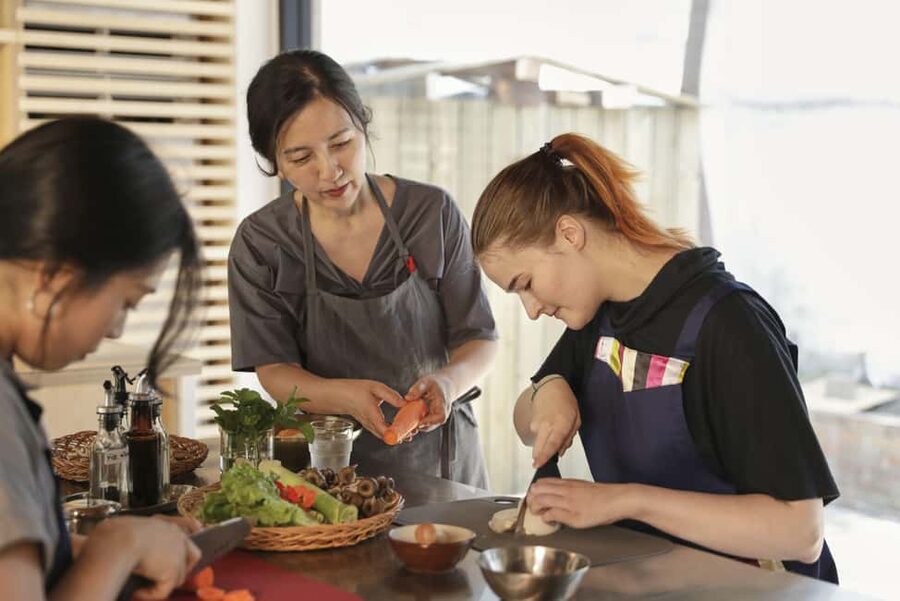
There is a difference between a food show and food practice. This class is built for doing, not watching. You step into a renovated modern hanok studio in the Bukchon area, and the whole setup is aimed at making Korean home cooking feel doable.
I liked the way the kitchen environment stays true to the Korean vibe while still being functional for cooking. A hanok setting usually signals tradition, but the “modern studio” part means you are not fighting cramped spacing or outdated tools. That matters when you have two hours and you want to finish your dishes, not just learn theory.
Two-course classes can go two ways: either you rush or you choose a good pace. Here, the structure supports the second option because you cook each dish yourself. No sitting around waiting for someone else’s pan to be impressive.
More Hanok Village Tours in Seoul
- Seoul City Sightseeing Tour Including Gyeongbokgung Palace, N Seoul Tower, and Namsangol Hanok Village
★ 5.0 · 1,423 reviews - Seoul: Gyeongbok Palace and Bukchon Hanok Walking Tour
★ 4.8 · 157 reviews - Best Walking Tour to Gyeongbok Palace Bukchon Hanok Village
★ 5.0 · 138 reviews
Start at O’ngo Food Communications, Then Get Seated for Hands-On Cooking
You meet at O’ngo Food Communications, 137-11 Bukchon-ro, Jongno-gu Seoul. From there, you join the class and settle into the kitchen flow. The activity ends back at the meeting point, so you are not dealing with a complicated multi-stop route during your limited time.
This matters for two reasons. First, you lose less time figuring out transit while you are hungry and ready to cook. Second, the class stays focused: you go from welcome and prep, to chopping and mixing, to cooking and tasting.
Also, you get an English live tour guide. That is a big deal in a cooking class, because cooking instructions have no patience for language gaps. You need clear timing cues and ingredient guidance, not vague descriptions.
One practical note: if your arrival is early or the studio runs cool, wear something you can move in. One review mentioned the classroom was freezing cold at first. The cooking itself will warm you up, but you might feel that waiting period.
Bibimbap Workshop: Build a Bowl With Real Korean Balance
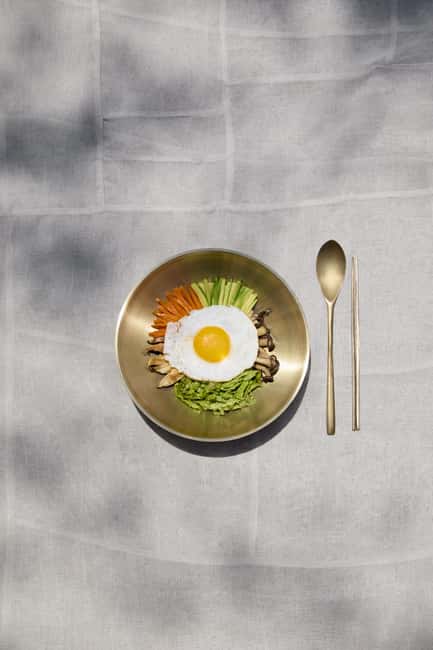
Bibimbap is Korea’s most famous rice-bowl concept for a reason. It is simple in shape, but smart in flavor balance. In this class, you learn to make a Bibimbap that feels like a home-style meal: rice topped with seasonal vegetables, plus a sunny-side-up fried egg.
Here is what makes this more than a “famous dish” box check. Bibimbap teaches you how Korean home meals think in components. You are not just making one thing. You are assembling multiple flavors that each bring something to the bowl:
- Rice as the base
- Seasoned vegetables for crunch and sweetness
- The egg for richness and a sauce-like effect when you break the yolk
- Seasoning that ties it all together
During class, you get to actually do the work, including preparing your components. The goal is not only to eat well in the moment, but to learn the logic so you can rebuild your own bowl later.
If you have ever tried to cook Bibimbap at home and wondered why yours tastes flat, this kind of class helps you catch where flavor is missing. Usually it is seasoning and balance, not the absence of a mysterious ingredient. In a chef-led session, you get feedback before you plate.
The Second Dish Choice: Jeyuk-bokkeum, Japchae, or Bulgogi
Bibimbap is the anchor. The second dish is the flex, and it is one of Korea’s biggest crowd-pleasers. The options include Jeyuk-bokkeum, Japchae, or Bulgogi.
Here is how to think about each one, so you can understand what you are signing up for.
Same trip, a different corner of the country:
- Best DMZ Tour Korea from Seoul (Red Suspension Bridge Optional)
★ 5.0 · 41,422 reviews - DMZ Tour: 3rd Tunnel, Option(Suspension Bridge, Boat) from Seoul
★ 5.0 · 21,373 reviews - DMZ tour south Korea from Seoul (NK experience hall, defector)
★ 5.0 · 20,599 reviews - Seoul: The Best DMZ Tour with Optional Suspension Bridge
★ 4.7 · 4,978 reviews
Jeyuk-bokkeum (spicy pork barbecue style)
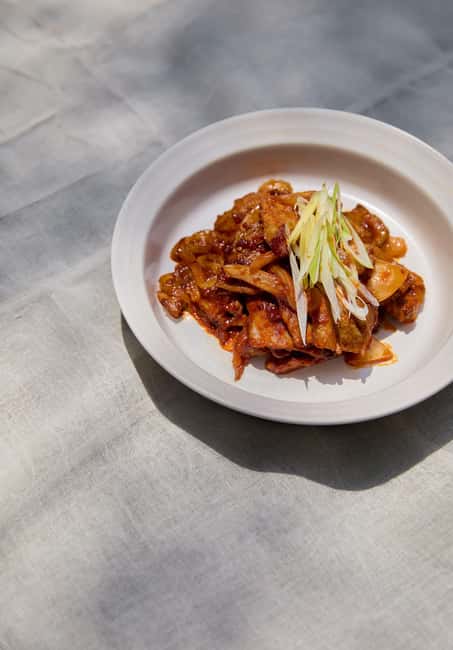
Jeyuk-bokkeum is marinated pork barbecue seasoned with a special gochujang sauce. You learn the Korean idea of spice that carries flavor, not just heat. Even if you typically avoid spicy foods, pay attention when the class explains how gochujang works in the marinade, because that is where the dish becomes savory and fragrant.
If spice is your thing, this is the one people often request. It is also a good second dish if you want a stronger contrast to Bibimbap’s gentle, fresh vegetable vibe.
Japchae (glass noodles plus vegetables, non-spicy)
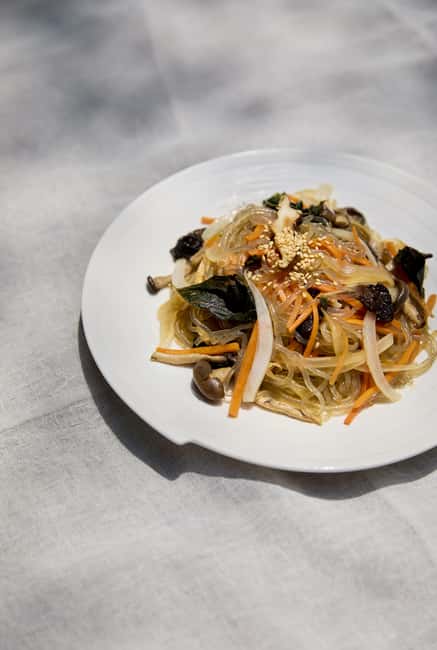
Japchae is a fun switch-up. It combines variety of vegetables cooked and mixed with glass noodles, creating a dish that is more salad-like than stew-like. The class highlights it as non-spicy, which makes it a smart pick if your group has mixed heat tolerance.
This dish also teaches technique. Noodles can go wrong if timing is off. Japchae is a great way to learn how to keep the texture right while mixing flavors.
Bulgogi (sweet-savory beef with soy, sesame, and garlic)
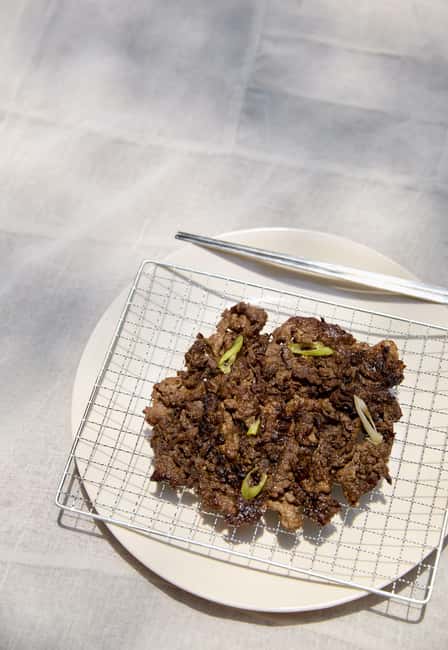
Bulgogi is made with thinly sliced prime cuts of beef, marinated in a blend of soy sauce, sesame, and garlic. It has that classic barbecue-meets-home-kitchen profile: sweet-savory, aromatic, and easy to eat even if you are not sure what the marinade is doing.
If you want a second dish that feels crowd-friendly and very teachable, bulgogi is often the easiest win to recreate later.
One key detail you should plan around: this class still makes only two dishes total. You can pick your comfort zone, but do not expect four classics served as a sampler. Two dishes is the promise, and it is part of the value, because it gives time to cook properly.
What the Chef Teaches Beyond the Recipe
The most useful cooking class moments are often not the chopping. They are the “why.” This class leans into that.
Chef Jia’s teaching stood out in the way she guided each dish with precision and clear instructions, plus background knowledge that helped the dishes make sense. In one review, her humor and personal stories also made the whole session feel lively, not stiff. That tone matters because it keeps you confident while you cook.
I also like that the class includes Korean food culture and how home meals get prepared. That is where you pick up small practical ideas, like how families think about what belongs in a bowl, how seasoning is adjusted, and how dishes are meant to be eaten together rather than separately.
You are not just leaving with two meals. You are leaving with a small mental map for Korean flavor building.
Cooking Your Own Dishes, Tasting Your Results
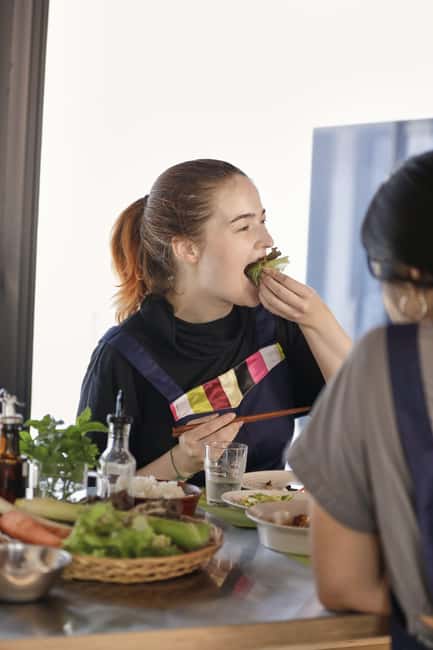
This is not a spectator activity. Each participant cooks their own dishes using provided ingredients. That means you control your pace, your portion, and your plating.
For Bibimbap, the payoff is immediate. Once your sunny-side-up egg hits the bowl and the veggies are in place, you can finally see how the textures work together. For the second dish, the satisfaction is in tasting your own version of a familiar Korean comfort food.
A good sign is when you finish and feel like you could repeat this at home with a grocery list. The class supports that, and the extra boost is that recipes are sent afterward, so you can recreate without guessing.
Diet Options and Allergies: How to Keep It Stress-Free
The class states it is customized for all diet options, as long as you let them know about dietary restrictions or allergies. That is important. In Korean cooking, ingredients can cross paths, especially with sauces, seasonings, and packaged components.
If you have dietary needs, treat this class like any good meal plan: communicate clearly. Send your restrictions in advance so the team can adjust your dish rather than making last-minute substitutions.
This is also a good class for vegetarians or anyone who wants a non-spicy option, because Japchae is described as non-spicy. Still, do not assume it fits every diet perfectly. Ask and confirm so you get what you expect.
Price and Value: $84 for 2 Hours of Real Cooking
At $84 per person for about two hours, this class sits in the “premium but not insane” range. The value comes from a few concrete things you cannot fake:
- A professional chef leads the class
- You cook your own dishes, including ingredients and seasoning work
- You get English instruction plus cultural context
- You eat what you make
- Recipes are sent afterward so the experience keeps paying off after you go
If you compare this to buying ingredients and trying to teach yourself Bibimbap and one more dish from a video, the difference is guidance. Cooking is fast when you know the steps. It is stressful when you do not. Paying for clear instruction saves time and reduces mistakes.
Also, the location choice helps value. The class takes place in Bukchon, in a hanok studio setting. That is part of the experience, not just the address. It makes the cooking feel like an authentic Korean moment, not an imported classroom.
Small Group Energy Without the Big Tour Chaos
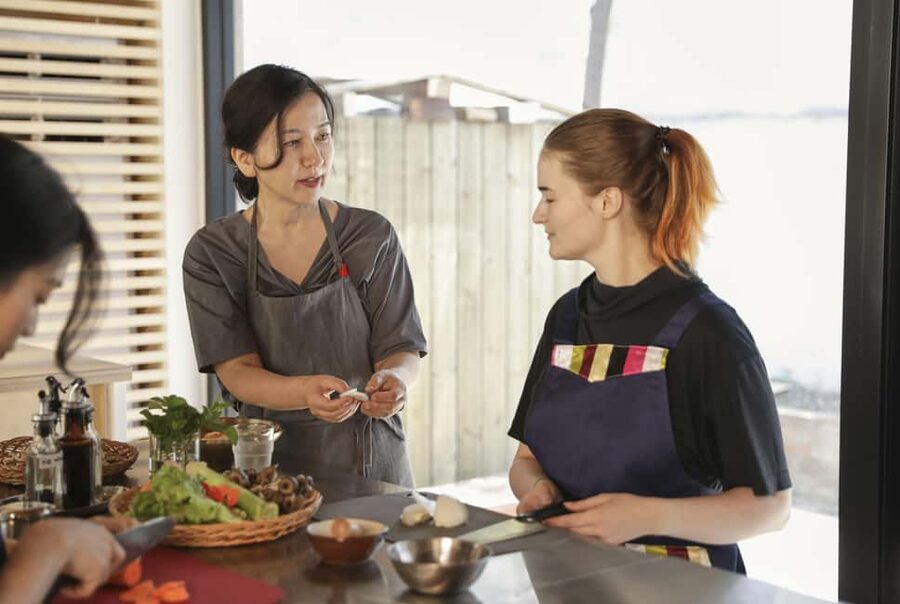
One review mentioned the class felt like a smaller group, which is a plus in a cooking setting. When groups are too large, you lose hands-on time and you stop getting individual attention. In a dish-heavy class, that would be a problem.
With a more manageable group feel, you are more likely to ask questions and get adjustments while you cook. That is exactly what you want when you are learning how to season, assemble, and time a hot pan.
Best Fit: Who Will Enjoy This Class Most
I think this class is a strong fit if you want a practical Korean food experience in Seoul that is both hands-on and informative. You will likely enjoy it if:
- You like cooking more than eating only
- You want to learn how home-style Korean meals are assembled
- You are a first-timer who wants Bibimbap explained clearly
- You want one more Korean classic to master alongside it
- You prefer English instruction instead of guessing through a demonstration
It might be less ideal if you are hoping for a wide tasting menu of many dishes. Remember: two dishes. The class is built to help you finish what you start.
Should You Book This Korean Premium Hanok Cooking Class?
Yes, you should book it if you want real cooking practice and a clear takeaway you can use at home. Bibimbap alone is worth it, but the better reason is how the class teaches component thinking, plus seasoning and timing, with chef-led English guidance. The hanok studio setting adds atmosphere without sacrificing function.
My advice: read the dish details carefully so you go in expecting only two dishes. Dress for possible cool arrival conditions. If you have allergies or dietary needs, message them ahead of time so you can cook confidently.
If you want a Seoul activity that smells like food, tastes like food, and leaves you with something you can cook again, this is a solid pick.
FAQ
How long is the cooking class?
The class runs for about 2 hours. You can check availability to see starting times.
Where do I meet for the class?
You meet at O’ngo Food Communications, 137-11 Bukchon-ro, Jongno-gu Seoul. The class ends back at the same meeting point.
What dishes will I cook?
You will learn to make two Korean dishes. Bibimbap is included, and the second dish is one of the Korean classics listed for the experience (such as Jeyuk-bokkeum, Japchae, or Bulgogi).
Is the class taught in English?
Yes. The live tour guide and instruction are in English.
Do I cook my own food or watch?
You cook your own dishes. The class provides ingredients, and each participant prepares their own Bibimbap and second dish.
Can the class accommodate dietary restrictions or allergies?
The class asks you to let them know about dietary restrictions or allergies. The cooking is customized for different diet options.
Are recipes provided after the class?
Yes. Recipes are sent after the class, making it easier to recreate the dishes at home.
Is there a way to book flexibly and cancel if needed?
Free cancellation is available up to 24 hours in advance for a full refund. You can also reserve now and pay later to keep your plans flexible.
More Cooking Classes in Seoul
- Local Home Korean Cooking Class & Market Adventure in Seoul
★ 5.0 · 1,024 reviews - Master Korean traditional cooking with a Kimchi chef
★ 5.0 · 385 reviews - Seoul: Korean Cooking Class at a Local Home and Market Tour
★ 5.0 · 348 reviews - Seoul: Korean Cooking at Seoul Cooking Club!
★ 5.0 · 311 reviews
Recently reviewed in Seoul
- Your Personal Seoul Photographer!★ 4.1 · 15 reviews
- You’re Invited to Our Home in Seoul: The Only Cooking Class!★ 5.0 · 8 reviews
- From Seoul: Yongpyong Ski Day Tour with Transportation★ 4.9 · 40 reviews
- Seoul: Korean & English Language Exchange Global Party★ 5.0 · 28 reviews
- Watching sports match & local food experience in Seoul★ 5.0 · 11 reviews
- WKT Combat Taekwondo & Self-defense One Day Class in Seoul★ 5.0 · 5 reviews
- Unique Native Experience : Han River Picnic, Board game, BBQ★ 5.0 · 3 reviews
- Seoul: Gangneung BTS K-Pop & K-Drama Filming Locations Tour★ 4.6 · 14 reviews
Hanok Village Tours, compared.

Seoul City Sightseeing Tour Including Gyeongbokgung Palace, N Seoul Tower, and Namsangol Hanok Village
Read our review →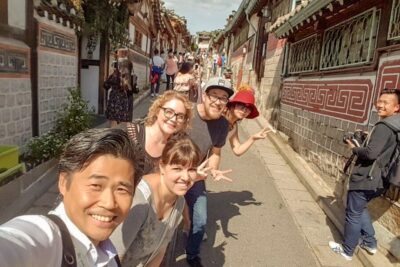
Gyeongbok Palace and Bukchon Hanok Walking Tour
Read our review →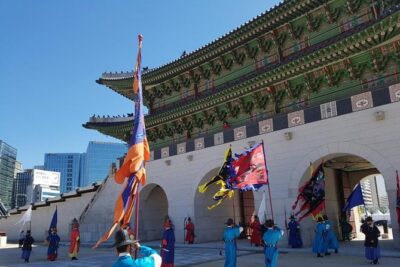
Best Walking Tour to Gyeongbok Palace Bukchon Hanok Village
Read our review →Experience Korean Cooking in Modern Hanok Kitchen
Read our review →
Jeonju Hanok Village Full-Day Tour:Jangtaesan Autumn Foliage
Read our review →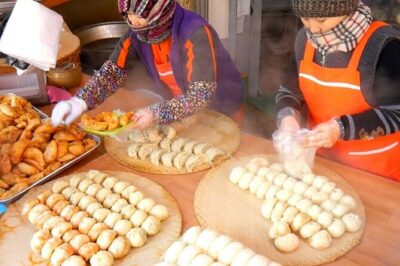
Afternoon Seoul: Hanok Vibes, Netflix Street Food & N Seoul Tower
Read our review →
Seoul Morning Tour: Seoul Tower, Namsan Hanok Village, The War Memorial of Korea
Read our review →Jeonju Hanok Village Full-Day Tour: Jangtaesan Autumn Foliage
Read our review →Browse the lists this tour appears in