
Reviewed · JEJU ISLAND TOURS
JEJU Cooking Class _Class & Dinner at Jeju Seaside Sunset Terrace
Jeju sunset plus Korean cooking is a powerful combo. What makes this experience special is the way it turns Korean food into something you can actually repeat at home, not just admire on a plate, and the hands-on, step-by-step teaching from chef Sue. I love the mix of practical recipes and the ocean-view dinner setup, and I love that you can keep the menu vegetarian or vegan with a heads-up. The one drawback to consider is that private transportation is not included, so you’ll want a plan for getting there around the 5:00 pm start.
You also get a small-group feel, since the class maxes out at 6 people, which keeps the pace friendly even if you’re a first-timer with chopsticks. Over about 3 hours, you’ll cook multiple dishes, then sit down to a traditional Korean-style meal on the seaside sunset terrace, with a drink option like Mageoli or Bokbunza. If you’re hoping for a long, slow food tour, this one is more focused and efficient.
In This Review
- Key things to know before you go
- A 3-hour Korean cooking class timed for Jeju sunset
- What you’ll cook: Bulgogi, Japchae, Geotjeoli, and a dessert
- Vegetarian and vegan options, with the right expectations
- Chopsticks, spoon habits, and what you’ll learn about Korean dining
- The quick Jeju stops before dinner: trail routes, beach, mountain, and tea museum
- Jeju seaside sunset terrace dinner: eat what you cooked
- Price and value: what $139 covers, and why it can feel fair
- Who this class is best for
- Tips to get the most from the 5:00 pm start
- Should you book this Jeju cooking class?
- FAQ
- What is the duration of the cooking class and dinner?
- What time does the activity start?
- Where does the experience begin?
- How many people are in the group?
- Can the dishes be made vegetarian or vegan?
- What dishes and drinks are included in the dinner?
- Is private transportation included?
- Can I get a refund if I cancel?
Key things to know before you go
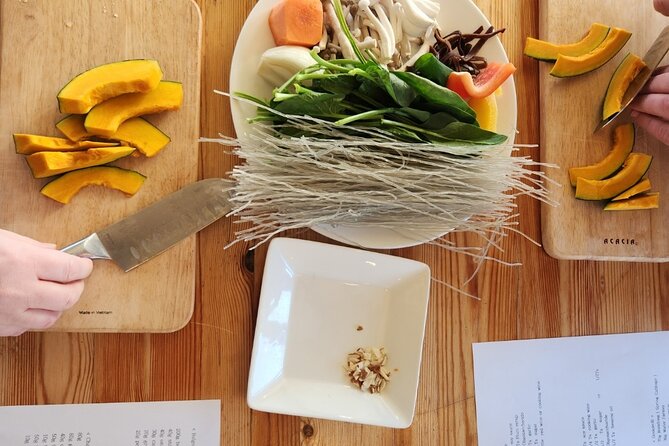
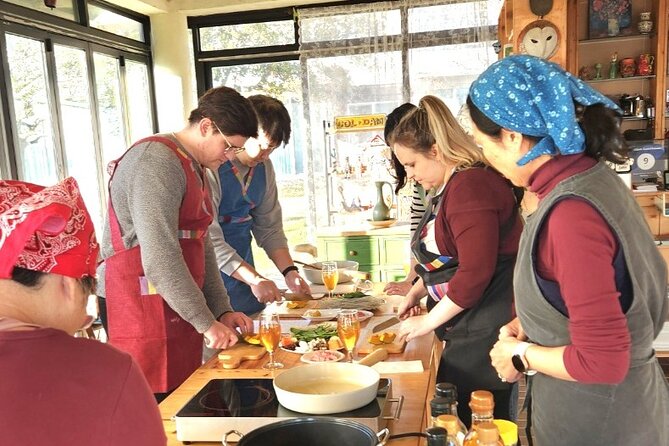
- Chef Sue guides you step-by-step so beginner cooks can follow along without guessing.
- You learn three main recipes: Bulgogi, Japchae, and Geotjeoli, plus one dessert.
- Vegetarian or vegan is built in if you tell them ahead.
- A small group keeps it hands-on with a maximum of 6 travelers.
- Sea views matter here because the cooking wraps into a seaside sunset dinner.
- You can choose your drink with alcohol and non-alcoholic options available.
A 3-hour Korean cooking class timed for Jeju sunset
This is a compact experience, and it knows what it’s doing. The class starts at 5:00 pm, so you’re working while the light is changing, then you transition naturally into dinner with that ocean horizon in view. The whole experience runs about 3 hours and ends back at the meeting point, which makes it easy to plug into your Jeju day without stretching your schedule.
The small group size, up to 6 travelers, is a real quality-of-life factor. You get more attention during the cooking, and you’re less likely to feel like you’re waiting your turn to touch the ingredients. It also helps the dinner feel more relaxed. You’re not just watching food happen, you’re part of the process.
One more practical detail I like: it’s a mobile ticket experience. That means fewer papers to manage and less last-minute stress.
More Jeju Island tours:
- Jeju: Eastern Jeju UNESCO Spots Day Tour
★ 4.9 · 1,148 reviews - Jeju: Western and Southern Sightseeing Day Tour
★ 4.8 · 972 reviews - East Jeju Essentials – Seongsan Ilchulbong (UNESCO) & Haenyeo
★ 5.0 · 939 reviews
What you’ll cook: Bulgogi, Japchae, Geotjeoli, and a dessert
The meal is not random. You’re cooking the kind of Korean staples that have clear flavors and repeatable techniques. You’ll make three main dishes and one dessert, so by the end you’re not leaving with only one “signature” thing. You’re leaving with a mini menu’s worth of skills.
Here’s what each dish teaches you, in plain terms:
- Bulgogi (stir-fried marinated beef)
This is your shortcut to Korean barbecue flavor without needing a grill. The marination idea is the key lesson. Once you understand what balances the sweet, salty, and savory, you can adapt it later with ingredients you can find at home.
- Japchae (pork with glass noodles)
Japchae is great for learning texture control. Glass noodles can be temperamental, and you’ll learn how to handle them so they don’t end up clumpy or flat. It’s also a good lesson in mixing a few elements into one cohesive bowl.
- Geotjeoli (Korean vegetable salad)
This is your fresh, crunchy counterpoint. Geotjeoli helps you learn how Korean salads often taste more “worked” than plain lettuce. Expect seasoning to be the star, not just the vegetables.
- One dessert
Desserts in cooking classes are sometimes an afterthought. Here, it’s part of the package, so you finish with a complete Korean meal rather than stopping at dinner-only.
The practical payoff is the goal they emphasize: you’re not just cooking for the moment. You’re learning how to recreate the dishes at home using ingredients you can reasonably source where you live.
Vegetarian and vegan options, with the right expectations
One of the smartest parts of this class is the flexibility. You can make every dish vegetarian or vegan, as long as you let them know in advance. That matters because Korean home cooking is often built on broths, meat, and seafood flavors, so swapping needs care.
Here’s how to think about it so you’re not disappointed: you’re still aiming for Korean-style flavor and technique, not just a generic veggie plate. If you tell them your preference early, you’re more likely to get adaptations that keep the recipes recognizable.
If you eat vegetarian or vegan, this kind of class can also be a confidence builder. After one session, you often realize you can recreate a Korean meal at home without needing rare ingredients or specialized cookware.
Chopsticks, spoon habits, and what you’ll learn about Korean dining
This is not just cooking. They also explain the culture behind it. Korean traditional eating habits are tied to how food is designed for spoons and chopsticks, not Western fork-and-knife patterns. That changes everything from portion shapes to how dishes sit on the table.
During the process, you’ll talk about why certain dishes feel the way they do when you eat them at the table. In practice, that gives you better context for what you’re making. You’re not only following a recipe, you’re learning how people actually eat it.
It’s also useful if you’re new to chopsticks. Korean cuisine is spoon-friendly in many ways, and you’ll find the class approach is meant to reduce intimidation. The goal is to help you cook easily at home, not to test your culinary stamina.
More Cooking Classes in Jeju Island:
- Local Home Korean Cooking Class & Market Adventure in Seoul
★ 5.0 · 1,024 reviews - Master Korean traditional cooking with a Kimchi chef
★ 5.0 · 385 reviews - Seoul: Korean Cooking Class at a Local Home and Market Tour
★ 5.0 · 348 reviews - Seoul: Korean Cooking at Seoul Cooking Club!
★ 5.0 · 311 reviews
The quick Jeju stops before dinner: trail routes, beach, mountain, and tea museum
The itinerary includes a set of scenic stops around Jeju: Jeju Olle Trail Routes, Jungmun Saekdal Beach, Sanbangsan Mountain, and O’sulloc Tea Museum. In a class this short, think of these as well-chosen breaks that shape the mood, not as hour-long sightseeing marathons.
What I like about bundling these is that Jeju is more than one view. You get a mix of:
- walking atmosphere (trail routes),
- sea air and open horizon (Saekdal Beach),
- mountain presence (Sanbangsan),
- and a tea-culture pause (O’sulloc Tea Museum).
Even if you skip extra photos, the variety helps you feel like you’re moving through real Jeju, not only commuting to a kitchen. Just know that with a 3-hour window, these stops are likely brief. If you’re the type who loves lingering, build in extra time elsewhere in your day.
Jeju seaside sunset terrace dinner: eat what you cooked
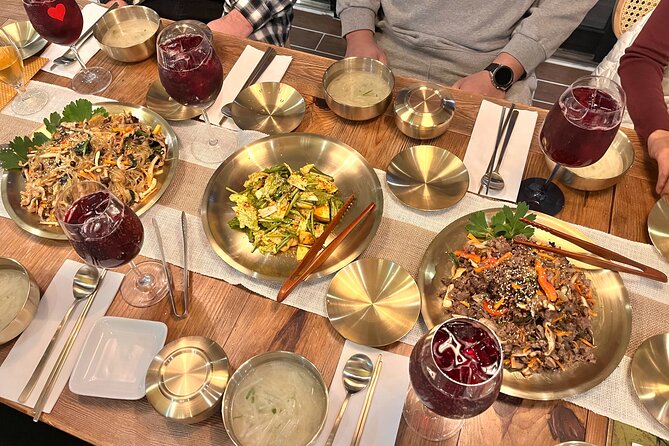
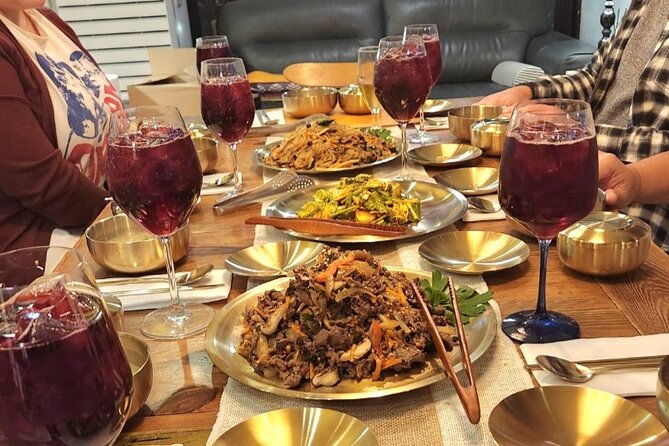
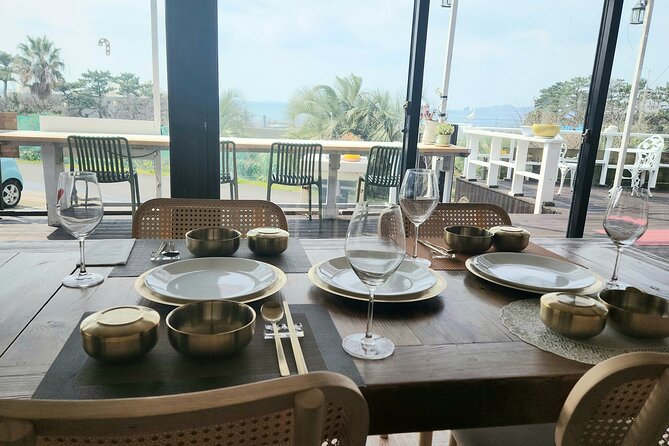
After cooking, the best part is the immediate payoff. You sit at the dinner table on a traditional Korean-style setup, and then you eat your own dishes with the sunset from the ocean in the background. This is where cooking classes often turn into pure memory-making, because the food is still warm and you’re tasting the results of every instruction you just received.
You also get drink options. Alcohol choices include Mageoli and Bokbunza (Korean mulberry wine), and there are non-alcoholic options too. If you like, you can treat the meal like a guided tasting, but you can also keep it simple and just enjoy the food with whatever matches your mood.
What makes the dinner format feel different is the table setup. Korean meals are designed for shared eating, and that’s exactly how cooking class dinners tend to work best. You’re not grabbing a plate and rushing. You’re sitting, tasting, and thinking about how each dish fits the others.
Price and value: what $139 covers, and why it can feel fair
At $139 per person, this is not a cheap activity. But it also isn’t “paying extra for a branded name.” The price is doing several jobs at once:
- You get a guided cooking class with professional instruction from chef Sue.
- You cook multiple dishes, not just one starter.
- You also get dinner with the dishes you prepared, plus a drink (alcohol or non-alcohol).
- You’re in a small group of up to 6 travelers, which usually costs more than big-group formats.
So you’re paying for labor, instruction, and the full meal experience, not only the cooking station time. For many people, that makes the value feel better than a standard restaurant dinner plus a separate class. You’re getting the teaching and the meal in one go, under the same evening setting.
The best way to judge value for yourself: if you’re the type who loves learning techniques you can repeat, this price can feel reasonable. If you only want a scenery-and-eating evening with no interest in cooking details, you might find it better to choose a regular dining option instead.
Who this class is best for
This experience works especially well for:
- first-time cooks who want guidance (step-by-step, beginner-friendly pace),
- couples or small groups traveling in Jeju who want something more personal than a bus tour,
- vegetarians or vegans who want Korean recipes they can realistically recreate,
- anyone who loves food and also wants a bit of culture tied directly to how people eat.
It can be less ideal if:
- you want a deep, slow sightseeing day. The session is time-boxed.
- you expect private transportation. You’ll need to handle getting to the meeting point.
Tips to get the most from the 5:00 pm start
Here are the small things that make the experience smoother:
- Plan your arrival early. A 5:00 pm start means you want zero rush energy before cooking begins.
- Tell them your dietary preference upfront if you want vegetarian or vegan adaptations.
- Come hungry, but don’t overdo it. You’ll be cooking multiple dishes, then eating them, so a light snack earlier is usually smarter than a heavy meal.
- Watch for the chopstick rhythm. You’ll learn how dishes fit spoon-and-chopstick eating, so try the tools as you go instead of switching to a fork the whole time.
- Take notes on the flavors you like. The whole point is recreating the taste at home. Write down what you notice, especially in the marination and seasoning steps.
Should you book this Jeju cooking class?
I think you should book it if you want a hands-on Korean meal experience that ties directly to what you can cook later at home. The combination of chef Sue’s step-by-step teaching, a small group size, and a seaside sunset dinner makes this feel like more than a one-off activity.
Skip it if you’re mainly after sightseeing time or if you don’t want to cook at all. Also, because private transportation isn’t included, make sure you’re comfortable with your own Jeju logistics around the meeting point.
FAQ
What is the duration of the cooking class and dinner?
The experience lasts about 3 hours.
What time does the activity start?
The start time is 5:00 pm.
Where does the experience begin?
The meeting point is at 46 Daepyeong-ro, Andeok-myeon, Seogwipo, Jeju-do, South Korea. The activity ends back at the meeting point.
How many people are in the group?
The tour has a maximum of 6 travelers.
Can the dishes be made vegetarian or vegan?
Yes. You can request vegetarian or vegan versions for all dishes. You should let the organizers know in advance.
What dishes and drinks are included in the dinner?
The dinner includes 3 main dishes (Bulgogi, Japchae, and Geotjeoli), 1 dessert, and a Korean drink option (alcohol or non-alcohol).
Is private transportation included?
No. Private transportation is not included.
Can I get a refund if I cancel?
Yes. You can cancel for a full refund up to 24 hours before the experience starts. Free cancellation is allowed, and cut-off times use the local time at the experience.
More Dining Experiences in Jeju Island
- Seoul: Guided City Wall Sunset Hike with Korean Dinner
★ 4.9 · 227 reviews - Seoul: Jasmil Baseball Stadium Game Ticket with Dinner/Beer
★ 4.9 · 122 reviews - Seoul: Baseball Game Ticket with Dinner/Beer with the host
★ 5.0 · 94 reviews - Busan Seafood Tour : Jagalchi market Seafood Tour & Dinner
★ 5.0 · 74 reviews
Recently reviewed in Jeju Island
- Western Jeju Healing UNESCO Small Group Day Tour★ 5.0 · 5 reviews
- Jeju UNESCO Natural Heritage Private Tour by Certified Guide★ 5.0 · 5 reviews
- Small Group 7D Korea package Tour with Seoul Gyeongju Busan Jeju★ 4.5 · 13 reviews
- 8 Days Guided Trip from Seoul to Jeju★ 5.0 · 9 reviews
- Jeju island: Van tour with a guide who the most loves JEJU★ 5.0 · 7 reviews
- Jeju Unesco Eest course Package Private Van Guided Tour★ 5.0 · 17 reviews
- Full Day Jeju Private Customizable highlight Tour★ 5.0 · 5 reviews
- Full-day Customizable Private Jeju Island Tour★ 5.0 · 8 reviews
Jeju Island Tours, compared.

East Jeju Essentials – Seongsan Ilchulbong (UNESCO) & Haenyeo
Read our review →

South-West Jeju Essentials: Hallasan & Signature Highlights
Read our review →
Jeju Island English Private & Flexible Tour any number anywhere
Read our review →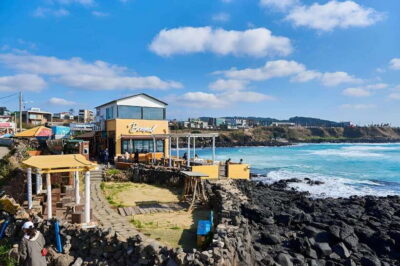

Jeju Island: Full-Day East Jeju Bus Tour with Entry Fees
Read our review →Browse the lists this tour appears in