
Reviewed · DMZ TOURS
Half-Day South Korea DMZ Small-Group Tour from Seoul
The DMZ turns Seoul into a front-row lesson. This half-day outing gives you a rare look at the Korean War legacy, including a chance to walk the tunnel and observe North Korea from key points, all with an English-speaking guide. One real consideration: DMZ entry depends on limited tickets and your original passport is mandatory, no copies or photos.
I also like the calm, organized pace for a 6.5-hour day trip. You start at Seoul City Hall (Subway Line 1) at 8:00 am and get round-trip transport plus the guided commentary, so you are not piecing together schedules on your own. Still, the experience is weather-dependent, and some sights can be limited if conditions are poor.
For me, the best part is how the stops connect into one story, from monuments about hoped-for unification to the physical scale of the tunnels and the line-of-sight views from Dora Observatory. If you plan to go, treat it like a serious visit, bring what you need for border-area entry, and wear shoes you can stand and walk in comfortably.
In This Review
- Key things that make this DMZ tour worth your time
- Why the DMZ feels different from a normal Seoul day
- Imjingak Pyeonghoa-Nuri Park: monuments with a unification message
- Paju Freedom Bridge: a short stop with a specific meaning
- The 3rd Tunnel: the scale is the lesson
- Dora Observatory: your best chance to look toward the North
- The Seoul wrap-up: ginseng museum and duty-free time
- Price and value: what $500 per group really buys
- Your guide can make or break the day
- What to bring for the DMZ day (the passport rule is real)
- Timing, meeting point, and how to plan your morning
- Who this DMZ tour is best for
- Should you book this DMZ tour?
- FAQ
- Do I need the original passport to enter the DMZ?
- How many people are on this tour?
- Where do we meet for the tour?
- What time does the tour start?
- Is lunch included?
- What is the cancellation policy if I need to change plans?
Key things that make this DMZ tour worth your time
- A tunnel walk that brings the conflict history from abstract to physical
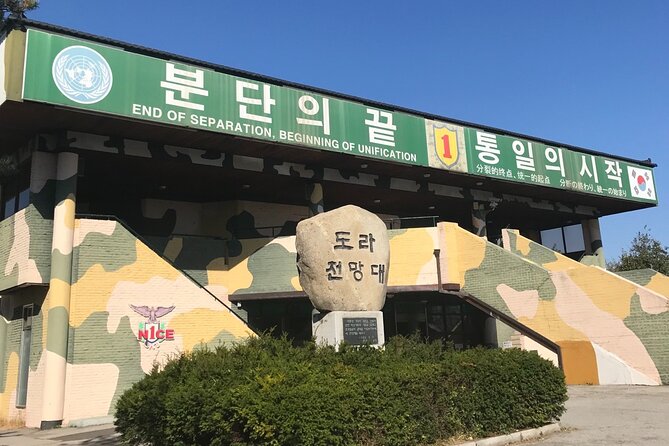
- Dora Observatory views where you can look toward North Korea from designated viewpoints
- A small-group format (max 10 travelers) that helps the day feel managed and human
- Imjingak Pyeonghoa-Nuri Park’s unification message built into the monuments and statues
- Clear guided commentary in English, with strong support for questions during the drive
- A practical Seoul add-on at the end for ginseng education and a short duty-free stop
Why the DMZ feels different from a normal Seoul day
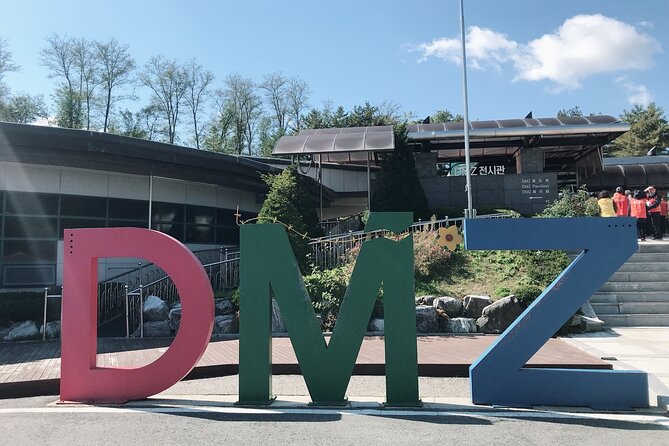
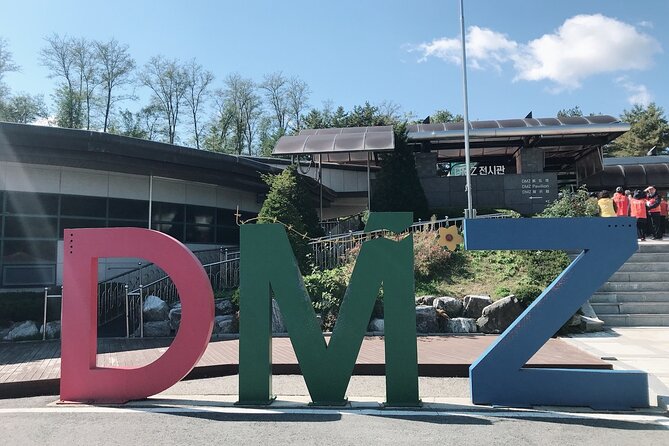
Seoul day trips usually aim for convenience. This one aims for perspective. The DMZ is the literal symbol of war and separation, so the sights hit differently than a museum stop or a scenic viewpoint.
You also get a smart mix of locations instead of one single photo stop. You start with the Imjingak Pyeonghoa-Nuri Park area, then head through the Paju region for the Freedom Bridge and the 3rd Tunnel, and finish with Dora Observatory. That sequence matters because each stop emphasizes a different layer of the story: memorials, return routes, underground preparations, and final viewpoints toward the North.
The tour is built for a tight time window, about 6 hours 30 minutes. That means you will move, listen, and look without getting stuck in one place too long. If you like days that stay focused and efficient, you will probably enjoy the flow.
One more note that affects your expectations: the DMZ has limited daily access and tickets are handled on a first-come, first-served basis. That can add stress if you are the type who likes flexible planning, so it helps to plan early.
More DMZ Tours in Seoul:
- Best DMZ Tour Korea from Seoul (Red Suspension Bridge Optional)
★ 5.0 · 41,422 reviews - DMZ Tour: 3rd Tunnel, Option(Suspension Bridge, Boat) from Seoul
★ 5.0 · 21,373 reviews - DMZ tour south Korea from Seoul (NK experience hall, defector)
★ 5.0 · 20,599 reviews
Imjingak Pyeonghoa-Nuri Park: monuments with a unification message
Imjingak Pyeonghoa-Nuri Park is the first stop for a reason. It sits about 7 km from the military demarcation line and functions like a built-in introduction to the emotional side of the DMZ.
The park is filled with statues and monuments about the Korean War, and it was created in 1972 with a hope that unification would someday be possible. For me, this kind of opening matters because it frames what you will later see in a more human way. Before you get technical or underground, you get the message: this is not just geography, it is loss, separation, and longing for return.
You get about 45 minutes here. That is enough time to walk around, read some of the memorials at your own pace, and absorb the atmosphere without rushing. If you are sensitive to heavy themes, give yourself that buffer, because the later tunnel and observatory stops can feel even more intense.
Admission is included, so you do not need to budget extra for entry at this point.
Paju Freedom Bridge: a short stop with a specific meaning
Next up is Paju and the Freedom Bridge. The name sounds poetic, but the context is practical: it was built for temporary use, so the bridge itself is not about architecture or design. It is about what happened because of it, South Koreans coming back through this crossing.
The tour gives you about 20 minutes. That is brief, but it fits the role of the stop as a bridge between the memorial tone of Imjingak and the more intense sights ahead. You will likely spend this time looking at the area and letting the guide connect the bridge’s purpose to the broader DMZ story.
Admission at this stop is free, so there is no extra cost. The value is mostly the explanation and the chance to see how different parts of the DMZ region are linked to movement, separation, and return routes.
If you want more time to linger, this stop will feel fast. Still, in a half-day schedule, the quick pace keeps you from burning the day before the main sites.
The 3rd Tunnel: the scale is the lesson
The 3rd Tunnel is one of the main reasons people book this half-day DMZ tour. It was discovered in 1978 by South Korean forces, and it spans over 1,635 m in length. The tunnel is narrow and low, about 2 m in width and 2 m in height, which helps you understand why it was built for specific military purposes.
Here is what makes this stop stick in your mind. You are not just looking at a concept. You are walking through a physical space designed for movement in tight conditions. That makes the conflict history feel more immediate, because your body is experiencing the same constraints described by the guide.
The tour includes free admission at this stop, and you get about 45 minutes. You will want to use that time efficiently. If you bring a camera, keep it controlled and focus first on the tunnel walk and the guide’s explanations.
There is also an estimate tied to the tunnel’s purpose: around 30,000 soldiers. The number gives the scale emotional weight, even if you never get to see everything about how it worked operationally. It is one of those details that turns the tunnel from a curiosity into a warning sign.
Practical advice: wear shoes with grip. Even if the tour pace feels managed, you are dealing with a confined space where footing matters. Also, listen to your guide’s instructions early, because staying aware in a tunnel setting is key.
More day tours out of Seoul:
- Thrilling Korean DMZ 3rd Tunnel Tour from Seoul + Red Bridge Rush
★ 5.0 · 3,097 reviews - DMZ Past and Present: Korean Demilitarized Zone Tour from Seoul
★ 5.0 · 2,481 reviews - Ultimate Korea DMZ Tour from Seoul (Gondola & Suspension Bridge)
★ 5.0 · 2,396 reviews - DMZ Tour from Seoul – Optional Suspension Bridge Experience
★ 5.0 · 1,918 reviews
Dora Observatory: your best chance to look toward the North
After the tunnel, the day shifts outward to Dora Observatory. It is located nearby the 3rd Tunnel and opened to the public in 1987. This is where the tour delivers the feeling people come for, the chance to overlook North Korea and see designated areas from a viewing platform.
You get about 45 minutes here, which is important. Observatories are one of those spots where the most valuable part is not just standing and staring. It is having time to look, compare what your guide points out, and understand the geography in a guided way.
Your guide will likely reference places you can see, including Gaeseong and Songaksan. There is also mention of a view related to Kim Il-Sung, though the exact listing of locations can vary with what is visible and accessible on the day.
Admission is included for Dora Observatory, so you are not adding ticket hassles to your schedule.
One reality check: line-of-sight views can depend on weather and visibility. If the day is hazy or conditions are poor, the observatory can feel less sharp than you hoped. The tour provider also notes that the whole experience requires good weather, so keep that in mind when you pick your day.
The Seoul wrap-up: ginseng museum and duty-free time
The tour ends back in Seoul with a couple of included stops that change the mood after the DMZ. You have about 30 minutes at a ginseng museum, where you can learn about the history of ginseng, different types, and the positive effects of ginseng.
This part is not the main draw, but it can be a pleasant palate cleanser. It is also a way to break up the heavy tone of the DMZ with something distinctly Korean and consumer-friendly, especially if you like learning about everyday products.
Right after that, there is a duty-free shop stop with time to browse. It is described as a chance to buy boutiques of luxury high fashion brands. That sounds shopping-oriented, so if you are not in that mindset, use the time to stretch, reset, and keep your eyes on the clock rather than rushing.
Admission at this portion is free, and it is included in your half-day schedule.
Price and value: what $500 per group really buys
The price is $500.00 per group, up to 4 people. On paper, that can look pricey until you do the math. If you fill the group limit, you are effectively paying far less per person than the headline suggests.
What you should remember is what is included. You get an English-speaking guide, all transportation, and all fees and taxes. You also do not have to buy separate admission tickets for the main paid components, since key stops are included in the tour price.
For a DMZ day trip, the value is not only the sights. It is the logistics wrapped around sensitive access. The DMZ has limited tickets per day, and that can turn a self-planned day into a headache. A guided small-group format helps you keep the day on track.
Group size matters too. The tour is capped at 10 travelers, which is small enough for a calmer experience than the large coach-style DMZ options. That makes it easier to hear explanations and ask questions without shouting across a bus.
If you are traveling solo or as a couple, this format might still be worth it if you value comfort and clear guidance. If you are the type who enjoys independent travel and has plenty of time to manage DMZ planning, the guided value may feel less compelling. But for most people doing a first South Korea trip, the cost tends to pencil out because you buy time, organization, and access.
Your guide can make or break the day
This is the part of the tour that you can actually feel while it is happening. A strong English-speaking guide shapes how meaningful the DMZ stops feel, because the sites are not self-explanatory.
Some departures can include a guide named Henry Park, and he is described as professional, warm, and strong on time management. When a guide handles the schedule well, you get the feeling that every minute serves the story instead of just filling time. His approach is also noted as helpful for answering questions, which matters when you are dealing with political and historical details that feel sensitive and complicated.
Even when the guide is not the same person, you still get the core benefit: guided commentary in English plus a driver who manages the day’s movement across Seoul and out toward the DMZ region.
What to bring for the DMZ day (the passport rule is real)
The DMZ is one of those travel moments where the details are not trivia. The tour notes that original passport is mandatory for entry, and it must be the original document, not a copy and not a photo.
If you travel with a passport holder, make sure it stays easy to access that morning. Also, double-check the passport you plan to bring is the one you will use for the trip. A mismatch can create problems when access depends on strict identity checks.
Beyond the passport, think comfort. You will be outdoors for parts of the day, and you will also walk in a tunnel. Wear shoes you can handle and bring a light layer if the morning feels cool.
Because the tour requires good weather, you should also be ready for changes. That can mean less visibility at observatories or, in a worst case, a cancellation due to poor conditions.
Timing, meeting point, and how to plan your morning
The tour starts at 8:00 am and meets at Seoul City Hall, Subway Line 1. The meeting location is listed as City Hall, 110 Sejong-daero, Jung District, Seoul, South Korea.
The return is back at Seoul City Hall as well. The tour duration is about 6 hours 30 minutes, so you are looking at a full morning into early afternoon.
This timing is useful for two reasons. First, an early start helps you avoid some of the day’s crowds and gives you more daylight for observatory viewing. Second, it leaves you time later in your trip for other Seoul neighborhoods without eating the whole day.
If you hate waking up early, this might annoy you. But if you want the DMZ experience without derailing the rest of your itinerary, the schedule makes sense.
Who this DMZ tour is best for
This tour fits well if you want a guided DMZ experience with minimal planning stress. You also like historical context delivered in clear English and you appreciate a structure that moves you through multiple viewpoints instead of forcing you to choose one.
It is a good fit for:
- First-time visitors to Seoul who want a high-impact day trip
- Travelers who value an English-speaking guide and clear explanations
- Small-group travelers who want an organized pace within 6.5 hours
It may not fit if:
- You strongly dislike politically sensitive sites
- You need a very flexible schedule, since access is limited and weather can affect operations
- You plan to travel with a copy of your passport, since DMZ entry requires the original
Should you book this DMZ tour?
I think this is a strong choice if your priority is seeing the DMZ story from multiple angles, especially the chance to walk through the 3rd Tunnel and look out from Dora Observatory. The $500 per group price works best when you can share costs, and the included transport, guide, and key admissions take away a lot of headache.
If you do book, treat the passport requirement as non-negotiable, and plan your day around the 8:00 am start. If the weather forecast worries you, consider building this tour into your itinerary with some flexibility.
FAQ
Do I need the original passport to enter the DMZ?
Yes. The tour states that the original passport is mandatory for DMZ entry, and a copy or a photo is not accepted.
How many people are on this tour?
This experience has a maximum of 10 travelers.
Where do we meet for the tour?
You meet at Seoul City Hall, Subway Line 1, at 110 Sejong-daero, Jung District, Seoul, South Korea.
What time does the tour start?
The tour starts at 8:00 am.
Is lunch included?
No. Lunch is not included.
What is the cancellation policy if I need to change plans?
This experience is non-refundable and cannot be changed for any reason. If it is canceled due to poor weather, you will be offered a different date or a full refund.
Recently reviewed in Seoul
- You’re Invited to Our Home in Seoul: The Only Cooking Class!★ 5.0 · 8 reviews
- Your Personal Seoul Photographer!★ 4.1 · 15 reviews
- From Seoul: Yongpyong Ski Day Tour with Transportation★ 4.9 · 40 reviews
- Seoul: Korean & English Language Exchange Global Party★ 5.0 · 28 reviews
- Watching sports match & local food experience in Seoul★ 5.0 · 11 reviews
- WKT Combat Taekwondo & Self-defense One Day Class in Seoul★ 5.0 · 5 reviews
- Unique Native Experience : Han River Picnic, Board game, BBQ★ 5.0 · 3 reviews
- Seoul: Gangneung BTS K-Pop & K-Drama Filming Locations Tour★ 4.6 · 14 reviews
DMZ Tours, compared.
Best DMZ Tour Korea from Seoul (Red Suspension Bridge Optional)
Read our review →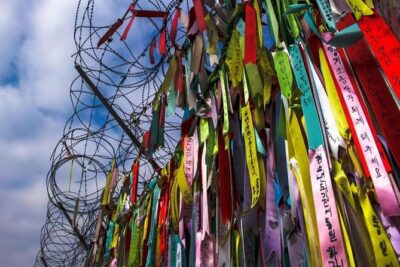
DMZ Tour: 3rd Tunnel, Option(Suspension Bridge, Boat) from Seoul
Read our review →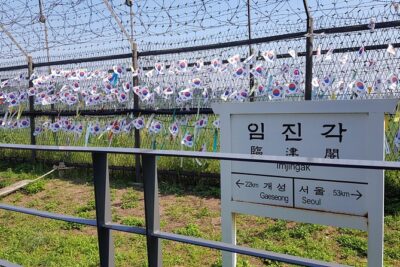
DMZ tour south Korea from Seoul (NK experience hall, defector)
Read our review →
DMZ Insider Tour: 3rd Tunnel, NK Defector Meet & Red Bridge
Read our review →
The Best DMZ Tour with Optional Suspension Bridge
Read our review →
Signature DMZ Tour: Exclusive Defector Talk & Suspension Bridge
Read our review →
Thrilling Korean DMZ 3rd Tunnel Tour from Seoul + Red Bridge Rush
Read our review →
DMZ Tour & Suspension Bridge (Option English/Spanish)
Read our review →Browse the lists this tour appears in