
Reviewed · DMZ TOURS
Signature DMZ Tour: Exclusive Defector Talk & Suspension Bridge
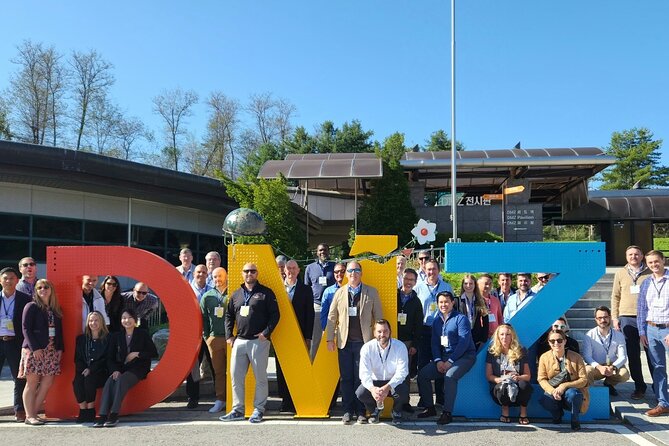
DMZ tours rarely feel real, until you stand where lines were drawn. This day trip from Seoul packs major sights into a single 7 to 9 hour run, including the tunnel and Dora Observatory views into North Korea, plus an interview-style talk with a North Korean defector.
I especially like the defector interview, because it turns the DMZ from scenery into lived experience. I also like the visit to the 3rd Tunnel, where you feel the physical effort behind the stories.
One consideration: the tunnel walk is tight and steep, and the tour includes rules that can limit photos and comfort, so pack accordingly.
In This Review
- Key highlights at a glance
- What this DMZ tour is really selling: the defector talk plus the hard-to-ignore tunnel
- Meeting at 92 Sejong-daero and how the day moves (at 7:30 am)
- Imjingak Pyeonghwa-Nuri Park and the Freedom Bridge, why it matters before you even enter the DMZ
- The DMZ segment itself, controlled viewing time, and why you should expect restrictions
- The 3rd Tunnel walk: where “cool bunker” turns into a workout
- Dora Observatory: the North Korea view from the South, plus strict photo limits
- Gamaksan Chulleong suspension bridge option: beautiful views, weather uncertainty
- The return portion: Myeongdong time and the shopping temptation factor
- Price and value: what $27 buys, and where you should budget extra
- Guides and the tone of the day: what to expect when the storytelling clicks
- Who should book this tour, and who should reconsider
- Should you book the Signature DMZ Tour with defector talk and the suspension bridge option?
- FAQ
- How long is the Signature DMZ Tour?
- What time does the tour start, and where do I meet?
- Do I need a passport to join?
- Is lunch included in the price?
- Is the 3rd Tunnel visit difficult?
- Are photos allowed at the tunnel or observatory?
- What if the suspension bridge or DMZ access is closed?
Key highlights at a glance
- North Korean defector talk that adds urgency to everything you see
- 3rd Tunnel access with a physically demanding route and strict rules
- Dora Observatory for a close view toward North Korea, including Gaeseong area
- Imjingak Pyeonghwa-Nuri Park with the Freedom Bridge story of 13,000 POWs
- Optional Gamaksan suspension bridge for valley views, if it runs on your day
- Small-ish group size (max 90) for a packed but controlled schedule
What this DMZ tour is really selling: the defector talk plus the hard-to-ignore tunnel
If you only have one day in Seoul, you want your time to count. This tour is built around two moments that people remember long after the bus is gone.
First, you get an interview with a North Korean defector as part of the day’s flow. In past departures, the speaker has been described as Ms Cho or Ms Lee, and the format is Q and A. That matters because the DMZ is not just history, it is ongoing tension, family separation, and daily fear. When you hear someone answer real questions in plain language, the DMZ stops feeling like a tourist stop and starts feeling like a human story with numbers attached.
Second, the 3rd Tunnel visit is the kind of place where your body understands the message. The tunnel extends about 435 meters into South Korea, and you get to walk in a space tied to Cold War military strategy. The tour also usually includes a short documentary and views to connect the dots, but the physical climb back up is the part that sticks.
The tour is still a classic DMZ day trip, meaning you are hitting the main controlled sites. That is good for efficiency, but you should expect a tightly managed schedule.
More DMZ Tours in Seoul:
- Best DMZ Tour Korea from Seoul (Red Suspension Bridge Optional)
★ 5.0 · 41,422 reviews - DMZ Tour: 3rd Tunnel, Option(Suspension Bridge, Boat) from Seoul
★ 5.0 · 21,373 reviews - DMZ tour south Korea from Seoul (NK experience hall, defector)
★ 5.0 · 20,599 reviews
Meeting at 92 Sejong-daero and how the day moves (at 7:30 am)
The day starts early. You meet at 92 Sejong-daero, Jung District, Seoul at 7:30 am, and you return to that same meeting point at the end of the experience. Expect 7 to 9 hours total, and plan your day around that head start.
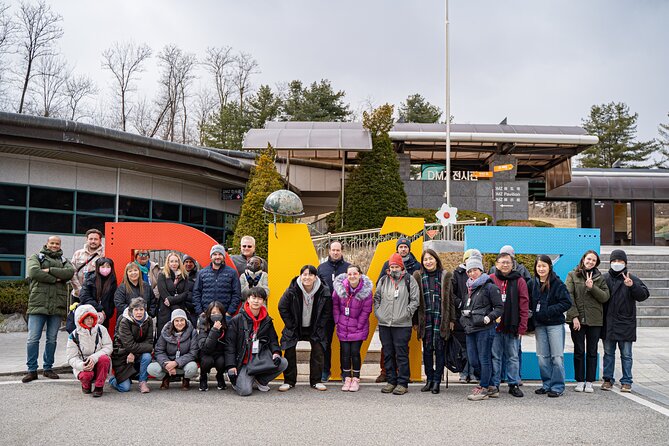
Transport is a major part of the value here. You are on an air-conditioned vehicle for the long push out to the DMZ area. The group size is capped at 90 travelers, which helps keep things organized, even though this is still a big-day logistics challenge.
A practical note that becomes important in real life: DMZ access can change quickly. The tour states the area can close suddenly without notice, and if military training or an official event affects your day, your itinerary can be replaced with other sites such as Tomorrow’s Whistle-Bunker, Beat 131, Odusan Unification Tower, and the War memorial of Korea. That uncertainty is not unique to this operator, but it affects your expectations.
Also, bring the basics you might forget in the morning rush:
- A current valid passport must be the original, no copies.
- Wear comfortable shoes if you are doing the tunnel.
- Keep an eye on timing, because if you fail to arrive on time, the tour notes there will be no refunds for missed departure.
Imjingak Pyeonghwa-Nuri Park and the Freedom Bridge, why it matters before you even enter the DMZ
One reason this tour works as a story is the order. Before you get to the military line, you get the emotional backstory.
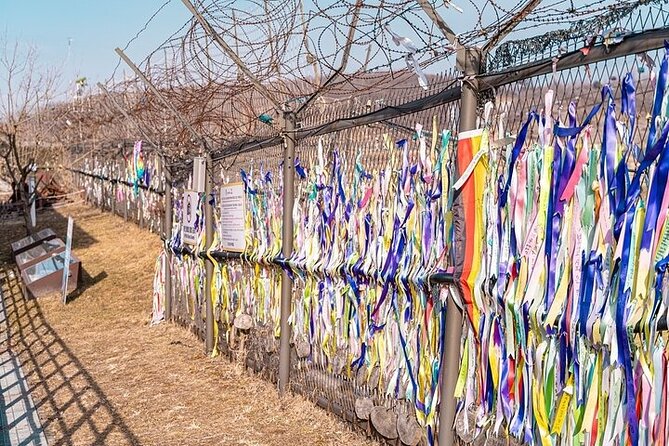
At Imjingak Pyeonghwa-Nuri Park, the visit centers on Korean reunification desire and wartime separation themes. The park includes displays tied to the Korean War era, including relics connected to POW freedom narratives. A key stop here is the Freedom Bridge story, used by 13,000 POWs seeking freedom in 1953.
Then you also get the bridge symbolism connected to the Imjingang River, presented as a visual reminder of a return to freedom. Even if you are not a memorial person, this opening helps you read the later sights differently. When you see the DMZ structures afterward, it helps to know what people tried to cross, why they could not, and what it cost.
The tone at Imjingak is less intense than the later DMZ areas, but it is still serious. If you want a day trip that does more than check boxes, this is a good place to start.
The DMZ segment itself, controlled viewing time, and why you should expect restrictions
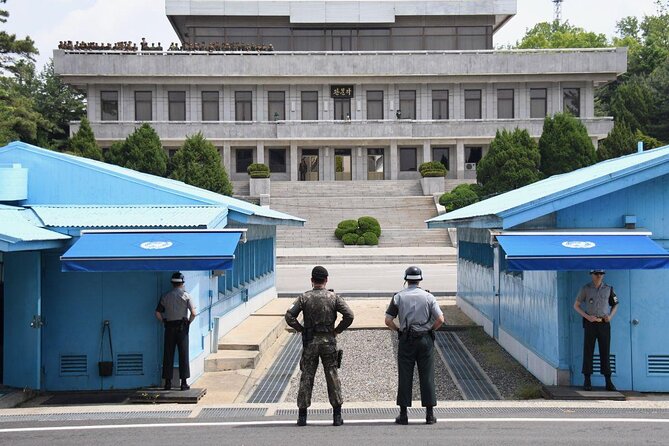
Once you reach the DMZ area, the tour includes time at a DMZ stop (about 40 minutes with admission included). This is where the whole experience becomes more rules-based than sightseeing.
You are in a military-controlled zone where access is limited, routes are set, and behavior is monitored. That is why the experience feels structured. You are not wandering. You follow the guide, move with the group, and take in what the authorities allow.
This is also the moment where your expectations should shift from photography to observation. The tour notes that if unannounced training or official events happen in the DMZ, your itinerary may change. So think of the DMZ portion as the highlight that could be adjusted, rather than a guaranteed photo safari.
A few more Seoul days worth comparing
- Seoul: The Best DMZ Tour with Optional Suspension Bridge
★ 4.7 · 4,978 reviews - Thrilling Korean DMZ 3rd Tunnel Tour from Seoul + Red Bridge Rush
★ 5.0 · 3,097 reviews - Seoul: DMZ Tour & Suspension Bridge (Option English/Spanish)
★ 4.9 · 2,628 reviews - DMZ Past and Present: Korean Demilitarized Zone Tour from Seoul
★ 5.0 · 2,481 reviews
The 3rd Tunnel walk: where “cool bunker” turns into a workout
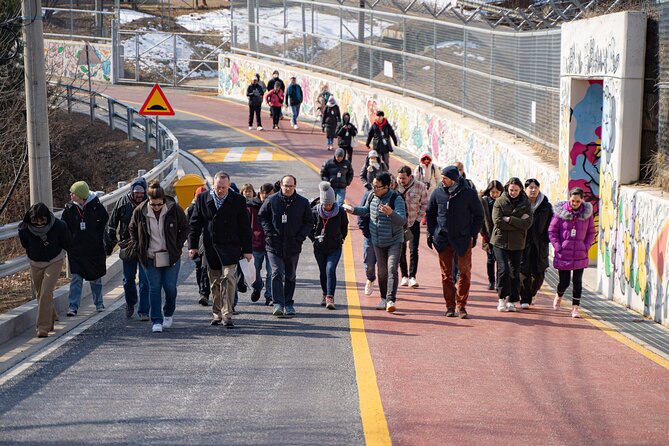
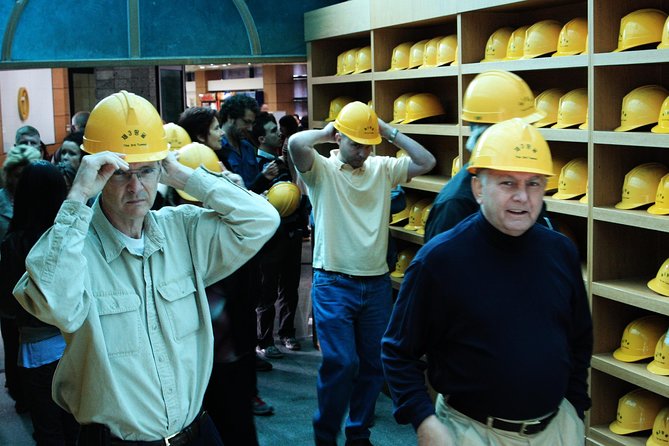
The tour’s biggest physical component is the 3rd Tunnel. It is one of the most famous DMZ-related underground sites from the South Korea side, and the tour includes about 1 hour on site, with documentary viewing and the key tunnel experience.
Here are the practical realities you need to know:
- The route is physically demanding. You will need comfortable shoes and expect tight conditions.
- The tunnel is not a quick stroll. The climb back up is part of the experience, and it can feel steep and cramped.
- The tour notes visiting the tunnel is not recommended for those with heart conditions or other serious medical issues.
One more rule that surprises people: photography is restricted. In past departures, visitors noted they were not allowed to take photos in the tunnel and at the observation deck. The reasoning makes sense for a military area, but it also means you should come prepared to leave the moment largely in your memory, not your camera roll.
If you want the feeling of being in a real strategic space, this is your stop. If you hate claustrophobic, tight spaces or you are concerned about exertion, skip the suspension bridge add-on if it is optional, but do consider whether the tunnel itself is worth the strain.
Dora Observatory: the North Korea view from the South, plus strict photo limits
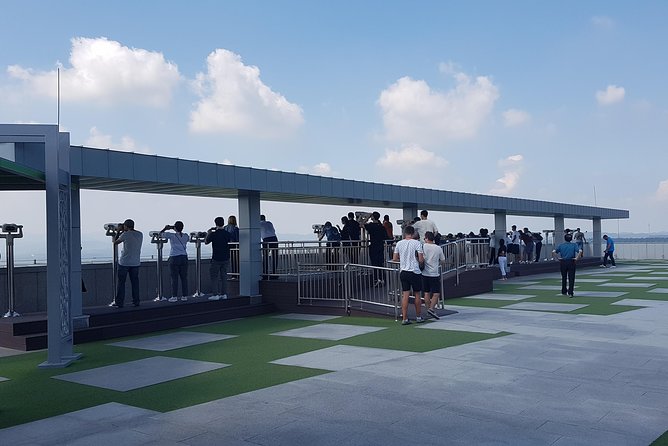
After the tunnel, the tour moves to Dora Observatory for about 1 hour, again with admission included. This is the viewpoint segment most people picture when they think DMZ.
From Dora, you get a close-up view toward North Korea, including references to areas such as Gaeseong City and the Gaeseong Industrial Complex. You can also see a fake North Korean border village called Propaganda Village.
This part is powerful for a simple reason: you are looking across an actual divided border, not at a museum model. But you still do it with strict boundaries. If you were hoping to film long takes or take lots of detailed photos, know that photography restrictions have been reported for the observatory area too.
One practical tip: plan to spend your energy on looking, reading, and listening, not on camera work. The observatory experience works best when you let your guide connect the view to what it represented politically and economically.
Food-wise, lunch is not included in the tour price. Some departures include a cafe at or near the observatory area with limited options. If you have dietary needs, bring a backup plan for your meal timing and options.
Gamaksan Chulleong suspension bridge option: beautiful views, weather uncertainty
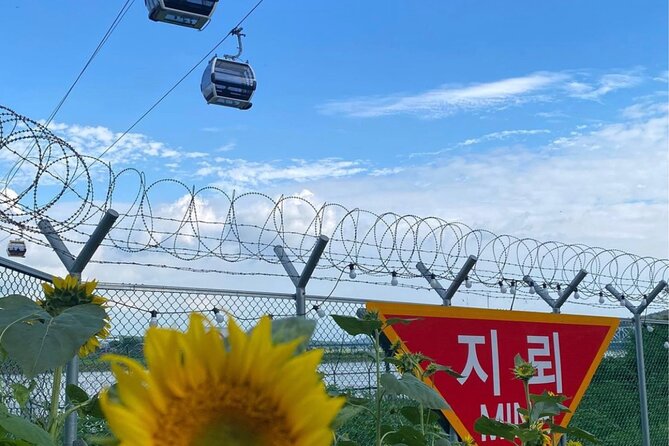
This tour offers an optional add-on: Gamaksan Chulleong Bridge, listed as OPTION and described as a suspension bridge with valley views. It was opened in 2016 and is noted as being about 220 meters long, with scenic views over Silmari Valley.
There are two important value points to consider before you rely on it:
- The option requires a minimum number of participants. If it does not meet the minimum, you may be informed that you need to revise, change, or cancel the option.
- Access can be disrupted by weather. If the bridge is closed on the day of your visit, the tour may replace that time with other sites.
In other words, treat the bridge as a bonus, not the core promise. If it runs, it is a great way to break up the heaviness of the DMZ with fresh air and a view. If it does not, you still get the main DMZ sites.
The return portion: Myeongdong time and the shopping temptation factor
Near the end, the tour includes a stop at Myeongdong for about 1 hour, and the tour duration can shift based on site and traffic conditions. This gives you a final chance to reset, grab a snack, and collect something small before heading back.
One thing to be aware of is that some departures have included extra shopping stops in the Seoul return portion, and a few visitors felt the added sales stops came at an inconvenient time. The tour itself does not promise a shopping-focused finale, but you should expect some structured stops as part of the day’s flow.
My advice is simple: go in with a plan for your money and your energy. If you want souvenirs, decide early what you want. If you do not, treat the final hour as a chance to cool down and move around rather than shop.
Price and value: what $27 buys, and where you should budget extra
At $27.00 per person, this tour is priced low for a DMZ day trip that includes:
- An English guide with DMZ license
- An interview with a North Korean defector
- Admission fees for the included DMZ sites and tunnel/observatory stops
- Air-conditioned transportation
- All fees and taxes, plus a mobile ticket
That mix is where the value comes from. Most of the cost of a DMZ trip is not the guide talk. It is the access fees, the licensed staffing, and the controlled entry logistics.
What is not included is also clear: lunch and personal expenses. Plan that into your day. If you want a comfortable meal, either bring your own snacks or budget for the limited options near the observatory area.
Also, remember that the tour can change if DMZ access is restricted. If the DMZ is closed suddenly, the itinerary can be replaced with other war and unification-related sites, and no refunds are offered. That is standard for controlled-area travel, but it is part of the real value math: the price is low because the schedule is not fully under your control.
Guides and the tone of the day: what to expect when the storytelling clicks
The strongest compliments tied to this tour are about the guides and the way they explain what you are seeing.
Names that have come up include Han Solo, Jackie (often called The Story Teller), SP Hong, Molly, and Han Ran. While you might not get the same guide, you can reasonably expect an English-speaking DMZ-licensed guide to do three things well:
- Connect each stop to the political reality, not just the facts.
- Answer questions, including the kind that do not fit neatly into a script.
- Keep the group moving on time, especially on physically demanding sections like the tunnel.
If your departure includes a defector interview, that is usually where the tour gains emotional weight. A defector Q and A also tends to create the most direct audience participation, which is exactly what makes it memorable.
One more practical tip from the tone of the day: if it is raining, you may still move and listen outside some areas. Bring a light rain layer, not a full winter jacket. You want to stay comfortable during waiting and walking.
Who should book this tour, and who should reconsider
This is a strong fit if you:
- Want the classic DMZ trio in one day: welcome area, 3rd Tunnel, and Dora Observatory
- Like guided explanation and Q and A, especially the defector interview
- Can handle a strenuous walk in the tunnel environment
You should reconsider if you:
- Have heart conditions or serious medical limitations, because the tunnel is described as physically demanding and not recommended for those situations
- Hate tight, enclosed spaces
- Are traveling mainly for photos, because photography is restricted in the tunnel and at the observation deck
If you are a first-timer to the DMZ, this tour is also a good starting point. It gives you the minimum set of high-impact stops with structured time, so you do not spend your limited Seoul time juggling multiple bookings.
Should you book the Signature DMZ Tour with defector talk and the suspension bridge option?
Book it if you want one day that mixes access, storytelling, and a human perspective. The best reason is the defector interview. The second best reason is the tunnel, because it turns abstract politics into something you can feel in your legs.
Skip or be cautious if you are tunnel-sensitive or if you dislike tightly controlled, rules-heavy sites. Also treat the suspension bridge as optional and weather-dependent. Even when the bridge does not work out, the core DMZ stops still make the trip worthwhile for most people.
If you do book, do three things: bring your passport original, wear comfortable shoes, and plan your expectations around photo restrictions. That small prep makes the day run smoother, and you get more time to actually understand what you are seeing.
FAQ
How long is the Signature DMZ Tour?
The tour duration is approximately 7 to 9 hours.
What time does the tour start, and where do I meet?
It starts at 7:30 am, and the meeting point is 92 Sejong-daero, Jung District, Seoul. The tour ends back at the meeting point.
Do I need a passport to join?
Yes. A current valid passport is required on the day of travel, and it must be the original (no copies).
Is lunch included in the price?
No. Lunch and personal expenses are not included.
Is the 3rd Tunnel visit difficult?
Yes. Comfortable shoes are required, and the tour notes it is physically demanding with a difficult walk. It is not recommended for people with heart conditions or other serious medical issues.
Are photos allowed at the tunnel or observatory?
Photography restrictions apply in the DMZ areas. In particular, people have noted they were not allowed to take photos in the tunnel and on the observation deck.
What if the suspension bridge or DMZ access is closed?
The suspension bridge option requires a minimum number of participants and can be affected by weather. Also, DMZ can close suddenly without notice, and the tour may be replaced with other related sites if access is restricted.
Recently reviewed in Seoul
- You’re Invited to Our Home in Seoul: The Only Cooking Class!★ 5.0 · 8 reviews
- Your Personal Seoul Photographer!★ 4.1 · 15 reviews
- From Seoul: Yongpyong Ski Day Tour with Transportation★ 4.9 · 40 reviews
- Seoul: Korean & English Language Exchange Global Party★ 5.0 · 28 reviews
- Watching sports match & local food experience in Seoul★ 5.0 · 11 reviews
- WKT Combat Taekwondo & Self-defense One Day Class in Seoul★ 5.0 · 5 reviews
- Unique Native Experience : Han River Picnic, Board game, BBQ★ 5.0 · 3 reviews
- Seoul: Gangneung BTS K-Pop & K-Drama Filming Locations Tour★ 4.6 · 14 reviews
DMZ Tours, compared.
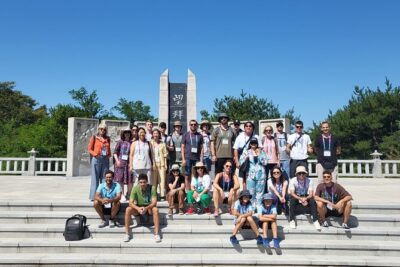
Best DMZ Tour Korea from Seoul (Red Suspension Bridge Optional)
Read our review →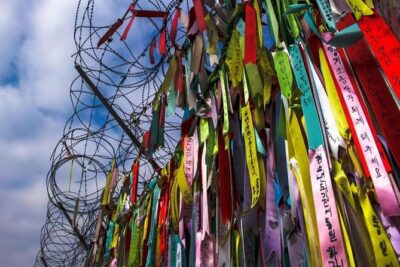
DMZ Tour: 3rd Tunnel, Option(Suspension Bridge, Boat) from Seoul
Read our review →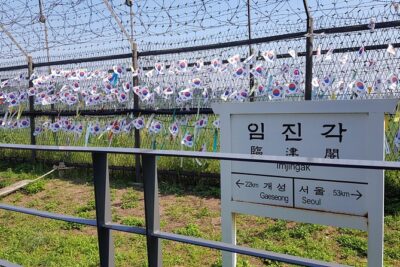
DMZ tour south Korea from Seoul (NK experience hall, defector)
Read our review →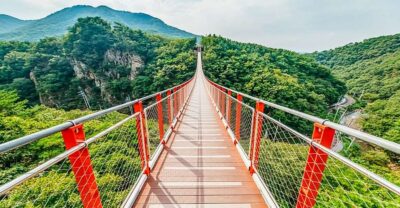
DMZ Insider Tour: 3rd Tunnel, NK Defector Meet & Red Bridge
Read our review →
The Best DMZ Tour with Optional Suspension Bridge
Read our review →
Thrilling Korean DMZ 3rd Tunnel Tour from Seoul + Red Bridge Rush
Read our review →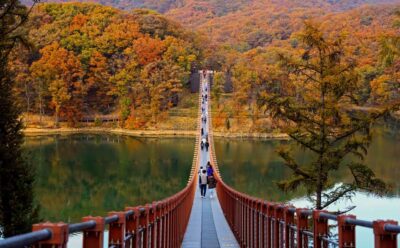
DMZ Tour & Suspension Bridge (Option English/Spanish)
Read our review →
DMZ Past and Present: Korean Demilitarized Zone Tour from Seoul
Read our review →Browse the lists this tour appears in