
Reviewed · DMZ TOURS
Ultimate Korea DMZ Tour from Seoul (Gondola & Suspension Bridge)
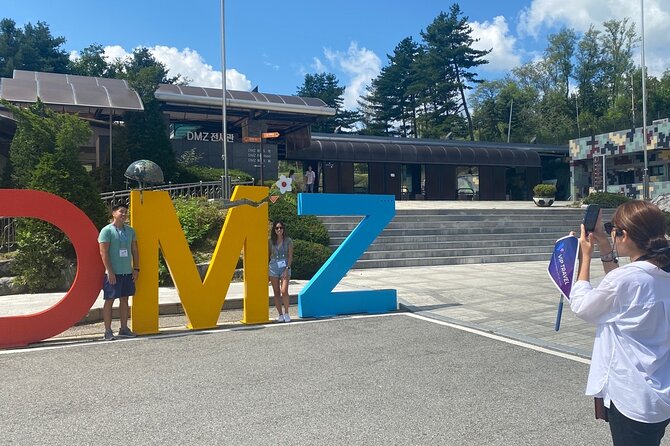
A fortified border, then a quiet river. This day trip mixes Korea War history with close-up DMZ viewpoints, including the DMZ gondola. I especially like how the day is run by guides like Nancy, who turn each stop into clear, human context instead of dates on a screen. I also like that you get a packed route built around major DMZ-adjacent landmarks, so you do not have to chase them across the map. One thing to consider is that you will do real walking, including uphill bits and a tight experience inside the Third Tunnel, and photo rules can limit what you can shoot from certain viewpoints.
In This Review
- Key things I’d circle before you go
- From Seoul to the DMZ, how the day stays focused
- Imjingak Peace grounds and the Bridge of Freedom
- Gondola over the Imjin River, and why the view is the point
- Memorials and relics: Mangbaedan, Dokgae Bridge, and the Iron Horse
- The Unification Bridge checkpoint: bring the right ID, early
- Third Tunnel versus Dora Observatory, two different ways of seeing the North
- The Third Tunnel experience
- Dora Observatory, the closest South Korea view
- Suspension bridges and Majang Lake, optional but fun if you have the legs
- Drop-off choices in Seoul, so you can go straight to dinner
- Price and logistics: is $35 really value?
- Who should book the DMZ tour, and who might skip
- Should I book this Ultimate Korea DMZ Tour?
- FAQ
- How long is the Ultimate Korea DMZ Tour from Seoul?
- What is the price per person?
- What is included in the tour price?
- Where do I meet the group in Seoul?
- Is hotel drop-off included?
- Do I need a passport for this tour?
- Is lunch included?
- Is the gondola ride included or optional?
- Are there places where photos might be restricted?
- Can I cancel for free?
Key things I’d circle before you go
- DMZ gondola views that put you across the Imjin River for a high-angle perspective
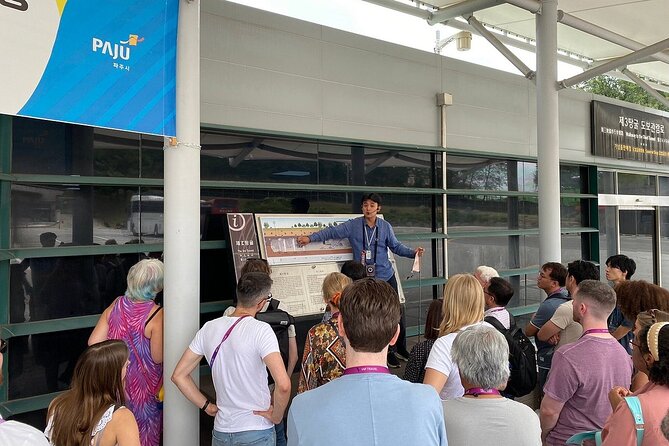
- Guides like Nancy who explain what matters, and keep the group moving at a safe pace
- The Third Tunnel and Dora Observatory combo, so you see both the human story and the military geography
- Imjingak peace sites plus the Bridge of Freedom, where reunification hope feels very tangible
- Optional suspension bridges and lake crossings, a break from checkpoints and history walls
- Military checkpoint ID checks at the Unification Bridge, so keep your documents ready
From Seoul to the DMZ, how the day stays focused
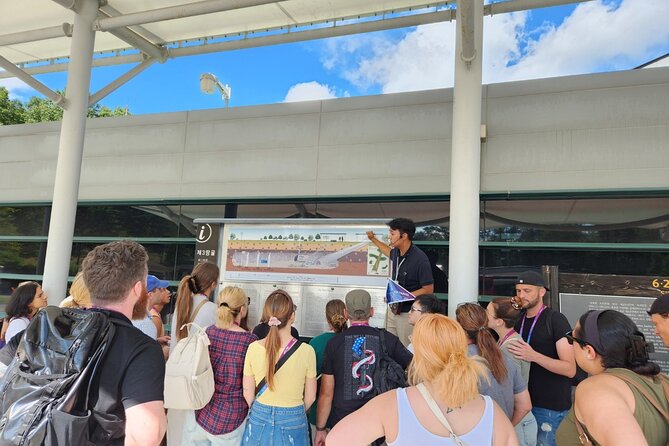
This is a long day, about 7 hours 30 minutes, built around getting you out of central Seoul and into the DMZ zone areas in one go. The tour uses an air-conditioned vehicle, and you start by meeting the group at one of three downtown subway spots: Myeongdong (Exit 9), Seoul City Hall (Exit 6), or Hongdae (Exit 3). You’ll receive a mobile ticket, which makes getting started pretty painless.
What makes this itinerary work is how it sequences emotion, history, and perspective. You begin with peace-focused sites at Imjingak, then you move outward toward more military-facing landmarks like the tunnel and Dora Observatory. You also get a couple of “breathing” stops for views and memorials, which helps when the story is heavy.
The biggest practical catch is your body. Expect walking on uneven ground and some uphill segments, and the tunnel portion is not a quick stroll. Add in the fact that military areas can restrict photos, and you’ll want a calm mindset: you are there to learn, not to collect a perfect camera roll.
More DMZ Tours in Seoul:
- Best DMZ Tour Korea from Seoul (Red Suspension Bridge Optional)
★ 5.0 · 41,422 reviews - DMZ Tour: 3rd Tunnel, Option(Suspension Bridge, Boat) from Seoul
★ 5.0 · 21,373 reviews - DMZ tour south Korea from Seoul (NK experience hall, defector)
★ 5.0 · 20,599 reviews
Imjingak Peace grounds and the Bridge of Freedom
The day’s tone shifts quickly once you head to the Imjingak area. At Imjingak Pyeonghwa-Nuri Park, the focus stays on hope for reunification and the human cost of division. You’ll see exhibits tied to Korean reunification, and the park is closely associated with nearby DMZ-era landmarks like the Dokgae Bridge and the Seoul Battleship Park area.
From there, you go to the Bridge of Freedom. This spot matters because it is not symbolic only. It was a temporary wooden crossing built in 1953 after the armistice to replace a destroyed railroad bridge over the Imjin River. It carried 12,773 prisoners to the South, and that number gives you a jolt. You will feel the history more because the bridge story is specific and time-bound, not vague.
Practical tip: these early stops can make you want to read every sign. Do that for a few minutes, then listen to your guide’s framing. The guide explanations are the part most people leave remembering, especially when they tie the sites to what happened to real people.
Gondola over the Imjin River, and why the view is the point
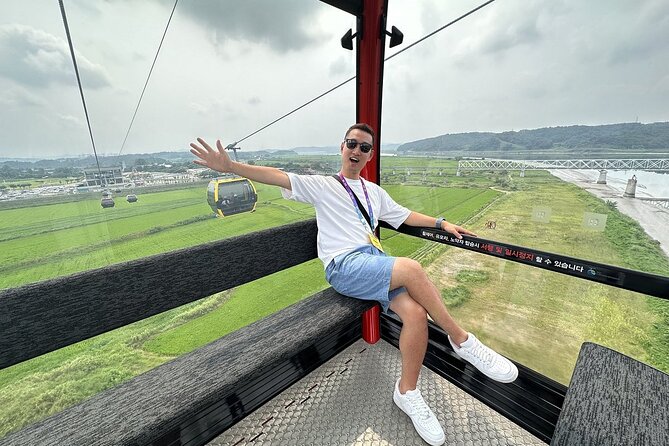
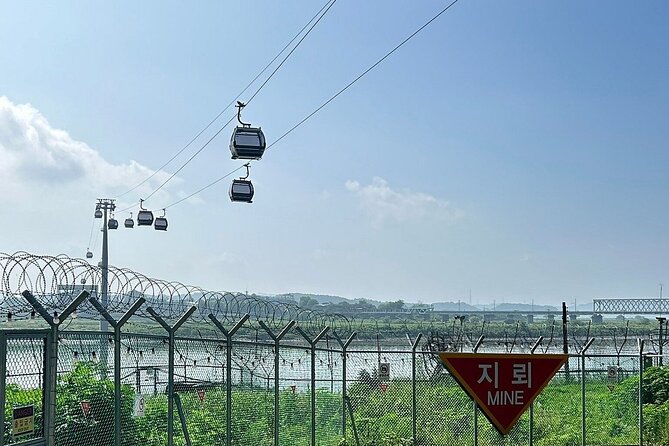
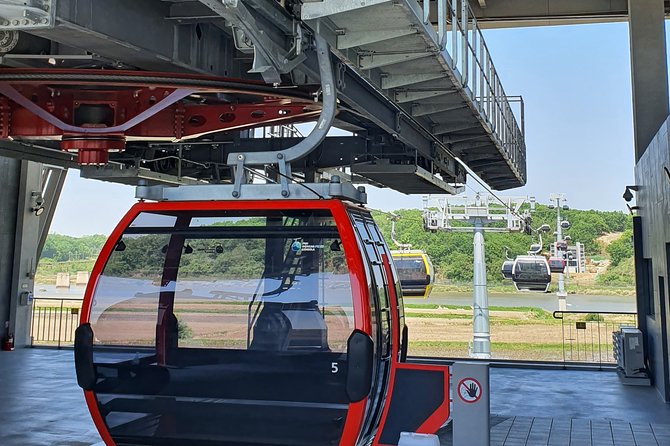
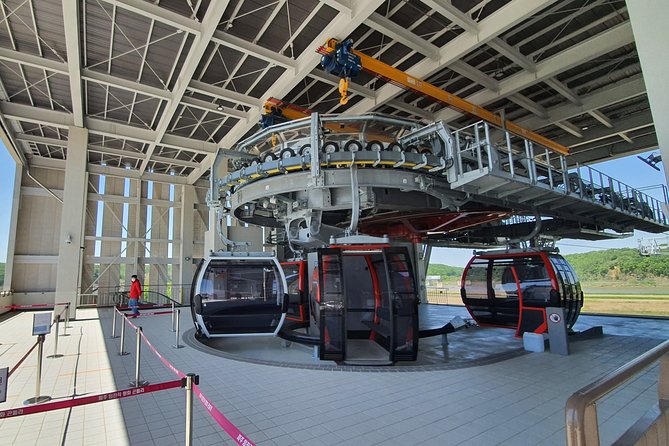
A standout part of this tour is the Paju Imjingak Peace Gondola. It is described as crossing the Imjin River with an eye-level, bird’s-eye view, and it is positioned so you get perspective beyond the Civilian Control Line. The timing here also helps. After peace parks and war stories, the gondola turns the day into a visual geography lesson.
The gondola itself is listed as optional in the route, so you should decide based on your interests and your budget mindset. If you like views, it is often the kind of add-on that justifies itself, because it changes the way you understand the border area. If you dislike lines, tight schedules, or you want a calmer pace, you can skip it.
Photo note: even when views are stunning, some areas can have restrictions, especially around North Korea-facing moments. Build the day around listening and looking with your own eyes first, then deal with the camera rules if they apply.
Memorials and relics: Mangbaedan, Dokgae Bridge, and the Iron Horse
This portion of the day is quieter, but it is not pointless. Mangbaedan Memorial Altar (near the DMZ) is where families honor loved ones in North Korea, especially around holidays. The setting is built for prayer and remembrance, and the emotional weight comes from what the place is meant to do.
Then you move to the Dokgae Bridge, a war-scarred crossing linking North and South across the Imjin River. The route description emphasizes the feeling of the beams and the natural world nearby, including sightings like birds. Even if you are not the type to get emotional at monuments, this is the kind of stop where you realize the border is not just politics, it is geography and daily life for wildlife and the river.
After that, the tour hits a rail relic moment. You stop at the steam locomotive at Jangdan Station of the Gyeongui Line, often referred to in the area as the Iron Horse. This kind of object gives you a different angle on division. Railways suggest movement, reunions, and commerce. Here, the “movement” story is paused.
If you want one more symbolic sound, there is the Peace Bell at Pyeonghwauijong. It is a massive bronze bell listed as 21 tons, cast in 2002 and designed as a symbol of reunification. You can touch it and feel the weight of the idea, literally.
More day tours out of Seoul:
- Thrilling Korean DMZ 3rd Tunnel Tour from Seoul + Red Bridge Rush
★ 5.0 · 3,097 reviews - DMZ Past and Present: Korean Demilitarized Zone Tour from Seoul
★ 5.0 · 2,481 reviews - DMZ Tour from Seoul – Optional Suspension Bridge Experience
★ 5.0 · 1,918 reviews - Mt. Seorak+Nami Island+Garden of Morning Calm Day Trip from Seoul
★ 5.0 · 959 reviews
The Unification Bridge checkpoint: bring the right ID, early
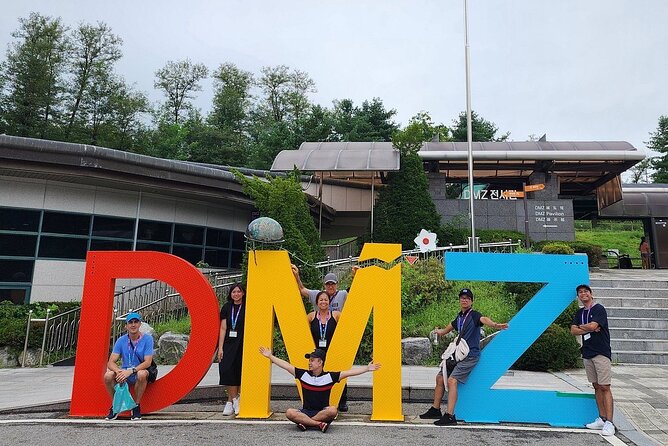
The Unification Bridge stop is short, but it is serious. This is where soldiers inspect your bus and conduct ID verification checks. The tour instructions are clear: bring a passport, Military ID card, or a South Korea-issued ARC (Alien Registration Card).
This is also where timing matters. If you fumble your documents or you need time to find them, the whole group feels it. Keep your ID accessible before the bus rolls up to the checkpoint.
One more practical reality: because you are in and around restricted areas, the day can come with rules about cameras and phone use in specific zones. A 4-star review mentioned photo limits in areas facing North Korea, and that aligns with how these sites are typically managed. So plan on taking fewer photos and paying more attention to what your guide says you are allowed to capture.
Third Tunnel versus Dora Observatory, two different ways of seeing the North
The heavy hitters come next.
The Third Tunnel experience
The Third Tunnel, also known as the 3rd Infiltration Tunnel, is one stop you should treat as a careful, controlled experience. It is described as 12 km from Munsan and 52 from Seoul. Once you arrive, you will spend time walking and moving within a tunnel setting.
What matters for you: do not assume you will get a wide-open view. Reviews mention that the tunnel can feel a bit like a short window look through barriers, and the return walk can be hard because it is uphill. If you are expecting a long, dramatic walk where you can roam, you might feel shortchanged.
Still, it is memorable because it connects the geography to the idea of intrusion and military planning. It gives context that photos alone do not.
Dora Observatory, the closest South Korea view
After the tunnel, you go to Dora Observatory. It is described as rebuilt in 2018, with roots as an observatory dating back to 1986. It is positioned at the top of Dorasan for the closest view of North Korea from South Korea, so you get that “this is as near as it gets” perspective.
Expect this stop to feel different from the tunnel. Less claustrophobic, more panoramic, and focused on looking across the border. If you are the kind of traveler who wants to understand how the DMZ is laid out in real space, this is where it clicks.
Suspension bridges and Majang Lake, optional but fun if you have the legs
By the time you reach the suspension bridge options, the day is already a mix of emotion and physical effort. These add-ons can be a nice reward, especially if you have energy left.
There is an optional red suspension bridge near the DMZ, listed as the Gamaksan Chulleong Bridge. It is about 150 meters long and 1.5 meters wide, built in 2018 and designed to honor Korean War heroes. The description notes a high capacity, up to 900 adults, but you will still feel narrow-bridge motion because it is a real crossing, not a photo platform.
Then there is another optional crossing at Majang Lake, featuring a 220-meter suspension bridge built in 2017. It is described as spanning a reservoir that became an urban-style oasis after farming days. This stop shifts the day from checkpoints to motion over water, and it can help you reset your mood before the final drop-offs.
If you have mobility concerns, this is the part to think through. Reviews specifically mention longer uphill walks, and even if you can do the tunnel, suspension bridges might feel like too much. Your best move is to be honest with yourself and pick the options that match your comfort level.
Drop-off choices in Seoul, so you can go straight to dinner
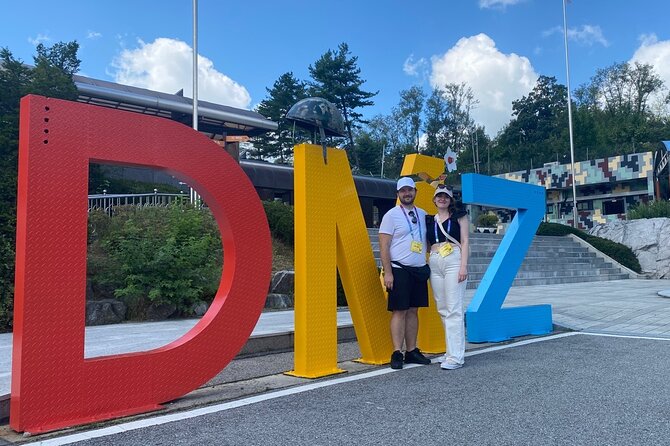
You end with drop-offs in central areas, which is great for flexibility. You can get out at Hongdae, Seoul City Hall, or Myeongdong. This helps because you are not stuck traveling back with the fatigue of a long day.
Hongdae tends to suit people who want food and a lively vibe after a serious day. City Hall works well if you want a mix of modern and historic sightlines. Myeongdong is convenient if you want shopping and street food right away.
Price and logistics: is $35 really value?
At $35 per person, this tour is priced for volume and for students of history who want a structured day. The included value is not just transportation. You get an air-conditioned vehicle, all fees and taxes, and a best tour guide style of guiding (the guide quality shows up in the repeat praises, including named favorites like Nancy, Kelly, Diane, Gogo, and others).
What is not included is lunch, and there is also no hotel drop-off promised. You are dropped at major areas instead. That matters because it changes how you should plan your day. You should also plan for snacks and water, since you are in a route-heavy schedule with multiple stops and a later finish.
Where the value can feel even better is the density. You are visiting many major DMZ-adjacent sites in one long outing. If you tried to piece this together on your own, you would spend time coordinating transport, entrances, and the order of sites. Here, the order is built in, and the guide narration is doing the heavy lifting.
One more detail you should keep in mind: the DMZ area comes with rules. You might face restrictions on photos in certain directions, and you might have limited time inside controlled spaces like the tunnel. So treat this as an education-focused day trip, not a free-roam border adventure.
Who should book the DMZ tour, and who might skip
Book this tour if you want a one-day DMZ orientation from Seoul that hits major points: peace grounds at Imjingak, the Bridge of Freedom story, a gondola viewpoint option, the Third Tunnel, and Dora Observatory. You will like it if you enjoy guided context and you can handle a tight schedule across many sites.
You should think twice if:
- you have mobility limits that struggle with uphill walking and tight tunnel conditions
- you hate structured days and prefer long independent museum time
- you expect photography without restrictions from all DMZ-facing viewpoints
- you want lunch included, because lunch is not listed as included
Should I book this Ultimate Korea DMZ Tour?
My quick verdict: if your goal is to understand Korea’s division through the sites themselves, this is a strong value at $35, especially with guide quality showing up repeatedly. The optional gondola and suspension bridge add-ons are there for people who want extra views and a little physical payoff.
If you are comfortable walking and you can bring the right ID for the checkpoint, I think you will leave with that rare mix of emotion and geography. Just go in with smart expectations: short, controlled moments at sensitive places, and a day that moves because it has to.
FAQ
How long is the Ultimate Korea DMZ Tour from Seoul?
The tour is listed at about 7 hours 30 minutes.
What is the price per person?
The price is $35.00 per person.
What is included in the tour price?
It includes air-conditioned vehicle, all fees and taxes, and a best tour guide. Some stops have admission ticket included while others are free, based on the route.
Where do I meet the group in Seoul?
You meet at one of three downtown locations: Myeongdong Subway Station (Exit 9), Seoul City Hall Subway Station (Exit 6), or Hongdae Subway Station (Exit 3).
Is hotel drop-off included?
No hotel drop-off is listed. You can be dropped off at City Hall, Hongdae, or Myeongdong.
Do I need a passport for this tour?
For the Unification Bridge military checkpoint, you are asked to bring a passport, Military ID Card, or a South Korea-issued ARC.
Is lunch included?
No, lunch is not included.
Is the gondola ride included or optional?
The Paju Imjingak Peace Gondola (DMZ Gondola) is listed as optional. If you choose it, its admission ticket is marked as included.
Are there places where photos might be restricted?
Some areas can have rules that limit photography from certain North Korea-facing sections, based on the tour experience described in feedback.
Can I cancel for free?
Yes. The tour has free cancellation, and you can cancel up to 24 hours in advance for a full refund.
Recently reviewed in Seoul
- You’re Invited to Our Home in Seoul: The Only Cooking Class!★ 5.0 · 8 reviews
- Your Personal Seoul Photographer!★ 4.1 · 15 reviews
- From Seoul: Yongpyong Ski Day Tour with Transportation★ 4.9 · 40 reviews
- Seoul: Korean & English Language Exchange Global Party★ 5.0 · 28 reviews
- Watching sports match & local food experience in Seoul★ 5.0 · 11 reviews
- WKT Combat Taekwondo & Self-defense One Day Class in Seoul★ 5.0 · 5 reviews
- Unique Native Experience : Han River Picnic, Board game, BBQ★ 5.0 · 3 reviews
- Seoul: Gangneung BTS K-Pop & K-Drama Filming Locations Tour★ 4.6 · 14 reviews
DMZ Tours, compared.
Best DMZ Tour Korea from Seoul (Red Suspension Bridge Optional)
Read our review →
DMZ Tour: 3rd Tunnel, Option(Suspension Bridge, Boat) from Seoul
Read our review →
DMZ tour south Korea from Seoul (NK experience hall, defector)
Read our review →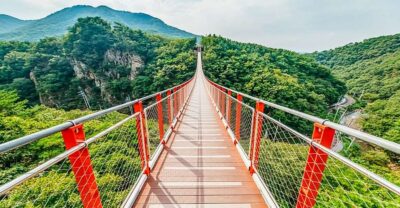
DMZ Insider Tour: 3rd Tunnel, NK Defector Meet & Red Bridge
Read our review →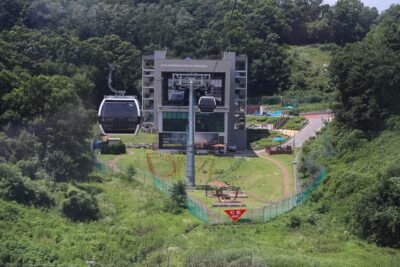
The Best DMZ Tour with Optional Suspension Bridge
Read our review →
Signature DMZ Tour: Exclusive Defector Talk & Suspension Bridge
Read our review →
Thrilling Korean DMZ 3rd Tunnel Tour from Seoul + Red Bridge Rush
Read our review →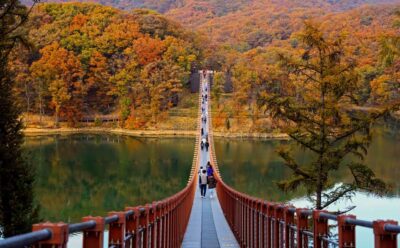
DMZ Tour & Suspension Bridge (Option English/Spanish)
Read our review →Browse the lists this tour appears in