
Reviewed · UNESCO HERITAGE TOURS
From Seoul: 5-Day Tour of Korea with UNESCO Sites
UNESCO days and mountain air in five days. This Seoul departure strings together major UNESCO World Heritage stops across Gongju, Jeonju, and Gyeongju, then adds Korea’s modern history in Gwangju, seafood time in Busan, and Mt. Seorak nature at the end.
What I like most is the pacing that mixes big cultural hits with real breaks. I love how the itinerary pairs landmark monuments like the Tomb of King Muryeong and Seokguram Grotto with day-to-day sights such as Jeonju’s Hanok Village area and Busan’s oceanfront at Haeundae Beach. One consideration: if you travel in October, Seoraksan visiting can be restricted and may be skipped, and access may require a 3.6 km walk from the parking lot.
The tour runs with an English-speaking guide, and on departures I looked at, the leadership stood out. Justin and Mr. Kim were repeatedly credited with keeping things organized and getting people to almost everything, even when real-world crowding and events made timing tricky.
In This Review
- Key things you will remember from this 5-day route
- Why this Seoul-to-South-Korea loop works for a short trip
- Day 1 from Gwanghwamun to Gongju, then Jeonju’s Hanok area
- Day 2: Gwangju’s May 18 memorial, Suncheon Bay Garden, and Admiral Yi in Yeosu
- Day 3: Jagalchi seafood market, Haeundae Beach views, and Gyeongju nights
- Day 4: Seokguram, Bulguksa, and Andong Hahoe Folk Village in one powerful day
- Day 5: Mt. Seorak UNESCO biosphere day, plus the cable car choice
- Hotels, breakfasts, and how the guide support really shows up
- Price and value: what $999 covers and what you must budget
- Practical tips that make the difference on tour days
- Should you book this UNESCO Korea tour from Seoul?
- FAQ
- Where do I meet the guide in Seoul?
- Is hotel pickup and drop-off from Seoul included?
- What is included in the tour price?
- Are lunch and dinner included?
- What should I bring?
- Can Mt. Seorak be skipped or changed in October?
Key things you will remember from this 5-day route
UNESCO hit list in four regions: Gongju, Jeonju, Gyeongju, and Andong Hahoe
Korea’s modern history stop: May 18 National Cemetery in Gwangju
Busan payoff for food lovers: Jagalchi Fish Market plus Haeundae and Dongbaek Park views
Joseon-era culture in a living village: Andong Hahoe Folk Village (UNESCO)
Final-day nature with a biosphere angle: Mt. Seorak National Park and the optional cable car
Why this Seoul-to-South-Korea loop works for a short trip
This tour makes sense if you want a lot of Korea in five days, but you do not want the stress of arranging trains, tickets, and transfers yourself. You get air-conditioned transportation and an English-speaking guide, and the hotels are built into the itinerary from start to finish.
The strongest part is how the route is structured around meaning, not just checklists. You start with UNESCO sites tied to Korea’s early kingdoms in Gongju, then shift into Joseon Dynasty architecture and temples later at Seokguram, Bulguksa, and Andong Hahoe. After that, you pivot to democratic-movement memory in Gwangju, and you end with a national park that is described as part of a biosphere preservation district. That mix helps the trip feel like a story, not a pile of stops.
The other practical win is that the days are long enough to be satisfying, but the key blocks are clear. You are not wandering all day without structure. Each day has major sights plus a couple of natural or food breaks, and you return to the same hotel with breakfast included so mornings start smoothly.
More UNESCO Heritage Tours in Seoul
- Day Trip to UNESCO: Suwon Fortress Adventure from Seoul
★ 5.0 · 56 reviews - Full-day UNESCO Heritage Tour with Suwon Hwaseong from Seoul
★ 5.0 · 28 reviews - Andong Hahoe Village [UNESCO site] Premium Private Tour from Seoul
★ 5.0 · 24 reviews
Day 1 from Gwanghwamun to Gongju, then Jeonju’s Hanok area
Your meeting point is at Donghwa Duty Free Shop Building by the Gwanghwamun Intersection, with the guide holding a K-shuttle sign board. You will also want the Metro detail handy: Exit 6 of Gwanghwamun Station is the reference point, so you can orient fast before the group heads out.
From there, the day turns into a UNESCO opener in Gongju. You visit the Tomb of King Muryeong and Gongsanseong Fortress. These are the kind of sites that reward patience. Even if you are not chasing every label, the setting and the scale do the work. The tomb is especially compelling as a window into ancient royal-era burial culture, while the fortress gives you a sense of why locations and walls mattered for defense and power.
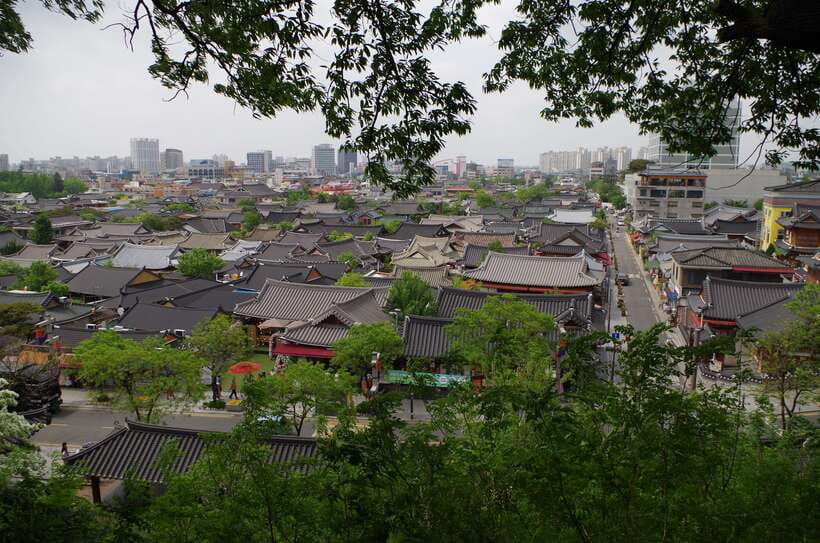
After Gongju, you transfer to Jeonju and check into a hotel close to Jeonju Hanok Village. That matters because Jeonju is one of the best places in Korea to enjoy traditional-style streets and architecture without needing a late-night commute. You have time built into the schedule to settle in, and breakfast is handled by the hotel.
Practical note: comfortable shoes are not optional. Between walking at sites and city steps, you will feel it by the end of Day 1.
Day 2: Gwangju’s May 18 memorial, Suncheon Bay Garden, and Admiral Yi in Yeosu
Day 2 starts with breakfast, then heads straight to one of the tour’s most emotionally grounded stops: May 18 National Cemetery in Gwangju, tied to Korea’s modern democratic movement. If you are the type who wants context while traveling, this is the kind of stop that gives the rest of your trip more weight. It is not just a photo stop, it is a place that shapes how you understand the country today.
Next comes Suncheon Bay Garden. This is where the tour leans into scenic variety. It is a garden stop, so the pace tends to be slower than fortress or temple walking. One real-world consideration is that garden operations can change by schedule, and on at least one departure, a monthly closure caught people off guard. If timing is tight for you, it is worth checking the opening status for the exact dates you travel.
Then you shift to Yeosu for the Historic Site of Admiral Yi Sun-sin’s Path. It is a nice contrast after memorial and garden time because it connects to national stories through a walkable historic route. You end with hotel check-in at Ramada Plaza by Wyndham Yeosu or similar.
Overall, this day is balanced: memory in Gwangju, nature in Suncheon, and history in Yeosu. If you only want one kind of sightseeing, this might feel like a lot. If you like variety, it is a strong day.
Day 3: Jagalchi seafood market, Haeundae Beach views, and Gyeongju nights
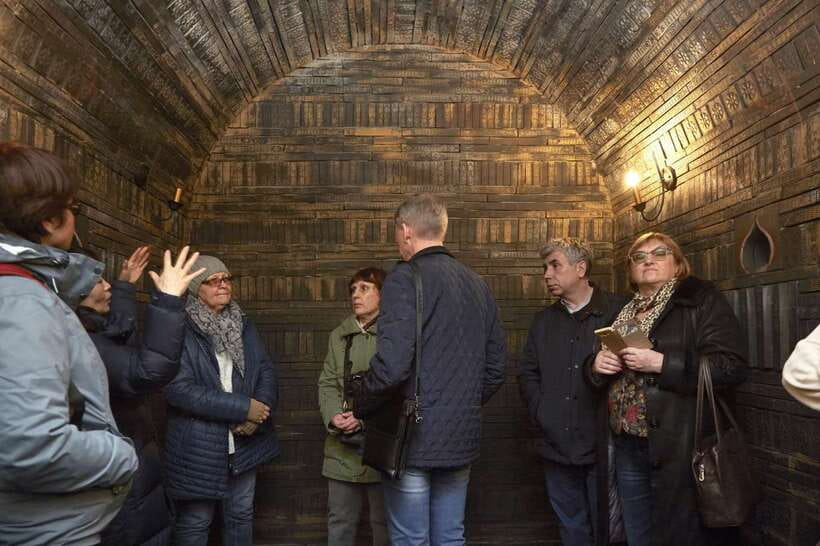
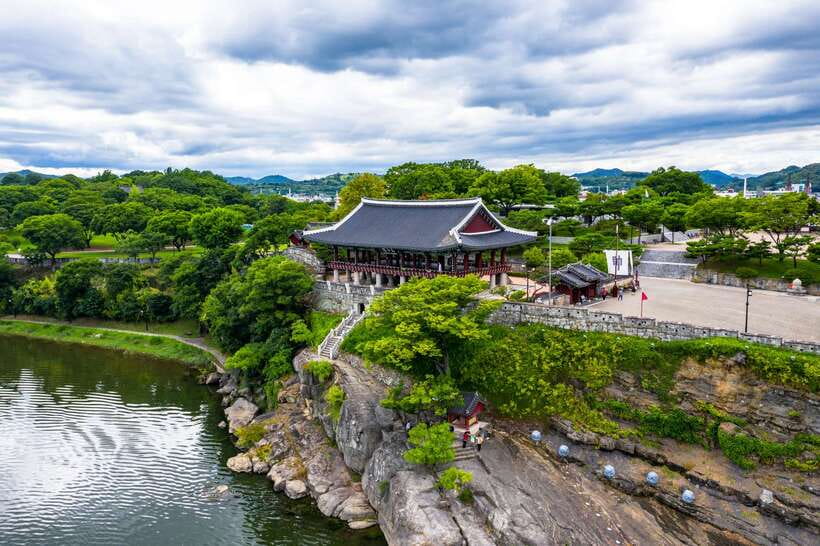
This is the day for food energy and ocean views. First up after breakfast is Jinjuseong Fortress and the Chokseoknu edifice. Even if you are not deep into military architecture, it helps connect the itinerary to Korea’s defense story, especially because this fortress is linked to the 1592 invasion period in the tour’s framing.
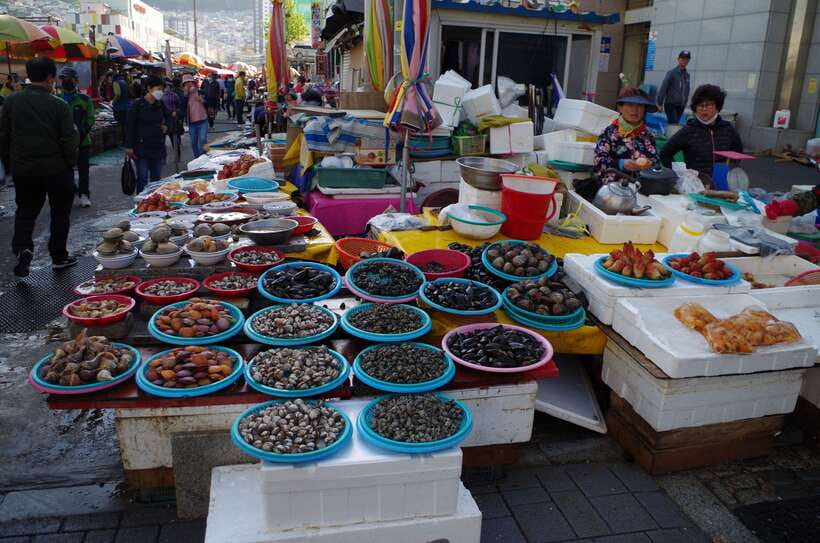
Then you move to Busan. The signature stop is Jagalchi Fish Market, described as Busan’s largest seafood market. This is one of those experiences where you do not have to buy anything to enjoy it. Seeing how the market works, how people move, and what is fresh in season gives you a real sense of local daily life. If you do want to eat, plan for lunch and dinner to be on your own since they are not included.
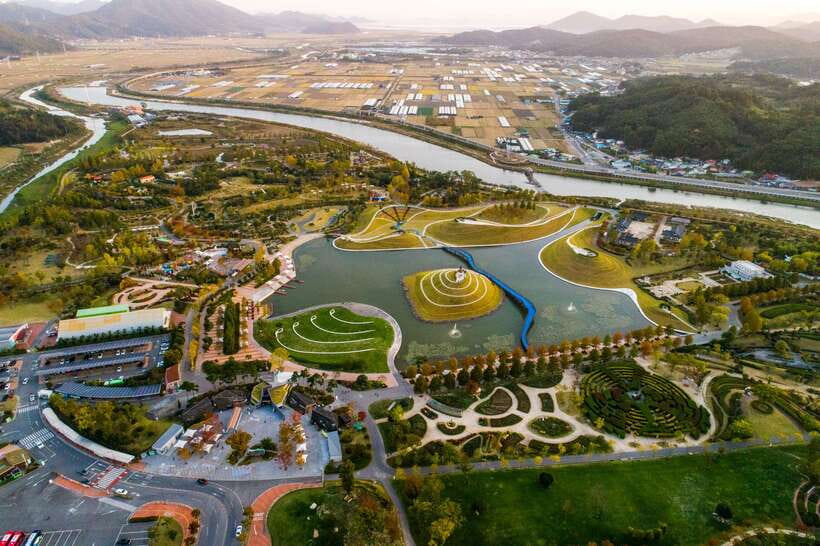
After the market, the tour swings to the coast: Haeundae Beach and Dongbaek Park. This is the payoff for all the hours you spend indoors at UNESCO sites earlier. You get wide-open air, and the park area gives you viewpoint time instead of only street-level walking.
Finally, you check into Gyeongju Commodore Hotel or similar. Gyeongju is set up perfectly for the next day’s UNESCO temple and grotto combo.
Same trip, a different corner of the country:
- Best DMZ Tour Korea from Seoul (Red Suspension Bridge Optional)
★ 5.0 · 41,422 reviews - DMZ Tour: 3rd Tunnel, Option(Suspension Bridge, Boat) from Seoul
★ 5.0 · 21,373 reviews - DMZ tour south Korea from Seoul (NK experience hall, defector)
★ 5.0 · 20,599 reviews - Seoul: The Best DMZ Tour with Optional Suspension Bridge
★ 4.7 · 4,978 reviews
Day 4: Seokguram, Bulguksa, and Andong Hahoe Folk Village in one powerful day
Day 4 is UNESCO-heavy in the best way. You start with Seokguram Grotto and the nearby temple heritage. Seokguram is a stop you will want to treat like a slow moment, not just a quick entrance. You are there for the experience of the site itself, and for the sense that you are stepping into a different era through architecture and setting.
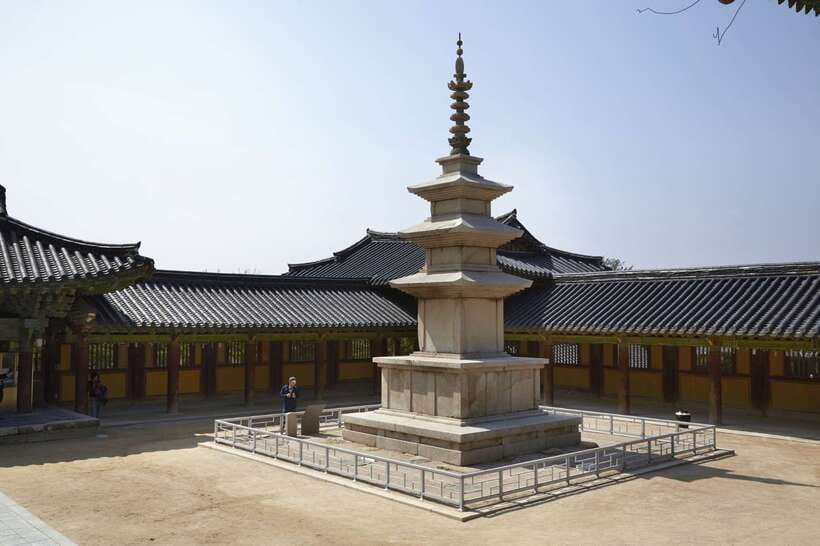
Next is Bulguksa Temple, another UNESCO anchor in Gyeongju. Together, Seokguram and Bulguksa make a clear theme: religious art and sacred spaces that reflect the power and culture of earlier dynastic eras. Even if you travel fast, this pairing is one you will remember, because the contrast between grotto and temple gives your brain two different visual worlds to store.
Then you head to Andong Hahoe Folk Village (UNESCO), preserved Joseon Dynasty ancient housing and culture. One extra bit of context that makes this village feel more significant: it has been visited by Queen Elizabeth II. That does not make it more valuable as a site, but it does help explain the international recognition behind its preservation.
After Andong Hahoe, you travel onward to Pyeongchang and check into Ramada Hotel PyeongChang or similar. The schedule gives you a more relaxed landing here, so you can rest before the final nature day.
Day 5: Mt. Seorak UNESCO biosphere day, plus the cable car choice
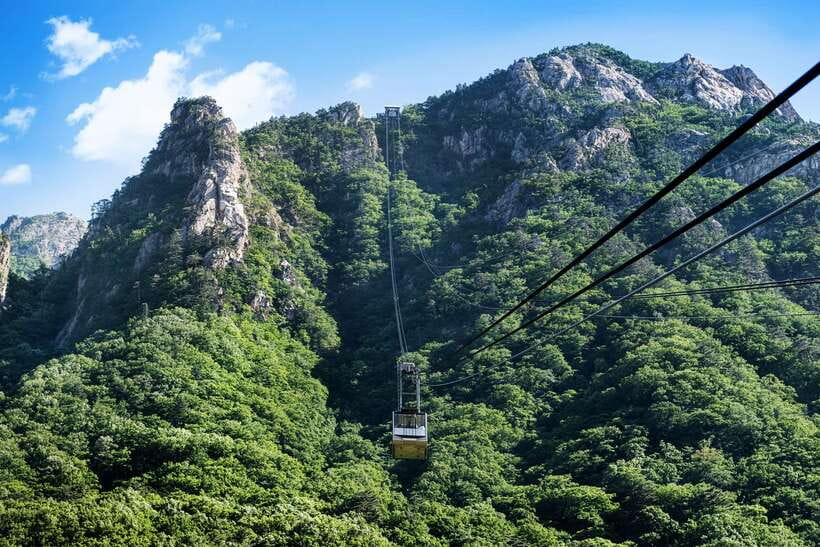
The last day is all about Mt. Seorak National Park (UNESCO), described as Korea’s most famous national park and part of a Biosphere Preservation District. The tour’s description focuses on the feeling you get there: valleys with jade-like water flowing through them and peaks breaking through clouds. Even if weather changes the view, the area is known for that drama, and this is the right ending for a history-first itinerary.
There is an important reality check for timing and access. Seoraksan could be restricted and may be skipped in October. The tour also notes that if it is accessible, buses may be restricted, and you may have to walk 3.6 km from the parking lot to the entrance. That is not a small walk. If you have any knee, stamina, or mobility concerns, you should plan for that possibility.
You also have an optional activity: a cable car to Gwongeumseong Fortress. The goal is an even more spectacular view, and the description ties it to the Shinheungsa temple area as well. If you are short on energy, you can likely choose to skip the cable car and just enjoy what you can access comfortably, but the tour framing makes the cable car sound like the fun splurge.
The tour concludes with a transfer back to Seoul, with an arrival time listed as 17:00 at Gwanghwamun.
Hotels, breakfasts, and how the guide support really shows up
You get 4 nights hotel accommodation on a twin or triple sharing basis, plus hotel breakfast each morning. The specific hotels are listed as examples, so your exact room location can vary depending on the departure group and availability:
- Jeonju Ramada hotel, or similar
- Ramada Plaza by Wyndham Yeosu, or similar
- Gyeongju Commodore Hotel, or similar
- Ramada Hotel PyeongChang, or similar
From departures I reviewed, a big positive theme was that the hotels were generally solid and the breakfasts were a highlight, especially breakfast buffets. The other thing that matters more than room size is consistency. The itinerary uses hotel check-ins at predictable points, which helps you avoid the stress of changing lodging mid-trip.
Guide quality is another major piece. Justin and Mr. Kim were specifically called out for keeping the program moving and working around practical constraints. In at least one instance, nearly everything still got done even with real-world crowd pressures and an APEC-related situation affecting logistics. That tells you something important: the tour is designed to handle tough days, not just easy ones.
One possible drawback to watch for is room category. On one departure, hotel rooms were reportedly not the best category, such as rooms closer to road or parking. That is usually not a deal breaker, but it can reduce the calm feeling you want after a long day.
Price and value: what $999 covers and what you must budget
The listed price is $999 per person, for a 5-day tour with 4 nights included. What you get for the money is fairly clear: air-conditioned transportation, an English-speaking guide, entry tickets for selected attractions, plus hotel breakfasts.
Lunch and dinner are not included. That means you should budget for two meals a day, and you will want cash or easily handled payments since the tour explicitly advises preparing enough KRW ahead of departure. The reason is practical: currency exchange can be hard during the trip.
Also not included: travel insurance, and hotel pickup or drop-off from Seoul. Meeting at Gwanghwamun is part of the deal. That affects value because it shifts some planning to you. If you are staying far from Gwanghwamun, factor in transit time so you are not stressed on Day 1.
Given all that, the value comes from the structure. You are paying for guided logistics across multiple provinces and for tickets at the main sights. If you tried to replicate this yourself, you would likely spend time figuring out train schedules and ticket lines, then lose some of the benefit of a tight itinerary.
Practical tips that make the difference on tour days
Bring comfortable shoes. The itinerary includes fortress sites, temples, market areas, and a major national park day that may include a long walk in October conditions.
Prepare enough KRW before you go. This is not a vague suggestion. The tour warns that exchanging currency may be difficult during the trip, so having cash ready helps at markets and for meals not included.
Plan for vehicle changes. The tour notes the vehicle size can change based on group size. That is usually fine, but it is good to know so you do not expect a consistent bus type.
Assume Seorak plans can shift in October. The tour states Seoraksan could be restricted and may be skipped in October, and bus restrictions can require that 3.6 km walk. If you are set on the park, keep your expectations flexible.
Should you book this UNESCO Korea tour from Seoul?
Book it if you want a guided, time-saving route that covers Korea’s major UNESCO anchors in a short window, with history in Gongju and Gyeongju, democratic-movement memory in Gwangju, seafood and ocean views in Busan, and a strong nature finale at Mt. Seorak.
Skip or rethink it if you dislike long walking days, or if October timing matters and you are not comfortable with possible Seoraksan restrictions and the 3.6 km entrance walk. Also, since lunch and dinner are on your own, make sure you are comfortable budgeting meals and using KRW.
If you are the kind of traveler who likes a plan but still enjoys real moments like a fish market, an oceanfront stroll, and the calm of a temple day, this route fits.
FAQ
Where do I meet the guide in Seoul?
Meet your guide at Donghwa Duty Free Shop Building at Gwanghwamun Intersection. Your guide will be holding a K-shuttle sign board, and you can use Metro Exit 6 of Gwanghwamun Station.
Is hotel pickup and drop-off from Seoul included?
No. Hotel pickup and drop-off from Seoul is not included. The tour starts at the listed meeting point and ends with a transfer back to Seoul at 17:00.
What is included in the tour price?
The price includes 4 nights hotel accommodation (twin or triple sharing), hotel breakfast, an English-speaking guide, entry tickets for selected attractions, and air-conditioned transportation.
Are lunch and dinner included?
No. Lunch and dinner are not included.
What should I bring?
Bring comfortable shoes. The itinerary includes walking at multiple sites, including the possibility of a longer walk if Seoraksan access is restricted.
Can Mt. Seorak be skipped or changed in October?
Yes. The tour notes Seoraksan could be restricted and may be skipped in October. It also warns that buses may be restricted for entry, and you must walk 3.6 km to the entrance from the parking lot.
Recently reviewed in Seoul
- You’re Invited to Our Home in Seoul: The Only Cooking Class!★ 5.0 · 8 reviews
- Your Personal Seoul Photographer!★ 4.1 · 15 reviews
- From Seoul: Yongpyong Ski Day Tour with Transportation★ 4.9 · 40 reviews
- Seoul: Korean & English Language Exchange Global Party★ 5.0 · 28 reviews
- Watching sports match & local food experience in Seoul★ 5.0 · 11 reviews
- WKT Combat Taekwondo & Self-defense One Day Class in Seoul★ 5.0 · 5 reviews
- Unique Native Experience : Han River Picnic, Board game, BBQ★ 5.0 · 3 reviews
- Seoul: Gangneung BTS K-Pop & K-Drama Filming Locations Tour★ 4.6 · 14 reviews
UNESCO Heritage Tours, compared.
Gyeongju UNESCO World Heritage Guided Day Tour
Read our review →
East Jeju Essentials – Seongsan Ilchulbong (UNESCO) & Haenyeo
Read our review →
Gyeongju UNESCO World Heritage Guided Day Tour from Busan
Read our review →
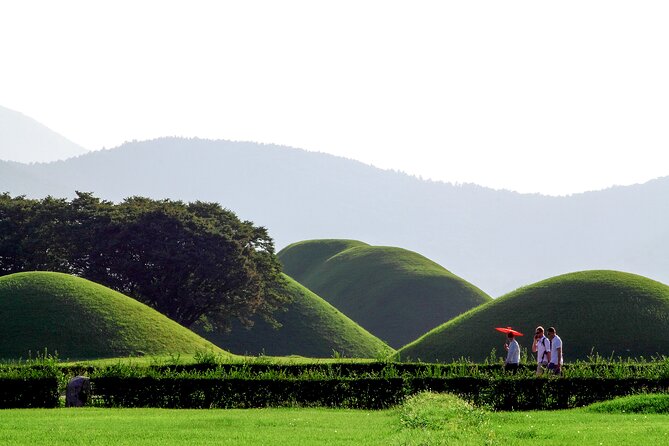
Gyeongju UNESCO sites Private tour with licensed tour guide
Read our review →
Private Gyeongju Tour – Explore Gyeongju UNESCO Sites
Read our review →
Browse the lists this tour appears in