
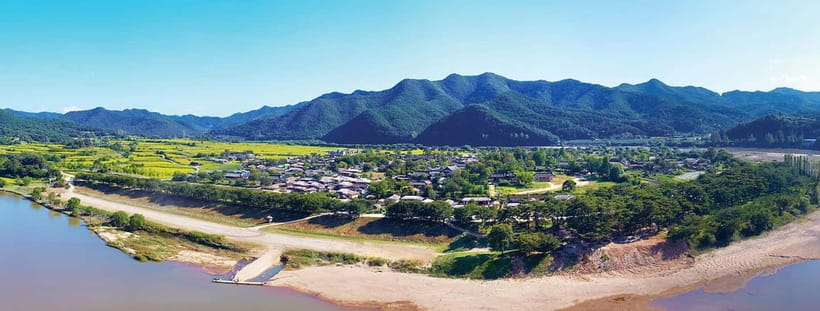
Reviewed · UNESCO HERITAGE TOURS
Andong: UNESCO Sites, Mask Dance, and Secret Garden & Bridge
Temples, scholar halls, and masks in one day. I especially love Bongjeongsa Temple for its calm, old-wood feel, and I also like how the day’s centerpiece Hahoe Byeolsin Gut Talnori connects folk spirituality to what you see in the UNESCO sites. The only real drawback is pacing, it involves a lot of walking and you cannot count on staying out late for the bridge unless you arrange extra time.
This is a private group day up to 5 people, with an English and Korean live guide and a van that does the hard work for you. You get guided time at multiple sites, plus a traditional Korean lunch and even dinner tied to the Wolyeonggyo Bridge stop when timing allows. Based on what I’ve seen in real-world feedback, the strongest part is the guide care, water and small extras, and clear explanations that make each place feel like more than a photo stop.
In This Review
- Key Points to Know Before You Go
- Andong in 8 Hours, How This Day Actually Feels
- Bongjeongsa Temple: Old Wooden Beauty and Quiet Energy
- Byeongsan Seowon: Joseon-Era Confucian Life, Not Just a Monument
- Buyongdae Observatory: A Simple Viewpoint Break That Helps You Enjoy the Rest
- Hahoe Byeolsin Gut Talnori Mask Dance: The Show, the Meaning, and Monday Rules
- Hahoe Folk Village: Walking Yangjindang, Chungyodang, Mansongjeong, and the Mask Museum
- Okyeonjeongsa, Hwachun Seowon, and the Jingbirok Thread
- Nakgangmulgil Park and Wolyeonggyo Bridge Night Views You Can Actually Time
- What’s Included in the Day, and What You’ll Likely Want to Add
- Price and Value: Is $401 per Group Up to 5 a Good Deal?
- Walking, Weather, and Photo Etiquette: Small Things That Matter
- Should You Book This Andong UNESCO, Masks, and Night Bridge Day?
- FAQ
- Is there a mask dance performance on Mondays?
- How long is the tour?
- What stops are included during the day?
- What is the meeting and pickup setup?
- What should I bring?
- What languages are offered?
- Is this tour private?
Key Points to Know Before You Go
- Bongjeongsa Temple gives you one of Korea’s oldest wooden temple experiences in a genuinely quiet setting.
- Byeongsan Seowon is not just a pretty academy, it explains Joseon-era Confucian learning and values.
- Hahoe mask dance runs daily except Mondays, and the timing can stretch into the evening.
- Hahoe Folk Village includes major named sites and the World Mask Museum area, so you get context.
- Wolyeonggyo Bridge is a meaningful night-view stop, but your time there may be limited without overtime.
Andong in 8 Hours, How This Day Actually Feels
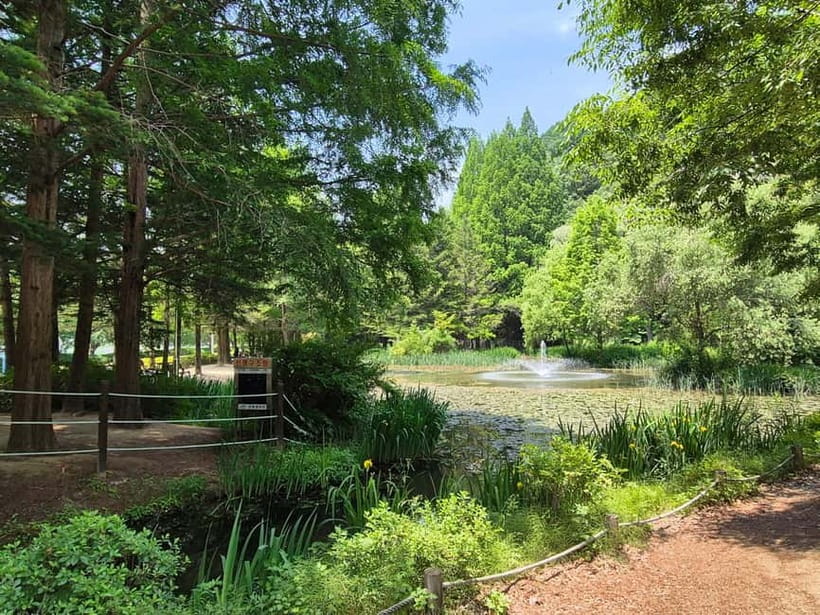
Andong is the kind of place where culture shows up in layers. You have Buddhism at Bongjeongsa, Confucian scholarship at Byeongsan Seowon, and then the older, folk-based spiritual world of Hahoe. What makes this tour work is that the stops connect, so the day doesn’t feel like a checklist.
You start with a monastery, then move to scholar halls, then drop into Hahoe Village for the mask dance and village walking. It’s a smart flow because each place resets the mood. When you’re done, you get river views from Buyongdae and end with night atmosphere at Wolyeonggyo Bridge, plus dinner if timing lines up.
The tour is designed for a private group, so you can move faster than big-group tours. Still, it is not a “sit all day” plan. If you have a low tolerance for walking or uneven ground, you’ll feel it.
More UNESCO Heritage Tours in South Korea:
- From Busan: Gyeongju UNESCO World Heritage Guided Day Tour
★ 4.8 · 1,250 reviews - Jeju: Eastern Jeju UNESCO Spots Day Tour
★ 4.9 · 1,148 reviews - East Jeju Essentials – Seongsan Ilchulbong (UNESCO) & Haenyeo
★ 5.0 · 939 reviews
Bongjeongsa Temple: Old Wooden Beauty and Quiet Energy
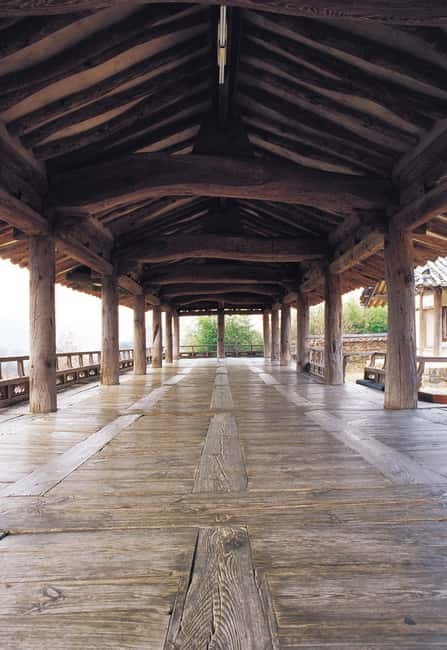
Bongjeongsa Temple is one of the oldest wooden temples in Korea, and the first thing you notice is scale and stillness. This is not just a place to point and shoot. You’re guided through the architecture and the temple setting, with time to look around calmly.
Expect classic temple atmosphere: stone, wood, courtyards, and those pockets of quiet where you can feel why people keep returning. The location matters too. The tour builds in a scenic drive and a longer stop for photos and guided viewing, so you’re not rushed the moment you arrive.
Practical tip: wear shoes with grip. Temple grounds often mean small slopes and paths that can be slick depending on weather. Bring your camera, but take a breath before you photograph everything, the best moments are the in-between views, when you’re not framing.
Byeongsan Seowon: Joseon-Era Confucian Life, Not Just a Monument
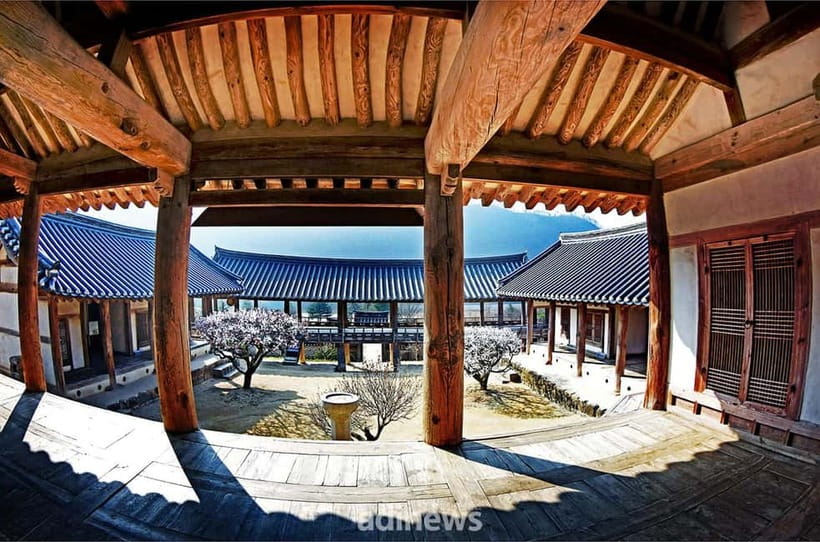
Next comes Byeongsan Seowon, a historic Confucian academy from the Joseon Dynasty. What I like about this stop is the teaching angle. The guide helps you understand what this place was for: education, morality, and scholarship in a structured cultural system.
You’ll have time to walk and look at historical artifacts and monuments around the academy grounds. It feels more human than a typical “museum stop” because seowon sites are designed for learning and reflection, surrounded by nature rather than sealed behind glass.
One good consideration: this is still an outdoor site, so lighting and temperature affect how long you’ll want to linger. If it’s hot, you’ll appreciate that the schedule includes breaks and scenic drives to keep you comfortable.
Buyongdae Observatory: A Simple Viewpoint Break That Helps You Enjoy the Rest
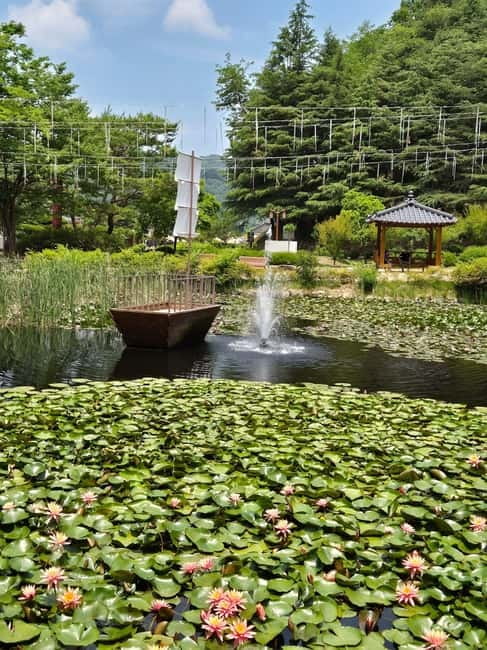
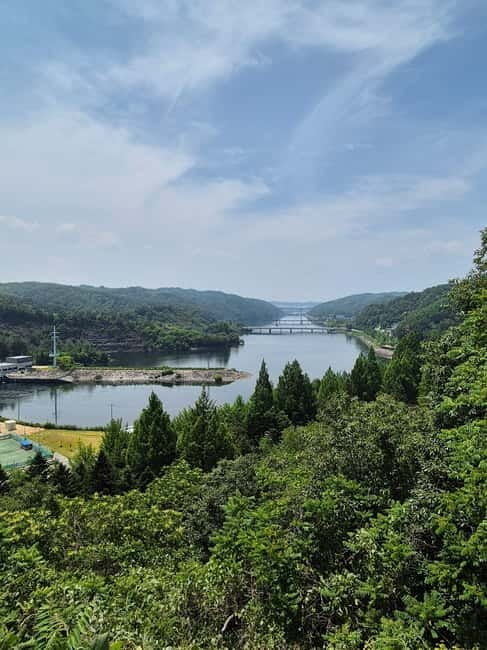
Between the academic stop and Hahoe Village, you get a breather at Buyongdae Observatory. This is where the Nakdong River and surrounding mountains become your background, not just scenery.
The stop is short compared to the major cultural sites, but it’s timed well. You get guided explanation and photo opportunities, plus free moments to just look. That matters because after walking and learning, your brain needs a reset.
If you tend to get rushed at viewpoints, treat this one as your “gear check.” Drink water, wipe sunscreen, and take 10 minutes without moving. Then you’ll be ready for the more active, later-evening energy in Hahoe.
Same trip, a different corner of the country:
- Best DMZ Tour Korea from Seoul (Red Suspension Bridge Optional)
★ 5.0 · 41,422 reviews - DMZ Tour: 3rd Tunnel, Option(Suspension Bridge, Boat) from Seoul
★ 5.0 · 21,373 reviews - DMZ tour south Korea from Seoul (NK experience hall, defector)
★ 5.0 · 20,599 reviews - DMZ Insider Tour: 3rd Tunnel, NK Defector Meet & Red Bridge
★ 4.9 · 15,214 reviews
Hahoe Byeolsin Gut Talnori Mask Dance: The Show, the Meaning, and Monday Rules
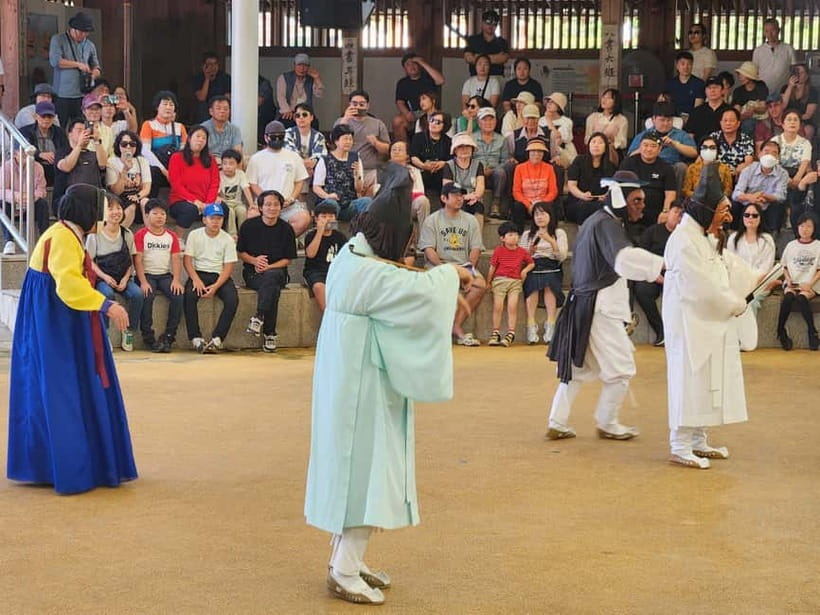
The mask dance is the emotional center of the day. Hahoe Byeolsin Gut Talnori is rooted in shamanistic beliefs from Hahoe Village, and the performance brings that world to life through elaborate masks, traditional music, and bold movements.
Here’s the key scheduling rule: there is no mask dance performance on Mondays. The tour is structured around seeing this, so if your visit day is Monday, check expectations early and be ready for the possibility that the performance moment changes.
Also note the show timing. The tour information states the mask dance runs late into the evening, and the broader Hahoe cultural schedule can extend beyond your comfort zone. That’s where having a guide and a set plan helps, because you won’t be guessing where to be and when.
One more option for fans of traditional performance: the Seonyu Jullbul play of the noble class. It can require a reservation and an additional fee, and it’s mentioned as running on every other Saturday from summer to fall starting in 2025 due to popularity. If this is your must-see, plan it ahead so the day doesn’t feel like it’s stealing time from you.
Hahoe Folk Village: Walking Yangjindang, Chungyodang, Mansongjeong, and the Mask Museum
After the performance, you head into Hahoe Folk Village for a guided tour plus time to roam. This part is where the day turns from “watching” into “understanding.”
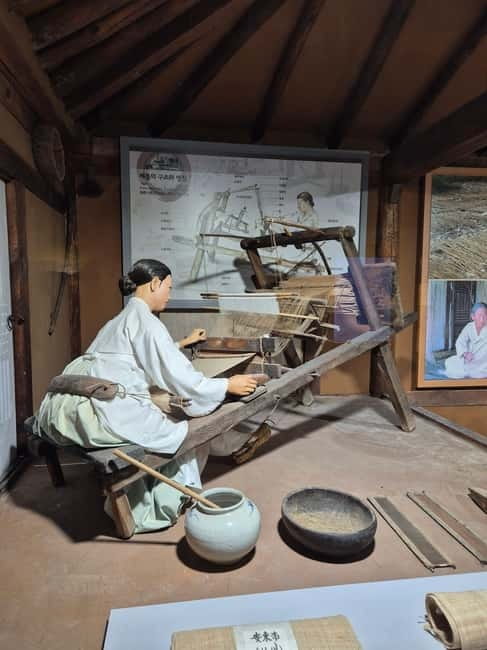
You’ll explore key named sites including Yangjindang, Chungyodang, and Mansongjeong, with guidance to connect what you saw in the mask dance to the places where people lived and practiced local culture. You also get a stop connected to the World Mask Museum, which adds a big layer of context for why masks matter here, beyond a single performance.
You also get free time for practical enjoyment: street food, local snacks, shopping, and an arts-and-crafts market visit. This is a good place to slow down and do the small stuff, buy something small, and try one snack you don’t already know.
Footwear note again: village paths can be uneven. Comfortable shoes aren’t optional for the full experience.
Okyeonjeongsa, Hwachun Seowon, and the Jingbirok Thread
The UNESCO story doesn’t stop at the first academy and village. The tour also includes historical sites of Hwachun Seowon and Okyeonjeongsa, where the famous Jingbirok was written.
I like this addition because it gives you a more specific intellectual anchor. Instead of vague “Joseon Confucianism” talk, you get a concrete connection to Joseon-era writing and recording. It helps make the academy world feel real, like it produced work that mattered enough to be remembered.
Time-wise, this stop is part of the UNESCO heritage run. So you’ll want to pay attention to the guide’s explanation, since you won’t have hours on end at every single point. When you do it right, you leave with a sense of meaning, not just locations.
Nakgangmulgil Park and Wolyeonggyo Bridge Night Views You Can Actually Time
After the UNESCO heritage portion, the experience highlights Nakgangmulgil Park and then pushes toward the night view of Wolyeonggyo Bridge. This is where Andong shifts from daytime culture to evening atmosphere.
Wolyeonggyo Bridge is famous for night views, and it carries a story too. The bridge was built to commemorate the love of Woni’s mother. Whether you know the tale beforehand or not, the guide context helps you see the bridge as something more than a viewpoint.
One timing warning matters: you cannot stay late into the evening as part of the standard plan. If you want the full-night experience, the tour information suggests making a reservation in advance for overtime. If you miss that window, you can still enjoy the sunset and evening light, but don’t expect to linger forever.
Dinner is included with the bridge stop when the schedule allows, which is a smart pairing. You’re not rushing to find food right after the performance or right at dusk.
What’s Included in the Day, and What You’ll Likely Want to Add
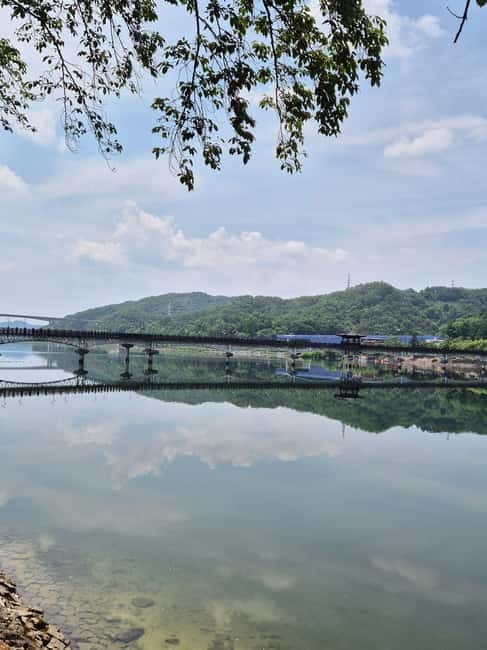
The day includes guided visits to Bongjeongsa Temple, Byeongsan Seowon, Buyongdae, the Hahoe Byeolsin Gut Talnori performance, Hahoe Folk Village, and Wolyeonggyo Bridge if timing makes it possible.
You should also expect a traditional Korean lunch. It’s one of those practical details that makes long tours enjoyable, because food is taken care of before you’re too tired to think.
The tour information lists a few extras that are not included, like traditional Korean tea, organic foot bath, and gua sha experience. If those are your thing, treat them as add-ons you can tack on elsewhere, because this day is already packed with major cultural stops.
Price and Value: Is $401 per Group Up to 5 a Good Deal?
At $401 per group up to 5 people for an 8-hour day, the value depends on how you compare it.
If you were doing this alone, you’d need transportation between scattered sites, a plan for performance timing, and enough language help to make the Joseon and Hahoe stories click. This tour bundles a van, pickup support, skip-the-ticket-line efficiency, a live English and Korean guide, and time at multiple major locations in a single day.
The private group format also helps value. You’re not stuck with pacing decisions made for strangers. Plus, the reviews point to a guide who pays attention to small needs like water and snacks, and that kind of on-the-ground care is hard to replicate when you’re managing everything yourself.
When it might not be a great fit: if your group is smaller but you’re only interested in one or two stops, you might prefer splitting things with another plan. But if you want the full cultural arc from UNESCO sites to masks to night bridge views, this pricing starts to look fair.
Walking, Weather, and Photo Etiquette: Small Things That Matter
This day involves a lot of walking, so plan for it like a real half-day hike, not a gentle sightseeing stroll. Comfortable shoes are required. Bring sunscreen and water, and plan to take breaks when you get them.
Photography is allowed, but you should be respectful in cultural spaces. The guide will set the tone, so follow instructions around temples and academy grounds.
Weather matters because you have outdoor segments at temples and seowon areas, plus a night-view component at Wolyeonggyo Bridge. Check forecasts and dress for wind or heat. If it’s rainy, you’ll still be moving, so grip and layers become your best friends.
Should You Book This Andong UNESCO, Masks, and Night Bridge Day?
I think you should book if you want one organized day that connects three different cultural worlds in Andong: Buddhist temple life, Joseon Confucian education, and Hahoe folk spirituality through the mask dance. The private group size makes it easier to enjoy without feeling herded, and the guided explanations help you get meaning out of each stop.
Skip it or rethink the plan if you are visiting on a Monday and you specifically want the mask dance. The performance is not scheduled on Mondays, and since the tour is built around that moment, your day may feel different than the ideal version.
If you can walk comfortably and you like guided cultural stops with real stories behind them, this is a strong way to spend your time in North Gyeongsang. The night views at Wolyeonggyo Bridge are a satisfying finish, especially when the schedule lines up and you’re not too tired to enjoy the moment.
FAQ
Is there a mask dance performance on Mondays?
No. The tour information states there is no mask dance performance on Mondays.
How long is the tour?
The duration is 8 hours.
What stops are included during the day?
Included visits include Bongjeongsa Temple, Byeongsan Seowon, Buyongdae, Hahoe Byeolsin Gut Talnori, Hahoe Folk Village, and Wolyeonggyo Bridge if it is possible based on timing.
What is the meeting and pickup setup?
Pickup is included. You meet the guide holding a yellow hand-shaped sign at Andong train station or bus terminal, and also at the hotel lobby nearby for those coming from Seoul, Busan, and Daegu.
What should I bring?
Bring comfortable shoes, a camera, sunscreen, and water.
What languages are offered?
The live tour guide is available in English and Korean.
Is this tour private?
Yes. It is a private group, up to 5 people.
Recently reviewed in South Korea
- You’re Invited to Our Home in Seoul: The Only Cooking Class!★ 5.0 · 8 reviews
- Your Personal Seoul Photographer!★ 4.1 · 15 reviews
- From Seoul: Yongpyong Ski Day Tour with Transportation★ 4.9 · 40 reviews
- Yeosu: Private Taxi Car Private Charter Tour★ 4.7 · 3 reviews
- Seoul: Korean & English Language Exchange Global Party★ 5.0 · 28 reviews
- Watching sports match & local food experience in Seoul★ 5.0 · 11 reviews
- Western Jeju Healing UNESCO Small Group Day Tour★ 5.0 · 5 reviews
- WKT Combat Taekwondo & Self-defense One Day Class in Seoul★ 5.0 · 5 reviews
UNESCO Heritage Tours, compared.
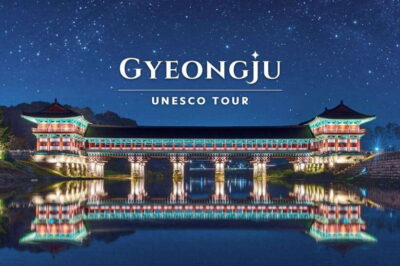
Gyeongju UNESCO World Heritage Guided Day Tour
Read our review →
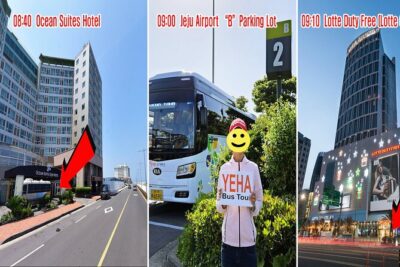
East Jeju Essentials – Seongsan Ilchulbong (UNESCO) & Haenyeo
Read our review →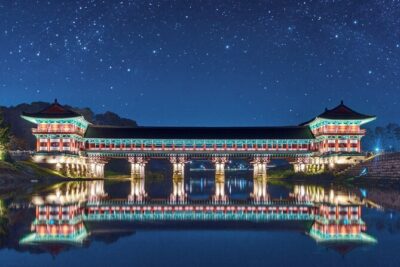
Gyeongju UNESCO World Heritage Guided Day Tour from Busan
Read our review →
Gyeongju UNESCO sites Private tour with licensed tour guide
Read our review →
Private Gyeongju Tour – Explore Gyeongju UNESCO Sites
Read our review →
Browse the lists this tour appears in