
Reviewed · COOKING CLASSES
2-Hour Private K Cooking Class
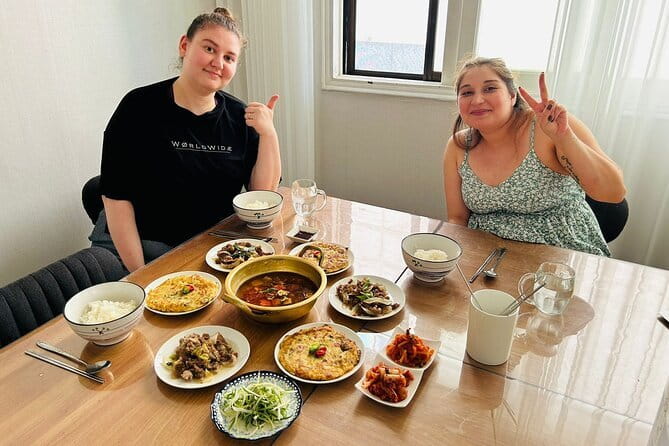
Korean cooking starts with the shopping. In this private Seoul class, you learn Korean food by pairing a real market visit with hands-on cooking and culture coaching, from simple recipes to how people actually eat and toast. The meeting point is at Mangwon Station, and the experience loops you back there at the end.
What I like most is how practical the market piece feels. You get help selecting ingredients and understanding what they mean in Korean cooking, including how to find and buy everyday staples in local Korean stores, not just in a special shop window. I also love that the recipes are designed for your own kitchen, with clear guidance you can use again after you get home.
One thing to consider is the afternoon option centers on alcohol culture and drinking games. If you do not drink, or you prefer a low-key class, you’ll want to choose the market-focused time slot (or confirm how the drinking games are handled for non-drinkers) before you book.
In This Review
- Key highlights you will actually use
- Why this Seoul cooking class feels different from a standard food tour
- Mangwon Station and the simple rhythm of getting started
- Morning market tour: the ingredient skills you need in real life
- Cooking class results: recipes built for your kitchen, not theirs
- Basic Korean, dining etiquette, and the toast part of the meal
- Afternoon alcohol culture and drinking games: fun, but choose your comfort level
- What $80 buys you: value check and where the price makes sense
- Who should book this private K cooking class
- Should you book it? My practical verdict
- FAQ
- Where is the meeting point for the class?
- How long is the private K cooking class?
- Is this a private experience?
- What is included in the price?
- Are coffee or tea included?
- What is the cancellation policy?
Key highlights you will actually use
- Mangwon Station start makes it easy to plug into your Seoul day with public transit.
- Traditional market tour teaches how to pick fresh ingredients and what to look for.
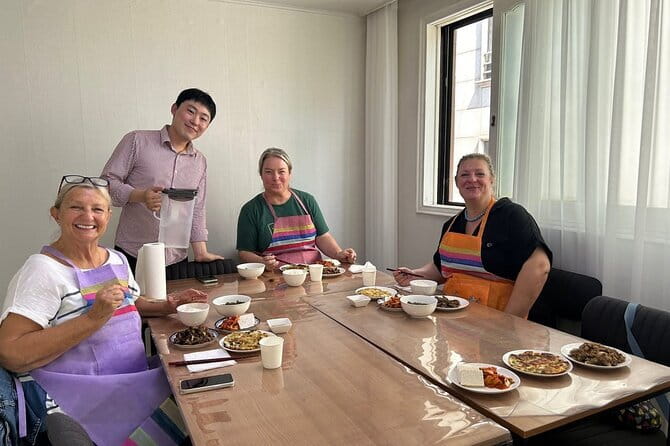
- Easy home recipes focus on repeatable versions, not restaurant-only techniques.
- Basic Korean + dining etiquette helps you order, eat, and toast with more confidence.
- Illustrated recipe handouts make the take-home cooking process smoother.
- Alcohol culture and drinking games add a social, not just academic, side to Korean food culture.
Why this Seoul cooking class feels different from a standard food tour
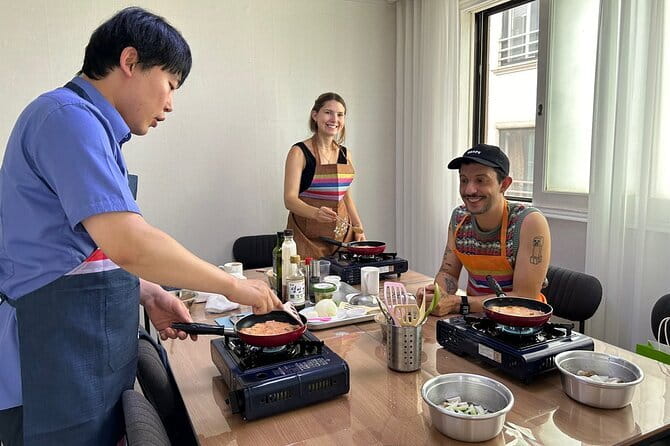
Most cooking classes stop at instructions. This one starts earlier, with the ingredients and the culture around them, so you learn the why as much as the how. Even if you only take one session, the class style is meant to help you function in Korea after the cooking ends.
The best value here is the combination: market skills plus recipe coaching plus cultural know-how. I like that it is not only tasting. You are meant to understand selection, cooking flow, and the basic social rules of eating and drinking.
It is also private, meaning your group moves at your pace and you can ask questions without feeling rushed. If you like guided explanation but also want a conversational pace, that setup tends to work well.
Finally, the hosting is a big part of the experience. In the reviews, the host Jay is praised for being open to questions and for connecting dishes to the story behind Korean food. That matters, because when you know what a dish is aiming for, your home cooking gets more consistent.
More Cooking Classes in Seoul:
- Local Home Korean Cooking Class & Market Adventure in Seoul
★ 5.0 · 1,024 reviews - Master Korean traditional cooking with a Kimchi chef
★ 5.0 · 385 reviews - Seoul: Korean Cooking Class at a Local Home and Market Tour
★ 5.0 · 348 reviews
Mangwon Station and the simple rhythm of getting started
You meet at Mangwon Station and you finish back at the meeting point. That sounds small, but it saves real time in Seoul, where hopping between neighborhoods can be exhausting.
The class uses a mobile ticket, so you are not stuck hunting paperwork. It is also close to public transportation, which helps if you are juggling other plans like shopping, palaces, or dinner reservations.
Time-wise, plan on about 2.5 hours (approx.). That is long enough to learn, cook, and get take-home materials, but short enough that you can still enjoy the rest of your day without feeling like your whole schedule gets swallowed.
Because it is private, you should think of it as a focused session with a guide and a cook, rather than a long group outing. You will likely get more back-and-forth during questions, substitutions, and how to shop for ingredients on your own.
Morning market tour: the ingredient skills you need in real life
If you choose the morning session, you start with a traditional Korean market tour. This is where the experience earns its keep. Learning Korean food is not just about recipes. It is about knowing how to buy what the recipe expects.
A good market guide helps you slow down and notice details. You learn which ingredients matter, how they are typically used, and how Koreans tend to select them. The goal is that you can recreate the flavor at home, not just follow a list of measurements.
From the class description, you also learn the significance of key ingredients in local food culture. That can be practical, because it explains why certain flavors and textures show up again and again in Korean cooking. It is also useful when you shop later in Seoul on your own.
In one of the reviews, expats specifically appreciated learning how to navigate buying staples in local Korean stores. That is the kind of skill that pays off immediately. You stop guessing, you start recognizing labels, and you feel more confident when you want to cook something on a busy weeknight.
Practical tip for your prep: wear shoes that handle uneven walkways. Markets reward slow walking, and you will likely be moving through aisles with a bit of stop-and-start time.
Cooking class results: recipes built for your kitchen, not theirs
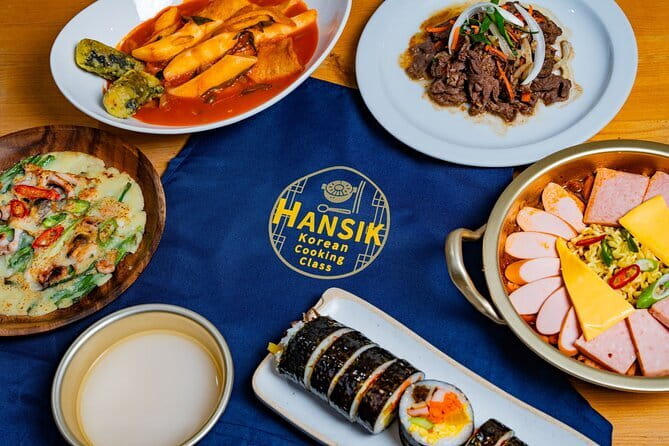
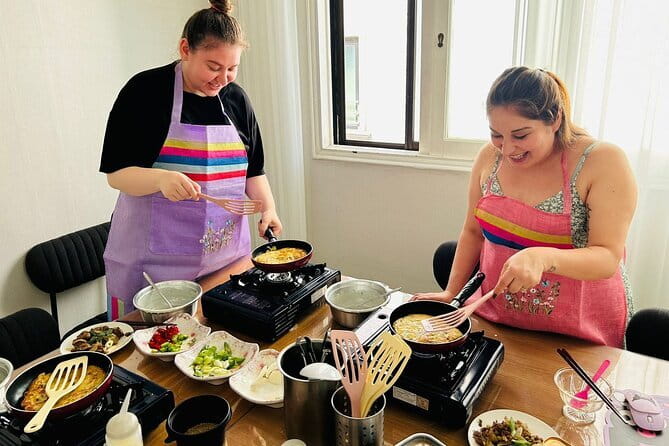
Across the program, the cooking focus is on simple Korean recipes you can make at home. That is a big deal for value. A class that gives you ingredients but no usable method is just a fun day. This is designed to teach the parts that let you cook again later.
You get ingredients, a beverage, and cooking utensils as part of what is included. That means you are not showing up worried about what supplies you forgot. You also avoid the common disappointment of paying for a “demo” only to find out you did not actually cook.
The reviews mention that the host provides recipes that are beautifully illustrated. Illustrated instructions help in two ways. First, you can match the look of the dish as you cook. Second, they act like a memory booster when you try the recipe days later.
One review specifically says they cooked multiple delicious dishes together and received the recipes at the end. While the exact number of dishes can vary by session and group flow, the key point is consistent: you leave with clear steps, not vague advice.
When you cook at the level of detail this class uses, you usually come away with a few “go-to” dishes. That is how Korean cooking becomes sustainable, not just a one-time souvenir.
A few more Seoul days worth comparing
- Best DMZ Tour Korea from Seoul (Red Suspension Bridge Optional)
★ 5.0 · 41,422 reviews - DMZ Tour: 3rd Tunnel, Option(Suspension Bridge, Boat) from Seoul
★ 5.0 · 21,373 reviews - DMZ tour south Korea from Seoul (NK experience hall, defector)
★ 5.0 · 20,599 reviews - Seoul: The Best DMZ Tour with Optional Suspension Bridge
★ 4.7 · 4,978 reviews
Basic Korean, dining etiquette, and the toast part of the meal
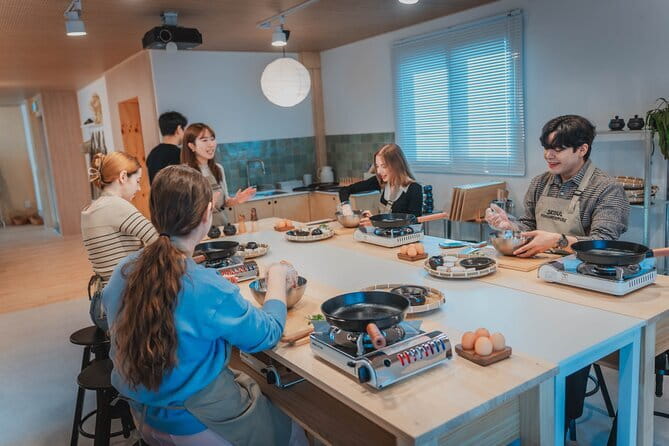
Korean food culture is social. Even if you cook at home, you still eat in a culture with rules about timing, seating, and sharing.
This class includes basic Korean language and dining etiquette, plus education on drinking culture. Think of this as confidence-building for the real world, especially if you plan to eat out after the class.
What makes etiquette useful is that it reduces awkward moments. If someone toasts, you know the basic flow. If you are offered something to share, you have a better idea of what to do. If you are ordering or asking a question in a restaurant, you have a few phrases that make the interaction smoother.
The drinking culture part is not only about alcohol. It is also about how people connect through the meal. In the afternoon session, the class adds drinking games, which can be a fun way to practice social rhythm, not just take notes.
In the reviews, Jay is praised for being open to questions and for helping people build understanding, not just memorize steps. That kind of teaching approach tends to make language and etiquette lessons stick faster.
Afternoon alcohol culture and drinking games: fun, but choose your comfort level
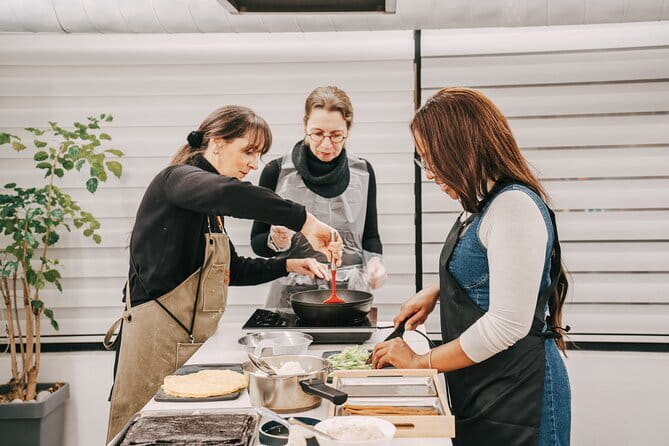
If you book the afternoon class, you get alcohol culture and drinking games experience. This is where the program shifts from purely food technique to the social structure around food and drinks.
This part can be a highlight, especially if you want to meet new people and learn how Koreans actually relax during a meal. Drinking games also create a built-in way to participate without needing perfect language skills.
That said, it is smart to consider your comfort level first. The class is described as including drinking games, which means the atmosphere is likely more energetic. If you do not drink, or you are sensitive to alcohol-focused activities, it is worth asking how non-drinkers are handled. At minimum, confirm what participation looks like before you go all in.
For the rest of us, the practical value here is understanding what people mean when they talk about Korean drinking culture. You learn the etiquette context, the social pacing, and how food supports the whole experience, including the role of sharing dishes and keeping conversation going.
What $80 buys you: value check and where the price makes sense
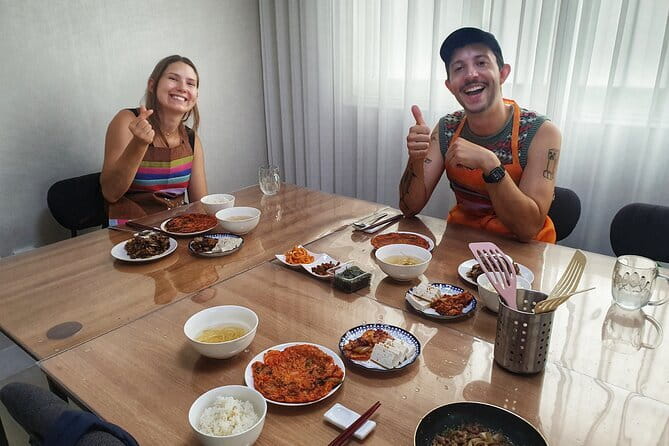
At $80 for about 2.5 hours, you are paying for more than cooking instructions. You are paying for three things that add up: guided market shopping (when you choose the morning option), hands-on cooking with ingredients and utensils provided, and culture coaching that goes beyond food.
The included items matter for value:
- Ingredients
- Beverage
- Cooking utensils and related materials
The class does not include coffee and/or tea or additional beverages. That is common for food experiences, but it is still worth remembering so you do not get surprised later.
If you compare it to a typical cooking class that only teaches a recipe, the market and culture coaching give you extra practical tools. And compared to a market tour alone, you get take-home instructions and a chance to cook, so you translate your shopping knowledge into something you can repeat.
The private format also affects the value. You are paying more than a group class, but you gain attention and flexibility. If your group includes people who ask lots of questions, that attention can be worth it fast.
One more value note: because the class teaches basics like Korean language and dining etiquette, it helps even if you do not want to cook everything later. You still gain skills for eating in Seoul.
Who should book this private K cooking class
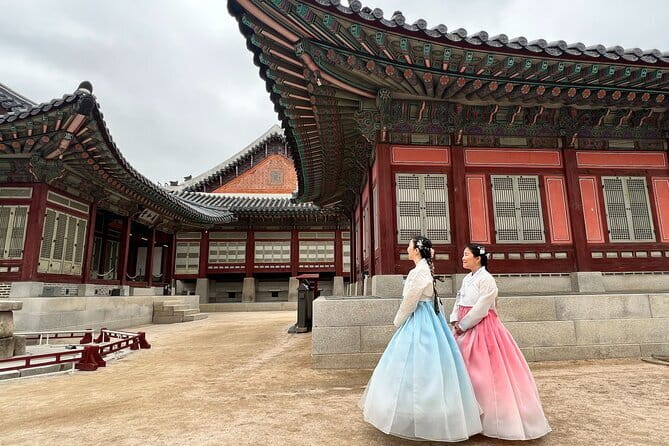
This class is a good fit if you want Korean food that is both hands-on and usable at home. You will likely enjoy it if you like:
- learning how to shop, not only how to cook
- recipes that you can repeat without professional equipment
- cultural context like dining etiquette and drinking culture
- a private, question-friendly format
It is especially attractive for visitors who feel comfortable eating Korean food but want to understand what makes flavors work. The market piece also appeals to people who love food shopping and want to stop guessing what an ingredient is for.
If you are traveling as an expat or you already live in Korea, you may find the staple-shopping tips especially useful. One review called out that advantage directly, and it makes sense. Once you know how to navigate common Korean stores, you can cook Korean meals at a normal routine pace.
If your group includes non-drinkers or anyone who prefers a quiet class atmosphere, choose the session carefully. The afternoon alcohol culture element is built into the experience.
Should you book it? My practical verdict
I would book this class if you want a real skill transfer: market selection, simple cooking methods, and basic cultural confidence. The combination of a guide like Jay, clear step-by-step recipes, and illustrated handouts makes it the kind of experience that keeps paying off after your trip.
I would think twice if you are strongly opposed to any alcohol-centered activity. The afternoon session includes drinking games, so pick the market-focused option or ask how participation works if you do not drink.
If you are on the fence, here is the decision shortcut:
- Choose morning if you want ingredient shopping and Korean food basics in a calmer setting.
- Choose afternoon if you want the social side, etiquette, and drinking games as part of learning Korean food culture.
FAQ
Where is the meeting point for the class?
The class starts at Mangwon Station in Seoul, South Korea. It also ends back at the meeting point.
How long is the private K cooking class?
The experience is approximately 2 hours 30 minutes.
Is this a private experience?
Yes. It is a private tour/activity, and only your group participates.
What is included in the price?
The price includes ingredients, a beverage, cooking utensils, and related items.
Are coffee or tea included?
No. Coffee and/or tea are not included, and additional beverages are not included.
What is the cancellation policy?
You can cancel for a full refund if you cancel up to 24 hours in advance. If you cancel less than 24 hours before the start time, the amount paid is not refunded.
Recently reviewed in Seoul
- Your Personal Seoul Photographer!★ 4.1 · 15 reviews
- You’re Invited to Our Home in Seoul: The Only Cooking Class!★ 5.0 · 8 reviews
- From Seoul: Yongpyong Ski Day Tour with Transportation★ 4.9 · 40 reviews
- Seoul: Korean & English Language Exchange Global Party★ 5.0 · 28 reviews
- Watching sports match & local food experience in Seoul★ 5.0 · 11 reviews
- WKT Combat Taekwondo & Self-defense One Day Class in Seoul★ 5.0 · 5 reviews
- Unique Native Experience : Han River Picnic, Board game, BBQ★ 5.0 · 3 reviews
- Seoul: Gangneung BTS K-Pop & K-Drama Filming Locations Tour★ 4.6 · 14 reviews
Cooking Classes, compared.
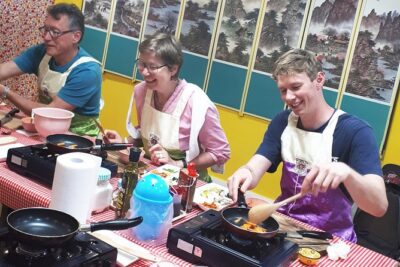
Local Home Korean Cooking Class & Market Adventure in Seoul
Read our review →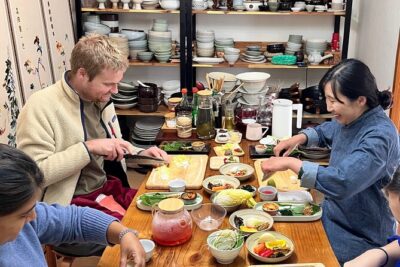
Master Korean traditional cooking with a Kimchi chef
Read our review →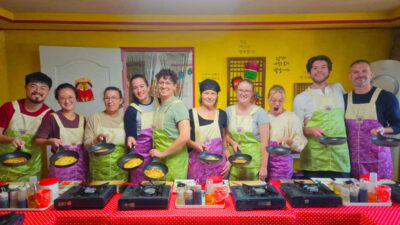
Korean Cooking Class at a Local Home and Market Tour
Read our review →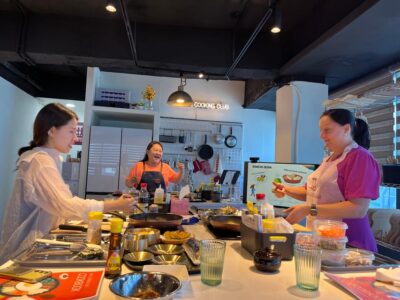
Experience Korean Cooking in Modern Hanok Kitchen
Read our review →
Korean Cooking Class with Grocery Shopping at Seoul Local Market
Read our review →
Taste of Korea, Authentic home style Cooking class
Read our review →Browse the lists this tour appears in