Reviewed · SEOUL TOURS
Traditional Korean Bookbinding Experience in Seoul, Hongdae
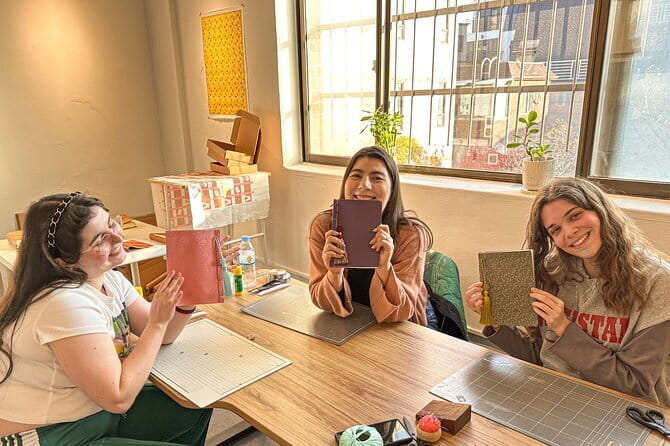
Paper, silk, and knots in Hongdae. This 2-hour workshop turns Hanji paper into a handbound notebook with a silk-pattern cover. I love picking from 22 silk designs and I love the final touch, tying your own Norigae knot. One thing to consider: it is a focused studio class, so come ready to concentrate and stay with the pace.
This is the kind of activity you do once, then keep forever. You are guided through each stage, from choosing your materials to binding, then decorating and packing it so it is gift-ready.
If you hate hands-on tasks or you want a lot of free time to explore nearby, this may feel too structured. But if you like making something with your own hands, it is a great match.
In This Review
- Key highlights at a glance
- Why Hongdae bookbinding feels both traditional and practical
- Hanji and silk, what makes this notebook more than a souvenir
- Step-by-step: choosing your silk, Norigae, and thread
- 1) Choose your silk cover
- 2) Select Norigae and thread
- Learning Hanji the right way: what you actually need to know
- Binding silk and Hanji: the hands-on part that makes it real
- The Norigae knot finish: a detail you can feel proud of
- Logistics that matter in a 2-hour Hongdae session
- Price and value: why $49 works for what you get
- Who should book this Korean bookbinding class
- Should you book Danchoodan in Hongdae
- FAQ
- How long is the bookbinding experience?
- How much does it cost, and what is included?
- What do I make, and can I choose my design?
- Where is the meeting point, and when does it start?
- Is the group size limited?
- What are the age rules and entry limits?
- Can I cancel and get a full refund?
Key highlights at a glance
- Hanji with Joseon Dynasty roots: Traditional paper tied to the Annals of the Joseon Dynasty and UNESCO Memory of the World.
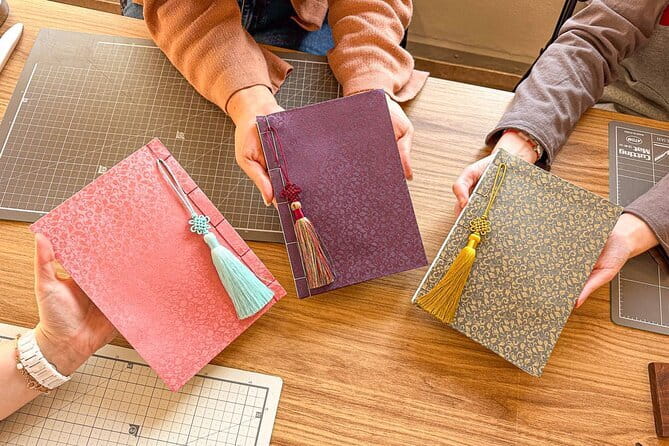
- Choose your silk cover: Pick from 22 Korean-pattern silk options.
- Norigae knot as the finishing step: You select the Norigae ornament and tie the knot on your notebook.
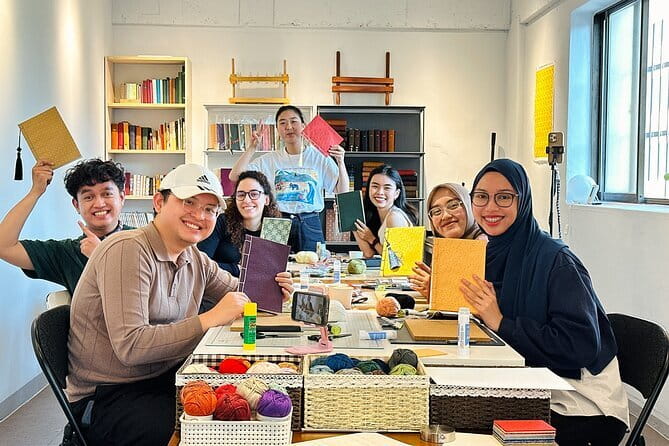
- Small group for a smoother class: Maximum of 12 participants, with a licensed guide.
- Take-home results: You leave with a notebook packaged for easy gifting.
Why Hongdae bookbinding feels both traditional and practical
Hongdae gets a reputation as a hangout zone, but you can still find real craft work there. This class is set up so the tradition is not just decorative, it becomes part of what you make. In other words, you do not only look at Korean paper arts, you produce one.
The best part is that the skills you learn are simple enough to follow in a 2-hour session, but traditional enough that the result feels meaningful. You come for a workshop, but you leave with an object that has a story baked into the materials: Hanji and silk, then finished with a Norigae knot.
A few more Seoul days worth comparing
- Best DMZ Tour Korea from Seoul (Red Suspension Bridge Optional)
★ 5.0 · 41,422 reviews - DMZ Tour: 3rd Tunnel, Option(Suspension Bridge, Boat) from Seoul
★ 5.0 · 21,373 reviews - DMZ tour south Korea from Seoul (NK experience hall, defector)
★ 5.0 · 20,599 reviews
Hanji and silk, what makes this notebook more than a souvenir
Let’s talk materials, because that is the heart of this experience.
You will use Hanji, the traditional Korean paper used for centuries, including for the Annals of the Joseon Dynasty. Those records are listed on UNESCO Memory of the World, which gives you a strong clue that this is not “craft-store paper.” Hanji is known for being made by hand and for lasting well.
Then comes the cover. You choose silk with Korean traditional woven patterns, so the outside looks classy in a very specific, old-world way. The class even leans into the symbolism: silk is said to last 500 years, while Hanji can last 1,000 years. You might not be around to test that, but it does explain why this notebook is meant to be kept.
Practical takeaway for you: when you make a notebook from these materials, it makes a nicer keepsake than typical tourist crafts. It also works as a real journal when you get home, because the whole thing is built as a book, not just a display piece.
Step-by-step: choosing your silk, Norigae, and thread
The class breaks down into clear stages, and each one affects what your final notebook looks like.
1) Choose your silk cover
You pick from 22 silk covers with Korean traditional patterns. This is your first design decision, and it is a big one. Your cover sets the tone, so take a minute and choose what you actually want to see every day.
Same trip, a different corner of the country:
- Seoul: The Best DMZ Tour with Optional Suspension Bridge
★ 4.7 · 4,978 reviews - Signature DMZ Tour: Exclusive Defector Talk & Suspension Bridge
★ 5.0 · 4,459 reviews - Thrilling Korean DMZ 3rd Tunnel Tour from Seoul + Red Bridge Rush
★ 5.0 · 3,097 reviews - Seoul: DMZ Tour & Suspension Bridge (Option English/Spanish)
★ 4.9 · 2,628 reviews
2) Select Norigae and thread
Next, you choose your Norigae, the traditional Korean ornament, plus the color of the thread. This is where the notebook goes from “nice paper craft” to “Korean detail made personal.” Norigae elements are a classic feature in Korean traditional accessories, and here you are translating that idea onto your notebook.
Practical tip: if you are unsure, pick a silk cover you like first, then choose thread and Norigae colors that visually match it. The final look is easiest to get right when you treat the materials like one outfit, not separate choices.
Learning Hanji the right way: what you actually need to know
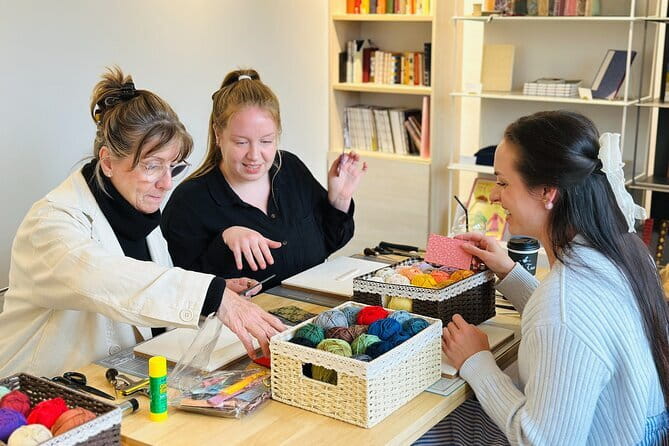
You also get short teaching moments during the making process, including why handmade Korean paper like Hanji is special.
This matters because it changes how you handle the paper. When you understand what Hanji is and why it has value, the steps stop feeling random. You are not just following motions, you are building something that connects to how Joseon-era scholars recorded notes and diaries.
The class ties that context directly to what you are doing, so even if you are not a paper nerd, you leave knowing what you made and why it is worth saving.
Binding silk and Hanji: the hands-on part that makes it real
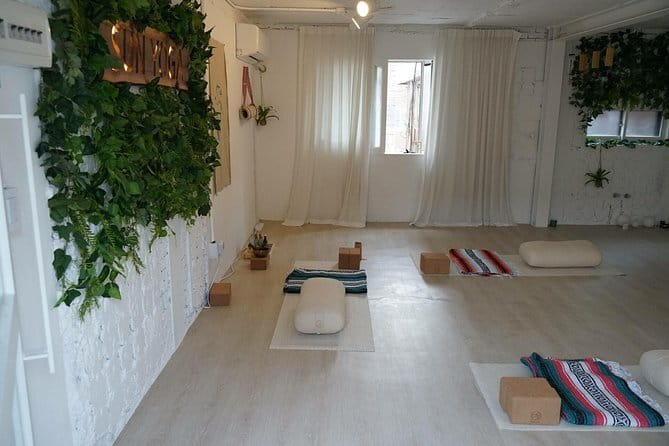
Now you get to the core skill: making the notebook.
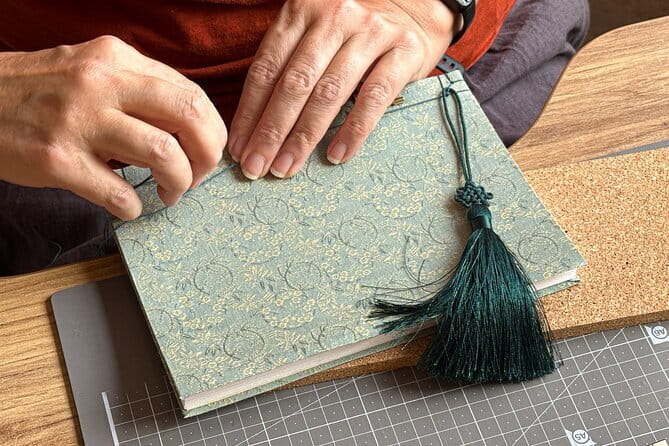
You will learn Korean bookbinding methods and then bind your silk and Hanji pages together using traditional techniques. The key here is that you are not copying a diagram from a book and hoping for the best. A licensed guide supports the process, so you are guided through the structure of the book.
You should expect a paced, step-by-step session. Think of it like learning a recipe, except your ingredients are Hanji and silk, and your tools are for binding rather than cooking.
Small-group format helps too. With a maximum of 12 participants, you are less likely to get lost while the instructor handles everyone at once. That tends to improve both the learning and the final result.
The Norigae knot finish: a detail you can feel proud of
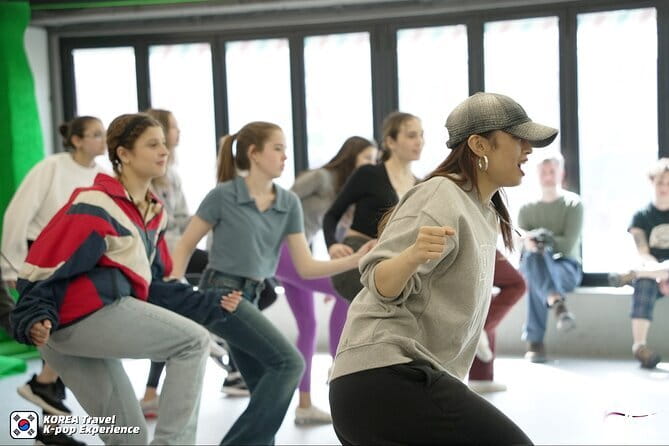
The last creative step is the knot.
As a final touch, you tie a Norigae knot on the notebook. This is not only decoration. It is a traditional knot style used on Korean items as a meaningful finishing element, and doing it yourself gives the notebook a sense of identity.
From a value standpoint, this is the step that often makes the biggest difference. A notebook with a nice cover is pleasant. A notebook you tied and finished is personal, and it is more likely to become the thing you actually use at home.
Then you pack your creation in a gift-ready package. That means you do not have to improvise how to transport it, and you can bring it to someone without needing extra supplies.
Logistics that matter in a 2-hour Hongdae session

This is a short class, about 2 hours. The schedule starts at 10:30 am, and it ends back at the meeting point.
That time length is ideal for most people because it fits between sightseeing blocks. It also means you can get the full experience without taking a full half day off your itinerary.
You do not need to plan for an air-conditioned vehicle, since that is not included. In other words, your transport is up to you, but the studio is near public transportation, which makes it easier.
One more practical point: only people with reservations can enter the studio. So once you book, show up on time. A 10 or 15 minute delay can still make you feel rushed, especially when you are learning binding steps.
Price and value: why $49 works for what you get

At $49 per person, this is priced like a true workshop, not like a cheap “make a postcard” activity. You are paying for:
- a licensed guide,
- binding tools and materials,
- and a take-home notebook made with Hanji paper and silk.
In value terms, you are getting multiple design choices (silk patterns, Norigae, thread color), plus instruction that turns those choices into a finished, usable product. For many travelers, that is the difference between spending money and buying a skill plus a keepsake.
If you are the type who likes crafts and wants to bring home something that feels special and not generic, the price makes sense. If you want only casual sightseeing, you might feel like you could spend that time walking around Hongdae instead. But for a hands-on souvenir, it is a fair deal.
Who should book this Korean bookbinding class
You will likely love this if:
- you enjoy crafts and want a guided making session,
- you like paper objects, journals, and stationery you will actually use,
- you want a cultural activity tied to Korean tradition, specifically Hanji and Joseon-era connections,
- you prefer smaller groups and clear instruction.
You might skip it if:
- you are traveling with very young kids who need lots of free play (the class is built for participants who can follow steps),
- you hate structured activities,
- you have limited tolerance for concentrated hands-on work.
Also note the minimum age: reservations are possible only if you are 17 years old or older. Service animals are allowed, and most travelers can participate.
Should you book Danchoodan in Hongdae
Yes, if you want a souvenir with real craft behind it. This class focuses on materials that connect to Joseon Dynasty paper traditions, then layers on a silk cover and a Norigae knot you create yourself. That combination is what makes the notebook feel like more than a photo opportunity.
Book it especially if you are the kind of traveler who collects experiences you can bring home, not just items you can buy. This one hits that sweet spot: guided learning, meaningful design choices, and a finished notebook you can use later.
If you are short on time, this is still workable because it is a 2-hour session starting at 10:30 am. And since it ends back where you start, it is simple to slot into a Hongdae day.
FAQ
How long is the bookbinding experience?
It lasts about 2 hours.
How much does it cost, and what is included?
The price is $49. Included are the binding tools and materials, plus a licensed guide.
What do I make, and can I choose my design?
You create a unique Korean notebook using Hanji and a silk-pattern cover. You can choose your silk from 22 options, and you also select your Norigae ornament and the thread color.
Where is the meeting point, and when does it start?
The meeting point is danchoodan in Seoul, Mapo-gu, Daeheung-dong, Daeheung-ro, 100, 3층. The start time is 10:30 am.
Is the group size limited?
Yes. There is a maximum of 12 travelers.
What are the age rules and entry limits?
Reservation entry is possible only for participants age 17 or older, and only the number of people who made a reservation can enter the studio.
Can I cancel and get a full refund?
Free cancellation is available. You can cancel up to 24 hours in advance for a full refund. If you cancel less than 24 hours before the experience starts, the amount you paid is not refunded.
Recently reviewed in Seoul
- Your Personal Seoul Photographer!★ 4.1 · 15 reviews
- You’re Invited to Our Home in Seoul: The Only Cooking Class!★ 5.0 · 8 reviews
- From Seoul: Yongpyong Ski Day Tour with Transportation★ 4.9 · 40 reviews
- Seoul: Korean & English Language Exchange Global Party★ 5.0 · 28 reviews
- Watching sports match & local food experience in Seoul★ 5.0 · 11 reviews
- WKT Combat Taekwondo & Self-defense One Day Class in Seoul★ 5.0 · 5 reviews
- Unique Native Experience : Han River Picnic, Board game, BBQ★ 5.0 · 3 reviews
- Seoul: Gangneung BTS K-Pop & K-Drama Filming Locations Tour★ 4.6 · 14 reviews
Seoul Tours, compared.
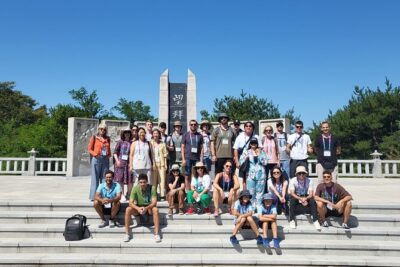
Best DMZ Tour Korea from Seoul (Red Suspension Bridge Optional)
Read our review →
DMZ Tour: 3rd Tunnel, Option(Suspension Bridge, Boat) from Seoul
Read our review →
DMZ tour south Korea from Seoul (NK experience hall, defector)
Read our review →
The Best DMZ Tour with Optional Suspension Bridge
Read our review →
Signature DMZ Tour: Exclusive Defector Talk & Suspension Bridge
Read our review →
Thrilling Korean DMZ 3rd Tunnel Tour from Seoul + Red Bridge Rush
Read our review →
DMZ Tour & Suspension Bridge (Option English/Spanish)
Read our review →