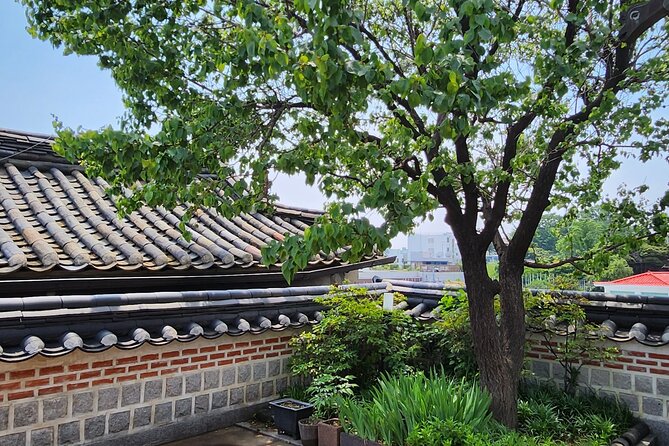
Reviewed · SEOUL TOURS
Traditional Gourmet
Food in Seoul has a shortcut. I like how this small-group walk through Bukchon Hanok Village turns first-timer food stress into clear next steps, and I love the included sit-down lunch in a traditional hanok house. The only real drawback is the time on your feet, so plan for a moderate walking pace and wear shoes you trust.
What makes this tour work is the guide support. The whole point is to reduce the language barrier and translate menus, customs, and choices into something you can use the rest of your trip. In at least one recent run, the guide Veronica stood out for being friendly and sharing practical food culture tips, including an offer to send fermentation-related recipes afterward.
If you want a Seoul food introduction that also feels like a neighborhood walk, this is a strong fit. You get heritage stops plus a meal, and the group stays small, up to 12 people.
In This Review
- Key highlights to know before you go
- Why Bukchon makes a smart start for Korean food
- Price and what you really get for $120
- Where the tour begins in Seoul (and why location matters)
- The pacing: how long, how much walking, and what to wear
- Stop 1: Bukchon Hanok Village, the walk that sets the food stage
- Stop 2: House of Baek Inje, a preserved hanok with family power in the backstory
- Stop 3: The birthplace of Yun Bo-seon, a rare large hanok mansion
- Lunch in a traditional Korean House (Hanok): the real heart of the tour
- How the guide helps you eat well without Korean
- Small group comfort, and the reality of maximum 12 people
- Should you bring extra money?
- Who this tour fits best in Seoul
- Should you book this Traditional Gourmet tour in Seoul?
- FAQ
- How long does the Traditional Gourmet tour last?
- What is included in the $120 price?
- Is there a vegetarian option?
- Where does the tour start?
- Is the tour mostly on foot?
- Does the tour run in bad weather?
- Can I cancel for a full refund?
Key highlights to know before you go
- Bukchon on foot: You see the hanok neighborhood closer up, with time for workshops and shops along the way.
- Hanok lunch included: The meal is served in a traditional Korean House called hanok, and coffee or tea is part of the package.
- Heritage stops with free entry: Bukchon Hanok Village plus the House of Baek Inje, both listed as free admission.
- A guide who translates food culture: You get personalized recommendations and eating etiquette help, even if your Korean is basic.
- Small groups: Maximum 12 travelers, so you are not stuck shouting over a crowd.
Why Bukchon makes a smart start for Korean food
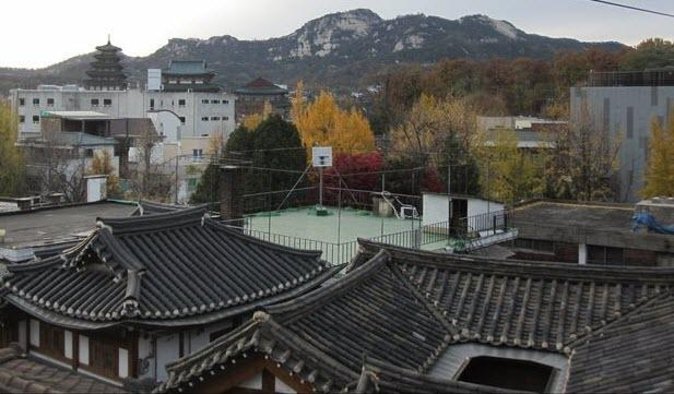
Seoul can be a lot when you are hungry and you do not read Korean. This tour attacks that problem early by pairing food with a neighborhood you can actually see and understand as you walk. Bukchon Hanok Village is a classic area of preserved traditional houses, and it gives you context for why Korean eating habits, table manners, and food culture make sense where they do.
Another reason it works: the tour is not just about eating, it is about learning how to eat in a new country. You get help breaking down menus and figuring out what to order, so the meal does not feel random. It feels like a first chapter you can build on later.
Finally, the time structure matters. At around 3 hours, you get enough rhythm for a real lunch without losing your whole afternoon. The tour starts at 1:00 pm and ends back at the meeting point, which makes it easier to plug into the rest of your itinerary.
A few more Seoul days worth comparing
- Best DMZ Tour Korea from Seoul (Red Suspension Bridge Optional)
★ 5.0 · 41,422 reviews - DMZ Tour: 3rd Tunnel, Option(Suspension Bridge, Boat) from Seoul
★ 5.0 · 21,373 reviews - DMZ tour south Korea from Seoul (NK experience hall, defector)
★ 5.0 · 20,599 reviews
Price and what you really get for $120
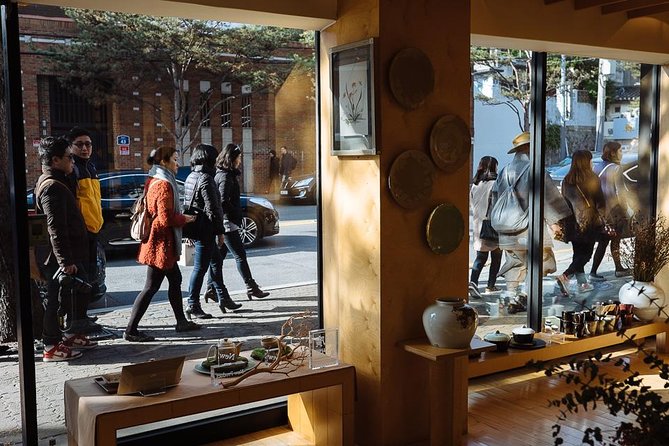
At $120 per person, you are paying for three things: a guide, a sit-down lunch experience, and time in a food-focused walking route. The included items are the big value drivers:
- A professional guide
- Lunch at a traditional Korean house called hanok
- Coffee and/or tea
You also get multiple heritage stops during the walk, and the itinerary lists free admission for the hanok village and the House of Baek Inje. That keeps extra ticket costs from piling up.
Then there is the quality factor. One standout detail from the experiences shared with this tour is that the sit-down lunch has, at least in some cases, landed in a Michelin restaurant setting. That kind of upgrade is not guaranteed in every situation, but it is a clear sign the meal component can be more serious than the usual group lunch.
What is not included is also important for value. Alcoholic drinks are available to purchase, but they are not part of the price. Extra food and drinks are also on you if you want more than the included lunch and coffee or tea.
If you like the idea of paying once for a guided meal and then using what you learn to eat well the rest of the trip, this price starts to make sense fast.
Where the tour begins in Seoul (and why location matters)
You meet at 164-6 Anguk-dong, Jongno District, Seoul. That matters because this part of Seoul is a good launch point for both old-city architecture and food exploration. You are not forced to start far away and then fight transit. The tour also says it is near public transportation, which is useful if you are hopping between sights.
The tour ends back at the meeting point. I like that setup because it lets you plan your next meal or museum without guessing how the route finishes. It also makes the pacing feel contained, since you are not drifting across the city for half the day.
The pacing: how long, how much walking, and what to wear
This is a 3-hour experience on foot, with a moderate physical fitness level recommended. Comfort matters here. You are walking through a traditional neighborhood and moving between multiple stops, so I would treat this as a real stroll, not a quick photo tour.
The good news is the itinerary includes scheduled time blocks:
- Bukchon Hanok Village gets about 1 hour 30 minutes
- The House of Baek Inje is 30 minutes
- The final hanok-related stop adds more time beyond that
Another practical note: the tour operates in all weather conditions. That means you should dress appropriately for sun, heat, rain, or cool wind. Comfortable walking shoes are recommended, and I agree. Korean sidewalks and historic lanes can be uneven, so your shoe choice affects how much you enjoy the neighborhood.
Group size is capped at 12, and the tour can be operated by a multi-lingual guide. That small group limit plus a language-support guide is a big deal. It means you can ask questions and actually hear the answers.
Same trip, a different corner of the country:
- Seoul: The Best DMZ Tour with Optional Suspension Bridge
★ 4.7 · 4,978 reviews - Signature DMZ Tour: Exclusive Defector Talk & Suspension Bridge
★ 5.0 · 4,459 reviews - Thrilling Korean DMZ 3rd Tunnel Tour from Seoul + Red Bridge Rush
★ 5.0 · 3,097 reviews - Seoul: DMZ Tour & Suspension Bridge (Option English/Spanish)
★ 4.9 · 2,628 reviews
Stop 1: Bukchon Hanok Village, the walk that sets the food stage
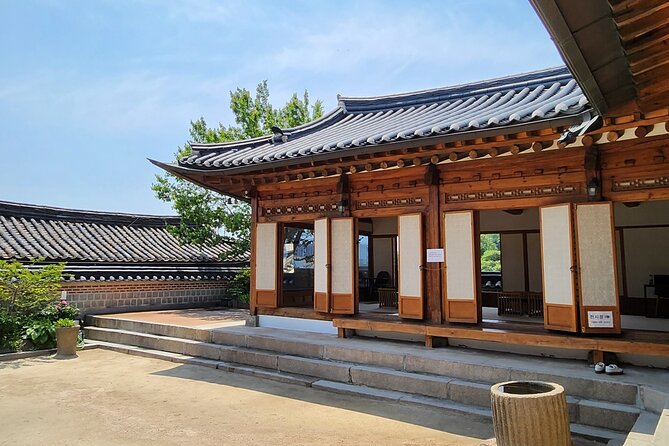
Bukchon Hanok Village is the opening act, and it is not a random add-on. You get about 1 hour 30 minutes to walk through a place filled with traditional Korean houses. As you go, you will see a range of workshops and shops built in those traditional spaces.
Why this helps your food experience: the neighborhood context makes Korean food feel less like a list of dishes and more like a living culture. You are surrounded by the physical cues of tradition, and the guide can connect that to food culture, daily life, and how hospitality works.
It is also a smart way to get your bearings in Seoul. Many first-timers feel like the city is too big to navigate comfortably. Bukchon’s streets and architecture give you a visual map, and you are walking while you learn, which sticks better than trying to read signs while hungry.
Practical tip: if you see small shops or workshop spaces, do not just rush through. Take a moment to look and ask what the place makes or sells. The guide support can turn those quick glances into something useful for choosing products later in the week.
Stop 2: House of Baek Inje, a preserved hanok with family power in the backstory
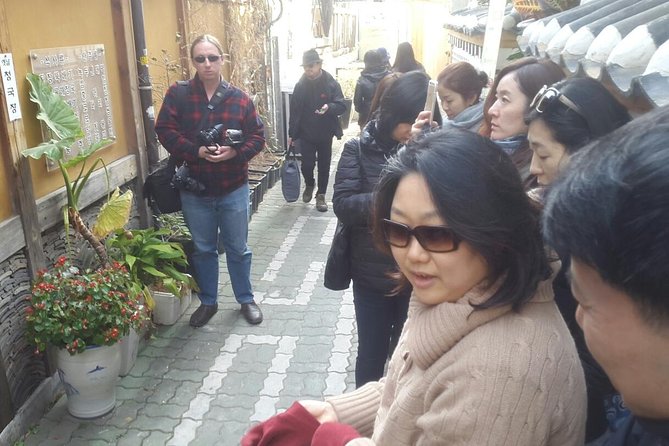
Next up is the House of Baek Inje, described as a hanok building with preservation value. It dates to around 1900 and is noted for being made with the best technology of its time. The site also has history tied to a powerful family that lived there.
This stop is short, about 30 minutes, and that is a good thing. You are not stuck in a museum for the whole tour. Instead, it works as a palate cleanser between neighborhood walking and your meal experience.
Why I think this matters for a gourmet tour: Korean cuisine is tied to family life, social status, and the way households hosted people. When you see a preserved home built for that kind of life, you understand why food rituals and eating etiquette exist. Even if you do not plan to quote architecture facts later, the atmosphere changes how you perceive the meal that follows.
Also, admission is listed as free for this stop, so you are getting a meaningful cultural stop without paying additional entry fees.
Stop 3: The birthplace of Yun Bo-seon, a rare large hanok mansion
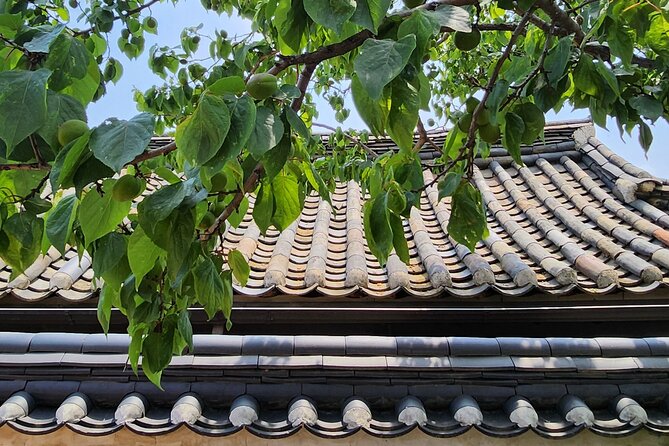
The final stop is tied to the birthplace of Korea’s second president, Yun Bo-seon. It is famous for being a well-built hanok mansion that is described as rare in Seoul, and also large. The property is maintained, and the information provided notes that Yun’s granddaughter-in-law currently lives there.
This is a fascinating contrast to the more general Bukchon wandering. Bukchon gives you variety, craft, and smaller-scale storefront life. This stop gives you a sense of how grand hanok living could be, and the rarity of a large, well-built mansion makes it feel more special.
It also supports the tour’s theme: you are not just eating, you are seeing the cultural backbone. A place that connects to a major public figure, while still tied to private residence, adds a human layer to what hanok life can mean across time.
Admission is also listed as free for the places in the itinerary, so you keep your costs predictable.
Lunch in a traditional Korean House (Hanok): the real heart of the tour
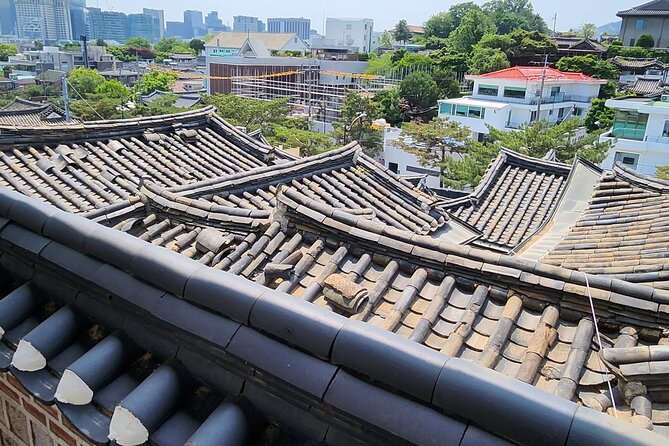
Lunch is included, and it is served in a traditional Korean House called hanok. That is a big deal because it changes lunch from a quick fuel stop into part of the cultural experience. You are not just eating Korean food, you are eating it in an environment designed for Korean household life.
If you care about value, pay attention to how lunch is described in the experience stories tied to this tour: people have been pleasantly surprised by how high the sit-down meal level can be. One featured highlight notes a Michelin restaurant lunch setting. Even if the exact venue varies, the key point is that the meal is treated as more than an afterthought.
What you can expect from the lunch format:
- A traditional Korean meal with an array of dishes
- A sit-down pace rather than just street snacking
- A feeling of comfort and care from the setting
Then there is the drink component: coffee and/or tea are included. Tea stops show up as a filling, calming end to the meal, which makes the whole experience feel complete rather than rushed.
Alcohol is not included, but alcoholic drinks can be purchased if you want them. For anyone who wants to taste without overspending, the included coffee or tea is the safe bet.
Vegetarian travelers get one more practical advantage. The tour says a vegetarian option is available, and you should advise at booking. If you have dietary needs, it is worth taking that step early so the meal matches what you can actually eat.
How the guide helps you eat well without Korean
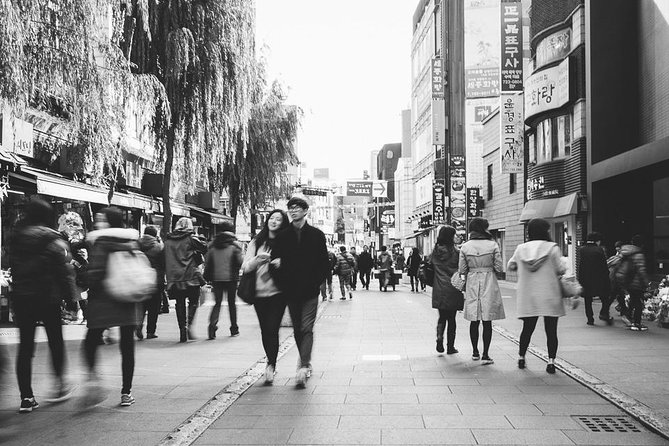
The guide is the core value here, and the tour is built around overcoming the language barrier. You are not left standing in front of menus guessing. You get recommendations, and you also get the cultural context to understand why you are being guided toward certain choices.
One guide name that comes up in the experiences shared is Veronica, described as friendly and experienced. Her approach, as reflected in those stories, focuses on food culture and eating etiquette. That means you learn how to participate like a guest, not like someone just trying to survive lunch.
There is also a practical takeaway that matters for future meals. One experience highlights that the guide pointed people toward purchasing quality food products, and another notes a promise to send fermentation recipes afterward. That kind of tip is gold because it turns a single tour into a week of better food decisions.
So if your Korean is limited, this is not just sightseeing plus food. It is your crash course in ordering and dining in a way that feels natural.
Small group comfort, and the reality of maximum 12 people
With a maximum of 12 travelers, you have a better chance of getting direct answers than in big bus tours. That matters when you are asking questions about food or etiquette. Smaller groups also help you move through historic lanes more smoothly.
I also like that the tour can be operated by a multi-lingual guide. That gives you flexibility if you travel with English only or a mix of languages.
For solo travelers, the minimum requirement is 2 people per booking, and solo travelers are asked to contact individually. In plain terms, that means you should be ready for the possibility that the tour might need another person to run, but the experience can still work if you plan ahead.
Should you bring extra money?
The price includes lunch plus coffee or tea, but extra food and extra drinks are not included. Alcohol is also not included, though it can be purchased.
So my rule of thumb: bring a little extra for snacks you might see on the way, or for drinks beyond the included coffee or tea. If you have dietary restrictions, stick with the included vegetarian option and ask what is safest, rather than trying to wing it on the street.
Who this tour fits best in Seoul
This is a great match if:
- You are visiting Seoul for the first time and want a structured food introduction
- You like walking neighborhoods and learning what you see, not just checking off restaurants
- You want a guided meal that comes with etiquette and context
- You prefer a small group rather than a big crowd
It also suits travelers who care about hanok and heritage, since the stops are genuinely tied to traditional homes and historical figures. If you only want street food chaos, you might find the meal-heavy format more calming than you expect. Still, it is a strong way to start.
Should you book this Traditional Gourmet tour in Seoul?
Book it if you want an efficient, guided Seoul food education in about 3 hours, with lunch in a hanok setting and a guide who handles the language gap. This is especially appealing if you like cultural walking routes paired with clear eating advice, because you come away knowing what to do at your next meal, not just what you ate today.
Skip it if you dislike walking or you want an entirely self-paced food crawl with lots of shopping and no structure. Also, if you have very specific dietary needs beyond vegetarian, you should confirm details directly before booking, since the only explicit option listed is vegetarian.
If you are the kind of traveler who likes to feel oriented quickly in a new city, this tour gives you a head start. You leave with better ordering confidence, a stronger sense of the Bukchon area, and a lunch experience that is treated like part of the culture, not just a stop in the schedule.
FAQ
How long does the Traditional Gourmet tour last?
The tour is approximately 3 hours.
What is included in the $120 price?
The price includes a professional guide, lunch in a Traditional Korean House called Hanok, and coffee and/or tea.
Is there a vegetarian option?
Yes, a vegetarian option is available. You should advise at the time of booking.
Where does the tour start?
The tour starts at 164-6 Anguk-dong, Jongno District, Seoul, South Korea.
Is the tour mostly on foot?
Yes. The experience is designed around exploring on foot, and travelers should have a moderate physical fitness level. Comfortable walking shoes are recommended.
Does the tour run in bad weather?
Yes. The tour operates in all weather conditions, so dress appropriately.
Can I cancel for a full refund?
Yes. Free cancellation is available up to 24 hours before the experience starts for a full refund.
Recently reviewed in Seoul
- You’re Invited to Our Home in Seoul: The Only Cooking Class!★ 5.0 · 8 reviews
- Your Personal Seoul Photographer!★ 4.1 · 15 reviews
- From Seoul: Yongpyong Ski Day Tour with Transportation★ 4.9 · 40 reviews
- Seoul: Korean & English Language Exchange Global Party★ 5.0 · 28 reviews
- Watching sports match & local food experience in Seoul★ 5.0 · 11 reviews
- WKT Combat Taekwondo & Self-defense One Day Class in Seoul★ 5.0 · 5 reviews
- Unique Native Experience : Han River Picnic, Board game, BBQ★ 5.0 · 3 reviews
- Seoul: Gangneung BTS K-Pop & K-Drama Filming Locations Tour★ 4.6 · 14 reviews
Seoul Tours, compared.
Best DMZ Tour Korea from Seoul (Red Suspension Bridge Optional)
Read our review →
DMZ Tour: 3rd Tunnel, Option(Suspension Bridge, Boat) from Seoul
Read our review →
DMZ tour south Korea from Seoul (NK experience hall, defector)
Read our review →
The Best DMZ Tour with Optional Suspension Bridge
Read our review →
Signature DMZ Tour: Exclusive Defector Talk & Suspension Bridge
Read our review →
Thrilling Korean DMZ 3rd Tunnel Tour from Seoul + Red Bridge Rush
Read our review →
DMZ Tour & Suspension Bridge (Option English/Spanish)
Read our review →