Reviewed · SEOUL TOURS
South Korea Highlights 7D/6N
Seven days in Korea can feel like a sprint.
But this one is built for momentum, with a guided route that strings together temples, UNESCO history, and big nature days without you having to map it all out yourself.
I especially like the mix of hands-on culture and top-tier sights. On one end you get a tea ceremony with a Buddhist monk and places tied to royal history. On the other you ride a marine cable car and hike in Mt. Seorak area, so the trip doesn’t stay trapped in museums.
One thing to weigh is the pace. You’re moving between multiple cities and spending lots of time outdoors at scenic stops, so you’ll want stamina and warm layers for colder weather.
In This Review
- Key highlights (what makes this tour work)
- Why This 7 Days Packs So Much Without Feeling Random
- Day 1 in Gongju: Royal Tomb Art and a Tea Ceremony You Can’t Fake
- Day 2 in Jeonju: Hanok Costume Fun, Shrine Details, and Real Jeonju Food
- Day 3 in Boseong and Suncheonman Bay: Green Tea, Reeds, and Coastal Calm
- Day 4 Yeosu by Cable Car, then Busan at Your Pace
- Day 5 Gyeongju UNESCO Day: Silla Stories in Museums, Tombs, and Temples
- Day 6 Andong to Hanji: Village Life Plus Paper Making That Sticks
- Day 7 Gangneung and Mt. Seorak: Sky Views, Coffee, and a Real Hike
- Price and Logistics: What $2,633 Buys You (and what to watch)
- Who This Tour Suits Best
- Should You Book South Korea Highlights 7D/6N?
- FAQ
- What cities does this tour include?
- Does the tour offer pickup from Seoul?
- Is there an English-speaking guide?
- Are entrance fees included?
- What meals are included?
- Is there a mobile ticket?
- How big is the group?
- What activities are included besides sightseeing?
- Are tips and travel insurance included?
- Can I cancel or change the booking?
Key highlights (what makes this tour work)
- Tea and temple time in Gongju, including Magoksa Temple and the Muryeong tomb area
- Jeonju Hanok Village costume moment, plus classic food like Jeonju bibimbab and makgeolli
- Suncheonman Bay reed marshes and green tea farming, a slower, nature-focused day
- Yeosu Marine Cable Car over seawater and a fortress tied to the 1592 invasion
- Gyeongju UNESCO hits like Bulguksa, Cheomseongdae, and the Silla-era museum
- Hanji paper making in Andong, plus Hahoe Village listed as UNESCO World Heritage
Why This 7 Days Packs So Much Without Feeling Random
This is the kind of itinerary that makes sense for first-timers. You start with Seoul pickup and then fan out across South Korea’s “best-of” themes: ancient kingdoms, Confucian-era shrines and stone pagodas, food you can actually name later, and nature days that give you a break from indoor sightseeing.
The value angle is real. You’re not just paying for a guide and a seat. The price includes entrance fees, an English-speaking tour guide, and a large chunk of your meals (breakfast 6 times, lunch 7 times, dinner 6 times). For popular temple and UNESCO stops, those ticket costs and guided access can add up quickly on your own.
The group size cap is also a practical plus at maximum 35 travelers. It tends to keep things organized, especially on days with cable cars, observatories, and multiple sites packed into one route.
Still, remember the trade-off: many days are early-start and go-go. If you prefer long unscheduled afternoons, you might feel a little tug toward “let’s see everything” mode.
A few more Seoul days worth comparing
- Best DMZ Tour Korea from Seoul (Red Suspension Bridge Optional)
★ 5.0 · 41,422 reviews - DMZ Tour: 3rd Tunnel, Option(Suspension Bridge, Boat) from Seoul
★ 5.0 · 21,373 reviews - DMZ tour south Korea from Seoul (NK experience hall, defector)
★ 5.0 · 20,599 reviews
Day 1 in Gongju: Royal Tomb Art and a Tea Ceremony You Can’t Fake
Gongju is a strong opener because it drops you into older Korea fast, before you’ve even had time to get bored with cities. You’ll travel from Seoul and spend the day around Baekje Kingdom history.
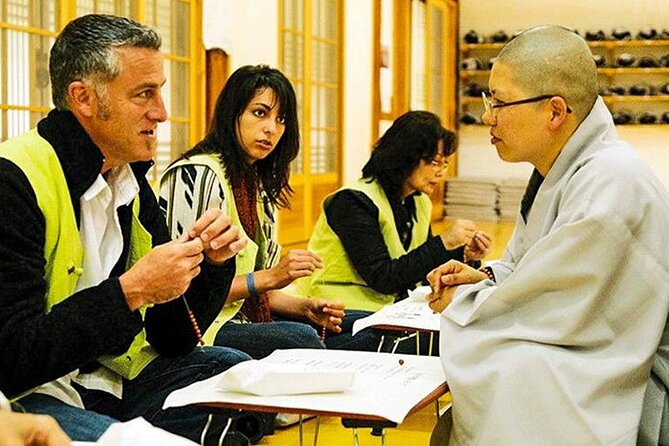
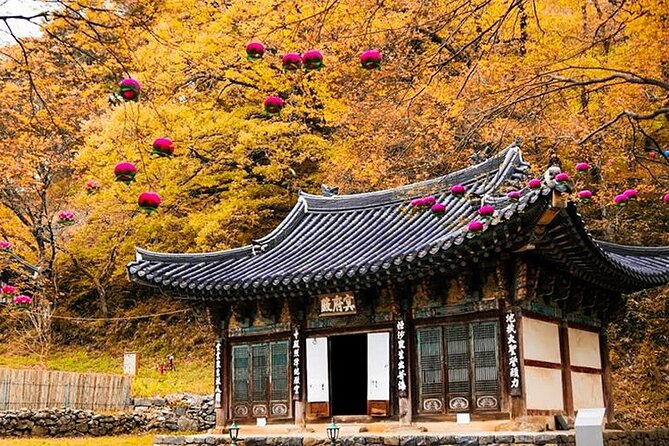
At Magoksa Temple, the standout is the tea ceremony with a Buddhist monk. It’s not just a photo stop. Tea ceremonies are slow by nature, and it gives the day a human pace, especially compared with the later fortress and tomb viewing.
You also visit major royal and defensive sites: the tomb of King Muryeong and the Gongsanseong Fortress area. The Muryeong tomb is known for wall paintings, and that kind of ancient artwork hits differently in person than in a book. Fortress time adds variety, and you can even try archery. It’s one of those moments where you get to be part of the activity, not just watch from behind a fence.
Lunch is local and specific, steamed rice wrapped in a lotus leaf, which is both practical and memorable. After a full day, you end in Daejeon and can unwind, with optional indoor spa time on your own.
Day 2 in Jeonju: Hanok Costume Fun, Shrine Details, and Real Jeonju Food
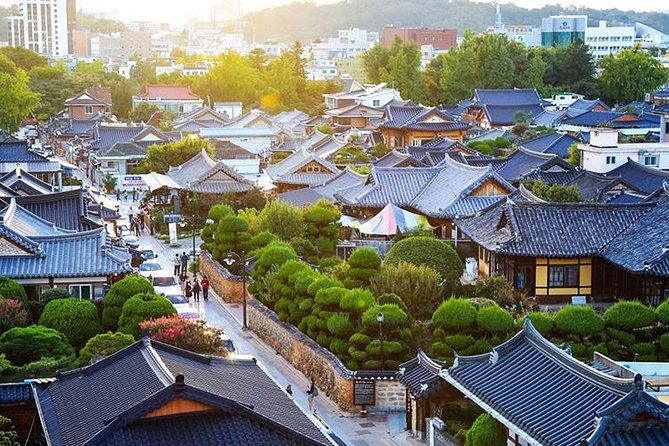
Jeonju is the cultural side of the tour, and it feels like a reset after Gongju’s ancient tomb and fortress mix. You start at the Jeonju Hanok Village, where you get a rare “instant memory” with traditional life.
The best part here is the chance to dress up in Korean national costume. Even if you only wear it for a short period, it changes how you experience the village. Your photos look different, and you move through the space more intentionally.
From there, you visit Gyenggjeon Shrine, built in 1410, and you can see the portrait of King Tae-jo. That matters because it connects the place to a specific period of Korean history rather than vague “old shrine” vibes.
Food is a core focus too. You’ll try Jeonju bibimbab, a dish people associate with Jeonju for a reason. You’ll also taste kakkolli (traditional Korean wine) at a local restaurant, which adds that “this is what locals drink” feeling without making you guess.
The day ends at Tapsa Temple, famous for over 80 stone pagodas. It’s a site where the details keep multiplying as you look around, especially when you’re already warmed up from the costume and shrine context.
Day 3 in Boseong and Suncheonman Bay: Green Tea, Reeds, and Coastal Calm
This is one of the most scenic days, built around nature and food. After breakfast, you head to Boseong for a green tea plantation visit. It’s not just an easy pretty stop. Tea culture shapes the region, so it’s a great way to understand how agriculture and daily life tie together.
You then move through Naganeupseong, a local village area, before reaching the reed marshes of Suncheonman Bay. Reeds and wetlands are slower to experience than temples, so the day feels balanced. You’re not only stacking big sights, you’re also getting a change of pace and a different kind of view.
The stop list also includes Yongsan Observatory and the Eco-Museum in Suncheon. Those work as a “connect the dots” segment, where your nature day turns into something you can interpret with context.
Lunch is a named set meal with dried corvina and vegetable pancake, which is exactly the kind of meal that makes a regional route worth doing. Dinner in Yeosu is flexible, with options like grilled, smoked duck and grilled seafood.
You finish the day by transferring to Yeosu, and you get a fresh overnight base for tomorrow’s sea-focused activities.
Same trip, a different corner of the country:
- Seoul: The Best DMZ Tour with Optional Suspension Bridge
★ 4.7 · 4,978 reviews - Signature DMZ Tour: Exclusive Defector Talk & Suspension Bridge
★ 5.0 · 4,459 reviews - Thrilling Korean DMZ 3rd Tunnel Tour from Seoul + Red Bridge Rush
★ 5.0 · 3,097 reviews - Seoul: DMZ Tour & Suspension Bridge (Option English/Spanish)
★ 4.9 · 2,628 reviews
Day 4 Yeosu by Cable Car, then Busan at Your Pace
Yeosu is where the tour turns watery and dramatic, and the Yeosu Marine Cable Car is the headliner. You ride a gondola over seawater, with views of downtown Yeosu and the archipelago around the old seaport. It’s thrilling in the safest way possible, and it gives you a big visual payoff that you can’t easily replicate on your own.
After that, you visit Jinjuseong Fortress, linked to the Japanese invasion in 1592. Fortress history can sound heavy, but in this setting it also gives you an eye-level understanding of why coastlines mattered so much in wartime.
Lunch includes bulgoggi stew, then you transfer onward to Busan for the rest of the day on your own. That “free time” piece is important. After a guided stretch, you can pick what you care about most, like food streets, shopping, or a beach view.
Dinner is Korean-style BBQ, which is a nice change from earlier lunches and a classic group-friendly meal. If you’re traveling in colder weather, Busan’s coastal areas can feel sharper wind-wise, so pack accordingly.
Day 5 Gyeongju UNESCO Day: Silla Stories in Museums, Tombs, and Temples
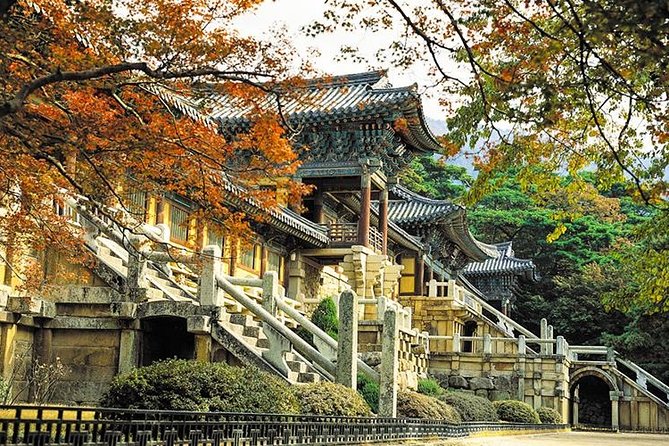
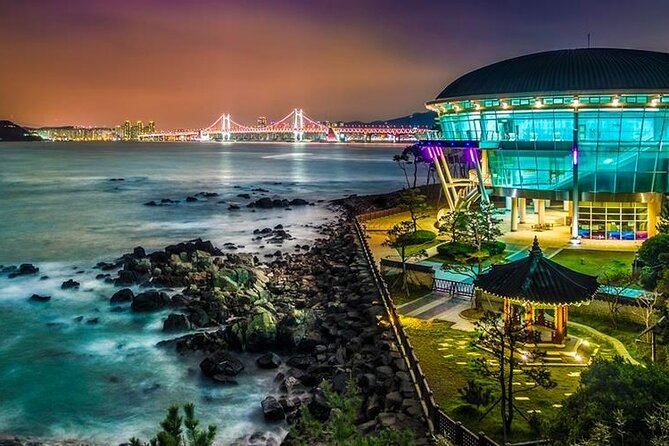
Gyeongju is the tour’s history heavyweight, and it’s scheduled smartly after Yeosu and Busan. The day starts at Nurimaru APEC House on Dongbaekseom Island, a modern landmark tied to APEC meetings, which helps break up the “only ancient Korea” pattern.
Then you dive into UNESCO territory with Bulguksa Temple, a UNESCO World Heritage site. Bulguksa can feel like the kind of stop you either rush through or get lost in. Since you’re on a guided day, you’ll have a clear sense of what to look for and why it matters.
You’ll also visit Gyeongju National Museum, where you can see relics from the Silla kingdom. Since Gyeongju was the capital, it ties together place and timeline in a way that makes the day feel more coherent.
The Daereungwon Tomb Complex follows, with 20 large and small tombs from the Shilla period. Seeing tombs in a complex like that helps you grasp how the landscape of power worked, not just one isolated structure.
The last major stop is Cheomseongdae Observatory, described as the oldest existing astronomical observatory in Asia. It’s a quirky but meaningful shift from “temples and tombs” into “how people observed the sky,” which makes the day feel more than just chronological.
Evening time is yours, and Bomun Lake is an easy, low-pressure walk option if you want to stretch your legs.
Day 6 Andong to Hanji: Village Life Plus Paper Making That Sticks
This is the day that slows you down without going soft. You travel to Andong and visit Andong Hahoe Village, known for traditional houses and linked to descendants of the Ryu clan of Pungsan. The big context here is that Hahoe Village is listed as UNESCO World Heritage (2010), so you know you’re seeing something protected for a reason.
After lunch of braised chicken, vegetables, and roasted fish at a local restaurant, the tour moves to Wonju and then Hanji Theme Park. This is where you get a practical creative experience: learn to make hanji, traditional Korean paper. Even if you only do a portion of the process, it’s the kind of activity that creates a mental souvenir. You’ll remember the feel, the steps, and the care it takes.
Then you transfer to Pyeongchang and end the day with Korean-style pork belly, samgyeopsal. Food wise, this day is satisfying and not overly fancy. It fits the “traditional place, simple comfort meal” energy.
If you enjoy culture you can touch and take home as a skill, this is one of the most rewarding days.
Day 7 Gangneung and Mt. Seorak: Sky Views, Coffee, and a Real Hike
You close the loop with nature and mountain air. The morning begins at the Ski Jump Tower Observatory, where you can enjoy views from the Sky Lounge and take time for coffee or tea. It’s a gentle warm-up, especially if your legs are tired from earlier days.
Then you head to Yangyang for a short hiking at Jujeongol of Mt. Seorak. This is your “earn the view” moment. You’ll be outside, moving on uneven ground, and taking in what makes Mt. Seorak a go-to for scenery.
After that, you return to Seoul around 6 PM. That timing is helpful because it gives you a predictable end point, and you can plan your last-night dinner or airport timing with less stress.
Lunch is set menu with seasoned wild vegetables, which is a fitting farewell dish after days that mixed seafood, meat, and tea culture.
Price and Logistics: What $2,633 Buys You (and what to watch)
At $2,633 per person, you’re not buying budget travel. You’re paying for the structure: guided transport across multiple regions, an English-speaking guide, and a long list of included costs.
What’s included is meaningful:
- Entrance fees for the scheduled sights
- Meals: 6 breakfasts, 7 lunches, 6 dinners
- Guided time and site access, plus mobile ticket
- Pickup from your accommodation in Seoul, with a start time around 8:00 am
What’s not included, so you should budget:
- Travel insurance
- Tips
- Personal expenses like coffee or tea on the itinerary
- Other meals and drinks not listed as included
The other practical logistics point is the group size and pace. With a max of 35 travelers, you get organization but still experience the reality of a multi-city route. Your best “health insurance” here is simple: wear comfortable shoes, plan for cold weather if you’re going in winter, and keep some energy for outdoor days.
Who This Tour Suits Best
This fits you best if you want a guided highlights tour that covers both history and nature without you doing daily planning. It’s a good match if you enjoy structured days with clear stops, and you like seeing iconic sites like UNESCO temples and ancient observatories.
It also works well for people who like food as part of travel, because the schedule is anchored by named Korean meals across the trip: lotus leaf rice, bibimbab, bulgoggi stew, BBQ, and hanji-making day food.
If you dislike frequent moving days or you need lots of free time, you might find the schedule tight. The itinerary includes “on your own” time only in certain areas, so keep expectations aligned.
Should You Book South Korea Highlights 7D/6N?
Book it if you want maximum variety in one week: royal history in Gongju, traditional Jeonju culture, green tea and reed marshes, Yeosu coastal views, Gyeongju UNESCO, Andong village life and hanji paper making, and a Mt. Seorak hike before you’re back in Seoul.
Skip it or reconsider if you’re the type who needs slow mornings, you dislike long days outside, or you want a trip built mostly around your own wandering. This one is built for someone who says yes to guided sightseeing and yes to moving.
If your style is “show me the real highlights, with food and context,” this tour is a strong value on paper because the entrance fees and most meals are already covered, and the route is packed with memorable, named experiences.
FAQ
What cities does this tour include?
You’ll be based in multiple cities, including Seoul for pickup, and then stops in Gongju, Daejeon, Jeonju, Yeosu, Busan, Gyeongju, Andong, Wonju, Pyeongchang, and Yangyang, with return to Seoul around 6 PM.
Does the tour offer pickup from Seoul?
Yes. Pickup is offered from your accommodation in Seoul, and the start time is listed as 8:00 am.
Is there an English-speaking guide?
Yes. An English speaking tour guide is included.
Are entrance fees included?
Yes. All entrance fees are included.
What meals are included?
Breakfast is included 6 times, lunch is included 7 times, and dinner is included 6 times.
Is there a mobile ticket?
Yes. A mobile ticket is included.
How big is the group?
The tour has a maximum of 35 travelers.
What activities are included besides sightseeing?
You can try archery at Gongsanseong Fortress, ride the Yeosu Marine Cable Car, and take part in hanji (traditional Korean paper) making. There is also a short hike at Jujeongol of Mt. Seorak.
Are tips and travel insurance included?
No. Travel insurance and tips are not included.
Can I cancel or change the booking?
This experience is non-refundable and cannot be changed for any reason.
Recently reviewed in Seoul
- You’re Invited to Our Home in Seoul: The Only Cooking Class!★ 5.0 · 8 reviews
- Your Personal Seoul Photographer!★ 4.1 · 15 reviews
- From Seoul: Yongpyong Ski Day Tour with Transportation★ 4.9 · 40 reviews
- Seoul: Korean & English Language Exchange Global Party★ 5.0 · 28 reviews
- Watching sports match & local food experience in Seoul★ 5.0 · 11 reviews
- WKT Combat Taekwondo & Self-defense One Day Class in Seoul★ 5.0 · 5 reviews
- Unique Native Experience : Han River Picnic, Board game, BBQ★ 5.0 · 3 reviews
- Seoul: Gangneung BTS K-Pop & K-Drama Filming Locations Tour★ 4.6 · 14 reviews
Seoul Tours, compared.
Best DMZ Tour Korea from Seoul (Red Suspension Bridge Optional)
Read our review →
DMZ Tour: 3rd Tunnel, Option(Suspension Bridge, Boat) from Seoul
Read our review →
DMZ tour south Korea from Seoul (NK experience hall, defector)
Read our review →
The Best DMZ Tour with Optional Suspension Bridge
Read our review →
Signature DMZ Tour: Exclusive Defector Talk & Suspension Bridge
Read our review →
Thrilling Korean DMZ 3rd Tunnel Tour from Seoul + Red Bridge Rush
Read our review →
DMZ Tour & Suspension Bridge (Option English/Spanish)
Read our review →