
Reviewed · DMZ TOURS
Small-Group DMZ Tour w/ North Korea Experience Hall & Susp.Bridge
One day, and you feel the Korean divide. This DMZ tour pairs Tunnel 3 with Dora Observatory telescopes for a view of reality you cannot get from Seoul. I like how the day mixes war-era places, hands-on viewing, and practical guidance that helps you make sense of what you’re seeing.
The tradeoff is that it is a long, physical day. You will walk uphill and down narrow tunnel steps, and weather or security can shift parts of the route.
In This Review
- Key Things That Make This DMZ Tour Worth Your Time
- One Packed Day: How the Schedule Really Feels From Seoul
- Imjingak Park: Freedom Bridge, Old Trains, and Refugee Memory
- North Korea Experience Hall: Context First, Then You Go Closer
- DMZ Exhibition Hall: Weapons, Film, and the War’s After-Images
- Tunnel 3: The Most Intense Stop, and Why It Sticks
- Dora Observatory: Using Telescopes to See the Propaganda Village
- Unification Village: A Pass-By Moment With Big Emotional Weight
- Gloucester Hill Memorial: Battlefield Memory Without the Gloss
- Gloucester Heroes Suspension Bridge: The Walk, the Views, and the End-of-Day Reset
- Small-Group Magic: Why the Guide Matters More Than You Think
- Price and Value: What $65 Actually Buys You
- Weather, Tunnel Closures, and Security Changes That Affect Your Day
- Who Should Book This Tour, and Who Might Skip It
- Should You Book the DMZ and Suspension Bridge Tour?
- FAQ
- How long is the DMZ tour, and what time does it end?
- Where do I meet for the tour, and where is the drop-off?
- Is a passport required for this DMZ experience?
- What is included in the ticket price?
- Is lunch or drinks included?
- How physically demanding is the tour?
- What happens if Tunnel 3 or Dora Observatory are closed?
- How big is the group?
Key Things That Make This DMZ Tour Worth Your Time
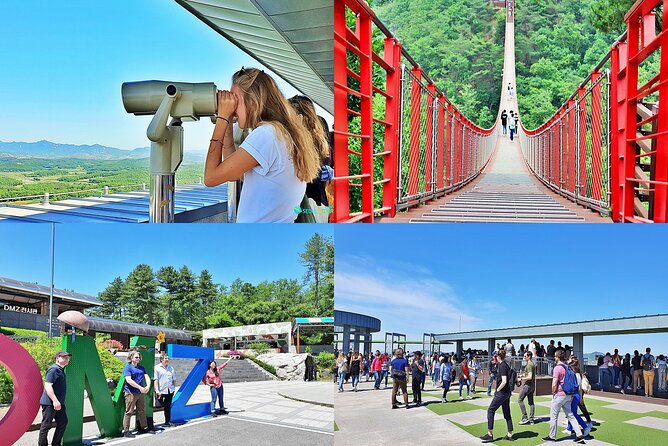
- Tunnel 3 on foot, so you actually experience the scale and tightness, not just read about it
- Dora Observatory telescopes, with views targeted at North Korea’s propaganda village, and sometimes the Kijŏng-dong flagpole on clear days
- North Korea Experience Hall for background context before you look through the border-zone sights
- A named battlefield stop plus a suspension bridge at the end, so the day ends with scenery and perspective
- Small group size (max 16), which makes Q&A easier on a day this structured
One Packed Day: How the Schedule Really Feels From Seoul
This tour runs about 9 hours, departing from and returning to City Hall Station in Seoul. You’ll get a morning pickup, then ride in a climate-controlled coach to the DMZ area. The day typically ends around 4:50pm.
The pacing is designed around how border access works. You move from one controlled site to the next, and you do not waste time guessing where to stand or what to photograph. Still, it is a lot of stops, and your feet will feel it by the end. If you like your sightseeing “one big thing at a time,” plan on committing to a full-day rhythm.
Group size is capped at 16, so you are not stuck in a huge bus crowd. Guides also have room to answer questions, and that matters on a subject as loaded as the Korean War and the DMZ.
More DMZ Tours in Seoul:
- Best DMZ Tour Korea from Seoul (Red Suspension Bridge Optional)
★ 5.0 · 41,422 reviews - DMZ Tour: 3rd Tunnel, Option(Suspension Bridge, Boat) from Seoul
★ 5.0 · 21,373 reviews - DMZ tour south Korea from Seoul (NK experience hall, defector)
★ 5.0 · 20,599 reviews
Imjingak Park: Freedom Bridge, Old Trains, and Refugee Memory
Your first big DMZ-area stop is Imjingak Park. It is not just scenic. It is built around the war’s human aftermath, with monuments for refugees and symbolic spots that point right back to the division.
You’ll see the Freedom Bridge as a visual reminder of separation, plus older steam trains displayed as part of the story. With a guide explaining the background, these objects turn from “photo props” into context for what people lost and what they hoped would come next.
Imjingak also gives you a useful mental warm-up. Before you go underground and stare through telescopes, you get a clear explanation of why this strip of land ended up here, and why it has stayed that way for decades.
North Korea Experience Hall: Context First, Then You Go Closer
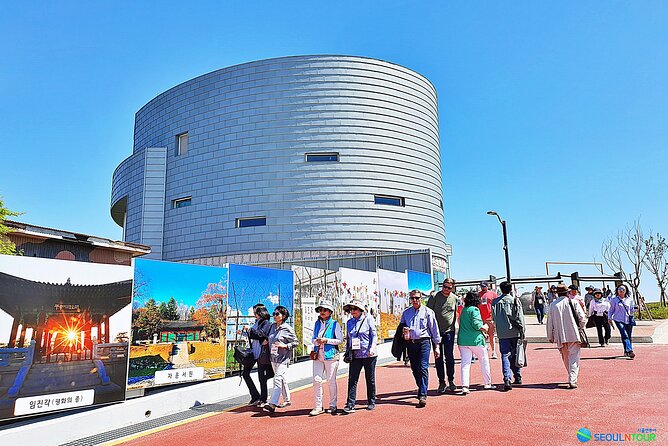
Next comes the North Korea Experience Hall in the DMZ area. This is a relatively newer stop on the DMZ circuit, and the idea is simple: you get a structured, educational look that helps your eyes understand what you are about to see.
You’ll spend about 30 minutes there on the standard route. It is not meant to replace the border viewing, it’s meant to frame it. If you tend to get overwhelmed by “what am I looking at?” moments, this stop helps you follow the day instead of just collecting locations.
DMZ Exhibition Hall: Weapons, Film, and the War’s After-Images
After Tunnel 3, you move into the DMZ Exhibition Hall. This stop is where the trip shifts from “places” to “explaining.” Expect displays such as older weapons and a film that lays out the history of Korea and the division that followed.
This is a good break point in the day because you are not just walking. You’re absorbing details while your legs reset. If you want to understand why certain tunnels exist, why certain borders feel engineered, and why the tension is more than a headline, the exhibition hall is your anchor.
A few more Seoul days worth comparing
- Seoul: The Best DMZ Tour with Optional Suspension Bridge
★ 4.7 · 4,978 reviews - Signature DMZ Tour: Exclusive Defector Talk & Suspension Bridge
★ 5.0 · 4,459 reviews - Thrilling Korean DMZ 3rd Tunnel Tour from Seoul + Red Bridge Rush
★ 5.0 · 3,097 reviews - Seoul: DMZ Tour & Suspension Bridge (Option English/Spanish)
★ 4.9 · 2,628 reviews
Tunnel 3: The Most Intense Stop, and Why It Sticks
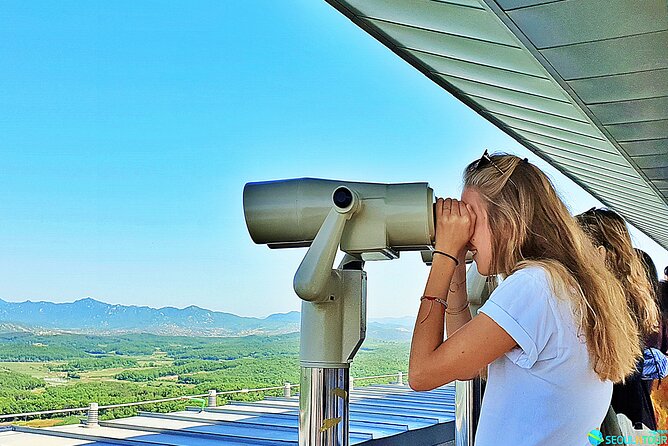
Tunnel 3 is the headline moment, and it is easy to see why. This infiltration tunnel was built by North Korea in the 1970s, and it was discovered in 1978. The tour drives you to the site, then you follow the guide on foot to see the tunnel entrance and go inside on the approved route.
Wear shoes you trust. You will walk down and up for a narrow tunnel, so comfortable footwear matters more than fancy sneakers. The walking is short, but it is not “easy sightseeing.” Reviews consistently flag steep climbs and the effort needed to navigate the bridge and tunnel areas, and the tunnel is one of the places where you feel the change in elevation.
This is also where I think good guiding makes the difference. A strong guide helps you connect the tunnel to the bigger strategy behind the DMZ, instead of treating it as a scary novelty. Many guides on this route, including Mr Young, BK, and Lua, are praised for pacing explanations so you understand the point, not just the danger.
Dora Observatory: Using Telescopes to See the Propaganda Village

Then comes Dora Observatory at Mt. Dora. This is one of the few practical places where you can look across the border using telescopes aimed at North Korea’s propaganda village.
On clear days, you may even be able to see the flagpole in Kijŏng-dong, the southernmost village in North Korea. Even if you do not get that exact view, the experience still lands. It changes your feeling from “this is far away” to “it is right there, on the other side of an invisible line.”
A detail I really value here is how the telescopes relate to the day’s earlier context. By the time you reach Dora, you’ve already heard why people built infiltration routes and what happened after the Korean War. So when you’re looking at the border-zone landscape, it feels like you’re looking at a system, not just scenery.
Unification Village: A Pass-By Moment With Big Emotional Weight
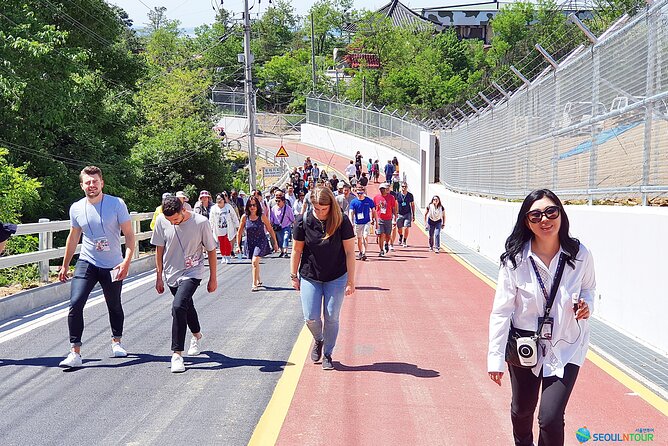
On the return, the route passes Unification Village. You’re not walking through it like a theme park. You hear from your guide about how people think about reunification of the two Koreas and what the concept means in everyday terms.
This is the kind of stop where you benefit from paying attention instead of drifting into phone-mode. It is quick, but it adds the human layer that the DMZ can otherwise flatten.
Gloucester Hill Memorial: Battlefield Memory Without the Gloss
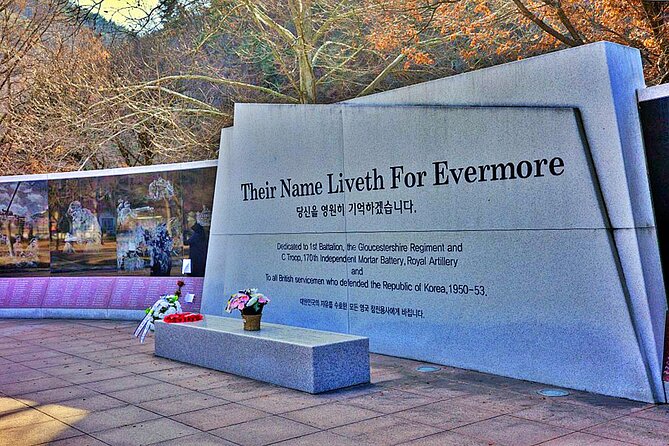
After Imjingak on the way back, the tour heads to Gloucester Hill Memorial Park. This site is tied to a major battlefield during the Korean War.
What makes it meaningful on this day is the order. You start with refugee memory at Imjingak, go into infiltration history with Tunnel 3, then you look across the border with Dora telescopes. The memorial helps pull the emotional thread back into the cost of conflict.
If you want a moment of silence, this stop is your place. It is not designed for quick selfies. Give it a little time, and let your guide’s explanations do their job.
Gloucester Heroes Suspension Bridge: The Walk, the Views, and the End-of-Day Reset
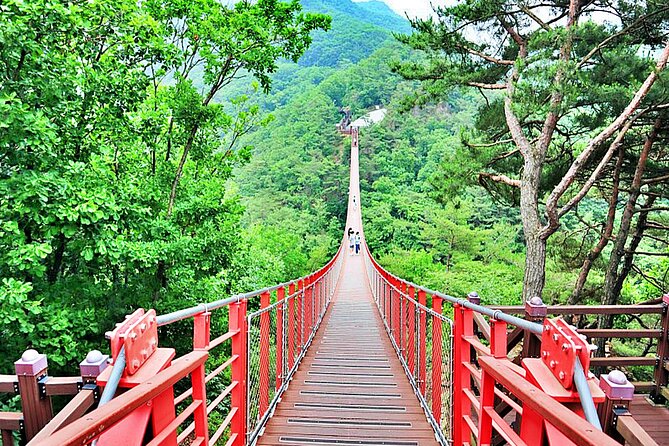
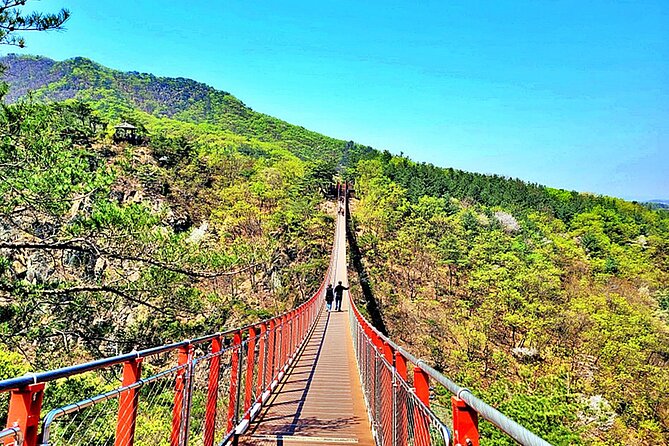
The last major activity is Gamaksan Chulleong Bridge, also known as the Gloucester Heroes Suspension Bridge. It opened in 2016 and is described as the longest mountain suspension bridge in South Korea. The big draw is the feeling of walking above the clouds.
You should expect the bridge to be part of your physical workload. Reviews note it requires climbing and descending, and that some guests struggle if they are not used to uphill walking. If you are the type who “powers through” discomfort, bring that energy. If you prefer easy walking, this is the part you should plan for hardest.
One extra practical tip from experiences shared with this route: after you cross the suspension bridge, there may be a waterfall and temple area nearby. If the site is open and the walk is not too much for your group that day, it can be a nice bonus before you get back to Seoul.
Small-Group Magic: Why the Guide Matters More Than You Think
This tour limits the group to 16 people. That might not sound like a lot until you picture standing at border-zone viewpoints while trying to hear explanations. With a smaller group, you get better chances to ask questions and get straight answers.
Guides frequently called out include Mr Young, BK, Sookhee, Seokhee, Lua, Roy, April, and Juni. The strongest praise is consistent: guides keep the day organized, respond to questions, and explain history so it connects to what you’re seeing.
One caution: not every tour guide delivers the same clarity, and language can affect your enjoyment. If you are sensitive to unclear audio, arrive with patience and focus, and keep your questions short.
Price and Value: What $65 Actually Buys You
At $65 per person, the value is strongest because it bundles what usually costs extra on tours like this: entrance fees and transportation are included, plus a professional guide.
What is not included is also important. There is no lunch, and drinks are not included. That means your out-of-pocket spending can rise if you wait until you are hungry. I recommend bringing water and having a light snack plan. One guest suggestion I agree with: bring water, especially if you’re doing this on a cold or rainy day when you might forget to drink.
Also, this is a mobile ticket experience. That is convenient because you do not need paper passes, but you still want your phone charged and ready for day-of confirmation.
Weather, Tunnel Closures, and Security Changes That Affect Your Day
The DMZ is not a theme park with a guarantee. The tour is weather dependent, and the route can change based on military operations or conditions at specific sites.
The most common changes are:
- On Mondays, public holidays, or when Tunnel 3 and Dora Observatory are closed, the itinerary switches to a special DMZ course. You may visit the North Korea Experience Center, Imjingak Pyeonghwa-Nuri Park, the DMZ Peace Gondola, Gloster Hill Memorial Park, and the suspension bridge.
- If access to the suspension bridge and Gloucester Memorial is restricted, the plan may adjust to include options like Odusan Unification Observatory or the War Memorial of Korea.
- In heavy rain or snow, the suspension bridge can close. In that case, you may visit Odusan Unification Observatory or the Majang Lake Suspension Bridge.
My practical advice: if you are traveling in a season with frequent weather shifts, pack layers. And keep your expectations flexible. Even with route changes, you still get the core purpose of the day: a guided look at division, the border zone, and the human story attached to it.
Who Should Book This Tour, and Who Might Skip It
This tour is a good fit if you want:
- A full-day structure that hits the major DMZ stops in one go
- An experience built around guided explanations, not just transport to viewpoints
- A mix of viewing through telescopes and walking into Tunnel 3
It may not be the best fit if:
- You have trouble with steep climbs or long walking. The day includes uphill work and a narrow tunnel walk.
- You are going with older family members or anyone with walking limitations, since the tour is not recommended for seniors with any problem walking.
- You prefer a slower pace. This is busy, and some parts can feel rushed if your group moves differently than expected.
On the bright side, families can go, with one rule to keep in mind: children must be accompanied by an adult. Also, a current valid passport is required on the day of travel.
Should You Book the DMZ and Suspension Bridge Tour?
If you only have one full day in Seoul and you want the DMZ experience that most people talk about for a reason, this tour is a strong choice. Tunnel 3 plus Dora Observatory creates the emotional and visual “double hit,” and the bridge helps you end the day with a different kind of perspective.
I’d book it if you are comfortable walking, you want clear guided context, and you can handle the possibility of itinerary changes due to weather or security. I would think twice if you want a light, easy outing. This is meaningful, but it is also a physically active day in a place where access rules can shift.
FAQ
How long is the DMZ tour, and what time does it end?
It runs for about 9 hours. The tour typically ends around 4:50pm, when you are dropped back at City Hall Station.
Where do I meet for the tour, and where is the drop-off?
You start at City Hall Station in Seoul. The tour also ends at City Hall Station.
Is a passport required for this DMZ experience?
Yes. You need a current valid passport on the day of travel. A passport copy is not required in advance.
What is included in the ticket price?
The price includes pickup, a professional guide, and all fees and taxes. Transportation is also included, and you will have admission for the paid stops.
Is lunch or drinks included?
No. Drinks and lunch are not included, so plan your own food and water.
How physically demanding is the tour?
You should have moderate physical fitness. Expect walking uphill and stairs, including down and up for the narrow tunnel. Wear comfortable shoes.
What happens if Tunnel 3 or Dora Observatory are closed?
On Mondays, public holidays, or when those sites are closed due to military or weather conditions, the tour uses a special DMZ route that can include the North Korea Experience Center, Imjingak Pyeonghwa-Nuri Park, DMZ Peace Gondola, Gloster Hill Memorial Park, and the suspension bridge.
How big is the group?
The tour has a maximum of 16 travelers.
Recently reviewed in Seoul
- Your Personal Seoul Photographer!★ 4.1 · 15 reviews
- You’re Invited to Our Home in Seoul: The Only Cooking Class!★ 5.0 · 8 reviews
- From Seoul: Yongpyong Ski Day Tour with Transportation★ 4.9 · 40 reviews
- Seoul: Korean & English Language Exchange Global Party★ 5.0 · 28 reviews
- Watching sports match & local food experience in Seoul★ 5.0 · 11 reviews
- WKT Combat Taekwondo & Self-defense One Day Class in Seoul★ 5.0 · 5 reviews
- Unique Native Experience : Han River Picnic, Board game, BBQ★ 5.0 · 3 reviews
- Seoul: Gangneung BTS K-Pop & K-Drama Filming Locations Tour★ 4.6 · 14 reviews
DMZ Tours, compared.
Best DMZ Tour Korea from Seoul (Red Suspension Bridge Optional)
Read our review →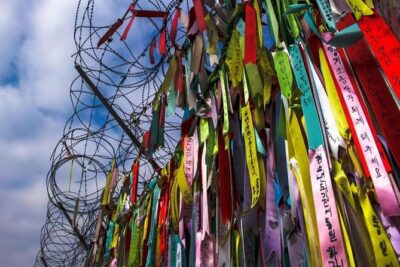
DMZ Tour: 3rd Tunnel, Option(Suspension Bridge, Boat) from Seoul
Read our review →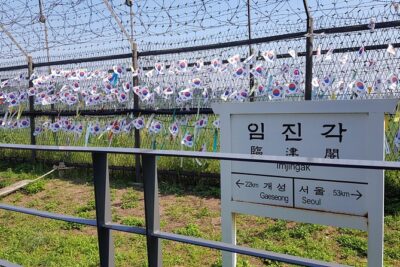
DMZ tour south Korea from Seoul (NK experience hall, defector)
Read our review →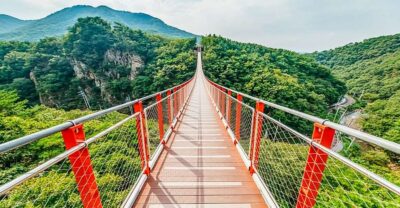
DMZ Insider Tour: 3rd Tunnel, NK Defector Meet & Red Bridge
Read our review →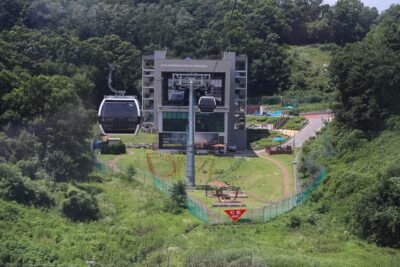
The Best DMZ Tour with Optional Suspension Bridge
Read our review →
Signature DMZ Tour: Exclusive Defector Talk & Suspension Bridge
Read our review →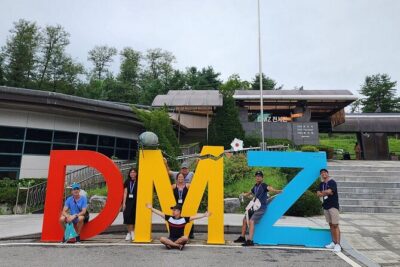
Thrilling Korean DMZ 3rd Tunnel Tour from Seoul + Red Bridge Rush
Read our review →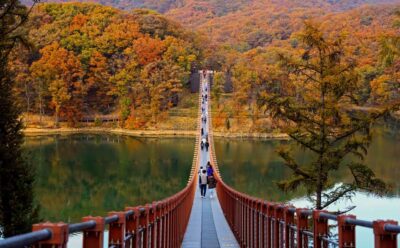
DMZ Tour & Suspension Bridge (Option English/Spanish)
Read our review →Browse the lists this tour appears in