
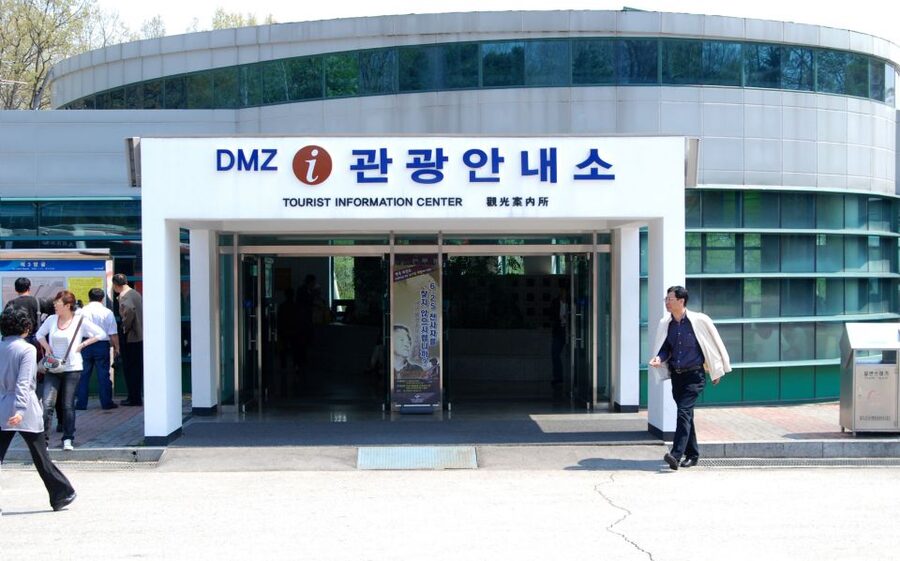
Reviewed · DMZ TOURS
Seoul: DMZ, Gyeongbokgung Palace & City Tour
One day, two sides of Korea. I love how the DMZ is explained by a military tourist guide and trained security specialists, making the division feel real instead of abstract. I also like that Gyeongbok Palace is treated as a place that once ran like a busy, organized operation, not just a backdrop for photos. The main drawback is the pace, this is a long day with real walking, so plan on feeling it by the end.
You’ll spend the morning and part of the day in the DMZ zone and then shift gears to palace life, with enough coach comfort in between to keep you functional. Many guides on this route are praised for being warm and highly capable, including names like Molly, Ron Han (Han Solo), and SP.
A couple rules matter from the start: you must bring a valid passport, and you’ll need to follow dress and photo guidelines in a secure area. Also note that unaccompanied minors aren’t allowed, and the tour isn’t wheelchair accessible.
In This Review
- Key points before you go
- Why the DMZ plus Gyeongbok Palace combo works
- What you should expect in tone and approach
- The DMZ stops that usually take people by surprise
- Third Tunnel Experience: built for an invasion
- War History Pavilion: the story behind the sights
- Observatory views: what you can see, and what you can’t
- Imjingak: the symbolism near the ceasefire line
- If DMZ access changes: your backup plan is built in
- Gyeongbok Palace: more than gates and courtyards
- Tuesday swaps: Deoksu Palace can replace Gyeongbok
- The early start and small rules that keep the day flowing
- Meeting point timing and how to plan your morning
- Passport and clothing rules you should actually care about
- Authorized bus and photo timing rules
- Price and value: is $110 fair for 10 hours?
- Who this feels like best value for
- Who should book, and who should skip
- Book this tour if…
- Skip or reconsider if…
- Should you book this Seoul DMZ and Gyeongbok Palace tour?
- FAQ
- How long is the Seoul DMZ and Palace tour?
- Where is the meeting point and what time does the tour start?
- What do I need to bring?
- Do I need a passport to enter the DMZ?
- Is lunch included?
- What are the DMZ main sights included on this tour?
- What happens if Gyeongbok Palace is closed on Tuesdays?
- What happens if there is an unannounced military training or official event in the DMZ?
- Is the tour wheelchair accessible?
Key points before you go
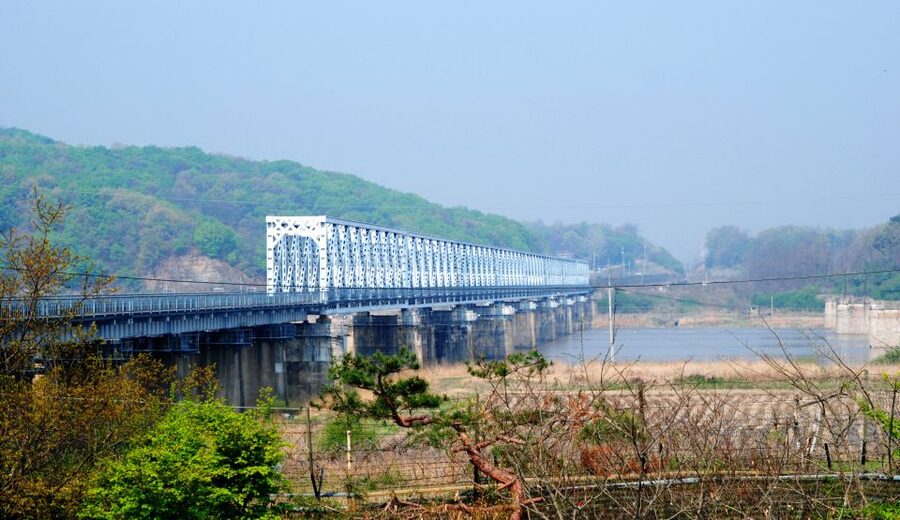
- DMZ access with professional security-style guidance, including a military tourist guide for context
- Third Tunnel Experience and an observatory, plus war-focused exhibits like the War History Pavilion
- Imjingak and the rest of the DMZ highlights, handled in one smooth day
- Gyeongbok Palace storytelling that focuses on how it worked, down to the staff and advising system
- Two built-in swap plans, one for Tuesday palace closures and one if DMZ events interrupt the route
Why the DMZ plus Gyeongbok Palace combo works
The DMZ is not like a normal museum visit. It is geography turned into political history, a strip of land that has carried the weight of the Korean War and the years after. Since the peninsula split in 1950, North Korea has stayed much more closed off, while South Korea has developed as a democracy and major economy, sharing its culture with the world.
That contrast is exactly what makes this tour hit differently. You get the DMZ side of the story first, where the tension is part of the setting, and then you move to Gyeongbok Palace, where you see how Korea was organized, ruled, and administered in earlier centuries. It’s a big theme day, past and present in the same route.
I also appreciate how the tour framing is built around trained explanations rather than just watching from a bus window. With a military tourist guide plus professional security specialists, you are set up to understand what you’re seeing and what you are not allowed to do.
More City Tours in Seoul
- Best Seoul City Tour (Gyeongbokgung Palace,Insadong,Namsan Tower)
★ 5.0 · 1,647 reviews - Small-Group Royal Palace and Seoul City Tour (hotel pick-up)
★ 5.0 · 1,474 reviews - Seoul City Sightseeing Tour Including Gyeongbokgung Palace, N Seoul Tower, and Namsangol Hanok Village
★ 5.0 · 1,423 reviews
What you should expect in tone and approach
You’ll hear about North and South Korean relations in a way that matches the security setting. That matters because the DMZ tour has strict boundaries, from movement rules to photography rules. You will get practical guidance on how to behave during the visit so the day stays smooth.
And there is a human side to it too. Guides named Molly, Ron Han, and SP were highlighted for being respectful, answering questions clearly, and keeping the information organized rather than scattered.
The DMZ stops that usually take people by surprise
This is the part of the day where you can feel your brain switching into history mode. The DMZ tour includes the key sights people come for, plus a war-history explanation stop that helps connect the dots.
Third Tunnel Experience: built for an invasion
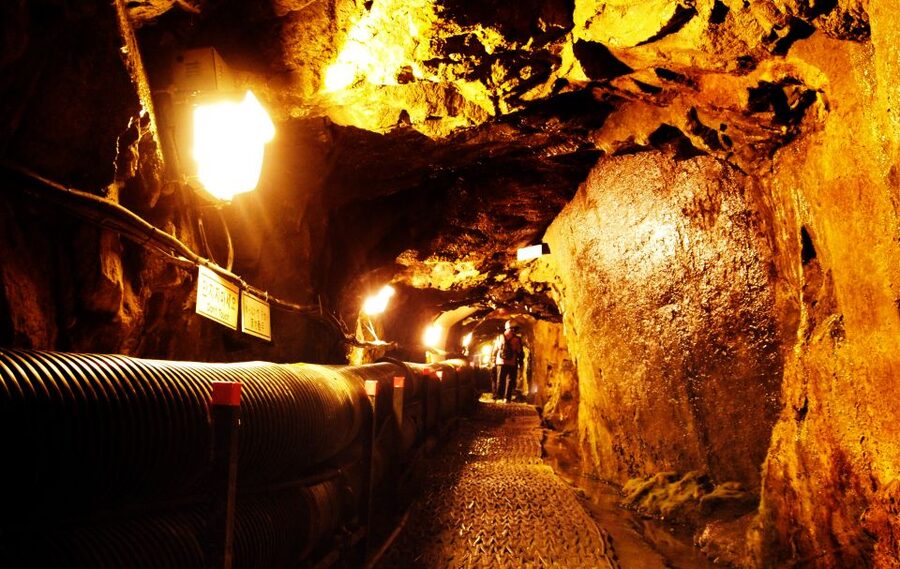
The Third Tunnel Experience is designed to show a plan for invading South Korea using tanks. It’s one of those stops where the subject matter is heavy, but the way it’s presented helps you grasp the scale and intent behind it. Even if you already know the basics of the tunnel story, seeing how it is positioned in the larger conflict makes it easier to understand why it mattered.
One practical tip, keep your expectations grounded. The DMZ experience is structured and regulated, so you won’t be wandering at your own pace. Just follow the guide’s timing and instructions, and the information will land better.
More DMZ Tours in Seoul:
- Best DMZ Tour Korea from Seoul (Red Suspension Bridge Optional)
★ 5.0 · 41,422 reviews - DMZ Tour: 3rd Tunnel, Option(Suspension Bridge, Boat) from Seoul
★ 5.0 · 21,373 reviews - DMZ tour south Korea from Seoul (NK experience hall, defector)
★ 5.0 · 20,599 reviews - Seoul: The Best DMZ Tour with Optional Suspension Bridge
★ 4.7 · 4,978 reviews
War History Pavilion: the story behind the sights
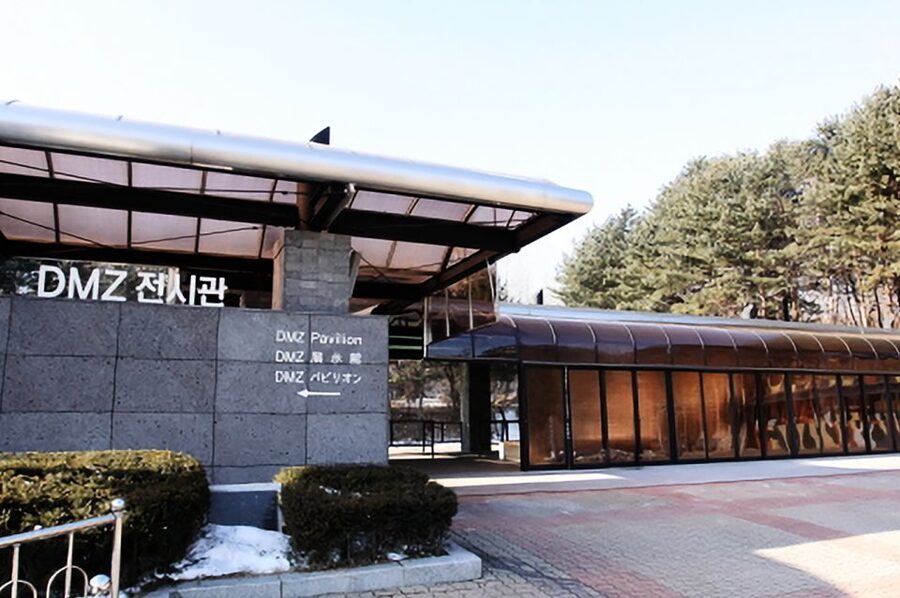
You also visit the War History Pavilion, a venue built to explain the history of war and the conflict context. I like this kind of stop because it prevents the day from turning into a list of locations. Instead, you get a framework for why these sites exist and what they represent.
This is also where you often see the most concrete cause-and-effect thinking. The tour spends enough time here that you can connect the dots between earlier events and the postwar reality that shaped daily life on both sides.
Observatory views: what you can see, and what you can’t
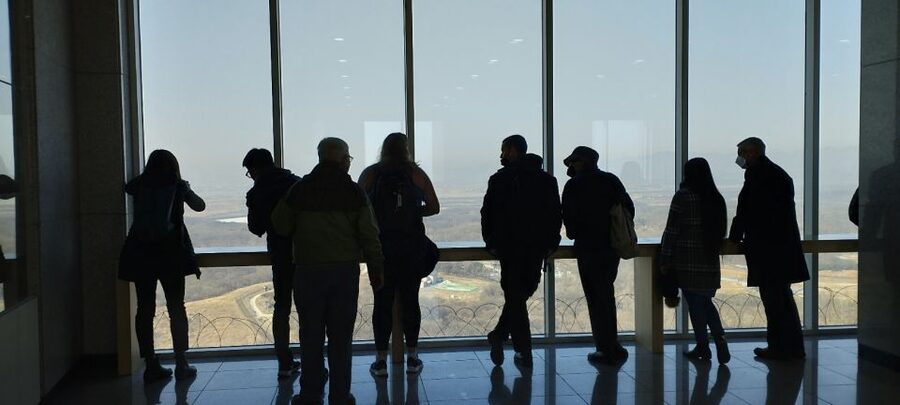
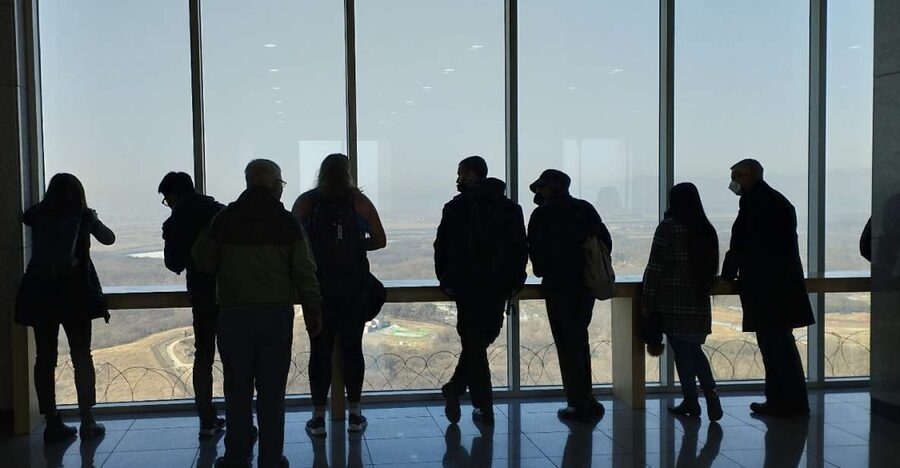
The tour includes an observatory where you can view North Korean residents. This is the moment people tend to remember most because it makes the division feel immediate.
At the same time, you should approach it with the right mindset. An observatory is about controlled viewing, so you will still be limited by time and rules. Your guide will help you understand how to interpret what you are seeing without turning it into rumor or guesswork.
Imjingak: the symbolism near the ceasefire line
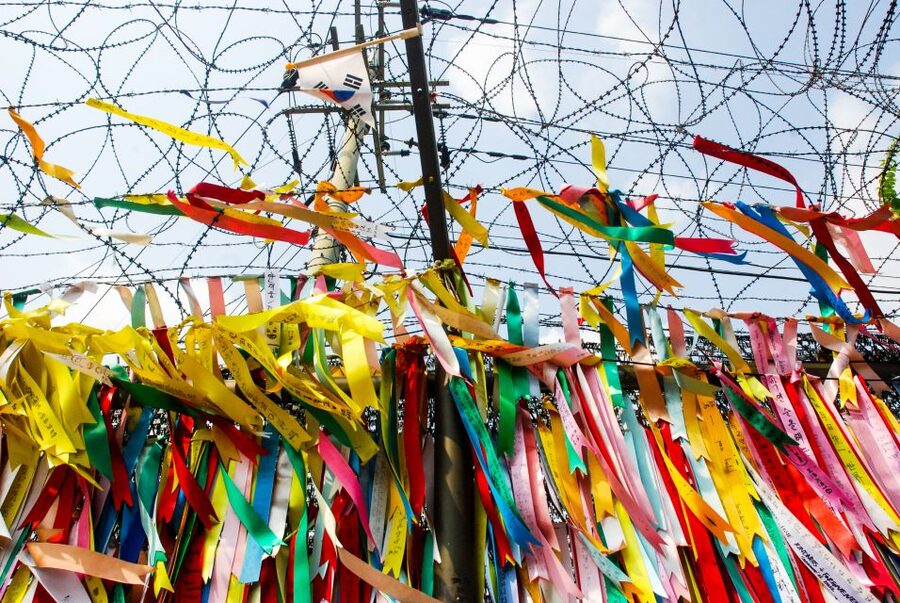
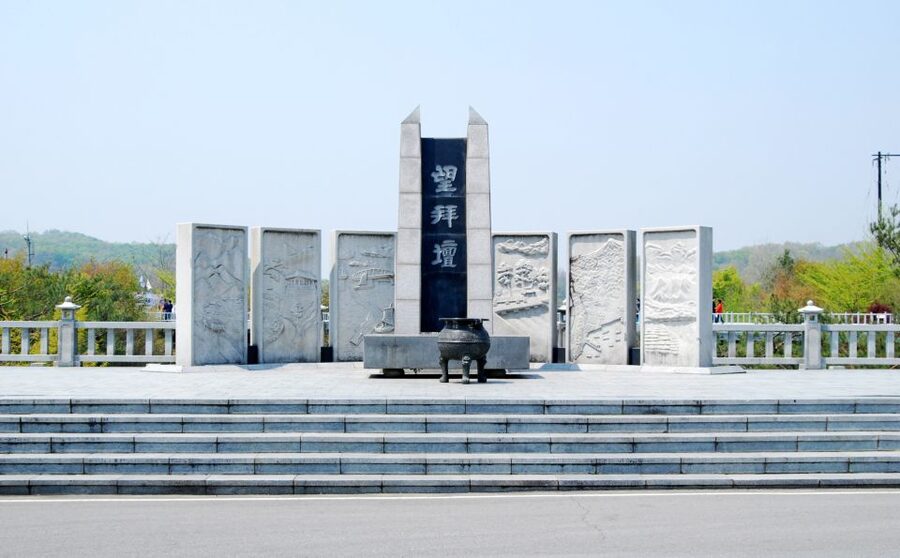
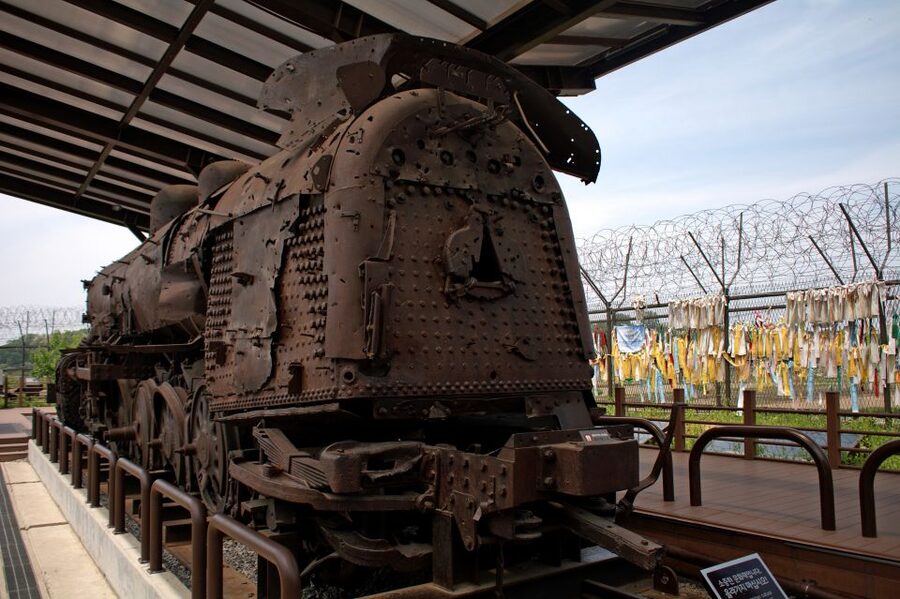
Imjingak is another included highlight, and it adds a different emotional layer to the day. If war history is about events and structures, Imjingak tends to function as a reminder that the conflict left long-lasting traces. It helps you see the DMZ as more than a border line on a map.
Even if you’re not a hardcore history person, this stop can make the bigger story feel personal because it sits close to the real-world geography that shaped separation and hope.
If DMZ access changes: your backup plan is built in
DMZ days can be unpredictable. The tour data makes it clear that if there is an unannounced military training or official event, the planned DMZ route can be replaced.
When that happens, your DMZ portion shifts to Tomorrow’s Whistle, Bunker Beat 131, Odusan Unification Tower, and The War Memorial of Korea. That replacement matters because it keeps the day aligned with the same core theme: how conflict, division, and reunification efforts are reflected in specific sites.
I like having this safety net. You still get a structured, guided experience that fits the purpose of the tour, even if the exact order or specific DMZ checkpoints change. The key is to stay flexible and trust the guide’s schedule once you’re in the field.
Gyeongbok Palace: more than gates and courtyards
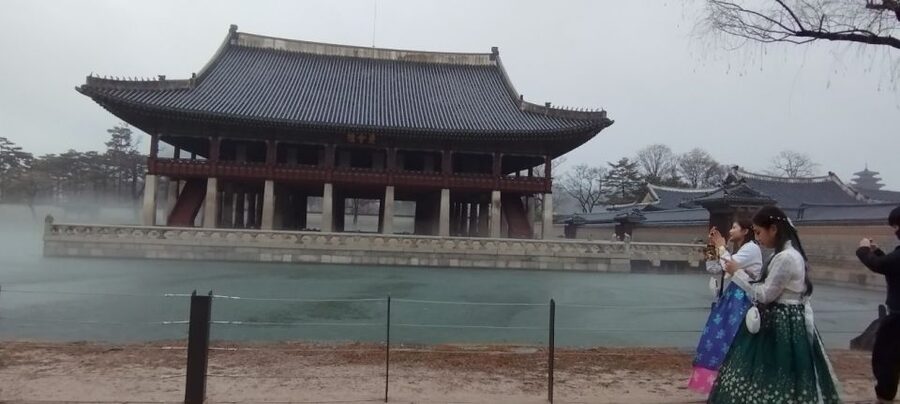
After the DMZ, the day turns to Gyeongbok Palace, the historic royal seat tied to Korea’s Joseon dynasty era. The key point that helps the visit click is the way the palace is explained: it was run with a system of employees and advisers, more like a working institution than a royal-only bubble.
That detail changes how you walk through the grounds. You start noticing roles, processes, and the logic behind where people would work and meet, instead of only thinking about who lived where. It also turns the palace into a story about governance and daily administration.
The tour also frames Gyeongbok Palace as a lived space, where the king, his family, and thousands of others previously lived while ruling the nation. That scale makes it easier to imagine court life beyond the most famous buildings.
Tuesday swaps: Deoksu Palace can replace Gyeongbok
If you’re visiting on a Tuesday, Gyeongbok Palace may be closed, and the tour will replace it with Deoksu Palace. It’s a useful detail to know because it prevents disappointment if you assumed you would see the exact main palace you planned around.
If you like palace architecture, palace layouts, and how these places reflect power, Deoksu Palace should still fit the day’s theme. Just be ready for the focus to shift slightly depending on what’s open that day.
The early start and small rules that keep the day flowing
This tour is built around a strict schedule, so your job is simple: show up prepared and follow the guide.
Meeting point timing and how to plan your morning
You meet at Exit 7 of City Hall Station at 07:30 AM. That means you’ll want to be at the station early enough to handle transit hiccups and a quick check of your documents before boarding.
Because the day is 10 hours long, I recommend treating this like a full-day commitment, not a casual add-on. If you’re trying to stack shopping or late dinners afterward, you’ll likely feel the fatigue.
Passport and clothing rules you should actually care about
You must bring a current valid passport. This is non-negotiable for secure-area access.
You’re also told not to wear sandals or slippers, sneakers are the right move. That’s practical advice, the DMZ and palace stops both involve walking and standing in regulated areas.
Authorized bus and photo timing rules
Every tourist must travel on the authorized bus and follow the time photo regulation. It’s not just bureaucracy, it keeps movement and security procedures consistent. Follow those instructions closely, and your guide will keep you in the correct spots at the correct moments.
If you’re tempted to squeeze in extra photos, resist the urge. Your best photos will usually be the ones the day allows, not the ones you chase after the timing window closes.
Price and value: is $110 fair for 10 hours?
$110 for a 10-hour Seoul day that includes DMZ entry access is not a budget deal, but it is also not overpriced when you look at what’s bundled.
You get:
- Hotel pick-up and drop-off service
- A professional English guide
- Transportation
- Entry to the DMZ
- A military tourist guide and guided explanations in the secure area
That combination is the real value. You are paying for access, structure, and interpretation. The DMZ is not just a sightseeing zone, it’s a controlled environment where explanations matter and timing matters.
The main cost you should budget separately is lunch, since lunch is listed as not included. Still, one participant noted that they received a traditional lunch as part of the day. Treat that as a pleasant bonus you might get, not something you can rely on. Plan for lunch time, bring money, and you won’t worry if the day runs differently.
Who this feels like best value for
This is ideal if you:
- Want DMZ sights without building your own logistics
- Prefer a guided explanation that stays grounded in security context
- Like pairing modern Korea with older Korea in one day
If you already love independent travel and you can manage access rules confidently, you might explore on your own later. But for most first-timers, the guided structure is worth it.
Who should book, and who should skip
Book this tour if…
You want a one-day plan that hits major DMZ highlights and then makes Gyeongbok Palace meaningful. You also care about being guided by people who know how to explain sensitive history in a respectful, organized way.
You’ll probably enjoy it most if you’re the type who asks questions. Guides like Molly, Ron Han, and SP were singled out for answering questions thoroughly and guiding with warmth.
Skip or reconsider if…
You need wheelchair access, since the tour is not wheelchair accessible. If you’re traveling with unaccompanied minors, note that unaccompanied minors are not allowed. And if you hate early mornings and long walking days, you may find the schedule stressful.
If you’re unsure, focus on one question: are you okay with a structured day where the guide and rules run the show?
Should you book this Seoul DMZ and Gyeongbok Palace tour?
I think this is a strong choice for first-time Seoul visitors who want the DMZ without the stress of planning. The value is in the access plus the guided interpretation, military tourist guidance, and security-focused explanations that make the day feel coherent.
If you’re the kind of person who wants to understand what you’re looking at, this fits. Just do yourself a favor and show up with sneakers, a passport, and realistic expectations for a long day.
If you want, tell me your travel dates and whether it’s a Tuesday. I can help you think through the palace swap possibility and how to plan your rest and meals around the 10-hour schedule.
FAQ
How long is the Seoul DMZ and Palace tour?
The tour duration is 10 hours.
Where is the meeting point and what time does the tour start?
You meet at Exit 7 of City Hall Station at 07:30 AM.
What do I need to bring?
You should bring a passport.
Do I need a passport to enter the DMZ?
Yes, a current valid passport is required on the day of travel.
Is lunch included?
Lunch is listed as not included. One review mentions a traditional lunch being provided, so it’s worth being prepared to pay for lunch just in case.
What are the DMZ main sights included on this tour?
The tour includes the Third Tunnel Experience, an observatory to view North Korean residents, the War History Pavilion, and Imjingak.
What happens if Gyeongbok Palace is closed on Tuesdays?
If Gyeongbok Palace is closed on Tuesdays, it will be replaced by Deoksu Palace.
What happens if there is an unannounced military training or official event in the DMZ?
If that happens, the DMZ portion will be replaced with a tour of Tomorrow’s Whistle, Bunker Beat 131, Odusan Unification Tower, and The War memorial of Korea.
Is the tour wheelchair accessible?
No, the tour is not wheelchair accessible.
More Palace Tours in Seoul
- Seoul: Gyeongbok Palace, Bukchon Village, and Gwangjang Tour
★ 4.9 · 2,321 reviews - Seoul: Gyeongbok Palace, Bukchon Village, and Gwangjang Tour
★ 5.0 · 1,044 reviews - Seoul: Palace, Temple and Market Guided Foodie Tour at Night
★ 4.9 · 750 reviews - Seoul Highlights: Gyeongbok Palace, Insadong & N Seoul Tower
★ 4.7 · 726 reviews
Recently reviewed in Seoul
- You’re Invited to Our Home in Seoul: The Only Cooking Class!★ 5.0 · 8 reviews
- Your Personal Seoul Photographer!★ 4.1 · 15 reviews
- From Seoul: Yongpyong Ski Day Tour with Transportation★ 4.9 · 40 reviews
- Seoul: Korean & English Language Exchange Global Party★ 5.0 · 28 reviews
- Watching sports match & local food experience in Seoul★ 5.0 · 11 reviews
- WKT Combat Taekwondo & Self-defense One Day Class in Seoul★ 5.0 · 5 reviews
- Unique Native Experience : Han River Picnic, Board game, BBQ★ 5.0 · 3 reviews
- Seoul: Gangneung BTS K-Pop & K-Drama Filming Locations Tour★ 4.6 · 14 reviews
DMZ Tours, compared.
Best DMZ Tour Korea from Seoul (Red Suspension Bridge Optional)
Read our review →
DMZ Tour: 3rd Tunnel, Option(Suspension Bridge, Boat) from Seoul
Read our review →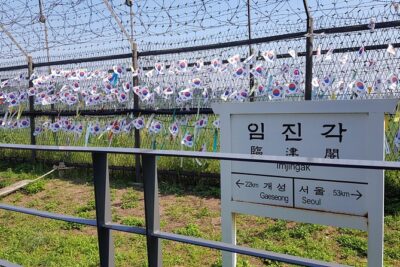
DMZ tour south Korea from Seoul (NK experience hall, defector)
Read our review →
DMZ Insider Tour: 3rd Tunnel, NK Defector Meet & Red Bridge
Read our review →
The Best DMZ Tour with Optional Suspension Bridge
Read our review →
Signature DMZ Tour: Exclusive Defector Talk & Suspension Bridge
Read our review →
Thrilling Korean DMZ 3rd Tunnel Tour from Seoul + Red Bridge Rush
Read our review →
DMZ Tour & Suspension Bridge (Option English/Spanish)
Read our review →Browse the lists this tour appears in