
Reviewed · HANOK VILLAGE TOURS
Seoul: Bukchon Hanok Village Walking Tour
Bukchon Hanok Village has a way of slowing you down. This 2-hour, small-group walk pairs English guide commentary with real look-and-learn time among traditional houses, plus a coffee or tea break.
Two things I really liked: you get a clear sense of how Hanok changed over time, not just a photo stop, and the guide storytelling makes Bukchon feel human and readable. One thing to consider is that weekends and holidays can be tricky for confirmation, and the tour can cancel if the group is under 4 people.
In This Review
- Key Highlights to Expect on This Bukchon Walk
- Why Bukchon Hanok Village Feels Like a Time Machine in the City
- Meeting at Anguk Station, Then Getting Oriented in Minutes
- OraeGage Explained: Old Shops With Stories Worth Knowing
- Walking Back Lanes Where Traditional Houses Meet Modern Seoul
- Spotting Hanok Differences Across Eras (Without Feeling Like It’s a Lecture)
- Inside Typical Hanok Houses: What You Learn From the Layout
- Tea Stop in a Traditional Setting, Plus the Etiquette Angle
- Price and Value: Is $55 Reasonable for 2 Hours?
- Group Size, Timing, and the One Thing to Plan Around
- Who This Bukchon Hanok Walk Is Best For
- Should You Book This Bukchon Hanok Village Walking Tour?
- FAQ
- How long is the Bukchon Hanok Village walking tour?
- Where is the meeting point for the tour?
- Is the tour guide available in English?
- What is the group size?
- What is included in the price?
- What should I bring for the walking part?
- Is there free cancellation?
- Can I reserve on weekends or holidays?
- What happens if there are fewer than 4 participants?
Key Highlights to Expect on This Bukchon Walk
- Small group size (up to 10) keeps the pace relaxed and questions easy
- English live guide with lots of history, anecdotes, and practical explanations
- OraeGage context helps you understand why old shops and traditions still matter
- Hanok across different periods means you compare features and transformations, not just admire facades
- Coffee or tea included, plus a chance to pause in a traditional tea setting
- Comfortable-shoe walking through Bukchon’s lanes, where the old and the modern sit side by side
Why Bukchon Hanok Village Feels Like a Time Machine in the City
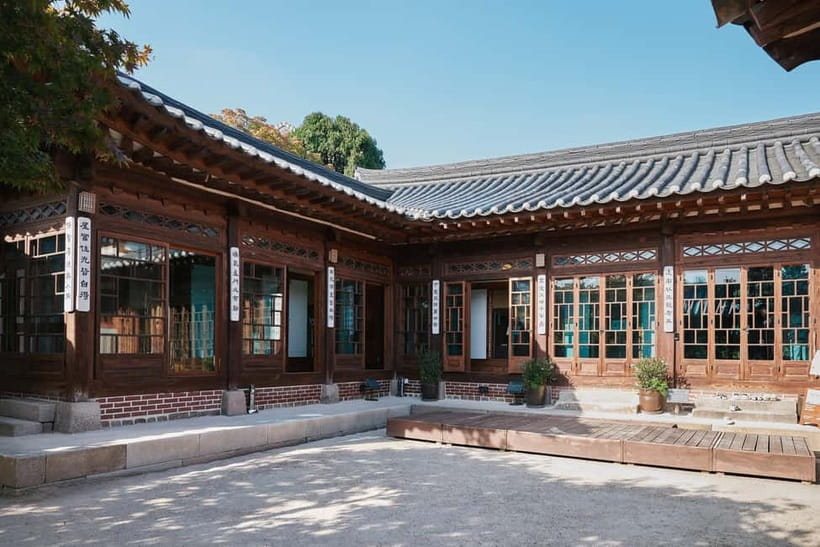
Bukchon Hanok Village sits north of the Cheonggyecheon Stream and around Jongno, and the first impression is simple: you’re surrounded by old Korea, even while Seoul hums nearby. That contrast is exactly what makes this tour work. You stop looking at Hanok as a distant postcard and start seeing it as living architecture.
Hanok is Korea’s traditional house style, shaped and reshaped across centuries. On this walk, you’re not stuck with one kind of building. You’ll see Hanok houses from different periods, which is the easiest way to understand how form, function, and style evolve. The guide connects details you might notice on your own, like rooflines and house layout, with what those choices meant for daily life.
I also liked how the tone stays calm. The tour leans into healing and relaxation. You get to slow your steps, take in the traditional neighborhoods, and listen without feeling rushed from one landmark to the next.
More Hanok Village Tours in Seoul
- Seoul City Sightseeing Tour Including Gyeongbokgung Palace, N Seoul Tower, and Namsangol Hanok Village
★ 5.0 · 1,423 reviews - Seoul: Gyeongbok Palace and Bukchon Hanok Walking Tour
★ 4.8 · 157 reviews - Best Walking Tour to Gyeongbok Palace Bukchon Hanok Village
★ 5.0 · 138 reviews
Meeting at Anguk Station, Then Getting Oriented in Minutes
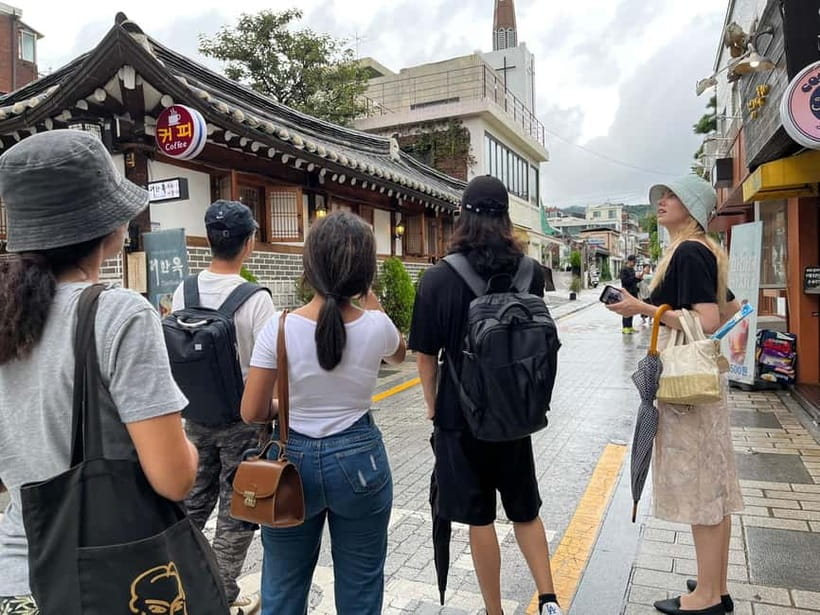
You start at Anguk Station, Exit 3 (Subway Line 3). The reason this matters is simple: it’s a clean, central reference point. Seoul can be confusing if you’re wandering without a plan, and a clear meeting spot helps you arrive ready to walk.
Your tour ends back at the meeting point too. That makes the timing feel tidy, especially if you’re building a day around other stops. You’re looking at a 2-hour experience, so it’s long enough to get context, but short enough that you can still manage the rest of your itinerary the same day.
Because the tour is a walking route through Bukchon, your best move is practical: wear comfortable shoes. The streets are uneven in places, and your feet will thank you if you come prepared.
OraeGage Explained: Old Shops With Stories Worth Knowing
One of the most useful parts of this experience is the guide’s explanation of OraeGage. In plain terms, OraeGage refers to older stores that have kept going for a long time, passing down value and tradition. The concept is tied to Seoul’s effort to recognize and designate places that carry distinctive atmosphere and stories.
Why should you care about a store term during a Hanok village tour? Because the lesson is bigger than retail. It’s about how culture survives. If you only look at houses, you miss the daily world around them. OraeGage is part of the same cultural continuity, where the neighborhood keeps its identity through the small things, the long-running habits, and the people who maintain them.
This is also where a good guide earns their fee. When the guide ties old shop culture into what you see outside the Hanok entrances, Bukchon stops feeling like a museum set and starts feeling like a real neighborhood.
Walking Back Lanes Where Traditional Houses Meet Modern Seoul
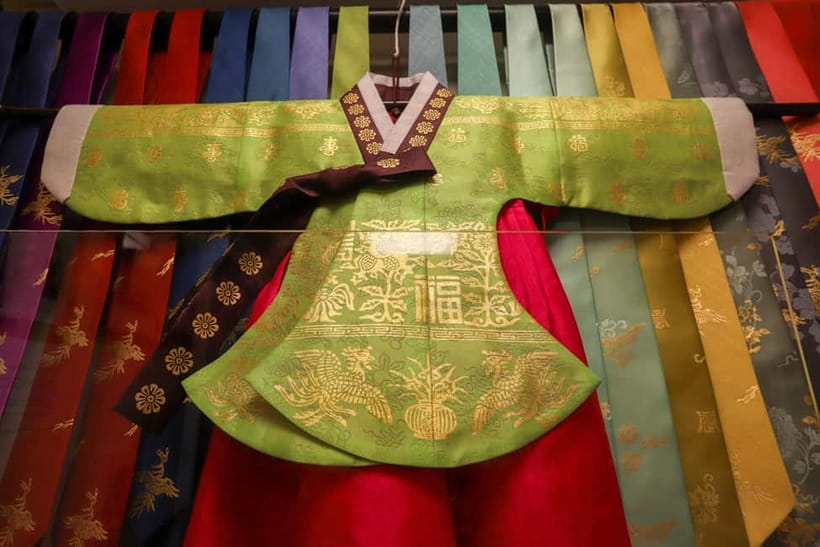
Bukchon’s appeal is partly visual, but what you’re really learning is spatial. The area’s Hanok houses are well preserved and not distorted by other cultures. That matters because it keeps what you see closer to the original pattern of the neighborhood rather than a forced theme version.
During the walk, you’ll get time to observe how the village blends traditional buildings with the modern city around it. That blend is part of the charm, and also part of the lesson. Korea’s history did not vanish. It layered itself into Seoul’s growth.
I found this kind of walking useful because it teaches you how to look. Instead of snapping a few pictures and moving on, you start noticing small architecture cues, like how a house faces the street, how rooms relate to courtyards, and how Hanok details express lifestyle. If you’ve ever wondered why traditional houses look the way they do, this tour gives you enough context to answer that question.
Same trip, a different corner of the country:
- Best DMZ Tour Korea from Seoul (Red Suspension Bridge Optional)
★ 5.0 · 41,422 reviews - DMZ Tour: 3rd Tunnel, Option(Suspension Bridge, Boat) from Seoul
★ 5.0 · 21,373 reviews - DMZ tour south Korea from Seoul (NK experience hall, defector)
★ 5.0 · 20,599 reviews - Seoul: The Best DMZ Tour with Optional Suspension Bridge
★ 4.7 · 4,978 reviews
Spotting Hanok Differences Across Eras (Without Feeling Like It’s a Lecture)
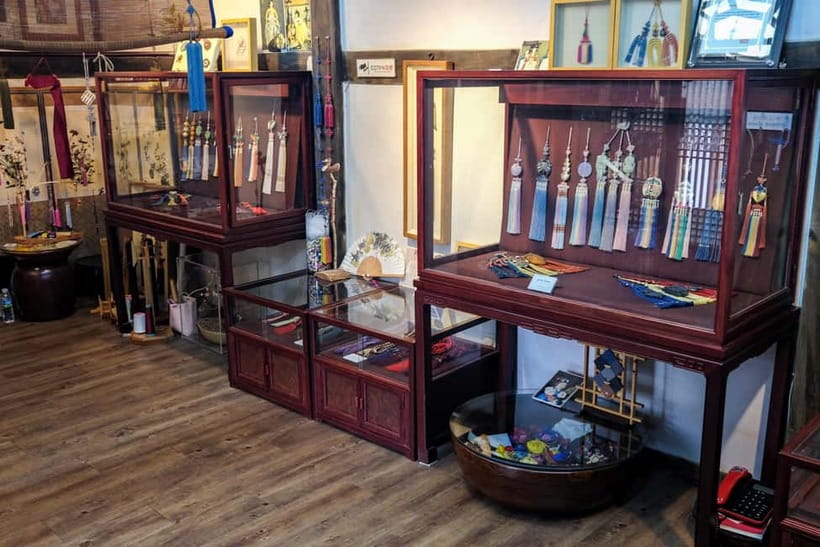
A key promise of this tour is that you visit Hanok houses from various periods. That’s not trivia, it’s strategy. When you compare houses built in different eras, you get a clearer picture of what stayed important and what changed.
Here’s what you can expect to take away:
- You’ll learn about unique features of Hanok houses and how they differ.
- You’ll hear how Hanok forms persisted through different eras and still hold historical value today.
- You’ll understand Hanok as architecture with purpose, not just an aesthetic.
This approach is especially helpful if you don’t have a Korea history background. The guide commentary provides the bridge from what you see to what it meant. And because the group is small, it’s easier to get answers on the spot instead of waiting until the end.
You should also know the pacing philosophy. The tour aims to be comfortable and unhurried. One review I saw mentioned that the guide avoided rushing and explained with lots of courteous attention. That lines up with what you want from a walking tour in a neighborhood like Bukchon. You’re there for observation, not speed.
Inside Typical Hanok Houses: What You Learn From the Layout
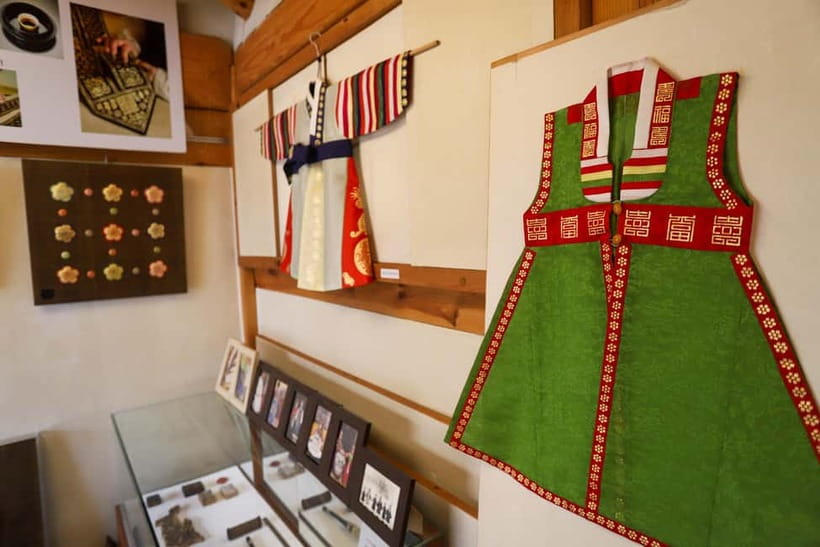
The experience goes beyond the street view. The guide shows you the village and, when available, the interior of typical houses. That makes a huge difference. From outside, Hanok can look beautiful but distant. Inside, the layout and design choices start to make sense.
Even without going into heavy technical detail, interiors tend to teach the big ideas:
- How rooms relate to one another
- How a courtyard or open space supports daily life
- Why the structure supports both practical needs and cultural expectations
If you love architecture or you simply want to understand what you’re photographing, interiors are the payoff. You stop thinking of Hanok as a building and start thinking of it as a system for living.
Also, if your guide is Alan, you might get extra value from how he explains. One review highlighted that Alan described Bukchon Hanok Village history with enthusiasm and great courtesy, and that he also helped the group take photos. That’s the kind of guide who understands two things at once: story and experience.
Tea Stop in a Traditional Setting, Plus the Etiquette Angle
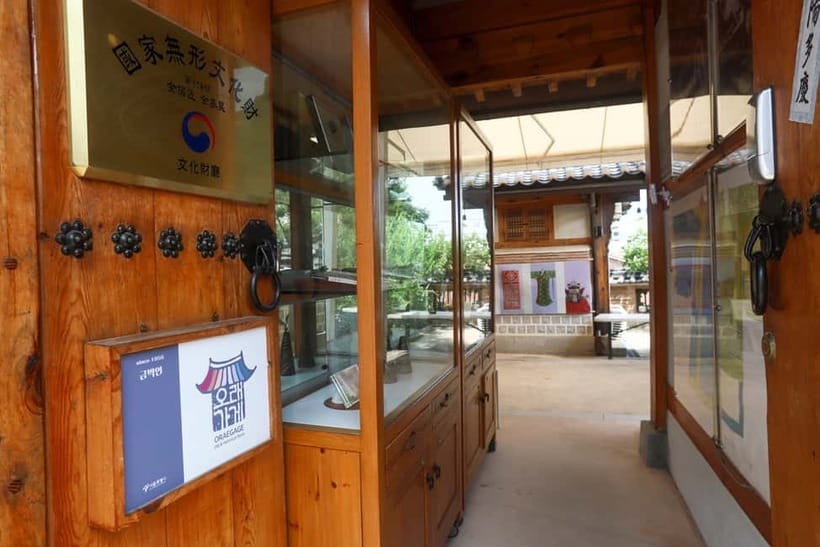
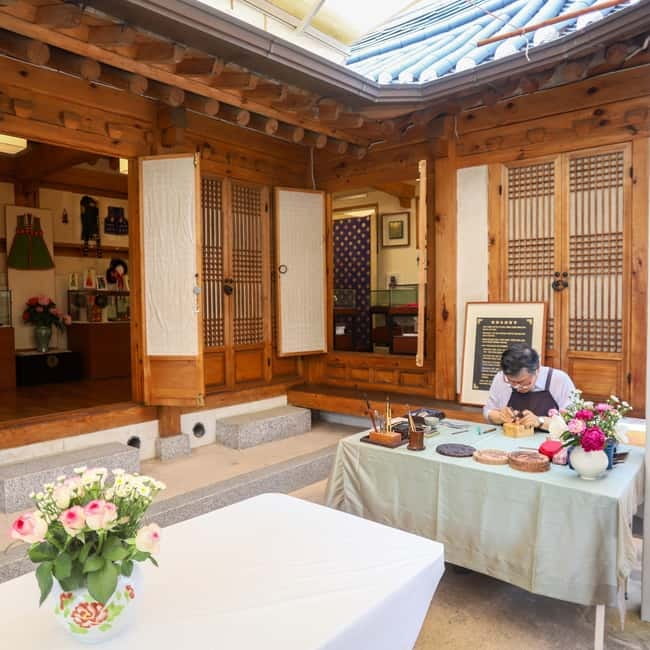
Included in the tour is coffee or tea, and there is a traditional tea house stop. This is where the walking tour turns into a more human break. You sit down, cool off, and let the information settle.
One review mentioned a tea house and that tea and sweets were offered. The exact refreshments can vary, but you can count on the coffee or tea component since it’s included.
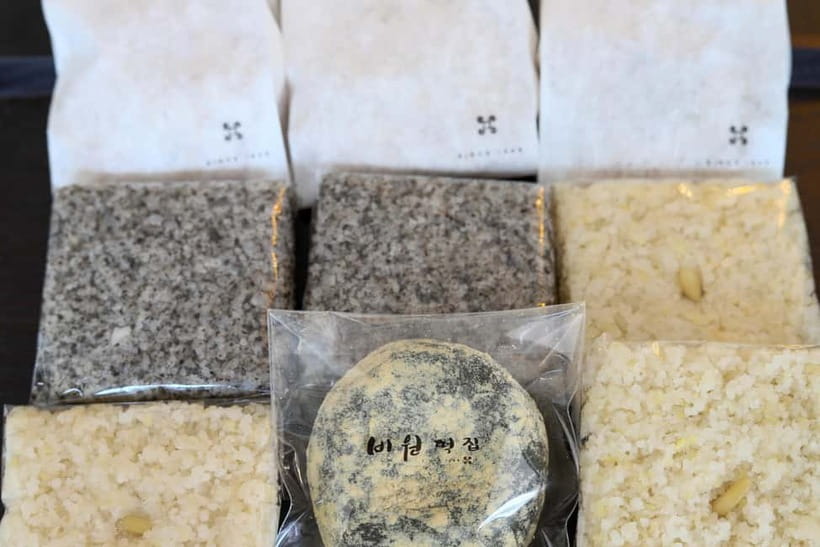
What you’re also learning during the tour is culture, including the food and lifestyle connected to Korea’s noble class. The tour describes the culture and etiquette enjoyed by nobles in that era, and ties that to how you understand traditional Korean cuisine and values. Even if you only know a little about Korean history, those details create a clearer mental picture of how people lived, ate, and held social norms.
This is one of the reasons Bukchon feels special: you’re not only seeing old houses, you’re hearing about the human routines that shaped them.
Price and Value: Is $55 Reasonable for 2 Hours?
The price is $55 per person for a 2-hour guided experience with an English live guide, plus coffee or tea. On paper, it’s not a bargain price. But for what you get, it can feel fair.
Here’s where the value comes from:
- You’re paying for a guide to translate architecture and neighborhood context into something you can actually understand on foot.
- The small group size, limited to 10, helps you get more personal attention and a less chaotic tour flow.
- You get an included drink, which sounds small until you’re walking in warm or humid weather.
If you were going to do Bukchon solo, you could absolutely walk the streets yourself. But you would miss the structured connections, like what Hanok changes across eras mean, or why OraeGage is part of Seoul’s cultural preservation effort. In other words, the guide is the product here, and the architecture is the classroom.
So I’d frame the decision like this: if you like explanations and want your photos to come with meaning, $55 can be a solid spend. If you mainly want wandering time and don’t care about commentary, you might prefer a self-guided plan.
Group Size, Timing, and the One Thing to Plan Around
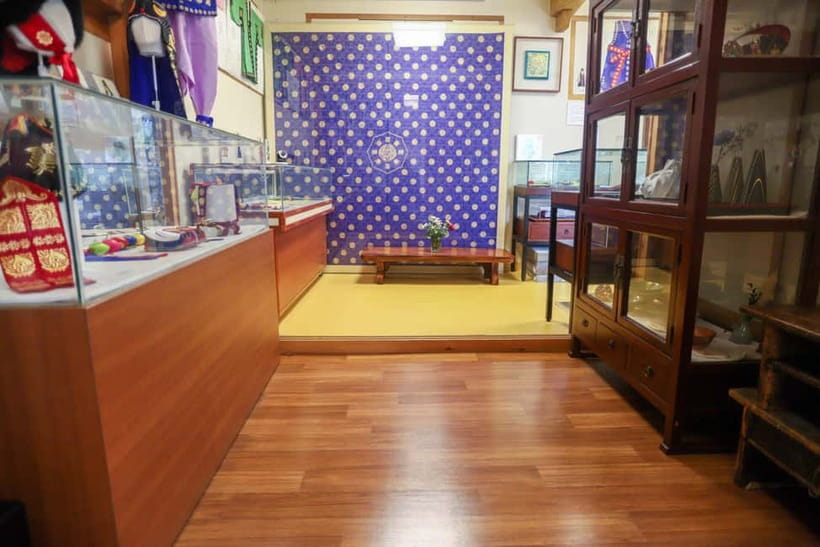
This is designed as a small group tour, capped at 10 participants. That matters because Bukchon lanes can get crowded with regular foot traffic. A smaller group helps keep the experience comfortable and keeps the focus on listening and looking, not just moving.
Timing is another point. The tour runs for 2 hours, and starting times depend on availability. You’ll want to check schedule options before committing to a fixed plan.
One consideration I’d treat seriously: reservations can’t be confirmed on weekends and holidays, and if there are fewer than 4 participants, the tour may cancel. That doesn’t mean it’s a bad tour. It just means you should avoid scheduling it as your only Bukchon option if you have strict travel plans.
Good news, though: there’s free cancellation up to 24 hours in advance for a full refund, and there’s a reserve now, pay later option to keep your plans flexible.
Who This Bukchon Hanok Walk Is Best For
This tour fits best if you want more than sightseeing. You’ll enjoy it if you:
- Like guided history that connects directly to what you see
- Want to understand Hanok beyond the basics
- Appreciate cultural context, like OraeGage and noble-era etiquette stories
- Prefer a calm, small-group walking pace
- Enjoy a planned break with coffee or tea included
If you’re traveling with a group that wants lots of free time, or you hate walking on uneven streets, you might find this tour a bit structured. But for most visitors, the 2-hour length is a sweet spot.
It’s also a good choice for first-timers in Seoul who want one neighborhood experience that teaches you how tradition fits inside a modern city.
Should You Book This Bukchon Hanok Village Walking Tour?
I’d book it if you want your Bukchon photos to come with real understanding. The best parts are the guide commentary, the comparison of Hanok houses across periods, and the cultural links that go beyond the buildings themselves, like OraeGage and noble-era lifestyle details.
I’d pause before booking if your trip includes a weekend or holiday and you absolutely need a guaranteed start time. The tour can depend on confirmation and group size, so you should check availability early.
If you’re flexible and you like listening while you walk, this is one of those Seoul experiences that leaves you with more than memories. You’ll leave knowing what to look for the next time you see a Hanok, and you’ll understand why Bukchon still feels like it belongs to Korea, not just to tourism.
FAQ
How long is the Bukchon Hanok Village walking tour?
It lasts about 2 hours. Starting times depend on availability.
Where is the meeting point for the tour?
You meet at Anguk Station Exit no. 3 on Subway Line 3. The tour ends back at the same meeting point.
Is the tour guide available in English?
Yes. The tour has a live English-speaking guide.
What is the group size?
This is a small group tour limited to 10 participants.
What is included in the price?
The price includes a local tour guide and coffee or tea.
What should I bring for the walking part?
Wear comfortable shoes, since it is a walking tour.
Is there free cancellation?
Yes. You can cancel up to 24 hours in advance for a full refund.
Can I reserve on weekends or holidays?
Reservations cannot be confirmed on weekends and holidays.
What happens if there are fewer than 4 participants?
If the number of participants is under 4, the tour will be canceled, and you will receive a notice via WhatsApp.
More Walking Tours in Seoul
- Seoul moonlight walking tour with local historian
★ 5.0 · 940 reviews - Seoul: Nighttime Hidden Gems Walking Tour
★ 5.0 · 775 reviews - Seoul: Evening Dark History, Folklore & Ghost Story Walking Tour
★ 5.0 · 593 reviews - Seoul: Dark Side of the City and Ghost Stories Walking Tour
★ 4.8 · 484 reviews
Recently reviewed in Seoul
- You’re Invited to Our Home in Seoul: The Only Cooking Class!★ 5.0 · 8 reviews
- Your Personal Seoul Photographer!★ 4.1 · 15 reviews
- From Seoul: Yongpyong Ski Day Tour with Transportation★ 4.9 · 40 reviews
- Seoul: Korean & English Language Exchange Global Party★ 5.0 · 28 reviews
- Watching sports match & local food experience in Seoul★ 5.0 · 11 reviews
- WKT Combat Taekwondo & Self-defense One Day Class in Seoul★ 5.0 · 5 reviews
- Unique Native Experience : Han River Picnic, Board game, BBQ★ 5.0 · 3 reviews
- Seoul: Gangneung BTS K-Pop & K-Drama Filming Locations Tour★ 4.6 · 14 reviews
Hanok Village Tours, compared.
Seoul City Sightseeing Tour Including Gyeongbokgung Palace, N Seoul Tower, and Namsangol Hanok Village
Read our review →
Gyeongbok Palace and Bukchon Hanok Walking Tour
Read our review →
Best Walking Tour to Gyeongbok Palace Bukchon Hanok Village
Read our review →Experience Korean Cooking in Modern Hanok Kitchen
Read our review →
Jeonju Hanok Village Full-Day Tour:Jangtaesan Autumn Foliage
Read our review →
Afternoon Seoul: Hanok Vibes, Netflix Street Food & N Seoul Tower
Read our review →
Seoul Morning Tour: Seoul Tower, Namsan Hanok Village, The War Memorial of Korea
Read our review →Jeonju Hanok Village Full-Day Tour: Jangtaesan Autumn Foliage
Read our review →Browse the lists this tour appears in