Reviewed · SEOUL TOURS
Savoring Authentic Korean Liquor and Cuisine
Korean liquor is a whole world by itself. This small tasting at LodgeMagok turns the spotlight on real traditional methods, plus the Korean snack foods called An-ju that make every sip click.
I like the focused format: you try three liquor styles, Takju, Cheongju, and a distilled liquor, and you get real context for what makes them different. I also like that the pairing side is not an afterthought, you get Korean foods meant to go with alcohol, not plain filler snacks. One thing to consider: the menu can vary based on supply and demand, so you might not get every item you hoped for.
In This Review
- Key Things I’d Plan For
- Why Korean Traditional Liquor Feels Different
- Where You Go in Seoul and What the Setting Means
- Hyesun, the Owner-Chef Who Connects Food and Fermentation
- The Tasting Lineup: Takju, Cheongju, and Distilled Liquor
- Takju
- Cheongju
- Distilled liquor
- The Real Pairing Secret: An-ju Does the Work
- How the 1.5 Hours Usually Flows, and How to Get the Most Out of It
- Price and Value: Is $59 Worth It?
- Who Should Book This Korean Liquor and An-ju Tasting
- Quick Safety and Comfort Tips Before You Go
- Should You Book This Tour?
- FAQ
- How long does the Korean liquor and An-ju tasting last?
- What types of Korean traditional liquor will I taste?
- What is included in the An-ju food pairing?
- What is the minimum age to join?
- How large is the group?
- Where do we meet for the tour?
- Can I get a refund if I cancel?
Key Things I’d Plan For
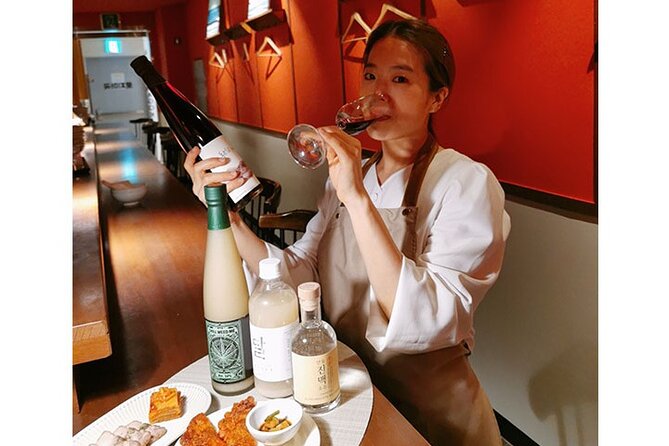
- Three liquor categories to taste: Takju, Cheongju, and distilled liquor, side by side
- A short lesson that actually matters: how Korean traditional liquor is made from rice, mountain mineral water, and naturally fermented yeast
- Rare regional selection: special pours chosen from local breweries across Korea
- An-ju pairings that change the drink: Korean pancake-style plates and kimchi dishes designed to match flavor
- Small group vibe, max 6 people: plenty of time to ask questions without feeling rushed
- Owner-chef host, Hyesun: a world traveler who runs a traditional liquor restaurant
Why Korean Traditional Liquor Feels Different
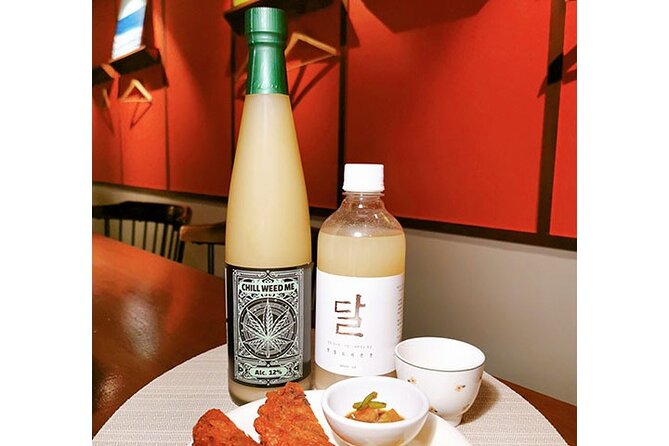
If you mostly know soju or makgeolli from bottles, traditional Korean liquor can feel like a different category entirely. The big idea is the ingredients are simple, but the fermentation and methods are the point. Traditional liquor is made with three essentials: Korean rice, mineral water from a mountain, and naturally fermented yeast.
That matters because the taste is not just about alcohol strength. It is about aroma, body, and that slightly complex, fermented depth you do not always get with mass-produced drinks. And yes, I get why you might compare it to sake or wine, but the goal here is harmony, not a one-to-one match.
You will also hear a useful fact that frames the whole scene: Korea has over 1,400 small traditional liquor breweries. That is a lot of variation from region to region. So when you taste more than one style, you quickly realize you are not sampling one drink. You are tasting a whole map of Korean flavors.
A few more Seoul days worth comparing
- Best DMZ Tour Korea from Seoul (Red Suspension Bridge Optional)
★ 5.0 · 41,422 reviews - DMZ Tour: 3rd Tunnel, Option(Suspension Bridge, Boat) from Seoul
★ 5.0 · 21,373 reviews - DMZ tour south Korea from Seoul (NK experience hall, defector)
★ 5.0 · 20,599 reviews
Where You Go in Seoul and What the Setting Means
This experience happens in Seoul at LodgeMagok, in Magok-dong, Gangseo-gu. The meeting point is 로찌마곡(LodgeMagok), 중앙로 171 나루역프라이빗타워Ⅱ 207호, and the tour ends back at the same meeting point. It is near public transportation, so you should not need a complicated plan just to get there.
The group is kept small, up to 6 people. That is not just a comfort detail. It changes how the tasting feels. In a small group, you tend to get more direct interaction with the owner-chef, and you are more likely to get answers when you ask what to look for in each drink.
You will also want to plan around the basics of the experience rules. Alcohol is served only to ages 18 and up, and service animals are allowed. You get a mobile ticket, which is exactly what you want in a city like Seoul where you are often bouncing between neighborhoods.
Hyesun, the Owner-Chef Who Connects Food and Fermentation
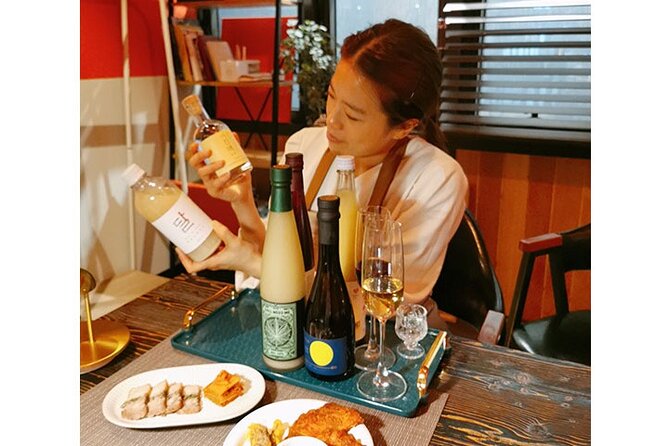
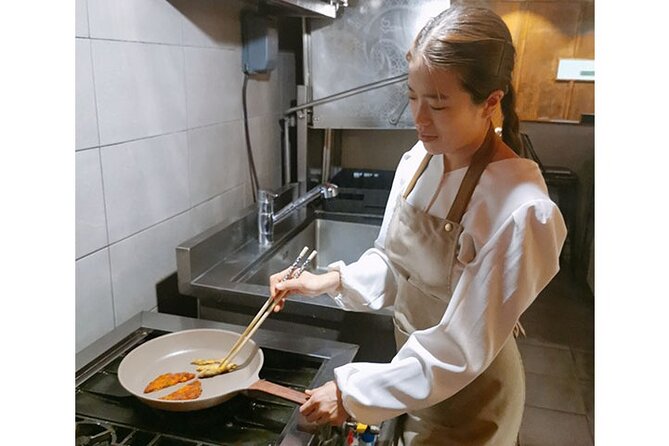
The host is Hyesun, an owner-chef who specializes in traditional liquor and also has world traveler stories. The way the night is described, it is not just a lecture where you watch and clap. It is more like sitting down with someone who cares about the craft, then tasting your way through what they mean.
Hyesun also runs the restaurant focused on traditional liquor, so you are not relying on random trivia. The goal is practical understanding: what the drink is made from, what makes each type different, and how Korean food is built to pair with alcohol.
One of the most pleasant parts of this kind of tasting is when the host invites your travel stories too. If you are the type who likes to chat, this setup is more fun than many formal tastings where everyone stays quiet. If you are quieter, you can still take it all in. The format is built around samples, so you always have something to react to.
The Tasting Lineup: Takju, Cheongju, and Distilled Liquor
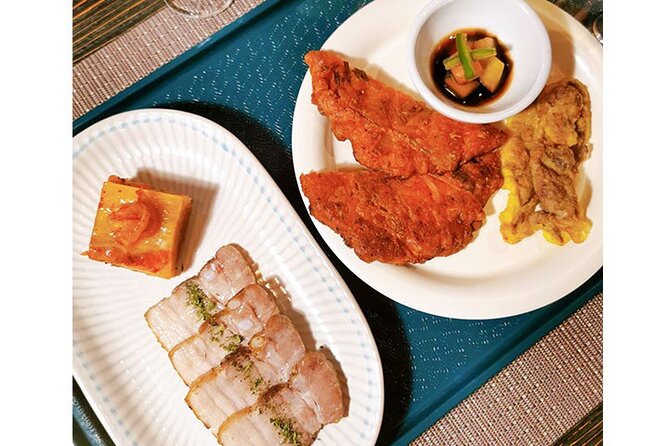
You will taste three traditional liquor types, and each one is part of the bigger Korean tradition puzzle.
Same trip, a different corner of the country:
- Seoul: The Best DMZ Tour with Optional Suspension Bridge
★ 4.7 · 4,978 reviews - Signature DMZ Tour: Exclusive Defector Talk & Suspension Bridge
★ 5.0 · 4,459 reviews - Thrilling Korean DMZ 3rd Tunnel Tour from Seoul + Red Bridge Rush
★ 5.0 · 3,097 reviews - Seoul: DMZ Tour & Suspension Bridge (Option English/Spanish)
★ 4.9 · 2,628 reviews
Takju
Takju is one of the best starting points for people new to Korean traditional liquor. It is tied to the world of rice-based fermentation, so you can usually detect that rounded, gently fermented character. When you taste it first, it sets a baseline for what the other categories can build on or shift away from.
Cheongju
Cheongju follows, and it is where many people start noticing that even within rice-based traditions, the flavor direction can change. The differences can show up as shifts in sweetness, aroma, and overall body. You are not just tasting three random samples. You are comparing three related styles.
Distilled liquor
Then comes the distilled liquor. Distillation changes the concentration and can sharpen certain notes. It can also make the pairing foods feel more vivid, because the drink is more assertive and the An-ju can cut through or balance the intensity.
The value here is the structure. By the end, you usually understand what to focus on when you compare drinks later, even if you explore more on your own. You know what you are tasting and why it tastes that way.
The Real Pairing Secret: An-ju Does the Work
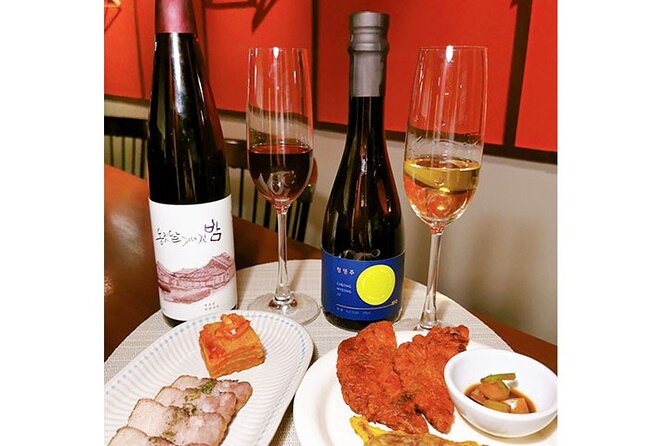
Let us be honest. Tastings often fail when the food is treated like an afterthought. Here, the snack food is a core part of the experience.
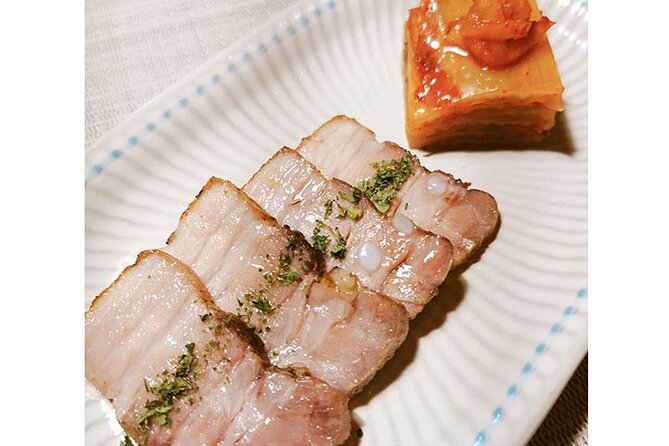
An-ju is the Korean concept of drinking foods meant to go with alcohol. Instead of bland bites, you get Korean dishes that have salt, texture, and strong flavors that match the fermentation character of the liquor. The pairing is designed so the drink and food influence each other.
You might try items like:
- veg pancake
- meat pancake
- kimchi bibim noddle
Exact dishes can depend on supply and demand, so do not expect a guaranteed checklist. But the key is the category: Korean comfort foods with bold flavor and satisfying bite.
Why this pairing approach is smart: fermented drinks often taste best with savory, umami-rich foods. Pancake-style dishes bring crisp edges and savory weight. Kimchi brings acidity and spice. Together, they can keep you from feeling overwhelmed by alcohol flavor and instead help you notice the liquor’s nuances.
How the 1.5 Hours Usually Flows, and How to Get the Most Out of It
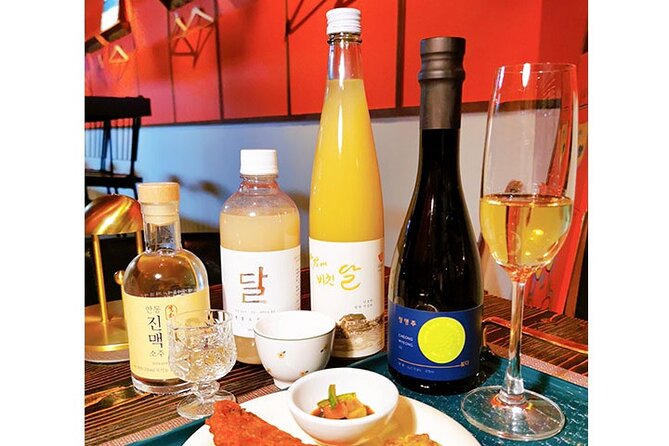
This experience runs about 1 hour 30 minutes. That is a short window, which is ideal if you want a focused cultural hit without losing half a day to logistics.
Because you are tasting multiple drinks and pairing foods, the pacing matters. A good approach is to take your time with each sample and actually reset your palate between sips using the food. If you feel like you are rushing, you will miss the differences between Takju, Cheongju, and distilled liquor.
Also, treat this as a learning moment, not just drinking time. You will hear the history of Korean traditional liquor, and you will likely pick up on the three-ingredient foundation. That kind of understanding makes later tastings easier. It also makes you more confident ordering if you want to explore further after you leave LodgeMagok.
One more practical note: since it is an alcohol experience, you do not want to schedule it right before a long, intense day of walking. Build in a buffer, grab water, and let the meal do its job.
Price and Value: Is $59 Worth It?
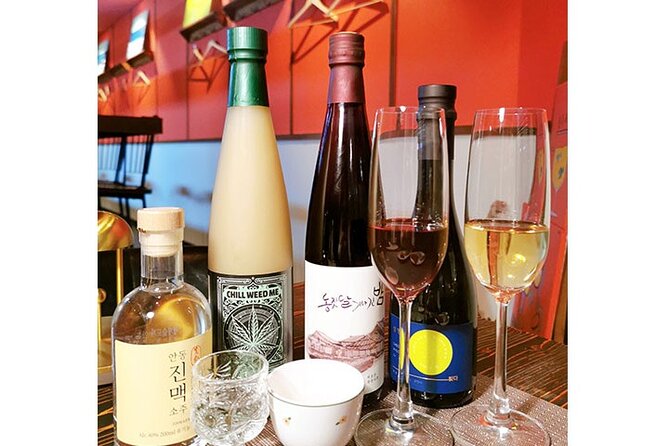
At $59 per person for about 1 hour 30 minutes, the price looks like a splurge if you compare it to casual street food. But this is not casual. You are paying for a guided tasting with three liquor styles plus An-ju pairings, hosted by Hyesun.
Here is what makes the value feel more solid:
- Three tastings in one session, Takju, Cheongju, and distilled liquor
- An-ju pairing instead of generic snacks
- A curated selection from local breweries across Korea, described as something you cannot find in stores or restaurants
- Small group size, max 6 people, which typically means more interaction and better pacing
The best way to think about it: you are buying access. Access to a specific selection of liquor and pairing knowledge in a short, structured format. If you are the type who likes food and drink culture and wants something more meaningful than a generic bar stop, this price usually makes sense.
If you only want to drink a single familiar type, and you are not interested in the food pairing or the history, you might feel less satisfied. This tour is built for people who want the why behind the sip.
Who Should Book This Korean Liquor and An-ju Tasting
I would put this on your list if you:
- want real Korean traditional liquor, not factory-made versions
- enjoy tasting flights with a guided explanation
- like pairing food with drinks and want to understand the logic
- prefer a small group experience where you can ask questions
- want a Seoul activity that is cultural without being museum-stiff
I would think twice if you:
- are sensitive to alcohol flavors and want something very mild
- need a guaranteed, exact menu list since An-ju items can vary
- want a full meal replacement, since this is a tasting format
For timing, note that it is commonly booked about 12 days in advance on average. If you travel during busy seasons, plan ahead so you can pick a time that fits your Seoul schedule.
Quick Safety and Comfort Tips Before You Go
You will be tasting alcohol, so keep it simple:
- Eat first if your stomach is sensitive, since you will get An-ju, but it is still a tasting session
- Sip slowly and use the food to pace yourself
- Drink water alongside your tastings
- Bring a phone for your mobile ticket
If you have allergies, you will want to communicate early. After booking, you can send a confirmation message through WhatsApp so the host can double-check schedule details and allergies. The contact number provided is +82 10 2661 7832.
Should You Book This Tour?
Book it if you want the real Korean traditional liquor experience, with context and food pairing that actually makes sense. The combo of three liquor styles, An-ju, and a small-group setting led by owner-chef Hyesun is a strong value for $59 when you look at what is included.
Skip it if you only want a casual drink, because the point here is learning and tasting with intention. Also, if you have strong preferences about specific foods, remember the An-ju can vary with supply and demand.
FAQ
How long does the Korean liquor and An-ju tasting last?
The experience lasts about 1 hour 30 minutes.
What types of Korean traditional liquor will I taste?
You’ll taste three types of Korean traditional liquor: Takju, Cheongju, and a distilled liquor.
What is included in the An-ju food pairing?
An-ju is Korean food meant to be eaten with traditional liquor. Foods may include items such as veg pancake, meat pancake, and kimchi bibim noddle, depending on supply and demand.
What is the minimum age to join?
Alcoholic beverages are available only for guests ages 18 and older.
How large is the group?
The tour has a maximum of 6 travelers.
Where do we meet for the tour?
The meeting point is 로찌마곡(LodgeMagok), 중앙로 171 나루역프라이빗타워Ⅱ 207호 in Seoul, Gangseo-gu, Magok-dong. The tour ends back at the meeting point.
Can I get a refund if I cancel?
Yes. You can cancel up to 24 hours in advance of the experience start time for a full refund. Cancellation policy is based on the local time in Seoul.
Recently reviewed in Seoul
- You’re Invited to Our Home in Seoul: The Only Cooking Class!★ 5.0 · 8 reviews
- Your Personal Seoul Photographer!★ 4.1 · 15 reviews
- From Seoul: Yongpyong Ski Day Tour with Transportation★ 4.9 · 40 reviews
- Seoul: Korean & English Language Exchange Global Party★ 5.0 · 28 reviews
- Watching sports match & local food experience in Seoul★ 5.0 · 11 reviews
- WKT Combat Taekwondo & Self-defense One Day Class in Seoul★ 5.0 · 5 reviews
- Unique Native Experience : Han River Picnic, Board game, BBQ★ 5.0 · 3 reviews
- Seoul: Gangneung BTS K-Pop & K-Drama Filming Locations Tour★ 4.6 · 14 reviews
Seoul Tours, compared.
Best DMZ Tour Korea from Seoul (Red Suspension Bridge Optional)
Read our review →
DMZ Tour: 3rd Tunnel, Option(Suspension Bridge, Boat) from Seoul
Read our review →
DMZ tour south Korea from Seoul (NK experience hall, defector)
Read our review →
The Best DMZ Tour with Optional Suspension Bridge
Read our review →
Signature DMZ Tour: Exclusive Defector Talk & Suspension Bridge
Read our review →
Thrilling Korean DMZ 3rd Tunnel Tour from Seoul + Red Bridge Rush
Read our review →
DMZ Tour & Suspension Bridge (Option English/Spanish)
Read our review →