Reviewed · SEOUL TOURS
Learn and Make Your Very Own Craft Makgeolli
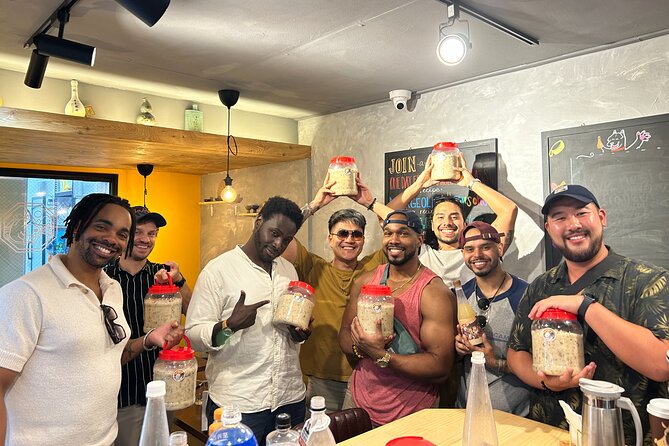
If you like rice wine, this class hits the sweet spot. You get an up close look at makgeolli brewing at Baekusaeng Makgeolli in Mapo-gu, led by Joe, with a tasting flight that helps you understand why styles taste so different. What I love most is the hands-on making part, not just watching, plus the fact you leave with your own batch to keep fermenting.
The only real drawback is you cannot treat this like a quick souvenir. You are taking home real ingredients and starting a real ferment, so plan a little follow-through after class.
In This Review
- Key Highlights You Should Know Before You Go
- Where Baekusaeng Makgeolli Brewing Class Fits In Seoul
- First Stops: Meet Joe, Taste Makgeolli, and Learn What You’re Chasing
- What Actually Happens During the Class (It’s Not Just Mixing Rice)
- Learn the Core Ingredients and Tools
- Understand Fermentation, Yeast, and Nuruk Activity
- Filtering and Conditioning Techniques
- The Hands-On Brewing Part: You Make Your Own Batch
- Why the Take-Home Batch Is the Smart Part
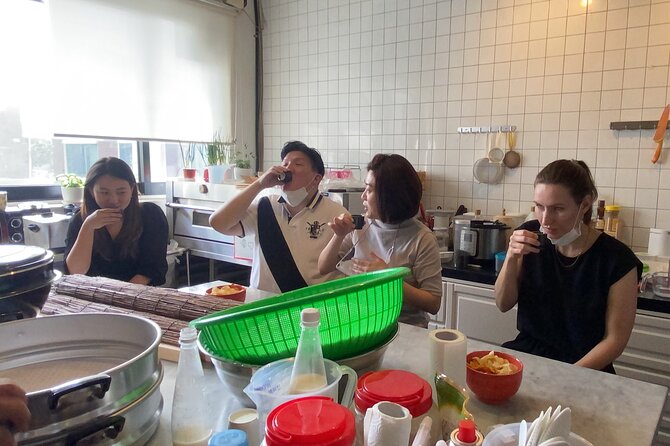
- The Makgeolli Flight and Sampling: Tasting as Training
- Location and Timing: How to Plan Your Seoul Afternoon or Evening
- What You’ll Be Able to Do After You Leave Korea
- Price and Value: Is $70.70 Actually Worth It?
- Who This Class Is Best For (and Who Might Skip It)
- Should You Book Baekusaeng Makgeolli?
- FAQ
- How long is the Baekusaeng Makgeolli makgeolli-making class?
- Where does the class meet in Seoul?
- What is the price per person?
- How many people are in a group?
- Do I get to take makgeolli home?
- Is there free cancellation?
- Is the experience near public transportation, and are service animals allowed?
Key Highlights You Should Know Before You Go
- Small group feel with a maximum of 15 people
- Joe’s hands-on instruction that supports you step by step
- Tasting styles first, so you learn flavor before you make
- Fermentation focus including yeast and nuruk activity, plus filtering and conditioning
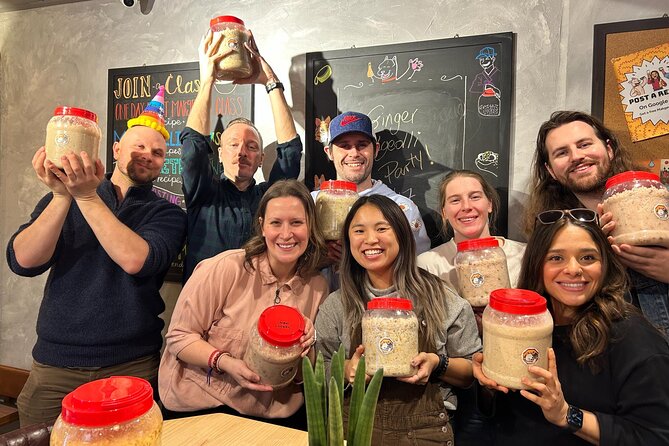
- Take-home brewing batch of about 1.2 liters to ferment at home
Where Baekusaeng Makgeolli Brewing Class Fits In Seoul
Seoul has no shortage of food and drink experiences, but this one is for people who want more than a drink in a cup. At Baekusaeng Makgeolli, the point is practical skill: how to make makgeolli using fresh, real ingredients and traditional methods.
The class takes about 2 hours, and it runs in a smaller, cozy setup tied to the local vibe of a Korean market area in Mapo-gu. That matters because it keeps the experience from feeling like a lab lecture. You get a workshop pace, with enough time to ask questions and enough movement to actually do the work.
And yes, you should expect to drink during the class. It is part of learning. The tastings are there to train your palate to notice aroma, sweetness, acidity, and texture, so you understand what you are aiming for when you make your own batch.
A few more Seoul days worth comparing
- Best DMZ Tour Korea from Seoul (Red Suspension Bridge Optional)
★ 5.0 · 41,422 reviews - DMZ Tour: 3rd Tunnel, Option(Suspension Bridge, Boat) from Seoul
★ 5.0 · 21,373 reviews - DMZ tour south Korea from Seoul (NK experience hall, defector)
★ 5.0 · 20,599 reviews
First Stops: Meet Joe, Taste Makgeolli, and Learn What You’re Chasing
Most people start with the word makgeolli and assume it is all the same. This class starts by quietly fixing that assumption.
Before you start measuring and mixing, you taste a set of thoughtfully selected makgeolli. The goal is not just to satisfy your curiosity. It is to teach you what different styles can taste like and which flavor signals matter during brewing and fermentation.
Here is what this does for you as a traveler:
- You learn the language of flavor while you are still dry and thinking clearly.
- You can connect your future choices, like ingredient handling and fermentation timing decisions, to how the drink ends up tasting.
- You leave with a mental checklist instead of just a bottle.
Joe is the instructor, and from what comes through in the class experience, he is communicative and organized. Even if your Korean is basic, you are not left to guess. The style is hands-on, question-friendly, and designed so you can follow along.
If you are worried about finding the place, save the meeting address and plan a little extra time for navigation. The location is in Ahyeon-dong, Mapo-gu, at 346-35 Ahyeon-dong, and some people get turned around even with clear directions. Having a plan beats wandering while your brain is already in fermentation mode.
What Actually Happens During the Class (It’s Not Just Mixing Rice)
The class is built like a sequence of skills. You start with tasting and context, then you move into ingredients, tools, and the fermentation process, and finally you make and package your own batch.
Learn the Core Ingredients and Tools
Makgeolli may seem simple, but the craft is in the details. You learn what essential ingredients and tools are used in traditional and modern makgeolli brewing.
This is where the class earns its price. Instead of treating brewing like a magic trick, it gives you real references for what each ingredient does in the fermentation process. You are not just collecting steps. You are learning how to think like a brewer.
Same trip, a different corner of the country:
- Seoul: The Best DMZ Tour with Optional Suspension Bridge
★ 4.7 · 4,978 reviews - Signature DMZ Tour: Exclusive Defector Talk & Suspension Bridge
★ 5.0 · 4,459 reviews - Thrilling Korean DMZ 3rd Tunnel Tour from Seoul + Red Bridge Rush
★ 5.0 · 3,097 reviews - Seoul: DMZ Tour & Suspension Bridge (Option English/Spanish)
★ 4.9 · 2,628 reviews
Understand Fermentation, Yeast, and Nuruk Activity
Fermentation is the center of the story. In this class, you learn what happens during fermentation, including yeast and nuruk activity.
Nuruk is the part many first-timers do not fully understand. The class framing helps you see nuruk as a driver of fermentation, not just a Korean ingredient you buy and hope for the best. You also learn how fermentation ties into the final flavor and texture profile.
Filtering and Conditioning Techniques
Making is only half the job. You also learn filtering and conditioning techniques, which are the steps that help turn a fermented mix into a more drinkable, consistent makgeolli.
This is one of those skills that you will feel immediately. When you understand what conditioning does, you stop treating makgeolli as a one-time result. You see how it can change with handling and time.
The Hands-On Brewing Part: You Make Your Own Batch
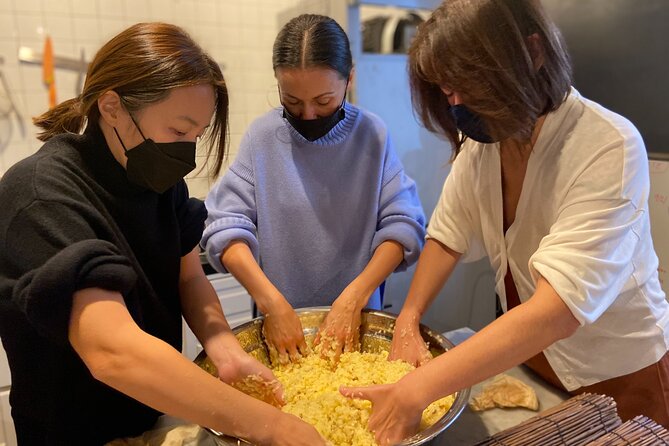
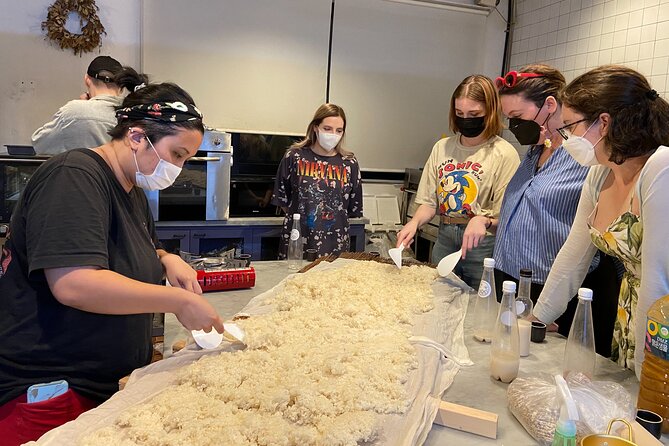
This is the part you came for if you like doing things, not just watching. After the tasting and teaching, you get the hands-on experience of making your own makgeolli.
The class aims for real comprehension, not simplified shortcuts. You are guided through making your own batch in a way that supports you taking those skills home. That is a big deal because most experiences end with a photo and a memory.
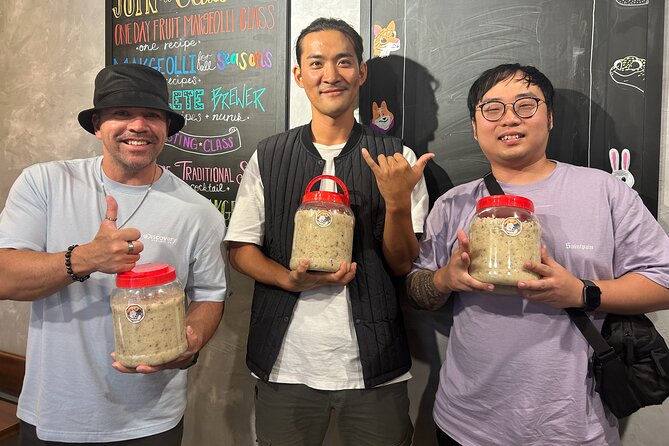
Here, you leave with your own makgeolli to ferment, about 1.2 liters packed for continuing fermentation after the class.
Why the Take-Home Batch Is the Smart Part
A take-home batch turns this from a performance into a training tool. You get to compare what you thought you were making with how it actually evolves during fermentation and conditioning at home.
It also nudges you into asking better questions later:
- How did my ingredients and handling affect flavor?
- What changes as the fermentation continues?
- What would I adjust next time?
The class is also positioned as training for brewing independently after returning to your country. Even if you never become a full-on home brewer, you will still walk away with a better understanding of why makgeolli behaves the way it does.
The Makgeolli Flight and Sampling: Tasting as Training
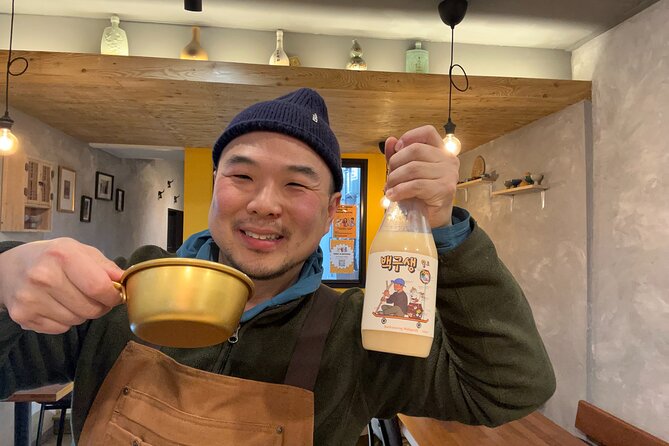
The tasting flight is not a random add-on. It is a teaching tool.
As you sample different blends, you learn how aroma, sweetness, acidity, and texture combine. This matters because makgeolli can be light and refreshing, or deeper and tangier depending on fermentation and handling. If you only taste one style, you miss the range.
In practical terms, this is how the tasting helps your brewing later:
- You learn what you like before you start adjusting anything.
- You notice differences in texture, not just sweetness.
- You start connecting flavor to process, which is the real skill.
And the atmosphere is part of the learning. People talk about the setup feeling quaint and cozy, like a small makgeolli bar vibe. That kind of environment makes it easier to relax, ask questions, and stay engaged for the whole 2 hours.
Location and Timing: How to Plan Your Seoul Afternoon or Evening
The class is in Seoul, in Mapo-gu near public transportation. That makes it easier to fit into a day without committing to long transfers. You start and end back at the meeting point.
The experience runs about 2 hours. That is a good length for a hands-on food and drink class because you are not rushed, but you are also not burning half a day. It tends to work well as an early evening activity or a late afternoon break before dinner.
Price-wise, it sits at $70.70 per person. On paper, that may sound like a lot compared to just buying makgeolli in a bar. But you are paying for guided brewing instruction, multiple tastings, and the value of taking home roughly 1.2 liters of your own ferment. If you want to learn, the cost starts to look fair. If you only want a drink, it is not the cheapest option in Seoul.
Group size is capped at 15 travelers, which is another value driver. You get enough attention without it feeling like a stadium event.
What You’ll Be Able to Do After You Leave Korea
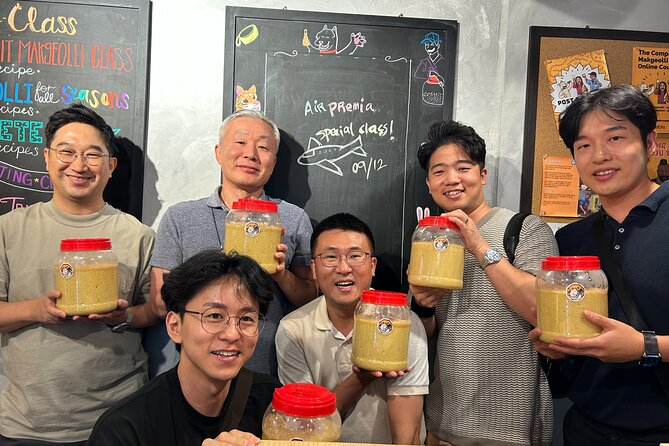
This class is designed to leave you with foundations you can use after your trip. That is explicit in how it is described, and it shows in what you cover: ingredients, fermentation behavior, filtering, conditioning, and practical steps to keep going at home.
So what does that mean for you as a traveler?
- You will understand the difference between makgeolli styles, not just how they taste.
- You will know what fermentation is doing and why nuruk and yeast matter.
- You will have a take-home batch that keeps teaching you after the class ends.
If you are the type who likes learning food science without the boring parts, this is a strong match. And if you are the type who likes to cook and experiment, it is even better. Brewing is basically a repeatable experiment you can run again and again.
Price and Value: Is $70.70 Actually Worth It?
Let’s be practical about it.
You are paying for:
- 2 hours of instruction
- A guided tasting flight to calibrate your palate
- Teaching on brewing ingredients, tools, and fermentation steps
- Filtering and conditioning techniques
- A take-home batch of around 1.2 liters to ferment
If you compare this to a standard bar night, the bar costs less. But the bar does not give you brewing knowledge you can use later. This class does.
Also, the small group size helps you get real interaction with the instructor. Joe’s teaching style comes through as organized, communicative, and hands-on. That kind of teaching makes the price easier to justify.
Who This Class Is Best For (and Who Might Skip It)
This experience is best for:
- People who already like makgeolli and want to understand why it tastes the way it does
- Food lovers who want a hands-on craft skill, not a casual tasting only
- Travelers who like bringing something home that requires effort, curiosity, and follow-through
- Anyone who enjoys fermentation as a topic, even if you are new to Korean alcohol
You might consider skipping if:
- You want something purely passive, with no home follow-up
- You are uncomfortable managing a drink that continues to ferment after you leave
- You are mainly looking for the cheapest alcohol option in Seoul
Should You Book Baekusaeng Makgeolli?
Book it if you want a Seoul experience that turns drinking into learning. The mix of tasting first, then hands-on brewing, and then a take-home ferment is what makes this stand out.
If you like the idea of going beyond cultural sampling and learning how makgeolli is actually made, this is one of the most meaningful ways to spend a couple hours. And if you take notes, pay attention, and plan for the take-home fermentation, you’ll get more value than you would from another night out.
If you’re not that person, skip it and just enjoy makgeolli in a bar. But if you want a craft you can repeat, this class is a great match.
FAQ
How long is the Baekusaeng Makgeolli makgeolli-making class?
The class lasts about 2 hours.
Where does the class meet in Seoul?
The meeting point is 346-35 Ahyeon-dong, Mapo-gu, Seoul, South Korea, and the activity ends back at the meeting point.
What is the price per person?
The price is $70.70 per person.
How many people are in a group?
The class has a maximum of 15 travelers.
Do I get to take makgeolli home?
Yes. You take home your own makgeolli to ferment, about 1.2 liters.
Is there free cancellation?
Yes. Free cancellation is available up to 24 hours in advance for a full refund.
Is the experience near public transportation, and are service animals allowed?
The experience is near public transportation, and service animals are allowed.
Recently reviewed in Seoul
- Your Personal Seoul Photographer!★ 4.1 · 15 reviews
- You’re Invited to Our Home in Seoul: The Only Cooking Class!★ 5.0 · 8 reviews
- From Seoul: Yongpyong Ski Day Tour with Transportation★ 4.9 · 40 reviews
- Seoul: Korean & English Language Exchange Global Party★ 5.0 · 28 reviews
- Watching sports match & local food experience in Seoul★ 5.0 · 11 reviews
- WKT Combat Taekwondo & Self-defense One Day Class in Seoul★ 5.0 · 5 reviews
- Unique Native Experience : Han River Picnic, Board game, BBQ★ 5.0 · 3 reviews
- Seoul: Gangneung BTS K-Pop & K-Drama Filming Locations Tour★ 4.6 · 14 reviews
Seoul Tours, compared.
Best DMZ Tour Korea from Seoul (Red Suspension Bridge Optional)
Read our review →
DMZ Tour: 3rd Tunnel, Option(Suspension Bridge, Boat) from Seoul
Read our review →
DMZ tour south Korea from Seoul (NK experience hall, defector)
Read our review →
The Best DMZ Tour with Optional Suspension Bridge
Read our review →
Signature DMZ Tour: Exclusive Defector Talk & Suspension Bridge
Read our review →
Thrilling Korean DMZ 3rd Tunnel Tour from Seoul + Red Bridge Rush
Read our review →
DMZ Tour & Suspension Bridge (Option English/Spanish)
Read our review →