
Reviewed · JEJU ISLAND TOURS
Jeju Highlights Day Trip (East Course)
You get a lot of Jeju in a single day. This East Course strings together UNESCO nature, traditional village life, volcanic sights, and the culture of the haenyeo, with hotel pick-up so you are not juggling buses. You also get live commentary in English or Chinese, which helps the stops make sense instead of feeling like a checklist.
Two things I really like here are the convenience of round-trip transportation and the way the route covers major east-coast highlights without charging you for each ticket along the way. There is also a private-group feel, so the guide can keep your pace realistic and answer questions as you go. The only drawback to consider is that lunch and drinks are not included, so you will need to plan your own meal timing around a full day.
In This Review
- Key highlights worth getting excited about
- Why the Jeju East Course Feels Efficient (and Still Makes Sense)
- Pick-up at Your Hotel, Private-Group Pace, and What You Pay For
- Saryeoni Forest Trail: A Cedar Walk That Connects to Jeju’s Protected Nature
- Seongeup Folk Village: Traditional Jeju Life, Not Just Photo Stops
- Seongsan Ilchulbong (Sunrise Peak): Volcanic History With Real World View Power
- Sunrise Land: Botanical Gardens, Seasonal Flowers, and Lava Cave Scenery
- Haenyeo Museum: Understanding the Haenyeo Beyond the Stereotype
- The Real Value: Guide Quality, Commentary, and No-Drama Group Logistics
- Walking, Weather, and Lunch Planning So Your Day Stays Fun
- Who Should Book the East Course, and Who Might Prefer a Slower Plan
- Should You Book This Jeju Highlights Day Trip?
- FAQ
- What is the pick-up time for this Jeju East day trip?
- How many people are in the group?
- What does the tour include?
- What is not included in the price?
- Which attractions are included on the East Course?
- What should I bring for the day?
- Can I cancel and get a refund?
Key highlights worth getting excited about
- Hotel lobby pick-up and drop-off so you start and finish where you’re staying
- Saryeoni Forest Trail through a cedar forest connected to Jeju’s protected ecological reserve
- Seongsan Ilchulbong (Sunrise Peak), a UNESCO World Natural Heritage volcanic formation
- Seongeup Folk Village for preserved old houses and teaching buildings tied to Confucian traditions
- Haenyeo Museum focused on female divers, shamanic traditions, and island history
- A tight one-day route that still tries to keep you moving intelligently, not randomly
Why the Jeju East Course Feels Efficient (and Still Makes Sense)
Jeju can be confusing if you try to do the east coast on your own in a single day. The big reason this trip works is simple: you get carried between clustered attractions, and a guide adds the story behind what you are seeing. I like that it is framed as a major highlights day trip, not a long list of stops that feel disconnected.
The price is per group up to 9, which matters if you are traveling as a small family or with friends. Instead of thinking only in per-person terms, you can treat it like shared transport plus a professional guide, with entrance fees covered for the attractions included. That is usually where day-trip value is made or lost.
One practical point: this is a full-day schedule with multiple walking segments. If you are the type who likes long, slow sightseeing, you might find the day full. If you prefer to hit the big sights efficiently, it is a good match.
More Jeju Island tours:
- Jeju: Eastern Jeju UNESCO Spots Day Tour
★ 4.9 · 1,148 reviews - Jeju: Western and Southern Sightseeing Day Tour
★ 4.8 · 972 reviews - East Jeju Essentials – Seongsan Ilchulbong (UNESCO) & Haenyeo
★ 5.0 · 939 reviews
Pick-up at Your Hotel, Private-Group Pace, and What You Pay For
Your day starts right at the hotel lobby. You are told to look for the Rainbow Tour Picket in the lobby, with pick-up tentatively set for 8:00 AM. That early start is what makes it possible to cover places like Seongsan Ilchulbong and still reach the cultural stops later.
This is a private group. That sounds fancy, but the real benefit is flexibility. Even within one day, a thoughtful guide can adjust pacing based on how crowded a site is, how your group is walking, and what you care about most.
What is included is also refreshingly clear:
- professional guide
- round-trip transportation
- attraction entrance fees
- live English or Chinese commentary
What is not included is just as important:
- lunch and drinks
- personal expenses
That means you avoid surprise add-ons mid-day, but you still control how you handle food. If you have dietary needs, you will want to plan your lunch strategy before the day starts.
Saryeoni Forest Trail: A Cedar Walk That Connects to Jeju’s Protected Nature
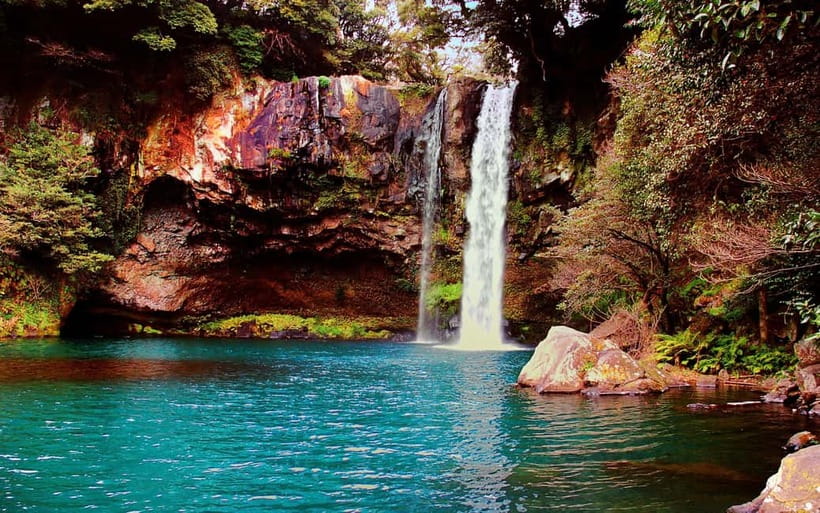
The first major nature stop is Saryeoni Forest Trail, a walking route through a cedar forest. The point here is not just the scenery. You are walking in an area tied to Jeju’s UNESCO-designated ecological reserve, so the guide’s commentary can help you understand why this forest is treated as something worth protecting.
What you’ll feel on the trail is the forest’s quiet rhythm: shade, a cooler break from the open coastline, and the sense that this is a place with rules. Jeju is volcanic and windy in parts, but forests like this are where the island feels more temperate and grounded.
A small practical note: bring comfortable shoes. Forest trails are usually uneven enough that good footwear matters more than fashion. This is also where a guide’s pace matters, because it is easy to rush a short trail and miss the whole point.
Seongeup Folk Village: Traditional Jeju Life, Not Just Photo Stops
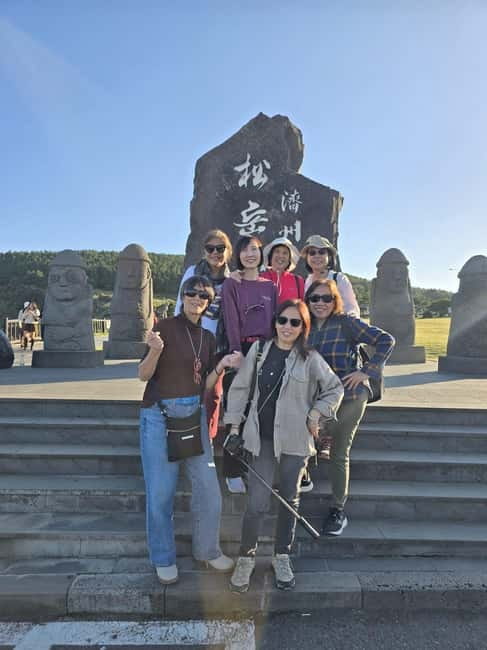
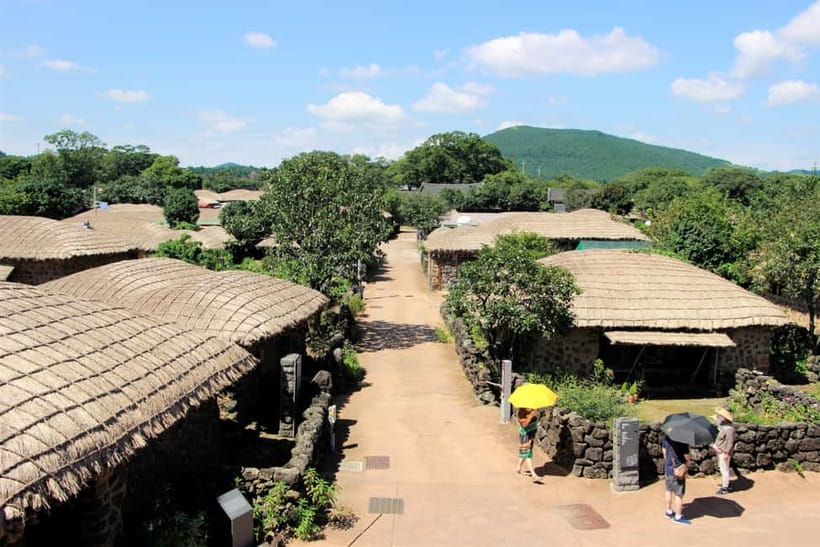
Next you head to Seongeup Folk Village, a place designed to show how traditional Jeju life worked. This stop is valuable because it gives you a framework for everything else you will see that day, especially the human side of Jeju.
You are set up to explore preserved old houses, government offices, Confucian schools, and other cultural heritage sites. That matters because Jeju history is not only about volcanoes and sea. It is also about how communities organized education, authority, and daily living.
Here is what to pay attention to: look at the layout and the “why” of the spaces. Even if you do not read Korean signage, the guide’s explanation can help you understand how households and institutions were structured. That turns the village from a photo corridor into a real snapshot of how people lived.
Potential drawback: this is a compact day, so you may not have unlimited time to linger in every building. If you really love museums and interiors, you may want to prioritize the areas that interest you most and ask your guide where to spend extra time.
Same trip, a different corner of the country:
- Jeju: Southern Top UNESCO Spots Bus Tour
★ 4.9 · 648 reviews - South-West Jeju Essentials: Hallasan & Signature Highlights
★ 5.0 · 620 reviews - Jeju Island English Private & Flexible Tour any number anywhere
★ 5.0 · 561 reviews - Jeju: West & South Full-Day Authentic Tour
★ 5.0 · 359 reviews
Seongsan Ilchulbong (Sunrise Peak): Volcanic History With Real World View Power
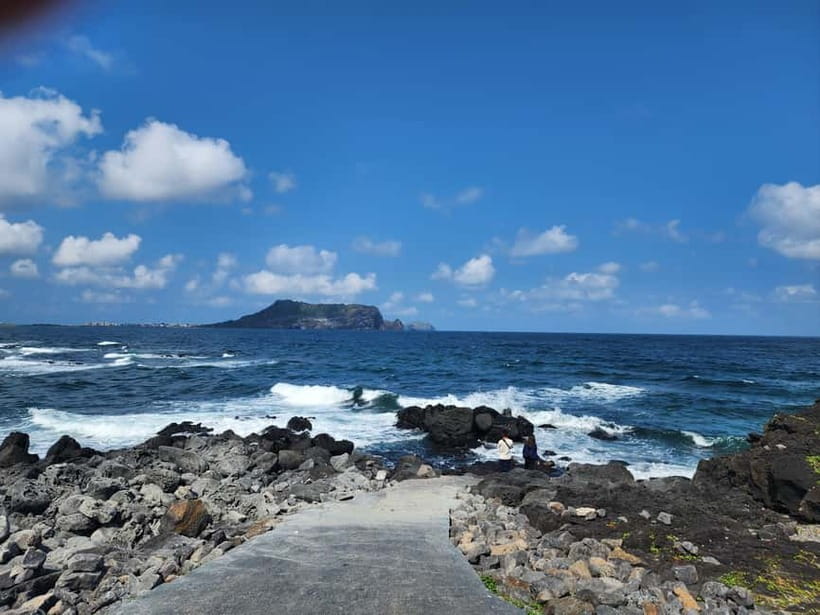
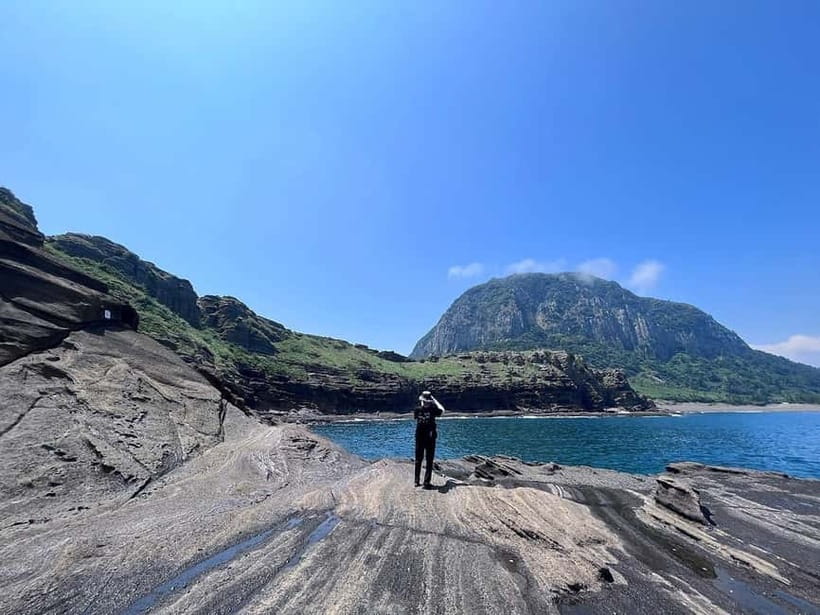
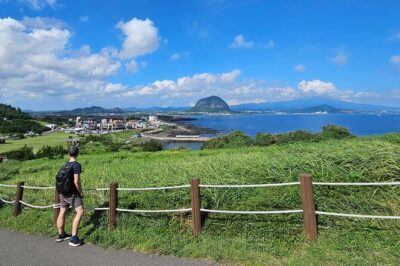
Seongsan Ilchulbong, also called Sunrise Peak, is the headline nature stop for eastern Jeju. It formed from a volcanic eruption under the sea, and it is a UNESCO World Natural Heritage site. That combination matters, because you are not only viewing a hill with great views. You are reading the geology.
What you’ll enjoy most is the way the scenery changes as you move. The closer you get to viewpoints, the more you appreciate the formation’s structure and how it dominates the coastline. It is one of those places where you instantly see why geologists get excited.
Timing can be tricky. Your tour runs on a one-day schedule and ends back at your hotel lobby, so you likely will not get the true early-morning sunrise focus. Still, the site’s impact works even when the light is not perfect. If the weather is clear, the views are typically strong enough that the stop still feels worth it.
Practical tip: the peak involves walking. Wear shoes that grip well, and plan for changing wind. Jeju can be breezy, and open volcanic ground tends to feel that more than the forest trail.
Sunrise Land: Botanical Gardens, Seasonal Flowers, and Lava Cave Scenery

After the peak, you move to Sunrise Land, a seasonal botanical garden with year-round festivals. The description you are given includes flower festivals, natural lava caves, scenic ponds, and cultural experiences. That mix is the appeal here. You go from raw volcanic form (Sunrise Peak) to the human way nature has been arranged and interpreted (botanical grounds and cultural elements).
Even if you do not catch a specific flower festival, the grounds are still a good change of pace. Botanical areas offer softer walking and visual variety compared with steeper geological sites. The lava caves add another layer, reminding you that Jeju’s beauty is tied to the island’s volcanic engine.
One consideration: since this is described as seasonal for festivals, what you see most may vary depending on when you visit. If you are someone who hates uncertainty, you might be the type who checks local timing and flower seasons before booking. If you are okay with flexible beauty, this stop usually lands well.
Haenyeo Museum: Understanding the Haenyeo Beyond the Stereotype
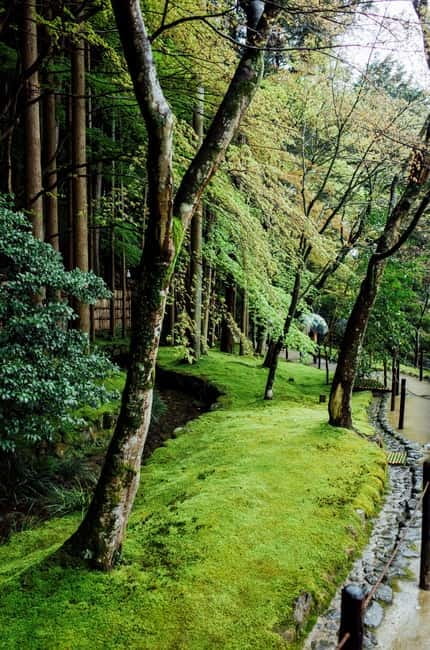
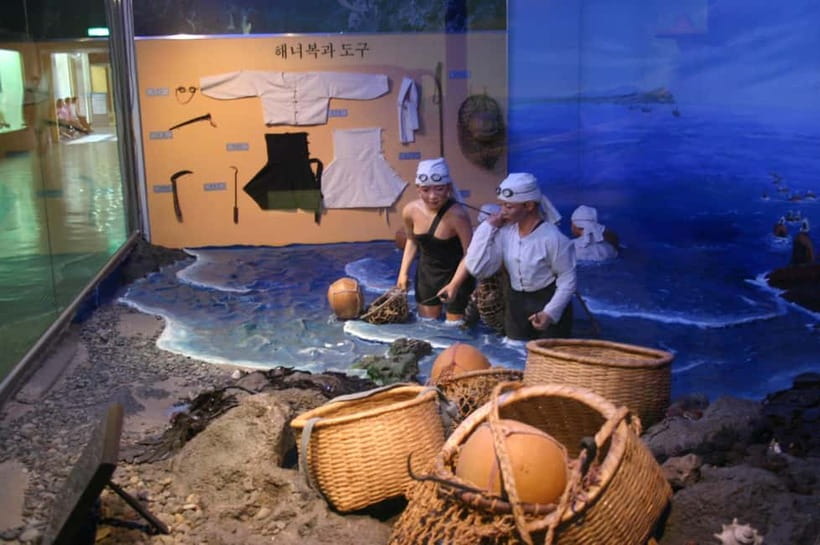
The final major cultural stop is the Haenyeo Museum, focused on Jeju’s female divers, known as the haenyeo. This is not just a display of costumes or a quick cultural stop. The museum is described as covering their lifestyle, shamanic traditions, and historical role on the island.
That is the right mix. The haenyeo are not only about diving and seafood. They also represent a way of living connected to community knowledge, spiritual traditions, and the economic rhythms of Jeju coastal life. When your guide explains what you are seeing, it helps you connect the museum pieces to real-world island history.
This stop is also a good “rest moment” in a day that includes outdoor walking. Even if you still move through galleries, it is usually less physically demanding than the forest and volcanic sites.
If you care about cultural context, ask your guide about the relationship between traditional shamanic elements and daily work life as it relates to the haenyeo. That is exactly the kind of connection a good guide can make, and it’s part of why the tour is more than transportation.
The Real Value: Guide Quality, Commentary, and No-Drama Group Logistics
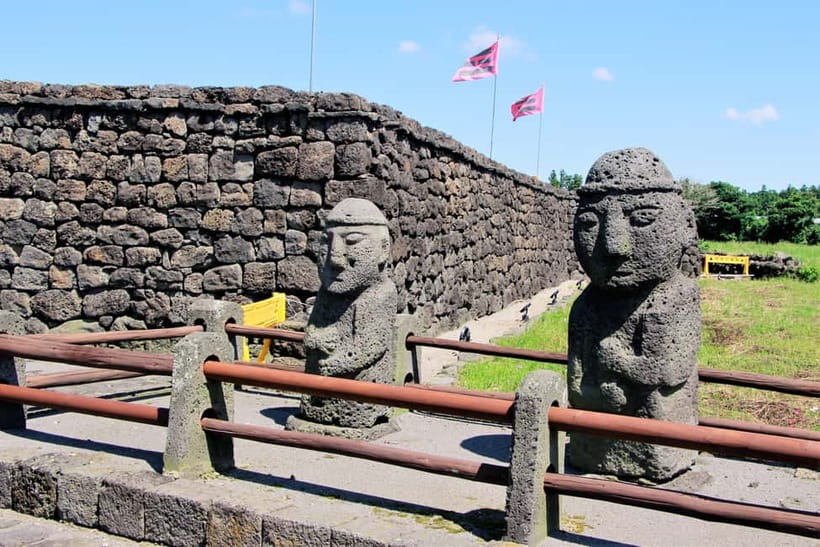
The best part of this day trip is how the guide turns separate attractions into one coherent story of eastern Jeju. The tour description promises a premium experience with commentary and no hidden costs, and the guide experience seems to be the difference between a frantic day and a satisfying one.
In particular, English-speaking guests have highlighted guides such as Mr Kim and Jinhee for being thoughtful, patient with communication, and genuinely warm. One guide detail that stood out in the way people described it is how proactive guides can be, like showing up ready with conversation-friendly planning. That can matter when you are traveling with kids or if your group includes people who want more than basic directions.
Here is what you should expect from a strong day trip guide:
- clear explanations that help you understand what matters at each site
- smooth pacing across multiple stops
- helpful suggestions for where to focus your time
- calm problem-solving if timing or meeting points get tricky
That’s also why private-group structure matters. You are not stuck with a script that ignores your needs. You are guided through a plan, but with room to respond.
Walking, Weather, and Lunch Planning So Your Day Stays Fun
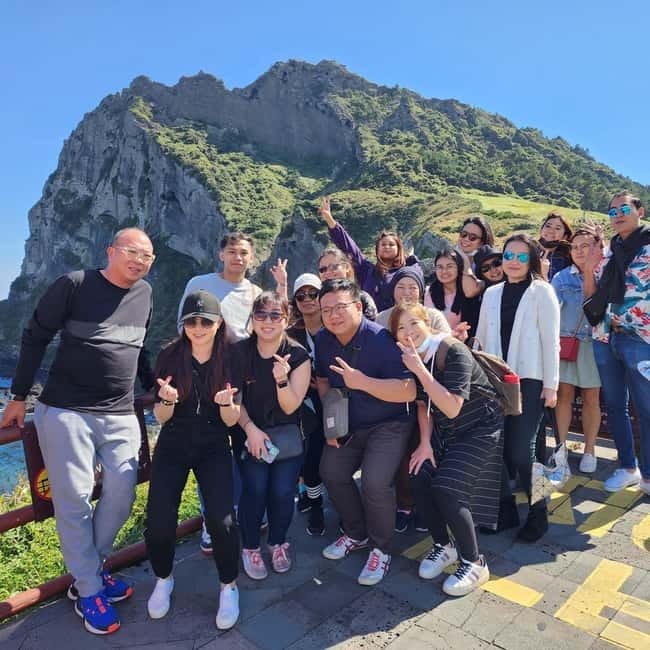
Because lunch and drinks are not included, your day is really about timing. Your schedule is designed to cover several big stops, so you will want to keep your meal flexible and not treat lunch like a sit-down, linger-for-hours event.
Plan for:
- comfortable shoes for forest trails and volcanic walking
- comfortable clothes that handle both sun and wind
- a lunch strategy you are happy with even if the day runs full
Also remember that the pace can feel fast on a day with limited time. One example that comes up for short timeframes is cruise days, where the sightseeing feel can be tighter. If you are arriving via cruise or have another commitment later, pick your must-see items and be ready for the rest to be more efficient than leisurely.
Who Should Book the East Course, and Who Might Prefer a Slower Plan
This is a great fit if you:
- want major eastern Jeju highlights in one day
- like having a guide explain what you are seeing
- prefer hotel pick-up and simple logistics over renting a car
- are traveling in a small group, since the price is per group up to 9
It may be less ideal if you:
- want unhurried, deep time at one single attraction
- dislike busy schedules with multiple stops
- expect lunch and drinks to be fully handled for you
That last point is key. If you want a day where everything is packaged, including food, this is not built that way. If you are fine planning one meal yourself, it becomes a lot more attractive.
Should You Book This Jeju Highlights Day Trip?
I think you should book this Jeju Highlights Day Trip (East Course) if your goal is classic eastern Jeju, with the least hassle possible. The big wins are the hotel lobby pick-up, the coverage of major sites like Saryeoni Forest Trail, Seongeup Folk Village, Seongsan Ilchulbong, Sunrise Land, and Haenyeo Museum, and the straightforward inclusion of guide, transport, entrances, and languages like English and Chinese.
You might skip it if you already have a car and you want a slower, more self-directed day, or if you strongly want lunch built into the package. But for most visitors, especially first-time Jeju travelers, this is one of the cleanest ways to see a lot without losing your day to logistics.
FAQ
What is the pick-up time for this Jeju East day trip?
Pick-up is tentatively set for 8:00 AM, with hotel lobby pick-up included.
How many people are in the group?
This is a private group, priced per group up to 9 people.
What does the tour include?
It includes hotel lobby pick-up and drop-off, a professional guide, round-trip transportation, and entrance fees for the included attractions. English and Chinese are available.
What is not included in the price?
Lunch and drinks are not included, along with personal expenses.
Which attractions are included on the East Course?
You will visit Saryeoni Forest Trail, Seongeup Folk Village, Seongsan Ilchulbong (Sunrise Peak), Sunrise Land, and the Haenyeo Museum.
What should I bring for the day?
Bring comfortable shoes and comfortable clothes.
Can I cancel and get a refund?
Yes, you can cancel up to 24 hours in advance for a full refund.
Recently reviewed in Jeju Island
- Western Jeju Healing UNESCO Small Group Day Tour★ 5.0 · 5 reviews
- Jeju UNESCO Natural Heritage Private Tour by Certified Guide★ 5.0 · 5 reviews
- Small Group 7D Korea package Tour with Seoul Gyeongju Busan Jeju★ 4.5 · 13 reviews
- 8 Days Guided Trip from Seoul to Jeju★ 5.0 · 9 reviews
- Jeju island: Van tour with a guide who the most loves JEJU★ 5.0 · 7 reviews
- Jeju Unesco Eest course Package Private Van Guided Tour★ 5.0 · 17 reviews
- Full Day Jeju Private Customizable highlight Tour★ 5.0 · 5 reviews
- Full-day Customizable Private Jeju Island Tour★ 5.0 · 8 reviews
Jeju Island Tours, compared.

East Jeju Essentials – Seongsan Ilchulbong (UNESCO) & Haenyeo
Read our review →
South-West Jeju Essentials: Hallasan & Signature Highlights
Read our review →
Jeju Island English Private & Flexible Tour any number anywhere
Read our review →
Jeju Island: Full-Day East Jeju Bus Tour with Entry Fees
Read our review →Browse the lists this tour appears in