
Reviewed · CHERRY BLOSSOM TOURS
From Seoul: Korea Spring Cherry Blossom Day Tour
Cherry blossoms, plus hanok streets and mountain air. This long day tour strings together multiple blossom hotspots, starting with Gwangyang Maehwa and ending with Jeonju Hanok Village, all with round-trip transfer from Seoul.
I especially like the mix of scenery and pace: you get classic flower photo stops (temples, lakes, mountain viewpoints) and also real cultural walking in Jeonju. The other big win is the convenience, roundtrip transportation plus a driver/guide, so you are not cobbling together buses for a very spread-out day.
One drawback to weigh: spring timing is everything. If your dates land after peak blossoms, you may still enjoy temples, lakes, and Hanok lanes, but the flowers might be lighter than you hoped, and the day includes about 1 to 2 hours of walking.
In This Review
- Quick takeaways before you go
- A Long Cherry Blossom Loop From Seoul (16 Hours, Clear Tradeoffs)
- Gwangyang Maehwa Village, White Plum Blossoms by the Seomjin River
- Donghaksa Temple Cherry Blossoms Framing the Stonework
- Maisan Mountain Twin Peaks and the View Moment
- Yeongrangho Lake Shore Stroll, the Calm Between Hot Spots
- Seoraksan National Park Hiking Trails and Flower-Friendly Nature
- Jeonju Hanok Village, Hanbok Photos and Real Traditional Street Time
- Price and Logistics: Is 66 Dollars a Smart Deal?
- Who This Tour Fits Best (and Who Might Want a Different Plan)
- Should You Book This Seoul Spring Cherry Blossom Day Tour?
- FAQ
- How long is the Korea Spring Cherry Blossom Day Tour?
- What is the meeting point like?
- Does the tour include roundtrip transportation from Seoul?
- What are the main stops on this tour?
- Are meals included?
- Is there a lot of walking?
- What entrance fees are included?
- Do I need to worry about the exact destinations for my booking?
- What is the cancellation policy?
Quick takeaways before you go
- Multiple blossom zones in one day, so you can chase peak bloom even if one spot is slightly ahead or behind
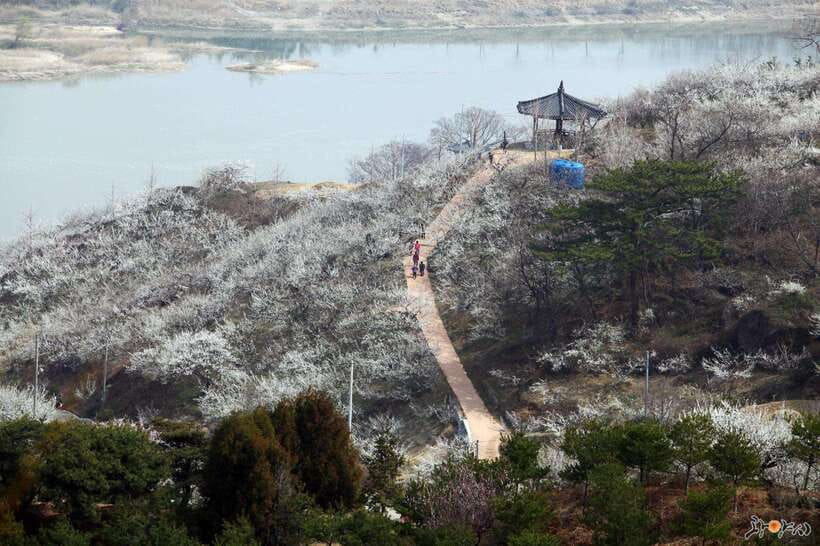
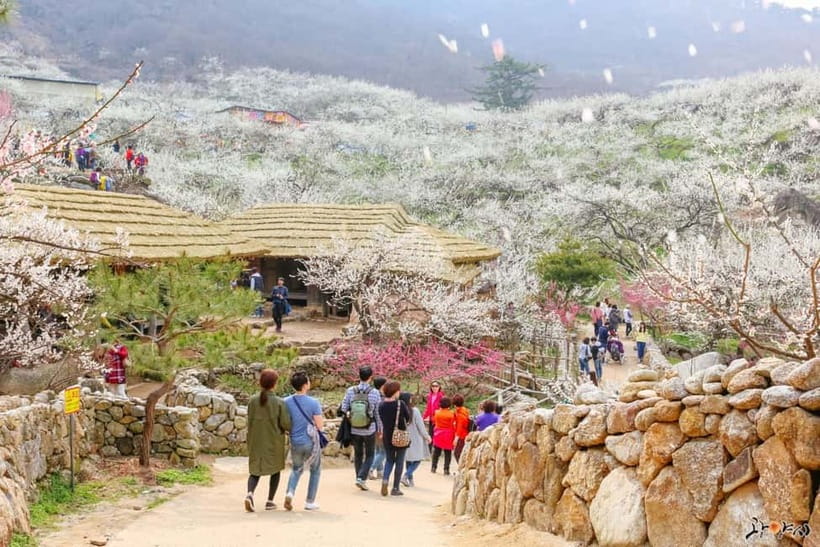
- Gwangyang Maehwa Village is a standout for white plum blossoms looking like snow along the Seomjin River
- Donghaksa Temple gives you temple views with flowers as the frame, not just a background
- Jeonju Hanok Village adds culture and comfort, including hanbok photo moments and local snacks
- Seoraksan National Park brings real walking and nature variety, with trails suited to different fitness levels
- Destinations can vary by option, so double-check before you book so your blossom priorities match the route
A Long Cherry Blossom Loop From Seoul (16 Hours, Clear Tradeoffs)
This is a true long-day outing: the tour runs 750 minutes to 16 hours from Seoul, and you’ll be moving between regions in a single trip. That can sound intense, but the upside is you see a lot of spring without planning a thing. It also means the day is built around what Korea does best in spring: turning travel days into scenery days.
What you’re really booking is a mix of two styles of sightseeing. First, you get the “blossom circuit,” places designed for seasonal photos and slow strolling near water, temples, and mountains. Second, you get cultural downtime in Jeonju, where the experience shifts from flowers to streets, traditional houses, and food.
The key tradeoff is energy. Because there’s about 1 to 2 hours of walking, you’ll want comfortable shoes and a realistic mindset. You can take plenty of breaks, but this isn’t a sit-and-watch bus tour.
Also, pay close attention to the note that the main destinations vary depending on which option you choose. Two people can book the same tour name and get different stops. If cherry blossoms are the whole point for you, confirm the exact route before you commit.
More Cherry Blossom Tours in Seoul
- Chasing Cherry Blossom & Spring Flowers Day Tour from Seoul
★ 5.0 · 11 reviews - Jinhae Cherry Blossom Festival Gyeonghwa Stn Day Tour from Seoul
★ 4.0 · 8 reviews - Jinhae’s Cherry Blossoms Shuttle Bus depart from Seoul/Busan
★ 4.5 · 8 reviews
Gwangyang Maehwa Village, White Plum Blossoms by the Seomjin River
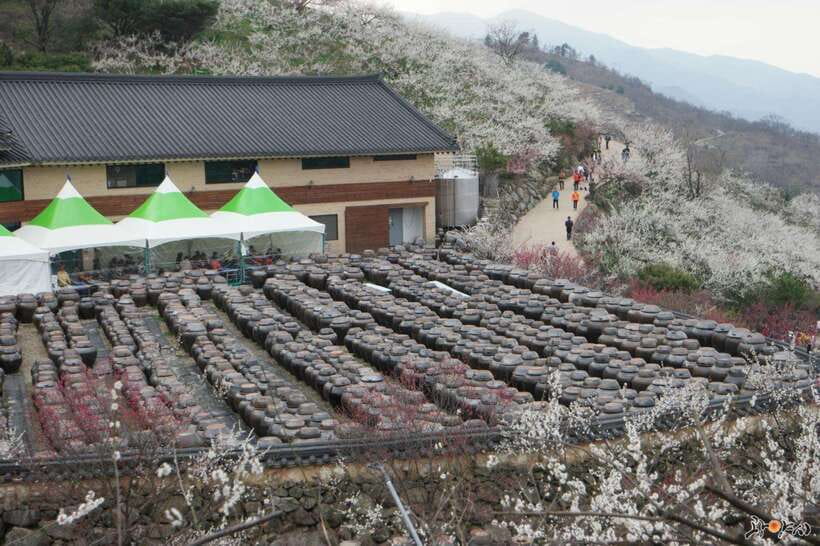
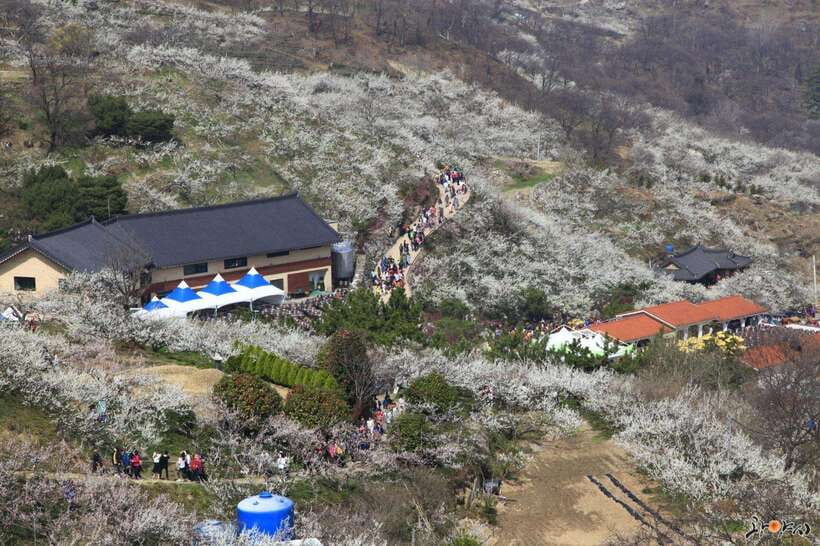
Gwangyang Maehwa Village is the warm-up act that often steals the show. Instead of the usual bright pink cherry vibe, you’re looking for maehwa (plum) flowers in full bloom early in the season. The description of the village as being covered in white, snow-like blossoms is not just poetic. In places like this, the whole area changes texture, from farmland and river views to something that feels almost monochrome in photographs.
And the setting matters. The village sits by the Seomjin River, so you can plan your time for both flower views and the waterline. I like that because it gives you variety even if you linger for pictures. If you focus only on one side, you can miss the way reflections can add another layer to your photos.
Practical tip: go when the light is kind. Early or late daylight will flatter the white blossoms. If you’re there mid-day, the blossoms can still look lovely, but you’ll get more glare on bright surfaces and you may wish for shade breaks.
Donghaksa Temple Cherry Blossoms Framing the Stonework
Next up is Donghaksa Temple, where the magic idea is simple: blossoms as a frame. You’re not just seeing trees in bloom, you’re seeing them arranged around an older, grounded structure, which makes the spring scenery feel more like a scene than a snapshot.
Temples also change how you experience a flower spot. Many blossom areas are basically open-air parks. A temple adds quiet, stone paths, and that slightly slower feeling you get when you know you are walking through a place with deep roots. Even if you do not treat this as a religious visit, the environment tends to calm you down enough to enjoy the moment rather than sprinting for photos.
One consideration: the tour timing depends on the bloom cycle. If your dates are late, the blossoms might be past peak here. That said, temples are still rewarding even with fewer flowers because the structure and setting carry the experience.
Maisan Mountain Twin Peaks and the View Moment
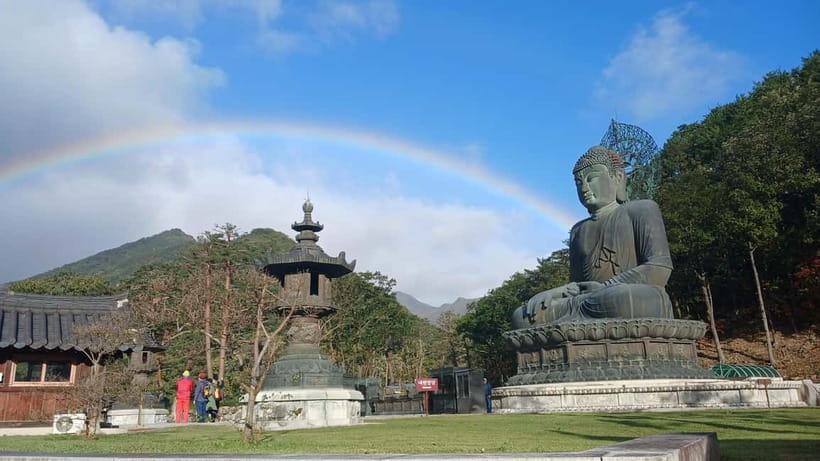
If your idea of spring travel includes a bit of effort for bigger payoff, Maisan Mountain is your halfway reward. The highlight here is the twin peaks and cherry blossoms that create a layered backdrop.
This stop is where you can feel the difference between “flower viewing” and “mountain viewing.” Instead of only looking outward at blossoms near the ground, you’re looking at how blossoms and hills work together in the frame. If you like hiking for short distances and you want scenic payoff instead of only street photos, you’ll probably enjoy this.
What to watch: mountain weather shifts. Even in spring, temperatures can feel cooler up higher, and the wind can pick up. Bring a light layer and treat this as a walking-and-looking stop, not a race.
Same trip, a different corner of the country:
- Best DMZ Tour Korea from Seoul (Red Suspension Bridge Optional)
★ 5.0 · 41,422 reviews - DMZ Tour: 3rd Tunnel, Option(Suspension Bridge, Boat) from Seoul
★ 5.0 · 21,373 reviews - DMZ tour south Korea from Seoul (NK experience hall, defector)
★ 5.0 · 20,599 reviews - Seoul: The Best DMZ Tour with Optional Suspension Bridge
★ 4.7 · 4,978 reviews
Yeongrangho Lake Shore Stroll, the Calm Between Hot Spots
After temples and peaks, Yeongrangho adds a calmer kind of spring. You get a lake shoreline walk lined with cherry trees in full bloom. It’s the kind of stop that naturally slows your pace because water views encourage you to look longer, especially when cherry blossoms scatter into the scene as background texture.
This is also a good chance to reset your eyes. If you’ve already taken a hundred pictures, the lake stop gives you a different visual rhythm: longer lines, more open space, and a chance to wander without feeling like you need to find the one perfect angle.
If you’re sensitive to crowds, choose your moment. Early in the day or closer to the middle of your schedule often feels more manageable than peak arrivals. You can also stand still for a few minutes and let the scene settle into something you can actually enjoy.
Seoraksan National Park Hiking Trails and Flower-Friendly Nature
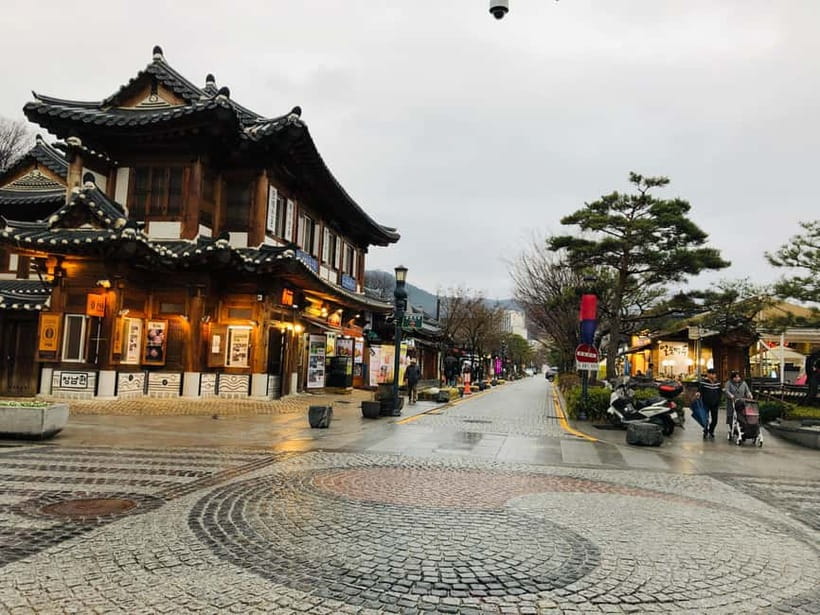
The tour includes Seoraksan National Park, and that’s important because it shifts the focus from seasonal highlights to everyday nature. You’re not only chasing flowers. You’re moving through a national park environment where you can spot diverse flora and enjoy hiking trails built for different fitness levels.
I like this stop for two reasons. First, it gives you a break from the “one photo, next bus” rhythm. Second, even if peak blossoms have passed at some specific spots, you can still get value from the park itself: trails, viewpoints, and plant variety.
What to prepare: you’ll be walking as part of the day already. Add park trails on top, and you’ll want footwear with grip and socks you don’t regret. Also, bring a water plan. Food and drinks aren’t included, so you’ll want to buy what you need when opportunities appear.
Jeonju Hanok Village, Hanbok Photos and Real Traditional Street Time
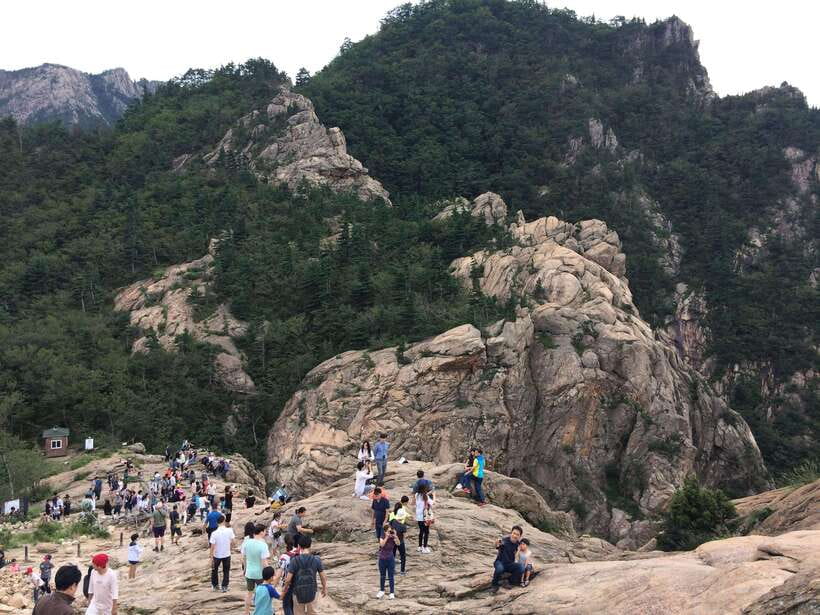
Then comes the cultural closer: Jeonju Hanok Village. This is one of Korea’s most memorable “style of place” experiences because it’s not just a landmark, it’s a whole neighborhood of traditional houses. The tour context here is strong: over 800 hanoks, plus the chance to wear hanbok and enjoy local snacks.
Jeonju is also where the atmosphere tends to do the work. The street layout and the preserved traditional homes make it easy to drift into a slower pace. I love that kind of ending after a full day of travel, because you can loosen up instead of squeezing in another major viewpoint.
A useful detail: one of the tour experiences included a stop that can feature a liquor museum, and there are traditional restaurant options in the area. Even if your blossom timing is not perfect, the experience still works because the village is the main character, not just the trees.
One more reason this stop is valuable: it’s a cultural payoff on the return leg. You’re already tired from the long day, so having a place that rewards wandering is a smart match.
Price and Logistics: Is 66 Dollars a Smart Deal?
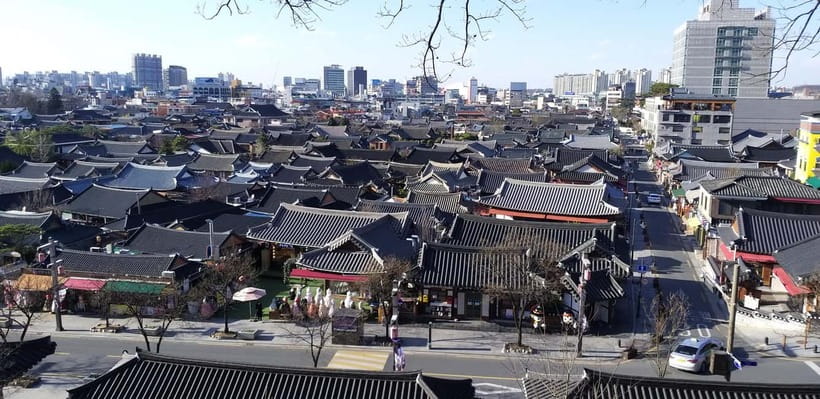
At about $66 per person, this tour pricing is mainly about convenience and coverage. You’re paying for roundtrip transportation from Seoul, a driver/guide, and admission coverage for Gwangyang + Jeonju. For a route that spans multiple regions and multiple blossom sites, that can be better value than buying separate tickets and trying to self-transfer.
The math gets more interesting when you remember the alternatives. If you tried to DIY this, you’d spend time figuring out schedules and you might end up with fewer stops. Here, the value comes from efficiency, not just entrance fees.
What you still need to budget for: food and drinks are not included. That’s not automatically bad, but it changes how you should pack your day. If you tend to get hungry, plan to buy meals during reasonable breaks, and consider carrying a snack you trust.
Also remember walking time, about 1 to 2 hours, which means you’re not just paying for transport. You’re paying to be outside, on foot, between stops.
Who This Tour Fits Best (and Who Might Want a Different Plan)
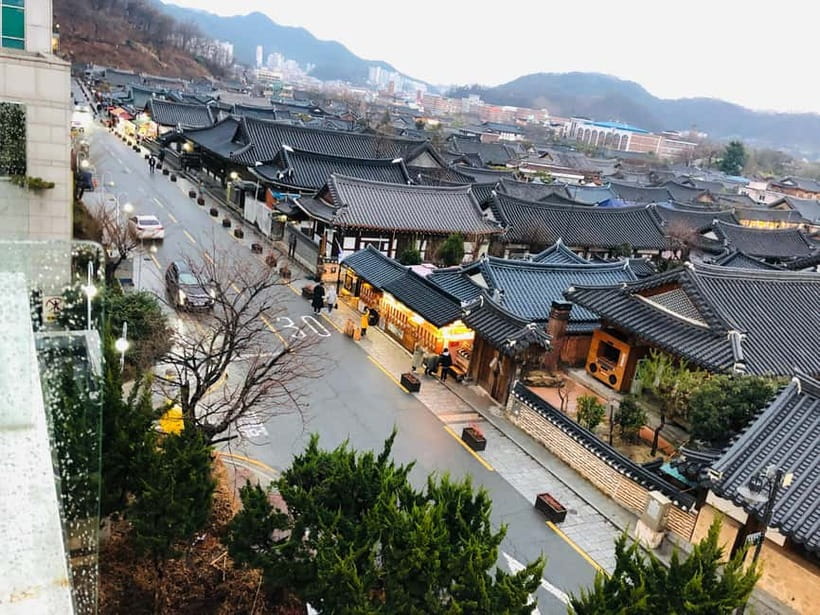
This tour makes the most sense if you love spring scenery but you don’t want to deal with logistics. If you’re the type who wants a packed day of different visuals, you’ll likely appreciate the way it cycles through flowers at different settings: river village, temple grounds, mountain peaks, lake shoreline, then hanok streets.
It also suits travelers who like guided help. Reviews point to guides such as Andrew giving practical food recommendations in Jeonju and helping with photos, and Leo being praised for a great trip. Even if you do not need constant guidance, having someone keep the day flowing makes spring travel less stressful.
Who might reconsider: if you’re extremely flower-date sensitive, late blooming seasons can reduce how impressive the blossoms look at certain stops. One Jeonju-focused experience notes that cherry blossoms were not found because the timing was over, but the day still worked thanks to hanok wandering, the liquor museum stop, and traditional dining. That’s your signal: the trip can still be fun, but it is not a guarantee of peak flowers every stop.
Finally, if your ideal pace is slow and restful, you might find a 16-hour day too much. This is a “see a lot” tour, not a “stretch time and linger all day” plan.
Should You Book This Seoul Spring Cherry Blossom Day Tour?
I’d book it if your goal is maximum spring variety in one organized day and you value the convenience of roundtrip transport plus admission coverage at Gwangyang and Jeonju. The best part is the way it mixes bloom spots with a meaningful cultural ending in Jeonju.
I’d think twice if you only care about flowers at peak intensity and you’re traveling near the edge of the bloom window. In that case, you might still enjoy the temples, lake walks, mountain nature, and the hanok streets, but you should emotionally prepare for fewer blossoms at some points.
My decision rule: check the option you’re choosing, confirm the exact destination list, then pack for walking and bring a food plan. If you do that, this route can deliver a full day of spring sights that are hard to replicate on your own.
FAQ
How long is the Korea Spring Cherry Blossom Day Tour?
The duration is listed as 750 minutes to 16 hours, depending on the starting times and option booked.
What is the meeting point like?
The meeting point may vary depending on which option you book.
Does the tour include roundtrip transportation from Seoul?
Yes. Roundtrip transportation is included.
What are the main stops on this tour?
The highlights listed include Gwangyang Maehwa (Plum) Village, Donghaksa Temple Cherry Blossom, Maisan Mountain Cherry Blossom, Yeongrangho Cherry Blossom, and Jeonju Hanok Village. Seoraksan National Park is also included as part of the experience.
Are meals included?
No. Food and drinks are not included.
Is there a lot of walking?
There is walking for about 1 to 2 hours.
What entrance fees are included?
Entrance tickets are included for Gwangyang and Jeonju.
Do I need to worry about the exact destinations for my booking?
Yes. The main destinations vary depending on the option you choose, so it’s important to double-check before booking.
What is the cancellation policy?
Free cancellation is available up to 24 hours in advance for a full refund.
Recently reviewed in Seoul
- You’re Invited to Our Home in Seoul: The Only Cooking Class!★ 5.0 · 8 reviews
- Your Personal Seoul Photographer!★ 4.1 · 15 reviews
- From Seoul: Yongpyong Ski Day Tour with Transportation★ 4.9 · 40 reviews
- Seoul: Korean & English Language Exchange Global Party★ 5.0 · 28 reviews
- Watching sports match & local food experience in Seoul★ 5.0 · 11 reviews
- WKT Combat Taekwondo & Self-defense One Day Class in Seoul★ 5.0 · 5 reviews
- Unique Native Experience : Han River Picnic, Board game, BBQ★ 5.0 · 3 reviews
- Seoul: Gangneung BTS K-Pop & K-Drama Filming Locations Tour★ 4.6 · 14 reviews
Cherry Blossom Tours, compared.
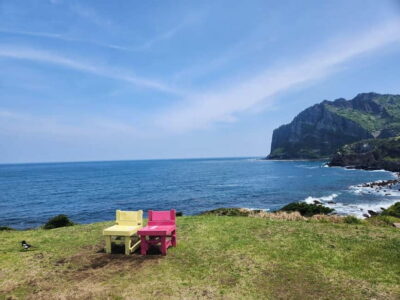
Jeju East: Cherry Blossom Early Bird Tour with Hotel Pickup
Read our review →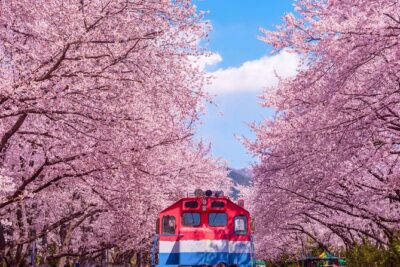
Jinhae Cherry Blossom Festival Gyeonghwa Stn Day Tour from Busan
Read our review →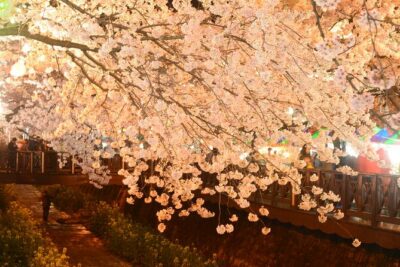
Jinhae Cherry Blossom Day trip from Busan – A Spring Adventure!
Read our review →
2025 JEJU Cherry Blossom West&South Full Day Tour with UNESCO
Read our review →
Chasing Cherry Blossom & Spring Flowers Day Tour from Seoul
Read our review →
2025 Cherry Blossom East Day Tour in Jeju with UNESCO
Read our review →
Jinhae Cherry Blossom Festival Gyeonghwa Stn Day Tour from Seoul
Read our review →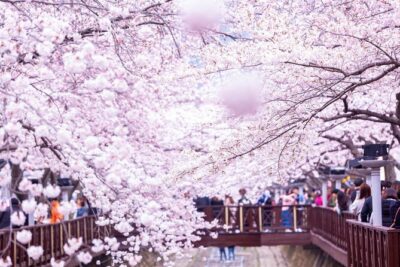
Jinhae’s Cherry Blossoms Shuttle Bus depart from Seoul/Busan
Read our review →Browse the lists this tour appears in