
Reviewed · DMZ TOURS
From Seoul: DMZ The 3rd Tunnel and Suspension Bridge Tour
There is a quiet kind of awe in the DMZ. This full-day guided trip pairs major border landmarks with the 3rd Infiltration Tunnel and Dora Observatory, so you understand the Korean War from stone and steel, not just slides. I especially like the way the day is structured, quick enough to fit a lot in, but paced so you do not feel rushed.
Another thing I really like is the guide storytelling, and the names Kenny, Winnie, and Stella come up for a reason. One possible drawback is that strict DMZ rules can limit phones and cameras, so bring patience, not a shoot-everything mindset.
In This Review
- Key Things That Make This DMZ Day Worth It
- DMZ Tour Energy: History You Can Walk Through
- Morning Logistics From Seoul, and What to Bring
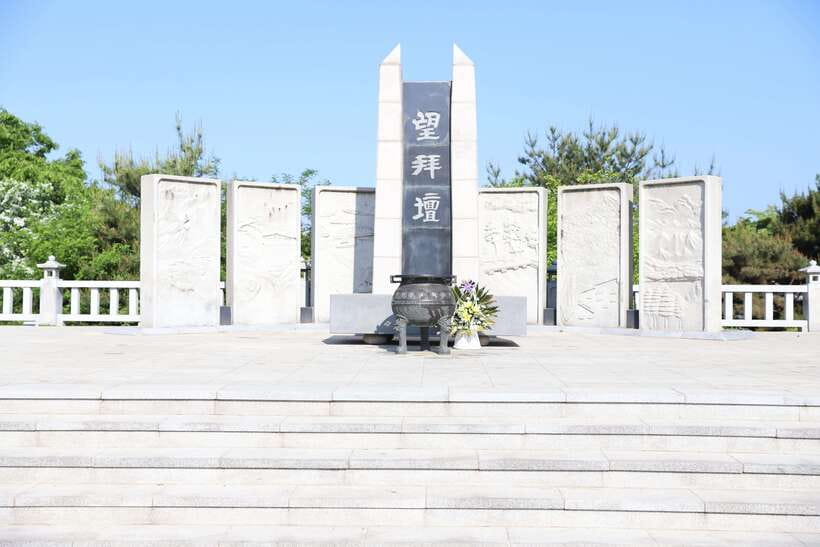
- Imjingak Park: Mangbaedan Altar and the Bridge of Freedom
- DMZ Shuttle, Then the Demilitarized Zone Itself
- The 3rd Infiltration Tunnel: Small Space, Big Impact
- Dora Observatory: Getting a Rare Glimpse of North Korea
- Mount Gamak and the Gamaksan Suspension Bridge
- Time, Pace, and How the Day Feels in One Go
- Price and Value: What $33 Buys You in Real Terms
- Who Should Book This DMZ Tour (and Who Should Skip It)
- Should You Book It?
- FAQ
- Do I need a passport for the tour?
- How long is the tour from Seoul?
- Is JSA (Panmunjom) included?
- What walking is involved at the 3rd Infiltration Tunnel and Gamak suspension bridge?
- Where does the tour drop you off at the end?
- Is hotel pickup available from Seoul?
- What if the DMZ trip changes due to military or government rules?
Key Things That Make This DMZ Day Worth It
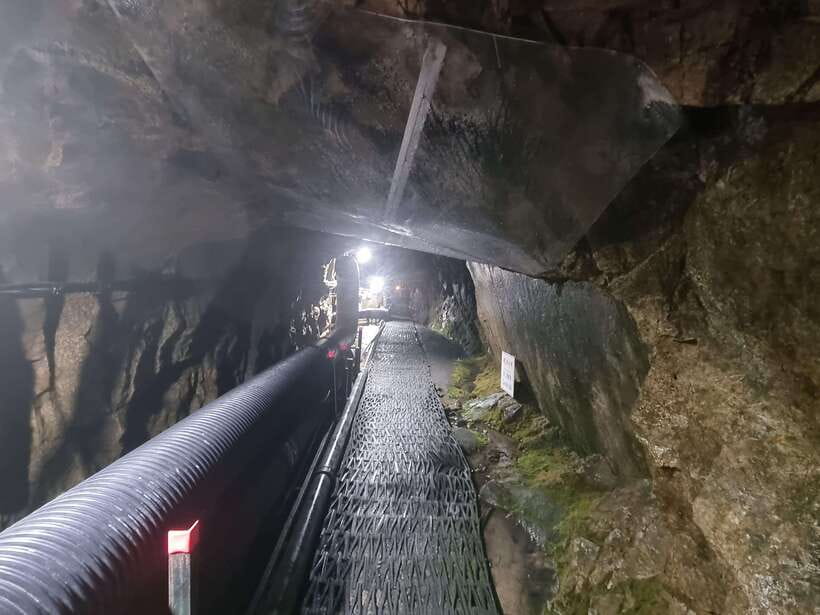
- 3rd Infiltration Tunnel walkthrough, with a steep slope and a real sense of scale (about 2 meters wide and high).
- Dora Observatory views across North Korea, with a chance to spot activity on clear days.
- Imjingak Park landmarks like the Mangbaedan Altar and the Bridge of Freedom for war-and-truce context.
- Freedom Bridge and the Demilitarized Zone stops that connect the dots between war history and today’s tension.
- Gamak Suspension Bridge on Mount Gamak, tied to the Battle of Solma-ri and British troops.
- A day that works on the practical side, with air-conditioned shared transfer, timed stops, and an English guide.
DMZ Tour Energy: History You Can Walk Through
The DMZ can feel like a movie set until you are standing near the fences and railings and hearing how the rules work. This tour makes it real by mixing three kinds of stops: places that explain the war and truce, places that show you North Korea from a distance, and places that put you inside the physical remnants of conflict.
I like that the day starts with context at Imjingak Park instead of jumping straight to the tunnel. It helps you understand why people made those bridges and why the tunnel mattered. Then the trip shifts to physical experience, the narrow tunnel passage and the hike to the Gamak Suspension Bridge. It’s not comfortable. That is part of the point.
One more thing I like is the human scale. You go from wide panoramas at Dora Observatory to the tight, steep tunnel approach where you can feel how small movement would have been. And because it is a guided format with a licensed DMZ guide, you are not guessing at what you are seeing.
More DMZ Tours in Seoul:
- Best DMZ Tour Korea from Seoul (Red Suspension Bridge Optional)
★ 5.0 · 41,422 reviews - DMZ Tour: 3rd Tunnel, Option(Suspension Bridge, Boat) from Seoul
★ 5.0 · 21,373 reviews - DMZ tour south Korea from Seoul (NK experience hall, defector)
★ 5.0 · 20,599 reviews
Morning Logistics From Seoul, and What to Bring
Most people do this as a pickup or meeting-point day in Seoul, then you head out by air-conditioned bus or minivan. Expect bus time between major stops, including a longer transfer segment and shorter segments as the itinerary moves from one military zone area to another. The whole day runs about 9 hours, but actual starting times vary, so check the schedule before you lock in anything else.
Bring your passport. This is not optional. Also remember the on-site rules: no intoxication, no smoking in the vehicle, no alcohol or drugs, and no unaccompanied minors. If you forget that part, you risk losing access for the day, which is a bad trade for a small mistake.
Shoes matter too. You do a 40-minute hike to reach the Gamak Mountain suspension bridge, so comfortable walking shoes are the difference between a fun view and a painful finish. For the tunnel, plan for effort. The 3rd tunnel has a steep slope and takes about 30 to 40 minutes round trip on foot, and it can be challenging for children and elderly guests. If you need a breather or a wait, it is possible to wait in front of the tunnel.
Imjingak Park: Mangbaedan Altar and the Bridge of Freedom
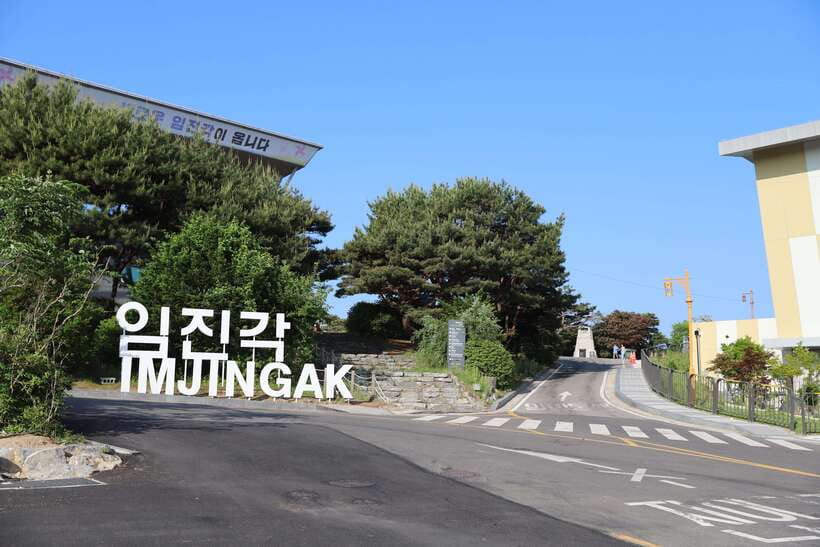
After you meet your guide, the day typically begins at Imjingak Park. This is about 7 kilometers from the Military Demarcation Line, and it is a place designed to hold memory in plain sight. The vibe is reflective but not confusing. You get landmark names, their purposes, and how they connect to the Korean War and divided families.
At Imjingak, you can see the Mangbaedan Altar and the Bridge of Freedom. The altar gives you a sense of the ceremonial and national meaning people attached to the struggle and the hope of resolution. The Bridge of Freedom is the kind of structure that makes you stop and look carefully, because it symbolizes return and separation at the same time.
You also have the option to visit Dokgae Bridge, which was destroyed during the Korean War and later reconstructed. That detail matters. It tells you the DMZ is not only about what is currently fenced off. It is also about what was broken, rebuilt, and kept as a reminder.
The guide experience here is key. A good guide turns this from a list of objects into a timeline you can follow. The English guides named Kenny, Winnie, and Stella are repeatedly praised for making the history understandable without turning the day into a lecture.
DMZ Shuttle, Then the Demilitarized Zone Itself
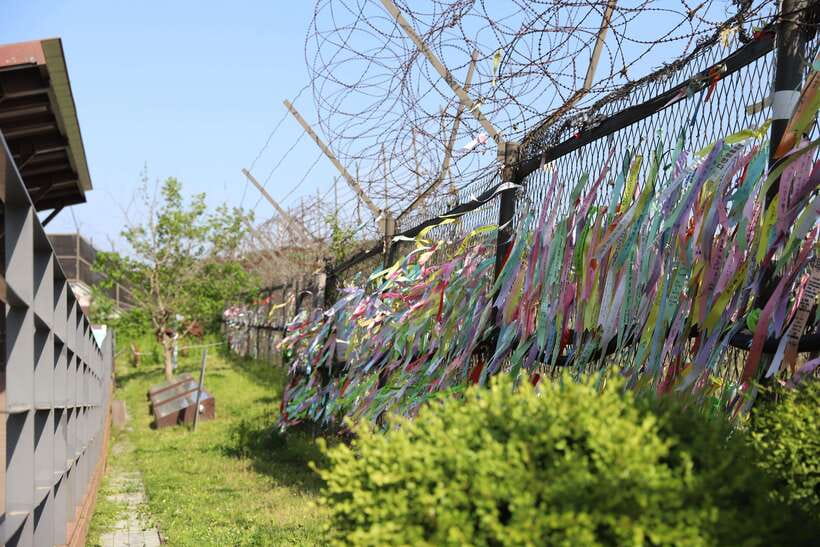
Once you reach the DMZ area, you typically transfer to the DMZ shuttle bus as required by policy. This part is straightforward, but it adds a layer of “this is controlled territory” to the day. You’ll follow the guide’s pacing, and you’ll hear the practical explanations behind access rules.
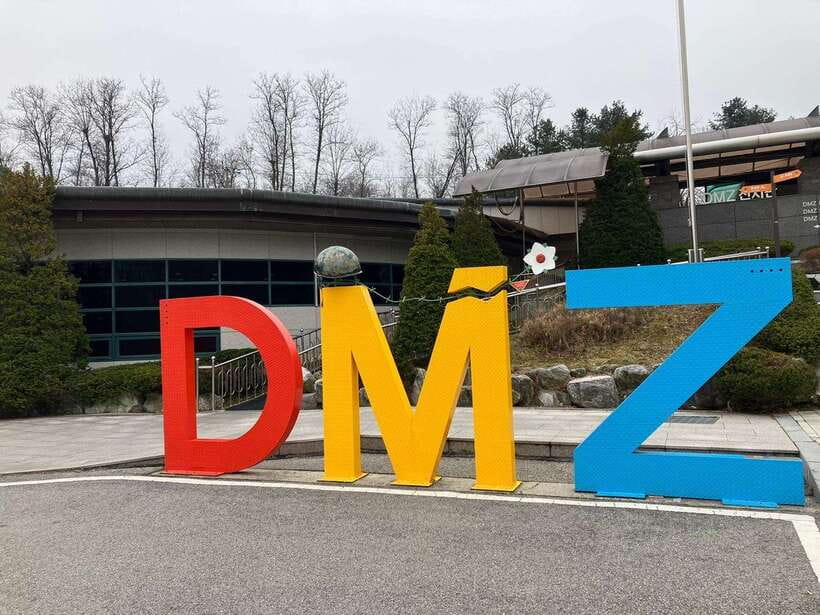
The Demilitarized Zone stop is brief, but it is designed to orient you. You learn where the line runs in a way that feels concrete, not abstract. And the experience stays mindful of security: some areas restrict behavior like phone and camera use, and you may find you cannot record everything you want. That can frustrate people who came in expecting freedom to film.
Try to treat it like a museum with guardrails. Your goal is to observe and listen. If you remember that, the stop lands better, because your attention shifts from capturing to understanding.
Also, the DMZ is operated by the military. The trip can be canceled without prior notice. And the itinerary can change due to weather, military, or government regulation. When that happens, you might still visit other sites such as Art Space BEAT 131, Odusan Unification Observatory, or the War Memorial of Korea. So keep your expectations flexible, and you’ll have a better day.
A few more Seoul days worth comparing
- Seoul: The Best DMZ Tour with Optional Suspension Bridge
★ 4.7 · 4,978 reviews - Signature DMZ Tour: Exclusive Defector Talk & Suspension Bridge
★ 5.0 · 4,459 reviews - Thrilling Korean DMZ 3rd Tunnel Tour from Seoul + Red Bridge Rush
★ 5.0 · 3,097 reviews - Seoul: DMZ Tour & Suspension Bridge (Option English/Spanish)
★ 4.9 · 2,628 reviews
The 3rd Infiltration Tunnel: Small Space, Big Impact
The tunnel is one of the hardest stops to forget. The 3rd Infiltration Tunnel stretches about 1,635 meters and is roughly 2 meters wide and 2 meters high. That “2 meters” detail is the mind-changing part. It means the passage is not for tall strides. It is for tight movement.
You will get a guided visit, and you should plan around the walking. The route includes a steep approach, and the total time for a 30 to 40 minute round trip on foot is long enough that you should not arrive thinking of it as a quick photo stop. Children and older adults may find it challenging, but you can wait in front of the tunnel if needed. That option makes the tunnel more realistic for mixed-age groups.
What I like about this stop is that it makes the conflict physical. You feel how hard movement would have been and how sound and visibility would change in a tight underground space. You stop imagining war as a distant event, and you start thinking about it as engineering, logistics, and human risk.
There is also a natural emotional rhythm. At Imjingak you look outward at symbols. At the tunnel you go inward into the mechanism of infiltration. By the time you step back out, the next viewing points make more sense.
Dora Observatory: Getting a Rare Glimpse of North Korea
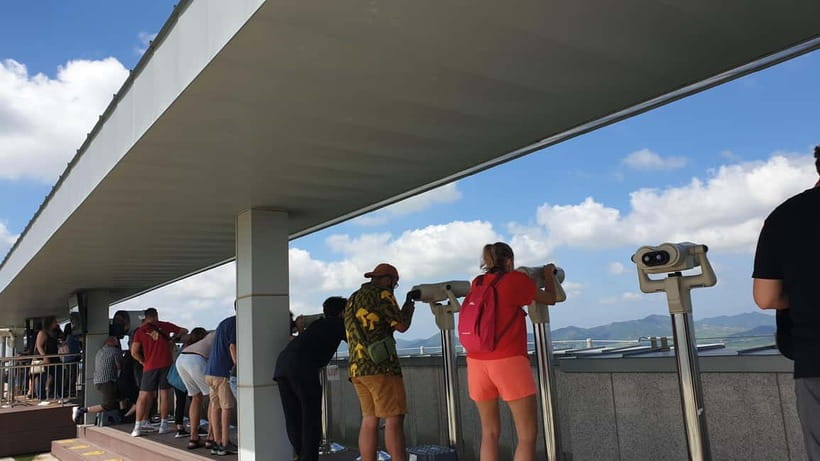
Next comes Dora Observatory, where you get panoramic views of North Korea and key locations across the border. On clear days, you may even catch a glimpse of North Koreans going about daily life. Even when the view is hazy, the act of looking matters, because it turns the divide into something your eyes can measure.
This is the kind of stop where your expectations need tuning. You are not entering North Korea. You are observing it from a regulated viewpoint. Also, conditions can affect what you can see. Clouds, distance, and closures can limit tools like binocular viewing, and sometimes you might not get the ideal setup for watching at the far edge.
In that moment, I appreciate how some guides handle constraints. People have praised Kenny and other guides for working within rules, including helping the group look closer when standard outdoor binocular use was shut down. That kind of flexible problem-solving can make the observatory feel less like a disappointment and more like a solid viewing experience.
The best way to enjoy Dora is to listen for the context. Your guide will explain what you are looking at and why certain locations matter. If you catch yourself staring without understanding, ask questions. That turns a view into learning you can carry around.
Mount Gamak and the Gamaksan Suspension Bridge
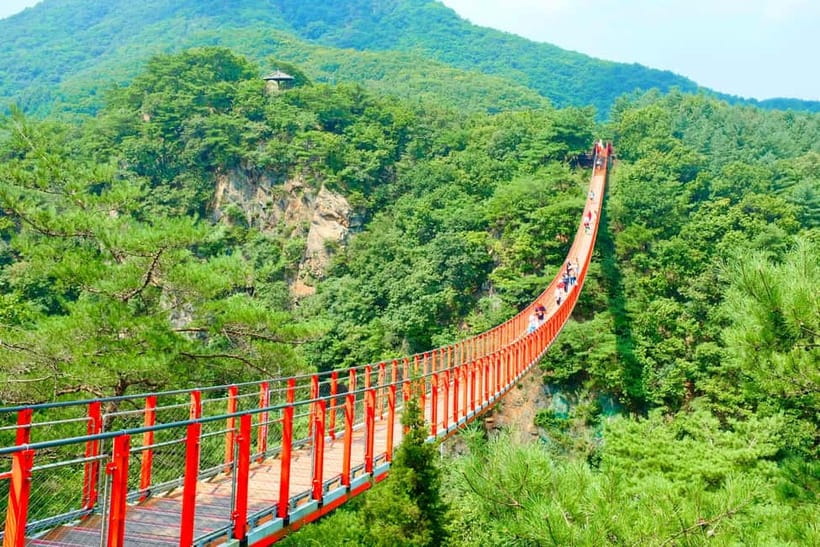
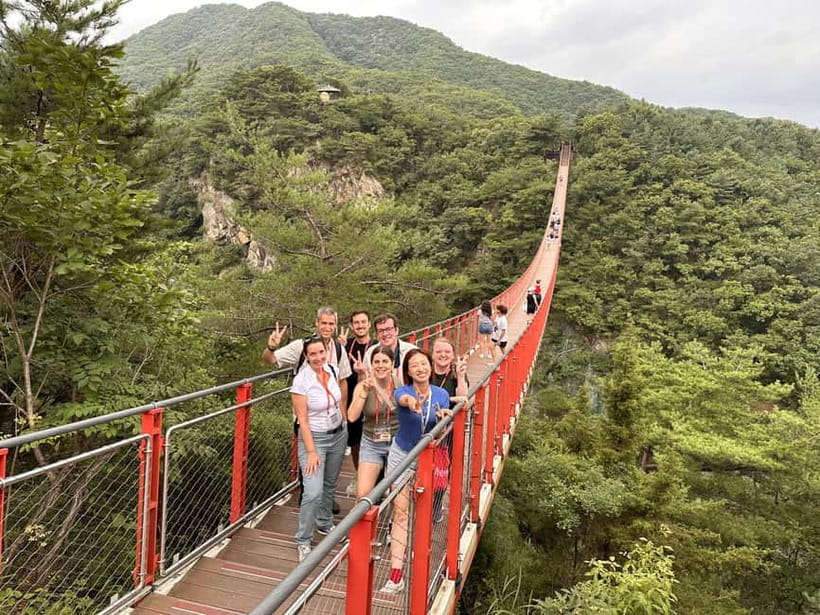
Then you shift from border viewing to a hike with a story attached. The tour includes time at the Gamaksan Suspension Bridge on Mount Gamak, including a guided walk of about 1 hour at that stop.
This bridge ties into the Battle of Solma-ri, where British troops fought during the Korean War. That historical connection is not just trivia. It changes how you read the scenery. Even if you do not remember every date, you understand that this area was part of the push and counter-push of the conflict.
You should plan for movement. Getting to the Gamak suspension bridge involves about a 40-minute hike, so treat it as exercise, not an easy stroll. Wear comfortable shoes and keep water in mind, even though food and drinks are not included. If the weather is hot, you’ll feel the sun more than the photos suggest.
One practical note: this stop can be a highlight for people who like a mix of history and physical activity. If you prefer minimal walking, this might be the part of the day that feels like the biggest ask.
Time, Pace, and How the Day Feels in One Go
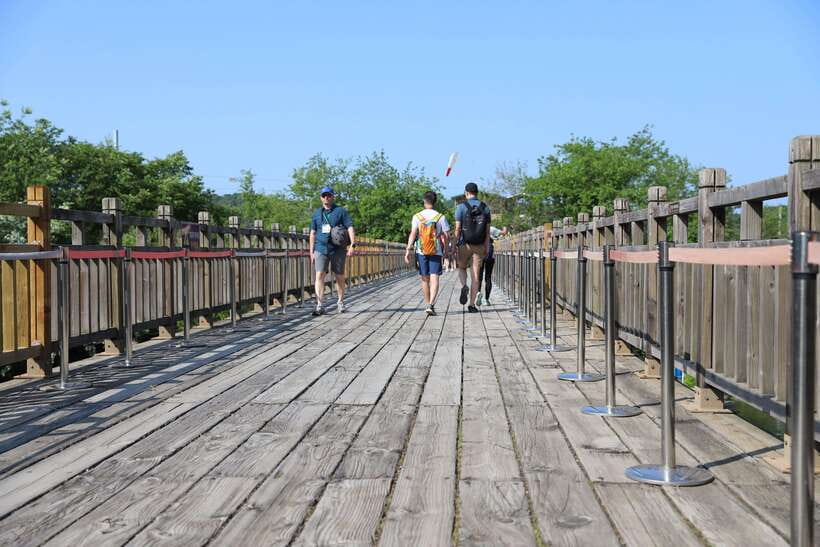
The itinerary is built around multiple “get there, understand, move on” cycles. You’ll have longer bus segments between areas, plus shorter transfers as the day moves from park to tunnel to observatory to the suspension bridge area and back. The stop lengths are designed to give you enough time for photos where allowed, restroom breaks where possible, and listening time with the guide.
The balance most people appreciate is that each stop has a job. Imjingak gives context. The tunnel gives physical scale. Dora gives a visual boundary. The bridge gives battlefield geography. When one stop is shorter due to conditions, the guide usually compensates by focusing attention on the essentials.
Still, the overall day is full. If you love slow travel, you may feel the packed format. If you want one day to cover the major DMZ-adjacent hits from Seoul, this format delivers.
Price and Value: What $33 Buys You in Real Terms
At $33 per person, this tour can look almost too good to be true until you break down what you get. You have roundtrip shared transport from Seoul by air-conditioned bus or minivan, entrance fees, and a licensed professional DMZ guide who helps you navigate the rules and meaning of each stop.
That guide part is where value usually lives. The DMZ is heavily controlled, and you will get more out of the day if someone explains what you are seeing and what you are allowed to do. The English guide format also matters, especially for a topic that can turn dry fast if you only have signs to read.
What is not included is also important. Food and drinks are on your own. So if you tend to eat frequently during long days, plan ahead with snacks. Also, the tour does not include a visit to the JSA (Joint Security Area / Panmunjom). If that is your must-see, this is not the right DMZ choice.
For many people, the tunnel and Dora Observatory alone justify the time. Add in Imjingak Park and Gamak bridge, and the day feels like it covers multiple angles of the same unresolved story.
Who Should Book This DMZ Tour (and Who Should Skip It)
This tour is a good fit if you want structure and guided explanations, and if you are comfortable with a full day. You’ll likely enjoy it most if you like history that you can see and walk through, and if you’re okay with the reality that the border is regulated.
It is not suitable for wheelchair users, and it is not suitable for people with heart problems. If you have mobility concerns, pay special attention to the tunnel slope and the Gamak bridge hike. The tour does offer the chance to wait in front of the tunnel if you cannot go through, but the overall day still involves walking and transfers.
You should also be prepared for a day that can shift. Military and government regulation can change the itinerary, and refunds are not offered when changes happen. That does not mean you will lose the day, but it does mean you should not schedule tight connections right after the tour ends.
If you want a DMZ day that feels educational but not dull, this is the style that works. Guides like Kenny, Winnie, and Stella are repeatedly praised for mixing clear explanations with humor and keeping the day organized.
Should You Book It?
Book it if you want one efficient day from Seoul that hits the 3rd Infiltration Tunnel, Dora Observatory, and the Gamak suspension bridge with real war-and-truce context. At this price, the combination of transport, entrance fees, and a DMZ-licensed guide is strong value.
Skip it or choose a different focus if you need easy walking, rely on wheelchair access, or your top priority is JSA / Panmunjom, since that stop is not included. And if you hate rule-based travel, remember the DMZ is security-controlled, so cameras and phones may not be welcome everywhere.
If you’re the kind of traveler who likes to understand a place by how it was built and why it matters, you’ll likely feel grateful you did this day.
FAQ
Do I need a passport for the tour?
Yes. You should bring your passport, since the DMZ is operated by the military and access requires it.
How long is the tour from Seoul?
The duration is about 9 hours. Starting times vary, so check availability for the exact pickup start.
Is JSA (Panmunjom) included?
No. The tour does not include a visit to the JSA.
What walking is involved at the 3rd Infiltration Tunnel and Gamak suspension bridge?
The 3rd tunnel has a steep slope, and the round trip walk takes about 30 to 40 minutes. The Gamak suspension bridge involves a 40-minute hike, so wear comfortable shoes.
Where does the tour drop you off at the end?
It ends with drop-off at either City Hall Station or the Myeongdong area, depending on your preference.
Is hotel pickup available from Seoul?
Yes, pickup is offered optionally from centrally-located Seoul areas such as Gangnam, Myeongdong, Gwanghwamun, Itaewon, and Dongdaemun. If your hotel is hard to access, you may meet near a central hotel or nearest subway station.
What if the DMZ trip changes due to military or government rules?
The itinerary can change due to weather and regulation. If that happens, you may visit alternatives such as Art Space BEAT 131, Odusan Unification Observatory, or the War Memorial of Korea, and refunds are not offered for changes.
Recently reviewed in Seoul
- You’re Invited to Our Home in Seoul: The Only Cooking Class!★ 5.0 · 8 reviews
- Your Personal Seoul Photographer!★ 4.1 · 15 reviews
- From Seoul: Yongpyong Ski Day Tour with Transportation★ 4.9 · 40 reviews
- Seoul: Korean & English Language Exchange Global Party★ 5.0 · 28 reviews
- Watching sports match & local food experience in Seoul★ 5.0 · 11 reviews
- WKT Combat Taekwondo & Self-defense One Day Class in Seoul★ 5.0 · 5 reviews
- Unique Native Experience : Han River Picnic, Board game, BBQ★ 5.0 · 3 reviews
- Seoul: Gangneung BTS K-Pop & K-Drama Filming Locations Tour★ 4.6 · 14 reviews
DMZ Tours, compared.
Best DMZ Tour Korea from Seoul (Red Suspension Bridge Optional)
Read our review →
DMZ Tour: 3rd Tunnel, Option(Suspension Bridge, Boat) from Seoul
Read our review →
DMZ tour south Korea from Seoul (NK experience hall, defector)
Read our review →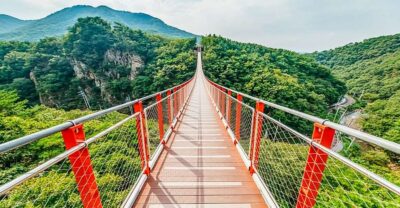
DMZ Insider Tour: 3rd Tunnel, NK Defector Meet & Red Bridge
Read our review →
The Best DMZ Tour with Optional Suspension Bridge
Read our review →
Signature DMZ Tour: Exclusive Defector Talk & Suspension Bridge
Read our review →
Thrilling Korean DMZ 3rd Tunnel Tour from Seoul + Red Bridge Rush
Read our review →
DMZ Tour & Suspension Bridge (Option English/Spanish)
Read our review →Browse the lists this tour appears in