
Reviewed · DMZ TOURS
DMZ Tour Seoul to North Korea’s 3rd Tunnel & Majang Lake Crossing
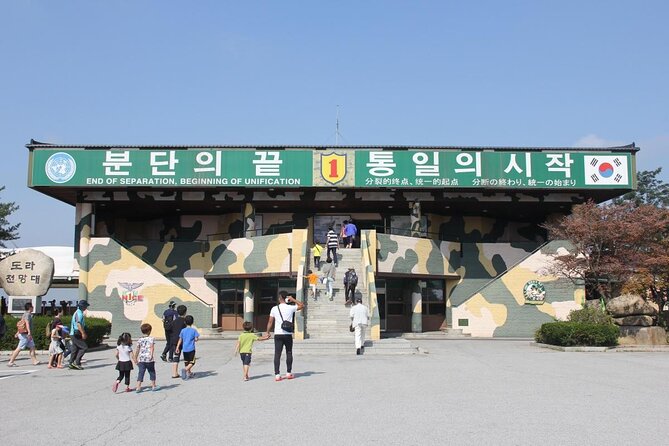
Steel and silence sit an hour from Seoul. This DMZ group tour is built around two stand out moments I really like, a telescope view of North Korea at Dora Observatory and getting inside the Third Tunnel of Aggression. Along the way you also stop at Imjingak’s peace memorials, the Bridge of Freedom, and other sites most first time visitors miss. One drawback to plan for, it is a long day with stairs and tight spots, including inside the tunnel.
What makes it feel easy is the organization. You meet at central spots like Myeongdong Subway Station Exit 9, Seoul City Hall Subway Station Exit 6, or Hongdae Subway Station Exit 3, and you get help from an English or Chinese guide plus a mobile ticket. The group can be up to 150 people, so if you hate crowds, keep that in mind and move with purpose at each stop.
In This Review
- Key highlights that make this DMZ tour worth your time
- What you are really doing on a DMZ day trip from Seoul
- Price and value: why this costs $35 and what you actually get
- The morning flow: meeting points and how not to lose time
- Imjingak’s peace park circuit: where the tone changes
- Bridge of Freedom: the POW return story you can feel
- The Unification Bridge checkpoint and why your documents matter
- Third Tunnel of Aggression: practical tips for going underground
- Dora Observatory: telescope time and the best way to use it
- The quiet pause at Tongilchon soybeans and civilian control edge
- Majang Lake Suspension Bridge crossing: what changes when you add it
- Guide energy: how guides like Nancy, Alex, and Moon shape the day
- Who should book this DMZ tour, and who should pass
- Should you book? My take on making the DMZ real
- FAQ
- How long is the DMZ tour from Seoul?
- Where do I meet the tour guide?
- What is included in the $35 price?
- Is lunch included?
- Do I need to bring my passport?
- Is the Majang Lake Bridge crossing optional?
- What is the cancellation policy?
Key highlights that make this DMZ tour worth your time
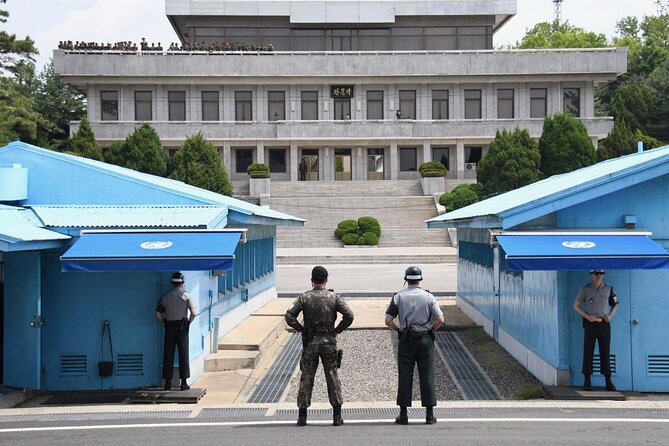
- Telescope viewing at Dora Observatory for the closest legal look at North Korea from the South
- Third Tunnel access to the site that shaped how people understand infiltration plans
- Imjingak Peace Park stops like the Peace Bell and the Bridge of Freedom
- Optional Paju Imjingak Peace Gondola for an aerial look at the DMZ edge
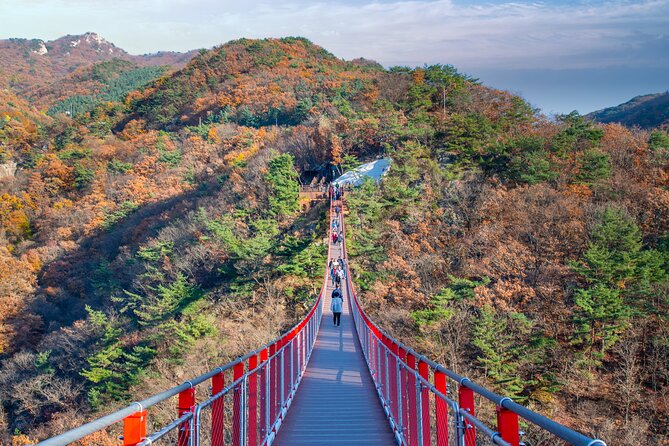
- Majang Lake Suspension Bridge crossing (262 meters, 25 meters up) if you add it at checkout
What you are really doing on a DMZ day trip from Seoul
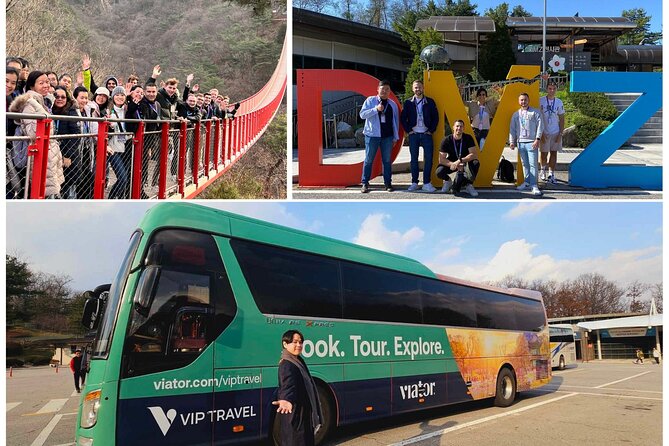
A DMZ tour is not sightseeing in the normal way. You are visiting a strip of land shaped by the Korean War armistice, a no man’s land about 4 km wide that has stayed frozen in time while the rest of the peninsula changed. Your guide frames what you are seeing, not as a scary theme park, but as evidence of how the Cold War lived on, day after day, right next to regular life.
This particular route gives you both perspectives. You start in the South’s peace memory zone at Imjingak, where the mood shifts toward loss, remembrance, and the idea of reunion. Then you move toward the military line of sight and the places where history becomes physical, including the Third Tunnel and Dora Observatory.
If you want one clear takeaway, it is this: you will leave with a better sense of distance. Not just “this is far,” but how close everything really is, how much is controlled, and how much people on both sides have been shaped by that boundary.
More DMZ Tours in Seoul:
- Best DMZ Tour Korea from Seoul (Red Suspension Bridge Optional)
★ 5.0 · 41,422 reviews - DMZ Tour: 3rd Tunnel, Option(Suspension Bridge, Boat) from Seoul
★ 5.0 · 21,373 reviews - DMZ tour south Korea from Seoul (NK experience hall, defector)
★ 5.0 · 20,599 reviews
Price and value: why this costs $35 and what you actually get
At $35 per person for an about 8 hour day, this is one of the more budget friendly ways to cover multiple DMZ landmarks in a single shot. The value comes from three things that add up fast when you price them separately.
First, you get hotel pickup from a main subway area or downtown pickup points, which cuts down on hassle in a city where traffic can slow you down. Second, several key admissions are handled for you. DMZ entry related stops, the Third Tunnel, and Dora Observatory are listed as included, and optional experiences like the Gondola and Majang Lake bridge are included if you choose them during checkout. Third, a guide is included for the whole arc of the day, which matters here, because the sites are symbolic and technical at the same time.
Two costs to plan for. Lunch is not included, and you will spend extra time eating on your schedule. Also, any optional add ons you did not select are not part of the base. If you are the type who hates tradeoffs, decide ahead of time if you want the Gondola and Majang Lake crossing.
The morning flow: meeting points and how not to lose time
This tour is set up around three central rendezvous options. If you are starting in the Myeongdong area, you line up at Myeongdong Subway Station Exit 9. If you are meeting near City Hall, it is Seoul City Hall Subway Station Exit 6. For Hongdae, your stop is outside Hongdae Subway Station Exit 3.
The practical advice is simple: arrive 10 to 15 minutes early. The tour is timed tightly because multiple checkpoints and admissions slots are involved later. If you show up late, you can easily miss a group moment you cannot easily “catch up” on.
On the bright side, pickup is complimentary and the day stays organized. In the reviews, guides like Nancy, Kelly, Alex, Crystal, Lina, Hana, and Moon are mentioned often, and a common thread is clear pacing and calm instructions. Even if you do not get one of these names, that style of guidance is clearly part of the product.
Imjingak’s peace park circuit: where the tone changes
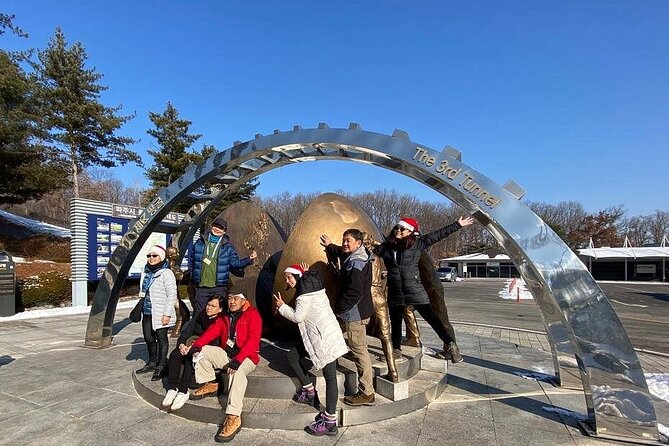
Imjingak is where the DMZ day becomes more than just a border photo. It is the South’s memorial and observation area tied to families separated by the Korean War, including sites that focus on reunification hopes.
Here is what you can expect through the main sequence of stops:
- A brief stop at the Imjingak Tourist Information Center so your group can collect entry clearance and tickets for the civilian controlled areas of the DMZ.
- Imjingak Park and the Bell Tower area, a place designed to hold emotions rather than facts, with reunion symbolism built into the space.
- The Bridge of Freedom, where the walk itself is part of the meaning.
- Optional Paju Imjingak Peace Gondola ride, a 2020 launched cable car experience giving you a wider look over the Imjin River and the DMZ edge.
- Memorial stops like Mangbaedan, an altar where families pay tribute to relatives in North Korea during traditional holidays.
- Jangdan Station and its preserved steam locomotive, sometimes described as the Iron Horse. Even if you are not a train person, the point lands because it connects the DMZ to a transportation corridor that was cut short.
One underrated aspect is how you get rhythm. You start with brief information gathering, then you move outdoors and walk a circuit, which keeps you from feeling trapped on a bus all day. If you like stopping long enough to absorb what you are seeing, Imjingak’s pace works.
Possible downside: you are outside and on your feet. Wear shoes that handle uneven ground and plan for humidity. On days when it is hot, the “short walks” add up.
A few more Seoul days worth comparing
- Seoul: The Best DMZ Tour with Optional Suspension Bridge
★ 4.7 · 4,978 reviews - Signature DMZ Tour: Exclusive Defector Talk & Suspension Bridge
★ 5.0 · 4,459 reviews - Thrilling Korean DMZ 3rd Tunnel Tour from Seoul + Red Bridge Rush
★ 5.0 · 3,097 reviews - Seoul: DMZ Tour & Suspension Bridge (Option English/Spanish)
★ 4.9 · 2,628 reviews
Bridge of Freedom: the POW return story you can feel
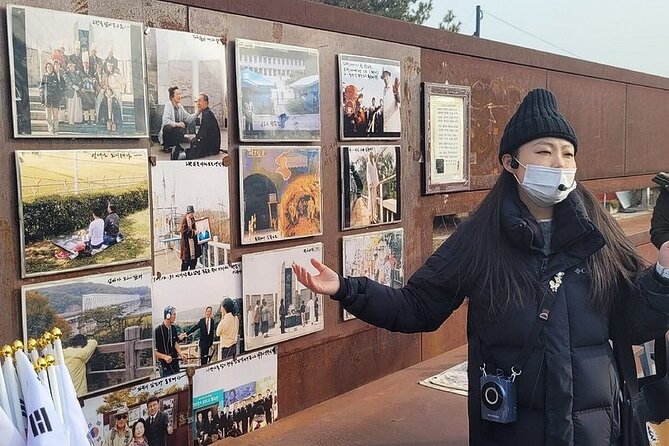
The Bridge of Freedom is one of the most emotionally loaded stops on the route. It is a wooden span built in 1953, originally meant to replace a war damaged railroad bridge over the Imjin River. This is not just a landmark to point at. It is tied to the return of 12,773 prisoners of war to South Korea, a number the tour highlights for a reason.
When you cross it, you are stepping across a historical symbol that the South frames as liberation. It helps the day connect from tunnel engineering and military controls to the human cost those plans implied.
If you want photos, this is a good place to slow down. I like taking a couple shots from different angles, because the meaning comes through more with context than with a single close up.
The Unification Bridge checkpoint and why your documents matter
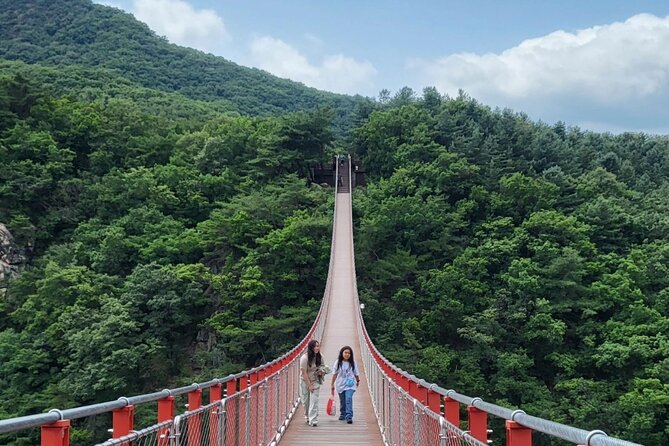
Later, your bus reaches Unification Bridge, described as a military checkpoint. This is where you have to be ready with the right ID.
The data explicitly says soldiers inspect your bus and perform ID checks, so make sure you bring the required documents such as your passport, military ID card, or a South Korea issued ID. Do not plan on “I will figure it out later.” If you are missing the right item, you can lose time and stress yourself out.
Also, this is a reminder that the DMZ is not just a place to watch. It is a controlled zone with procedures. If you keep that mindset, the day feels smoother, because you stop fighting the logistics and start cooperating with them.
Third Tunnel of Aggression: practical tips for going underground
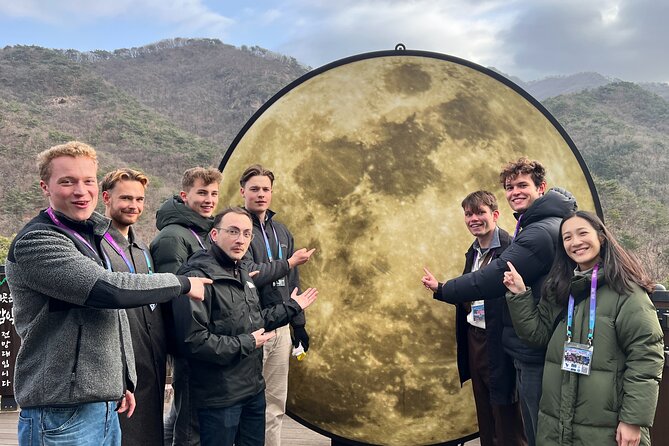
The Third Tunnel is the core draw for many people, and for good reason. It is often called the 3rd infiltration tunnel, a clandestine passage unearthed in 1978. The tunnel is listed as 1,635 meters long, and the tour emphasizes its distance from Seoul and Munsan in explaining why it mattered.
What I like about visiting a real tunnel site is that it makes strategy tangible. You are not just hearing about fear and planning. You are walking through a space that forces you to confront how “invasion” can be reduced to architecture and labor.
Practical expectations:
- It is a physical stop. People are guided through stairs and inclines to get there and move through the site.
- The tunnel experience includes hard hats. One specific tip from the tour experience is to make sure your hard hat is fastened securely, because taller visitors can bump their heads inside.
- On hot and humid days, the tunnel feels even tighter, so keep your pace calm and focus on steady footing.
If you are claustrophobic or hate enclosed spaces, this is the main section where you should think twice. For everyone else, it is usually the moment that makes the day feel real.
Dora Observatory: telescope time and the best way to use it
Dora Observatory is described as the closest view of North Korea from South Korea, perched at Dorasan. It was established in 1986 and revamped in 2018, and the tour frames it as the pinnacle of the DMZ experience.
This is where the telescope viewing happens. You are guided to look toward North Korea through high powered optics, and you have time to buy North Korean products. That last part matters. Souvenirs here are not random. They are part of how the South has created legal points of contact, even when everything else is tightly restricted.
Two practical tips help a lot:
- Go into telescope time with a plan. Have questions ready for your guide about what you are looking at and how the view works.
- Be patient with the view quality. Visibility changes with weather, and one common pattern is that operators may adjust the schedule when conditions are foggy earlier in the day so that you still get the best possible observation later.
If you only care about one “wow” moment, make it Dora. It is where the day stops being a history lesson and becomes a direct act of looking.
The quiet pause at Tongilchon soybeans and civilian control edge
After the big stops, you get a softer, more local moment at a tranquil village area called Tongilchon road and nearby Jangdankong village. The tour notes it sits just past the Civilian Control Line and that the soil there supports Korea’s prized Jangdan soybeans.
This stop is short, but it is a useful contrast. DMZ tours can feel all heavy symbolism and checkpoints. Here, you get something grounded in everyday agriculture and a place that exists under rules, not under abstraction.
If you like tasting something Korean that is tied to the area you just visited, this is the moment to do it. You may find shop opportunities, and even just watching how the village feels compared to the tunnel and observatory helps you balance the mental load of the day.
Majang Lake Suspension Bridge crossing: what changes when you add it
Majang Lake is optional, but if you select it, the tour ends with a crossing of the Majang Reservoir Suspension Bridge. The details are very specific: 262 meters long, opened in 2020, and rising about 25 meters above Majang Lake.
Why add it? Because it gives your body a break after long hours on memorials and military related sites. It also gives a different kind of view. Instead of looking at a divided peninsula, you see calm water and a modern structure spanning it.
If you are tempted, I recommend adding it if you do not mind one more hour and you want an energetic finish. If you are already tired, skip it and keep the day simple, since the Third Tunnel and Dora Observatory are the true anchors.
Guide energy: how guides like Nancy, Alex, and Moon shape the day
The guide can make or break long DMZ tours. Here, multiple guide names appear across experiences, including Nancy, Kelly, Alex, Crystal, Lina, Hana, Moon, and others. The common praise is not just that they know facts, it is that they keep the group moving and keep explanations understandable at each stop.
You will get the most value if you treat your guide like the tool they are. Ask questions at places where the meaning is not obvious. For example:
- When you stand at a memorial, ask what each element is meant to represent.
- When you get to the observatory, ask how to interpret what you can see through the telescope.
- When you are in the tunnel area, ask what you are seeing and why this tunnel got attention.
A small practical thing I love about well run tours is the photo help. One recurring tip is that guides help people take better pictures at the right moments, without turning it into a chaotic free for all.
Who should book this DMZ tour, and who should pass
This tour fits you if:
- You want the big DMZ hits in one day from Seoul, including Third Tunnel and Dora Observatory.
- You like guided context, not just “stand here and take a photo.”
- You want both sides of the emotional spectrum, peace memorials at Imjingak and the hard reality of controlled viewing at Dora and the tunnel.
Skip this tour if:
- You are uncomfortable with enclosed spaces or tight, physical stops like tunnel visits.
- You prefer slow travel with long stays. Even with good pacing, this is packed by design.
And if you are traveling with family, it can still work, but plan around energy. This is not a sit and relax day. It is a structured, meaningful day that asks you to walk and pay attention.
Should you book? My take on making the DMZ real
If your goal is to understand the DMZ beyond the headlines, I think this is a smart booking. The combination of Imjingak peace sites, Bridge of Freedom, the telescope viewing at Dora, and the Third Tunnel gives you a full arc from remembrance to restricted looking to the physical evidence of infiltration planning.
The main reason not to book is simple: stamina. If you do not want stairs, heat, and a long day, this will feel demanding. If you can handle that, the value is strong, especially at $35, because major admissions and the core stops are included, and the optional Majang Lake crossing gives you an extra payoff at the end.
If you want a tip to decide right now: add Majang Lake only if you like bridges and a lighter finish. Keep your priorities on Dora and the Third Tunnel, because those are the moments that define the day.
FAQ
How long is the DMZ tour from Seoul?
The tour duration is about 8 hours.
Where do I meet the tour guide?
You can meet at Myeongdong Subway Station Exit 9, Seoul City Hall Subway Station Exit 6, or outside Hongdae Subway Station Exit 3. Aim to arrive 10 to 15 minutes early.
What is included in the $35 price?
A professional English or Chinese tour guide, complimentary hotel pickup, and key DMZ admissions are included. The Third Tunnel and Dora Observatory tickets are included. Optional Gondola or Majang Lake bridge are included only if you select them at checkout.
Is lunch included?
No, lunch is not included.
Do I need to bring my passport?
Yes. At the Unification Bridge military checkpoint there are ID checks, and the tour notes you should bring your passport, military ID card, or a South Korea issued ID.
Is the Majang Lake Bridge crossing optional?
Yes. The Majang Lake Suspension Bridge crossing is optional and included only if selected during checkout.
What is the cancellation policy?
You can cancel for a full refund if you cancel at least 24 hours in advance of the experience start time. If you cancel less than 24 hours before, the amount paid is not refunded.
Recently reviewed in Seoul
- You’re Invited to Our Home in Seoul: The Only Cooking Class!★ 5.0 · 8 reviews
- Your Personal Seoul Photographer!★ 4.1 · 15 reviews
- From Seoul: Yongpyong Ski Day Tour with Transportation★ 4.9 · 40 reviews
- Seoul: Korean & English Language Exchange Global Party★ 5.0 · 28 reviews
- Watching sports match & local food experience in Seoul★ 5.0 · 11 reviews
- WKT Combat Taekwondo & Self-defense One Day Class in Seoul★ 5.0 · 5 reviews
- Unique Native Experience : Han River Picnic, Board game, BBQ★ 5.0 · 3 reviews
- Seoul: Gangneung BTS K-Pop & K-Drama Filming Locations Tour★ 4.6 · 14 reviews
DMZ Tours, compared.
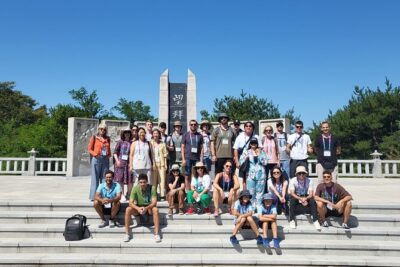
Best DMZ Tour Korea from Seoul (Red Suspension Bridge Optional)
Read our review →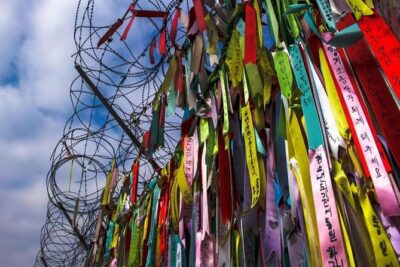
DMZ Tour: 3rd Tunnel, Option(Suspension Bridge, Boat) from Seoul
Read our review →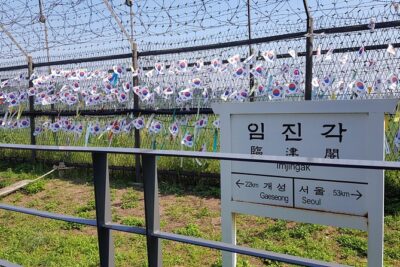
DMZ tour south Korea from Seoul (NK experience hall, defector)
Read our review →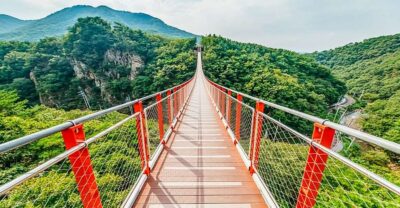
DMZ Insider Tour: 3rd Tunnel, NK Defector Meet & Red Bridge
Read our review →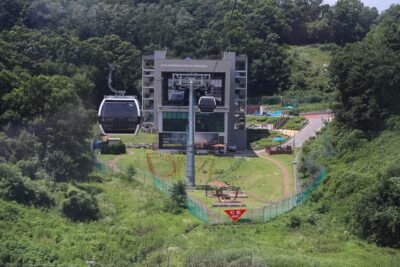
The Best DMZ Tour with Optional Suspension Bridge
Read our review →
Signature DMZ Tour: Exclusive Defector Talk & Suspension Bridge
Read our review →
Thrilling Korean DMZ 3rd Tunnel Tour from Seoul + Red Bridge Rush
Read our review →
DMZ Tour & Suspension Bridge (Option English/Spanish)
Read our review →Browse the lists this tour appears in