

Reviewed · DMZ TOURS
DMZ Tour and North Korea Experience Hall
That border line feels closer than you expect. This DMZ day pairs a North Korea Experience Hall with real-world viewpoints at key sites, so your curiosity gets answers instead of just scenery.
I like how the hall goes beyond dramatic talking points with realistic replicas of everyday homes and classrooms, plus documentary screenings and a live Q&A with a North Korean defector. I also like the way the guide connects those details to what you’ll see afterward at Imjingak and Dora Observatory, including Freedom Bridge. The one possible drawback: this is an intense subject visit, and the pace can feel tight because you’re doing both the exhibition and the DMZ stops in one day, with the exact flow affected by on-site conditions.
In This Review
- Key things that make this tour hit harder
- North Korea Experience Hall: why it’s the right warm-up
- Replicas, videos, and everyday objects you can actually process
- The live defector Q&A: the part you’ll remember
- Imjingak Park: context before you look across
- Freedom Bridge: what you can actually see
- Dora Observatory: the view is the point, but context is the key
- Transport, timing, and how the day is managed
- Guide style and what you can expect from English commentary
- The rules: passport first, then know what’s not allowed
- Who this DMZ tour is best for
- Price and value check: what $42 buys you
- What to pack and how to make the day smoother
- Should you book this DMZ and North Korea Experience Hall tour?
- FAQ
- What’s included in the tour price?
- How much does the tour cost?
- Do I need a passport for this tour?
- Are meals included?
- Is pick-up from my hotel available?
- What language is the tour offered in?
- How large are the groups?
- Where does the tour end?
- Can I cancel if my plans change?
- Is this tour suitable for children or older adults?
Key things that make this tour hit harder
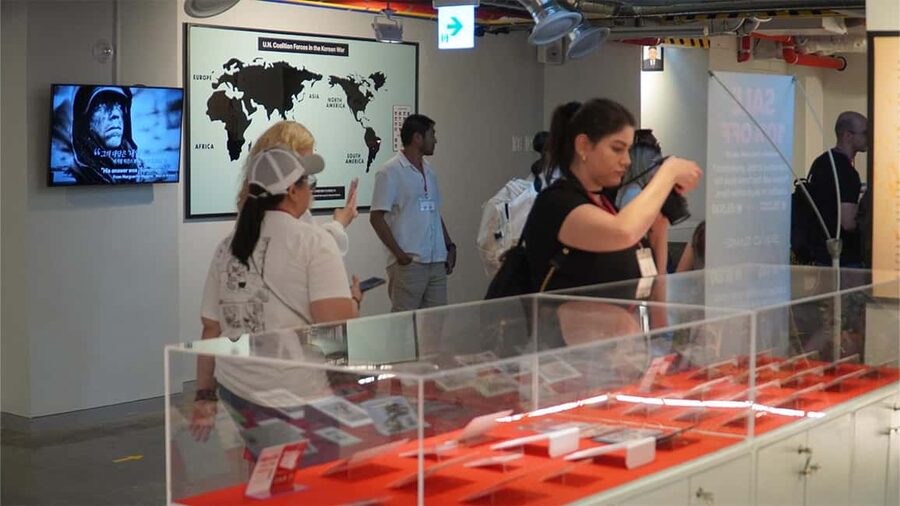
- North Korea Experience Hall photo zones with replicas of home, classroom, and household items
- Documentary screenings that frame daily life, not just politics
- Live Q&A with a North Korean defector plus a commemorative photo opportunity
- Imjingak, Freedom Bridge, and Dora Observatory visited with full guide commentary
- Small-ish group size (max 30), with potential splitting to match the session capacity
- English-speaking guide and transport included for an easier, smoother day
North Korea Experience Hall: why it’s the right warm-up
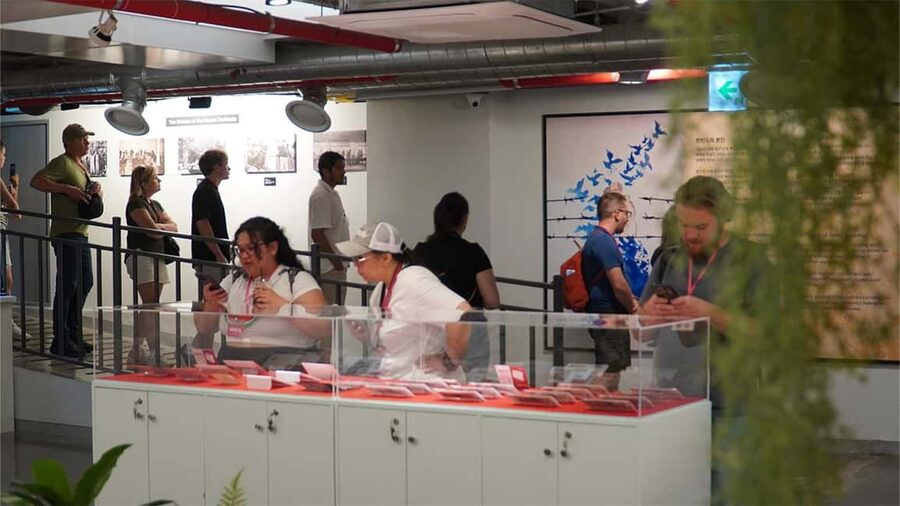
If you only do the DMZ sites, you see geography and symbols. When you pair that with the North Korea Experience Hall first, everything gains context. You’ll start to understand what life looks like on the other side in practical terms, including routines, classrooms, and the kinds of household objects people interact with.
The hall also helps you ask better questions during the Q&A later. Instead of walking in cold, you’ve already seen how the exhibition tries to represent daily life through lifelike displays, videos, and everyday items. That makes the defector’s answers feel more specific and grounded.
One thing I appreciate here is the pacing logic. You get emotionally heavy content in the hall, then your guide sends you out to the outdoors viewpoints where the stakes are visible in the landscape. The day has a clear arc, from story to place.
More DMZ Tours in South Korea:
- Best DMZ Tour Korea from Seoul (Red Suspension Bridge Optional)
★ 5.0 · 41,422 reviews - DMZ Tour: 3rd Tunnel, Option(Suspension Bridge, Boat) from Seoul
★ 5.0 · 21,373 reviews - DMZ tour south Korea from Seoul (NK experience hall, defector)
★ 5.0 · 20,599 reviews
Replicas, videos, and everyday objects you can actually process
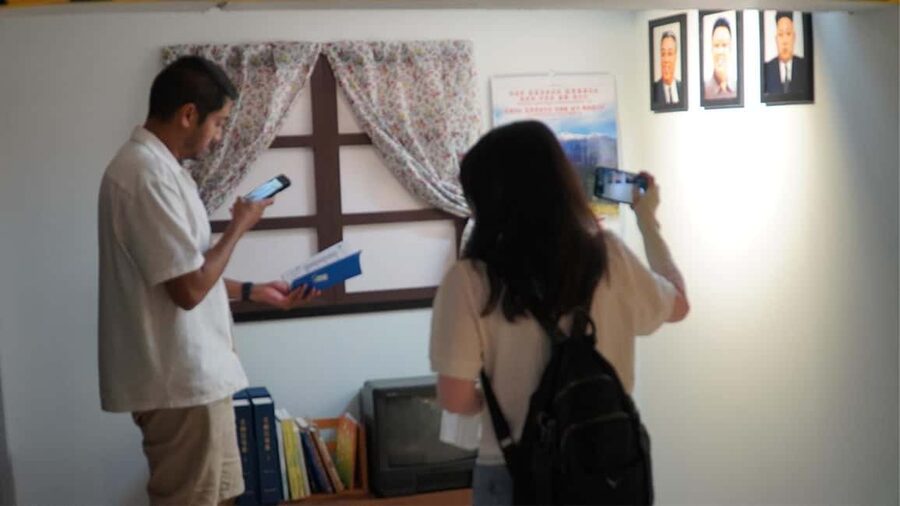
This is not a museum where everything stays abstract. The North Korea Experience Hall includes photo zones made from replicas of North Korean home, classroom, and everyday household items. You don’t need to be a “photo person” to get value from this. The replicas function like reference points. You can remember a chair, a classroom setup, or a household scene, then later connect it to what the defector explains in real language.
You’ll also find exclusive documentary screenings included in the experience. The key benefit is framing. Documentary clips tend to slow you down, because they give you time to absorb claims with explanations instead of just hearing headlines.
As you move through these sections, your job is simple: watch for patterns. How do rooms look? What does a classroom setup suggest about daily structure? What kinds of everyday items appear, and how are they positioned as normal? That’s the stuff that stays in your mind when you later stand at Freedom Bridge and look toward the boundary zone.
The live defector Q&A: the part you’ll remember
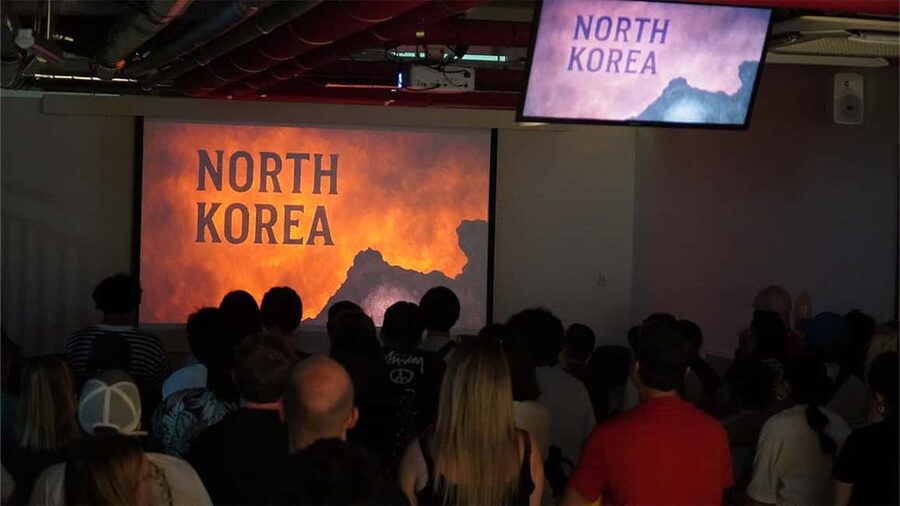
The live Q&A session is the emotional and educational center of the tour. You get a firsthand conversation with a North Korean defector, and that changes how the rest of the day lands. Exhibits can show images and recreated objects. A Q&A gives you tone, nuance, and the feeling of a real person trying to explain something that most visitors only hear about in headlines.
The experience also includes a commemorative photo opportunity with the defector. That matters more than it sounds. It turns a one-way documentary into a human encounter you can look back on later, with a face attached to the story.
A practical note: this subject matter can be intense. If you prefer light sightseeing, you might find the tone heavy. If you want to understand, this is where the tour earns its place.
Also, keep in mind that photos taken during the tour may be used for promotional purposes. That’s not unusual for organized tours, but it’s good to know ahead of time so you can decide how you want to participate.
Imjingak Park: context before you look across

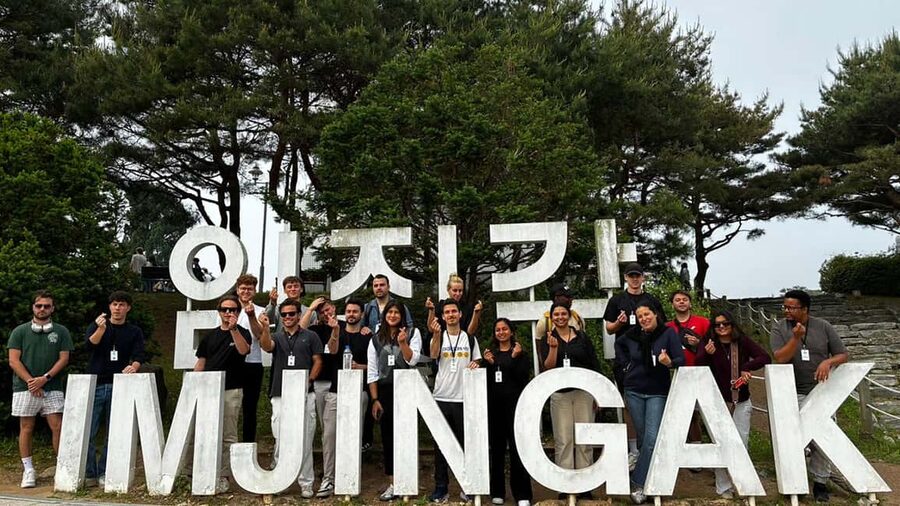
After the hall, you head out to major DMZ landmarks. The first stop is Imjingak, which helps you “read” the broader conflict story before the viewpoints.
Imjingak matters because it’s tied to the lived history of families separated by the border and the long-running Korean War aftermath. Even if you already know the big dates, a guided stop here is valuable because it connects symbolism to how people experienced division in daily life.
What to focus on during your visit is guidance from your tour leader. Listen for what the site represents, then look for how those meanings are communicated through the layout and nearby markers. This isn’t just a park you walk through. It’s a place designed to anchor memory.
If you’re the kind of person who likes to ask, do it carefully and with respect. This is a sensitive location, and your guide is there to help you understand what you’re seeing.
Same trip, a different corner of the country:
- DMZ Insider Tour: 3rd Tunnel, NK Defector Meet & Red Bridge
★ 4.9 · 15,214 reviews - Seoul: The Best DMZ Tour with Optional Suspension Bridge
★ 4.7 · 4,978 reviews - Signature DMZ Tour: Exclusive Defector Talk & Suspension Bridge
★ 5.0 · 4,459 reviews - Thrilling Korean DMZ 3rd Tunnel Tour from Seoul + Red Bridge Rush
★ 5.0 · 3,097 reviews
Freedom Bridge: what you can actually see
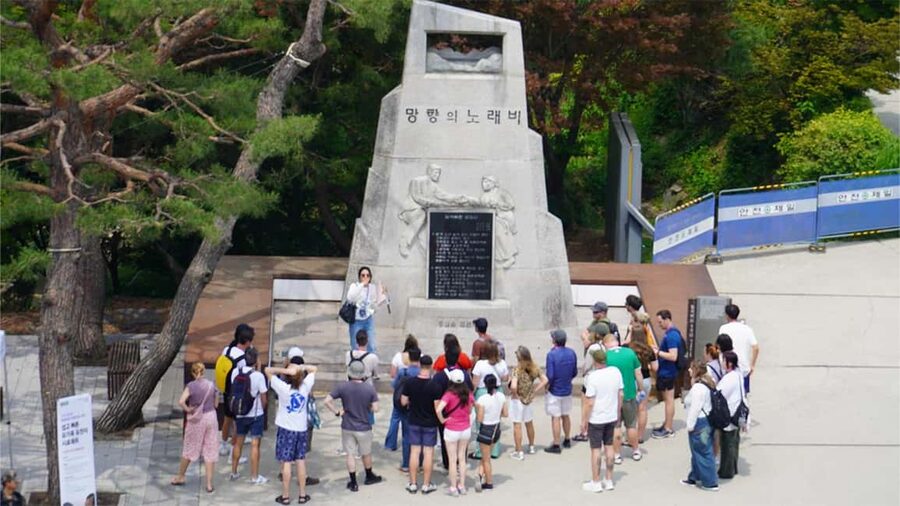
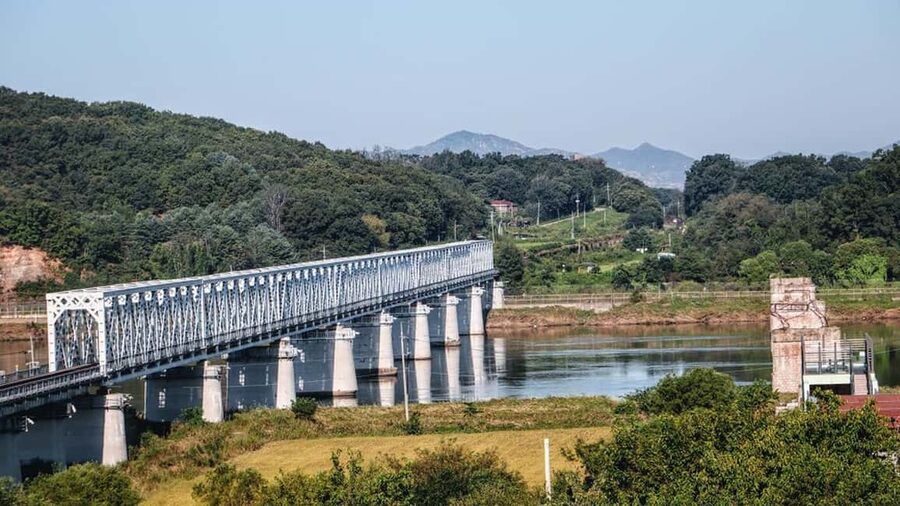
Next comes Freedom Bridge. This is the stop where many people want a quick photo, but the real value is in the guide commentary that puts the bridge into context. The bridge is famous in part because it symbolizes cross-border hope and blocked movement, and the point of the visit is to feel that contradiction.
When you stand here, your brain will try to do math: distance, direction, and what might cross that line if circumstances were different. Let your guide do the heavy lifting by explaining what the site represents and why it became a symbol. Then, take your picture and move on. You’ll enjoy it more if you treat the stop as a moment of understanding rather than a quick checklist.
Dora Observatory: the view is the point, but context is the key
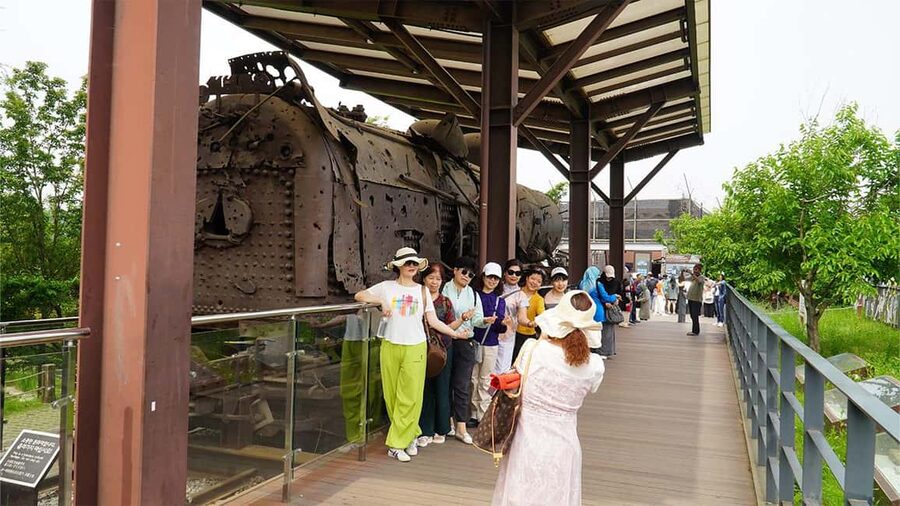
The last major DMZ site on your day is Dora Observatory. The name already signals the type of experience, but the value comes from what you learn before you look.
Dora Observatory is about observation and perspective. You’re not just visiting for a view you’ll forget in ten minutes. Your guide helps you connect what you’re seeing to how the DMZ functions, what the viewing point implies, and why the boundary stays such a powerful part of daily life for people on both sides.
Here’s the practical way to enjoy Dora: slow down at the viewpoint area and let the commentary finish before you rush to take photos. If you capture the view first, you might miss the explanation that makes it meaningful. If you listen first, your photos feel less like snapshots and more like evidence of what you understood.
Also, weather can affect how the view feels. If visibility is limited, don’t panic. Your guide can still help you interpret what you can make out.
Transport, timing, and how the day is managed
This tour includes transport and an English-speaking guide, which is a big deal on a long day like the DMZ. Getting there and moving between sites takes planning. With this format, you spend your mental energy on learning instead of logistics.
A couple of things to know so you don’t get surprised:
- Pick-up time and itinerary may change based on on-site conditions.
- Traffic congestion during peak seasons can cause delays.
- Maximum group size is 30 per session, and groups may be split, though efforts are made to keep groups together.
In plain terms, you should build in a little flexibility. Plan nothing tight afterward, and keep your day calm.
One more detail that’s easy to overlook: the tour concludes at Seongsu-dong. If you’re booking a next activity, set it up with that endpoint in mind.
Guide style and what you can expect from English commentary
A good DMZ guide does two things: they manage facts, and they manage your emotional temperature. Based on the way this tour is described by people who’ve been through it, the English commentary is a real part of the experience, not an add-on.
In the feedback you’re likely to come across, guides named Katie and Sophia are specifically praised for being polite, friendly, organized, punctual, and helpful with photos and videos. That suggests the guides are attentive to both the learning and the human details of the day.
You’ll also get help before and after the session, but your guide will not participate during the Q&A/photo portion itself. That’s normal. The structure keeps the defector interaction smooth and focused.
The rules: passport first, then know what’s not allowed
One requirement is non-negotiable: a valid passport is required to enter the DMZ. Bring it with you on tour day. If you forget it, your plan can fall apart fast.
There are also clear on-tour rules:
- No smoking in the vehicle
- No smoking indoors
- No alcohol and drugs
These are the kind of restrictions that keep things respectful and controlled during a sensitive visit. Just plan to comply, and keep your day free of anything that could create issues.
Who this DMZ tour is best for
This tour is a strong fit for people who want context, not just checkpoints. You’ll get the most out of it if you:
- care about Korean War context and the border situation
- like structured explanations with stops that matter
- want a human perspective through the defector Q&A, not just displays
It may not be a good fit if you’re sensitive to difficult topics or want a more casual sightseeing pace.
It’s also not suitable for a number of people, based on the stated limits:
- Children under 10 must be accompanied by a guardian (and children under 10 are not listed as suitable)
- Not suitable for pregnant women
- Not suitable for people with back problems, heart problems, mobility impairments, wheelchair users, or people over 70
- Photos and indoor rules mean you should be comfortable following instructions for a long, structured day
Price and value check: what $42 buys you
At $42 per person, this tour is priced like a value-focused day trip that removes friction. You’re paying for several things at once:
- entry to the North Korea Experience Hall
- access to DMZ sites and historic landmarks
- transport between locations
- an English-speaking guide who provides commentary
- the included live Q&A experience and related photo opportunity at the hall
Meals and drinks are not included, so you’ll want to budget for food on your own. But for many people, the trade-off is worth it because you aren’t trying to coordinate separate tickets, separate transport, and separate guides for two parts of the day.
In other words, the “value” here is less about the lowest possible ticket price, and more about getting an all-in-one day that stays coherent. You avoid the common DMZ mistake, which is treating it like a random list of places with no connecting narrative.
What to pack and how to make the day smoother
The tour data doesn’t list a full packing list, so I’ll focus on essentials implied by the experience:
- Passport, because it’s required for DMZ entry
- Comfortable shoes, because you’ll spend time walking between exhibition spaces and outdoor stops
- A light layer, since Dora Observatory and DMZ viewpoints can feel cooler depending on conditions
- Keep your phone charged for photos. If you want pictures tied to the defector interaction, plan to have your device ready, and be respectful of the photo moment rules
Also consider your energy level. The hall plus multiple DMZ stops is a lot of input in one day, and traffic delays can make it longer.
Should you book this DMZ and North Korea Experience Hall tour?
Book it if you want a DMZ experience with structure and meaning. The North Korea Experience Hall is not filler. It’s a setup that helps your defector Q&A and your outdoor viewpoints land with more understanding. The combo of Imjingak, Freedom Bridge, and Dora Observatory with guided commentary makes the day feel connected instead of chaotic.
Skip it if you need something light and easygoing, or if your health or mobility limits make long, structured touring difficult. Also skip if you cannot reliably meet the passport requirement.
If you’re a history lover or a curious mind, this is the kind of tour that helps you leave with more than photos. You’ll have specific details you can remember when you talk about the border later.
FAQ
What’s included in the tour price?
The price includes the North Korea Exhibition Hall and the DMZ and historic landmarks, plus transport and an English-speaking guide.
How much does the tour cost?
It’s listed at $42 per person.
Do I need a passport for this tour?
Yes. A valid passport is required to enter the DMZ, and you must bring it on the day of the tour.
Are meals included?
No. Meals and drinks are not included, including lunch.
Is pick-up from my hotel available?
Yes, hotel pick-up service is available for an additional KRW 15,000 if your hotel is in Jongno-gu, Jung-gu, Yongsan-gu, Mapo-gu, Seodaemun-gu, or Dongdaemun-gu.
What language is the tour offered in?
The tour is offered in English.
How large are the groups?
The maximum group size is 30 participants per session, and groups may be split, though efforts are made to keep groups together.
Where does the tour end?
The tour concludes at Seongsu-dong.
Can I cancel if my plans change?
You can cancel up to 24 hours in advance for a full refund.
Is this tour suitable for children or older adults?
It is not suitable for children under 10 (and children under 14 must be accompanied by a guardian). It is also not suitable for people over 70.
Recently reviewed in South Korea
- You’re Invited to Our Home in Seoul: The Only Cooking Class!★ 5.0 · 8 reviews
- Your Personal Seoul Photographer!★ 4.1 · 15 reviews
- From Seoul: Yongpyong Ski Day Tour with Transportation★ 4.9 · 40 reviews
- Yeosu: Private Taxi Car Private Charter Tour★ 4.7 · 3 reviews
- Seoul: Korean & English Language Exchange Global Party★ 5.0 · 28 reviews
- Watching sports match & local food experience in Seoul★ 5.0 · 11 reviews
- Western Jeju Healing UNESCO Small Group Day Tour★ 5.0 · 5 reviews
- WKT Combat Taekwondo & Self-defense One Day Class in Seoul★ 5.0 · 5 reviews
DMZ Tours, compared.
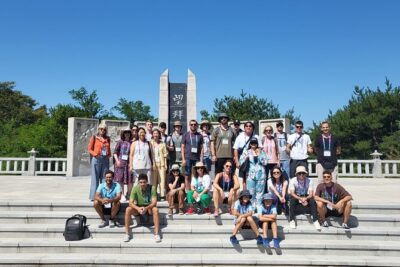
Best DMZ Tour Korea from Seoul (Red Suspension Bridge Optional)
Read our review →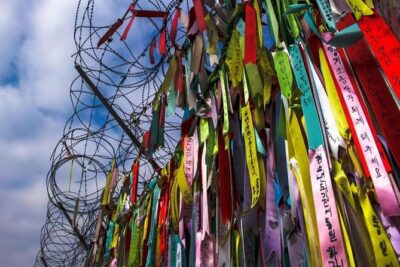
DMZ Tour: 3rd Tunnel, Option(Suspension Bridge, Boat) from Seoul
Read our review →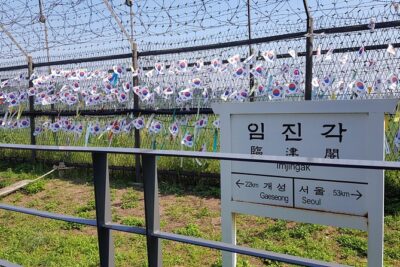
DMZ tour south Korea from Seoul (NK experience hall, defector)
Read our review →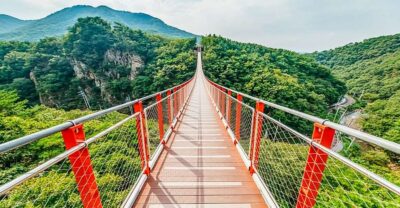
DMZ Insider Tour: 3rd Tunnel, NK Defector Meet & Red Bridge
Read our review →
The Best DMZ Tour with Optional Suspension Bridge
Read our review →
Signature DMZ Tour: Exclusive Defector Talk & Suspension Bridge
Read our review →
Thrilling Korean DMZ 3rd Tunnel Tour from Seoul + Red Bridge Rush
Read our review →
DMZ Tour & Suspension Bridge (Option English/Spanish)
Read our review →Browse the lists this tour appears in