
Reviewed · DMZ TOURS
DMZ Guided Tour with Suspension Bridge / Gondola from Seoul
The DMZ feels close to real life. This guided day trip from Seoul is built around North and South Korea history, with stops like the Dora Observatory and tunnel visits that can make the conflict feel surprisingly concrete. You get smooth round-trip transfers in an air-conditioned vehicle, so you are not spending your day figuring out logistics.
I also like that the tour is structured for maximum site time, including major checkpoints such as the DMZ area, the tunnels, and the view-focused Dora Observatory (on clear days, you may even see North Korea). The main drawback to plan for is that it is weather- and timing-sensitive, and there is a fair amount of walking on a strict schedule, including the steeper trek tied to the Third Tunnel.
In This Review
- Key things to know before you go
- A Seoul DMZ tour that is built for simplicity
- How the DMZ stop sets the tone
- Third Tunnel time, and why it is the tour’s physical challenge
- Dora Observatory and Dorasan Station: the best views are weather-dependent
- Gamaksan Chulleong Bridge or gondola: pick your “wow” factor
- Monday vs Tuesday-Sunday: what changes inside the schedule
- English-speaking guides like Patrick, Roy, Ki, April, and Andrew
- Price and logistics: why $35 can work, and where you trade convenience
- What to pack, how to pace yourself, and how to handle the walking
- Accessibility and comfort: be honest about the Third Tunnel
- Optional detours that add meaning: defector meeting and context
- Should you book this DMZ tour?
Key things to know before you go
- It is a full day, roughly 7 to 11 hours, so treat it like a main event, not a quick excursion.
- Weather matters most at Dora Observatory, since visibility can affect whether you can see across to North Korea.
- Third Tunnel access comes with health limits, especially for heart, back, leg, and respiratory issues.
- Mondays run differently with the Second Tunnel and Peace Observatory, so your day of the week changes what you do.
- Gondola and suspension bridge are optional choices, not automatic extras, and you can pick when you book.
- Guides are a major part of the experience, with many standout English-speaking guides named Patrick, Roy, Ki, April, and Andrew.
A Seoul DMZ tour that is built for simplicity
If you want the DMZ but you do not want the headache of route-planning, this tour is a straightforward way to do it. You meet up, then ride in an air-conditioned vehicle while an English-speaking guide handles the pace and the key explanations. For many people, that is the whole point: you get access to sensitive, high-interest places without turning your day into spreadsheets and transfers.
At about $35 per person, it also feels like a value-heavy option for a long, structured day. You are paying for guided access, admissions, and transportation around a far-flung area, not just for a bus ride.
One more practical note: the tour uses a mobile ticket, which is easy to manage on the day.
More DMZ Tours in Seoul:
- Best DMZ Tour Korea from Seoul (Red Suspension Bridge Optional)
★ 5.0 · 41,422 reviews - DMZ Tour: 3rd Tunnel, Option(Suspension Bridge, Boat) from Seoul
★ 5.0 · 21,373 reviews - DMZ tour south Korea from Seoul (NK experience hall, defector)
★ 5.0 · 20,599 reviews
How the DMZ stop sets the tone
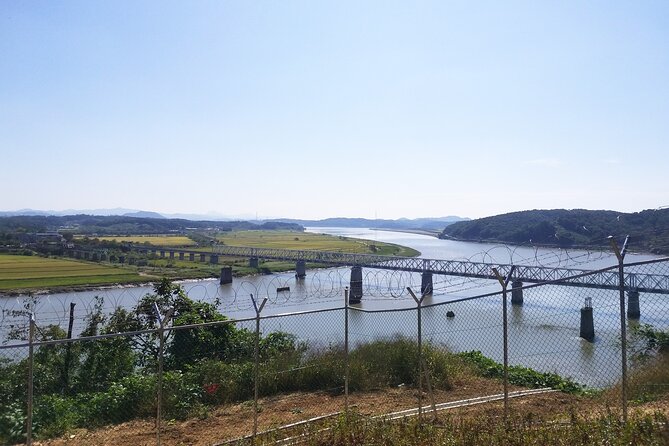
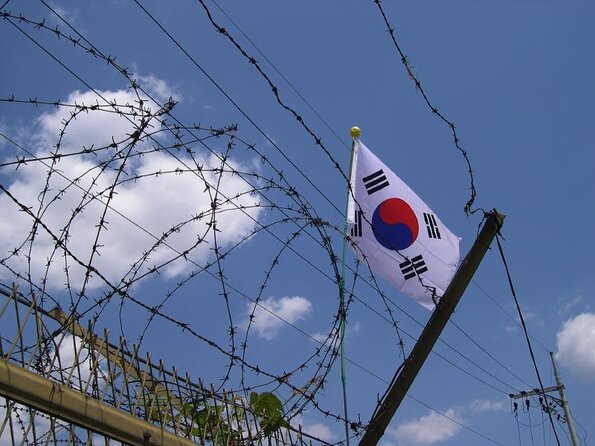
The DMZ stop is the heart of the experience. You are visiting a demilitarized buffer zone separating the two Koreas, spanning 248 km from Jeongdong-ri in Paju-si to Myeongho-ri in Goseong-gun. Even without turning this into a lecture, that scale helps you understand why the peninsula’s tension is not a vague idea. It is mapped onto real space, real barriers, and real geography.
This is also where you start learning the why behind what you will see later. The DMZ stop typically lasts about 2 hours with admission included, and it is usually timed so you can absorb the context before heading to the more specific, high-impact sites.
What to watch for here: this portion is often the most “official feeling” part of the day. You will want to pay attention, because later stops make more sense when you understand what the DMZ is meant to do and what it is meant to prevent.
Third Tunnel time, and why it is the tour’s physical challenge
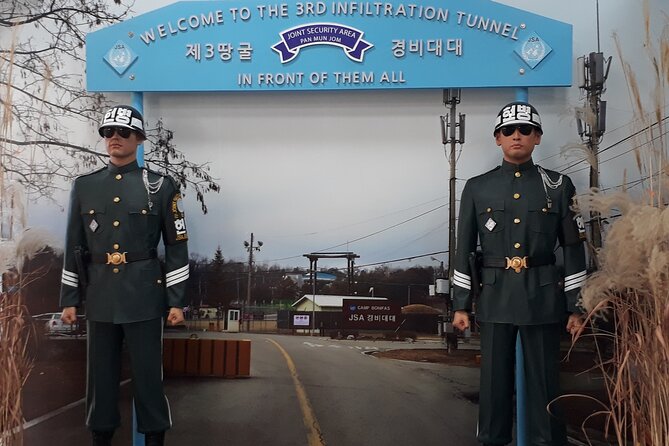
The Third Tunnel is often the big draw, because it is not just a viewpoint. It is a site you walk into. The tunnel is listed as 1,635 m long, and access includes admission, with typical time on-site around 1 hour for this stop.
That said, plan for the fact that this is not a sit-and-watch attraction. The tour info is clear that you cannot enter the Third Tunnel if you have certain conditions such as heart disease, significant back issues, or respiratory problems. It is also described as requiring an intermediate level of hiking. In plain terms, you should be ready for stairs and slopes, plus the work of going down and then back up.
People who loved this stop also sounded a consistent theme: it is cool, but you feel the effort. One review described steep down and a steep incline back, roughly 350 meters each direction, with the ground sometimes slightly wet and slippery. So even if you are generally healthy, treat footwear like you are going on a short hike, not a photo walk.
If the Third Tunnel is unavailable, the tour indicates it can switch to another destination. That means you should not count on getting this exact highlight every time, but the day is still designed to keep you moving through the key DMZ story.
Dora Observatory and Dorasan Station: the best views are weather-dependent
After the tunnel, the day shifts to viewpoints and context. Dora Observatory is part of the route on days when the Third Tunnel is included, and it is timed for one reason: on clear days, you may be able to see North Korea.
The practical takeaway is simple. If you land on a foggy day, you might not get the cross-border view you hoped for. Several guides do their best to keep things meaningful anyway, but you cannot change the weather. If your schedule allows, it is worth picking a day when skies are likely to be clearer.
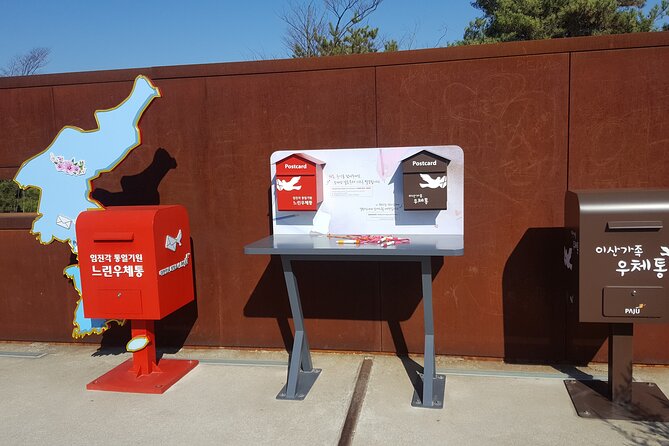
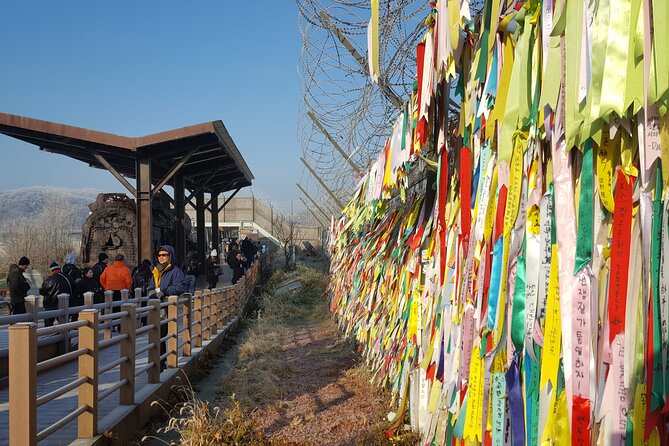
This stop is about 1 hour, with admission included. You may also pass by or experience the area around Dorasan Station, described as the last station in South Korea, and the tour can include a look into what people built for connection (and how that connection remains unfinished).
Why this matters: the DMZ is sometimes discussed as politics. Dora Observatory makes it feel like engineering and distance, because you are looking toward the other side with the physical reality of how close the two systems actually are.
A few more Seoul days worth comparing
- Seoul: The Best DMZ Tour with Optional Suspension Bridge
★ 4.7 · 4,978 reviews - Signature DMZ Tour: Exclusive Defector Talk & Suspension Bridge
★ 5.0 · 4,459 reviews - Thrilling Korean DMZ 3rd Tunnel Tour from Seoul + Red Bridge Rush
★ 5.0 · 3,097 reviews - Seoul: DMZ Tour & Suspension Bridge (Option English/Spanish)
★ 4.9 · 2,628 reviews
Gamaksan Chulleong Bridge or gondola: pick your “wow” factor
Near the DMZ area, you have an optional choice tied to the suspension bridge and a separate option for the cable car (gondola). If you select the suspension bridge option, you visit the bridge near the DMZ area, and the time listed for this stop is about 1 hour 30 minutes with admission marked as free for that portion.
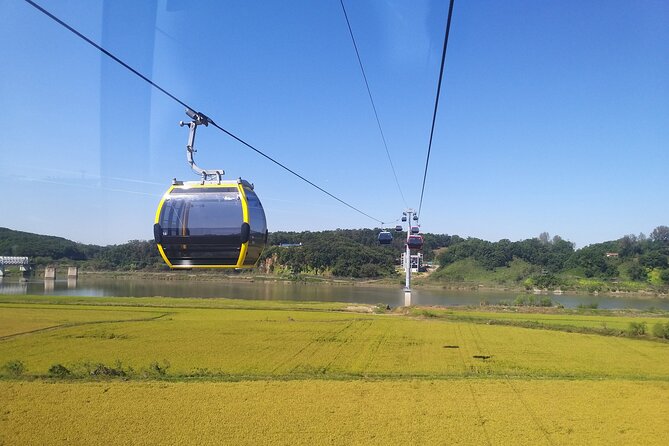
If you choose gondola, you get a ticket included as part of what you selected during booking. The gondola is often the easiest way to make the day feel more fun in the middle of a serious topic. It also tends to be a strong photo stop, since you are dealing with wide, open views rather than tight tunnel corridors.
Here is how I would decide: if you care most about photos and want a less strenuous view option, pick the gondola. If you want the feeling of being physically out there above the valley near the DMZ, the suspension bridge is the more dramatic option. Either way, it is an add-on that helps balance the day so it does not feel like one heavy stop after another.
One more note: monorail is listed as not available, so do not plan around it as a way to shorten walking or waiting.
Monday vs Tuesday-Sunday: what changes inside the schedule
This tour changes based on the day of the week, and that affects what you actually get. Every Monday, the route is built around the Second Tunnel, plus Peace Observatory, Woljeongri train station, and the suspension bridge. The tunnel plus related stops are longer on Mondays, with about 3 hours tied to the Second Tunnel stop.
From Tuesday to Sunday, the schedule is built around the Third Tunnel and Dora Observatory, along with Unification Village, and your day can include either the gondola or the suspension bridge depending on the option you chose.
Why the day-of-week switch matters for you:
- If you really want the Third Tunnel experience, pick a date from Tuesday to Sunday.
- If you prefer the Second Tunnel and want the Monday-specific mix, go on a Monday.
Also, if something is unavailable (the tour notes the Third Tunnel can be swapped), the operator indicates it can be replaced with another destination. That is helpful because it reduces the risk of your day turning into a disappointment.
English-speaking guides like Patrick, Roy, Ki, April, and Andrew
A DMZ tour can go one of two ways. It becomes either dry and overly formal, or it becomes chaotic. The strong versions manage both seriousness and energy.
In the experiences tied to this tour, names like Patrick, Roy, Ki, April, and Andrew show up as standout guides. People describe them as entertaining and able to make serious content feel digestible without losing respect for the topic. That is a big deal here. You are spending a long day in a high-emotion subject, and a good guide helps you keep your footing, both literally and mentally.
I also think timing and structure matter. Several guides are described as efficient and able to keep people organized at strict time windows. That matters because DMZ tickets can have time slots, and once you miss a slot, you lose real time. If your goal is maximum sight coverage, a guide who actually keeps the group on track is part of the value you are paying for.
Price and logistics: why $35 can work, and where you trade convenience
Let’s talk value in plain terms. At $35, you are not paying airline prices for a complicated tour. You are paying for:
- Round-trip transportation from Seoul via an air-conditioned vehicle
- Admissions to the key sites
- An English-speaking guide/driver
- The cable car ticket and/or suspension bridge access depending on what you selected
- Optional meeting with a North Korean defector
That is a lot of “included” structure for the price, especially for a trip that can run 7 to 11 hours. The tradeoff is that you are locked into a schedule with limited flexibility. Even when everything runs well, you should expect strict timing at entry points and downtime that is more about moving you between stops than about giving you long stretches to wander.
If you hate regimented days, this might feel intense. If you like an organized day where you do not have to think, it can feel like one of the most efficient ways to cover the DMZ highlights in Korea.
What to pack, how to pace yourself, and how to handle the walking
This tour involves walking at multiple stops. The DMZ day is not described as a gentle city stroll. It includes walking around attractions, plus tunnel routes that can be steep. If you opt in for the Third Tunnel, plan for the physical strain.
Practical packing choices:
- Comfortable shoes with solid grip, especially if conditions feel damp
- A light layer, because visibility and comfort can change during the day
- Water and small snacks, since meals are not included and you may only have time for a lunch purchase later
One tip from real-world experience described bringing a bit of food because you might be able to eat at the end of the day. Even if meals are available for purchase, having snacks keeps you from turning the afternoon into a cranky waiting game.
If you have any heart, leg, back, or respiratory concerns, take the tour limits seriously. The tour data is explicit that some people cannot enter the Third Tunnel, and access depends on conditions.
Also, you cannot count on monorail as a fallback. The day is built around bus time and walking time.
Accessibility and comfort: be honest about the Third Tunnel
The tour’s health notes are not fine print. They matter. If you have heart disease, significant back issues, respiratory problems, or you struggle with steep inclines, the Third Tunnel may be off limits for you. The same general idea applies if you have a leg or heart problem and need to avoid going down.
Even when you are physically capable, prepare for steep grades and the slow rhythm of walking in and out. Based on on-the-ground descriptions, it can feel slippery if the ground is wet, so use shoes that can handle that.
For elderly travelers or anyone with mobility limitations, I would be cautious. The tour can include strenuous hiking segments around the tunnel area and a tight schedule. In other words, the tour can be amazing, but it is not a pick for a fully relaxed day.
Optional detours that add meaning: defector meeting and context
One included item that can change the emotional tone of your day is the optional meeting with a North Korean defector. If it is offered on your run, it can add a human voice to all the political and historical facts you hear during the day.
I also like that the tour is not only about one tunnel and one view. It tries to stitch together the story through multiple stops, which is useful because the DMZ can otherwise feel like a collection of separate sights.
Even the structure that changes by day of week helps. Mondays emphasize the Second Tunnel and Peace Observatory, while Tuesday to Sunday emphasizes Third Tunnel and Dora Observatory. That gives you a more complete sense of how the story is told through different places.
Should you book this DMZ tour?
Book this tour if you want:
- A well-structured DMZ day without planning transport yourself
- The big, high-impact stops like the tunnels and Dora Observatory
- A guide who can keep a serious topic engaging and organized
Think twice if:
- You need a flexible schedule, because strict entry times and a tight itinerary shape your day
- You are relying on clear weather for the best views, since fog can blunt the Dora Observatory experience
- You want a low-walking tour, because the tunnel sections can be steep and physically demanding
If you are choosing between dates, I would pick Tuesday to Sunday if the Third Tunnel is your must-do. Pick Monday if you care more about the Second Tunnel and the Monday-specific mix.
Bottom line: if you can handle a full day and some real walking, this is a strong value way to experience the DMZ story from Seoul, with the tour format doing most of the heavy lifting for you.
Recently reviewed in Seoul
- Your Personal Seoul Photographer!★ 4.1 · 15 reviews
- You’re Invited to Our Home in Seoul: The Only Cooking Class!★ 5.0 · 8 reviews
- From Seoul: Yongpyong Ski Day Tour with Transportation★ 4.9 · 40 reviews
- Seoul: Korean & English Language Exchange Global Party★ 5.0 · 28 reviews
- Watching sports match & local food experience in Seoul★ 5.0 · 11 reviews
- WKT Combat Taekwondo & Self-defense One Day Class in Seoul★ 5.0 · 5 reviews
- Unique Native Experience : Han River Picnic, Board game, BBQ★ 5.0 · 3 reviews
- Seoul: Gangneung BTS K-Pop & K-Drama Filming Locations Tour★ 4.6 · 14 reviews
DMZ Tours, compared.
Best DMZ Tour Korea from Seoul (Red Suspension Bridge Optional)
Read our review →
DMZ Tour: 3rd Tunnel, Option(Suspension Bridge, Boat) from Seoul
Read our review →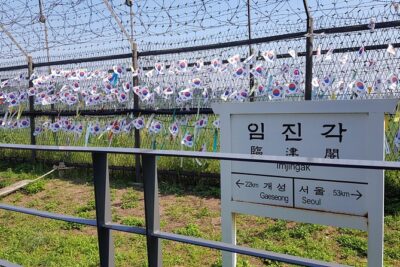
DMZ tour south Korea from Seoul (NK experience hall, defector)
Read our review →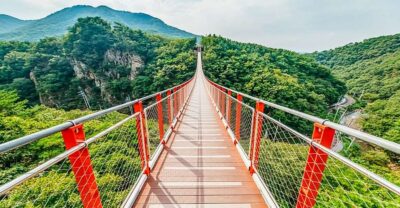
DMZ Insider Tour: 3rd Tunnel, NK Defector Meet & Red Bridge
Read our review →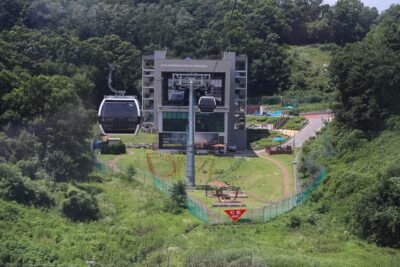
The Best DMZ Tour with Optional Suspension Bridge
Read our review →
Signature DMZ Tour: Exclusive Defector Talk & Suspension Bridge
Read our review →
Thrilling Korean DMZ 3rd Tunnel Tour from Seoul + Red Bridge Rush
Read our review →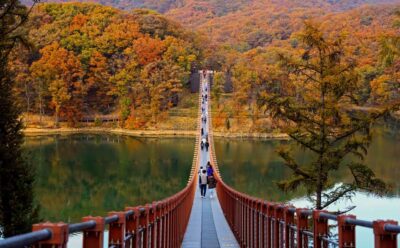
DMZ Tour & Suspension Bridge (Option English/Spanish)
Read our review →Browse the lists this tour appears in