Reviewed · SEOUL TOURS
Discover Eastern Korea in 4days: All-Inclusive Experience
Busan seafood, Silla temples, and mountain views in one package. I like that this trip is truly no-shopping and built around included tickets, meals, and sights, so you spend your energy on the places instead of planning. I also really appreciate the variety packed into a short time: Jagalchi Market, the Songdo Sea Cable Car, UNESCO Silla highlights, and a national park day.
One thing to watch is logistics communication. One traveler pointed out that the way the KTX transfer to Busan worked was not fully clear for their situation, so it is smart to confirm how your first leg to Busan is handled.
In This Review
- Key highlights at a glance
- A 4-day Eastern Korea plan that starts with structure
- Day 1 in Busan: Jagalchi Market and Songdo Sea Cable Car
- Jagalchi Market, the seafood-first introduction
- Songdo Cable Car, sea views with low effort
- Day 2 in Gyeongju: Bulguksa, Silla tombs, and Cheomseongdae
- Nurimaru APEC House, modern Korea with a famous name
- Bulguksa Temple, UNESCO world heritage scale
- Daereungwon Tomb Complex, royal burials and relics
- Gyeongju National Museum, artifacts you can actually study
- Cheomseongdae, quick and memorable
- Day 3 in Andong: Momyeongjae dessert-making and Hahoe Folk Village
- Momyeongjae, a traditional dessert-making workshop
- Andong Hahoe Folk Village, UNESCO living heritage
- Day 4 Seoraksan National Park: Jujeongol Valley for real scenery
- What to expect in Jujeongol Valley
- Food, no-shopping comfort, and the wellness stop
- Hotels and service: what the guides do that you will remember
- Price and value: why $1,200 can feel fair here
- Who should book this tour, and who should not
- Should you book this Eastern Korea tour?
- FAQ
- What is included in the tour price?
- Are tickets and admissions covered for the main stops?
- Is there any shopping built into this program?
- Where do we meet and when does the tour start?
- How strenuous is this tour?
- How big is the group?
- What kind of rooms are provided?
- What happens if weather is bad?
Key highlights at a glance

- No-shopping format with included entrances, so you can keep your day focused
- Busan’s Jagalchi Market plus the Songdo Sea Cable Car for fast, scenic payoff
- Gyeongju UNESCO sites like Bulguksa Temple, royal tombs, and Cheomseongdae
- Andong Hahoe Folk Village for a living, preserved cultural landscape
- Momyeongjae dessert-making at a traditional culture center, hands-on not just sightseeing
- Seoraksan National Park and Jujeongol Valley for a real nature hit near the end of the tour
A 4-day Eastern Korea plan that starts with structure
This is the kind of tour you pick when you want Eastern Korea to feel organized. From the moment you meet at Seoul Station at 8:00 am, the schedule is built around included transport and a guide who keeps the day moving. The tour runs about 4 days and includes 3 nights of accommodation plus meals and entrance fees.
At $1,200 per person, the value depends on what you would normally pay for separately. Here, you are getting three big buckets covered: lodging, meals, and admission tickets. The ticketed stops you see listed throughout the itinerary are not treated as optional add-ons, and that matters because quick tours can quietly turn expensive once you price out temples, museums, cable cars, and park access.
A practical detail: the tour uses mobile tickets, and the group size is capped at 35. That usually means you avoid the chaos of giant buses, while still getting the benefits of group travel like coordinated timing and an English-speaking guide (or a driver-guide, depending on the group).
Physical note: the tour asks for moderate physical fitness. That does not mean you need to be an athlete, but it does mean you should be comfortable with walking and a nature-focused day near the end.
A few more Seoul days worth comparing
- Best DMZ Tour Korea from Seoul (Red Suspension Bridge Optional)
★ 5.0 · 41,422 reviews - DMZ Tour: 3rd Tunnel, Option(Suspension Bridge, Boat) from Seoul
★ 5.0 · 21,373 reviews - DMZ tour south Korea from Seoul (NK experience hall, defector)
★ 5.0 · 20,599 reviews
Day 1 in Busan: Jagalchi Market and Songdo Sea Cable Car
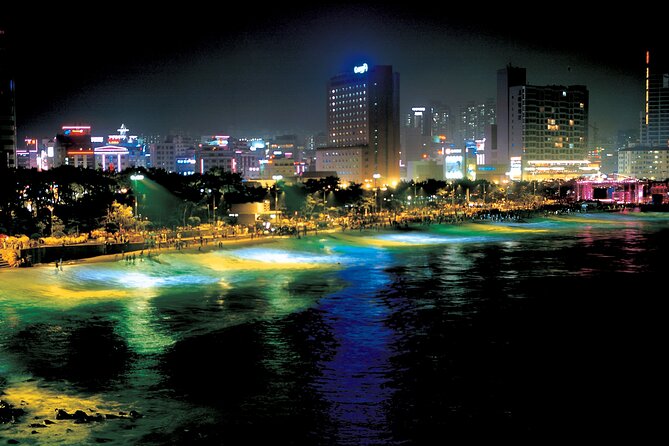
Busan on day one is a bold start, and that is why it works. You hit one of the most famous food markets in Korea, then you get a scenic ride that makes you feel like you are traveling even before you settle into the rhythm of the trip.
Jagalchi Market, the seafood-first introduction
You meet your guide at Busan Station, then you go for lunch and explore Jagalchi Market. The best part of markets like this is that they teach you how people actually live. You will see the rows of seafood stalls and the constant motion of vendors and customers. Even if you do not buy much, you get orientation fast: what is fresh, how it is displayed, and what foods define the area.
If you have a sensitive stomach, eat slowly at the first meal and stick to the safer, cooked options. Also, markets can get crowded. I recommend wearing shoes you can handle on uneven surfaces.
Songdo Cable Car, sea views with low effort
After lunch and market time, the highlight becomes the Songdo Sea Cable Car. This ride runs about 1.6 km from Songdo Beach Station to Songdo Sky Park, gliding over the coastline. The appeal here is simple: you get big views without needing a long hike.
The cable car is listed as included, and the time block is about two hours. That typically covers the ride and time to take photos, plus walking between points. If you are traveling in cooler months, bring a light layer. Coastal wind can surprise you.
Same trip, a different corner of the country:
- Seoul: The Best DMZ Tour with Optional Suspension Bridge
★ 4.7 · 4,978 reviews - Signature DMZ Tour: Exclusive Defector Talk & Suspension Bridge
★ 5.0 · 4,459 reviews - Thrilling Korean DMZ 3rd Tunnel Tour from Seoul + Red Bridge Rush
★ 5.0 · 3,097 reviews - Seoul: DMZ Tour & Suspension Bridge (Option English/Spanish)
★ 4.9 · 2,628 reviews
Day 2 in Gyeongju: Bulguksa, Silla tombs, and Cheomseongdae
Day two shifts from seafood energy to deep time. Gyeongju is often called a museum city, but on this tour you experience it as a sequence of landmarks, with temple and royal history mixed into your day.
Nurimaru APEC House, modern Korea with a famous name
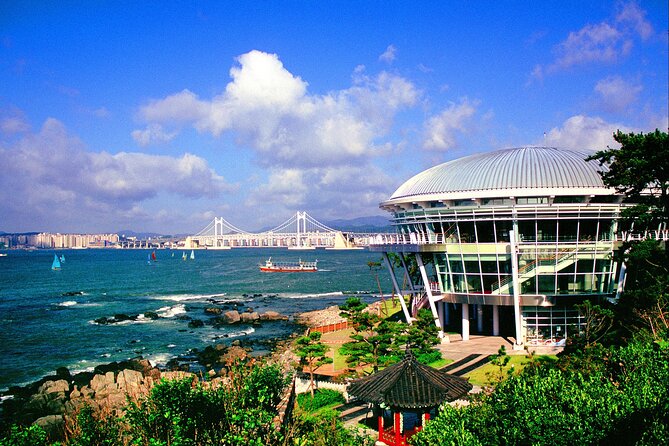
You start with Nurimaru APEC House on Dongbaekseom Island. This is tied to the 2005 APEC Summit, and the listed stop includes time to step inside the modern conference spaces. It is not ancient, but it sets an interesting contrast before you head into UNESCO-era Silla sites.
I like this stop because it gives you a quick sense of Korea’s modern global role right before the tour pulls you into older craftsmanship and architecture.
Bulguksa Temple, UNESCO world heritage scale
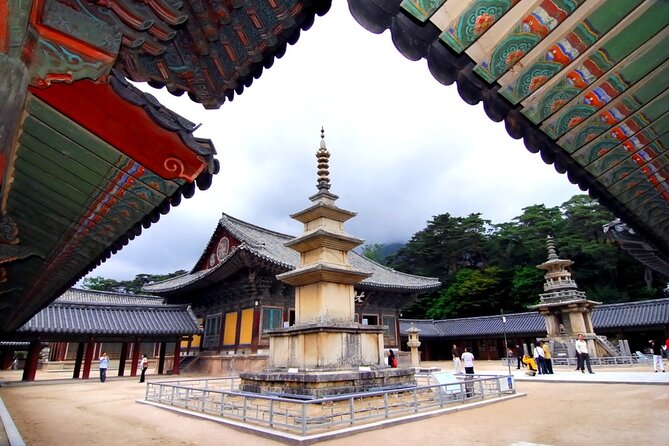
Next comes Bulguksa Temple, a UNESCO World Heritage Site. The itinerary gives you about 1 hour 30 minutes here, including admission. That is a workable window: long enough to see the major temple areas and feel the site’s layout, but short enough that you are not exhausted when you move on.
Temple sites reward slow attention. Look at details, not just big buildings. Even when you have limited time, picking one or two structures to really focus on makes the visit memorable.
Daereungwon Tomb Complex, royal burials and relics
Then you visit Daereungwon Tomb Complex, where large burial mounds reflect the grandeur of the Silla royal court. The itinerary notes that you can see information including elaborate items like gold crowns. Even if you are not spending all your time in a museum-style setting, tomb complexes communicate power in a way city streets never do.
Gyeongju National Museum, artifacts you can actually study
Your day continues at Gyeongju National Museum with about 1 hour 30 minutes. This is where the story becomes tangible. The tour list includes iconic artifacts, including golden crowns and works from a millennium ago. Museums are also where you can cool down, rest your feet, and get context for what you saw earlier.
Practical tip: if you are not a museum person, you can still do this efficiently. Spend time where the biggest Silla highlights are displayed and read only what connects to the sites you toured that day.
Cheomseongdae, quick and memorable
Finally, you end at Cheomseongdae Observatory. The visit is short, about 20 minutes, and it is one of the easiest stops to miss if you walk too fast. It is a symbol of ancient Korean astronomy, so even a brief pause matters.
If the weather is clear, stand for a moment and imagine the stars aspect the Silla people were observing. Even without going deep into history, the structure alone is visually distinctive.
Day 3 in Andong: Momyeongjae dessert-making and Hahoe Folk Village
Day three is where the tour becomes more hands-on and more personal. You still get major culture stops, but the rhythm changes from monuments to daily-life traditions.
Momyeongjae, a traditional dessert-making workshop
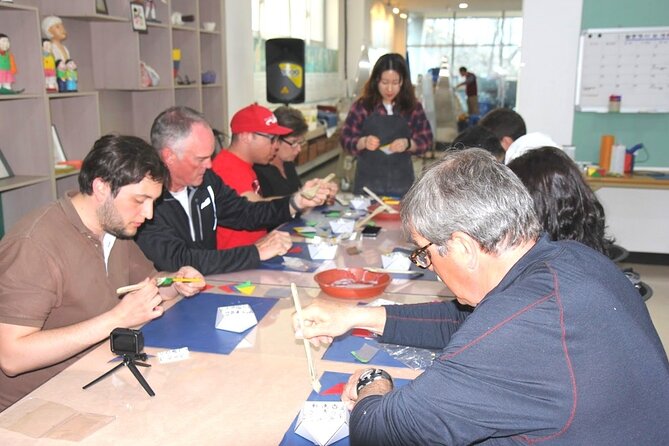
You start at the Korean Traditional Culture Center with Momyeongjae, a traditional dessert-making experience. This is listed as 1 hour 30 minutes and included.
This is the kind of activity I recommend for value. When tours only show you finished culture, you get photos. When you also make something yourself, you get a memory you can actually take home. Expect to follow the steps from instructors, produce your own dessert, and learn the basics of how the tradition works.
Wear comfortable clothes. Cooking experiences can mean small messes, and you will likely spend part of your time standing.
Andong Hahoe Folk Village, UNESCO living heritage
After that, you head to Andong Hahoe Folk Village, about 2 hours with admission included. It is a UNESCO World Heritage Site and described as one of Korea’s best-preserved traditional villages, with more than 600 years of history. The key phrase in the experience is living culture. This is not just a staged museum village. It is a preserved cultural landscape that still feels like a community.
Hahoe villages are great for slow walking and watching how space is organized. You will likely want to save your best questions for the guide: what parts were preserved, why certain houses or layouts remain, and what daily life used to look like.
Day 4 Seoraksan National Park: Jujeongol Valley for real scenery
Day four is the outdoors day, and it is timed after a morning greeting in Pyeongchang. You travel to Seoraksan National Park, then head to Jujeongol Valley.
The itinerary lists about 2 hours for this national park segment, and the admission is free. That matters because nature days sometimes quietly become paid add-ons, but here your focus is on access and time outdoors.
What to expect in Jujeongol Valley
Jujeongol Valley is known for dramatic rock formations, soaring peaks, and crystal-clear streams, based on the tour description. Even if you do not hike for hours, these valleys give you the “I am in a different place” feeling. It is also a good capstone after temples and villages, because it balances the trip.
Bring a light rain layer if the forecast looks unstable. The tour is also noted as requiring good weather. If weather conditions are poor, the experience can be changed or refunded, so plan to be flexible with expectations.
Food, no-shopping comfort, and the wellness stop
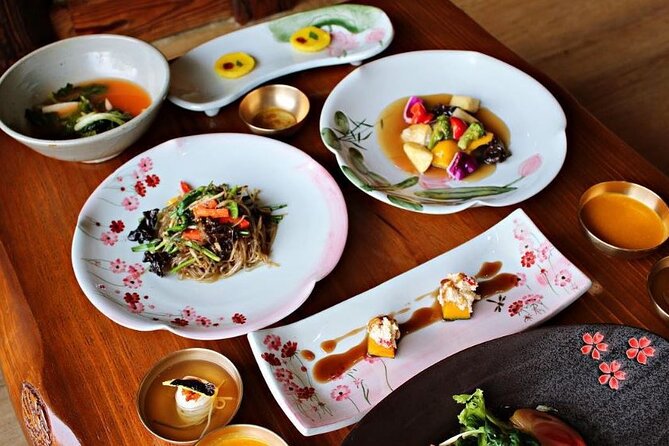
This tour leans on food and on structured cultural activities, not on retail stops. The overview states that there is no shopping option, and that you will be served different kinds of traditional Korean food. It is included as part of the package experience, which is a real time-saver if you are not confident hunting for meals between sights.
You also have a schedule visit to a wellness facility designated by the Korea Tourism Organization. The listing does not spell out the exact treatment, but the intent is clear: a rest and wellness component so you are not constantly “on.” This can be a good way to recover after walking days, especially if you are traveling with family members or not used to long museum-to-temple days.
Meal inclusions are clearly stated:
- Lunches (4)
- Breakfasts (3)
- Dinners (2)
What that means for you is not just food coverage. It also means your days have fewer gaps where you have to decide where to eat. That reduces stress.
Hotels and service: what the guides do that you will remember
Part of the reason people rate tours like this highly is the human element, especially when you are moving quickly. The feedback you have access to highlights service quality, with mentions of specific staff members like Mr. Jay and Mark.
In the most positive accounts, the guide or driver handled details with clear communication and kept expectations manageable. That matters on multi-stop days. A schedule that works is not the one that never changes, it is the one that tells you what to do when plans shift.
Also, one review specifically praised the driver team, describing the driver wear as top class. That is small, but it reflects attention to professionalism.
You are staying 3 nights in twin or double rooms. If you are traveling as a couple, that is straightforward. If you prefer solo space, you should check how rooming works for your booking, because the information provided only states twin or double rooms.
Price and value: why $1,200 can feel fair here
At $1,200 per person, this tour is not cheap, but it does not feel like a basic sightseeing bus either. You are paying for:
- 3 nights accommodation
- English-speaking guidance
- A private-feeling transport setup via an air-conditioned vehicle
- Entrance fees for the included attractions
- A lot of meals
- Included highlights like the Songdo Cable Car and ticketed museum/temple stops
If you planned this yourself, you would likely spend on trains or intercity travel, hotels, admissions, and at least several paid meals. The real question is how much you value not making those decisions. If you want fewer moving parts, this is the kind of package that can be worth it.
The main caution is clarity about first-day transfers and any route that may depend on how your specific group is assembled. If you want everything handled end to end, email your operator after booking and ask them to confirm the exact plan for your first leg to Busan.
Who should book this tour, and who should not
This tour fits best if you want a structured, culturally focused trip with real scenery. It is also described as suitable for travelers from 1 to 80+, with moderate physical fitness required. That points to a pace that can work across age ranges, but you should still consider your own comfort with walking and valley time.
You should consider booking if:
- You like food markets, temples, and UNESCO stops
- You want a hands-on moment with dessert-making
- You want an included nature day at Seoraksan
- You prefer no-shopping touring
You might want to look elsewhere if:
- You get anxious with group logistics or prefer fully independent planning
- You need a very flexible schedule day to day
- You strongly want total control over train legs and intercity timing, not just guided coordination
Should you book this Eastern Korea tour?
If your goal is to see a lot of “great hits” of Eastern and Southeastern Korea without constantly thinking, I think this tour is a solid match. The best parts are the mix of famous places and hands-on culture, plus the fact that so many costs are already covered. The Busan start, the Silla-focused day, the Andong village day, and the Seoraksan finish is a logical arc.
I would book with one extra step: confirm the details of your first transfer to Busan and whether your group arrangement changes how you get there. If that is clear, you get the kind of low-stress trip that lets you actually enjoy the views, the food, and the slow moments you usually miss when traveling independently.
FAQ
What is included in the tour price?
The tour includes all entrance fees during the tour, 3 nights of accommodation (twin or double rooms), an English speaking guide (or driver-guide), an air-conditioned vehicle, lunch (4), breakfast (3), and dinner (2).
Are tickets and admissions covered for the main stops?
Yes. The tour lists entrance fees as included, including stops like the Songdo Cable Car and ticketed sites such as Bulguksa Temple and the Gyeongju National Museum.
Is there any shopping built into this program?
No. The program is described as having no shopping.
Where do we meet and when does the tour start?
The start is at Seoul Station, located at 43-203 Dongja-dong, Yongsan District, Seoul, with a start time of 8:00 am. The end point is AMID Hotel Seoul, 38 Insadong 5-gil, Jongno District, Seoul.
How strenuous is this tour?
It requires moderate physical fitness. There is a nature day at Seoraksan National Park (Jujeongol Valley), so be ready for walking.
How big is the group?
The tour has a maximum of 35 travelers.
What kind of rooms are provided?
You get 3 nights in twin or double rooms.
What happens if weather is bad?
The experience requires good weather. If it is canceled due to poor weather, you will be offered a different date or a full refund.
Recently reviewed in Seoul
- You’re Invited to Our Home in Seoul: The Only Cooking Class!★ 5.0 · 8 reviews
- Your Personal Seoul Photographer!★ 4.1 · 15 reviews
- From Seoul: Yongpyong Ski Day Tour with Transportation★ 4.9 · 40 reviews
- Seoul: Korean & English Language Exchange Global Party★ 5.0 · 28 reviews
- Watching sports match & local food experience in Seoul★ 5.0 · 11 reviews
- WKT Combat Taekwondo & Self-defense One Day Class in Seoul★ 5.0 · 5 reviews
- Unique Native Experience : Han River Picnic, Board game, BBQ★ 5.0 · 3 reviews
- Seoul: Gangneung BTS K-Pop & K-Drama Filming Locations Tour★ 4.6 · 14 reviews
Seoul Tours, compared.
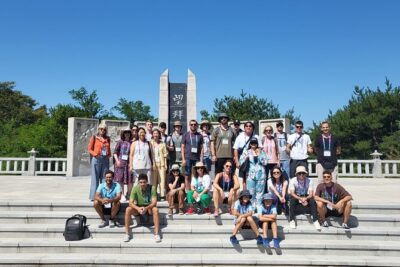
Best DMZ Tour Korea from Seoul (Red Suspension Bridge Optional)
Read our review →
DMZ Tour: 3rd Tunnel, Option(Suspension Bridge, Boat) from Seoul
Read our review →
DMZ tour south Korea from Seoul (NK experience hall, defector)
Read our review →
The Best DMZ Tour with Optional Suspension Bridge
Read our review →
Signature DMZ Tour: Exclusive Defector Talk & Suspension Bridge
Read our review →
Thrilling Korean DMZ 3rd Tunnel Tour from Seoul + Red Bridge Rush
Read our review →
DMZ Tour & Suspension Bridge (Option English/Spanish)
Read our review →