
Reviewed · PALACE TOURS
Deoksugung & Jeongdong-gil: A Walk in Korea’s Rich Heritage
Seoul history can feel like a big movie. This walk makes it personal, moving from Deoksugung grounds to the Jeongdong area, where Korean Empire-era sites sit a short stroll from modern Seoul. You get an English-speaking guide and enough stops to understand the timeline without feeling like you are power-walking a textbook.
What I like most is the mix of places. You start with royal spaces at Deoksugung and Gyeonghuigung, then you shift gears to an education-history museum and a theater, where Korean culture shows up in a more everyday way. That blend of palace, school history, and performance is a strong way to grasp how Seoul keeps changing while still referencing its past.
One consideration: this is a walk with multiple short stops, so you will want comfortable shoes and good energy. Also, the tour requires good weather, so plan for a reschedule or refund if conditions are rough.
In This Review
- Key Highlights You Should Know Before You Go
- Walking Seoul From Deoksugung to Cheonggyecheon
- Pace, Timing, and What 3 Hours Really Means
- Deoksugung Palace: Where the Late Joseon Story Starts
- A quick tip
- Gyeonghuigung Palace: A Second Palace, A Different Lens
- What to watch for
- Appenzeller Noble Memorial Museum: Education History With Western Roots
- A practical consideration
- Jeongdong Theater: The Rest Stop That Still Fits the Story
- Jungmyeongjeon Hall: 1899, Fire, and the Emperor’s Shadow
- If you only remember one stop
- Gwanghwamun Square and the Modern Seoul Finish
- Price and Value: Why $48 Feels Fair Here
- Who This Tour Is Best For (and Who Might Want Another Plan)
- Practical Tips to Make the Walk Easier
- Should You Book Deoksugung and Jeongdong-gil?
- FAQ
- How long is the tour?
- Where does the tour start?
- What time does the tour start?
- Where does the tour end?
- How much does it cost?
- Is admission included for the stops?
- What language is the tour guide?
- How many people are in the group?
- Is lunch included?
- What happens if the weather is bad?
Key Highlights You Should Know Before You Go
- Small group (max 15) means you can ask questions and actually hear the guide
- English tour guide with a history-focused storytelling style, highlighted in past sessions including Sam
- Free admission at every stop so your money goes to the guiding, not ticket costs
- Korean Empire-era sites like Jungmyeongjeon Hall, tied to 1904 events and the Eulsa Treaty era
- Smart break at Jeongdong Theater for coffee and restroom time without derailing the flow
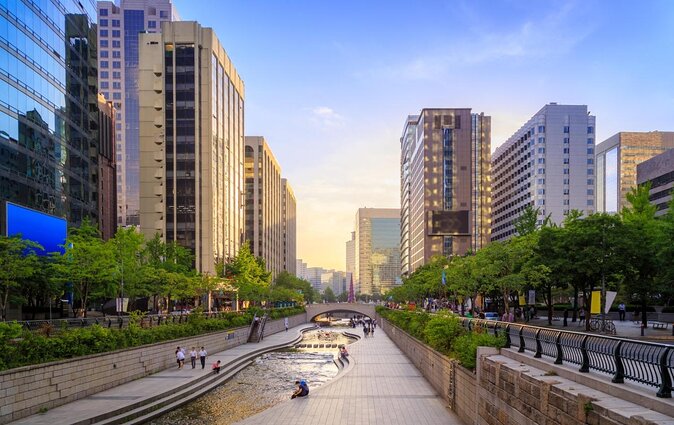
- Modern ending by Cheonggyecheon so the day finishes where many locals actually hang out
Walking Seoul From Deoksugung to Cheonggyecheon
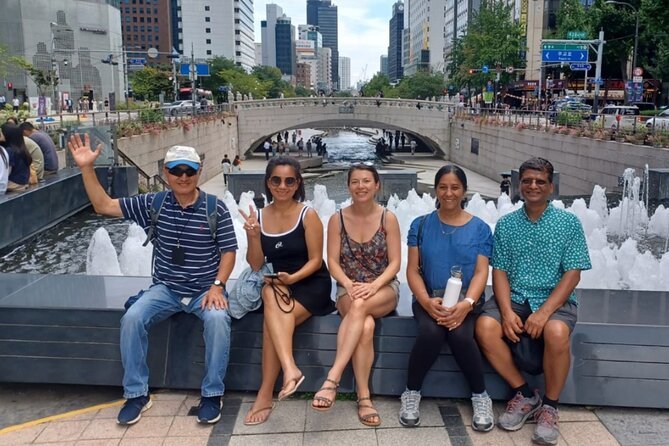
This route is set in the kind of Seoul you want on a first visit, the area where the old capital feel shows up close to daily city life. You start at Deoksugung Palace, in the Jung district near Sejong-daero, which is convenient for transit. Then you work your way toward Jongno and end at Cheonggyecheon Stream, a popular place to stroll and reset your legs at the end of a tour.
The best part is how the tour frames late 19th century into early 20th century Korea. Those years are when the peninsula faced huge pressure from the outside world, and internal changes accelerated fast. The guide helps you connect that era to specific locations you can stand inside, or at least stand right beside, instead of treating history like something trapped in a museum.
You are also going to notice the theme the tour is aiming for: historic and modern side by side. Palaces are the headline, but the route also includes a museum with Western-linked education history and a theater that features concerts, plays, and musicals built around Korean cultural elements.
More Historical Tours in Seoul
- Seoul: Evening Dark History, Folklore & Ghost Story Walking Tour
★ 5.0 · 593 reviews - Hanbok Photoshoot and History Tour at Gyeongbokgung Palace
★ 5.0 · 276 reviews - From Seoul: Dae Jang Geum Park Historic K-Drama Set Tour
★ 4.9 · 143 reviews
Pace, Timing, and What 3 Hours Really Means
The tour runs about 3 hours. Your start time is 9:30 am at Deoksugung Palace, and it ends at Cheonggyecheon in Jongno District. The whole thing is built around short stop durations, so you get a sequence of meaningful places rather than one long deep dive into a single site.
The group size matters. With a maximum of 15 people, the guide can keep a tight rhythm and still answer questions. That is a big deal on walking tours, because a group that is too large often turns into “follow the leader” chaos. Here, you can expect a calmer pace and more chances to hear context.
You will also use a mobile ticket. That is usually quicker at the start and easier on your phone, especially if you are moving between stops and do not want to dig through paper.
Finally, remember the weather requirement. It is not a minor note. If conditions are bad, the tour may be canceled, and you would be offered another date or a full refund. Plan your day with some flexibility.
Deoksugung Palace: Where the Late Joseon Story Starts
You begin at Deoksugung Palace (also known as Gyeongun-gung). This is one of those Seoul palaces that feels central and walkable, not tucked away in the outskirts. It is Joseon Dynasty-era, and it historically served as a residence, which helps you understand it as a living power center rather than only a ceremonial backdrop.
Even with only about 20 minutes here, the guide’s job is to set the stage. You should come away with a sense of why Deoksugung matters in the transition period Korea went through. Look at how the grounds and layouts relate to court life, then connect that to what comes later on the tour, because the itinerary keeps building forward in time.
A quick tip
Take a moment to pause and orient yourself before you start walking deeper. Deoksugung is busy, and it helps to know where you are in the palace grounds so you can connect your next stops to the same overall story.
More Palace Tours in Seoul:
- Seoul: Gyeongbok Palace, Bukchon Village, and Gwangjang Tour
★ 4.9 · 2,321 reviews - Best Seoul City Tour (Gyeongbokgung Palace,Insadong,Namsan Tower)
★ 5.0 · 1,647 reviews - Small-Group Royal Palace and Seoul City Tour (hotel pick-up)
★ 5.0 · 1,474 reviews - Seoul City Sightseeing Tour Including Gyeongbokgung Palace, N Seoul Tower, and Namsangol Hanok Village
★ 5.0 · 1,423 reviews
Gyeonghuigung Palace: A Second Palace, A Different Lens
Next up is Gyeonghuigung Palace (also known as Gyeonghui Palace), located in the Jongno-gu district. This palace was originally built in 1623 during the Joseon Dynasty as the residence of a Royal family member. That detail matters, because it tells you this is not just one “default” palace in Seoul. Joseon-era governance and royal residence choices shifted over time.
You get another 20 minutes. That is short, but it works because the tour uses it to compare rather than to overwhelm. You are looking for patterns: palace purpose, the feel of official space, and how different palaces can still be connected to the same long arc of Korean political and social change.
What to watch for
When the guide points out features, do not treat it like a checklist. Notice how the space feels and how people move through it. Even a short visit gives you a sense of how palace grounds function as both heritage sites and outdoor public places.
Appenzeller Noble Memorial Museum: Education History With Western Roots
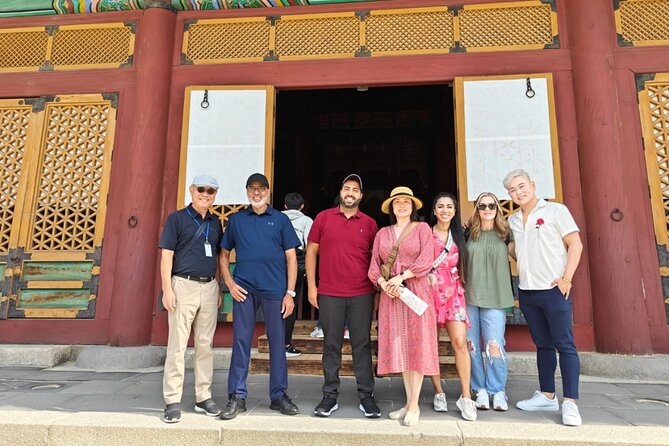
Then you shift away from pure palace viewing to the Appenzeller Noble Memorial Museum. This stop is tied to a former home of Baekjae Hakdang, which was a missionary school. The school later expanded into a university, now known as Pai Chai University in Daejeon.
This is the stop that helps you understand the “traditional and Western-style landmarks” theme in a concrete way. It is easy to talk about cultural contact in abstract terms. This museum gives you a local anchor, and it helps you see how education and institutions traveled, adapted, and took root within Korea’s changing world.
You only spend about 10 minutes here, so you will not turn into a museum expert. Instead, think of this as your background layer. It helps explain the kind of society that was forming as Korea confronted new systems, new ideas, and new ways of learning.
A practical consideration
Since time is tight, read what you can quickly and focus on the broad story beats. If you try to absorb every detail in 10 minutes, you will end up stressed, not informed.
Jeongdong Theater: The Rest Stop That Still Fits the Story
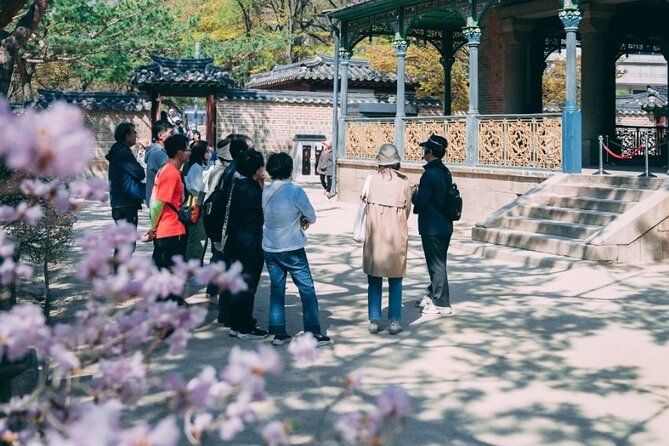
After the museum, you pause at Jeongdong Theater. The tour plans about 25 minutes here, and the point is practical as well as cultural. You can get coffee or other drinks and use the restroom.
The theater also features concerts, plays, and musicals that incorporate elements of traditional Korean culture. So this is not a wasted break between serious sites. It is a reminder that cultural identity is not only preserved in palaces. It shows up in performances that mix older influences with modern stage life.
I like this kind of stop because it makes the walk feel human. You are not trapped in a schedule where everyone is rushing. You can reset your body, then return to the history with better focus.
Jungmyeongjeon Hall: 1899, Fire, and the Emperor’s Shadow
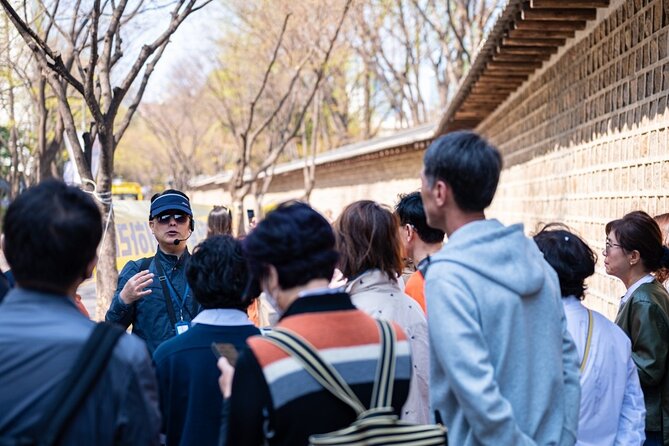
Next comes Jungmyeongjeon Hall, and this is one of the stops that justifies the entire walking route. It was built in 1899 as the imperial library of the Korean Empire. That alone makes it a turning point, because the Korean Empire era is a different chapter than Joseon, with different priorities and a different sense of how the state was trying to modernize.
Then the story accelerates. After Deoksugung Palace caught on fire in 1904, this hall became the temporary residence of Emperor Gojong. You can see why a guide-led explanation matters here. In a short time, you learn how disaster and politics can reshape where power physically sits.
This is also where the infamous Eulsa Treaty period comes into the picture. The tour uses this spot to connect what you are learning to the major, painful political shifts happening around that time. Even if you do not know the treaty story yet, this is the kind of location that makes you want to understand more afterward.
If you only remember one stop
Make it Jungmyeongjeon Hall. It gives you a high-impact timeline connection: 1899, 1904 fire, Emperor Gojong, and the treaty era all tied to one physical place.
Gwanghwamun Square and the Modern Seoul Finish
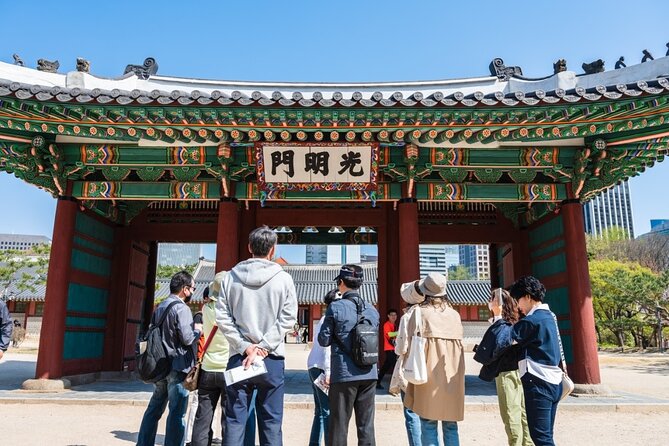
You wrap up at Gwanghwamun Square, a large public square in central Seoul built in 2009. The guide points out features like a large fountain and a statue of King Sejong the Great.
This is a useful ending. After walking through palace and empire-era sites, the square shows you how modern Seoul publicly honors history. King Sejong represents learning, writing, and state-building, and seeing his statue in a contemporary urban setting makes the historical theme feel less like a museum display and more like a living reference point.
Then you end at Cheonggyecheon Stream. That matters because it gives you a natural decompression zone right after the tour. You can take a slow walk, grab a snack nearby, or just watch the flow of daily life.
Price and Value: Why $48 Feels Fair Here
The tour costs $48.00 per person, and it lasts about 3 hours. On paper, $48 sounds like you are paying for a guide only. In practice, it is better than that because admission is free at the stops.
Admission tickets are listed as free for Deoksugung, Gyeonghuigung, Appenzeller Noble Memorial Museum, Jeongdong Theater, Jungmyeongjeon Hall, and Gwanghwamun Square. That means you are paying mainly for the guide’s storytelling and the way the route connects the dots. If you try to do these stops on your own, you might spend time searching for context, or you might miss the connective tissue between places.
Also, with a maximum of 15 travelers and an English guide included, you are not buying a crowded bus experience. You are buying a focused walk.
Who This Tour Is Best For (and Who Might Want Another Plan)
This is a great fit if you are in Seoul for the first time and want a history-focused introduction without getting stuck in one area all day. The itinerary targets a clear arc, late 19th to early 20th century, and it does it in a walkable format.
You will also like it if you enjoy guides who explain not only what a site is, but why it mattered at the time. The reviews highlight this style. In past sessions, Sam has been called out for being fun and informative, and for helping people get a sense of Seoul history fast.
This might not be your perfect match if you prefer long museum-style visits where you can linger for an hour or more at each site. The time at each stop is short, so you will not have that slow, self-guided depth. Still, you can always return later to the places that catch your interest.
Practical Tips to Make the Walk Easier
A few things will make your day smoother.
Wear comfortable shoes. Even when each stop is brief, the total walking adds up.
Bring water. The tour includes a break at Jeongdong Theater for coffee or drinks, but having water helps when you are moving in the morning.
Plan for weather. Since good weather is required, you will want a flexible mindset.
Arrive a little early at Deoksugung for an easy start. When a tour begins at 9:30 am, being on time helps you avoid rushing before the guide gets rolling.
If you are photo-heavy, set expectations. You will see plenty, but the structure is designed for understanding, not for a slow photo marathon.
Should You Book Deoksugung and Jeongdong-gil?
If you want a smart first walk that connects palaces, late Korean Empire context, and the way Seoul reflects its story today, I think this tour is worth it. The value is strong because the price includes an English guide and free admission across multiple major stops, and the small group size keeps the experience from feeling rushed.
Book it if you like guided context and you want history without turning your day into a solo research project. Skip it only if you hate walking, expect long time at each site, or want a purely palace-only day.
FAQ
How long is the tour?
It is approximately 3 hours.
Where does the tour start?
It starts at Deoksugung Palace, 99 Sejong-daero, Jung District, Seoul, South Korea.
What time does the tour start?
The start time is 9:30 am.
Where does the tour end?
The tour ends at Cheonggyecheon Stream in Jongno District, Seoul, South Korea.
How much does it cost?
The price is $48.00 per person.
Is admission included for the stops?
Admission tickets are listed as free for the stops included on the tour.
What language is the tour guide?
The tour includes an English tour guide.
How many people are in the group?
The tour has a maximum of 15 travelers.
Is lunch included?
No, lunch is not included.
What happens if the weather is bad?
The tour requires good weather. If it is canceled due to poor weather, you will be offered a different date or a full refund.
More Walking Tours in Seoul
- Seoul moonlight walking tour with local historian
★ 5.0 · 940 reviews - Seoul: Nighttime Hidden Gems Walking Tour
★ 5.0 · 775 reviews - Seoul: Dark Side of the City and Ghost Stories Walking Tour
★ 4.8 · 484 reviews - Gangnam Walking Tour on Youth and Society in Seoul Korea
★ 5.0 · 401 reviews
Recently reviewed in Seoul
- You’re Invited to Our Home in Seoul: The Only Cooking Class!★ 5.0 · 8 reviews
- Your Personal Seoul Photographer!★ 4.1 · 15 reviews
- From Seoul: Yongpyong Ski Day Tour with Transportation★ 4.9 · 40 reviews
- Seoul: Korean & English Language Exchange Global Party★ 5.0 · 28 reviews
- Watching sports match & local food experience in Seoul★ 5.0 · 11 reviews
- WKT Combat Taekwondo & Self-defense One Day Class in Seoul★ 5.0 · 5 reviews
- Unique Native Experience : Han River Picnic, Board game, BBQ★ 5.0 · 3 reviews
- Seoul: Gangneung BTS K-Pop & K-Drama Filming Locations Tour★ 4.6 · 14 reviews
Palace Tours, compared.
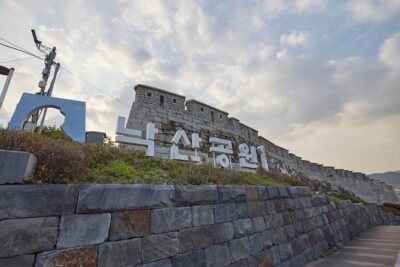
Gyeongbok Palace, Bukchon Village, and Gwangjang Tour
Read our review →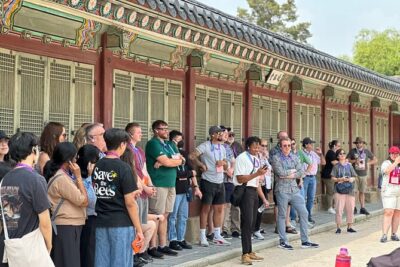
Best Seoul City Tour (Gyeongbokgung Palace,Insadong,Namsan Tower)
Read our review →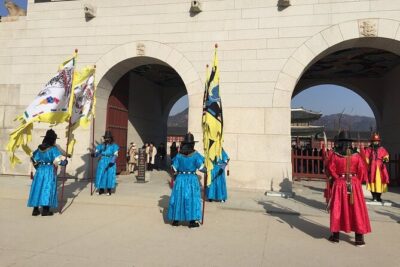
Small-Group Royal Palace and Seoul City Tour (hotel pick-up)
Read our review →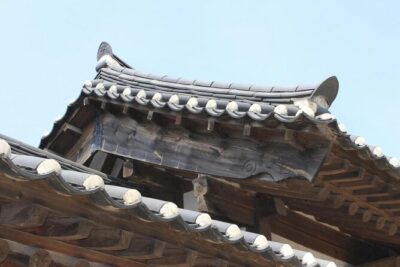
Seoul City Sightseeing Tour Including Gyeongbokgung Palace, N Seoul Tower, and Namsangol Hanok Village
Read our review →Gyeongbok Palace, Bukchon Village, and Gwangjang Tour
Read our review →
Palace, Temple and Market Guided Foodie Tour at Night
Read our review →
Seoul Highlights: Gyeongbok Palace, Insadong & N Seoul Tower
Read our review →
City Hightlights, Palace Tour, and Optional Hanbok
Read our review →Browse the lists this tour appears in