
Reviewed · MARKETS
Cook 3 Authentic Korean Dishes with Local Market Tour
Cooking Korean food starts at the market. With Jomin, you meet near Mangwon Market by Line 6 and then cook three beloved dishes back in a tidy studio.
I love the small group setup, max four people, so you get real hands-on help while you cook. I also love the take-home value, including a professionally designed cookbook plus any leftovers you want to pack up.
One thing to factor in is timing risk, the class can be rescheduled or canceled if it does not meet the minimum number of guests.
In This Review
- Key highlights worth your attention
- From Mangwon Station Exit 2 to the Market Walk
- Mangwon Market shopping lessons you can actually use
- The home-style studio setup: small class, private stations, real teaching
- The three-dish menu: what you might make and why it’s a smart mix
- Market-to-table timing: what the flow feels like in real time
- Lunch or dinner class: picking the right mood for Korean comfort food
- Vegetarian and vegan options, and how to handle dietary needs
- What you take home: recipes plus real leftovers
- Price and value: is $79 a good deal in Seoul?
- Who this tour suits best
- Things to keep in mind before you book
- Should you book this Korean market-to-cooking class?
- FAQ
- Where do we meet for the class?
- Is the class hands-on or a demo?
- What dishes will we cook?
- Can I request a vegetarian or vegan option?
- What do I take home at the end?
- What if the class is canceled or rescheduled?
Key highlights worth your attention
- Mangwon Station meeting point, Exit 2 (Line 6): easy to locate and you start your experience right in the neighborhood.
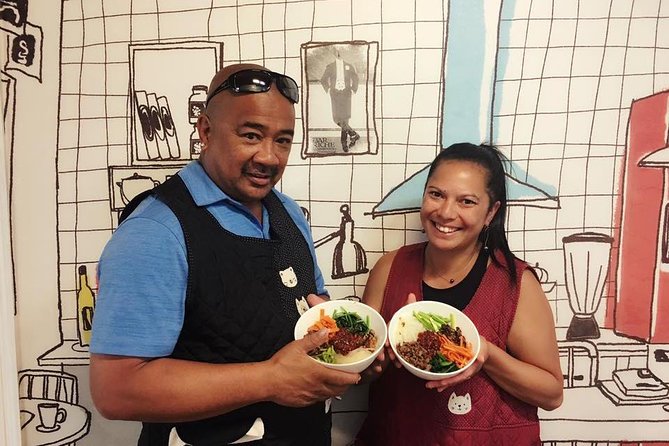
- Small class size, max four people: you cook at your own table with personal guidance, not in a crowd.
- Market first, cook second: you walk Mangwon Market with Jomin and learn what ingredients actually matter.
- Hands-on cooking at individual stations: no passive demo, you’re actively making the dishes.
- Lunch or dinner option: you can pick the meal timing that fits your day in Seoul.
- Take-home cookbook and leftovers: you leave with recipes plus food you can reheat later.
From Mangwon Station Exit 2 to the Market Walk
Start at Mangwon Station, Line 6, entrance 2. That detail matters because it keeps the whole thing smooth from minute one. You’re not guessing which side of the street to walk to, and you’re already on the local transit line instead of getting dropped in the middle of nowhere.
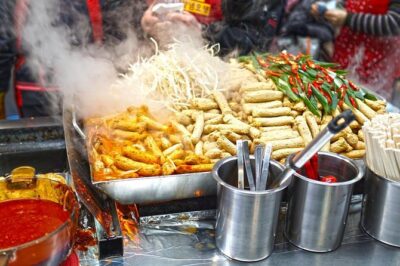
From the station, you head toward the cooking studio, and the market walk is part of the point. Jomin shows you ingredients you’ll use in class and gives context for what makes Korean cooking taste like Korean cooking. You also get time to taste street foods while you’re there, which is a practical way to understand flavor balance before you start chopping.
Why I like this format: it turns cooking into something you can shop for, not just something you watch once. Even if you’ve had Korean food before, seeing the ingredients in a real market makes the dishes feel less mysterious.
More Market Tours in Seoul:
- Seoul Street Food Market Tour
★ 5.0 · 1,226 reviews - Local Home Korean Cooking Class & Market Adventure in Seoul
★ 5.0 · 1,024 reviews - Seoul: Night Market Food Tour with Local Guide
★ 4.9 · 943 reviews
Mangwon Market shopping lessons you can actually use
The Mangwon Market portion is more than window dressing. Jomin highlights what you’ll see during the walk and ties it directly to what you’ll cook later. That means you’re learning a shopping mindset: what to look for, what to avoid, and how different ingredients behave in Korean recipes.
One nice touch is that you get an environment where the food culture feels lived in. You’re connecting with the community and seeing how people actually eat in Seoul, not just visiting a staged tourist market.
There’s also a simple bonus if you like to eat on the go: you can taste lots of street foods during this part. That helps you connect flavors in your memory to the dishes you’ll make later, so the cooking makes more sense while you’re doing it.
The home-style studio setup: small class, private stations, real teaching
After the market visit, you return to Jomin’s cooking studio. The room is described as clean and organized in the feedback, and the teaching style is hands-on with clear step-by-step guidance. This matters in a cooking class, because Korean cooking can use a few key techniques that you only get right with coaching.
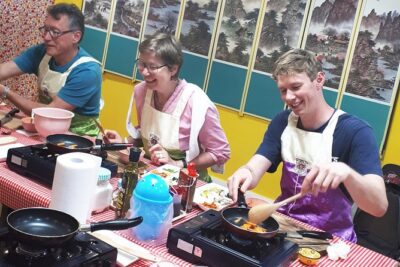
Here’s the practical setup: you have your own cooking station and your own cookers. In other words, you’re not sharing one hot plate with strangers while everyone waits their turn. The instructor can walk over, help you adjust, and keep you moving.
You’re also told upfront that this is not a demo. You’ll be actively cooking the meal, which is what turns this from a nice photo opportunity into an actual skill-builder. If you’re a beginner, you still get structure. If you already cook, you’ll still appreciate how the instructor corrects technique and explains ingredient behavior.
If you want a class that feels laidback but still strict about process, this is that sweet spot. Multiple people highlight how patient Jomin is, even when they’re new to Korean cooking.
The three-dish menu: what you might make and why it’s a smart mix
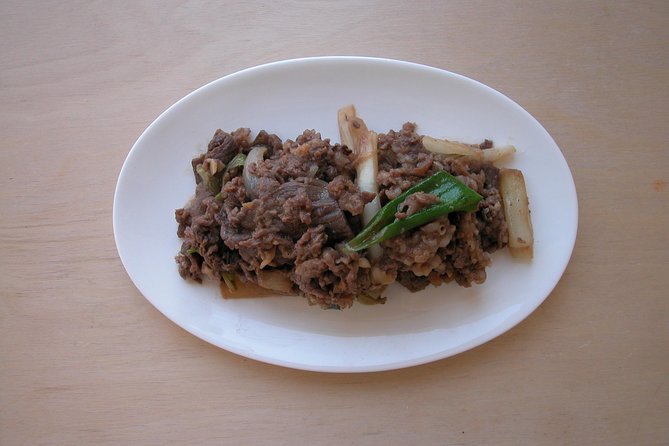
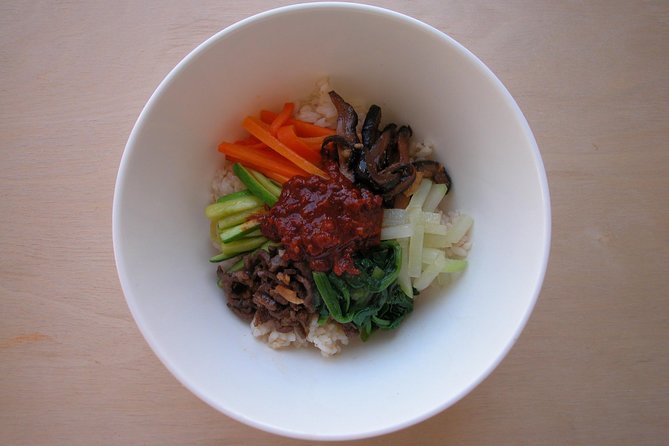
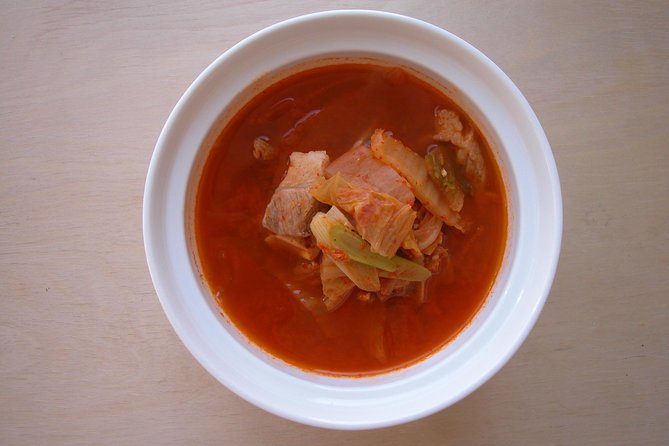
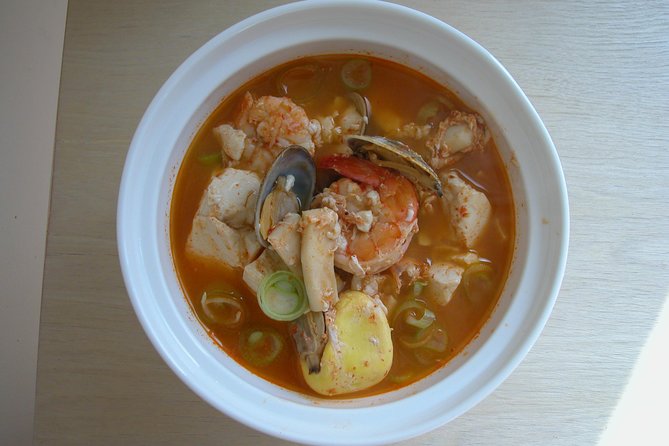
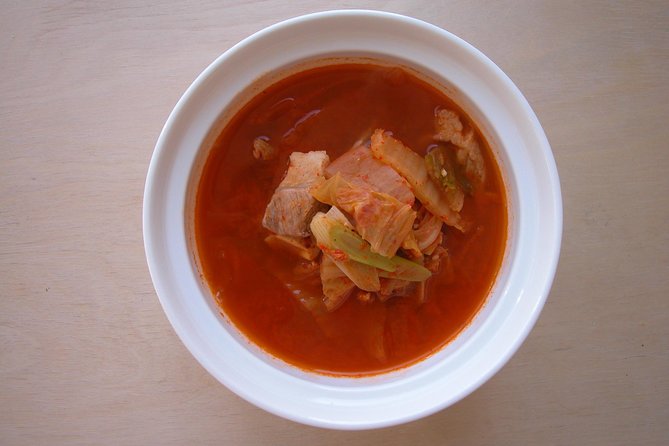
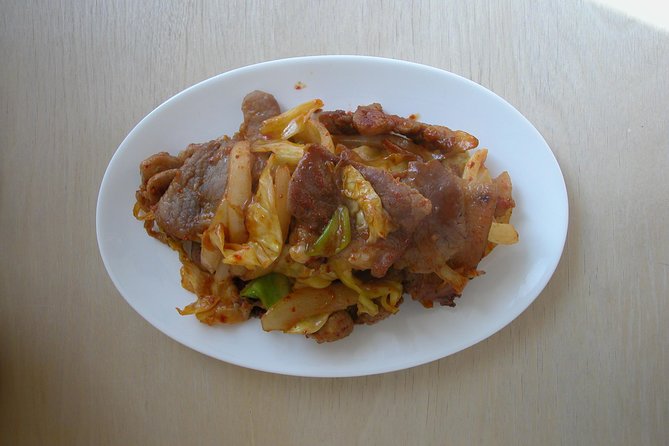
This class is built around a three-course Korean meal. The exact menu can vary, but the options include soft tofu stew, bibimbap, bulgogi, kimchi stew, japchae, or stir-fried pork. In the experience notes, you also choose between a lunch or dinner class, which can affect what you’re in the mood for while you cook.
From the cooking you can expect, here’s why this combo works so well for learning:
- You’ll cover comfort stew flavors (often soft tofu stew or kimchi stew). You learn how Korean soups taste rich without needing complicated equipment.
- You’ll do a mix-and-build bowl like bibimbap. That teaches you how toppings, seasonings, and textures come together.
- You’ll handle savory grill or stir-fry elements like bulgogi or stir-fried pork. That’s where marinades and heat control make the biggest difference.
In real classes, you might also see ingredients like anchovies and prawns used for stock, and some sessions include tasting items like rice wine. Those details are not guaranteed every single time, but they show the class can go beyond basic home cooking and still stay approachable.
You’ll likely work through things like:
- making or mixing a bulgogi marinade
- cutting vegetables for bibimbap
- cooking on your own station so you learn timing instead of just following steps
The big value here is that you leave understanding how a Korean meal is constructed, not only how to cook three random dishes.
More Shopping Tours in Seoul:
- Seoul: Palace, Temple and Market Guided Foodie Tour at Night
★ 4.9 · 750 reviews - Private DMZ Tour (No Shopping): 3rd Tunnel & Suspension Bridge
★ 5.0 · 607 reviews - Downtown Seoul Guided Food & Market Tour with 8+ Local Tastings
★ 5.0 · 580 reviews - Seoul: Korean Cooking Class at a Local Home and Market Tour
★ 5.0 · 348 reviews
Market-to-table timing: what the flow feels like in real time
The pace is structured but not frantic, roughly 3 hours 30 minutes. You’re meeting at Mangwon Station, doing the market walk, then cooking, then eating what you made. You also have time for leftovers to go with you.
One thing I appreciate in the way the meal is handled is that you get set up first, then you cook in a way that doesn’t feel chaotic. The stations come prepared with what you need for your dish, so you’re not hunting for missing ingredients mid-recipe.
A few feedback notes describe a dining rhythm where you eat one course while the next prep is happening. That’s smart for time management, and it keeps the class moving without making you feel rushed at the table.
Lunch or dinner class: picking the right mood for Korean comfort food
You can choose a lunch or dinner class. If you’re trying to fit this into a tight Seoul itinerary, lunch often pairs well with morning sightseeing, because you’ll be done before the evening crowds fully kick in. Dinner can be great if you want your cooking class to be a highlight meal, then you can end the night with something simple nearby.
Also consider your energy level. Cooking three dishes takes focus, even with coaching. If you’re already planning a full day of walking, lunch might feel easier. If your day is lighter, dinner can turn the studio meal into a more relaxed finish.
Vegetarian and vegan options, and how to handle dietary needs
Vegetarian and vegan options are available. That’s a big deal because Korean cuisine often relies on seafood-based broths or pork-friendly seasonings, so it helps that the class is prepared to work with dietary needs.
In practice, I’d treat this as a communication advantage. You’ll likely be asked about your preferences during booking or at the start, and the instructor can adjust what you cook. People mention the experience being flexible for restrictions, which is what you want to hear for food-focused travel.
Tip: when you book, clearly label what you need to avoid. Even within vegetarian, there can be differences, like whether eggs are okay. If you’re vegan, be direct so your ingredients match your goals.
What you take home: recipes plus real leftovers
At the end, you eat what you cooked. That part seems obvious, but it’s the difference between a cooking class and a food show. You’re tasting the results immediately, so if something needs adjustment, you learn in context.
You also take home any yummy leftovers. That’s a practical perk in Seoul, where restaurant meals can be expensive and repetitive. Having leftovers means you can save money and avoid decision fatigue the next night.
Finally, there’s a professionally designed cookbook included. The best part is that it’s not just a generic pamphlet. Feedback points out it includes the dishes you made and also other favorites the instructor recommends. So it acts like a bridge from class-day success to home cooking later.
If you want to make Korean food at home after your trip, this is the single most helpful take-home item. The market walk teaches you what to buy, and the cookbook gives you the roadmap to recreate it.
Price and value: is $79 a good deal in Seoul?
At $79 per person for about 3 hours 30 minutes, this price looks fair when you break it down. You’re paying for three things that usually cost more separately:
- A guided market walk with tasting and ingredient explanations
- A hands-on class with personal stations, ingredients, and instructor coaching
- A take-home cookbook plus leftovers you can eat later
In other words, you’re not paying only for the cooking portion. You’re paying for the whole learning loop, market understanding first, then skill-building, then a meal you actually made.
The small class size, max four people, also affects value. More attention from the instructor usually means better results. And when you’re learning flavors and techniques, getting it right matters.
There’s also a community element. Mangwon Market is part of the experience, not just a stop you pass through. That local feel is harder to recreate on your own unless you already know the ingredients and neighborhoods.
Who this tour suits best
This is a great fit if you want Seoul food culture without the guesswork. You’ll like it if:
- you enjoy cooking or want a structured way to learn
- you want to understand ingredients, not just recipes
- you prefer small groups and personal attention
- you like markets and want the local food context
It’s also a strong choice if you’re traveling with a friend or partner and want one shared activity where you both participate. For solo travelers, the class setup is also friendly because you cook at your own station, and the group stays small.
Things to keep in mind before you book
First, the class can be rescheduled or canceled if it doesn’t meet the minimum number of guests. Build some flexibility into your schedule, especially if you’re tight on planning.
Second, the exact menu can vary. If you’re specifically chasing one dish, check what’s being offered when you book or ask what options are most likely for the date you’re considering.
Lastly, markets can sometimes have fewer stalls during holidays. One class note mentions Mangwon Market having enough open stalls even when some were closed for Chuseok, so you still get a good feel. Still, it’s smart to expect that the market experience may shift day to day.
Should you book this Korean market-to-cooking class?
Yes, I think you should book it if you want a Seoul experience that mixes real local eating with real cooking skill. This isn’t just about tasting Korean food. It’s about learning how to build it, ingredient by ingredient, then leaving with recipes and enough leftovers to extend the win into your next meal.
Book it sooner rather than later if you’re traveling during peak season or specific holidays. And if you have dietary needs, choose it with confidence since vegetarian and vegan options are available.
If you’re the type who hates following recipes, this might still work because the instructor guides you step by step and keeps things approachable. But if you’re only interested in watching and taking photos, you might prefer a different kind of food tour.
FAQ
Where do we meet for the class?
You meet at Mangwon Station in Seoul, South Korea, at entrance 2.
Is the class hands-on or a demo?
This is a hands-on class. You cook at your own private cooking station with instructions and personal assistance from the instructor.
What dishes will we cook?
You’ll prepare three authentic Korean dishes. The menu may include soft tofu stew, bibimbap, bulgogi, kimchi stew, japchae, or stir-fried pork.
Can I request a vegetarian or vegan option?
Yes. Vegetarian and vegan options are available.
What do I take home at the end?
You take home a professionally designed cookbook. You can also take home any leftovers from what you cook.
What if the class is canceled or rescheduled?
There is free cancellation. You can cancel up to 24 hours in advance for a full refund. If the experience is canceled because it does not meet the minimum number of guests, you’ll be offered a different date or a full refund.
Recently reviewed in Seoul
- You’re Invited to Our Home in Seoul: The Only Cooking Class!★ 5.0 · 8 reviews
- Your Personal Seoul Photographer!★ 4.1 · 15 reviews
- From Seoul: Yongpyong Ski Day Tour with Transportation★ 4.9 · 40 reviews
- Seoul: Korean & English Language Exchange Global Party★ 5.0 · 28 reviews
- Watching sports match & local food experience in Seoul★ 5.0 · 11 reviews
- WKT Combat Taekwondo & Self-defense One Day Class in Seoul★ 5.0 · 5 reviews
- Unique Native Experience : Han River Picnic, Board game, BBQ★ 5.0 · 3 reviews
- Seoul: Gangneung BTS K-Pop & K-Drama Filming Locations Tour★ 4.6 · 14 reviews
Markets, compared.
Local Home Korean Cooking Class & Market Adventure in Seoul
Read our review →

Palace, Temple and Market Guided Foodie Tour at Night
Read our review →
Downtown Seoul Guided Food & Market Tour with 8+ Local Tastings
Read our review →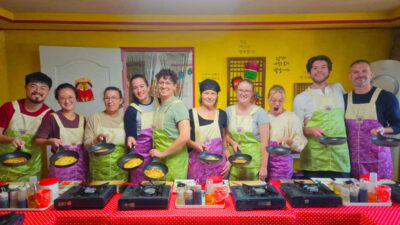
Korean Cooking Class at a Local Home and Market Tour
Read our review →
Seoul Night Palace & Market Food Tour with Vehicle
Read our review →
Korean Palace and Market Tour in Seoul Including Insadong and Gyeongbokgung Palace
Read our review →Browse the lists this tour appears in