
Reviewed · PALACE TOURS
Seoul: Royal Palace Morning Tour including Cheongwadae
Royal gates and presidential walls in one morning. I like how this Cheongwadae-to-palace route gives you both a high-stakes political landmark and the old-world Joseon atmosphere, all before the city gets too busy.
You’ll get a small-group guide experience with real structure, not just wandering. Two things I’m especially happy with are the Royal Guard Changing Ceremony and the chance to see Gyeongbokgung Palace, the biggest of the Joseon “grand five.”
One thing to consider first: you’ll be on your feet for a moderate amount of walking, and the tour runs rain or shine.
In This Review
- Key highlights you should care about
- A morning route that blends politics and palace life
- Cheongwadae and the photo moment you’ll actually use
- Royal guard changing ceremony: timing, photos, and real presence
- Tuesday note for ceremony and palace planning
- Gyeongbokgung Palace, Joseon’s royal center, and what you’ll notice
- Cheongha Korea Ginseng: a break with a real story
- Price and value: what you’re really paying for at $175
- What’s not included (so plan ahead)
- Logistics that can make or break your morning
- Who should book this tour?
- Should you book this Seoul Royal Palace Morning Tour with Cheongwadae?
- FAQ
- How long is the Seoul Royal Palace Morning Tour?
- Where do I meet the guide, and where do we get dropped off?
- What does the tour include besides Cheongwadae and the palace?
- Is Gyeongbokgung Palace visited every day?
- What should I bring for this tour?
- What is included in the price?
Key highlights you should care about
- Photo stop in front of Cheongwadae for a classic Seoul keepsake
- Royal guard changing ceremony with guide support for timing and camera angles
- Gyeongbokgung Palace as the Joseon core of government buildings and royal life
- Tuesday swap to Deoksugung Palace because Gyeongbokgung is closed
- Cheongha Korea Ginseng visit with an adaptogenic-focus story
- Air-conditioned minivan and door-to-door style stops between sights
A morning route that blends politics and palace life
If your Seoul plan is packed with trendy cafés and late-night neighborhoods, this kind of morning tour is the perfect counterweight. You start with Cheongwadae, the Blue House complex, and then shift straight into Joseon royal pageantry at Gyeongbokgung Palace. By late morning, you’re already done with the big visual hits, and you can spend the rest of your day in Myeongdong or Namdaemun at an easy pace.
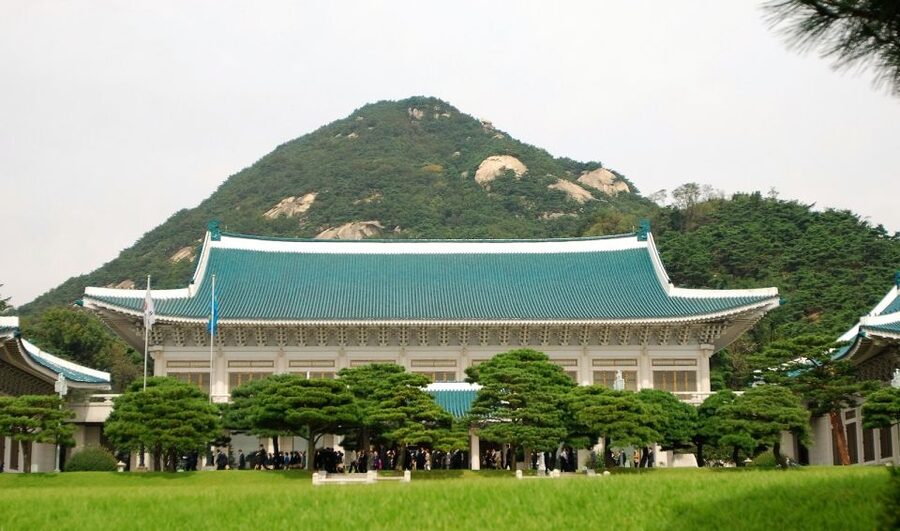
What makes this feel especially worthwhile is the mix of “seen from the outside” and “learn what you’re looking at.” Cheongwadae isn’t just a photo wall. It’s the executive office and official residence of South Korea’s head of state, and the complex blends traditional Korean architectural style with modern elements. Then, at the palace, the experience becomes more sensory and timed, because the guard changing ceremony is a moving moment, not a static monument.
This is also a smart option for first-timers who want structure without feeling rushed. You meet your guide at Lotte Hotel Seoul, and the group stays together in an air-conditioned minivan. That matters because palace areas involve walking, stair steps, and crowds. Starting with a guide helps you get your bearings fast.
More Palace Tours in Seoul:
- Seoul: Gyeongbok Palace, Bukchon Village, and Gwangjang Tour
★ 4.9 · 2,321 reviews - Best Seoul City Tour (Gyeongbokgung Palace,Insadong,Namsan Tower)
★ 5.0 · 1,647 reviews - Small-Group Royal Palace and Seoul City Tour (hotel pick-up)
★ 5.0 · 1,474 reviews
Cheongwadae and the photo moment you’ll actually use
Cheongwadae, also called the Blue House, is one of those places that feels important even before you know the details. On this tour, you’ll not only visit the complex but also see into areas described as the executive office and official residence of the President of the Republic of Korea. The complex is made up of multiple buildings, and a big part of what you’ll notice is the architectural mix, largely traditional Korean styles with some modern elements.
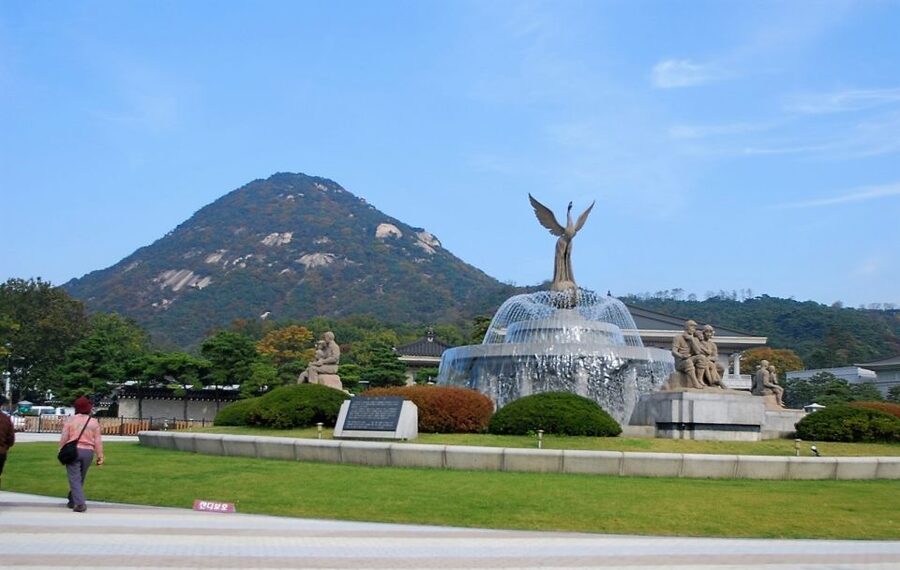
And yes, you get the photo moment. You’ll take souvenir photos in front of Cheongwadae, which is exactly what most people want from this stop. The useful part is doing it with a guide who can keep the flow moving, so you are not stuck figuring out where to stand while other people get jostled.
Practical tip: bring your camera and use it early. If you wait until later in the morning, light and crowd flow can make the classic shot harder. Also, bring your passport. The tour specifically asks for it, which is your sign this is the kind of visit where documents matter.
Royal guard changing ceremony: timing, photos, and real presence
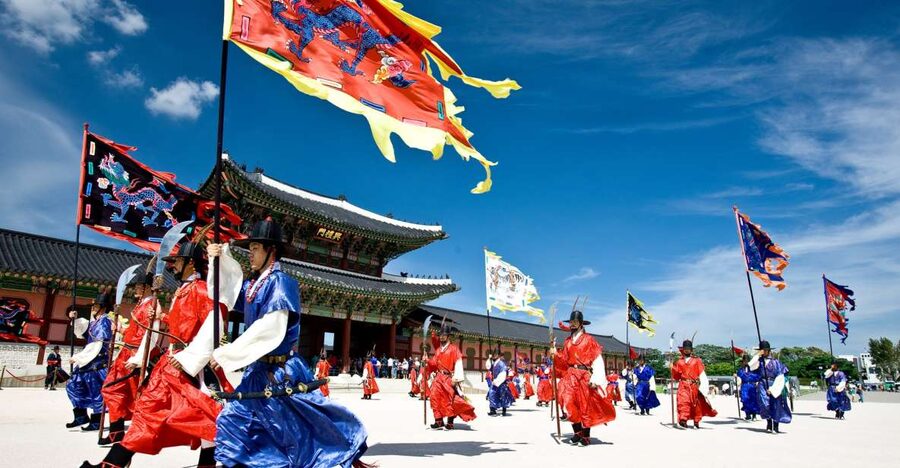
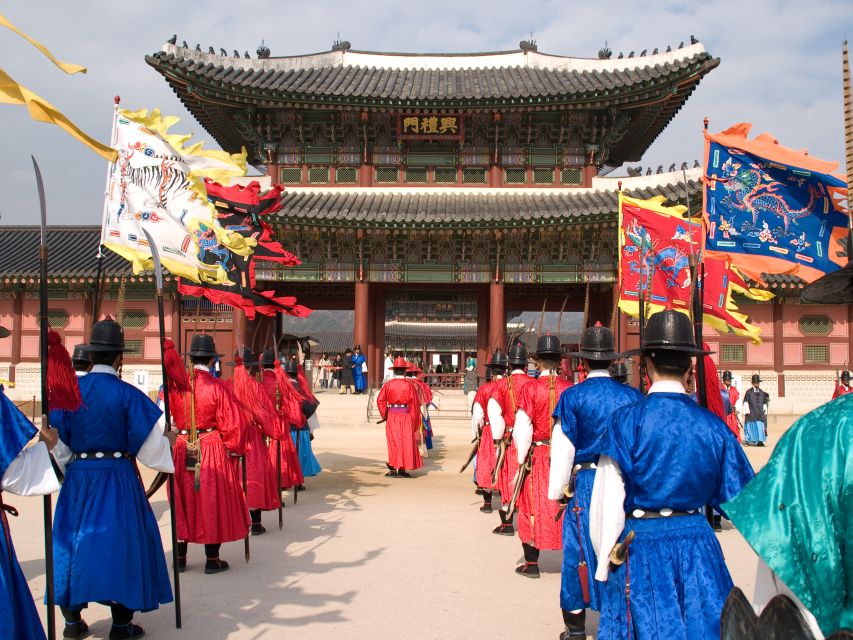
The royal guard changing ceremony is the highlight that turns this from a sightseeing loop into an experience you’ll remember. Even if you know Korea well, this is still a rare traditional scene, and it hits best when you treat it like a performance with a schedule, not just a photo stop.
The big value here is that you won’t be flying blind. You’ll observe the ceremony, and the guide helps you with photo tips for the guards, including where to stand and how to time shots. That kind of coaching matters, because guard movements can be quick and the best angles are not always where the crowd naturally squeezes.
Bring your camera, and be ready to adjust. This is one of those moments where you might take several shots, then realize the one you actually wanted was one step to the left. Having a guide in the mix helps you avoid wasting your best minutes.
Also, keep your expectations practical. You’re watching live movement in a controlled environment, so you’ll likely need to follow instructions closely. The tour is designed around that, so the experience stays smooth.
Tuesday note for ceremony and palace planning
One small but important timing detail: Gyeongbokgung Palace is replaced with Deoksugung Palace on Tuesdays. That means your “big palace” stop follows the calendar, not your preferences. If you’re traveling on a Tuesday and you care deeply about Gyeongbokgung specifically, plan around this switch.
A few more Seoul days worth comparing
- Best DMZ Tour Korea from Seoul (Red Suspension Bridge Optional)
★ 5.0 · 41,422 reviews - DMZ Tour: 3rd Tunnel, Option(Suspension Bridge, Boat) from Seoul
★ 5.0 · 21,373 reviews - DMZ tour south Korea from Seoul (NK experience hall, defector)
★ 5.0 · 20,599 reviews - Seoul: The Best DMZ Tour with Optional Suspension Bridge
★ 4.7 · 4,978 reviews
Gyeongbokgung Palace, Joseon’s royal center, and what you’ll notice
Gyeongbokgung Palace is described as the largest of the five grand palaces built by the Joseon dynasty. It’s also more than a pretty courtyard. The palace’s government ministry district and main buildings formed the heart of the capital city of Seoul and represented Joseon sovereignty.
When you’re standing there, it helps to understand what the palace was designed to do. The architectural principles of ancient China were incorporated into the tradition and appearance of the royal court. That means you’re looking at geometry, layout, and symbolic design choices meant to communicate order, authority, and hierarchy.
You’ll also appreciate why the tour includes this stop right after the guard ceremony. The ceremony shows royal protocol in action, and then the palace buildings put the same kind of power structure on display in stone and wood. It becomes more than a picture. It becomes context.
If you’re visiting on Tuesday, the palace plan swaps to Deoksugung Palace because Gyeongbokgung is closed. In that case, you still get the palace experience, but you’ll want to adjust your expectations about which palace architecture and complex you’re seeing.
One more practical point: comfortable walking shoes matter here. The tour involves a moderate amount of walking, and mornings are often when your energy is highest. Make it easy on your feet.
Cheongha Korea Ginseng: a break with a real story
After the palaces, you stop at Cheongha Korea Ginseng. This is where the tour pivots slightly from visual history into something more personal and product-related, but in a way that still has meaning.
Ginseng is described as being first mentioned in Ji Jiu Zhang during the Han dynasty of China. It was used widely in the orient as a herb for many diseases and ailments, and it was treated like a panacea, a cure-all. The stop also points to modern study themes, noting that Korean ginseng shows best performances in adaptogenic properties.
Now, I don’t think of this as a hard sell because it’s framed as a short learning-and-stop experience. The value for you is getting a quick dose of cultural background and then being in a position to decide whether you want to buy anything. If you are curious about Korean herbal traditions, this kind of stop can help your trip feel more rounded.
If you’re not interested in shopping, you can still treat it like a cultural pause. Just watch your time and keep your energy up. You’ve got a tight morning window, and you’ll finish the tour around midday.
Price and value: what you’re really paying for at $175
At $175 per person for about 3.5 hours, this tour isn’t a budget-only move. So the question is, what are you getting besides three attractions?
First, admission tickets are included. Second, you have a professional guide and also a local guide. Third, you’re transported in an air-conditioned minivan, which is not just comfort, it reduces time lost to transit and navigation.
If you attempted this on your own, you might save money on paper, but you’d pay in other ways, like planning complexity, getting timing right for the guard ceremony, and figuring out the best points for photos. Here, you get help with exactly those moments.
Another value point is the way the day is paced. You start at a clear meeting point, then move building to building, and you end with a drop-off at either Myeongdong Lotte Hotel or Namdaemun market. That is helpful because it sets you up for real-life roaming afterward, instead of returning you to the same starting place.
What’s not included (so plan ahead)
Food and drinks are not included. So if you are the type who needs a snack fast, grab something before the tour or budget a meal after your 12:00 drop-off.
Logistics that can make or break your morning
This tour is designed for a smooth flow, but a few details are worth taking seriously.
You meet your guide at Lotte Hotel Seoul. If your hotel is centrally located, pickup is included for those areas. If not, the guide meets you in front of the nearest central hotel or subway station. That means you should check your hotel’s location relative to central Seoul, so you don’t arrive late to a meeting point that’s not exactly at your front desk.
The tour runs rain or shine. Korea mornings can be unpredictable, so bring a light rain layer even if the forecast looks optimistic. Also, smoking is not allowed in the vehicle.
English language support is provided, and the tour is described as a small group, private group style experience. That usually means you get more direct attention and less time waiting for others.
At the end, you’re dropped off at Myeongdong Lotte Hotel or Namdaemun market. That’s a strategic finish if you want to shop, eat, and keep moving without another long transfer.
Who should book this tour?
This is a good fit if you want the “big morning” highlights without the hassle of scheduling, crowd management, and photo timing.
Book it if:
- You’re seeing Seoul for the first time and want Cheongwadae plus a grand palace in one tidy window
- You care about the royal guard changing ceremony as an actual experience, not just an image
- You like having a friendly guide who explains what you’re seeing and helps with camera angles
Skip it if:
- You hate walking. There is a moderate amount of walking, and it’s not suitable for wheelchair users
- You want a relaxed, no-structure morning. This is structured and timed around ceremonial moments
Should you book this Seoul Royal Palace Morning Tour with Cheongwadae?
I think you should book it if your priority is a high-impact Seoul morning with less mental effort. The value comes from guide support at the ceremony and during the photo moments, plus the included admission tickets and transport that keep the schedule realistic. If you can walk comfortably and you’re traveling on a day when you’re okay with the Gyeongbokgung swap rule for Tuesdays, this is a strong way to see major landmarks early and keep your afternoon free.
If you’re the type who loves learning what things mean, not just where they are, you’ll appreciate how the stops connect politics, royal protocol, and cultural context, then finish with a practical ginseng stop before dropping you in the lively Myeongdong and Namdaemun zone.
FAQ
How long is the Seoul Royal Palace Morning Tour?
The tour lasts 3.5 hours. Starting times depend on availability, so you’ll want to check what times are offered when you book.
Where do I meet the guide, and where do we get dropped off?
You meet your guide at Lotte Hotel Seoul. At the end of the tour, you are dropped off at Myeongdong Lotte Hotel or Namdaemun market.
What does the tour include besides Cheongwadae and the palace?
You’ll also see the royal guard changing ceremony and visit Cheongha Korea Ginseng.
Is Gyeongbokgung Palace visited every day?
No. Gyeongbokgung Palace is replaced with Deoksugung Palace on Tuesdays because Gyeongbokgung Palace is closed then.
What should I bring for this tour?
Bring your passport. Bring a camera for the photo moments, and wear comfortable walking shoes because there is a moderate amount of walking.
What is included in the price?
The price includes admission tickets, a professional guide, a local guide, and transport by air-conditioned minivan. Food and drinks are not included.
Recently reviewed in Seoul
- You’re Invited to Our Home in Seoul: The Only Cooking Class!★ 5.0 · 8 reviews
- Your Personal Seoul Photographer!★ 4.1 · 15 reviews
- From Seoul: Yongpyong Ski Day Tour with Transportation★ 4.9 · 40 reviews
- Seoul: Korean & English Language Exchange Global Party★ 5.0 · 28 reviews
- Watching sports match & local food experience in Seoul★ 5.0 · 11 reviews
- WKT Combat Taekwondo & Self-defense One Day Class in Seoul★ 5.0 · 5 reviews
- Unique Native Experience : Han River Picnic, Board game, BBQ★ 5.0 · 3 reviews
- Seoul: Gangneung BTS K-Pop & K-Drama Filming Locations Tour★ 4.6 · 14 reviews
Palace Tours, compared.
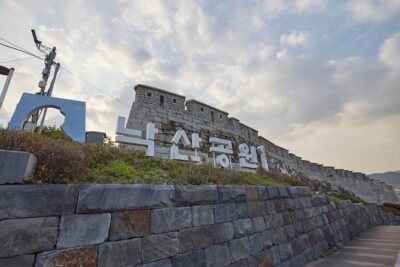
Gyeongbok Palace, Bukchon Village, and Gwangjang Tour
Read our review →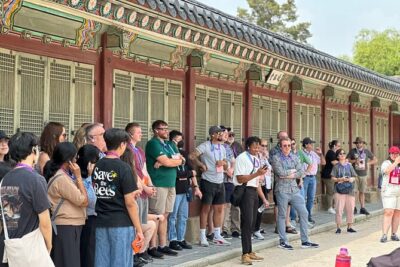
Best Seoul City Tour (Gyeongbokgung Palace,Insadong,Namsan Tower)
Read our review →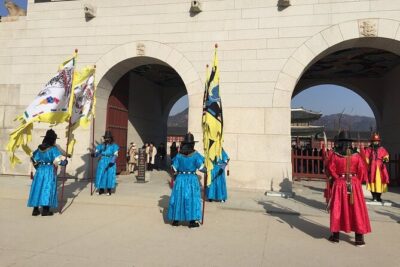
Small-Group Royal Palace and Seoul City Tour (hotel pick-up)
Read our review →
Seoul City Sightseeing Tour Including Gyeongbokgung Palace, N Seoul Tower, and Namsangol Hanok Village
Read our review →Gyeongbok Palace, Bukchon Village, and Gwangjang Tour
Read our review →
Palace, Temple and Market Guided Foodie Tour at Night
Read our review →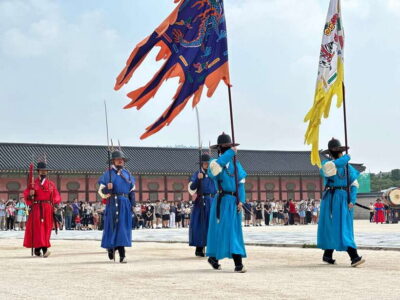
Seoul Highlights: Gyeongbok Palace, Insadong & N Seoul Tower
Read our review →
City Hightlights, Palace Tour, and Optional Hanbok
Read our review →Browse the lists this tour appears in