
Reviewed · PALACE TOURS
Seoul: Gyeongbokgung Palace Half day Tour
Gyeongbokgung Palace feels huge, then your guide makes it make sense. I like that the tour is in English with explanations in detail, and I really appreciate the focus on specific places, not just general sightseeing. The one thing to consider is simple: this is a short 2-hour walk, so you will not linger everywhere.
You start at the National Palace Museum area and move through the palace’s main highlights, from the Gwanghwamun Gate to the Geunjungjeon throne hall. With a mobile ticket and a max group size of 20, it stays organized and easy to follow. Tuesdays are special because the palace is closed, so plan your day around that.
In This Review
- Key highlights you should care about
- Gyeongbokgung’s big idea: it is not just a palace
- The 2-hour route that keeps you from getting lost
- Starting point at the National Palace Museum: get your bearings early
- Stop 1, Gwanghwamun Gate: the palace’s front door and its meaning
- Geunjungjeon throne hall: where Joseon power gets concrete
- Sajeongjeon and Gangnyeongjeon: the king’s work and the king’s private life
- Gyotaejeon and the queen’s bed-chamber: a perspective you may not expect
- Gyehoiru pavilion: events, atmosphere, and why timing matters
- English explanations and smart question time
- Spotting the animal statues: small details with big payoff
- Price and value: $35 for a guided, ticketed palace sprint
- Tuesday closed, backup plan for the evening
- Rules that affect the experience (and how to handle them)
- Who should book this tour?
- Should you book the Gyeongbokgung Palace half-day English tour?
- FAQ
- How long is the Gyeongbokgung Palace half-day tour?
- What is the price per person?
- Is admission included?
- Is the tour in English?
- What is the meeting point?
- Where does the tour end?
- Is Gyeongbok Palace open every day?
- Can I record or film during the tour?
- What is the cancellation option?
Key highlights you should care about
- English-led storytelling that connects Joseon history to what you are standing in front of
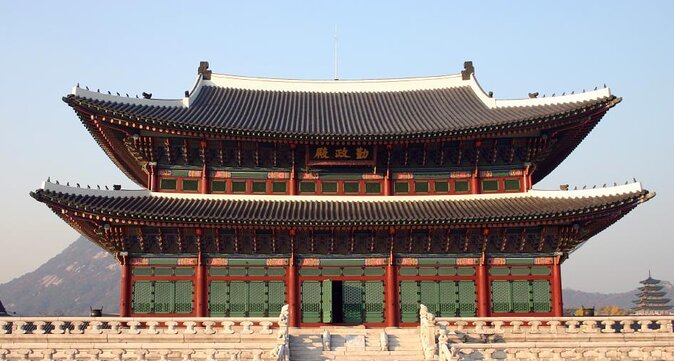
- A focused route through Gwanghwamun Gate, Geunjungjeon, Sajeongjeon, Gangnyeongjeon, Gyotaejeon, and Gyehoiru pavilion
- Animal details you can spot because the tour points out statues placed around the grounds
- Small-group pace (up to 20) that leaves room to ask questions
- Admission is included, so you are not juggling tickets mid-walk
Gyeongbokgung’s big idea: it is not just a palace
Gyeongbokgung Palace is the kind of place where everything seems symbolic, from the layout to the buildings’ roles. This tour is designed for that reality. The guide explains what you are seeing in plain English, and ties it to the Joseon Dynasty, including the famous kings tied to each space.
One reason I think this tour is a smart use of time is that it helps you decode the palace. Instead of wandering and hoping you understand the hierarchy of rooms, you get context for why a hall was used as a throne space, why another was tied to the king’s daily life, and why the queen’s bed-chamber matters in the story. You also hear that the palace was built in 1394, is considered the oldest and most important among Seoul’s five palaces, and that it suffered heavy damage during the Japanese Colonial Period, then was preserved through continuous restoration work.
The tour also leans into details that are easy to miss on your own. In particular, it highlights animal statues placed throughout the palace. Those little touches can turn a landmark from background scenery into something you actually remember.
More Palace Tours in Seoul:
- Seoul: Gyeongbok Palace, Bukchon Village, and Gwangjang Tour
★ 4.9 · 2,321 reviews - Best Seoul City Tour (Gyeongbokgung Palace,Insadong,Namsan Tower)
★ 5.0 · 1,647 reviews - Small-Group Royal Palace and Seoul City Tour (hotel pick-up)
★ 5.0 · 1,474 reviews
The 2-hour route that keeps you from getting lost
This is a half-day style visit, listed at about 2 hours. That length is a feature if your goal is efficient first contact with the palace, plus enough context to make it feel real. If you prefer slow, long photo stops, you might find the pace a bit tight. The good news is that your guide is working within that limit, so you get the main structure of the palace story in one go.
The tour is capped at a maximum of 20 travelers, which matters more than people think. In bigger crowds, you tend to lose the thread. Here, you are more likely to keep up with the explanation and ask questions while the group is still in the right spot.
And yes, it is a guided experience with admission included. That makes it easier to plan, especially in a place where you can easily spend time figuring out tickets on arrival.
Starting point at the National Palace Museum: get your bearings early
Meet up is at the National Palace Museum of Korea, 12 Hyoja-ro in Jongno District. That is a handy starting zone because it is in the same broader palace area, and it is near public transportation. The tour ends at 7-25 Tongui-dong, Jongno District, so you are not forced to retrace your exact steps all the way back.
If you are the type who likes to arrive early, do it here. The provider says they inform you by email and WhatsApp about the meet-up place and time. On a short tour, those little timing details matter.
One practical note: the tour does not allow joining after it begins for other participants. So if you are running late, you should treat that as a hard stop and plan to be on time rather than assuming you can slide in at the back.
Stop 1, Gwanghwamun Gate: the palace’s front door and its meaning
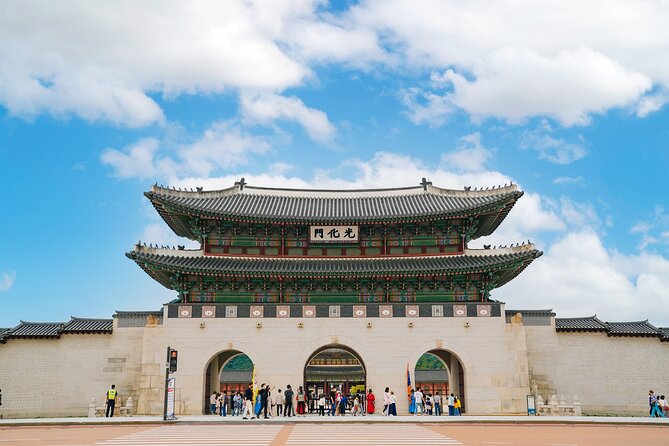
The tour starts with Gwanghwamun Gate, the south gate of Gyeongbokgung Palace. This is not just an entrance you walk through. Your guide uses the gate to set the tone: why this palace was built where it was, and how the gate connects to the broader layout.
If you have never visited a traditional East Asian palace complex before, this is where you want the explanation most. Gateways often communicate power and order through symmetry and scale. When you understand the role of the gate, the buildings beyond it stop feeling random.
A drawback to keep in mind: because the tour is time-limited, you will not have long free-form wandering space at the very beginning. The upside is that you start with a clear narrative, then you keep moving.
A few more Seoul days worth comparing
- Best DMZ Tour Korea from Seoul (Red Suspension Bridge Optional)
★ 5.0 · 41,422 reviews - DMZ Tour: 3rd Tunnel, Option(Suspension Bridge, Boat) from Seoul
★ 5.0 · 21,373 reviews - DMZ tour south Korea from Seoul (NK experience hall, defector)
★ 5.0 · 20,599 reviews - Seoul: The Best DMZ Tour with Optional Suspension Bridge
★ 4.7 · 4,978 reviews
Geunjungjeon throne hall: where Joseon power gets concrete
Next up is Geunjungjeon, the main throne hall. This is the highlight most people imagine when they think of Gyeongbokgung Palace, and your guide turns it into more than a photo stop.
You will hear the stories tied to Joseon kings and the functions of the throne hall as a central political space. Even if you already know the broad idea, the added context helps you notice how the hall fits into the palace system. You start to see the palace as an operating machine, not just a scenic set of buildings.
I also like that this tour explicitly focuses on architecture and on-site symbolism. At Geunjungjeon, that approach works best because the hall is both visually dramatic and conceptually important.
Sajeongjeon and Gangnyeongjeon: the king’s work and the king’s private life
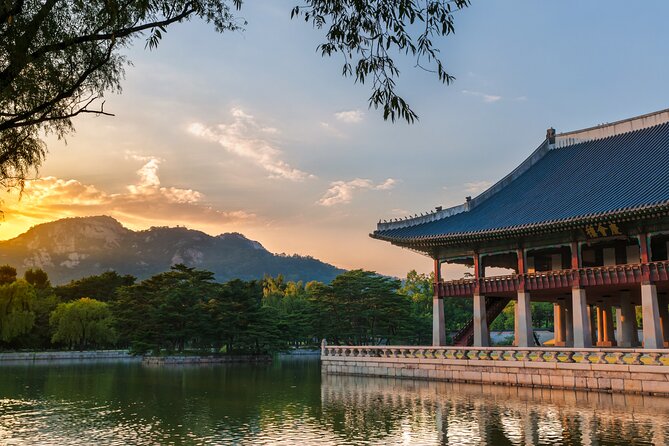
After the throne hall, you move to Sajeongjeon, described as the king’s office space. This shift is a smart way to tour. It moves you from public ceremony to governance, from spectacle to routine.
Then you go to Gangnyeongjeon, the king’s bed-chamber. That is where the palace story broadens. You get a sense of how the king’s life was organized inside the palace grounds, not only as a ruler during ceremonies, but as a person behind palace walls.
For readers who like historical interpretation, these stops do a lot of heavy lifting. Instead of treating the palace as a museum of single moments, your guide connects multiple rooms to a fuller picture of Joseon life.
Possible drawback: if you are hoping for deep architectural measurements or detailed engineering talk, this tour’s scope is more about narrative and big-picture meaning. It still sounds professional, and you can ask questions, but it will not replace a full academic lecture.
Gyotaejeon and the queen’s bed-chamber: a perspective you may not expect
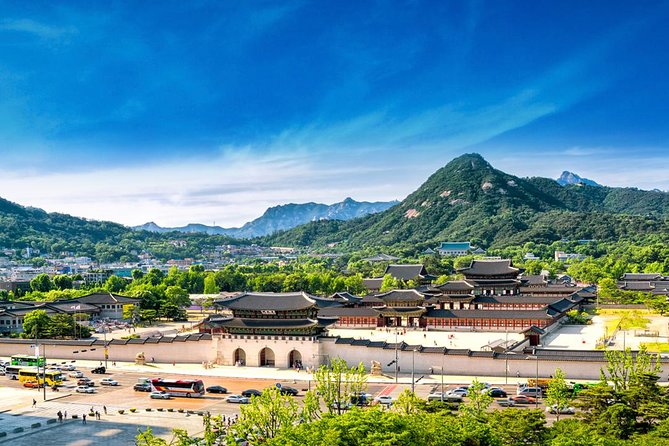
The tour continues to Gyotaejeon, the queen’s bed-chamber. This is valuable because it adds domestic and personal space to what is often a strictly king-focused story at palaces.
It also helps you understand that palace life had roles and spaces for more than one person. Even if the major public narrative centers on the king, the queen’s spaces are part of the palace’s function and symbolism.
The practical advantage here is that the route stays coherent. You are not jumping around the grounds randomly. You keep moving through roles: throne, work, king’s private life, queen’s private life, then an event space.
Gyehoiru pavilion: events, atmosphere, and why timing matters
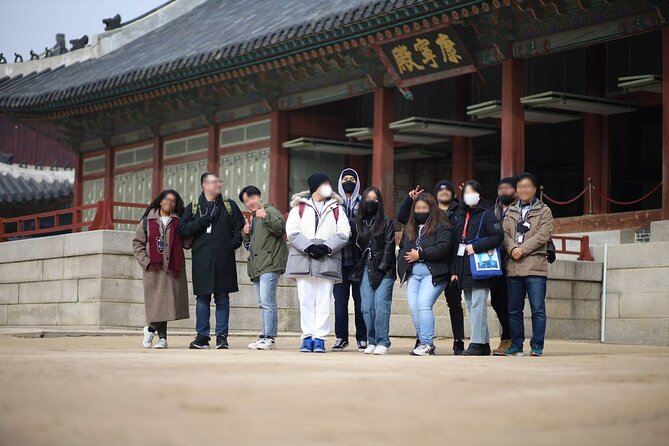
Your final palace stop is Gyeonghoiru pavilion, described as an event hall. This is where you see the palace shift from authority and daily life to gatherings and ceremonial atmosphere.
If you want the emotional ending of the tour, this is it. After learning about governance and private chambers, an event space gives you a sense of how the palace was used as a stage for moments meant to be shared.
Also, you are more likely to appreciate the setting here because your brain has already been trained to notice details. The guide’s earlier storytelling makes the pavilion feel purposeful, not just scenic.
English explanations and smart question time
A standout feature is that the tour offers explanations in detail in English. That matters at Gyeongbokgung, because the palace is not set up like an easy read. The names and functions mean more when someone explains them in plain language and keeps linking back to Joseon stories.
You can also ask questions to the guide. That is the difference between passively watching and actively learning. If you go in with even one or two topics in mind, you can get a lot out of the time.
Good question ideas, based on what this tour covers:
- How do restoration choices affect what we see today?
- Why are animal statues placed around the grounds?
- What is the role difference between throne hall and office space?
Spotting the animal statues: small details with big payoff
One of the tour’s most memorable elements, judging by how it is described, is the way it points out animal statues placed throughout the palace. If you are the kind of traveler who likes to return home with specific images you actually remember, this helps.
The big practical advantage is that it gives you a mission while you walk. Instead of only looking at the grand buildings, you also scan for symbolic decoration. That turns a short 2-hour window into a higher value experience, because you get both structure and detail.
Price and value: $35 for a guided, ticketed palace sprint
At $35 per person, with admission included, this tour is priced like a practical add-on to your day. It is not trying to be a long, all-day deep study. It is trying to get you oriented, explain the most important spaces, and help you understand what you are seeing without spending your whole morning or afternoon decoding it alone.
This is where value matters: the guide’s English explanations and the organized route through major named locations reduce the time you would otherwise spend figuring out which room is which. Since the tour is about 2 hours, it also fits neatly into a Seoul schedule that may include multiple neighborhoods.
One consideration: if you already know a lot about Joseon history or you prefer self-guided pacing, you might feel the time limit. But if you want a guided introduction that still hits major highlights, the price looks fair for what you get.
Tuesday closed, backup plan for the evening
A useful planning detail: Gyeongbok Palace is closed on Tuesdays. If your dates land on a Tuesday, you can book their Deoksugung night tour instead.
This matters because palace closures can ruin a schedule fast. Having a built-in alternative is the kind of travel detail that saves you from a wasted day.
Rules that affect the experience (and how to handle them)
A few on-site rules can shape how you experience the tour:
- Recording or filming is not allowed, so keep your phone ready for normal photos.
- Pets are not allowed, which is typical but still worth noting if you are traveling with one.
- The group is limited to a maximum of 20 travelers, which keeps the experience easier to manage.
- The tour requires good weather. If weather is poor, you are offered a different date or a full refund.
Who should book this tour?
This tour is a strong fit for:
- First-time visitors who want a guided orientation and a clear storyline
- Travelers who like history told through real places, not just general facts
- Anyone who wants to ask questions rather than guess
It may not be the best fit if:
- You want a long, slow palace walk with lots of free time per building
- You prefer fully independent sightseeing without a set route
If you are trying to decide between doing this and using Seoul as a DIY palace day, I would choose this when you want the explanation to do the heavy lifting.
Should you book the Gyeongbokgung Palace half-day English tour?
If you want the palace experience to feel understandable, not just impressive, I think booking this makes sense. The route covers the key spaces you actually want to see, and the English guidance helps you connect architecture, Joseon stories, and even animal details that you might otherwise miss. At $35 with admission included, it is also a practical way to use a short window in Seoul.
My main reason to hesitate is the limited time. If you need hours to absorb every hall and take your time, you might prefer a self-paced visit. But for most people, this is an efficient, high-impact introduction that helps the palace stick in your memory.
FAQ
How long is the Gyeongbokgung Palace half-day tour?
The tour is listed at about 2 hours.
What is the price per person?
The price is $35.00 per person.
Is admission included?
Yes, admission ticket is included.
Is the tour in English?
Yes, it offers explanations in detail in English.
What is the meeting point?
The meeting point is at the National Palace Museum of Korea, 12 Hyoja-ro, Jongno District, Seoul.
Where does the tour end?
The tour ends at 7-25 Tongui-dong, Jongno District, Seoul.
Is Gyeongbok Palace open every day?
No. It is closed on Tuesdays.
Can I record or film during the tour?
No. Recording or filming the tour is not allowed.
What is the cancellation option?
You can cancel for a full refund up to 24 hours in advance, and cancellations are free.
Recently reviewed in Seoul
- Your Personal Seoul Photographer!★ 4.1 · 15 reviews
- You’re Invited to Our Home in Seoul: The Only Cooking Class!★ 5.0 · 8 reviews
- From Seoul: Yongpyong Ski Day Tour with Transportation★ 4.9 · 40 reviews
- Seoul: Korean & English Language Exchange Global Party★ 5.0 · 28 reviews
- Watching sports match & local food experience in Seoul★ 5.0 · 11 reviews
- WKT Combat Taekwondo & Self-defense One Day Class in Seoul★ 5.0 · 5 reviews
- Unique Native Experience : Han River Picnic, Board game, BBQ★ 5.0 · 3 reviews
- Seoul: Gangneung BTS K-Pop & K-Drama Filming Locations Tour★ 4.6 · 14 reviews
Palace Tours, compared.
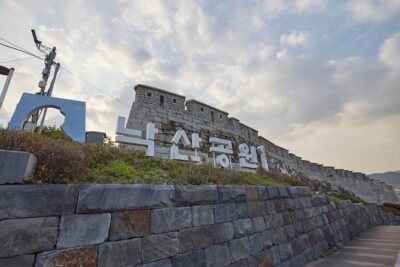
Gyeongbok Palace, Bukchon Village, and Gwangjang Tour
Read our review →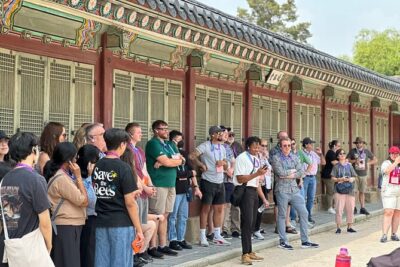
Best Seoul City Tour (Gyeongbokgung Palace,Insadong,Namsan Tower)
Read our review →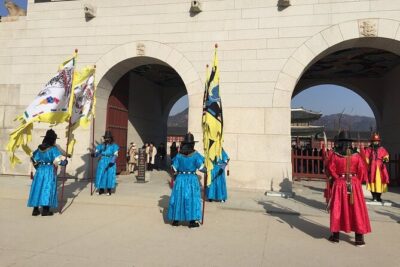
Small-Group Royal Palace and Seoul City Tour (hotel pick-up)
Read our review →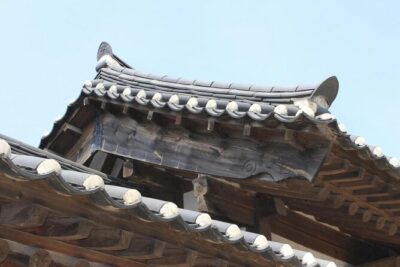
Seoul City Sightseeing Tour Including Gyeongbokgung Palace, N Seoul Tower, and Namsangol Hanok Village
Read our review →Gyeongbok Palace, Bukchon Village, and Gwangjang Tour
Read our review →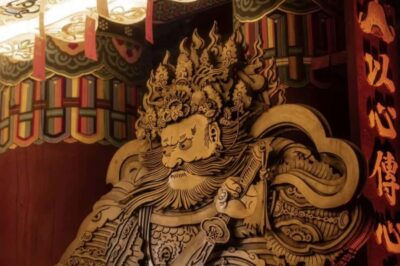
Palace, Temple and Market Guided Foodie Tour at Night
Read our review →
Seoul Highlights: Gyeongbok Palace, Insadong & N Seoul Tower
Read our review →
City Hightlights, Palace Tour, and Optional Hanbok
Read our review →Browse the lists this tour appears in