
Reviewed · FOOD & DRINK
Seoul Food: Banchan, Bibimbap, and Beyond
Seoul food tells its story in small dishes. This 5-hour Seoul walking food experience mixes landmark stops in Dongdaemun and Jongno with Korean eating culture, especially the flavors behind banchan and bibimbap, plus extra bites that broaden the menu beyond the usual hits.
I love the way this tour keeps food at the center, with lots of chances to taste multiple Korean styles instead of just one showpiece meal. I also like the guided pacing, because you can digest between major sights and still end up at dinner feeling hungry in a good way.
One possible drawback: there is no private transportation included, so you should expect to rely on public transit and comfortable walking while moving through central Seoul.
In This Review
- Key Things I’d Pay Attention To
- A Seoul Food Walk That Starts With Banchan, Not Main Attractions
- Where You Start, How Long It Takes, and Why That Matters
- Dongdaemun Gate and DDP: When Seoul Uses Old Walls and New Shapes
- Cheonggyecheon Stream: A Quick Reset Before You Eat More
- Gyeongbokgung Palace Area: Royal Grounds and the Idea of a Formal Meal
- Bukchon Hanok Village Lanes: Traditional Houses That Make You Slow Down
- How the Tour Builds Your Understanding of Banchan and Bibimbap
- Dinner, Snacks, Water, and Alcohol: The Value Piece Most People Miss
- Licensed Guide and a Private Group: How That Changes the Feel
- Budget Reality: Who Should Pay $195, and Who Gets the Best Use Out of It
- So, Should You Book This Seoul Food Tour?
- FAQ
- What time does the tour start?
- How long is the tour?
- Where is the meeting point?
- Will I need a paper ticket?
- Is the tour private?
- What is included in the price?
- Are admissions required for the stops?
- Is transportation included?
- What is the cancellation policy?
Key Things I’d Pay Attention To
- Banchan-first tasting that trains your palate to notice how Korean meals build flavor in layers
- A guide-led food story that connects what you eat to the city’s history and outside influences
- Landmarks used as context, including Heunginjimun Gate, DDP, Cheonggyecheon Stream, Gyeongbokgung, and Bukchon
- Dinner, snacks, bottled water, and alcoholic beverages included, which makes the $195 price feel more realistic
- A small, private-group setup, so the day feels like your schedule, not a train of strangers
A Seoul Food Walk That Starts With Banchan, Not Main Attractions
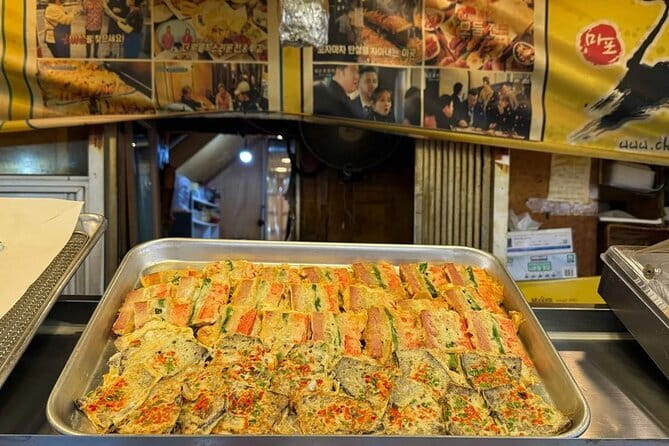
Korea has a talent for taking outside ideas and turning them into something distinctly Korean. On this tour, that same idea shows up in the meal choices, because the focus is not just on one famous dish. You get the supporting cast of Korean cuisine, the side dishes that make the table feel complete.
I like that the tour keeps pointing you toward what to notice while you’re eating. Banchan is the perfect teacher: you’ll see how Korean meals balance salt, sour, sweet, and heat across multiple small plates. It also helps you understand why bibimbap works so well, since it is basically a bowl designed to coordinate those flavors.
You should also know what kind of day this is. It’s not a museum march. It is a food-led walk through central Seoul, with major sights acting like signposts for culture.
More Food Tours in Seoul:
- Seoul Street Food Market Tour
★ 5.0 · 1,226 reviews - Seoul: Night Market Food Tour with Local Guide
★ 4.9 · 943 reviews - Downtown Seoul Guided Food & Market Tour with 8+ Local Tastings
★ 5.0 · 580 reviews
Where You Start, How Long It Takes, and Why That Matters
You meet at the JW Marriott Dongdaemun Square Seoul, 279 Cheonggyecheon-ro, Jongno District. The tour runs starting at 1:00 pm and lasts about 5 hours, and it ends back at the meeting point. That matters because you can plan your next meal or activity without guessing where you’ll end up.
A mobile ticket is provided, which makes check-in faster. The tour also includes a licensed guide, and it’s private, meaning only your group participates. For solo travelers, this is a smart way to see Seoul without feeling like you’re stuck listening to a big group lecture.
One other point to keep in mind: private transportation is not included. Even if the tour keeps things efficient, you should still wear shoes that handle city walking well and be ready for steps between neighborhood landmarks.
Dongdaemun Gate and DDP: When Seoul Uses Old Walls and New Shapes
The day begins near Heunginjimun, the Dongdaemun Gate. This gate is one of Seoul’s eight gates, built in the late 14th century, and it once served as a main entrance and defense structure. Even if you’re not a history nut, the sheer permanence of it sets the tone for what comes next: Seoul never stops revising itself.
Then you head to Dongdaemun Design Plaza, the DDP. It’s famous for its futuristic design, created by Zaha Hadid, and it’s a magnet for exhibitions and cultural events. Even if you don’t stop for a specific exhibit, the building’s shape and open spaces are great for photos and short explorations.
What I like about placing food culture near modern architecture is how it changes your brain. Instead of thinking of Korean food as one neat tradition, you start noticing it as a living style, made by people who adapt. That mindset pays off later at the table, when you’re tasting dishes that reflect more than one influence.
Cheonggyecheon Stream: A Quick Reset Before You Eat More
Cheonggyecheon Stream is a scenic walking route that stretches through both Dongdaemun and Jongno areas. It’s described as especially peaceful at night, when lights reflect off the water.
Even during daytime hours, I’d treat this stop as your palate reset. After you’ve been moving through streets and stopping for landmarks, the stream gives you a calmer rhythm. That matters because Korean dining is not a one-bite experience. You’re aiming to taste, compare, and notice how sauces and side dishes change the mood of each bite.
If you tend to get overheated or tired while sightseeing, this kind of break helps. It’s not a long detour, but it’s the sort of pause that makes the dinner hour feel more intentional.
A few more Seoul days worth comparing
- Best DMZ Tour Korea from Seoul (Red Suspension Bridge Optional)
★ 5.0 · 41,422 reviews - DMZ Tour: 3rd Tunnel, Option(Suspension Bridge, Boat) from Seoul
★ 5.0 · 21,373 reviews - DMZ tour south Korea from Seoul (NK experience hall, defector)
★ 5.0 · 20,599 reviews - Seoul: The Best DMZ Tour with Optional Suspension Bridge
★ 4.7 · 4,978 reviews
Gyeongbokgung Palace Area: Royal Grounds and the Idea of a Formal Meal
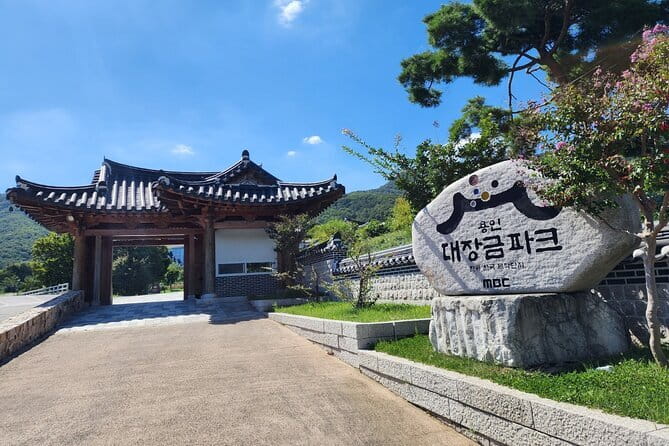
Gyeongbokgung Palace is one of Korea’s grandest palaces and a core landmark in Jongno. It served as the main royal palace of the Joseon Dynasty and sits surrounded by gardens and impressive architecture.
You don’t need to memorize every detail of the palace to feel what it signals. Royal court spaces were built to organize life with formality and ceremony. Korean meals, especially at the table where multiple side dishes appear, carry some of that same structure. You see it in the way a meal becomes an arrangement, not just a plate.
Also, the palace area is a good reminder that food culture is tied to systems, seasonality, and identity. Even if your tasting focuses on everyday flavors, the setting helps you connect those flavors to a larger cultural framework.
Bukchon Hanok Village Lanes: Traditional Houses That Make You Slow Down
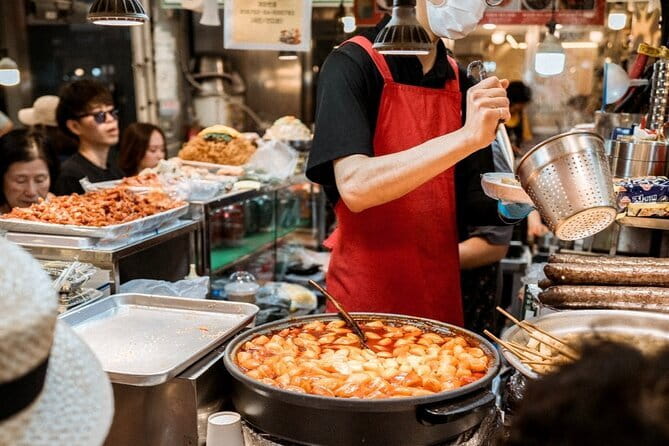
Bukchon Hanok Village is a traditional neighborhood made up of well-preserved hanok houses. You’ll wander narrow alleys, and the views are part of the payoff.
What you should take from this stop is not just the scenery. Hanok neighborhoods are physical proof that Korean daily life has layers. Food tradition works the same way. Banchan and bibimbap are familiar, but they also have variations in technique, texture, and seasoning depending on where and how people live.
This is also where your walking day starts to feel like Seoul, not a checklist. If you like photo-worthy streets, Bukchon delivers. If you’re more practical, it still does the job of slowing you down just enough to appreciate the cultural context around what you’re eating.
How the Tour Builds Your Understanding of Banchan and Bibimbap
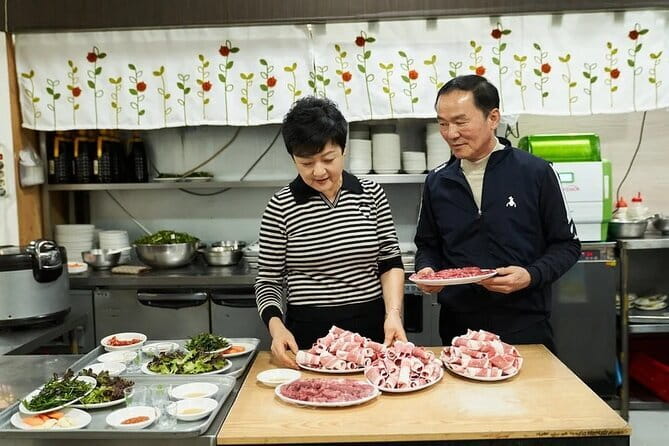
The tour title says it all: banchan and bibimbap are the heart of the day. But what makes it more than a name is the way Korean meals work as a set. Instead of treating the main dish as the star, you taste the supporting cast first, then watch how the bowl integrates those flavors.
Here’s what I’d pay attention to while you eat:
1) The contrast between side dishes. Korean banchan often includes dishes that are salty, tangy, sweet, and spicy in different proportions. If you notice how they work together, bibimbap makes more sense.
2) Texture and temperature. Some banchan leans crunchy. Some leans soft or stewy. When you later get a bibimbap, the mix of textures can feel more satisfying because you’ve already trained your palate.
3) How seasoning changes with context. The point of a guide is not just translation, it’s interpretation. A good explanation will help you connect why certain flavors show up together, and what regional or cultural habits might be behind them.
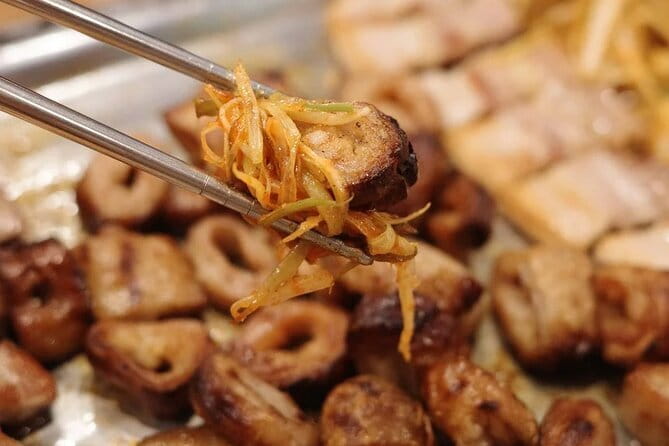
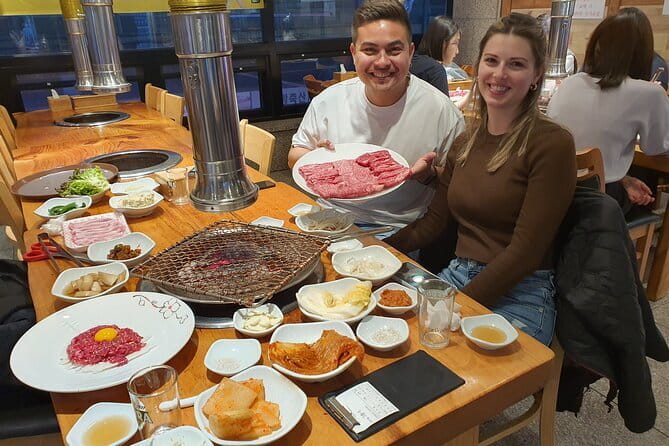
If you already know the basics of Korean food, this still helps because you’ll taste more of the surrounding flavors that create the full meal. In past experiences tied to this tour, highlights have included dishes beyond the standard menu, such as steak tartare served with a special sauce. That kind of contrast can be fun if you like seeing where traditional eating logic meets modern tastes.
Dinner, Snacks, Water, and Alcohol: The Value Piece Most People Miss
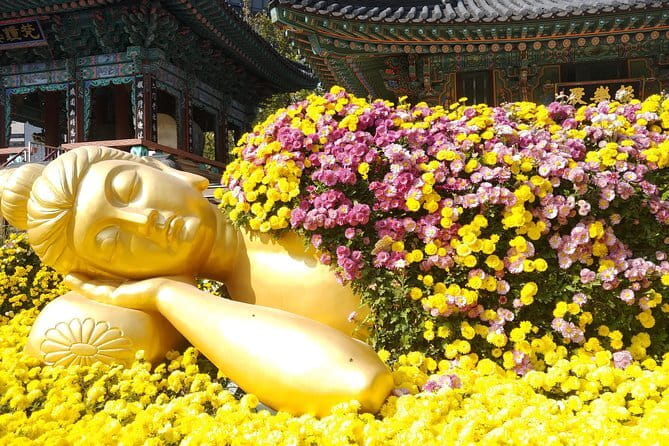
At $195 per person for about 5 hours, the best way to judge value is not the price alone. It’s what you get that you’d otherwise have to piece together yourself.
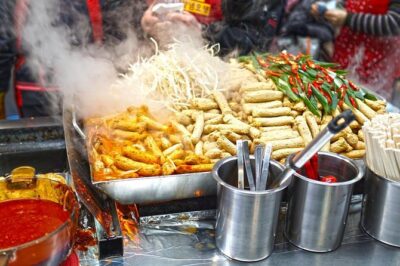
This tour includes bottled water, snacks, and dinner, plus alcoholic beverages. That’s a big deal in Seoul, where it’s easy for food costs to add up fast once you start hopping between places. By packaging dinner and multiple tasting moments, the tour removes a lot of the guesswork.
It also changes your pacing. When meals are built into the schedule, you can avoid the common travel mistake of arriving too hungry to make good choices, or eating too early and then wasting appetite at the next stop. The day is structured so you snack between sightseeing moments and land at dinner ready for a fuller meal.
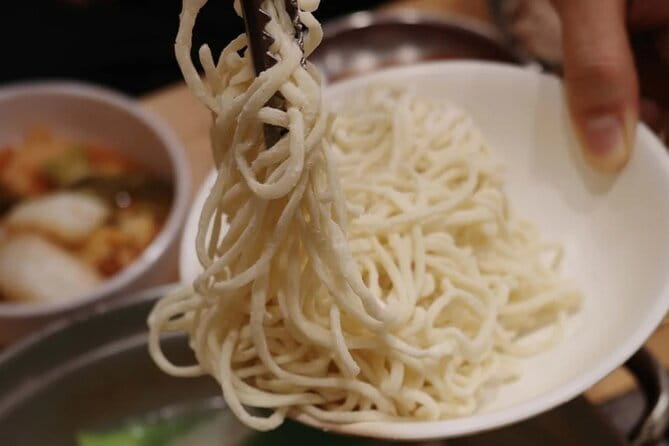
Some experiences connected to this tour have included hearty, traditional sit-down options like chicken noodle soup and Korean beef. Even if your specific dinner differs, you can expect the food to be substantial, not just small bites.
Licensed Guide and a Private Group: How That Changes the Feel
A licensed guide is included, and the private-group format shapes how the food conversation happens. Instead of rushing, you can ask questions when something catches your attention, like a particular seasoning, a technique, or why certain side dishes belong together.
The name that stands out in multiple accounts of this experience is Eunice. People highlight her warmth and the way she connects food with history and culture, not just facts. One of the best parts of the guide approach is the pacing, with enough time between stops to let you digest and prepare for the next tasting.
This is also where the tour earns its Beyond in the title. Korean food is not only about what’s famous online. When your guide understands the local angles, you tend to get the kind of places you might not find on your own, including smaller, family-run spots.
Budget Reality: Who Should Pay $195, and Who Gets the Best Use Out of It
I think this tour is a strong value if you fall into one of these groups:
- You want a food-first plan in central Seoul without spending half the day figuring out what to eat and where.
- You like context. If you enjoy hearing how culture shapes cooking, the guide-led explanations make the tasting more meaningful.
- You want variety. A day that includes banchan, bibimbap, snacks, and dinner is easier than recreating that on your own.
It may not be the best fit if you mainly want one of two things: long, unhurried palace time or deep shopping time. This is scheduled for food plus a handful of iconic stops, so you won’t feel like you can linger for hours in every location.
Also, since the tour involves walking and public transport is part of the setup, comfortable shoes and a realistic pace will make or break your enjoyment.
So, Should You Book This Seoul Food Tour?
Book it if you want to understand Korean eating the way locals do, where the table is a team effort and side dishes matter as much as the main bowl. I especially recommend it if you’re trying Seoul for the first time or if you already like Korean food and want the next layer, the parts that build flavor before you even reach the headline dish.
Skip it or choose something else if you dislike walking between central neighborhoods or if you want a purely sightseeing day. This experience is designed to feed you both with food and with explanations that connect culture to cooking.
FAQ
What time does the tour start?
It starts at 1:00 pm.
How long is the tour?
The duration is about 5 hours.
Where is the meeting point?
You meet at JW Marriott Dongdaemun Square Seoul, 279 Cheonggyecheon-ro, Jongno District, Seoul, South Korea.
Will I need a paper ticket?
No, the tour uses a mobile ticket.
Is the tour private?
Yes. Only your group will participate.
What is included in the price?
A licensed guide, bottled water, snacks, dinner, and alcoholic beverages are included.
Are admissions required for the stops?
For the listed major stops, admission tickets are free.
Is transportation included?
Private transportation is not included.
What is the cancellation policy?
Free cancellation is available up to 24 hours in advance for a full refund. If you cancel less than 24 hours before the start time, the amount paid will not be refunded.
Recently reviewed in Seoul
- You’re Invited to Our Home in Seoul: The Only Cooking Class!★ 5.0 · 8 reviews
- Your Personal Seoul Photographer!★ 4.1 · 15 reviews
- From Seoul: Yongpyong Ski Day Tour with Transportation★ 4.9 · 40 reviews
- Seoul: Korean & English Language Exchange Global Party★ 5.0 · 28 reviews
- Watching sports match & local food experience in Seoul★ 5.0 · 11 reviews
- WKT Combat Taekwondo & Self-defense One Day Class in Seoul★ 5.0 · 5 reviews
- Unique Native Experience : Han River Picnic, Board game, BBQ★ 5.0 · 3 reviews
- Seoul: Gangneung BTS K-Pop & K-Drama Filming Locations Tour★ 4.6 · 14 reviews
Food & Drink, compared.
Downtown Seoul Guided Food & Market Tour with 8+ Local Tastings
Read our review →
Seoul Night Palace & Market Food Tour with Vehicle
Read our review →
Seoul Fun Food Tour: 12 different food tastings
Read our review →
The Award-Winning PRIVATE Food Tour of Seoul: The 10 Tastings
Read our review →
Jasmil Baseball Stadium Game Ticket with Dinner/Beer
Read our review →Browse the lists this tour appears in