
Reviewed · FOOD & DRINK
Rice Wine Tasting with Sommelier – Finest Makgeolli (& Soju)
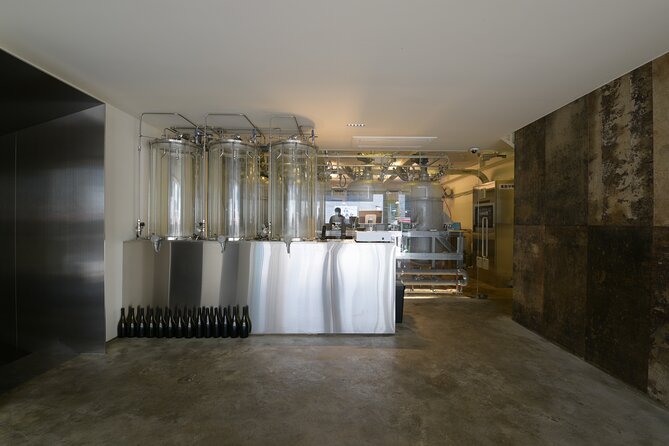
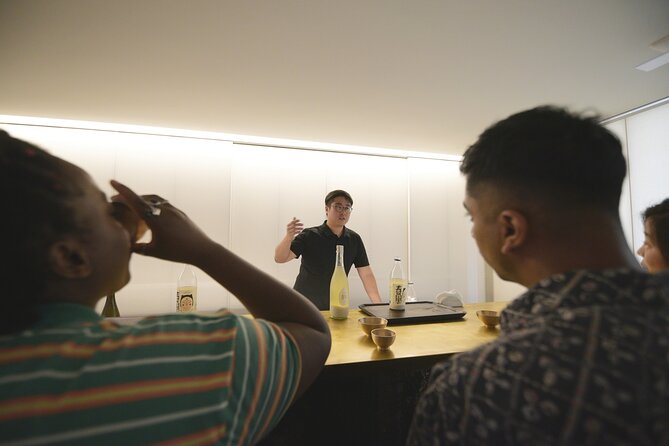
Makgeolli gets real fast when someone explains it. This small-group tasting in Seoul focuses on rare makgeolli plus a soju component, led by sommelier Jay and certified brewer Sam Lee. It takes place in a hidden backroom inside a specialty rice wine shop, so the vibe is more like a focused class than a loud bar crawl.
What I like most is the chance to sample finest and hard-to-find makgeolli that you would not easily track down on your own, including bottles from small local producers. I also like the way the hosts share context in plain English, so even if you have only had the familiar bottle before, you leave understanding what you are actually tasting.
One consideration: this venue is adults only (they use a 2005 birth year cutoff in 2024), so it is not an option for younger visitors.
In This Review
- Key highlights to look forward to
- Why this makgeolli tasting near Hapjeong feels like a private class
- Getting oriented: meeting at Sool Society in Messenapolis
- Inside the backroom: what actually happens during the 1 hour 20 minutes
- Makgeolli 101 made practical, not technical
- Comparing makgeolli and soju in the same session
- The rare-bottle approach: why small producers matter
- Price and value: is $40.85 worth it?
- Who should book this, and who might skip it
- FAQ
- FAQ
- What is the duration of the rice wine tasting?
- What time does it start in Seoul?
- Where do I meet for the tour?
- Is the venue near public transportation?
- How big is the group?
- Is this experience only for adults?
- What ticket type will I receive?
- Will I get confirmation after booking?
- What if I need to cancel or if weather is bad?
- Should you book this makgeolli and soju tasting?
Key highlights to look forward to
- Jay and Sam Lee lead the session, with Jay as the sommelier and Sam as the certified brewer
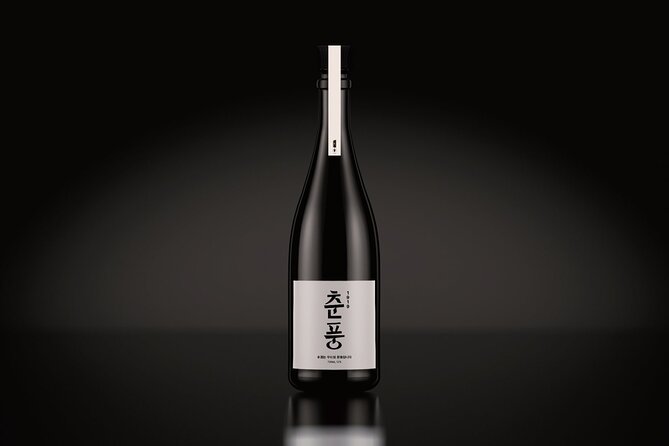
- Finest and rare makgeolli across categories, including bottles from small local producers
- Hidden backroom tasting in a specialty rice wine shop, inside a mall linked to Hapjeong station
- Small group size (max 10), which helps you get real answers instead of quick blurts
- You can buy bottles to take home from the shop after tasting
- Makgeolli plus soju in the same experience, so you compare Korea’s rice-based drinks
Why this makgeolli tasting near Hapjeong feels like a private class
If your first makgeolli experience was basically, tastes fine, this tour will reset that. The point here is not only to drink. It is to learn how Korean rice alcohol fits together, from fermentation and flavor to why the drink has such a strong cultural role. You taste a selection designed to show variety, including versions that are not common around Seoul.
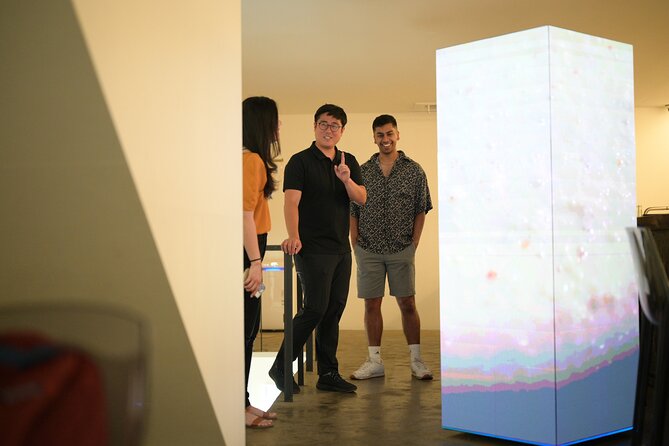
I like that the hosts are not doing it as a lecture. Jay and Sam Lee guide you through tastings with stories and explanations, and the group stays small, up to 10 people. That makes it easier to ask questions like what changes from one bottle to another, or why makgeolli looks hazy and feels different from clearer spirits.
Also, the setting helps. The tasting happens in a backroom of a specialty shop. You are not fighting for space at a counter. You get that focused, calm feeling that makes the flavors easier to notice.
More Food Tours in Seoul:
- Seoul Street Food Market Tour
★ 5.0 · 1,226 reviews - Seoul: Night Market Food Tour with Local Guide
★ 4.9 · 943 reviews - Downtown Seoul Guided Food & Market Tour with 8+ Local Tastings
★ 5.0 · 580 reviews
Getting oriented: meeting at Sool Society in Messenapolis
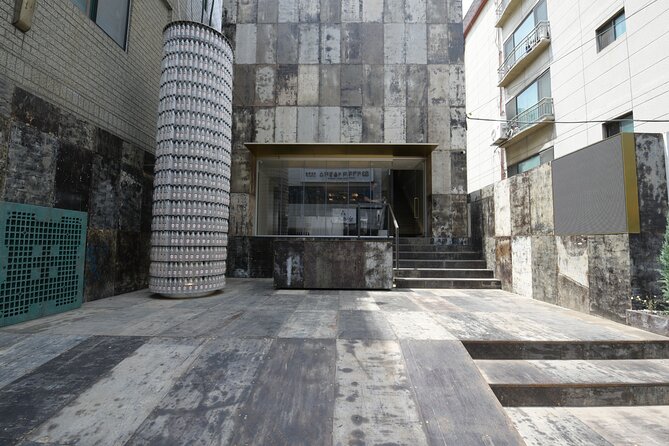
Your start point is Sool Society, located in Seoul, Mapo-gu, Yanghwa-ro 45, inside Messenapolis underground 1, unit B139. The good news is that it is in a mall connected to Hapjeong station, which makes the location easier to reach at 5:00 pm than hidden streets far from transit.
This timing matters. A 5:00 pm start is perfect if you want something before dinner, but not so early that you are stuck eating late. You finish back at the meeting point, so you are not planning a complicated second leg afterward.
One practical tip: since the venue is in an underground mall unit, give yourself a little buffer to locate B139. Once you are in, you are set. The rest of the experience stays tight and organized around the tasting timeline (about 1 hour 20 minutes).
Inside the backroom: what actually happens during the 1 hour 20 minutes
The session is built around guided tasting of makgeolli, with a soju component included in the overall experience title. You do not just receive a flight and a thumbs-up or thumbs-down. The hosts run the show, pairing explanations with the act of tasting, so you connect flavor with process.
Expect conversation and guided attention from the start. Sam Lee is a certified brewer, so when you hear the why behind certain tastes, it comes from the brewing side. Jay brings the sommelier lens, which helps you break down what you are noticing, even if you are not a trained alcohol taster.
The group is limited to 10 travelers, which I consider a real quality factor here. In bigger tastings, you often end up quietly tasting while the guide talks to everyone else. In this size, you are more likely to get direct answers, and the hosts can adjust the flow based on what you are curious about.
The tasting is also a chance to discover bottles you likely have never seen in typical bars. The experience is explicitly about the finest and rarest makgeollis across Korea, including selections from small producers. That means you get a more “collector” feel, not just standard crowd-pleasers.
Makgeolli 101 made practical, not technical
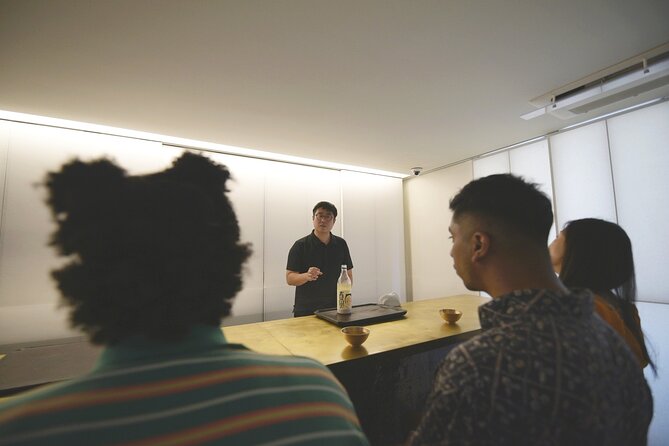
Makgeolli has a reputation problem. It is widely consumed, yet many people do not actually understand what makes it different. The tour addresses that head-on.
Here is the core idea you will hear and taste: makgeolli is fermented and unfiltered, which is why it is often hazy instead of clear. That unfiltered nature is not just visual. It tends to influence texture and flavor impression, and once you know that, the tasting becomes more than guessing.
You also get the cultural context behind the drink. One of the most praised parts of the experience is that learning the cultural roots and significance is what makes the whole session special, not just the alcohol itself. In other words, you come away with an appreciation you can carry into future tastings, so you do not need the guide next time.
I like how the hosts frame history and background in a way that supports the tasting. Instead of a distant timeline, you learn through what you sample. When you compare bottles and hear the story behind them, you start noticing the differences more clearly.
And yes, the drinks are meant to be enjoyable. The experience stays focused on flavor variety, not just rules and theory. You will leave with a sense of what you prefer, and why.
A few more Seoul days worth comparing
- Best DMZ Tour Korea from Seoul (Red Suspension Bridge Optional)
★ 5.0 · 41,422 reviews - DMZ Tour: 3rd Tunnel, Option(Suspension Bridge, Boat) from Seoul
★ 5.0 · 21,373 reviews - DMZ tour south Korea from Seoul (NK experience hall, defector)
★ 5.0 · 20,599 reviews - Seoul: The Best DMZ Tour with Optional Suspension Bridge
★ 4.7 · 4,978 reviews
Comparing makgeolli and soju in the same session
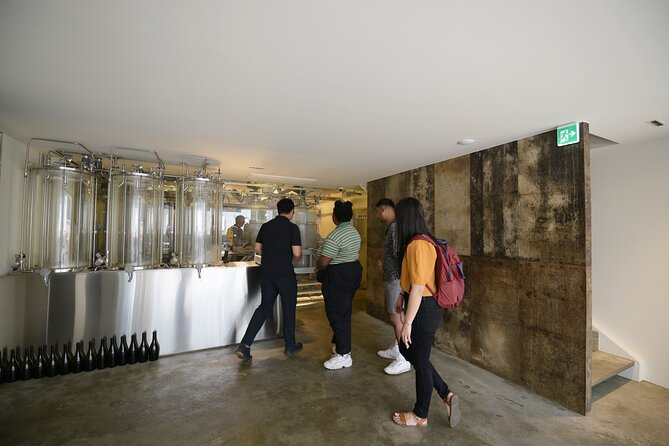
The experience name includes soju alongside makgeolli, and that pairing is more useful than it sounds. Even if you are already familiar with soju, tasting it in the same guided context helps you understand how it relates to the rice-alcohol world around it.
I like this approach because it stops you from treating Korean drinks as separate categories you never connect. If you have only had the common soju options, this gives you a broader view of the role rice-based alcohol plays in Korea. You can taste, then compare, then go home with a clearer mental map.
From the way the hosts present information, you are not just collecting drinks. You are building vocabulary for what you notice. That makes your next bar stop more confident. Instead of ordering blindly, you can ask for something that matches the style you enjoyed during the tasting.
The small-group format also makes comparison easier. You can pay attention to how the guide shifts your focus from one drink to the other, and you can ask questions without feeling rushed.
The rare-bottle approach: why small producers matter
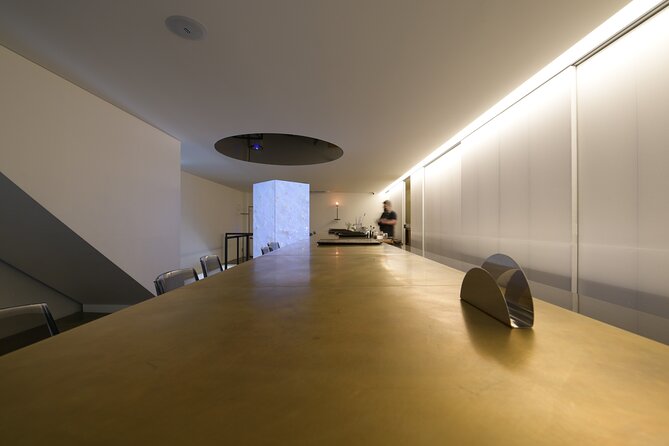
A big part of the value here is the emphasis on bottles from small local producers. The goal is to introduce you to the best makgeolli in each category, including options that are hard to find in the usual channels.
This matters because the “usual makgeolli” experience can get repetitive. If you only taste the bottles that show up everywhere, you might think makgeolli tastes like one thing. Sampling a broader set helps you see what range actually exists. One of the strongest review themes is that people learned new styles and tasted makgeolli not normally seen around town.
It also creates a souvenir you can bring home, not just photos. The shop sells goods you can purchase to take back with you in Seoul. Even if you do not buy a full bottle, you can often leave with something that extends the experience after your trip.
If you want the best results from this kind of tasting, come ready to taste with intent. When you find a bottle you like, tell the hosts what you liked about it. That usually helps you choose what to buy after, instead of grabbing whatever looks interesting.
Price and value: is $40.85 worth it?
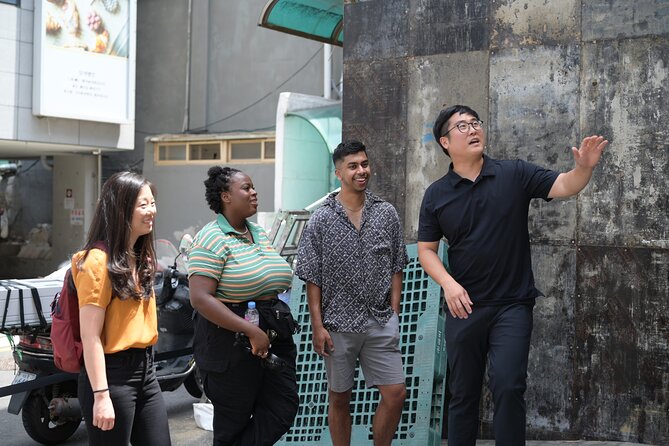
At $40.85 per person for about 1 hour 20 minutes, you are paying for more than drinks. You are paying for guided tasting, professional hosting, and access to rare selections you might not find easily on your own.
Here is how I judge value for this type of experience:
- The small group size helps keep the guidance personal, not generic.
- The hosts are doing both roles, sommelier thinking plus brewing expertise.
- The selection is designed for variety, including finest and rare makgeolli rather than only common options.
- You get the chance to buy bottles from the shop afterward, which can make the experience pay back in the form of take-home items.
If your idea of a night out is casual and unstructured, you might feel this costs more than you expected. But if you want an efficient, high-signal introduction to Korean rice wine and soju, this price is easier to justify. You spend less time guessing and more time learning what to look for next time.
Who should book this, and who might skip it
This is a great fit if:
- you want a guided makgeolli experience that explains what you taste
- you enjoy discovering small producers and rare bottles
- you prefer calm, organized settings over noisy tastings
- you are traveling with enough interest to ask questions, since the group is small
It may be less ideal if:
- you are sensitive to adult-only venues and age checks, since this one has restrictions
- you want a fully self-paced activity, because the timing and guided structure drive the experience
- you cannot commit to the 5:00 pm start time
Also, if you are traveling as a couple, this can feel like a tailored class without the cost of a private tour. If you are traveling solo, the group size makes it easier to meet the hosts and get answers that fit your questions.
FAQ
FAQ
What is the duration of the rice wine tasting?
The experience lasts about 1 hour 20 minutes.
What time does it start in Seoul?
It starts at 5:00 pm.
Where do I meet for the tour?
Meet at Sool Society, Seoul, Mapo-gu, Yanghwa-ro 45, Messenapolis underground 1, B139.
Is the venue near public transportation?
Yes. It is near public transportation, and it is located in a mall connected to Hapjeong station.
How big is the group?
The maximum group size is 10 travelers.
Is this experience only for adults?
Yes. Only adults are allowed, using an age cutoff of born in 2005 or before (as stated for 2024).
What ticket type will I receive?
The experience uses a mobile ticket.
Will I get confirmation after booking?
Yes. Confirmation is received at the time of booking.
What if I need to cancel or if weather is bad?
The experience is non-refundable and cannot be changed for any reason. If it is canceled due to poor weather, you will be offered a different date or a full refund.
Should you book this makgeolli and soju tasting?
I think you should book it if you want a focused introduction to Korean rice alcohol, with real explanations from people who understand the drink from both a sommelier and brewing angle. The strongest reasons to go are the rare makgeolli bottles, the small group setting, and the fact that you learn the cultural context behind what you are tasting, not just how to swallow it.
I would skip it if you cannot meet the adult-only requirement, or if you prefer self-guided tastings where you can come and go at your pace. But for most people who like food and drink and want a smarter way to taste, this is a good use of an evening near Hapjeong.
Recently reviewed in Seoul
- You’re Invited to Our Home in Seoul: The Only Cooking Class!★ 5.0 · 8 reviews
- Your Personal Seoul Photographer!★ 4.1 · 15 reviews
- From Seoul: Yongpyong Ski Day Tour with Transportation★ 4.9 · 40 reviews
- Seoul: Korean & English Language Exchange Global Party★ 5.0 · 28 reviews
- Watching sports match & local food experience in Seoul★ 5.0 · 11 reviews
- WKT Combat Taekwondo & Self-defense One Day Class in Seoul★ 5.0 · 5 reviews
- Unique Native Experience : Han River Picnic, Board game, BBQ★ 5.0 · 3 reviews
- Seoul: Gangneung BTS K-Pop & K-Drama Filming Locations Tour★ 4.6 · 14 reviews
Food & Drink, compared.
Downtown Seoul Guided Food & Market Tour with 8+ Local Tastings
Read our review →
Seoul Night Palace & Market Food Tour with Vehicle
Read our review →
Seoul Fun Food Tour: 12 different food tastings
Read our review →
The Award-Winning PRIVATE Food Tour of Seoul: The 10 Tastings
Read our review →
Jasmil Baseball Stadium Game Ticket with Dinner/Beer
Read our review →Browse the lists this tour appears in