
Reviewed · PALACE TOURS
Layover tour to Gyeongbokgung-Folk Museum-Bukchon-Insadong
Your layover can still feel like Seoul. I like that Gyeongbokgung Palace gives you the backbone of Korean palace culture, not just pretty buildings, and I also like how Bukchon Hanok Village mixes old hanoks with modern skyline views. The only catch is time is tight, so this is more about smart highlights than deep, slow wandering.
This is a private, English guided half-day plan that starts at Incheon and ends at Seoul Station, built around getting you back on the right train. You get admissions plus transport handled for you, which is a big relief when you only have a few hours and you do not want to play navigation roulette.
In This Review
- Key things I think are especially good
- A 6-hour plan that starts at Incheon and ends at Seoul Station
- Train logistics: the AREX choice (express vs normal) actually matters
- Entering Gyeongbokgung Palace: why this palace is the Korea “starting point”
- National Folk Museum of Korea: “everyday life” is the real focus
- Bukchon Hanok Village: hanok lanes, skyline views, and quick photo wins
- Jogyesa Temple near Insadong: Buddhism’s headquarters feeling, minus the huge crowds
- Insadong in a half-day block: street culture with time for context
- Price and value: why $254 can make sense for a short layover
- Who this works best for, and who may want a different format
- My booking call: should you book this layover tour?
- FAQ
- How long is the tour?
- Where do you meet, and where does the tour end?
- Is there an English-speaking guide?
- What are the main stops during the tour?
- How do you travel between Incheon and Seoul?
- Are admission tickets and transportation included in the price?
- Is food included?
Key things I think are especially good
- Gyeongbokgung is explained like a story: Confucian ideas and Joseon-era meaning help the palace make sense fast.
- Bukchon views that actually frame well: Hanok lanes with Seoul tower lines in the background, timed so you are not just rushing.
- National Folk Museum focuses on everyday life: You see Joseon rituals and life stages from birth to illness to aging and more.
- Jogyesa Temple adds Korea’s Buddhist side: Small in size, big in importance, right near Insadong and Gyeongbokgung.
- Paul Koo runs the tour with photo help and clear context: He is local to Seoul, shares Confucianism in a way that clicks, and helps with great picture spots.
A 6-hour plan that starts at Incheon and ends at Seoul Station
This is built for layovers, so the pacing is purposeful. You start at Incheon International Airport, and the guide stays with you through the morning, taking you out to the sights and then guiding you to Seoul Station so you can catch your train back to Incheon.
The schedule is set to work even if you are new to Seoul. You usually head from Incheon toward Seoul by train first, then you do the palace and cultural stops, and you wrap up with a public-transport segment that gets you to Seoul Station for your departure.
A key detail: your train plan uses AREX, and you can choose your meeting time when you book. If you meet around 7:00 AM, the tour can finish around 1:00 PM at Seoul Station, giving you a clear window to connect to your return ride.
More Palace Tours in Seoul:
- Seoul: Gyeongbok Palace, Bukchon Village, and Gwangjang Tour
★ 4.9 · 2,321 reviews - Best Seoul City Tour (Gyeongbokgung Palace,Insadong,Namsan Tower)
★ 5.0 · 1,647 reviews - Small-Group Royal Palace and Seoul City Tour (hotel pick-up)
★ 5.0 · 1,474 reviews
Train logistics: the AREX choice (express vs normal) actually matters
You are not just told to “take a train.” The tour manages the rail piece, which is what makes it feel doable during a layover.
The plan favors the AREX express train because it is faster and moves often, about once an hour. It also uses designated seats, so you are not stuck hunting for space with luggage. The tradeoff is practical: in peak season, express seats can sell out, so you may need the backup plan.
The backup is the normal train option. The time difference is roughly 20 minutes, and the guide only swaps to normal if express is delayed by more than that threshold. That way, you are less likely to miss part of the sightseeing block.
One more smart element: the tour includes a return train ticket to Incheon as part of the overall plan. That means you are not spending your layover time figuring out platforms and ticket types under pressure. You just follow the guide to Seoul Station at the end, then go for your departure.
Entering Gyeongbokgung Palace: why this palace is the Korea “starting point”
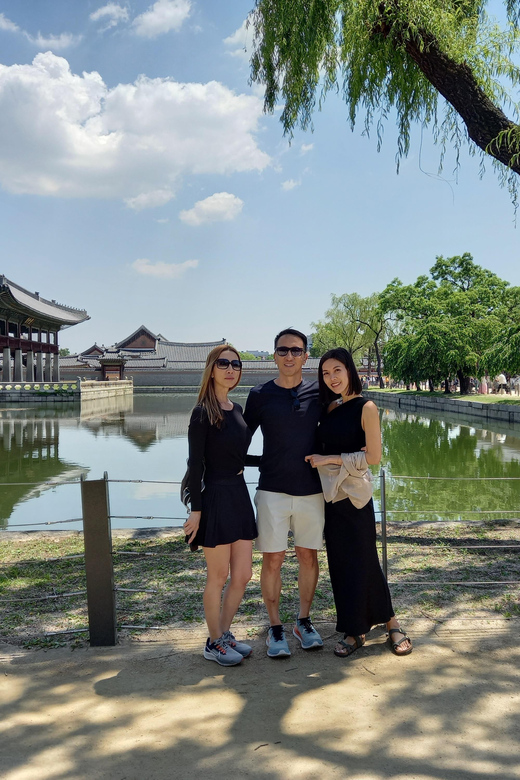
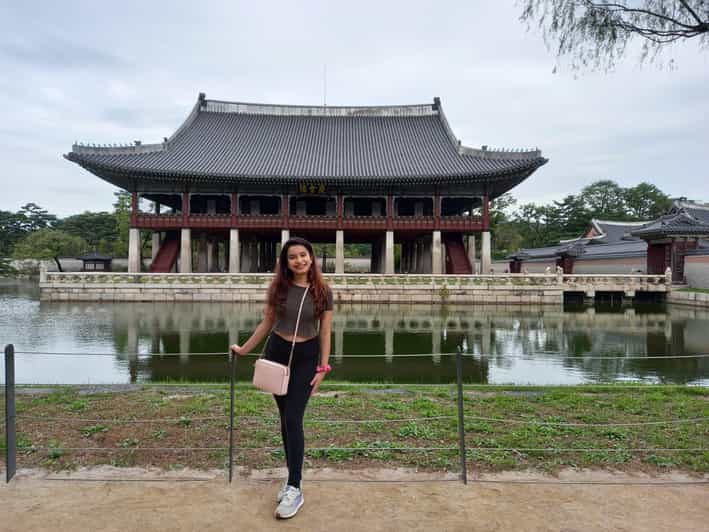
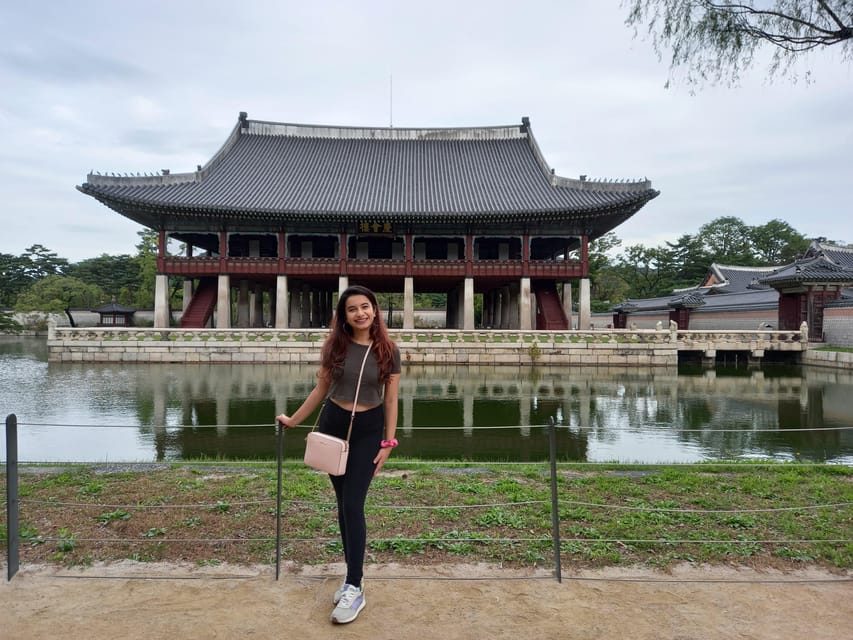
Gyeongbokgung is often called the essence of Joseon palace culture, and this tour treats it like that. You get about two hours with a guide at Gyeongbokgung Palace, which is a good amount for first-timers who want meaning, not just a fast walk past walls.
What makes the visit click is the cultural framing. The palace is tied to Confucian ideas, which shaped Joseon leadership and daily thinking. Confucianism is described as the spirit of Joseon Dynasty, and the guide’s job is to translate that into what you see in the architecture and space.
A few palace context points that help you enjoy the time:
- Gyeongbokgung was built as the main palace in 1395
- It is the largest Joseon palace site
- It is also notable for being laid out on flat land, which influences how the complex feels when you approach it
When you go in with that context, the palace stops being a pile of impressive buildings. You start noticing how the design reflects beliefs about order, hierarchy, and power, plus how space is used for ceremonies and governance.
A practical tip: in a two-hour guided slot, you will likely do more seeing than wandering. If you have specific photo angles you want, ask the guide where to stand while you still have momentum. One bonus from the guide experience is that he is also known for finding good picture spots and taking many photos for people at no extra charge.
National Folk Museum of Korea: “everyday life” is the real focus
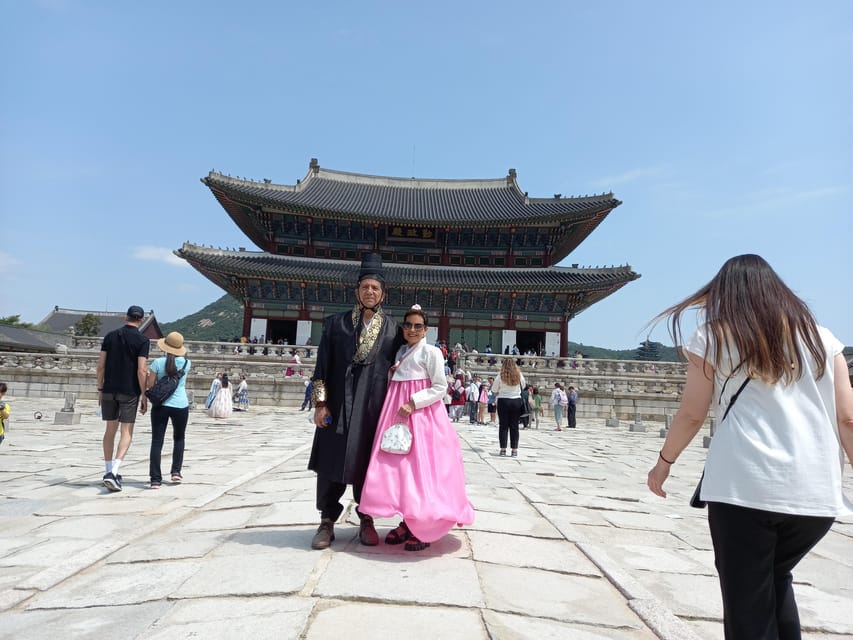
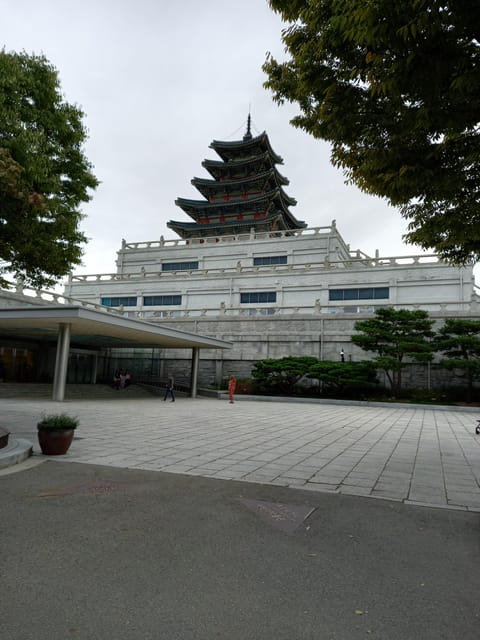
After the palace, you head to the National Folk Museum of Korea for about 30 minutes of guided time. Short? Yes. But this stop has a clear purpose, and it works well right after the palace, because it shifts you from rulers and official power to normal life in Joseon.
The museum is described as showing common people’s life and seasonal activities, including a life-cycle arc from birth through growth, marriage, aging, illness and treatment, and even death. It also covers rituals and commemorational events.
Here is why that matters for your day:
- The palace explains how society was organized at the top.
- The Folk Museum shows how that organization touched daily routines at the ground level.
With only 30 minutes, you will get the “big picture” version rather than a museum-day experience. If you love details like costumes, tools, and seasonal customs, you may wish you had longer. Still, as part of a layover tour, this is a strong choice because it gives you a different angle on Korean culture without eating up half your day.
More Incheon layover tours:
- Flexible Private Guided Tour in Seoul (Optional Incheon Layover)
★ 5.0 · 323 reviews - Private Airport Transfer * Incheon Airport <-> Seoul (1-5 people)
★ 5.0 · 235 reviews - Private Airport Transfer: Seoul City to Incheon Airport (1-5 pax)
★ 5.0 · 52 reviews - Private Transfer Incheon Airport <-> Seoul Korea
★ 4.5 · 44 reviews
Bukchon Hanok Village: hanok lanes, skyline views, and quick photo wins
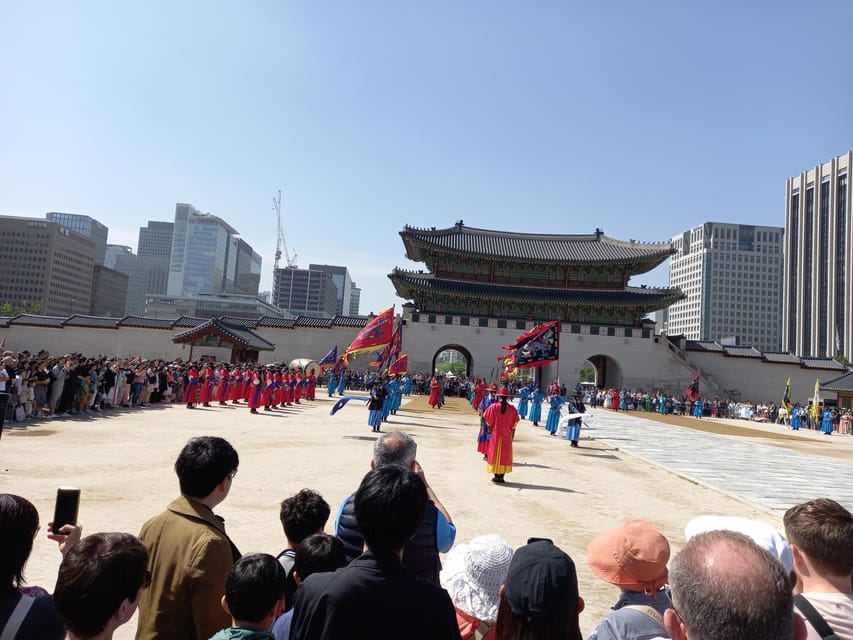
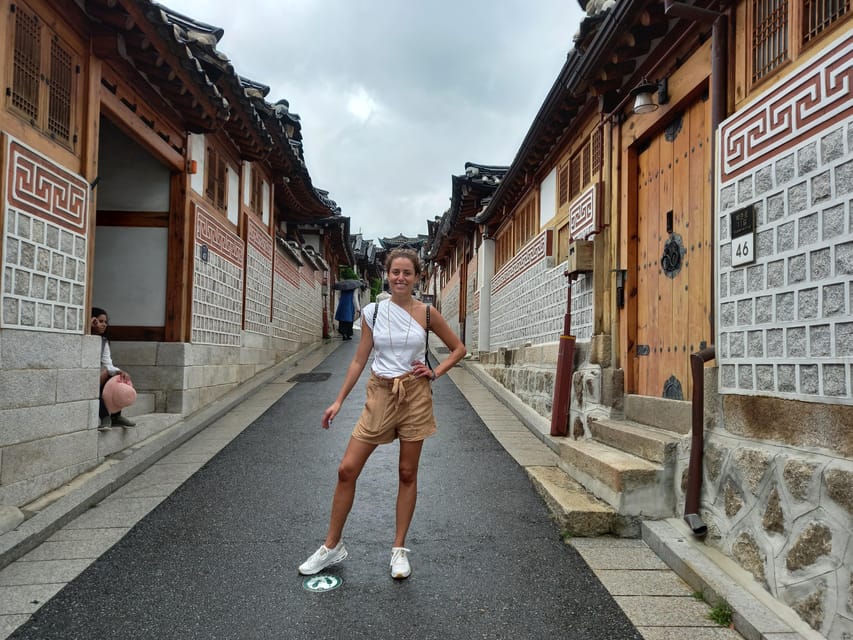
Then you move into Bukchon Hanok Village, often called a traditional hanok neighborhood in central Seoul. The tour time here is about 40 minutes, which is enough to see the key lanes and get that classic sense of Seoul’s old and new living in the same frame.
Bukchon is described as a large cluster of about 1,000 hanoks, and the payoff is the contrast. You get views where the traditional roofs and alleys blend visually with the modern skyline, with the N Seoul Tower in the background.
This is also where good guidance pays off. Without context, you can feel like you are just walking through pretty streets. With explanation, you start understanding why these neighborhoods matter, how hanok design relates to life and community, and why this area became a symbol of Korea’s living heritage.
A realistic consideration: 40 minutes sounds like a lot until you are actually on the ground, because there are slopes, photo stops, and people moving in both directions. The upside is that the walk is rewarding even if you do not go deep into every side lane. The goal is strong snapshots, memorable atmosphere, and a smooth flow toward Insadong.
Jogyesa Temple near Insadong: Buddhism’s headquarters feeling, minus the huge crowds
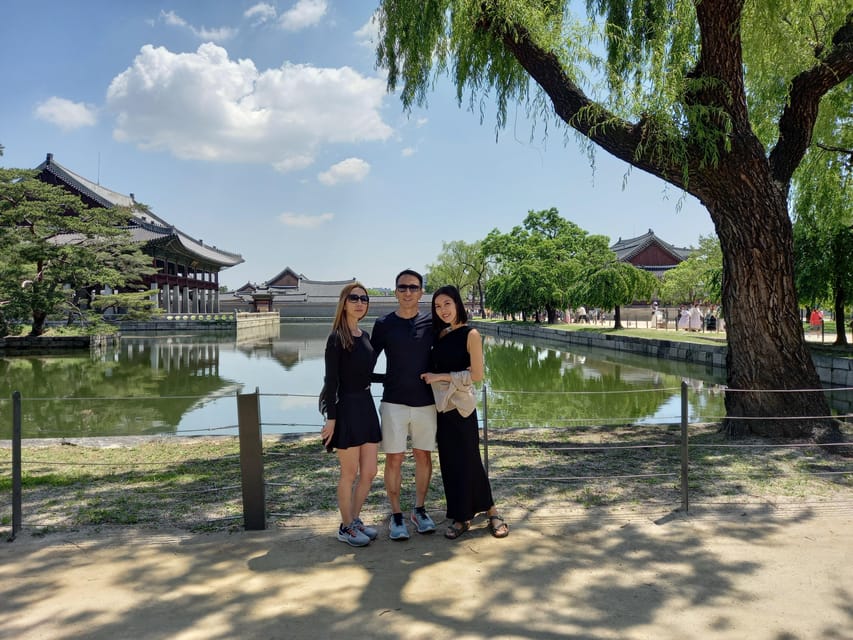
The tour includes Jogyesa Buddhist Temple, described as the headquarter of Korean Buddhism, built in 1926 and located in Insadong close to the Gyeongbokgung area.
Jogyesa is described as small, but that is part of the charm. You can get the spiritual significance without needing an all-day pilgrimage. Since the tour schedule is structured around major cultural sites, this temple stop helps you balance the Confucian palace story with Korea’s Buddhist tradition.
When you pair Jogyesa with the Folk Museum and then head to Insadong, you get three different lenses on Korean identity:
- palace culture and governance
- daily life and rituals
- Buddhist practice and religious leadership
Even if your personal interest is more historical than religious, this stop tends to feel refreshing because it is quieter than street shopping areas. It is also a great reset before you enter Insadong’s more street-level atmosphere.
Insadong in a half-day block: street culture with time for context
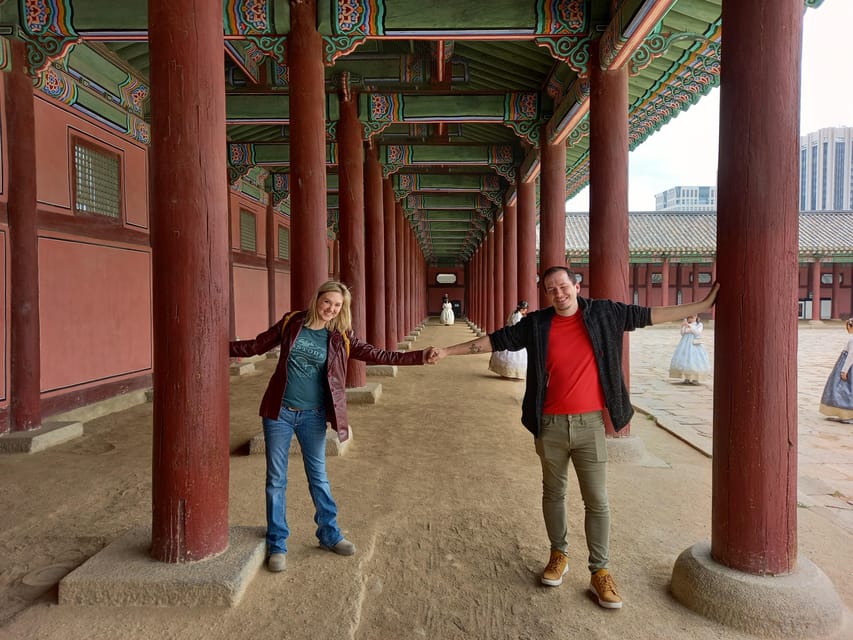
You finish with about one hour in Insadong, a famous Seoul street area associated with traditional culture. The tour gives you guided time to experience Insadong as a place, not just a name on a list.
Since this is a layover-focused timeline, one hour means you will likely do a focused walk rather than deep browsing. The big value here is context: the guide can point out what makes Insadong feel distinctly Korean, and help you understand how street culture fits into the larger heritage story you saw at the palace, the folk museum, and Bukchon.
If you want extra value from Insadong, use the guide’s local instincts. Based on the guide experience, Paul often connects sightseeing to practical day-to-day Seoul life, including where to find authentic street food and how to use public transportation efficiently. Even if you do not eat during the tour, hearing those tips can help you make better choices after the tour ends.
Price and value: why $254 can make sense for a short layover
The price is $254 per group, listed for up to 1 person. That looks expensive at first glance, but layover tours come with real costs: private guiding time, reserved-seat logistics, and admissions and transport coordination.
What you are getting for that price:
- A 6-hour English live guide
- Admission for Gyeongbokgung Palace
- Transport handling from Incheon to the sights and back toward Incheon
- An escort setup so you end at Seoul Station for your train home
- The train piece includes an AREX return plan to Incheon, which reduces confusion risk
Where the value really shows up is in stress reduction. If you are short on time, figuring out where to go inside Seoul while also managing a return train can cost more than the tour price in wasted minutes and mental load.
This tour also fits people who want a guided context layer. The guide, Paul Koo, is described as kind and very invested in making Confucian ideas easy to grasp. That kind of teaching quality is hard to replicate with a self-guided itinerary when you only have a few hours.
One consideration: if you already know Seoul well and you do not need a guide for context, a DIY transit plan could be cheaper. But if you want meaning plus logistics solved, this package is built for that.
Who this works best for, and who may want a different format
This tour is a good fit if:
- you have a short layover and want the essentials without the stress of planning
- you want architecture and cultural context, especially Confucian Joseon framing
- you prefer a private, English guided pace rather than group scrambling
- you value someone local helping with both sights and practical city navigation
It may not be ideal if:
- you want lots of free time for shopping or long museum reading
- you love slow wandering without a schedule
- you want multiple temples or neighborhoods in separate deep dives
Because the plan is built as a half-day sprint, it is best as a first taste of Seoul heritage. Think of it as the “I need to understand Korea quickly” option.
My booking call: should you book this layover tour?
I would book this if your layover is tight and you want to make the time count with cultural meaning. The combination of Gyeongbokgung, the Folk Museum, and Bukchon, then finishing in Insadong is a smart way to cover Korea’s identity from power and philosophy to everyday life and lived tradition.
I would skip it if your priority is lots of free wandering or you already have a strong plan for trains and admissions and prefer to go at your own pace.
If you do book, bring comfortable shoes, keep your expectations aligned to a 6-hour highlight plan, and use the guide’s strengths. Ask for picture spots, and lean on Paul’s Confucian context so you do not just see buildings, you understand why they were built and how they shaped the country.
FAQ
How long is the tour?
The duration is 6 hours.
Where do you meet, and where does the tour end?
You meet at Incheon International Airport. The tour ends at Seoul Station, specifically the airport railway area, so you can take your train back to Incheon.
Is there an English-speaking guide?
Yes. The tour includes a live guide in English.
What are the main stops during the tour?
The tour includes Gyeongbokgung Palace, the National Folk Museum of Korea, Bukchon Hanok Village, Insadong, and it also includes Jogyesa Buddhist Temple as part of the cultural plan.
How do you travel between Incheon and Seoul?
The plan uses AREX by express train when available, with normal trains as a backup if the express options are delayed. The guide manages the timing and seat strategy.
Are admission tickets and transportation included in the price?
Transportation from Incheon to the sights and back toward Incheon is included. Admission for Gyeongbokgung Palace is included, and admission costs are described as part of the package.
Is food included?
No, food and beverage are not included.
More Museums in Seoul
- Seoul: The War Museum, Jogyesa, and Tapgol Park Tour
★ 4.8 · 54 reviews - Seoul: War Memorial of Korea Private Guided Museum Tour
★ 4.9 · 29 reviews - DMZ Tour + The War Memorial of Korea Museum
★ 5.0 · 28 reviews - Color Pool Museum
★ 4.0 · 22 reviews
Recently reviewed in Seoul
- You’re Invited to Our Home in Seoul: The Only Cooking Class!★ 5.0 · 8 reviews
- Your Personal Seoul Photographer!★ 4.1 · 15 reviews
- From Seoul: Yongpyong Ski Day Tour with Transportation★ 4.9 · 40 reviews
- Seoul: Korean & English Language Exchange Global Party★ 5.0 · 28 reviews
- Watching sports match & local food experience in Seoul★ 5.0 · 11 reviews
- WKT Combat Taekwondo & Self-defense One Day Class in Seoul★ 5.0 · 5 reviews
- Unique Native Experience : Han River Picnic, Board game, BBQ★ 5.0 · 3 reviews
- Seoul: Gangneung BTS K-Pop & K-Drama Filming Locations Tour★ 4.6 · 14 reviews
Palace Tours, compared.
Gyeongbok Palace, Bukchon Village, and Gwangjang Tour
Read our review →
Best Seoul City Tour (Gyeongbokgung Palace,Insadong,Namsan Tower)
Read our review →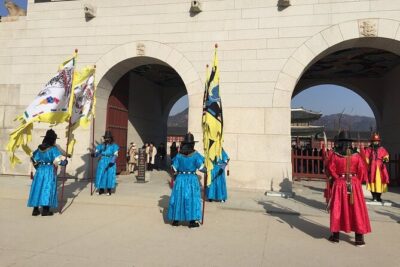
Small-Group Royal Palace and Seoul City Tour (hotel pick-up)
Read our review →
Seoul City Sightseeing Tour Including Gyeongbokgung Palace, N Seoul Tower, and Namsangol Hanok Village
Read our review →Gyeongbok Palace, Bukchon Village, and Gwangjang Tour
Read our review →
Palace, Temple and Market Guided Foodie Tour at Night
Read our review →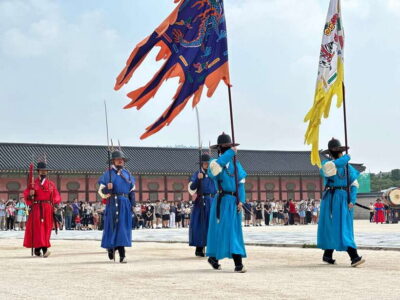
Seoul Highlights: Gyeongbok Palace, Insadong & N Seoul Tower
Read our review →
City Hightlights, Palace Tour, and Optional Hanbok
Read our review →Browse the lists this tour appears in