Reviewed · PRIVATE
Korean Green Tea Tour – from Boseong to Gangjin (Private)
Green hills, serious tea culture, one full day. This private route takes you through Boseong and the quieter tea world of Gangjin, with tastings that cover leaf tea, powdered tea, and rice cake tea in one smooth day.
I really like the way the tour mixes hands-on learning with views, not just photo stops. The tea ceremony experience in Boseong pairs nicely with the included matcha affogato, and the Gangjin side adds the kind of flavor storytelling most people miss on their own.
One consideration: it runs 9 to 10 hours, and lunch is not included, so you’ll want to plan for that one town stop and eat on the clock.
In This Review
- Key things to know before you go
- Boseong to Gangjin: why this tea route works
- The Boseong tea field stop that sets expectations
- Boseong-eup lunch hour, then a museum for tea nerds
- Nokcha-ro at Choroknip tea farm, the view stop you actually use
- Gangjin Dawon tea fields: where the day turns quieter
- Baegundong Hermitage Garden: tea culture with a walk in nature
- Seongjeon-myeon and the legacy of Baegun Okpan Tea
- Tea ceremony and tastings: how to get more from the included food
- Price and logistics: what $195 gets you in a private day
- Who this tour is best for, and who should think twice
- Should you book the Korean Green Tea Tour from Boseong to Gangjin?
- FAQ
- How long is the Boseong to Gangjin Korean Green Tea Tour?
- What does the tour include for tea tastings and the tea ceremony?
- Is lunch included in the tour price?
- What time does the tour start?
- Do I get pickup and private transportation?
- What happens if the weather is poor?
- Can I cancel for free?
Key things to know before you go
- Three tea styles, one day: leaf tea, powdered tea, and rice cake tea so you can actually compare flavors.
- Real tea places, not just viewpoints: major tea fields in Boseong and Gangjin, plus a tea museum stop.
- Boseong tea ceremony plus matcha affogato: hands-on tradition paired with a sweet, cold treat.
- Gangjin goes more historic: a Joseon Dynasty hermitage garden and a tea legacy tied to Baegun Okpan Tea.
- Private transportation with pickup: you spend less time figuring out buses and more time seeing the region.
- Good weather matters: the experience runs best when conditions are clear for walking outdoors.
Boseong to Gangjin: why this tea route works
Boseong and Gangjin are both tea regions, but they feel different. Boseong is known for its rolling green tea hills and the overall farming atmosphere, while Gangjin is quieter for foreign visitors and leans harder into the older cultural side of tea.
That matters because you are not just ticking off farms. You’re learning how Korean tea culture connects land, processing, and taste. The tour format helps you do that by putting you at multiple tea-focused stops across both regions, then bringing it together at the tasting moments.
A few more South Korea days worth comparing
- Busan Private Tour with licensed tour guide + private vehicle
★ 5.0 · 1,143 reviews - Private DMZ Tour (No Shopping): 3rd Tunnel & Suspension Bridge
★ 5.0 · 607 reviews - Jeju Island English Private & Flexible Tour any number anywhere
★ 5.0 · 561 reviews
The Boseong tea field stop that sets expectations
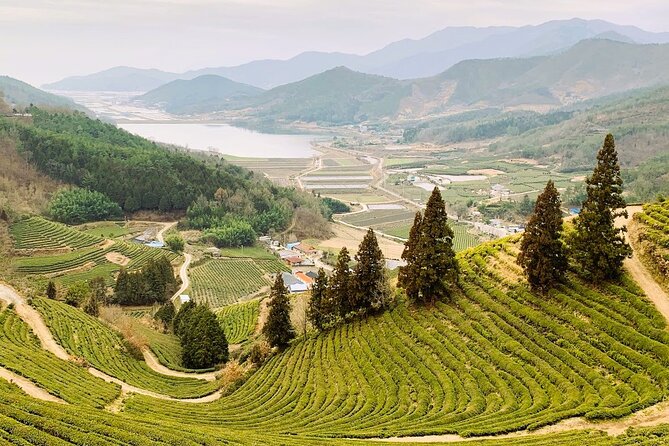
Your day starts with a first major tea field visit at Boseong Green Tea Field Daehan Dawon. You get about 1 hour 30 minutes here, with admission included. This is the kind of stop where you can look at the slopes, see how the tea grows, and get a feel for why Boseong draws visitors from far beyond South Korea.
A helpful detail is that the tour frames this area as organically grown tea. Even if you are not an expert, that context makes the tasting later feel more meaningful. You can connect what you see outdoors to what you later sample.
Practical tip: tea fields mean outdoor time. Wear shoes you can walk in without thinking, and bring a light layer even in warmer months.
Boseong-eup lunch hour, then a museum for tea nerds
After the first field stop, you get time in Boseong-eup for lunch, about 1 hour. Lunch is not included, but the tour helps by selecting popular local dishes. You choose what you want and pay at the restaurant. One dish listed is stir-fried nakji, Korean octopus.
Then you move to the Korea Tea Museum for about 1 hour, with admission included. This is one of the best pauses for your brain during a tea day. The museum explains characteristics of the tea plant and how it connects to six types of tea you can produce from it, plus the history of Korean tea and green tea production.
Why this is valuable: tastings can feel random if you do not have a framework. A museum stop gives you simple mental hooks, so when you later taste powdered tea and rice cake tea, you understand what you are looking for.
Small drawback: the pace here is efficient. If you prefer long museum time to keep reading everything, you may wish you had extra hours on your own.
Nokcha-ro at Choroknip tea farm, the view stop you actually use
Next comes Nokcha-ro, about 40 minutes, and this is where the tour earns its scenic reputation. The area is tied to Choroknip tea farm, and the viewpoint is described as one of the most beautiful tea field viewing spots in Boseong.
What you should do at this stop is simple: slow down on the terrace, then notice how the hills layer in depth. When the day shifts later toward Gangjin, you’ll appreciate how the geography changes the feel of tea culture, even when the plants are the same.
This is also a good moment to take a short breather if you are not a big walker. It is not a long hike, but it is outdoors, so keep water and sun protection in mind.
Same trip, a different corner of the country:
- Best DMZ Tour Korea from Seoul (Red Suspension Bridge Optional)
★ 5.0 · 41,422 reviews - DMZ Tour: 3rd Tunnel, Option(Suspension Bridge, Boat) from Seoul
★ 5.0 · 21,373 reviews - DMZ tour south Korea from Seoul (NK experience hall, defector)
★ 5.0 · 20,599 reviews - DMZ Insider Tour: 3rd Tunnel, NK Defector Meet & Red Bridge
★ 4.9 · 15,214 reviews
Gangjin Dawon tea fields: where the day turns quieter
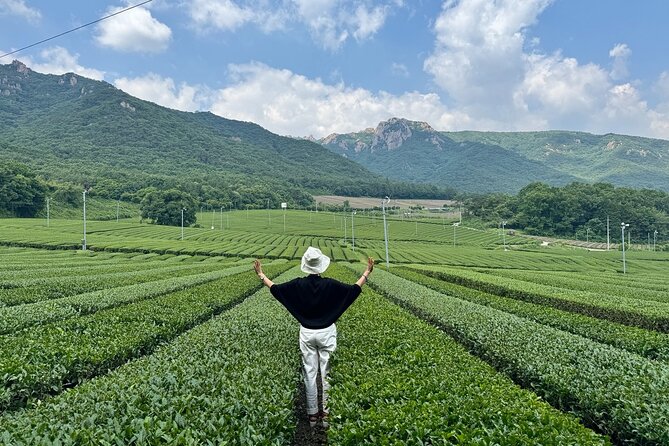
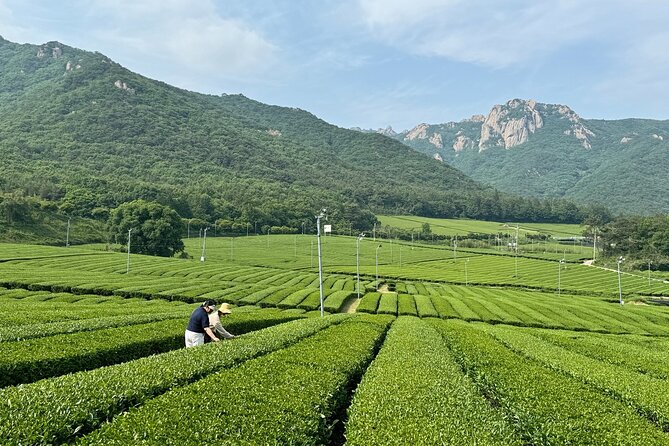
Then you shift to Gangjin Dawon, about 30 minutes. This tea field sits at the foot of Mt. Wolchulsan and has been cultivated since 1980 by Osulloc, a leading tea producer. That gives you a modern anchor inside an older tea region.
The listing notes that Gangjin’s tea culture dates back over a thousand years. Even if you do not memorize the timeline, the effect is that the region feels more like a living tradition than a theme park.
One thing to watch for: this stop is shorter than the first tea field. If you love spending time in the fields themselves, you may want to come back to Gangjin on another day for a longer wander after your main tour.
Baegundong Hermitage Garden: tea culture with a walk in nature
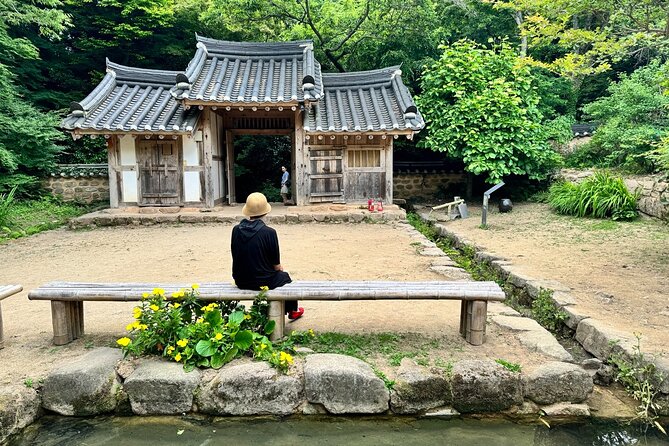
At Baegundong Hermitage Garden, you get about 40 minutes. This private garden is described as one of Korea’s most beautiful, and it was built in the late 17th century during the Joseon Dynasty.
This stop works because it adds variety. After tea fields and museum learning, you get a calmer pace and a different kind of tea context. The garden was designed to harmonize with nature, so you feel the cultural side of tea that is about atmosphere, not just taste.
Practical consideration: gardens usually mean paths. If you have knee trouble or prefer fewer stairs, still doable, but you might want to move slowly and keep your footing.
Seongjeon-myeon and the legacy of Baegun Okpan Tea
Your final tea-focused stop is in Seongjeon-myeon at Baegun Tea House, about 40 minutes. This is where the tour turns into story.
You learn about Baegun Okpan Tea, created in the 1920s by Lee Han-young, described as a descendant of one of Jeong Yak-yong’s disciples. The context tied to exile in Gangjin is part of why this tea brand became meaningful in the region.
You also get a tasting of historical rice cake tea in Gangjin as part of the included experience. This matters because rice cake tea is not the same category as the matcha or brewed leaf teas you might expect. It helps you understand how Korean tea culture adapted to local food and tradition.
If you like unusual food history and you enjoy learning why a tradition survived, this is the section that tends to stick with you long after the day ends.
Tea ceremony and tastings: how to get more from the included food
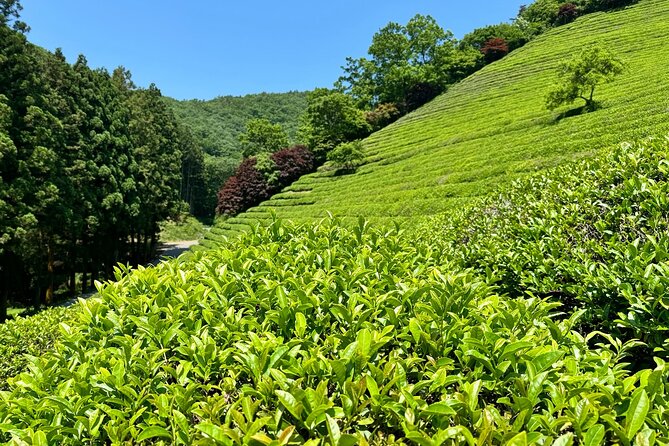
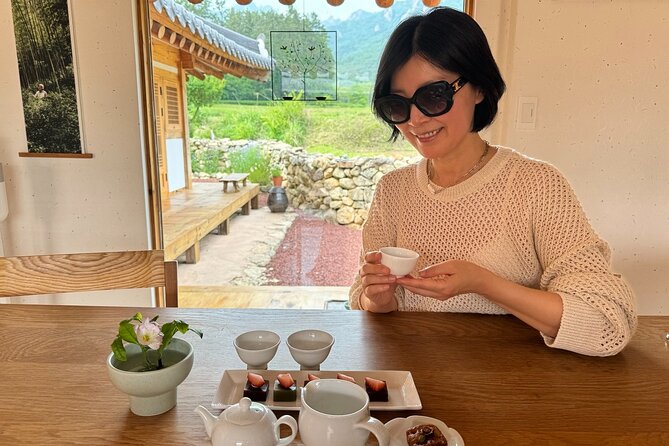
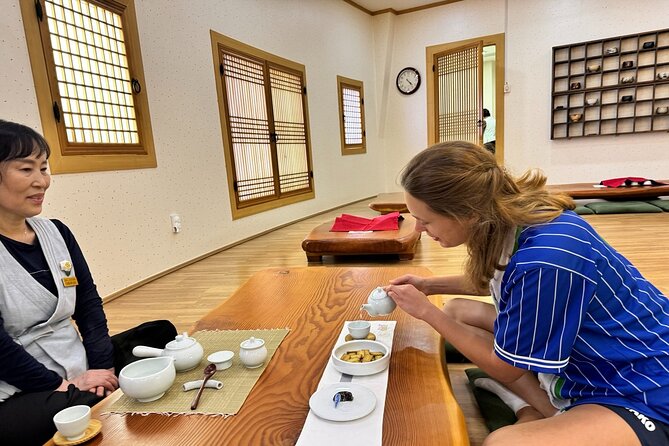
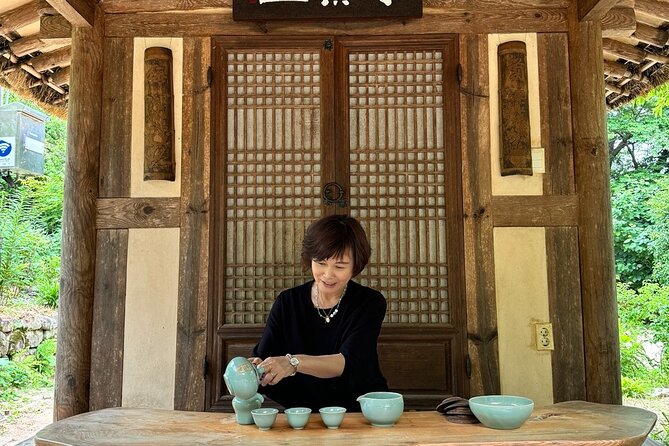
This is not a tour where food shows up, then disappears. The tour includes an actual Korean tea ceremony experience in Boseong, plus matcha affogato (powdered green tea with green tea ice cream), and it includes historical rice cake tea in Gangjin.
For you, the key is to treat the tastings like comparisons, not souvenirs. When you taste, pay attention to texture and temperature, not only flavor. Powdered tea can feel different on the tongue than brewed leaf tea, and rice cake tea adds a different base expectation entirely.
Also, take the time to ask your guide at least two questions: what makes the tea style different, and what is the most common way locals drink it. Even if your questions are basic, you’ll leave with a mental map of Korean tea beyond one type of matcha.
Price and logistics: what $195 gets you in a private day
At $195 per person, this tour is not cheap, but it is easier to justify than many half-day “sightseeing” options because so much is included.
For starters, you get private transportation and pickup, plus all fees and taxes. You also get admission included at two major stops: Boseong Green Tea Field Daehan Dawon and the Korea Tea Museum. Other stops are free, which helps balance the day.
Value also comes from time. Travel between regions is planned and paced:
- Gwangju to Boseong is about 70 minutes
- Boseong to Gangjin is about 50 minutes
- Gangjin to Gwangju is about 70 minutes
With a full day running roughly 9 to 10 hours, you’re spending your energy on the places you came for, not on transit puzzle solving.
A smart move if you have flexibility: book ahead. The experience is commonly booked about 65 days in advance, so earlier planning helps you lock in dates.
Who this tour is best for, and who should think twice
This tour is a strong fit if you:
- Want a structured day built around tea culture, not just scenery
- Care about comparisons, leaf tea vs powdered tea vs rice cake tea
- Like having a guide to connect food and places, so the day feels cohesive
- Are based around Gwangju and want an efficient route without juggling buses
It may be less ideal if you:
- Hate long days, since it runs close to 10 hours
- Prefer lunch included in the price, because you’ll handle lunch during the Boseong-eup stop
- Want total freedom to linger slowly at every site, since the schedule keeps things moving
Should you book the Korean Green Tea Tour from Boseong to Gangjin?
Book it if you want a tea-focused day that actually teaches you what you’re tasting. The strongest reason is the mix of hands-on tea ceremony, museum context, and tastings that cover more than one tea style.
Skip it only if your priority is pure lounging or you dislike spending time outdoors in tea regions. Otherwise, the private ride, the planned stop sequence, and the included tastings make this a good use of your time if you have one shot to do Boseong and Gangjin in the same day.
FAQ
How long is the Boseong to Gangjin Korean Green Tea Tour?
The tour runs about 9 to 10 hours.
What does the tour include for tea tastings and the tea ceremony?
It includes a Korean tea ceremony experience in Boseong, matcha affogato (powdered green tea with green tea ice-cream), and historical rice cake tea in Gangjin.
Is lunch included in the tour price?
No. Lunch is not included, but you do get a lunch time stop in Boseong-eup where you can choose a meal and pay at the restaurant.
What time does the tour start?
The start time is 9:30 am.
Do I get pickup and private transportation?
Yes, pickup is offered, and the tour includes private transportation.
What happens if the weather is poor?
This experience requires good weather. If it is canceled due to poor weather, you will be offered a different date or a full refund.
Can I cancel for free?
Yes. You can cancel for free up to 24 hours in advance for a full refund.
Recently reviewed in South Korea
- You’re Invited to Our Home in Seoul: The Only Cooking Class!★ 5.0 · 8 reviews
- Your Personal Seoul Photographer!★ 4.1 · 15 reviews
- From Seoul: Yongpyong Ski Day Tour with Transportation★ 4.9 · 40 reviews
- Yeosu: Private Taxi Car Private Charter Tour★ 4.7 · 3 reviews
- Seoul: Korean & English Language Exchange Global Party★ 5.0 · 28 reviews
- Watching sports match & local food experience in Seoul★ 5.0 · 11 reviews
- Western Jeju Healing UNESCO Small Group Day Tour★ 5.0 · 5 reviews
- WKT Combat Taekwondo & Self-defense One Day Class in Seoul★ 5.0 · 5 reviews
Private, compared.
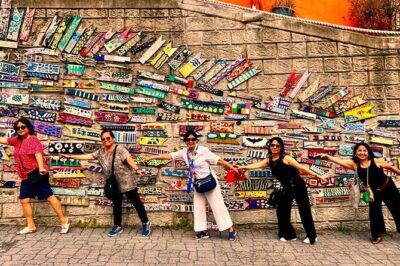
Busan Private Tour with licensed tour guide + private vehicle
Read our review →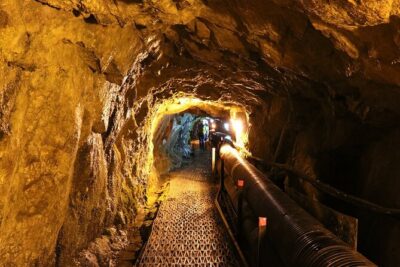
Private DMZ Tour (No Shopping): 3rd Tunnel & Suspension Bridge
Read our review →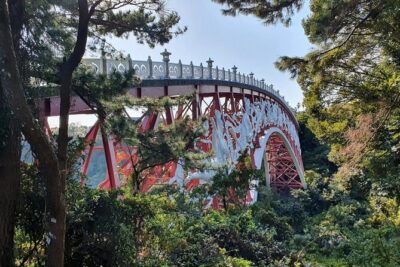
Jeju Island English Private & Flexible Tour any number anywhere
Read our review →
Private Busan Tour -Explore Cultural Landmarks with a Local Guide
Read our review →
Seoul City Private Full-Day Tour Including Lunch
Read our review →
Private DMZ the 3rd Tunnel Tour from Seoul (optional Red Bridge)
Read our review →
Seoul Highlights & Hidden Gems Tours by Locals: Private + Custom
Read our review →