
Reviewed · KOREAN FOLK VILLAGE TOURS
Korean Folk Village and Suwon Hwaseong Fortress Day Tour(EG Tour)
A day of old Korea and new stories. This EG Tour pairs Korean Folk Village performances with a real walk along Suwon Hwaseong Fortress walls, then finishes with free time at a classic Suwon market.
I like this itinerary for two reasons. First, you get round-trip transportation that keeps your day simple, and you are not stuck figuring out buses and timing. Second, the guides (I saw names like Joon Chang, Cecilia, Gina, Jonathan, Julie, Laura, and Stella) tend to explain the Joseon-era context in a way that makes the sights easier to understand. The one drawback is that the folk village can feel more like a visitor-focused reconstruction than a true living community, and the fortress stop can feel a bit time-tight if you want to wander slowly.
In This Review
- Key things to know before you go
- Price and what you’re really paying for
- Getting out of Seoul: how the 10 to 11 hour day feels
- Korean Folk Village: performances and Joseon-era life in a visitor setting
- Suwon Hwaseong Fortress: UNESCO walls with real walking time
- Suwon Nammun Market: a useful finish with snack options
- Guides, group size, and how to get the most out of the bus
- Where this tour fits best (and where it does not)
- Price and value: is $69.52 a fair deal?
- Tips to make your day go smoother
- Should you book this Korean Folk Village and Suwon Hwaseong Fortress tour?
- FAQ
- How long is the tour?
- How much does the tour cost?
- What attractions are included in the tour?
- Are entrance fees included?
- Who will you meet on the tour, and what languages do they speak?
- Is the ticket mobile?
- Is there free cancellation?
Key things to know before you go
- Mobile ticket: You show up with a phone ticket, so you do not need printed paperwork.
- Three major stops, tight timing: Korean Folk Village gets about 3 hours, the fortress about 1.5 hours, and the market about 1 hour.
- Live cultural performances at the park: Plan on shows like horseback martial arts and a traditional wedding ceremony.
- UNESCO fortress walls you can walk: You are not just looking at photos, you get time on the ramparts.
- Smallish group for a full-day bus: Maximum group size is 43, which usually keeps the logistics manageable.
Price and what you’re really paying for
The price is $69.52 per person for a full day out of Seoul, with entrance fees included. That sounds straightforward, but the value depends on what you want most: guided cultural stops versus independent exploring.
Here is the good part. You are paying for three things at once: transport, English and Chinese-speaking staff support, and paid entries at the Korean Folk Village and Suwon Hwaseong Fortress. The market time is free-entry. For many people, that bundle matters because both attractions sit outside central Seoul and are easier when someone else handles the route and timing.
Also, you are not committing to a tiny “half-hour add-on.” This is a long outing, about 10 to 11 hours total, with the fun concentrated in roughly 7 to 8 hours of on-site time. If you enjoy history and live performances, you will probably feel like the day was worth the bus ride.
More Hwaseong Fortress tours:
- Seoul: Suwon Hwaseong Fortress & Korean Folk Village Tour
★ 4.7 · 214 reviews - Beyond Seoul: Starfield Library, Hwaseong Fortress & Cave Quest
★ 5.0 · 177 reviews - From Seoul: Suwon Hwaseong Fortress Tour
★ 5.0 · 108 reviews
Getting out of Seoul: how the 10 to 11 hour day feels
This tour runs 10 to 11 hours end to end, even though the sightseeing blocks are shorter. That is normal for day trips from Seoul to Suwon, and you should plan your energy like it is a long school day.
You also have one less stress factor than self-planning: you get round-trip transportation from the city, and staff are there to keep the group moving. The trade-off is that you cannot pivot quickly. Your timing can shift due to traffic or weather, and an outdoor fortress will obviously react to rain.
Practical tip: bring comfortable walking shoes. You will walk along the fortress walls, and even when there is a shaded area, you still want feet that can handle a few hours of movement.
Korean Folk Village: performances and Joseon-era life in a visitor setting
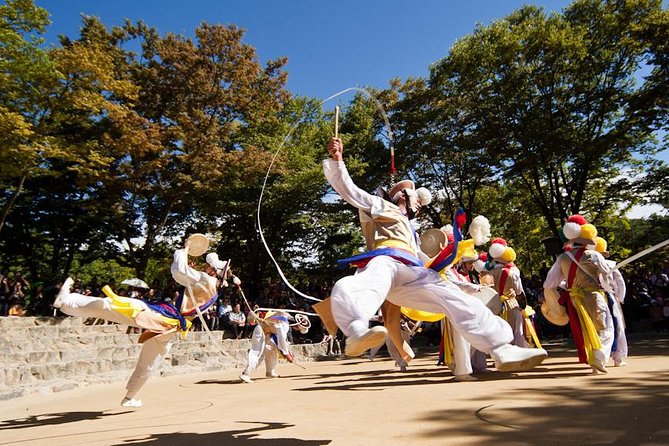
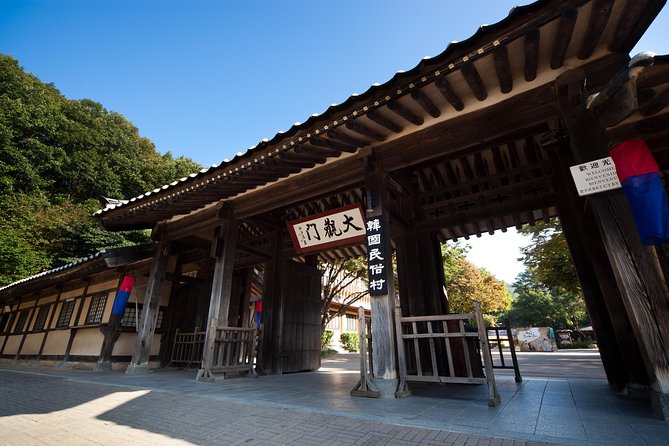
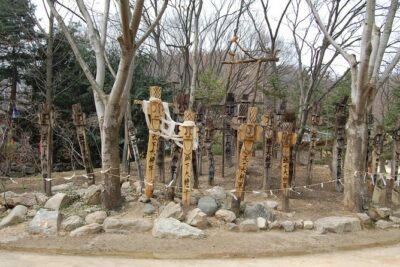
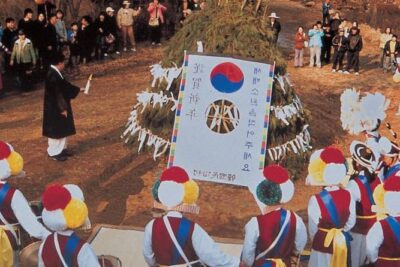
At the Korean Folk Village, you get about 3 hours on site, with admission included. The focus here is late Joseon period culture, presented through things like cultural classes, shaman faith elements, and seasonal customs. In other words, it is not just static buildings.
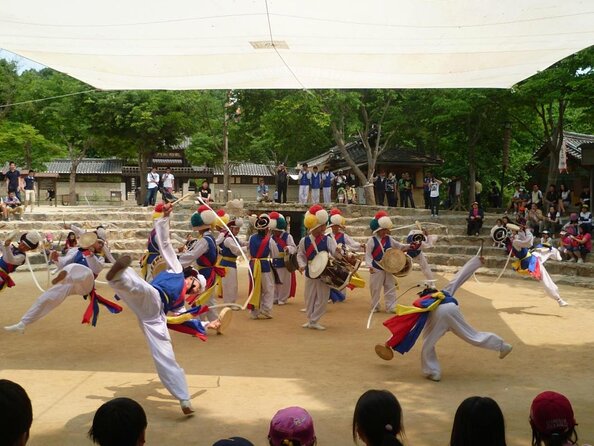
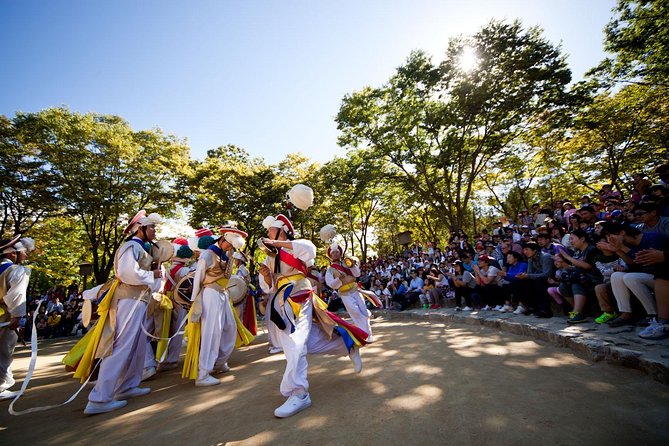
The biggest draw is the live show schedule. You can watch horseback martial arts, and you may see a traditional wedding ceremony. When those are running, it is one of the easiest places on the itinerary to feel like you are seeing culture happen, not just reading about it.
What I like: the village layout makes it easy to mix structured moments with wandering. One review highlighted that the schedule includes a traditional performance and even hanbok dress-up at the cultural center. If that is offered during your visit, it is the kind of simple activity that makes photos better and your understanding stick.
A fair caution: some people go in expecting a real village where people live. It is not that. It is more of a reconstructed, staged environment built for visitors, with shops and places to eat inside the grounds. If you want “real life today” rural living, temper expectations. If you want a guided window into Joseon-era traditions, it works well.
Suwon Hwaseong Fortress: UNESCO walls with real walking time
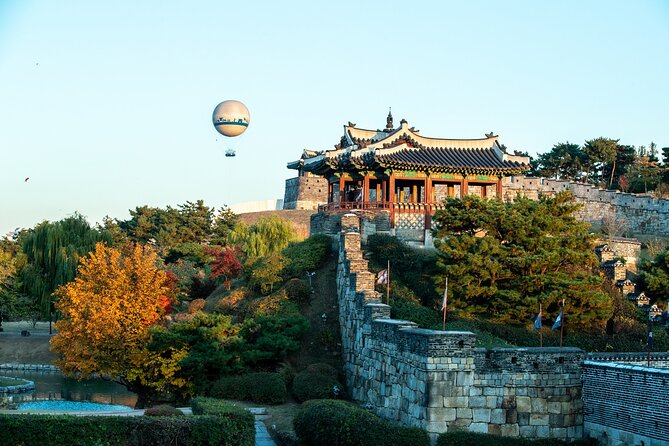
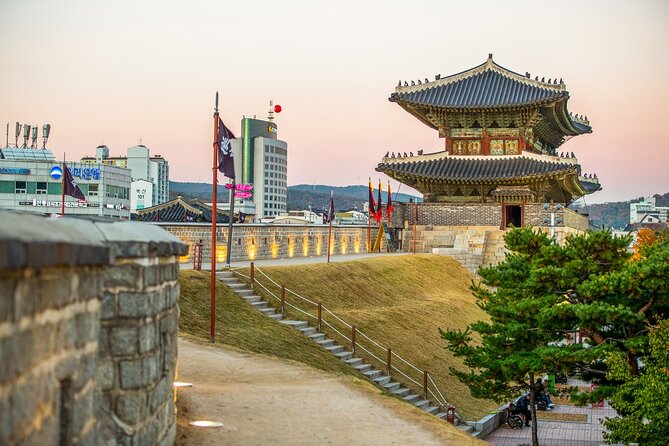
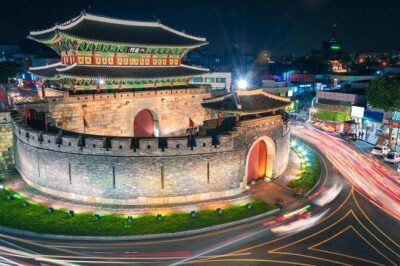
Next up is Suwon Hwaseong Fortress, a UNESCO World Heritage site built in the late 18th century by King Jeongjo. This stop is about 1 hour 30 minutes, and admission is included.
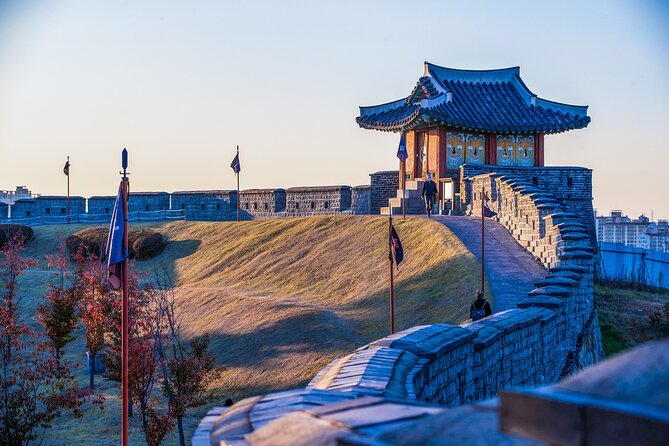
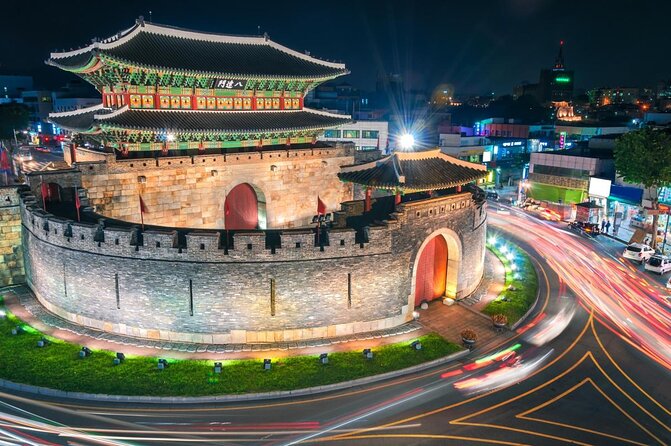
The key experience here is walking the fortress walls and visiting major gates and watchtowers. You do not just see a viewpoint. You move through the historic layout, which helps you understand why this fortress was designed the way it was.
Why the guide matters a lot on this stop: the fortress is big and layered, and the stories around gates, towers, and the overall palace-fortress complex can turn a “quick walk” into something you remember. I saw guide names like Johnathan and Laura tied to strong fortress storytelling, and that lines up with why this part is often the centerpiece for history-minded travelers.
Time check: one balanced take was that the fortress felt a bit rushed for those who wanted more wandering. You get the highlights, but you likely will not have time for a long, slow, photo-heavy loop. If you are the type who hates being herded, bring patience.
Weather note: if it rains, outdoor walking still happens, but some evening elements may shift. There was at least one account where a fortress light show was canceled due to rain, and the group shifted to other food-focused stops. Translation: pack for the weather, and do not build your plan around one specific show ending the day.
More Korean Folk Village Tours in Seoul:
- Traditional Korean folk village Afternoon tour
★ 5.0 · 52 reviews - Suwon Hwaseong Fortress and Korean Folk Village Day Tour from Seoul
★ 4.5 · 17 reviews - Korean Folk Village Afternoon Tour from Seoul
★ 4.0 · 17 reviews - Korean Folk Village Half-day Guided Tour from Seoul
★ 5.0 · 13 reviews
Suwon Nammun Market: a useful finish with snack options
The last stop is Suwon Nammun Market for about 1 hour. Admission is free, and it functions as both a breather and a cultural palate cleanser after the formal history stops.
The market has roots going back to the Joseon Dynasty and is described as one of the larger and older markets in Korea. That matters because markets here are not only for shopping. They are where you sample everyday food and see how local life feels in motion.
This is also where you can win the day, because you are not stuck waiting for a scheduled meal. One review mentioned specific snacks like hotteok, spicy fishcake, a sausage, and a sweet rice drink. If you like eating as part of travel, this final hour is often the most enjoyable way to end a culture-heavy morning and afternoon.
A balanced caution: market time may not appeal to everyone if you already know the Korean food scene. Still, even if you skip the full sit-down eating, you can usually grab a snack and use the hour to stretch your legs and reset.
Guides, group size, and how to get the most out of the bus
The tour staff is listed as English and Chinese-speaking. In practice, the guide is the difference between seeing places and understanding them.
I kept seeing guide names tied to positive outcomes, including Cecilia, Gina, Joon Chang, Jonathan, Julie, Laura, Stella, and more. What these guides seem to do well is connect the dots between what you are looking at and why it matters, especially for Joseon-era details that pop up in dramas and period TV.
Also, keep an eye on the setup. In one account, the group had headphones so people could hear the guide more easily. That is a small thing, but it matters on a long day because you will otherwise miss key points during transit and between sites.
Group size max is 43. That is not huge, but it is also not a private tour. You can expect a controlled flow: stop, gather, listen, walk, shop or explore briefly, then move on. If you are traveling with kids, some flexibility helps, because sitting still for performances or explanations might be a challenge for younger energy levels.
Where this tour fits best (and where it does not)
This is a strong fit if you want an “organized culture day” that covers multiple sides of Korean tradition in one go. I think it works especially well for families and friend groups who have different tastes, since you are moving through performances, historical architecture, and food market time.
It may feel less perfect if you are a slow traveler who wants lots of free time. The schedule is designed to hit major highlights with set time blocks, and a couple of people felt the fortress portion or the overall pace could be tighter than they hoped.
Here is a simple self-check:
- If you like guided context, this will pay off.
- If you want maximum independent wandering, you may feel boxed in.
- If you are sensitive to weather and rain, bring gear, because outdoor walking is part of the deal.
Price and value: is $69.52 a fair deal?
For many people, the value question comes down to this: how much of your day is already “taken care of” before you buy?
This tour includes transportation and entrance fees for Korean Folk Village and Suwon Hwaseong Fortress, which are typically the expensive and time-consuming parts of a DIY day trip from Seoul. The market stop is free-entry, and you get about an hour there to make it your own through snacks and browsing.
So yes, $69.52 is not low, but it does not read like a markup for sightseeing alone. It is more like a bundled convenience price. If you would otherwise spend time organizing transport and buying tickets, you are probably getting your money’s worth.
Tips to make your day go smoother
- Plan for weather: rain can affect show schedules and outdoor comfort, so bring a light poncho or compact umbrella.
- Wear walking shoes: fortress walls mean real walking, not museum-floor strolling.
- Use the market hour wisely: if you want to eat, decide early so you do not waste the short time.
- Ask your guide one question: guides like the ones named on this tour tend to share context fast, and one question can unlock a gate, tower, or performance detail you might otherwise miss.
- Bring patience for pacing: it is a long day with set stops, so you get fewer “linger as long as you want” moments.
Should you book this Korean Folk Village and Suwon Hwaseong Fortress tour?
Book it if you want a guided day trip that connects Korean traditional culture (with live performances) to one of the country’s most important fortress sites, plus a final market stop where you can eat and browse. The included transport and entrance fees help you feel efficient, and the strong guide performance on this route is a major reason people rate it highly.
Skip or rethink if you dislike structured schedules, want lots of free time at each site, or are specifically looking for a truly lived-in rural community rather than a reconstructed cultural park. For most first-time visitors to this part of Korea, though, this itinerary hits the right notes without making you plan every step.
FAQ
How long is the tour?
The tour runs about 10 to 11 hours total.
How much does the tour cost?
It costs $69.52 per person.
What attractions are included in the tour?
You visit Korean Folk Village, Suwon Hwaseong Fortress, and Suwon Nammun Market.
Are entrance fees included?
Yes. Admission is included for Korean Folk Village and Suwon Hwaseong Fortress, and the Nammun Market stop is free.
Who will you meet on the tour, and what languages do they speak?
The tour includes English and Chinese-speaking staff.
Is the ticket mobile?
Yes, the tour uses a mobile ticket.
Is there free cancellation?
Yes. You can cancel up to 24 hours in advance for a full refund.
Recently reviewed in Seoul
- You’re Invited to Our Home in Seoul: The Only Cooking Class!★ 5.0 · 8 reviews
- Your Personal Seoul Photographer!★ 4.1 · 15 reviews
- From Seoul: Yongpyong Ski Day Tour with Transportation★ 4.9 · 40 reviews
- Seoul: Korean & English Language Exchange Global Party★ 5.0 · 28 reviews
- Watching sports match & local food experience in Seoul★ 5.0 · 11 reviews
- WKT Combat Taekwondo & Self-defense One Day Class in Seoul★ 5.0 · 5 reviews
- Unique Native Experience : Han River Picnic, Board game, BBQ★ 5.0 · 3 reviews
- Seoul: Gangneung BTS K-Pop & K-Drama Filming Locations Tour★ 4.6 · 14 reviews
Korean Folk Village Tours, compared.

Suwon Hwaseong Fortress & Korean Folk Village Tour
Read our review →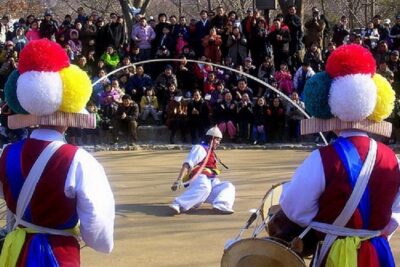
Suwon Hwaseong Fortress and Korean Folk Village Day Tour from Seoul
Read our review →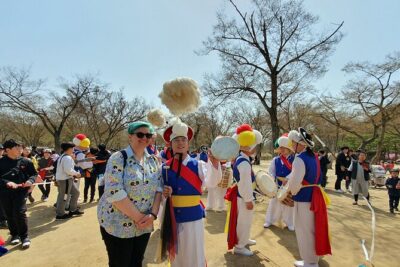
Korean Folk Village Half-day Guided Tour from Seoul
Read our review →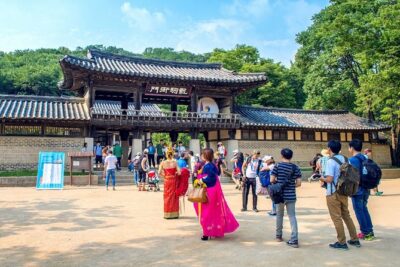
Hwaseong Fortress and Korean Folk Village Tour from Seoul
Read our review →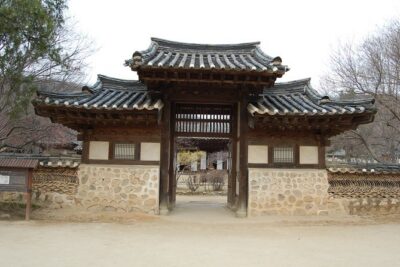
Day Trip to Yongin Daejanggeum and Korean Folk Village from Seoul
Read our review →Browse the lists this tour appears in