
Reviewed · PALACE TOURS
Gyeongbokgung Palace, Jogyesa Temple and Cheongwadae Tour
Seeing Seoul’s power and peace in one loop
This tour strings together big-hitter landmarks and calmer, spiritual corners, all in a tight 3-hour walk. I like how Gyeongbokgung Palace anchors the Joseon story right from the start, and I also love the slow shift when you reach Jogyesa Temple, the head temple of the Jogye Order of Korean Buddhism. One thing to consider: you are on your feet the whole time, so comfortable shoes matter more than you think.
The standout value here is the mix of sights plus culture that feels practical, not lecture-y. With an English live guide and a small group limited to 8, you can ask questions and get context as you walk. I also like the food-adjacent payoff at Noryangjin Fisheries Wholesale Market, but plan on paying for whatever you eat there because food is not included.
In This Review
- Key things to know before you go
- Starting at Anguk Station Exit 6, with a walk that stays focused
- Gyeongbokgung Palace: more than photos, a guided sense of the Joseon world
- The Cheongwadae area on foot: a modern contrast you can feel
- Jogyesa Temple: head temple of the Jogye Order and a real mood shift
- Bukchon traditional village: walking streets that teach scale and everyday life
- Noryangjin Fisheries Wholesale Market: where you choose the meal
- Korean language and culture, explained in real time
- What you pay for: pricing and value for $82
- Who this tour suits best, and who should think twice
- Should you book Honey Trail’s Gyeongbokgung, Jogyesa and Cheongwadae Tour?
- FAQ
- How long is the tour?
- Where do I meet the guide?
- Is the tour in English?
- How large is the group?
- What is included in the price?
- What is not included?
- Are there places to buy food during the tour?
- What should I bring?
- Is cancellation free?
- What is not allowed during the tour?
Key things to know before you go
- Small group, big attention: Limited to 8 participants, so questions and quick clarifications stay easy.
- Gyeongbokgung ticket is handled: Your entrance ticket is included, so you do not lose time at the counter.
- Temple calm is real: Jogyesa is the head temple of the Jogye Order, and the vibe shift is part of the point.
- Culture comes through daily-life stops: You walk through Bukchon traditional village and learn Korean language and culture along the route.
- Herbal tea break: A traditional herbal tea is included, giving you a simple reset during the walk.
- Noryangjin is the seafood reality check: You’ll visit the wholesale market, where you can choose seasonal seafood to eat, with your own food budget.
Starting at Anguk Station Exit 6, with a walk that stays focused
You meet your guide at Anguk Station Exit 6 and the tour ends back at the same meeting point. That end-back detail sounds minor, but it helps when you are mapping the rest of your day. You do not have to plan a separate return route or worry about ending somewhere far from transit.
This is a 3-hour walking tour, and that shape matters. You will not have time for slow, in-depth museum wandering, so think of it as orientation plus highlights. Wear comfortable shoes because the route includes palace grounds, temple areas, and traditional village streets.
The tour runs in English with a live guide, and the group size stays small (up to 8). Based on the way guides have been praised, you can expect more than a script. For example, one guide, Lee, gets singled out for being friendly and good at keeping the group engaged, with room for discussion, not just a one-way talk.
More Temple Tours in Seoul
- Seoul: Palace, Temple and Market Guided Foodie Tour at Night
★ 4.9 · 750 reviews - Seoul: Mt Seorak + Naksansa Temple or Nami Island Group Tour
★ 4.7 · 422 reviews - Best Things to Do – Half Day Seoul Trip (Seoul Palace & Temple)
★ 5.0 · 190 reviews
Gyeongbokgung Palace: more than photos, a guided sense of the Joseon world
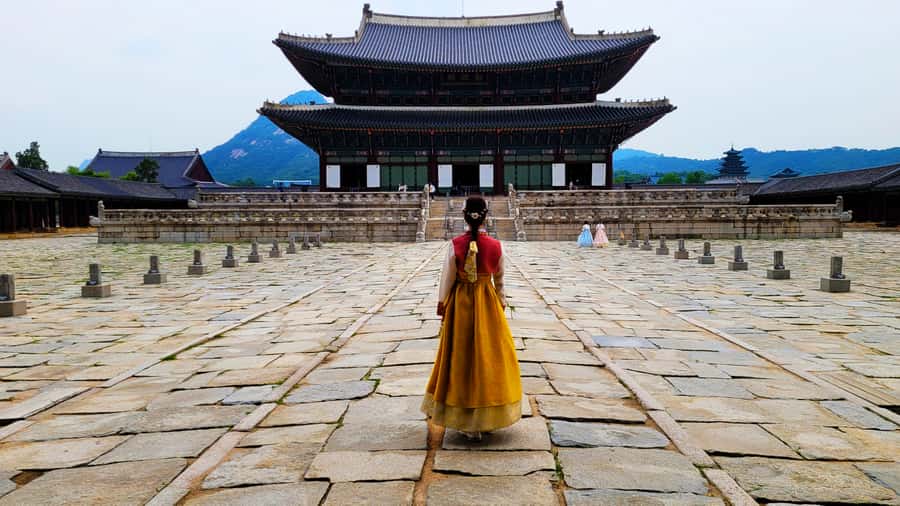
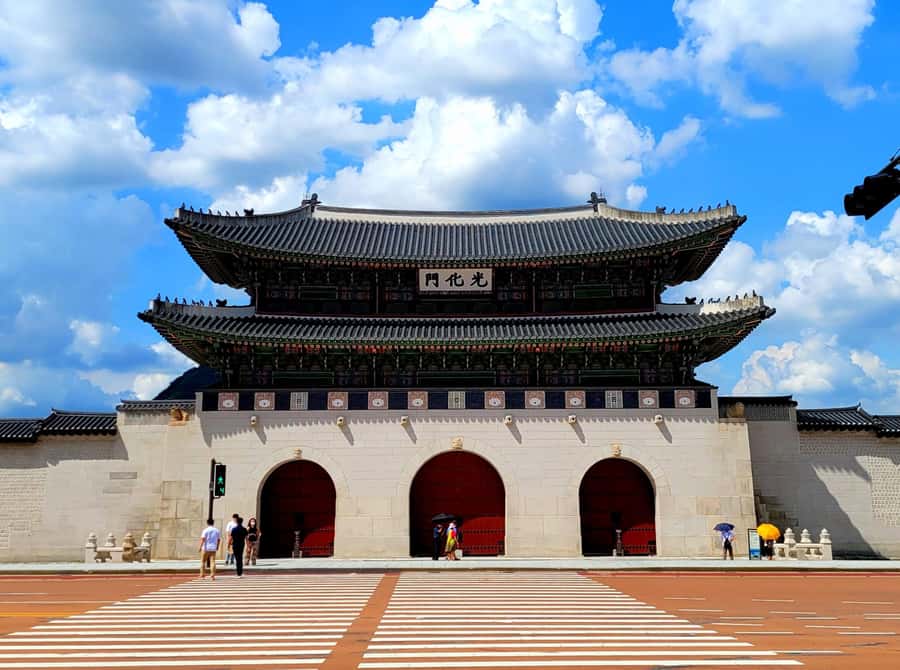
Gyeongbokgung Palace is the Joseon Dynasty’s main palace, and the tour uses it as your historical anchor. With the entrance ticket included, you can focus on the experience instead of logistics.
What I like about a guided palace stop is how it gives you a frame for what you are seeing. Without that frame, you can end up only photographing gates and courtyards. With it, you start noticing how the palace layout communicates power, order, and everyday ceremony. Even if you are not a deep-history person, you get the basics in a way that feels usable.
You also get a traditional herbal tea during the visit. That matters more than it sounds. Palaces take energy, even on a relatively short tour. A tea pause helps you slow down, cool off, and actually process what you just learned before you move on to the next area.
The Cheongwadae area on foot: a modern contrast you can feel
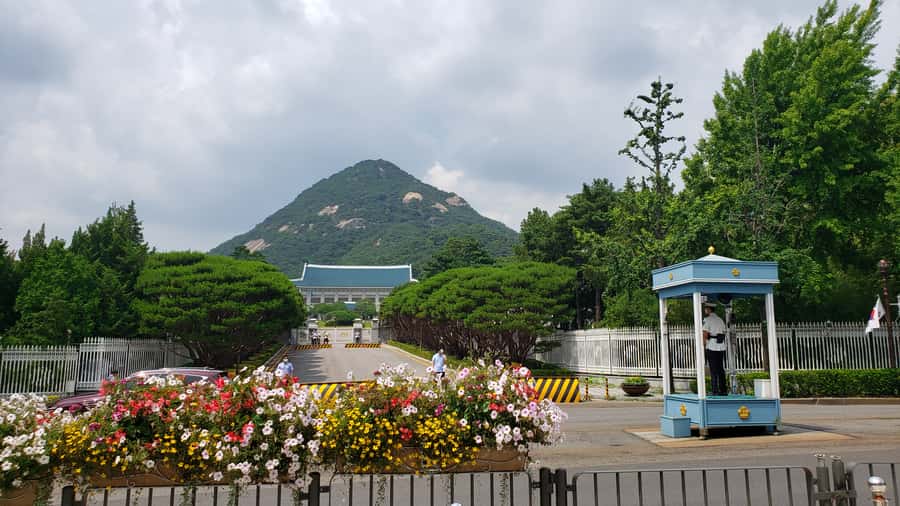
The tour title includes Cheongwadae, and that is part of the appeal: you are not only traveling back centuries. You also get a sense of how Korea’s present-day leadership space sits within walking distance of older historic districts.
I like routes that blend eras because it prevents that common Seoul mistake of seeing landmarks as disconnected postcards. Even without turning it into a long political lesson, the contrast helps you understand why places like Gyeongbokgung mattered, and why the surrounding city has its own rhythm today.
For your planning, treat this portion as a route feature rather than a standalone attraction. You’re likely moving, looking, and absorbing context while the group stays on schedule.
Jogyesa Temple: head temple of the Jogye Order and a real mood shift
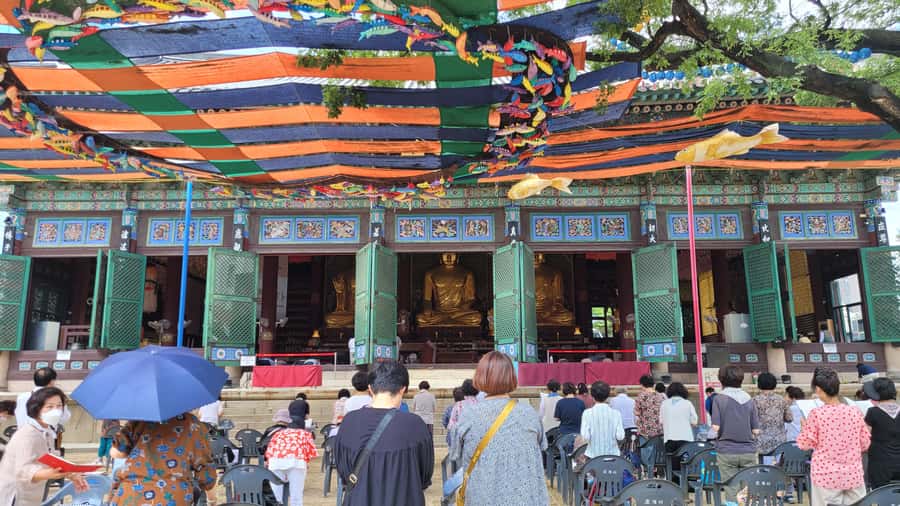
Jogyesa Temple is the head temple of the Jogye Order of Korean Buddhism, and that role shows in the atmosphere. When you walk in, the whole tempo can change. The tour leans into that feeling of peace, not just sightseeing.
This stop is a good reminder that Seoul is not only about history buildings and views. Korea’s spiritual spaces have their own pace, and they can reset your brain after the palace’s formality. If you’ve ever visited temples elsewhere and felt like you were rushing through, aim to do the opposite here. Let yourself slow down, even if it is just for a few minutes at key points.
Because the tour is English-led and small-group, you are not left figuring it out alone. Guides like Lee are praised for connecting facts to what you are seeing, and for being open to conversation. That turns Jogyesa from a checklist item into something you remember in terms of mood.
More Palace Tours in Seoul:
- Seoul: Gyeongbok Palace, Bukchon Village, and Gwangjang Tour
★ 4.9 · 2,321 reviews - Best Seoul City Tour (Gyeongbokgung Palace,Insadong,Namsan Tower)
★ 5.0 · 1,647 reviews - Small-Group Royal Palace and Seoul City Tour (hotel pick-up)
★ 5.0 · 1,474 reviews - Seoul City Sightseeing Tour Including Gyeongbokgung Palace, N Seoul Tower, and Namsangol Hanok Village
★ 5.0 · 1,423 reviews
Bukchon traditional village: walking streets that teach scale and everyday life
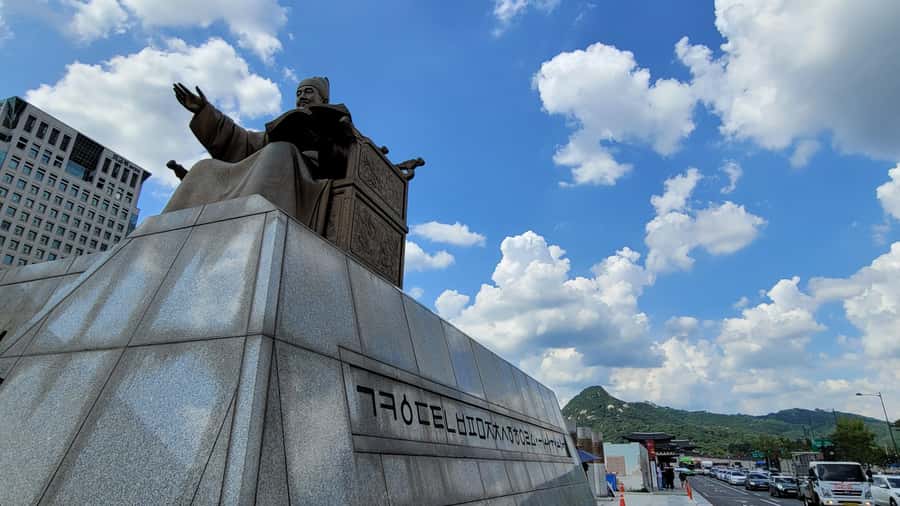
Bukchon traditional village is a change of texture from palace and temple sites. Instead of a single monument, you get streets, angles, and the sense of how people used to live in the broader historic district.
I like this kind of stop because it fills the gap between big landmarks. Palaces tell you about the state. Temples tell you about belief. Bukchon helps you picture everyday life at human scale, including how neighborhoods shape sightlines and movement.
There are also practical benefits. Traditional village streets can be narrow and a bit uneven, which again is why comfortable shoes matter. Even if the tour keeps things efficient, you will still be walking through real streets, not polished museum paths.
Noryangjin Fisheries Wholesale Market: where you choose the meal
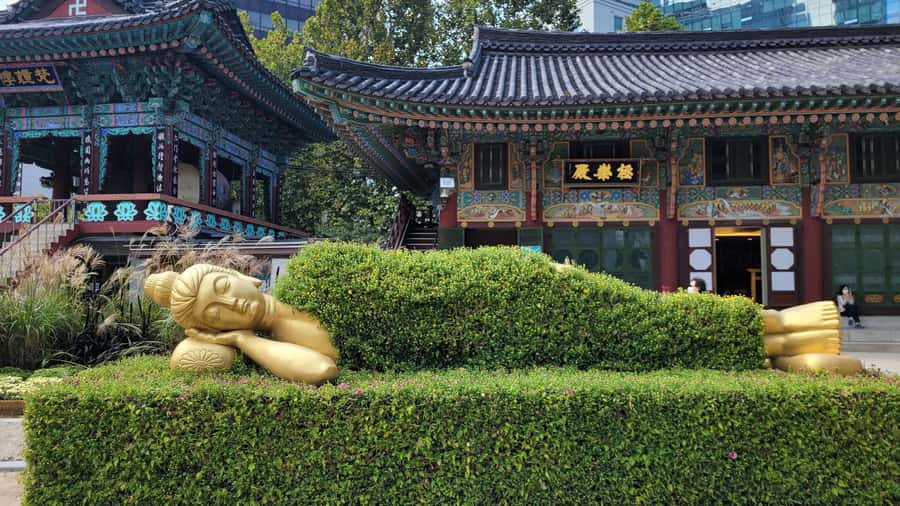
Here is the part of the experience that can surprise you, in a good way. You visit Noryangjin Fisheries Wholesale Market, known as one of the best places in Seoul to eat fresh seafood. The scale is the headline: it handles almost 50% of the metropolitan volume and trades up to 300 tons of fishery products every day.
That number does not just sound impressive. It helps you understand why the market feels like an engine, not a tourist snack stop. You explore the market, then you pick seasonal foods that can be cooked at a restaurant right there.
A key detail for your budget: food is not included. The tour is not promising a free feast. What it gives you is access, guidance on what to look for, and time to choose. If you eat adventurous food, this stop can become the highlight of the whole day. If you are cautious, you can still have a satisfying meal by choosing familiar options among the seasonal picks.
Korean language and culture, explained in real time
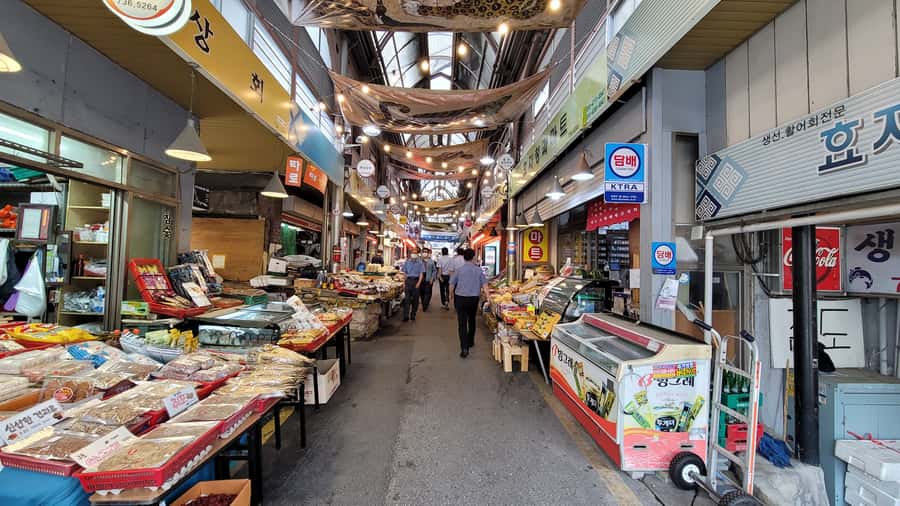
One reason this tour earns high marks is that the cultural learning is not stuck behind museum glass. You learn Korean language and culture through the walk, which is the best place for it. You are seeing the settings where words and customs make sense.
Simple language moments can do a lot. They help you greet people, ask questions, or understand signs in a way that feels immediate. And because the guide is present, you can ask what something means on the spot, which makes the learning stick.
There’s also a fun note from the guide experience. Lee has been praised for adding something outside the box, like a Korean board game during the tour. That kind of small, human moment can make the whole day feel lighter, and it gives you a cultural bridge beyond just standing and listening.
What you pay for: pricing and value for $82
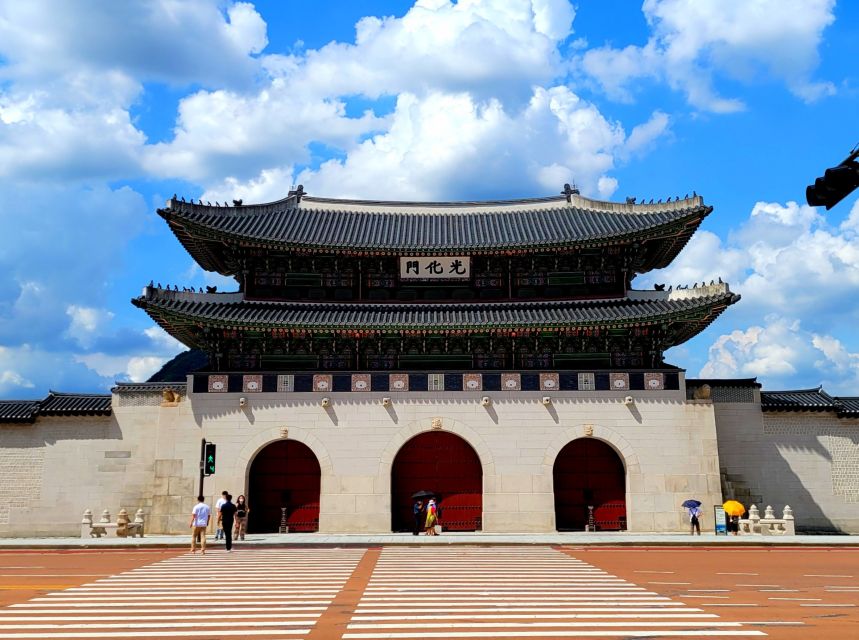
At $82 per person, this tour sits in the middle of the short-guided-day range. Here is what you are actually buying: a guided walk in English, a small group limited to 8, and the included Gyeongbokgung Palace entrance ticket plus traditional herbal tea.
Your two big separate costs are straightforward. Hotel pickup and drop-off are not included, so you will handle getting to Anguk Station Exit 6. Also, food is not included, which matters because the tour includes the seafood market portion where you choose what you want to eat.
I think the value works best when you want a guided path through multiple major areas but you do not want to spend extra time arranging tickets, figuring out where to start, and stitching together different neighborhoods yourself. If you already know Seoul well and you prefer total independence, you might choose to DIY. But if you want structure and interpretation, the price starts to look fair fast.
Who this tour suits best, and who should think twice
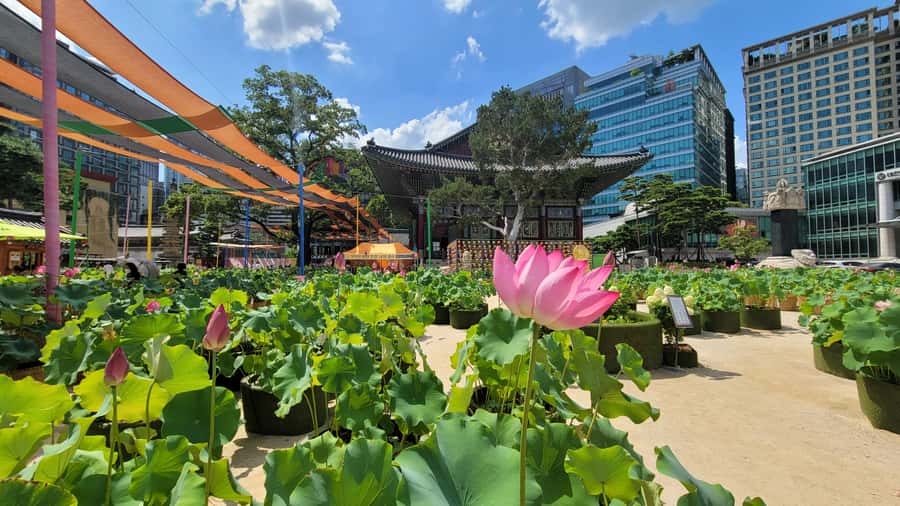
This is a strong fit if you:
- Want a short, high-impact Seoul orientation across major historic sites
- Like small-group tours where you can actually ask questions
- Enjoy temple and palace settings more when someone gives context
- Are curious about Korean culture through daily-life stops like Bukchon and a market meal
You might want a different plan if:
- You are traveling with mobility scooters or need accessibility accommodations beyond what a walking tour can provide, since mobility scooters are not allowed
- You want a longer deep-dive at a single site. This is intentionally compact, so you trade depth for variety
- You are not interested in the seafood market portion. Even if you do not buy much, it’s part of the experience, and the tour is built around it
Should you book Honey Trail’s Gyeongbokgung, Jogyesa and Cheongwadae Tour?
I’d book it if you want a guided, three-stop-feeling day that also gives you a mood change from palace formality to temple calm, plus a real food-world stop at Noryangjin. The included Gyeongbokgung ticket and herbal tea help you feel like the tour covers the basics well, and the small group keeps the experience personal.
Skip it if you hate walking or you only want one kind of experience, like just palace-only or just food-market-only. This tour is designed as a balanced loop, not a single-focus outing.
If you’re a first-time Seoul visitor or you only have a few hours and want maximum payoff, this one makes a lot of sense.
FAQ
How long is the tour?
It runs for 3 hours.
Where do I meet the guide?
Meet your guide at Anguk Station Exit 6.
Is the tour in English?
Yes, the live tour guide speaks English.
How large is the group?
The group is limited to up to 8 participants.
What is included in the price?
The price includes Gyeongbokgung Palace entrance ticket, traditional herbal tea, and a guide.
What is not included?
Hotel pickup and drop-off and food are not included.
Are there places to buy food during the tour?
Yes, the tour includes time at Noryangjin Fisheries Wholesale Market, and food is not included, so you’ll need to pay for what you choose to eat.
What should I bring?
Wear comfortable shoes.
Is cancellation free?
Yes, there is free cancellation up to 24 hours in advance for a full refund.
What is not allowed during the tour?
Pets, mobility scooters, and alcohol and drugs are not allowed.
Recently reviewed in Seoul
- Your Personal Seoul Photographer!★ 4.1 · 15 reviews
- You’re Invited to Our Home in Seoul: The Only Cooking Class!★ 5.0 · 8 reviews
- From Seoul: Yongpyong Ski Day Tour with Transportation★ 4.9 · 40 reviews
- Seoul: Korean & English Language Exchange Global Party★ 5.0 · 28 reviews
- Watching sports match & local food experience in Seoul★ 5.0 · 11 reviews
- WKT Combat Taekwondo & Self-defense One Day Class in Seoul★ 5.0 · 5 reviews
- Unique Native Experience : Han River Picnic, Board game, BBQ★ 5.0 · 3 reviews
- Seoul: Gangneung BTS K-Pop & K-Drama Filming Locations Tour★ 4.6 · 14 reviews
Palace Tours, compared.
Gyeongbok Palace, Bukchon Village, and Gwangjang Tour
Read our review →
Best Seoul City Tour (Gyeongbokgung Palace,Insadong,Namsan Tower)
Read our review →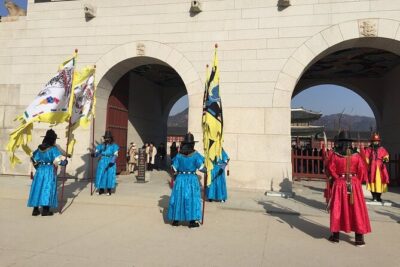
Small-Group Royal Palace and Seoul City Tour (hotel pick-up)
Read our review →
Seoul City Sightseeing Tour Including Gyeongbokgung Palace, N Seoul Tower, and Namsangol Hanok Village
Read our review →Gyeongbok Palace, Bukchon Village, and Gwangjang Tour
Read our review →
Palace, Temple and Market Guided Foodie Tour at Night
Read our review →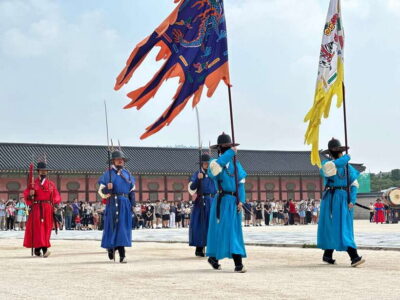
Seoul Highlights: Gyeongbok Palace, Insadong & N Seoul Tower
Read our review →
City Hightlights, Palace Tour, and Optional Hanbok
Read our review →Browse the lists this tour appears in