
Reviewed · FOOD & DRINK
Getting a good feel of local Seoul through food (itseoulgood)
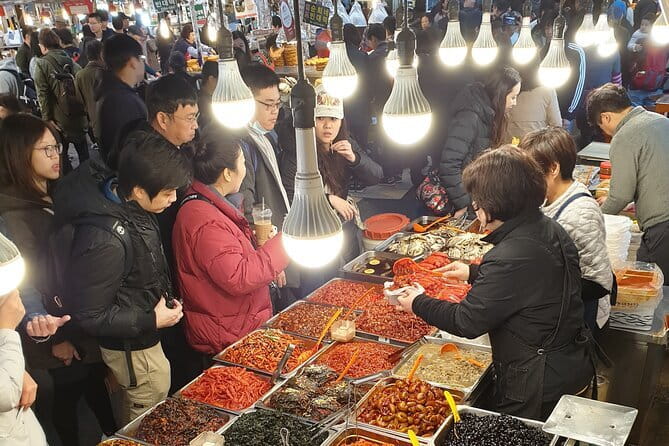
Food in Seoul is the shortcut, not the accessory. This 3-hour Seoul food walk is built to help you read the city through what locals actually eat, from older market streets to the calmer historical lanes around Insadong. You start with dumplings and real tea, then head into the big, food-packed Kwangjang Market without getting lost in the noise.
I especially like how the tour gives you a guided path through crowded food spots, so you spend less time guessing and more time tasting. Another win for me is that the Insadong stop focuses on the kind of tea you can recognize as real, not just the powder mix you see in some tourist traps.
One thing to consider: the market area can feel intense, and you do walk, so wear shoes you trust and be ready for a lively crowd around the stalls and narrow lanes.
In This Review
- Key points worth knowing before you go
- Why a Seoul food walk beats wandering on your own
- Meeting in Jongno and getting your day started at street level
- Insadong stop: dumplings and real tea to set the tone
- Kwangjang Market: a huge menu where guidance turns chaos into choices
- The walk between stops: hidden back alleys and old plus new Seoul
- Ending at a traditional teahouse near Anguk Station
- Price and value: what $94 really buys you here
- Who this tour fits best, and who should rethink it
- Booking timing and what to do next
- Should you book itseoulgood’s Seoul food tour through Insadong and Kwangjang?
- FAQ
- What does the tour cost?
- Is food included in the price?
- How long is the experience?
- Where do I meet, and where does it end?
- What time does the tour start?
- How many people are in a group?
- Is it free to cancel, and when do I need to cancel?
Key points worth knowing before you go
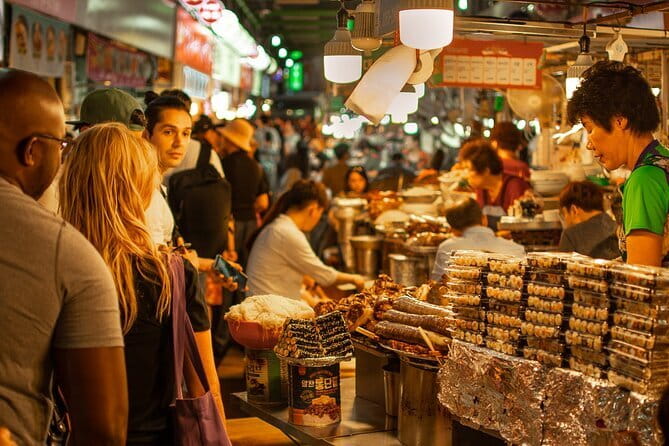
- Small group size (max 6) means you can ask questions and move at a human pace
- All food is included in the $94 price, so you can budget cleanly
- Insadong dumplings plus real tea are the first taste of the day’s flavor style
- Kwangjang Market is guided, which is huge if you find big markets overwhelming
- Old Seoul and newer cultural streets show up on the same walk
- You finish near Anguk Station at a traditional teahouse feel
Why a Seoul food walk beats wandering on your own
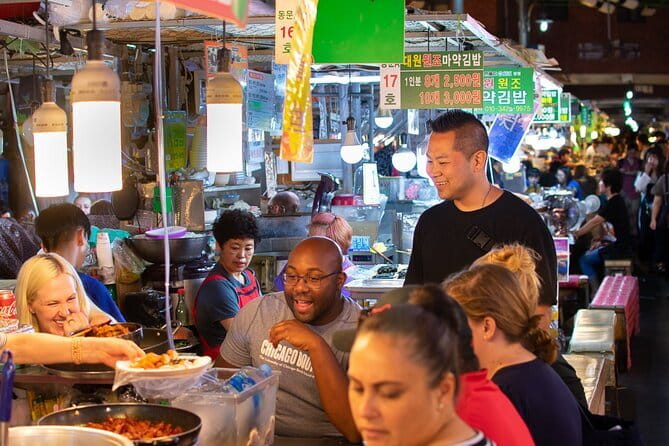
Seoul can feel like a lot at first. Streets are busy, menus repeat themselves in confusing ways, and even when you can read Korean, it is hard to know what is truly worth ordering. This kind of tour helps you get your bearings fast using food as your map.
This experience is designed around two different worlds you can compare side by side. You get the calmer, historical feel of Insadong, then you shift into the intensity of Kwangjang Market, where the choices are everywhere. That contrast is the point: you stop thinking of food as snacks and start seeing it as culture, routine, and local pride.
And because the group is capped at six travelers, the guide can actually steer you. You are not herded. You can ask why something is made a certain way, or how to eat it without doing the awkward wrong thing.
More Food Tours in Seoul:
- Seoul Street Food Market Tour
★ 5.0 · 1,226 reviews - Seoul: Night Market Food Tour with Local Guide
★ 4.9 · 943 reviews - Downtown Seoul Guided Food & Market Tour with 8+ Local Tastings
★ 5.0 · 580 reviews
Meeting in Jongno and getting your day started at street level
You meet at 407 Dongho-ro in Jongno District at 10:30 am. From there, the tour leans into walking, not transit, so you see how people move between neighborhoods. The pace works out to about 3 hours total, with an extra portion of time simply spent on the streets linking everything together.
One practical reason I like this setup: it keeps your timing realistic. Markets and tea houses are not places you just drop into when you are in the mood. They are places with rhythms, and walking you between stops helps you arrive when the experience still feels fresh.
If you plan your day around it, the timing is also forgiving. A 10:30 start means you can still do other sightseeing after, without feeling like you have only spent the morning in a food coma.
Insadong stop: dumplings and real tea to set the tone
Insadong is one of those areas where you can oversimplify it as souvenirs, but it is more interesting than that. This tour uses Insadong as the warm-up, giving you a food moment that also teaches you how people slow down.
At the Insadong stop, you sample local dumplings and real tea. The tea detail matters. Some places serve powder-based versions that taste flat and artificial. Here, the focus is on the real stuff, so you can actually notice what quality tastes like.
This is also where you start getting used to the tour guide’s style. Mike, the guide behind this experience, is known for English that is easy to follow and for a chef’s comfort with the subject. That means you do not just get a list of items. You get context that makes the next stall easier to understand.
What I think you will like most about this first stop is pacing. You start with flavors that are familiar enough to anchor you, and you build confidence before the market choices multiply.
Kwangjang Market: a huge menu where guidance turns chaos into choices
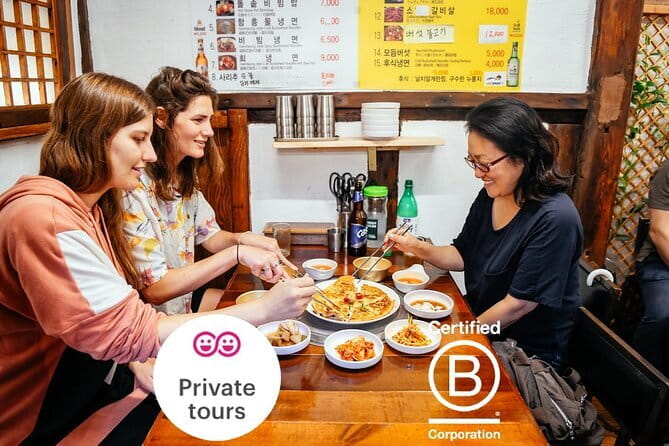
Then comes the part many people hesitate about: Kwangjang Market. Even people who live nearby can feel unsure about where to go first when there are so many stalls. That is why guidance is not a nice-to-have here, it is the whole value.
This stop is about tasting a broad range of Korean specialties. You get to sample a huge variety rather than committing to one dish and missing everything else. On a self-guided trip, you often end up with a couple repeats because you cannot decide fast enough.
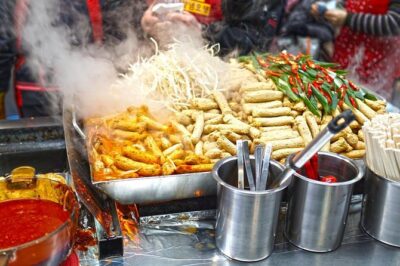
The market itself is also visually overwhelming in the way that good food places are overwhelming. Signs, aromas, and steam all compete for attention. Having Mike point out where to go helps you avoid the trap of ordering the wrong thing simply because it looks busy or familiar.
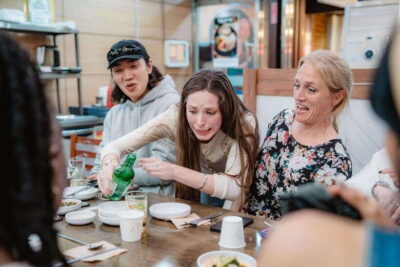
From the reviews, one detail pops up more than you would expect: a rice wine tasting can be part of the mix. Even if you do not choose it yourself, the important thing is that the tour is not afraid to broaden your taste menu. It is not only the obvious fried snacks.
A small caution: this is not a quiet museum stop. If you hate crowds, pick this tour when you are mentally prepared for busy streets and tight food lines.
A few more Seoul days worth comparing
- Best DMZ Tour Korea from Seoul (Red Suspension Bridge Optional)
★ 5.0 · 41,422 reviews - DMZ Tour: 3rd Tunnel, Option(Suspension Bridge, Boat) from Seoul
★ 5.0 · 21,373 reviews - DMZ tour south Korea from Seoul (NK experience hall, defector)
★ 5.0 · 20,599 reviews - Seoul: The Best DMZ Tour with Optional Suspension Bridge
★ 4.7 · 4,978 reviews
The walk between stops: hidden back alleys and old plus new Seoul
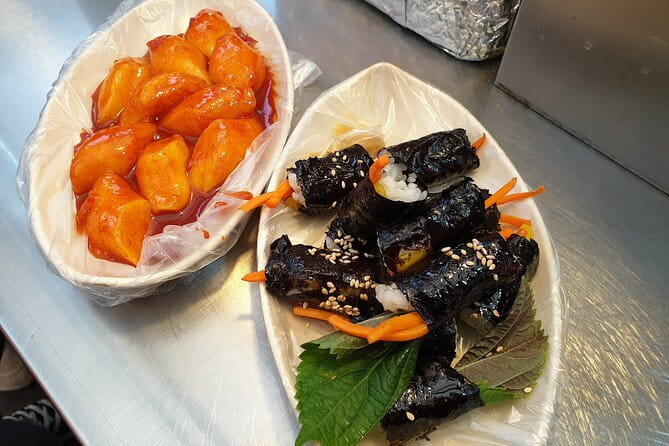
Between the two main tastings, the tour includes time for walking through older lanes and through more modernized cultural areas that sit just behind the headline sights. This is where you get a feel for Seoul that is hard to find from a map pin.
You see how the neighborhoods connect. You notice how shop fronts shift, how signage changes tone, and how people dress when they are headed to eat. That is the kind of observation you remember later, even when the specific snack names blur.
There is also a practical benefit. These transition walks help you absorb what you tasted. By the time you reach the next stop, you are not just hungry again. You have a baseline of what flavors the day is building toward.
If you want a travel day that feels like a real slice of life, this is the structure to aim for. You are not jumping by taxi from landmark to landmark. You are moving like a person who lives nearby, even if it is only for a few hours.
Ending at a traditional teahouse near Anguk Station
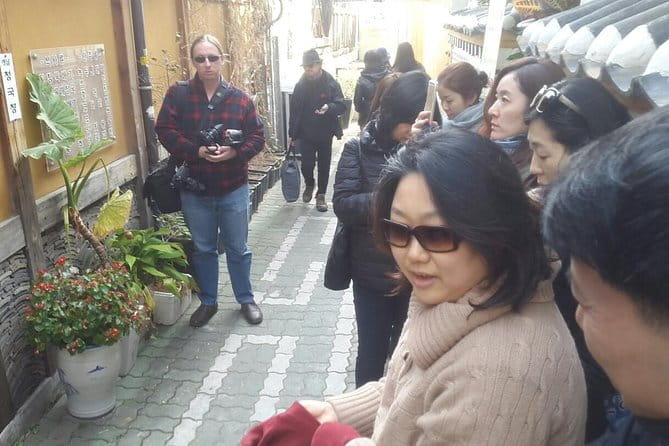
The experience finishes in a traditional hidden teahouse feel, in a traditional area that lands you close to Anguk Station. The vibe here is slower than the market, which is a smart design choice. After sampling a lot of flavors, you want something that resets your senses.
This ending also gives the tour an arc. You start with handheld street food energy, you move through a high-choice market, and then you close with tea and a calmer setting. It feels intentional, not like you just stopped walking and called it done.
If you are the type who likes to end trips by buying one small souvenir or two, this is also a reasonable moment to reflect on what you want to revisit later. The day is built around sampling, but you are not blocked from additional shopping if you choose to do it.
Price and value: what $94 really buys you here
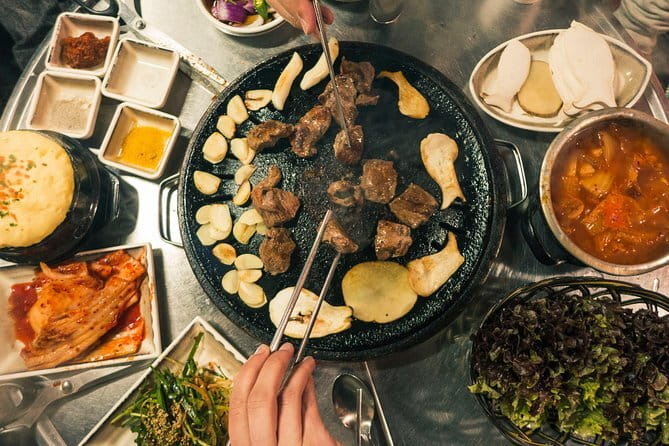
At $94 per person, this tour is priced like a focused food experience, not a budget group walk. The big reason it can still feel fair is that all of the food is included in the fee. That means you are not doing math mid-tour while trying to decide whether one more bite is worth the cost.
You also get value from the small group size. With a maximum of six travelers, Mike can spend time with you, not just rush you through. In food markets, that matters because the best tasting route is rarely obvious for first-time visitors.
The tour is also short enough that it does not swallow your whole day. It runs about 3 hours, with the extra time going to walking between stops. If you are in Seoul for a limited number of days, this is a compact way to hit two very different food zones.
One more practical note for value: you might want extra money for additional purchases. The tour encourages bringing extra cash if you want to buy more items on your own after tasting.
Who this tour fits best, and who should rethink it
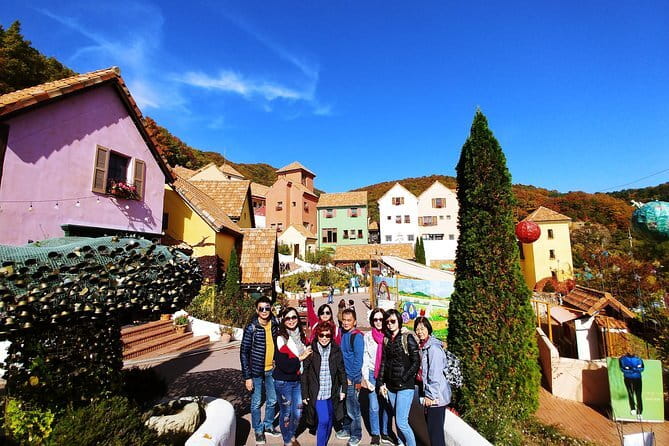
This is a great fit if you want your first Seoul days to feel local fast. Food is the easiest language to learn, and the itinerary is built to test what you think Seoul tastes like, then correct that with real options.
It is also a good fit if you like structure. Markets can be a fun challenge, but Kwangjang Market is so large that you can waste time second-guessing. With this tour, you get a guided menu strategy.
This tour may be less ideal if:
- You hate crowds or very busy narrow market streets
- You prefer minimal walking and long sit-down meals only
- You want to fully customize every tasting choice on your own, since the tour is built around the guide’s tasting plan
The good news: the walking requirement is described as moderate, so as long as you wear supportive shoes and plan for a bit of hustle, you will likely be fine.
Booking timing and what to do next
This experience is typically booked about 12 days in advance, which tells you it has a steady rhythm. If you are traveling in a busy season or you have specific days you want, it is smart to lock in early rather than hoping for last-minute availability.
Once you book, the tour uses a mobile ticket, and it is near public transportation. That is helpful because Jongno and the Anguk side of town are well connected.
If you are planning your day around it, I would schedule this early. You get maximum benefit from a food orientation tour when it happens near the start of your trip, because the flavors you learn can guide your next meals.
Should you book itseoulgood’s Seoul food tour through Insadong and Kwangjang?
I would recommend booking this tour if you want a reliable Seoul food hit with less stress and more local direction. The combination is strong: real tea and dumplings in Insadong, then the high-choice energy of Kwangjang Market, and an ending that slows things down in a traditional teahouse feel near Anguk Station.
The most praised aspects from past groups point to two things you should care about: the guide’s command of English and food knowledge, and the way the tour makes hidden lanes and big markets feel approachable. Add in the small group size and food being included, and the value starts to make sense.
If you are someone who only wants quiet, line-free sightseeing, you may find the market portion a bit much. But for most first-timers, this is one of the best ways to taste Seoul like you know what you are doing.
FAQ
What does the tour cost?
The tour costs $94.00 per person.
Is food included in the price?
Yes. All food is included in the tour fee. You should bring extra cash if you want to purchase additional items.
How long is the experience?
It runs for about 3 hours total. The remaining time beyond the listed stops is for walking.
Where do I meet, and where does it end?
You start at 407 Dongho-ro, Jongno District, Seoul. It finishes near Anguk Station, near 토토의오래된물건 (Toto’s Nostalgia Museum) at 169-2 Gwanhun-dong, Jongno District.
What time does the tour start?
The start time is 10:30 am.
How many people are in a group?
The tour has a maximum of 6 travelers.
Is it free to cancel, and when do I need to cancel?
Yes, you can cancel for a full refund if you cancel up to 24 hours in advance of the experience’s start time.
Recently reviewed in Seoul
- You’re Invited to Our Home in Seoul: The Only Cooking Class!★ 5.0 · 8 reviews
- Your Personal Seoul Photographer!★ 4.1 · 15 reviews
- From Seoul: Yongpyong Ski Day Tour with Transportation★ 4.9 · 40 reviews
- Seoul: Korean & English Language Exchange Global Party★ 5.0 · 28 reviews
- Watching sports match & local food experience in Seoul★ 5.0 · 11 reviews
- WKT Combat Taekwondo & Self-defense One Day Class in Seoul★ 5.0 · 5 reviews
- Unique Native Experience : Han River Picnic, Board game, BBQ★ 5.0 · 3 reviews
- Seoul: Gangneung BTS K-Pop & K-Drama Filming Locations Tour★ 4.6 · 14 reviews
Food & Drink, compared.
Downtown Seoul Guided Food & Market Tour with 8+ Local Tastings
Read our review →
Seoul Night Palace & Market Food Tour with Vehicle
Read our review →
Seoul Fun Food Tour: 12 different food tastings
Read our review →
The Award-Winning PRIVATE Food Tour of Seoul: The 10 Tastings
Read our review →
Jasmil Baseball Stadium Game Ticket with Dinner/Beer
Read our review →Browse the lists this tour appears in