
Reviewed · FOOD & DRINK
10day Small Group Discover Korea Tour : History, Food and Culture
Jeju volcano views set the tone fast. I love the mix of Jeju volcanic scenery and hands-on Korean cooking packed into a smooth 10-day loop, and I like that your English-speaking guide keeps tickets, timing, and admissions handled. One watch-out, your first flight to Jeju can shift due to weather, so expect a little flexibility.
This is a small-group, private-feeling trip that covers major highlights without turning every day into a race. You get pickup, air-conditioned transport, 9 nights in 3.5 to 4-star stays, plus a special Golgulsa Temple Stay night. The trade-off is that travel days and packed stops mean you will want to pace yourself, especially on the DMZ day when procedures require extra patience.
In This Review
- Key highlights you’ll actually feel on the ground
- Why this starts in Jeju, not Seoul
- Day 1 Jeju: Dokkaebi Road, Arte Museum light arts, and a volcanic coast
- Day 2 Jeju: Manjanggul Cave, craters, black sand, and Dongmun Market
- Day 3 Busan: Stair-step houses, Skywalk views, and BIFF Square food
- Day 4-5 Gyeongju: Bulguksa, Seokguram, and the Silla timeline
- Golgulsa Temple Stay: the one night that changes the whole trip
- Day 6 Jeonju: hanok wandering, bibimbab, and a rice wine supper
- Day 7-8 Seoul arc: Suwon fortress, Gyeongbokgung, Insadong, Bukchon, and markets
- Day 9 DMZ: what makes it different, and how to be ready
- Day 10 in Seoul: NANTA, a cooking class, Seonyudo park, and Myeongdong
- Price and value: what $3,800 is buying you
- Who this tour is best for
- Should you book this tour?
- FAQ
- How long is the tour?
- Where does it start, and what time do you begin?
- Does the tour include flights within Korea?
- Is pickup included?
- What meals are included in the price?
- Are entrance fees included?
- Is a temple stay included?
- What is included for the Seoul cooking experience?
- Can you cancel for a refund?
Key highlights you’ll actually feel on the ground
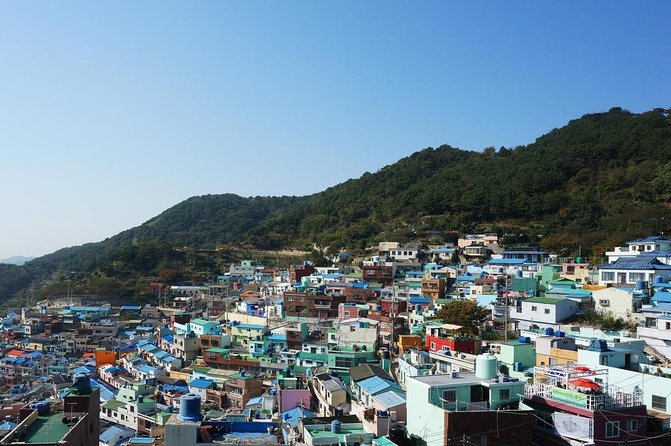
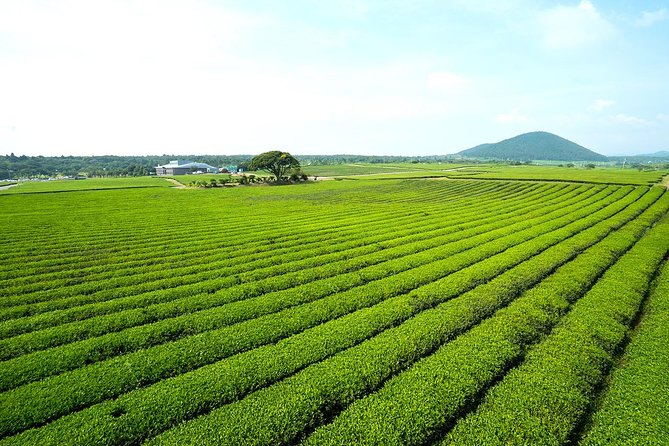
- Jeju’s volcanic “wow” factor from lava-tube caves to crater views and black-sand beaches
- Structured food days, including bibimbab in Jeonju and a Seoul k-cooking class with a menu that changes monthly
- Busan’s seafood-market energy, with Jagalchi plus seaside temples like Haedong Yonggungsa
- Silla-era history in Gyeongju, including Bulguksa and Seokguram, plus Cheomseongdae for stargazer vibes
- A real contrast night with Golgulsa Temple Stay rather than a standard hotel-only routine
- DMZ access with clear rules, no reservations and early arrival for first-come logistics
Why this starts in Jeju, not Seoul
Starting in Jeju works. You land with jet lag usually still in your system, then the scenery does the job of waking you up. Jeju is different from the mainland in texture and tempo. Think volcanic rocks, crater shapes, coastal cliffs, and a culture that has long ties to the island’s own traditions.
I also like that you are not just sightseeing from a bus window. Day one and day two are built around places where you can walk, look out over the land, and experience the outdoors for real. You get a classic route of Jeju’s big geology sites, plus a couple of “only in Jeju” oddities.
One practical benefit for your sanity: the tour includes domestic flights from Gimpo to Jeju, and then Jeju to Busan. That means you are not spending your vacation day figuring out connections, luggage, and schedules.
More Historical Tours in Seoul
- Seoul: Evening Dark History, Folklore & Ghost Story Walking Tour
★ 5.0 · 593 reviews - Hanbok Photoshoot and History Tour at Gyeongbokgung Palace
★ 5.0 · 276 reviews - From Seoul: Dae Jang Geum Park Historic K-Drama Set Tour
★ 4.9 · 143 reviews
Day 1 Jeju: Dokkaebi Road, Arte Museum light arts, and a volcanic coast
Your day begins with a flight from Gimpo to Jeju, about one hour. If weather causes a delay or cancellation, the plan can adjust, which matters because day one sets the tone. Bring patience. Airports are airports.
Once you land, you meet a driver and head to your Jeju hotel. Check-in is on your own, and meals are on your own right after arrival. This is a small but important detail, because it’s the only point in the early days where you are fully in “your own time” mode.
Then the day turns playful and scenic:
- Dokkaebi Road (Mysterious Road) is the “Goblin’s Road” trick where the slope works in your favor. You may hear about little tests, like turning off your engine or rolling a ball, and the whole thing is built around that feeling of wrong-way physics. It is quick, but it is fun.
- ARTE MUSEUM JEJU is a video and light arts museum. It is not a quiet museum with one dusty display at a time. It is more of a visual, experience-style space, and it’s included, so you do not have to decide tickets in the middle of a travel day.
- Spirited Garden gives you bonsai artistry. The key here is variety, you get something Japan-inspired in style, but it is still unmistakably Korea in how it’s presented. It is also one of those places that feels like it should be photographed, even if you skip that.
- Hyeopjae Beach is your reset button. It’s one of the most beautiful beaches on the island, and you can either put on your bathing suit or just use nearby cafes for a view break.
- Jusangjeollidae is a geological stop you will remember. These are joint column formations, the kind of volcanic pattern that makes you stop talking for a minute.
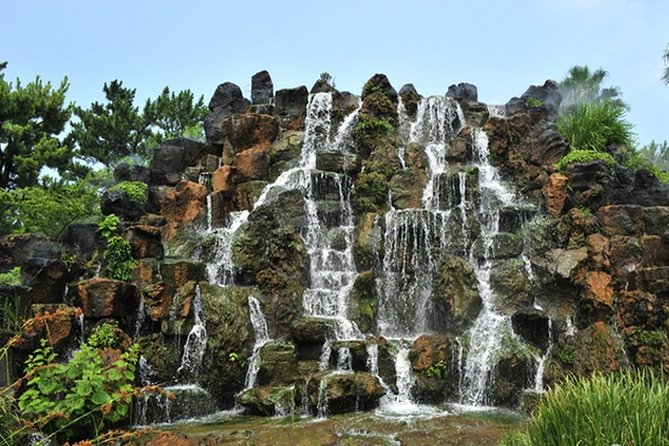
- Cheonjiyeon Falls is smaller than the headline waterfalls you might be imagining, but it’s included and pleasantly timed at the end of the day when your eyes need something green and moving.
What I like for you: the day balances oddball attractions with real geology and an ocean finish. What to consider: it is a long, active start, so if you are traveling with someone who tires easily, do not plan a late dinner that night.
Day 2 Jeju: Manjanggul Cave, craters, black sand, and Dongmun Market
Day two is geology plus island life. You start with Manjanggul Cave, famous as one of the world’s longest and finest lava tubes. This is the kind of place where the “wow” is not just the entrance photo. It’s the way the cave shape tells the story of a past eruption and how the light and cooling air change as you walk.
Next is Sangumburi Crater, described as a flat crater with a huge circumference, and when you stand at the right angle, the shape feels almost stadium-like. Even if you are not a geology person, you will get the scale.
Then comes Gwangchigi Beach, notable for soft black sand from basalt. It’s not just a beach, it’s an island geology lesson in an easy form.
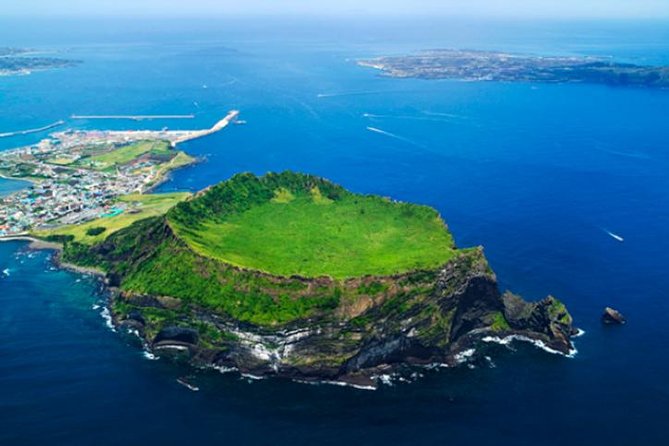
After that, Seongsan Ilchulbong gives you the big view stop, also known as Sunrise Peak. Climbing to the top puts you inside the crater landscape, surrounded by grass. The history is in the formation, a tuff-cone structure shaped by hydro-volcanic eruptions thousands of years ago.
You then shift from rocks to culture at Seongeup Folk Village, a small place holding indigenous Jeju culture near Mt. Halla. It’s a calmer way to let the island land in your mind.
Finally, you end with Dongmun Market. This is where Jeju becomes human scale. It is a traditional market that grew after liberation in 1945, and it’s full of inexpensive items. It is also a good place to snack your way through the evening.
Tip for your comfort: build light expectations for market time. If you try to shop like you have a second home to furnish, you will burn energy. Snack, look, and choose one or two things you truly want.
Day 3 Busan: Stair-step houses, Skywalk views, and BIFF Square food
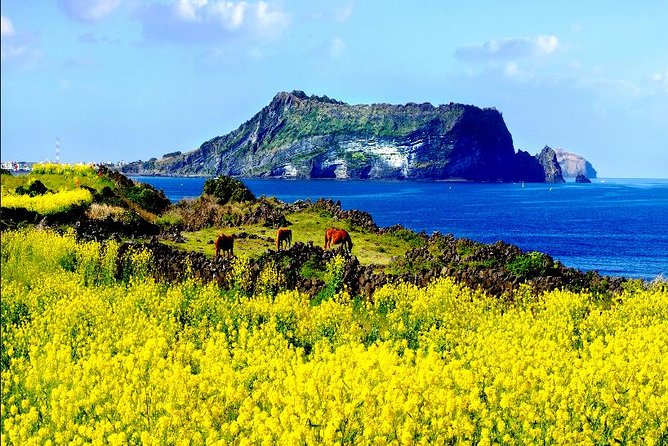
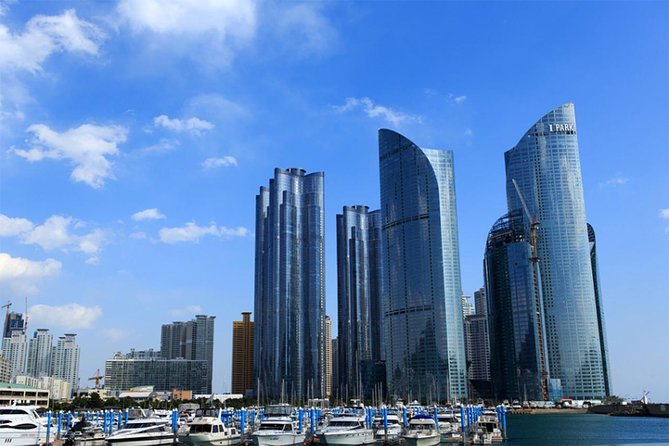
On day three, you fly from Jeju to Busan and then go straight into coastal city energy. The first stop is Gamcheon Culture Village, where you see houses built in staircase fashion along a coastal mountain slope. It’s colorful, yes, but the real value is the layout. It helps you understand how the city grew around terrain rather than flattening everything.
Next is Songdo Skywalk, a waterfront walk paired with seafood options nearby. An Ocean Cable Car is optional, so you can skip it if you are tired or if weather is cloudy.
You then hit BIFF Square, famous for the Busan International Film Festival area, but practical because it doubles as a food street. If you like simple, sweet street snacks, this is one of the places to try sweet pancakes and wander without over-planning.
Jagalchi Market follows. It’s the big fish market in Busan, and it is interesting because you see seafood up close, alive or not. If you do not love fish-market scenes, you can still use it as a short stop and then return to BIFF’s nearby streets for shopping and snacks.
You also have a longer bridge viewing moment. The description here is a longest and double-decker bridge style with ocean views, and at night the area can include festivals and events like light displays or fireworks depending on timing.
Then you finish with Haedong Yonggungsa, a seaside temple that many people consider the most beautiful in Korea for its ocean setting. This is one of those stops that changes your mood from “city scanning” to “quiet observation.”
Potential drawback to note: Busan days can pile up. You are moving from village views to shopping streets to a market, then temple, then back out. Wear shoes you can trust.
More Food Tours in Seoul:
- Seoul Street Food Market Tour
★ 5.0 · 1,226 reviews - Seoul: Night Market Food Tour with Local Guide
★ 4.9 · 943 reviews - Downtown Seoul Guided Food & Market Tour with 8+ Local Tastings
★ 5.0 · 580 reviews - Seoul Night Palace & Market Food Tour with Vehicle
★ 5.0 · 275 reviews
Day 4-5 Gyeongju: Bulguksa, Seokguram, and the Silla timeline
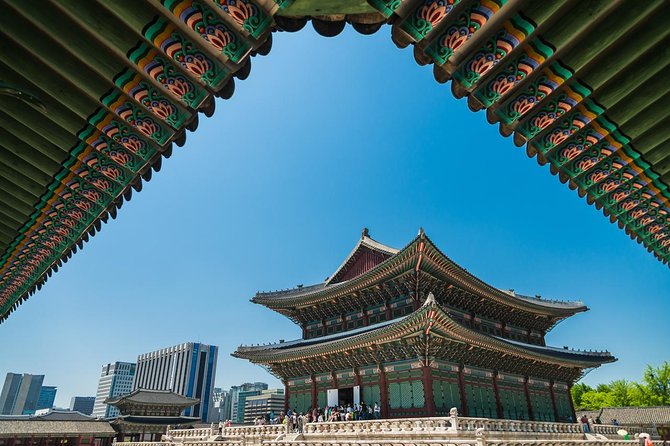
Gyeongju is where the tour slows down and gets more historical. The route leans into the Silla Kingdom story, and it does it through a mix of major temples and specific sites that are easy to connect into a timeline.
On day four, you visit Golgulsa Temple first, then Bulguksa Temple, and Seokguram.
- Golgulsa Temple is tied to a templatestay style program that runs year-round. Even without staying yet, the location sets the stage for why the temple night matters later.
- Bulguksa is a 1,000-year Buddhist temple from the Shilla Kingdom era. You are walking through a living heritage site, not a quick photo spot.
- Seokguram is described as a highlight statue work and a best-in-class Buddha figure. It is the kind of stop where the artwork and stonework feel crafted, not generic.
Day five continues with tombs and astronomy, which is a great pairing because you get both “earth” and “sky” history.
You visit Daereungwon Tomb Complex, with five tombs and distributed ancient tombs across the area. Then comes Cheomseongdae Observatory, noted as the oldest surviving astronomical observatory in Asia. Even if you only catch a brief moment inside or around it, knowing the age makes it hit differently.
You also get the Gyeongju National Museum, which houses artifacts from the Silla dynasty. This is useful when you want context for what you saw outdoors.
Then there is a night-view oriented stop: Donggung Palace and Wolji Pond, famous for the night scene. After that, Woljeonggyo Bridge is described as part of a night view course, and the timing here helps you enjoy evening atmosphere.
If you care about pacing: Gyeongju is one of the days where you can slow down a little and just soak in spacing between sites. It helps counterbalance the earlier market intensity.
Golgulsa Temple Stay: the one night that changes the whole trip
This tour includes 1 night Golgulsa Temple Stay. That matters because it breaks the pattern of sleep every night in the same kind of hotel routine. You shift to a different daily rhythm and a different kind of quiet.
From a traveler’s point of view, the value is not only the novelty. It’s the way it resets your senses after sightseeing heavy days in big cities. If you want to feel like Korea is more than photos and street food, this is the closest thing in the plan to slowing down on purpose.
Practical note: temple stays can mean fewer modern comforts than a standard hotel. The tour does not spell out specifics here, so I suggest you bring the same mindset you would for any overnight that is not a typical hotel.
Day 6 Jeonju: hanok wandering, bibimbab, and a rice wine supper
Jeonju is where the tour leans hard into “food city” energy. You start after breakfast and then travel to Jeonju.
You first enjoy Jeonju Hanok Village and try bibimbab. That is the obvious headline meal, but the experience in Jeonju style is also about seeing the hanok setting as part of the flavor. The plan also includes traditional rice wine at dinner time later.
Then you move into Joseon-era historic sites with stops like Gyeonggijeon Shrine and Jeondong Catholic Church.
- Gyeonggijeon Shrine is built in 1410 and holds a portrait of King Tae-jo, the founder of the Joseon dynasty. That detail helps you understand the shrine is not random decoration, it is a defined historical role.
- Jeondong Catholic Church marks the spot connected to Roman Catholic martyrs during the Joseon dynasty. You get a quieter, more reflective stop after the food and hanok wandering.
You also visit Omokdae and Imokdae, described as observatories where you can look down over the area. These viewpoint stops are useful because they give you a way to “place” the village and city space.
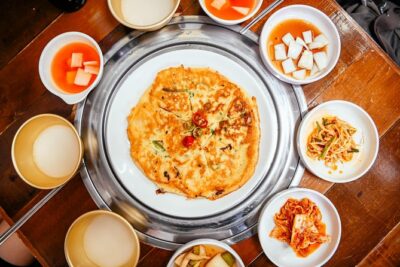
Then you end with a specific supper at 옛촌막걸리 삼천점, a Korean style pub with rice wine. The plan describes various foods coming with orders of rice wine.
Best way to enjoy this night: go in hungry, and share. Rice wine pairings are usually easier when you can try multiple items without over-committing to one full meal.
Day 7-8 Seoul arc: Suwon fortress, Gyeongbokgung, Insadong, Bukchon, and markets
Day seven begins with travel to Seoul. On the way back, you stop at a UNESCO site, Hwaseong Fortress in Suwon. This stop is a smart way to add depth between cities instead of treating transport time as wasted time.
Hwaseong Fortress is tied to Joseon-era regional government importance and was designated a UNESCO World Cultural Heritage Site in 1997. The fortress stop is also paired with a very modern detour: the Suwon fried chicken street, where you find many fried chicken restaurants.
Then on day eight you go fully into Seoul classics:
- Gyeongbokgung Palace, described as the first and largest palace built by the Joseon Dynasty in 1395. It’s set at Gwanghwamun Square, so it helps you get your bearings quickly in central Seoul.
- Insadong, a shopping and gallery area good for souvenirs and art lovers. This is where you can pick up small gifts without needing to plan every purchase in advance.
- Bukchon Hanok Village, where you wander through traditional houses called hanok. It’s great for feeling the architecture, and it helps explain why Seoul can feel both old and newly engineered at the same time.
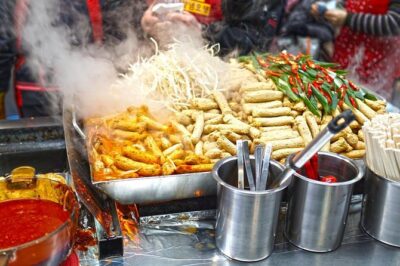
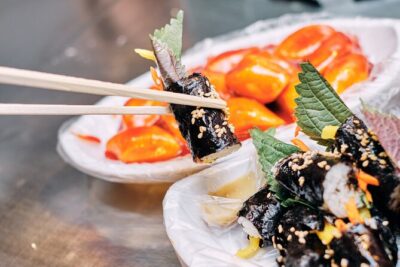
- Kwangjang Market, where you can sample many Korean foods like mungbean pancakes, Korean donuts, gimbab, ddeokbbokki, and fruit juice. It’s a good “try a bunch, don’t worry about a full sit-down meal” kind of stop.
- N Seoul Tower, for 360-degree views. It’s listed as about 480 meters above sea level when you include Namsan Mountain and the tower height. This is a good photo stop plus a useful way to orient yourself on a map.
- Jogyesa Temple, noted as a meaningful temple for Seoul people, described as the first temple built in the center of Seoul. It’s the kind of stop that feels like a pause between shopping and viewing.
Watch-out: these stops are close enough to move through quickly, but you still need energy. If you get tired, markets and palace grounds can overwhelm you. Take breaks in cafes when you feel your focus slipping.
Day 9 DMZ: what makes it different, and how to be ready
DMZ day is not like other sightseeing days. The plan emphasizes that you enter a military zone with procedures and policies.
The most important logistics detail you should plan around: no reservation for DMZ tickets and it is first come, first served, which means you need an early meeting time. The day also includes multiple DMZ stops, and the process itself is part of the meaning.
You visit the Third Tunnel, described as an invasion tunnel dug after the Korean War. The plan notes the shock factor of the context, and you can go down to check it.
Then there is Dora Observatory, described as a highlight where you can see North Korea with binoculars. The plan mentions you can see Gaeseong city and the industrial complex that North and South Korea cooperated on, plus a North Korean village view described as part of the area.
You also stop at Tongil Park (Unification Park), described as the only civilian control zone village where people live, and it is the last stop in the DMZ tour where you can buy DMZ-themed things and local products.
Finally, Gamaksan Chulleong Bridge is a short hike described as about 10 minutes before you see a suspension bridge view. The stop is linked to the Korean War battlefield history, but now it’s described as a mountain area locals visit.
If you want the best DMZ day: treat the morning like a mission, arrive with buffer time, and keep expectations realistic about what you can see through regulated viewing points.
Day 10 in Seoul: NANTA, a cooking class, Seonyudo park, and Myeongdong
Your final day is built to end with flavor and entertainment.
First is Cookin’ NANTA (Myeongdong). It’s a non-verbal comedy show using Korean traditional rhythm, described as fusion. Non-verbal is the key word here, it makes the show easier for mixed-language groups.
Next is your included small group k-cooking class in Seoul. The menu changes monthly, and examples listed include bulgogi, gimbab, kimchi, and pancakes. If you want a practical souvenir, this is it, you leave with skills you can actually use.
Then you head to Seonyudo, Gunsan, described as a famous Han river park for walking with panoramic views of Seoul and Han river scenery.
You finish with Myeongdong Shopping Street, a top spot for street food vendors and shopping, where you get that high-energy Seoul sidewalk feel.
Why the ending works: it mixes a seated show, a hands-on class, an outdoor view walk, and then street energy. It’s a full-spectrum finale.
Price and value: what $3,800 is buying you
At $3,800 per person, this is not a budget trip, but it is also not “pay for a guide and figure everything else out.” The plan covers a lot of the expensive moving parts.
Here’s the value math in plain terms:
- You get domestic flights within Korea, Gimpo to Jeju and Jeju to Busan.
- You get 9 nights in 3.5 to 4-star accommodations, plus 1 night Golgulsa Temple Stay.
- You get AC vehicle transport and an English-speaking tour guide.
- You get entrance fees for the stops on the plan.
- Meals are mostly handled: 7 breakfasts, 7 lunches, and 2 dinners are included.
What is not included is meals that are not planned. Also note day one hotel check-in meals are on your own right after you arrive.
How I’d decide if it’s worth it for you: if you prefer having flights, tickets, and admissions arranged, this price starts to make sense. If you want full freedom every day and you like negotiating your own public transport routes, a packaged tour may feel restrictive.
Who this tour is best for
This tour is a strong fit if you want:
- A guided, structured route through Jeju, Busan, Gyeongju, Jeonju, and Seoul without the stress of building your own plan
- A balance of major landmarks and real food moments, including bibimbab and a cooking class
- A trip that includes a meaningful overnight with Golgulsa Temple Stay
- An organized DMZ day with clear rules built into the schedule
It may be less ideal if you hate early mornings, dislike markets, or need a lot of downtime every evening. Day-to-day movement is part of the deal here.
Also, it’s described as private and small-group, and it allows service animals. It is near public transportation, and most travelers can participate.
Should you book this tour?
I think you should book it if you want an efficient Korea highlight run with food, history, and hands-on moments, plus a guide who keeps the logistics steady. The biggest reasons to say yes are the included internal flights, the temple stay, and the fact that entrance fees and many meals are handled.
I would pause before booking if:
- You are very sensitive to early starts and procedure days like the DMZ
- You travel during a season where flights are often weather-affected, since day one’s Jeju flight can shift
- You prefer full meal freedom every day, since you will have some on-your-own times
If your ideal trip is structured, guided, and built around eating well and seeing the big places, this one is a solid match.
FAQ
How long is the tour?
The tour lasts about 10 days.
Where does it start, and what time do you begin?
It starts in Seoul with a 9:00 am start time.
Does the tour include flights within Korea?
Yes. Domestic flights are included, Gimpo to Jeju and Jeju to Busan.
Is pickup included?
Pickup is offered.
What meals are included in the price?
The tour includes 7 breakfasts, 7 lunches, and 2 dinners.
Are entrance fees included?
Yes. Entrance fees for the stops on the plan are included.
Is a temple stay included?
Yes, there is 1 night of Golgulsa Temple Stay included.
What is included for the Seoul cooking experience?
You get a small group k-cooking class in Seoul, and the menu changes monthly. Example dishes mentioned include bulgogi, gimbab, kimchi, and pancakes.
Can you cancel for a refund?
No. This experience is non-refundable and cannot be changed for any reason.
Recently reviewed in Seoul
- You’re Invited to Our Home in Seoul: The Only Cooking Class!★ 5.0 · 8 reviews
- Your Personal Seoul Photographer!★ 4.1 · 15 reviews
- From Seoul: Yongpyong Ski Day Tour with Transportation★ 4.9 · 40 reviews
- Seoul: Korean & English Language Exchange Global Party★ 5.0 · 28 reviews
- Watching sports match & local food experience in Seoul★ 5.0 · 11 reviews
- WKT Combat Taekwondo & Self-defense One Day Class in Seoul★ 5.0 · 5 reviews
- Unique Native Experience : Han River Picnic, Board game, BBQ★ 5.0 · 3 reviews
- Seoul: Gangneung BTS K-Pop & K-Drama Filming Locations Tour★ 4.6 · 14 reviews
Food & Drink, compared.
Downtown Seoul Guided Food & Market Tour with 8+ Local Tastings
Read our review →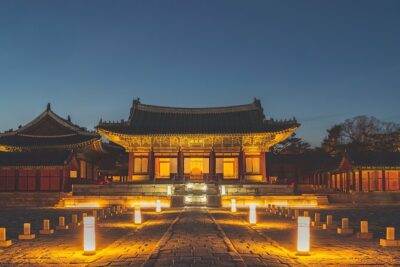
Seoul Night Palace & Market Food Tour with Vehicle
Read our review →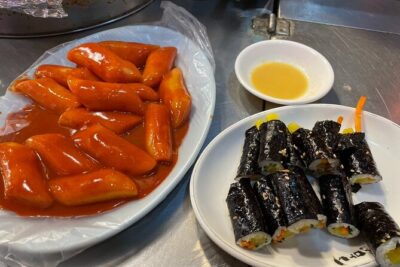
Seoul Fun Food Tour: 12 different food tastings
Read our review →
The Award-Winning PRIVATE Food Tour of Seoul: The 10 Tastings
Read our review →
Jasmil Baseball Stadium Game Ticket with Dinner/Beer
Read our review →Browse the lists this tour appears in